China's Tiangong Space Station — officially the Chinese Space Station (CSS) — has completed its transition from construction project to fully operational orbital laboratory. Since achieving its three-module core configuration in late 2022, Tiangong has hosted continuous crew rotations, expanded its science program, and begun receiving international researchers. In 2026, it stands as the world's only alternative to the aging International Space Station and a symbol of China's emergence as a first-tier spacefaring nation.
This article provides a comprehensive update on what's happening aboard Tiangong right now, what missions are planned, and what the station means for the future of human spaceflight.
Tiangong's Architecture: What's Up There
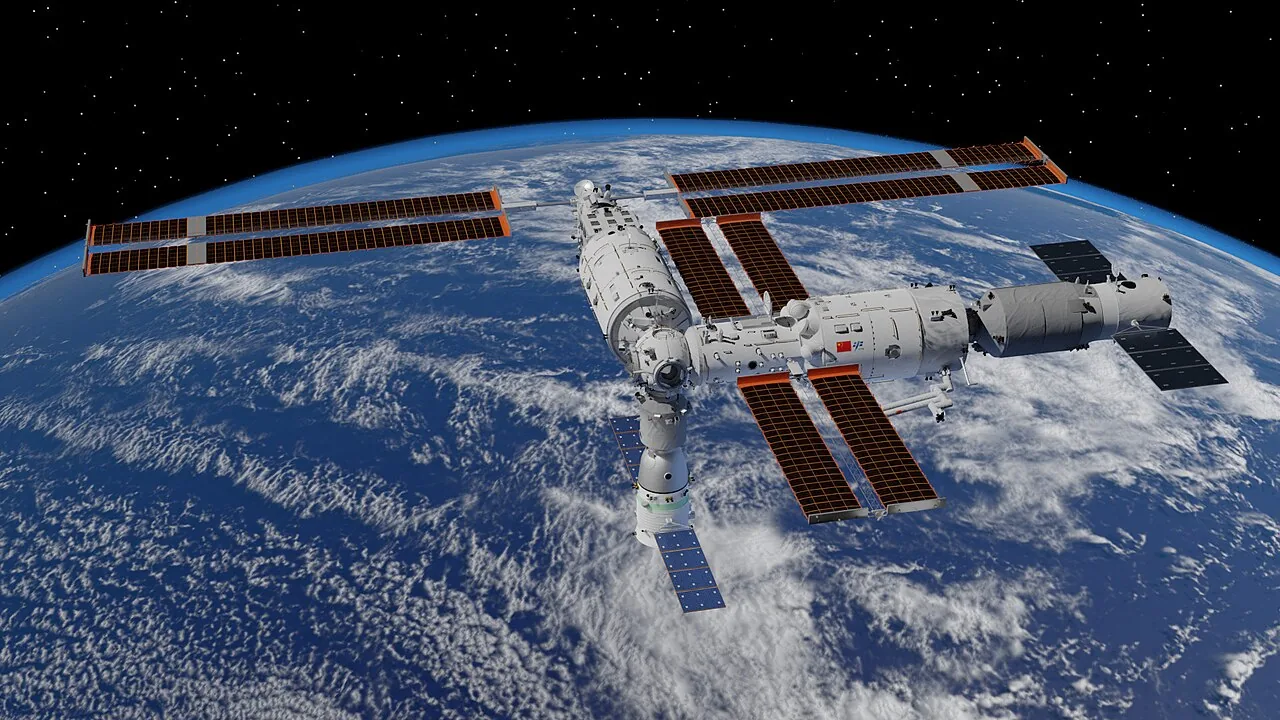
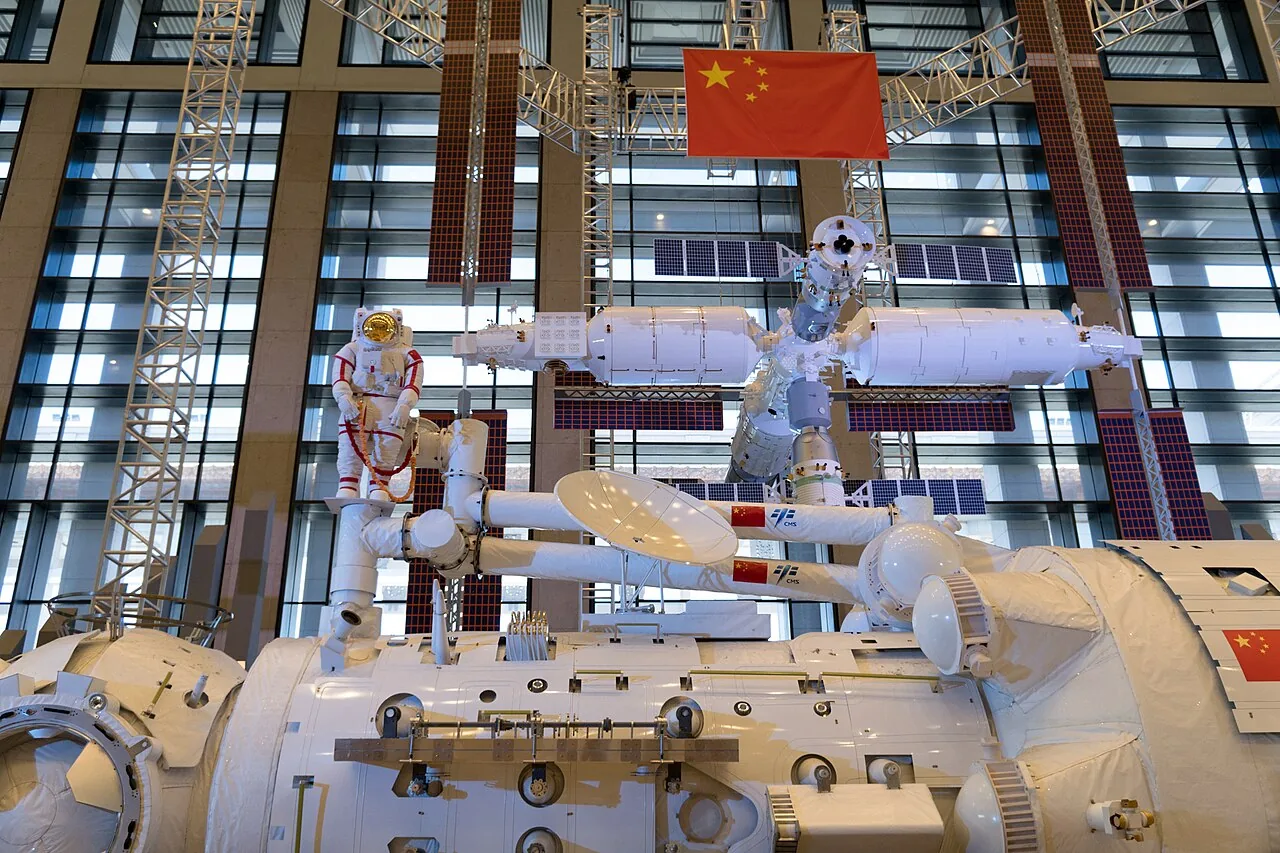
The station's current configuration consists of three modules:
Tianhe (Core Module)
Launched April 29, 2021, Tianhe is the heart of Tiangong. It serves as the station's living quarters, hosts the primary propulsion and attitude control systems, and provides docking ports for crew spacecraft (Shenzhou) and cargo missions (Tianzhou). Tianhe is 16.6 meters long and 4.2 meters in diameter, with a launch mass of 22,500 kg.
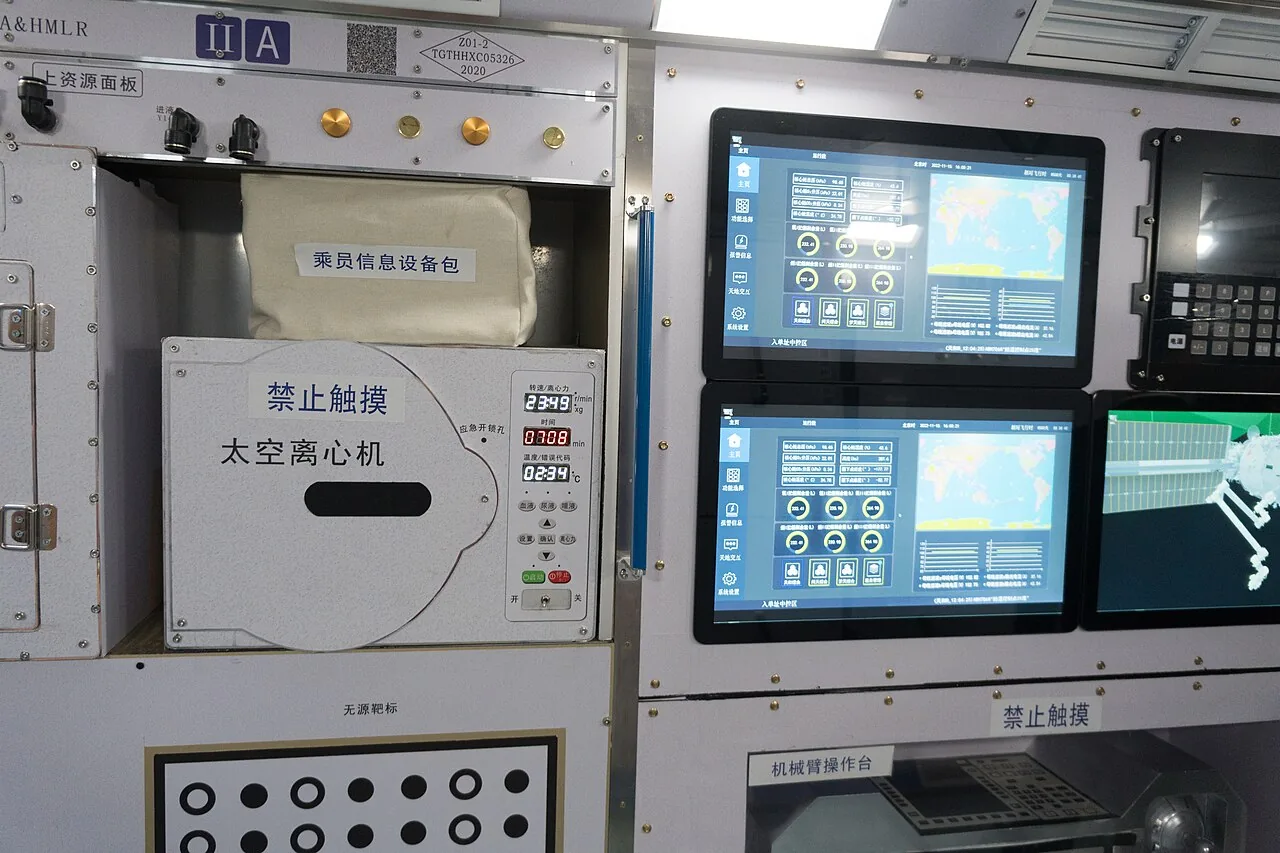
The core module contains sleeping quarters for three crew members, exercise equipment, the primary control systems, and a robotic arm (CRBA — Chinese Space Station Core Module Remote Manipulator System) with a 10.2-meter reach.
Wentian (Lab Module I)
Launched July 24, 2022, Wentian expanded the station's science capabilities significantly. At 17.9 meters long and 4.2 meters in diameter, with a launch mass of 23,000 kg, it is one of the largest single modules ever launched. Wentian contains additional science racks, an airlock for spacewalks (extravehicular activities), a secondary robotic arm, and additional sleeping quarters — allowing the station to temporarily host six crew members during crew handover periods.
Mengtian (Lab Module II)
Launched October 31, 2022, Mengtian completed the T-shaped core configuration. It specializes in microgravity science and houses the station's most sensitive scientific instruments, including a pressurized cargo airlock for deploying experiments and small satellites from the station's interior.
The Xuntian Space Telescope
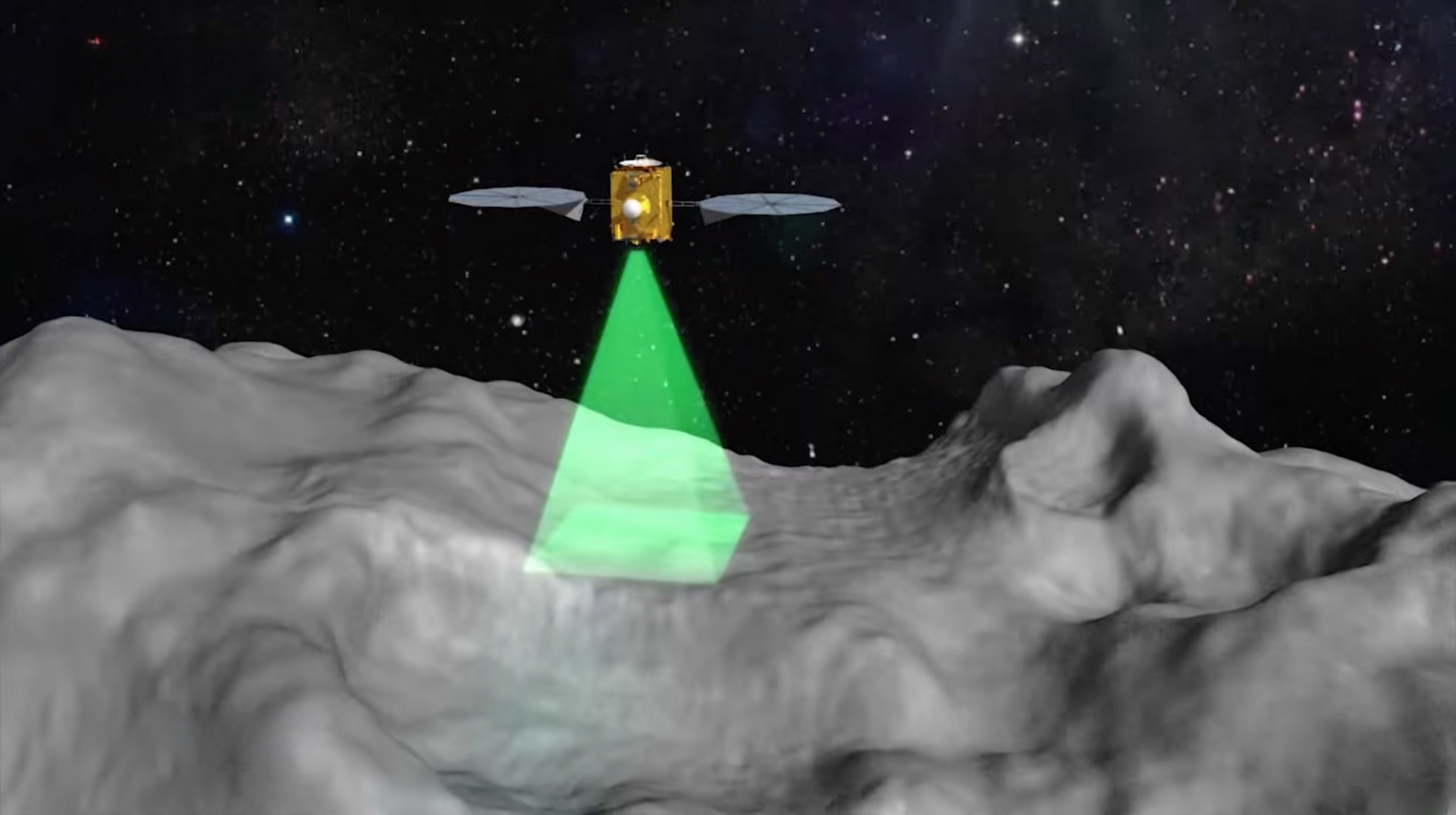
An additional element that makes Tiangong unique: the Xuntian (Chinese Survey Space Telescope, or CSST), a Hubble-class space telescope that orbits in close proximity to the station and can dock with it periodically for servicing and upgrades. Launched in late 2024, Xuntian has a 2-meter aperture and a field of view 300 times wider than the Hubble Space Telescope, allowing it to survey large areas of sky with high resolution. This represents a significant capability the ISS does not have.
Current Crew and Rotation Schedule
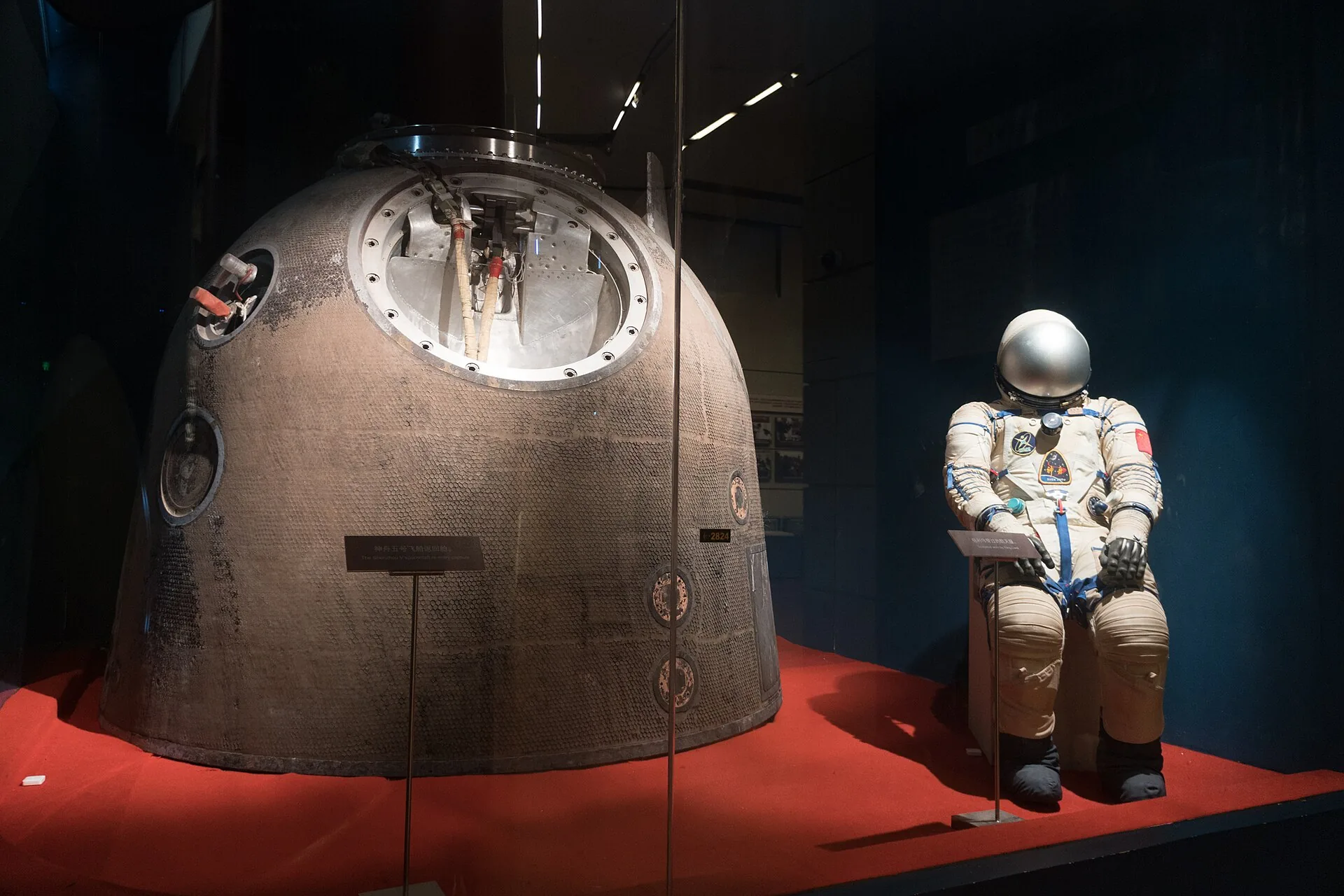
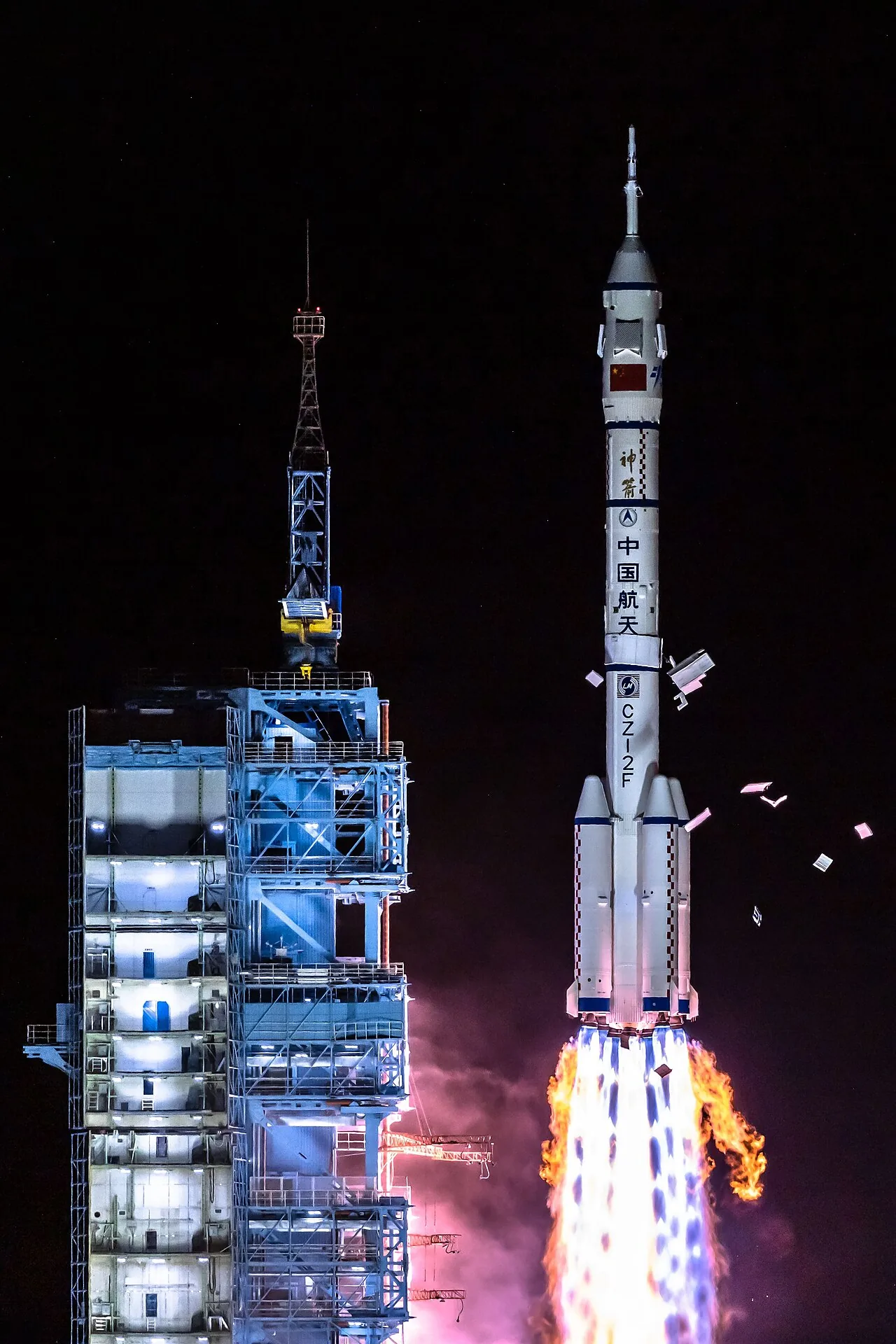
China operates Tiangong on a continuous six-month crew rotation basis, similar to the ISS. Shenzhou spacecraft carry three-person crews. During crew exchanges, the station briefly hosts six people simultaneously.
The Shenzhou-20 crew took over station operations in early 2025 after completing a six-month handover with Shenzhou-19. China targets two crew rotations per year, with Tianzhou cargo missions delivering supplies, equipment, and propellant on a similar cadence.
Chinese astronauts — called taikonauts — include a mix of veteran space flyers and first-time mission specialists with backgrounds in engineering, medicine, and science. China's CNSA (China National Space Administration) has been steadily expanding its taikonaut corps to support both station operations and future lunar missions.
Science Aboard Tiangong
Tiangong hosts a growing portfolio of scientific experiments across multiple disciplines:
Life Sciences and Biomedical Research
Like the ISS, Tiangong is a key platform for studying how microgravity affects human physiology. Research programs include bone density and muscle mass changes, cardiovascular adaptations, vestibular system effects, and sleep quality. China is developing this data for both scientific publication and practical application to future long-duration missions to the Moon and Mars.
Materials Science
Microgravity enables the creation of materials — crystals, alloys, protein structures — with properties impossible to achieve on Earth. Mengtian's materials science racks host ongoing experiments in semiconductor crystal growth, metallic glass formation, and pharmaceutical compound synthesis.
Earth and Space Observation
Tiangong's windows and external sensor mounts support Earth observation and astronomical monitoring. The station carries spectrometers and cameras that monitor atmospheric chemistry, ocean temperature, vegetation health, and space weather phenomena.
High-Energy Astrophysics
The High Energy Cosmic Radiation Detection (HERD) facility, mounted externally on Wentian, detects cosmic ray particles and gamma rays with higher sensitivity than ground-based instruments. Data from HERD contributes to understanding of dark matter candidates and cosmic ray origins.
International Participation: Opening to Partners
One of the most significant recent developments is the beginning of genuine international crew participation on Tiangong. Unlike NASA, which restricted ISS access based on treaty politics, China has pursued a more open approach to international science partnerships.
The United Nations Office for Outer Space Affairs (UNOOSA) and CNSA jointly selected 17 experiment proposals from 23 countries for Tiangong in the first international experiment call. These experiments from institutions in France, Germany, Spain, Italy, Kenya, India, Japan, Peru, and other nations are being conducted aboard the station.
Several countries — including Pakistan, whose taikonaut Salman Ansari flew aboard Shenzhou-18 in 2024 — have sent their nationals to the Chinese station. Saudi Arabia's Rayyanah Barnawi became the first Arab woman in space through a commercial mission that included ISS visiting, but China has hosted Pakistani, European, and other international researchers under governmental agreements.
Europe faces a particular dilemma: ESA member states fund ISS participation but are also pursuing bilateral agreements with CNSA for Tiangong access. The political friction of cooperation with China's space program is real, but the scientific opportunity of a second operational space station is difficult to ignore.
Expansion Plans: What's Coming
Tiangong's current three-module T-shaped configuration is the station's "Phase One" architecture. China has announced plans for substantial expansion:
Additional Lab Modules
CNSA's published plans include two additional science modules — referred to as Lab Module III and Lab Module IV in Chinese press — that would extend the station's capability and total habitable volume. These are expected to launch in the late 2020s.
Expanded Power Systems
The station's current power generation (about 100 kW peak) limits the number and energy intensity of experiments that can operate simultaneously. Additional solar arrays, potentially including regenerative fuel cell systems, are planned.
Increased Crew Capacity
Expansion modules will increase permanent crew capacity from three to six. This would double the amount of crew time available for experiments and station maintenance.
Tiangong vs. ISS: A Comparison
Comparing the two stations reveals important differences:
| Feature | ISS | Tiangong |
|---|---|---|
| Mass | ~420,000 kg | ~100,000 kg (current) |
| Habitable volume | ~931 m³ | ~340 m³ |
| Orbital inclination | 51.6° | 41–43° |
| Permanent crew | 6–7 | 3 (expandable to 6) |
| Operational since | 2000 | 2021 |
| Planned retirement | 2030 | 2035+ |
The ISS is much larger and has 25 years of continuous habitation experience. But Tiangong is newer, uses modern systems throughout (no legacy hardware), and is China's alone to operate — no multinational committee decisions required. The station's lower orbital inclination means it covers a larger portion of China and the equatorial regions frequented by Belt and Road countries, a subtle but deliberate geopolitical consideration.
What Tiangong Means for the Future
The ISS is scheduled to deorbit no earlier than 2030, with the exact timeline uncertain. If the ISS retires on schedule, there will be a period — potentially 5–10 years — when Tiangong is the only operational crewed space station in Earth orbit. Axiom Station and Sierra Space's commercial station are targeting late-2020s/early-2030s operations, but development delays are likely.
This gives China enormous leverage in the human spaceflight domain. Nations that are currently ISS partners but that have complex political relationships with the US may find Tiangong an attractive alternative. European scientific institutions that cannot access the ISS for bureaucratic or political reasons may be able to place experiments on Tiangong.
For China, the station is a demonstration of comprehensive space capability — the ability to design, build, launch, assemble, crew, and operate a multi-module orbital outpost independently. This capability is a prerequisite for China's stated lunar ambitions: the International Lunar Research Station (ILRS), a partnership with Russia and several other countries targeting a permanent crewed lunar presence by the 2040s.
Bottom Line
China's Tiangong Space Station is a fully operational, scientifically productive orbital facility hosting continuous human presence. In 2026, it is conducting experiments across life sciences, materials science, and astrophysics, beginning to accommodate international researchers, and expanding toward a larger configuration.
The station represents China's arrival as a genuine peer competitor in human spaceflight — not aspirationally, but actually. For the global space community, Tiangong's existence is both a geopolitical statement and a genuine scientific resource. How the international community chooses to engage with it will shape the politics of human spaceflight for the next generation.