
Lockheed Martin Space: From Orion to GPS III
Company Overview
Lockheed Martin Corporation stands as the world's largest defense contractor by revenue, a position it has held since its 1995 merger of Lockheed Corporation and Martin Marietta. Headquartered in Bethesda, Maryland, the company employs approximately 122,000 people globally and reported full-year 2025 revenue of roughly $73 billion, continuing a multi-year growth trajectory from the $65–68 billion range earlier in the decade.
Founded formally through merger in 1995 but tracing its aerospace lineage to the 1912 founding of Lockheed Aircraft Company, Lockheed Martin has evolved from a manufacturer of Cold War jet fighters into the dominant systems integrator for U.S. government aerospace, defense, and national security programs. The company trades on the NYSE under ticker LMT and carries a market capitalization typically ranging between $105 billion and $130 billion, reflecting its status as a blue-chip defense equity with consistent dividend growth and share buyback programs.
The company is structured across four business segments: Aeronautics (which includes the F-35 program and accounts for roughly 40% of revenue), Missiles and Fire Control, Rotary and Mission Systems, and Space. Each segment contributes meaningfully to the overall enterprise, though Space has grown in strategic importance as U.S. national security posture increasingly depends on space-based assets.
Key financial metrics underscore Lockheed's stability: operating margins typically run in the 10–13% range, the backlog regularly exceeds $150 billion, and free cash flow generation supports both capital returns to shareholders and investment in next-generation programs.
Key Takeaways
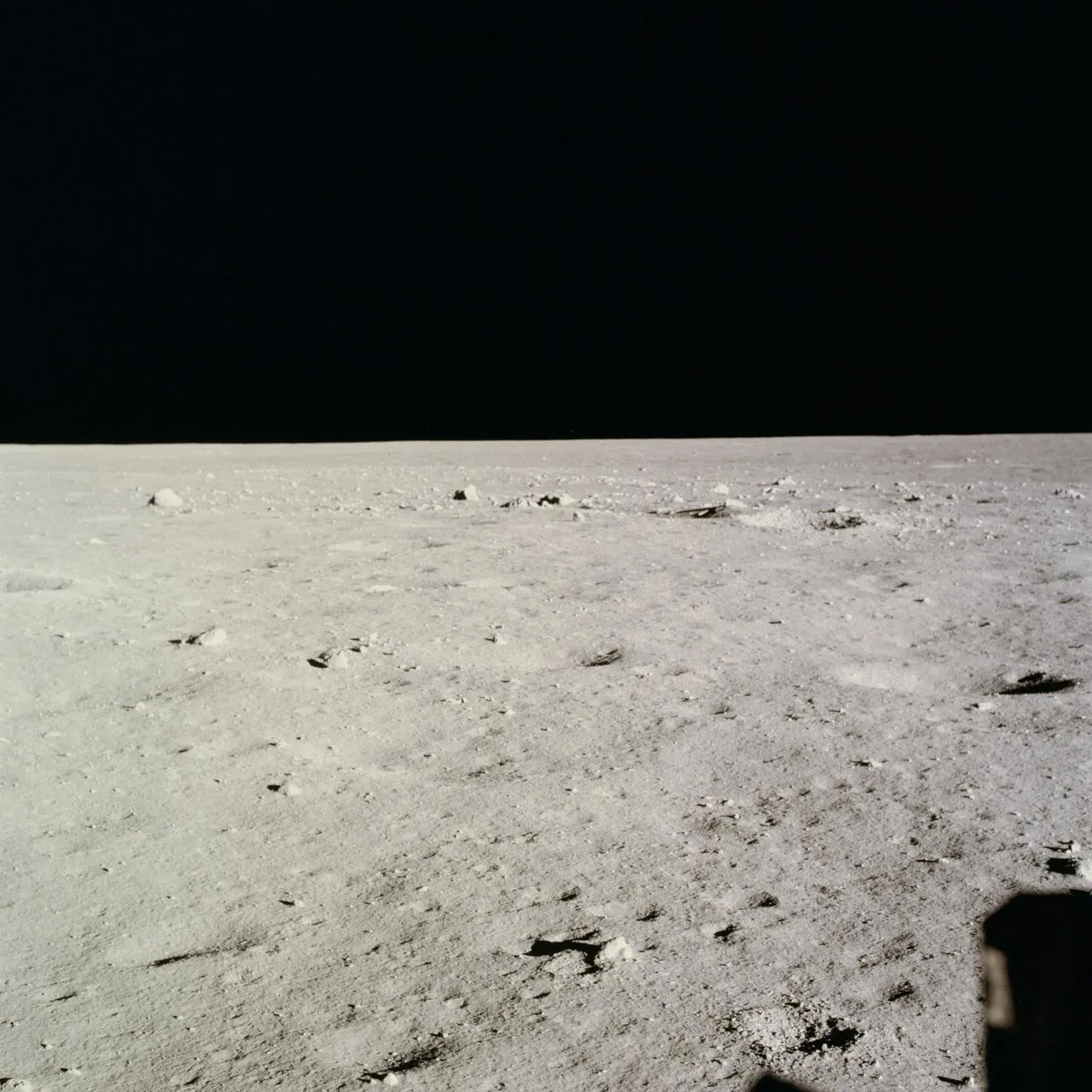
- Revenue/Budget: Total revenue ~$73B (FY2025); Space segment ~$13.5B/year (~18% of total); backlog >$170B
- Key Achievement: Orion for Artemis II integrated at Kennedy Space Center, ready for first crewed lunar flyby in 2026; SDA Tranche 3 Tracking Layer win — reportedly the single largest award in the $3.5B Tranche 3 round
- Key Program: Orion Multi-Purpose Crew Vehicle (>$20B program value); GPS III/IIIF (7th GPS III satellite operational); Next Gen OPIR missile warning; Next-Gen Interceptor (NGI) for missile defense
- Key Risk: Cost-plus exposure as DoD pushes fixed-price contracts; SpaceX vertical-integration pressure; HLS/lunar surface market lost to SpaceX/Blue Origin
- Outlook: Artemis II launch 2026; SDA Tranche 3 production through late 2020s; NGI silo emplacement late 2020s; Next Gen OPIR Block 0 on-orbit by late 2020s
Notable Quotes
"Space is no longer a domain we can take for granted. It is contested, it is congested, and it is becoming more critical to every military operation and every aspect of national security. Our mission is to ensure America maintains the advantage there."
— Jim Taiclet, Chairman, President and CEO of Lockheed Martin, on national security space priorities
"Orion is not just a spacecraft — it is the most sophisticated human spaceflight vehicle ever built. The heat shield, the life support, the mission systems — all designed for the most demanding voyages in human history. We are proud to be America's partner for the Moon and beyond."
— Jim Taiclet, Lockheed Martin CEO, on the Orion program and Artemis achievements
Space Division Profile
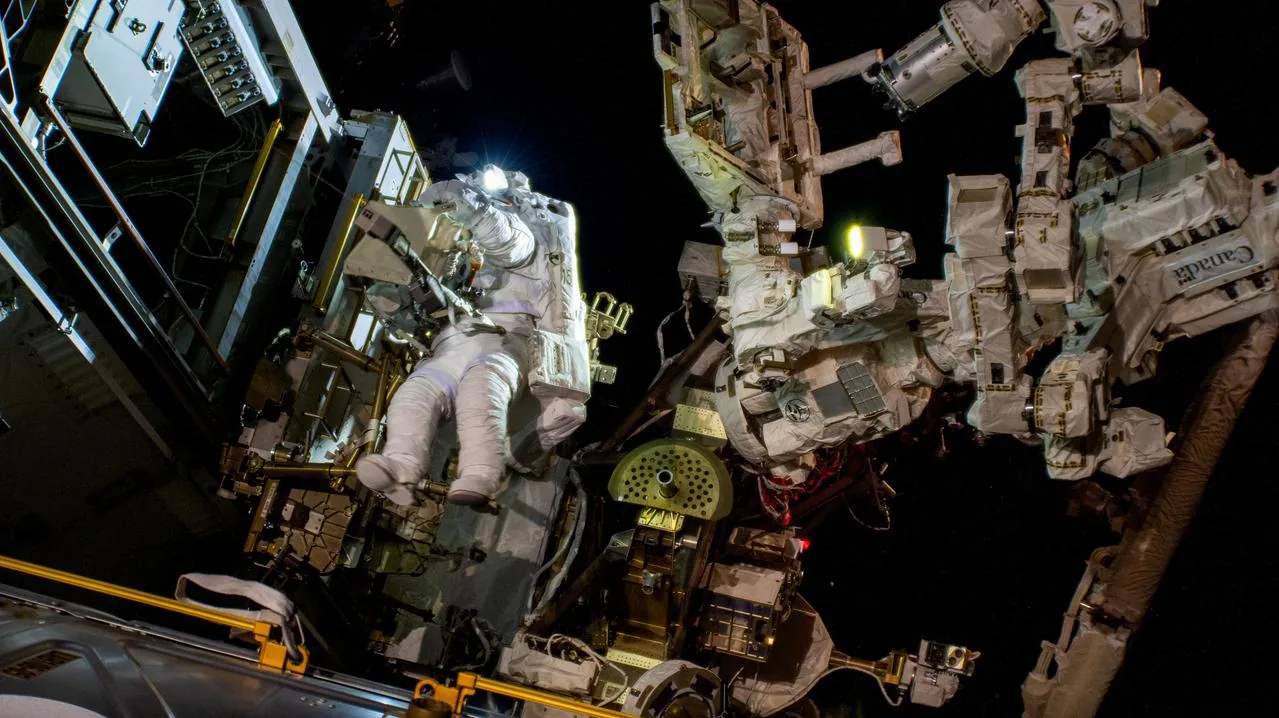
Lockheed Martin Space, headquartered in Littleton, Colorado (Denver suburb), generated approximately $13.5 billion in FY2025 revenue, representing roughly 18% of total company sales — up from ~$11–12B earlier in the decade as SDA, Next Gen OPIR, and classified work scaled.
Five primary business lines:
- Human Spaceflight: Orion Multi-Purpose Crew Vehicle and Artemis program work
- National Security Space: Classified and unclassified satellite programs for NRO, DoD, and Space Force
- Commercial Civil Space: Government science satellites, GPS modernization, Earth observation
- Strategic and Missile Defense: Space-based missile warning and missile defense interceptors
- Hypersonics and Emerging Capabilities: Advanced propulsion and hypersonic glide vehicles
Major facilities:
- Sunnyvale, California
- Denver / Littleton, Colorado
- King of Prussia, Pennsylvania
- Waterton Canyon, Colorado
The Space division employs approximately 20,000 people and has been building satellites since the 1950s.
Key Products & Programs
Orion Multi-Purpose Crew Vehicle
NASA's Artemis human lunar exploration centerpiece:
Specifications:
- Crew capacity: 4 astronauts
- Crew Module diameter: 5 meters (built by Lockheed Martin)
- European Service Module: Built by Airbus under ESA contract
- Total launch mass: ~26,500 kg
- Deep space capability: Up to 21 days without additional habitation elements
- Thermal protection: Avcoat ablative heat shield — largest ever flown at 5 meters diameter
Program status:
- Artemis I (November 2022): Successful uncrewed lunar orbit mission — validated heat shield and life support
- Artemis II (planned 2026): First crewed flight around the Moon; Orion vehicle integrated with SLS at Kennedy Space Center, vehicle stack rolling toward launch readiness
- Artemis III (planned 2027 or later): Crewed lunar landing using SpaceX Starship HLS
- Total program value: Exceeds $20 billion across development and production contracts
- Orion production contract (Artemis III–VIII+): $9.9 billion
GPS III Satellites
Prime contractor for the U.S. Space Force's third-generation Global Positioning System:
Capabilities vs. legacy Block IIF:
- 3x better accuracy
- Up to 8x improved anti-jamming performance
- New civil signal (L1C) improves compatibility with international navigation systems
- M-Code military signal provides enhanced anti-spoofing capability
Specifications:
- Launch mass: ~3,880 kg
- Design life: 15 years
- Contracted: 10 GPS III satellites (Block III); GPS IIIF follow-on under development
- Status: Seventh GPS III satellite operational on orbit; remaining Block III vehicles flying out the manifest before GPS IIIF ramp
GPS IIIF additions:
- Search-and-rescue payload
- Enhanced nuclear detonation detection
- Lot 2 awarded 2023 — sustained production franchise
Total program value: Exceeds $7.2 billion across GPS III program
A2100 Satellite Bus
Lockheed Martin's flagship GEO satellite bus — one of the most deployed in history:
- Power range: 5 kW to 18+ kW
- Mission life: 15–20 years
- Payload adaptability: Communications, missile warning, surveillance
- Over 50 satellites delivered on A2100 heritage
- Underpins SBIRS missile warning and Next Gen OPIR successor programs
Next Gen OPIR (Overhead Persistent Infrared)
Developing next-generation missile warning satellites to replace SBIRS:
- Enhanced survivability and resilience against electronic attack
- Initial contracts: ~$2.9 billion for Block 0 development and production
- Represents several billion dollars in future space revenue
- Cornerstone of Space Force's missile warning architecture through the 2030s+
THAAD (Terminal High Altitude Area Defense)
Space-adjacent program (Missiles and Fire Control segment):
- Prime integrator for the U.S. Army's terminal ballistic missile defense system
- Deployed internationally: Saudi Arabia, UAE, and other allied nations
- Intercepts ballistic missiles traveling through near-space trajectories
Next-Generation Interceptor (NGI)
Lockheed Martin's homeland missile defense centerpiece:
- Joint contract (with Northrop Grumman in earlier phases) to develop the replacement for the Ground-Based Interceptor (GBI)
- Designed to defeat increasingly sophisticated ICBM threats from North Korea and Iran, including countermeasures
- First flight test campaign and operational fielding scheduled for the late 2020s
- Key revenue and prestige program for Missiles and Fire Control, with strong space-system technology overlap (kill vehicle, sensors, communications)
Major Contracts
| Contract | Value | Notes |
|---|---|---|
| NASA Artemis / Orion (Artemis III–VIII+) | $9.9 billion | One of the largest human spaceflight contracts in NASA history |
| GPS III Block III and IIIF | >$7.2 billion | Sustained franchise through GPS IIIF Lot 2 (2023) |
| Next Gen OPIR Block 0 | ~$2.9 billion | Development and production; follow-ons expected |
| SDA Tranche 3 Tracking Layer (Dec 2025) | ~$1.1 billion | 18 missile-tracking satellites — reportedly the single largest award in the $3.5B Tranche 3 round |
| SDA Transport Layer (Tranche 1/2) | Hundreds of millions/year | Proliferated LEO national defense satellite architecture |
| Next-Generation Interceptor (NGI) | Multi-billion EMD | Replaces GBI for U.S. homeland missile defense; production decision late 2020s |
| NRO Programs | Classified | Significant portion of Space division revenue |
| Space Force Protected Tactical SATCOM | Development stage | Advanced protected military communications satellites |
Recent Milestones (2024–2026)
Artemis II Stack Integration (2025–2026):
- Lockheed delivered the Orion crew vehicle for Artemis II to NASA; spacecraft mated to SLS at Kennedy Space Center
- Vehicle in final integrated testing ahead of the first crewed lunar flyby targeted for 2026
- Orion's heat shield, validated on Artemis I, cleared for re-flight after extensive post-flight analysis
SDA Tranche 3 Tracking Layer Win (December 2025):
- Lockheed Martin awarded a contract reportedly valued at ~$1.1 billion for 18 Tranche 3 Tracking Layer satellites
- Largest single award in the $3.5B Tranche 3 round, cementing Lockheed as a top supplier to SDA
- Positions Tranche 3 production through the late 2020s
GPS III Operational Build-Out:
- Seventh GPS III satellite operational; remaining Block III spacecraft flying out the manifest
- GPS IIIF Lot 2 progressing through integration
Next Gen OPIR Block 0 (2025):
- Continued integration milestones; on schedule for late-2020s deployment to replace SBIRS
FY2025 Financial Performance:
- Total Lockheed Martin revenue ~$73B; Space segment ~$13.5B
- Continued backlog growth on classified, NGI, and SDA work
Next-Generation Interceptor:
- NGI program advanced through critical development reviews; flight tests planned in the late 2020s
Hypersonics Portfolio:
- Additional hypersonic glide body contracts secured; industry-wide cost and schedule challenges remain a noted issue
Competitive Position
Versus Legacy Primes (Boeing, Northrop Grumman, Raytheon):
- Lockheed competes directly with Boeing on human spaceflight (Starliner vs. Orion)
- Orion's strong execution contrasts with Boeing's troubled Starliner program
- Northrop's solid rocket boosters power SLS that launches Orion — interdependency, not just competition
- Competes with Northrop Grumman on SDA satellite awards
Versus New Space (SpaceX, Rocket Lab):
- SpaceX represents the most significant long-term competitive threat — vertical integration of launch, satellites, and spacecraft
- SpaceX won the HLS (Human Landing System) contract that Lockheed competed for — a meaningful competitive loss
- Lockheed's classified programs, customer relationships, and systems integration expertise create near-term barriers
International:
- Airbus Defence & Space and Thales Alenia Space generally excluded from US government programs by regulatory barriers
- International allied military satellite contracts represent some competitive overlap
Key vulnerability: Dependence on cost-plus contracts as Pentagon increasingly demands fixed-price, performance-based contracting that favors more agile competitors.
Future Roadmap (2025–2030)
Artemis Moon Missions: Orion central to all planned Artemis crewed missions through at least Artemis VIII (mid-2030s if program continues). Each mission generates revenue and sustains Lockheed's human spaceflight franchise.
Next Gen OPIR Constellation: Full deployment of next-generation missile warning architecture represents a multi-decade revenue stream as legacy SBIRS satellites are replaced.
SDA Proliferated LEO: As SDA's Transport Layer expands to hundreds of satellites, Lockheed aims to maintain significant market share competing against Northrop, York Space, and others.
Lunar Lander and Surface Systems: Despite losing HLS to SpaceX, positioning for follow-on lunar surface mobility, habitation, and logistics work as Artemis program matures.
Commercial GEO Satellite Market: A2100 bus continues to compete for commercial orders, though under pressure from lower-cost non-geostationary alternatives.
Hypersonic Strike Systems: Heavy investment in hypersonic glide vehicles and air-breathing hypersonic systems — the next major DoD procurement cycle.
Space Logistics and Servicing: Emerging opportunities in satellite servicing, refueling, and debris removal being tracked as potential new revenue streams.
Key Risks & Challenges
Program Cost Growth: F-35 budget scrutiny ongoing; Orion's cost per unit remains high relative to commercial alternatives. Government customers increasingly demand fixed-price efficiency.
Next-Generation Competition: SpaceX's growing ambitions in national security space — including direct commercial competition for launch and spacecraft work — represent a structural long-term threat.
Budget Uncertainty: U.S. defense budgets subject to political negotiation, continuing resolutions, and potential sequestration. 70%+ revenue from U.S. government creates exposure to defense budget fluctuations.
Workforce and Talent: Aerospace and defense industry faces acute competition for engineers, software developers, and systems integrators.
Supply Chain Fragility: Complex supply chains for space hardware involve thousands of specialized suppliers, any of which can cause program delays — demonstrated acutely during COVID-19.
Classified Program Opacity: Significant portion of Space division revenue from programs that cannot be publicly discussed creates investor visibility challenges and potential for undisclosed program problems.
Sources
- Lockheed Martin 2023 Annual Report and 10-K Filing — SEC EDGAR
- Lockheed Martin Space Capabilities
- NASA Orion Program Status Reports and Press Releases
- U.S. Space Force GPS III Program Office Public Briefings
- Congressional Budget Justification Documents FY2024, FY2025
- GAO Weapons Systems Annual Assessment FY2024
- Space Force Magazine Program Coverage
- Aviation Week & Space Technology Program Reporting
- SpaceNews — Lockheed Martin Coverage