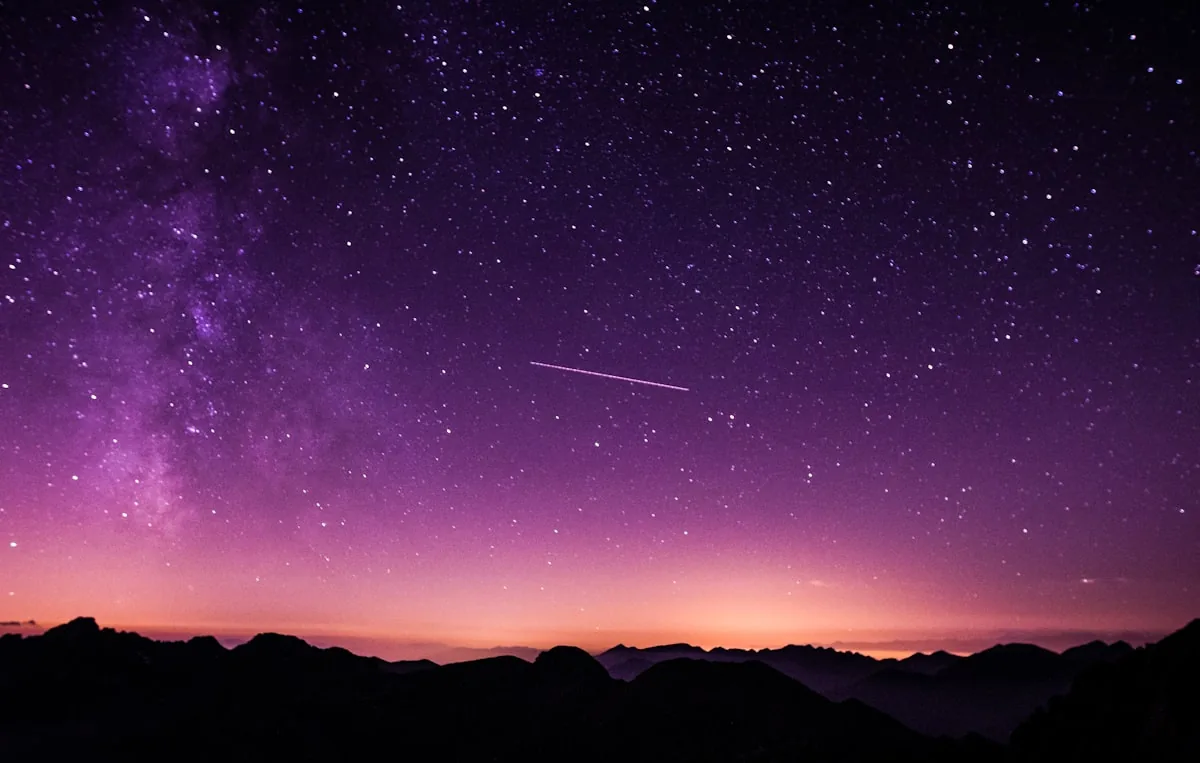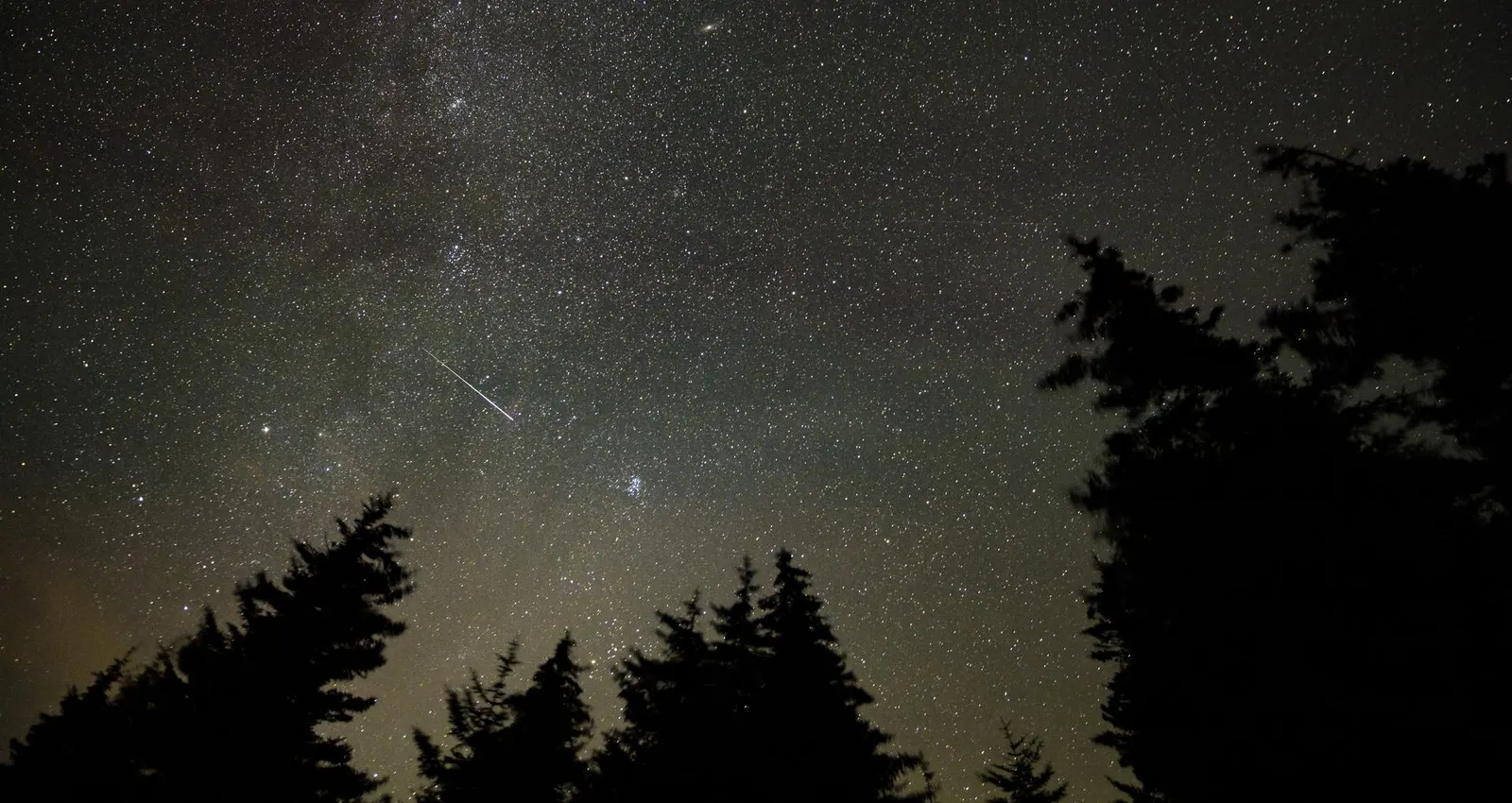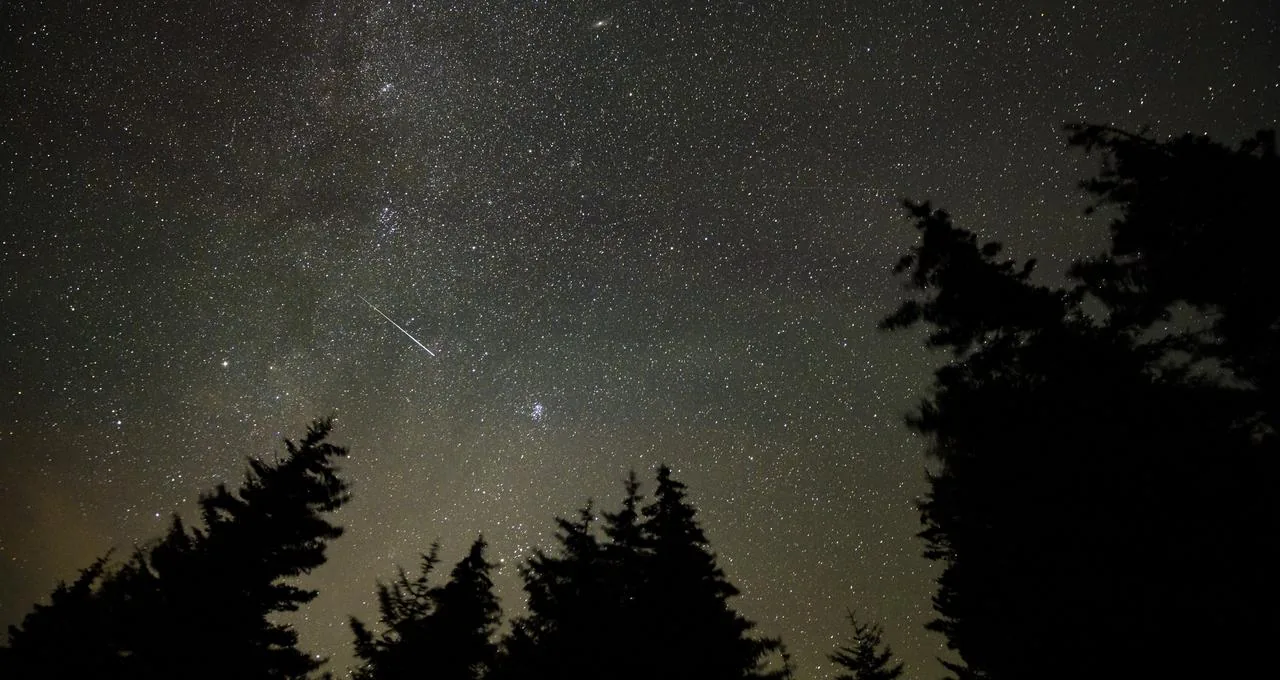
Few things in astronomy are as purely magical as watching a meteor streak across the sky. No telescope required. No special knowledge. Just you, a blanket, a dark sky, and the Earth plowing through ancient trails of comet dust at 100,000 kilometers per hour.
2026 is an exceptional year for meteor watchers. The Perseids in August coincide with a new Moon — the best viewing conditions in nearly a decade — and the Geminids in December enjoy a waxing crescent that sets before the radiant climbs high. Below is the complete 2026 calendar with peak dates, hourly rates (ZHR), parent bodies, and Moon conditions, followed by a deeper guide to each shower and how to watch.
2026 Meteor Shower Calendar (At a Glance)
| Shower | Peak Date (2026) | ZHR (max/hr) | Parent Body | Speed | 2026 Moon | Verdict |
|---|---|---|---|---|---|---|
| Quadrantids | Jan 3–4 | 110 | Asteroid 2003 EH1 | 41 km/s | Full Moon — severe glare | Poor |
| Lyrids | Apr 22–23 | 18 | Comet C/1861 G1 (Thatcher) | 49 km/s | Waxing crescent | Favorable |
| Eta Aquariids | May 5–6 | 50 (S) / 10–20 (N) | Comet 1P/Halley | 66 km/s | Waning gibbous | Poor |
| Delta Aquariids | Jul 28–29 | 20 | Comet 96P/Machholz (likely) | 41 km/s | Full Moon — severe glare | Poor |
| Perseids | Aug 12–13 | 100 | Comet 109P/Swift-Tuttle | 59 km/s | New Moon — ideal | Excellent |
| Orionids | Oct 21–22 | 20 | Comet 1P/Halley | 66 km/s | Waxing gibbous | Moderate |
| Leonids | Nov 17–18 | 15 | Comet 55P/Tempel-Tuttle | 71 km/s | First quarter | Moderate |
| Geminids | Dec 13–14 | 150 | Asteroid 3200 Phaethon | 35 km/s | Waxing crescent — favorable | Excellent |
| Ursids | Dec 22–23 | 10 | Comet 8P/Tuttle | 33 km/s | Near full Moon | Poor |
ZHR (Zenithal Hourly Rate) is the theoretical maximum under perfect dark skies with the radiant overhead. Real-world counts from a Bortle 4 site are typically 30–60% of the ZHR. Times are based on UT/local peak windows reported by the International Meteor Organization.
What Causes Meteor Showers?
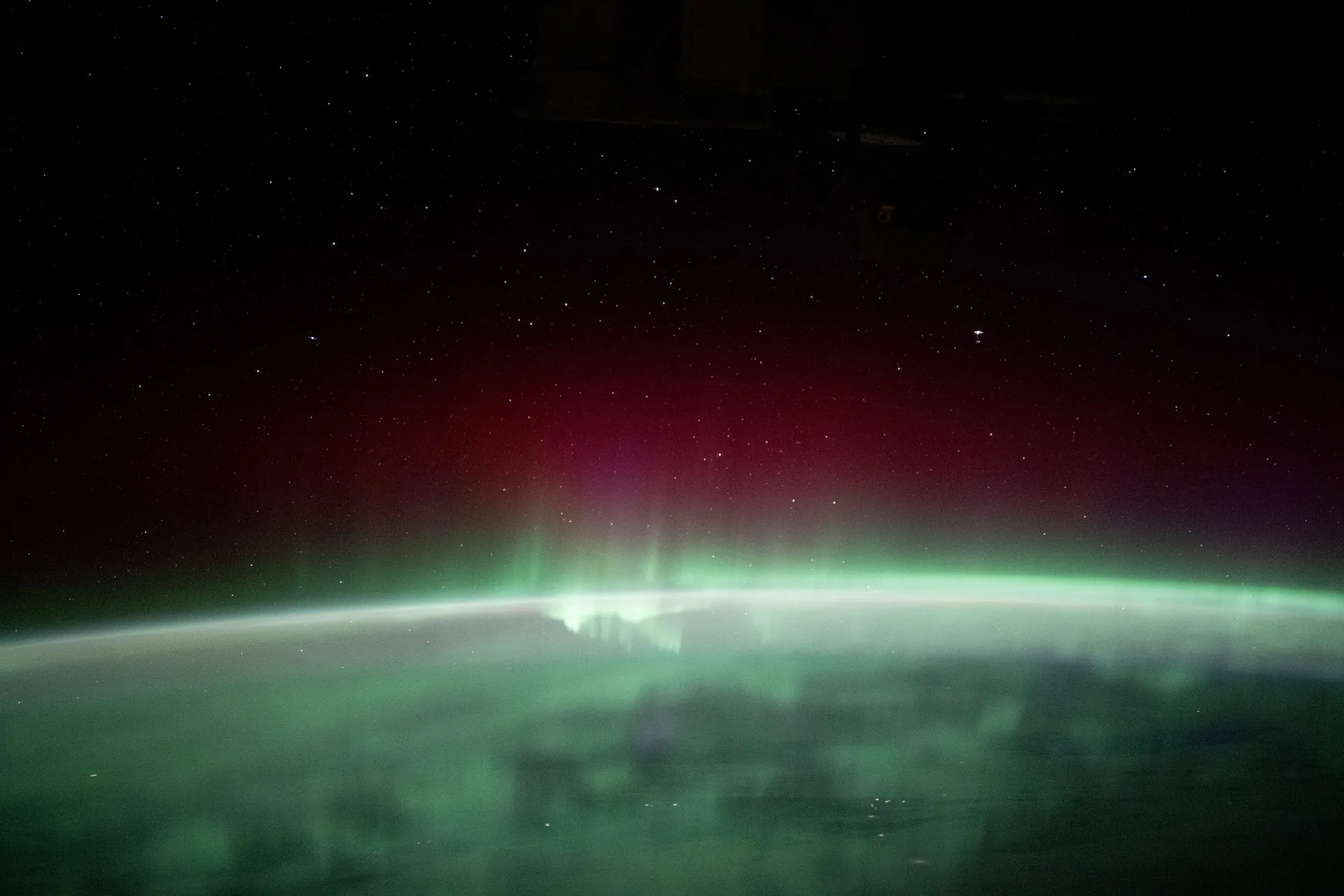
Every meteor shower is debris from a comet (or, in a few cases, an asteroid). As comets orbit the Sun, they shed dust and rocky particles that spread out along the comet's orbital path, forming a stream. When Earth's orbit intersects one of these streams, the particles slam into our atmosphere at tremendous speed -- anywhere from 30 to 72 kilometers per second -- and burn up in brilliant streaks of light.
Each shower appears to radiate from a fixed point in the sky called the radiant, which is why showers are named after the constellation the radiant lies in. Perseids radiate from Perseus, Geminids from Gemini, and so on. But you do not need to stare at the radiant -- meteors can appear anywhere in the sky. The radiant just tells you which direction the debris is coming from.
The shower's parent body determines its character. Fine, fluffy cometary dust produces bright meteors with long, glowing trains. Denser particles from asteroids produce faster, sharper streaks. Some showers are reliable year after year; others can produce unexpected outbursts when Earth passes through a particularly dense clump of debris.
The 2026 Meteor Shower Calendar — Detailed Guide
Quadrantids -- Peak: January 3-4, 2026
Rate: Up to 110 meteors per hour (ZHR) Parent body: Asteroid 2003 EH1 (possibly an extinct comet) Moon interference in 2026: Full Moon on January 3 sits within hours of the peak. Severe — most fainter meteors will be washed out. Speed: 41 km/s
The Quadrantids are one of the year's strongest showers but notoriously difficult to observe because the peak is very sharp -- lasting only about six hours. Unfortunately, 2026 is a bad year: the Full Moon coincides almost exactly with the peak, drowning out everything but the brightest fireballs. If you go out, focus on the pre-dawn hours and look 60–90° away from the Moon to preserve some night vision. Skip this one and save your energy for August's Perseids.
Lyrids -- Peak: April 22-23, 2026
Rate: Up to 18 meteors per hour Parent body: Comet C/1861 G1 (Thatcher) Moon interference in 2026: Waxing crescent that sets before midnight. Favorable — dark skies for the post-midnight peak. Speed: 49 km/s
The Lyrids are a modest but reliable spring shower. Expect a dozen or so meteors per hour under good conditions, with the occasional bright fireball. The radiant near Vega (one of the brightest stars in the sky) is well-placed for Northern Hemisphere observers after midnight. With the Moon out of the way for most of the night, this is a strong start to the 2026 meteor calendar.
Eta Aquariids -- Peak: May 5-6, 2026
Rate: Up to 50 meteors per hour Parent body: Comet 1P/Halley Moon interference in 2026: Waning gibbous Moon, rising before the radiant. Unfavorable — heavy interference all night. Speed: 66 km/s
The Eta Aquariids are debris from Halley's Comet -- one of the most famous objects in the solar system. This shower favors Southern Hemisphere observers, where rates can reach 50 per hour. From northern latitudes, the radiant barely clears the horizon before dawn, so expect 10-20 meteors per hour. These are fast meteors that often leave persistent glowing trains. In 2026 the gibbous Moon takes a heavy toll, so concentrate on the deepest pre-dawn hour and look toward the darker western sky.
Delta Aquariids -- Peak: July 28-29, 2026
Rate: Up to 20 meteors per hour Parent body: Possibly Comet 96P/Machholz Moon interference in 2026: Full Moon on July 29 — peak coincides exactly with full Moon. Severe. Speed: 41 km/s
A warm-summer-night shower best from southern latitudes. 2026 is a poor year due to the Full Moon coinciding with peak, but the Delta Aquariids are a long, gradual shower -- start watching in mid-July before the Moon brightens, and you can catch early meteors that overlap with the buildup to the Perseids.
Perseids -- Peak: August 12-13, 2026 (THE EVENT OF THE YEAR)
Rate: Up to 100 meteors per hour Parent body: Comet 109P/Swift-Tuttle Moon interference in 2026: New Moon on August 13 — peak falls within hours of new Moon. Ideal — the darkest Perseid skies in nearly a decade. Speed: 59 km/s
The Perseids are everyone's favorite shower -- warm summer nights, high rates, and a generous peak that lasts two to three days. 2026 is the best Perseid year of the decade. With the Moon completely absent, every faint meteor will be visible, not just the bright fireballs. Under a Bortle 4 sky you can realistically expect to see 60–80 meteors per hour during peak; under truly dark Bortle 1–2 skies, the full 100/hour ZHR is in reach.
If you only watch one shower in 2026, make it this one. Travel to a dark site, bring a sleeping bag, lie flat, and let your eyes adapt for 30 minutes. The peak hours are 11 PM to dawn local time, with rates climbing as the radiant rises higher in the eastern sky.
Orionids -- Peak: October 21-22, 2026
Rate: Up to 20 meteors per hour Parent body: Comet 1P/Halley Moon interference in 2026: Waxing gibbous Moon, sets in the early morning hours. Moderate — best viewing in the final hours before dawn. Speed: 66 km/s
The Orionids are Halley's Comet's second gift to meteor watchers (the Eta Aquariids are the first). These are fast meteors -- 66 km/s -- that often produce bright fireballs with persistent trains. In 2026 the gibbous Moon hurts but does not destroy this shower; once the Moon sets in the small hours, you have 60–90 minutes of dark sky before astronomical twilight. Plan accordingly.
Leonids -- Peak: November 17-18, 2026
Rate: Up to 15 meteors per hour (in normal years) Parent body: Comet 55P/Tempel-Tuttle Moon interference in 2026: First quarter Moon, sets around midnight. Moderate — favorable post-midnight. Speed: 71 km/s
The Leonids are the fastest of the major showers and historically capable of producing extraordinary storms -- in 1966, observers reported seeing thousands of meteors per minute. Such storms occur roughly every 33 years when Earth passes through a dense debris trail. The next potential storm window is the early 2030s, but even in a normal year the Leonids produce bright, fast meteors with trains that glow for several seconds. The 2026 Moon is manageable if you wait for it to set.
Geminids -- Peak: December 13-14, 2026
Rate: Up to 150 meteors per hour Parent body: Asteroid 3200 Phaethon Moon interference in 2026: Waxing crescent, sets in the early evening. Favorable — dark skies all peak night. Speed: 35 km/s
The Geminids are the king of meteor showers. They reliably produce the highest rates of any annual shower, with bright, colorful meteors in white, yellow, green, and occasionally blue. They are slower than the Perseids, which makes them easier to track across the sky and gives each one a more stately, dramatic quality.
2026 is an excellent Geminid year. With the crescent Moon setting in the early evening, the entire peak night is dark. Start watching as soon as the radiant in Gemini clears the eastern horizon (around 7-8 PM local time) -- the Geminids are unusual in producing strong rates in the evening hours, before midnight, when most other showers require a pre-dawn vigil.
Pro tip: The Geminids are one of the few showers that produce good rates in the evening hours, before midnight. Most showers are best after midnight.
Ursids -- Peak: December 22-23, 2026
Rate: Up to 10 meteors per hour Parent body: Comet 8P/Tuttle Moon interference in 2026: Full Moon on December 23 — peak coincides with full Moon. Severe. Speed: 33 km/s
A quiet end-of-year shower that most people overlook. The Ursids rarely exceed 10 meteors per hour, and the 2026 Full Moon makes a faint shower nearly invisible. Skip unless you are dedicated. The radiant near Polaris means this shower is exclusively a Northern Hemisphere event.
How to Watch: Maximizing Your Meteor Count

-
Get away from city lights. Light pollution is the number one factor that determines how many meteors you will see. A Bortle 4 or darker site will double or triple your count compared to suburban skies.
-
Give your eyes 20-30 minutes to adapt. Avoid looking at your phone (or use a red-filter app). Your pupils need time to fully dilate.
-
Lie flat on your back. A reclining lawn chair or a sleeping bag on the ground maximizes the amount of sky you can see. Look roughly halfway up the sky, slightly away from the radiant -- this is where meteor trails are longest.
-
Be patient. Meteors come in bursts. You might see five in two minutes and then nothing for ten. Do not give up during the lulls.
-
Dress warmer than you think you need to. You are lying still under the open sky. Even summer nights get cold after midnight. In December, bring everything you own.
-
Bring hot drinks, snacks, and a friend. Meteor watching is a social experience. Someone to share the "did you see that one?!" moments with makes it ten times better.
The Best Nights of 2026
If I had to pick just three meteor shower nights in 2026:
- Perseids, August 12-13 — New Moon, peak rates, warm summer skies. The single best meteor night of the decade. Travel to a dark site if you can.
- Geminids, December 13-14 — Highest rates of any annual shower, with the Moon out of the way. Bundle up and watch from early evening through dawn.
- Lyrids, April 22-23 — Modest rates but a dark waxing-crescent sky and a welcome end to the long winter wait between Quadrantids and Perseids.
Mark your calendar. Set your alarms. And remember: every meteor you see is a tiny piece of a comet, older than the Earth itself, ending its journey in a blaze of light -- just for you.