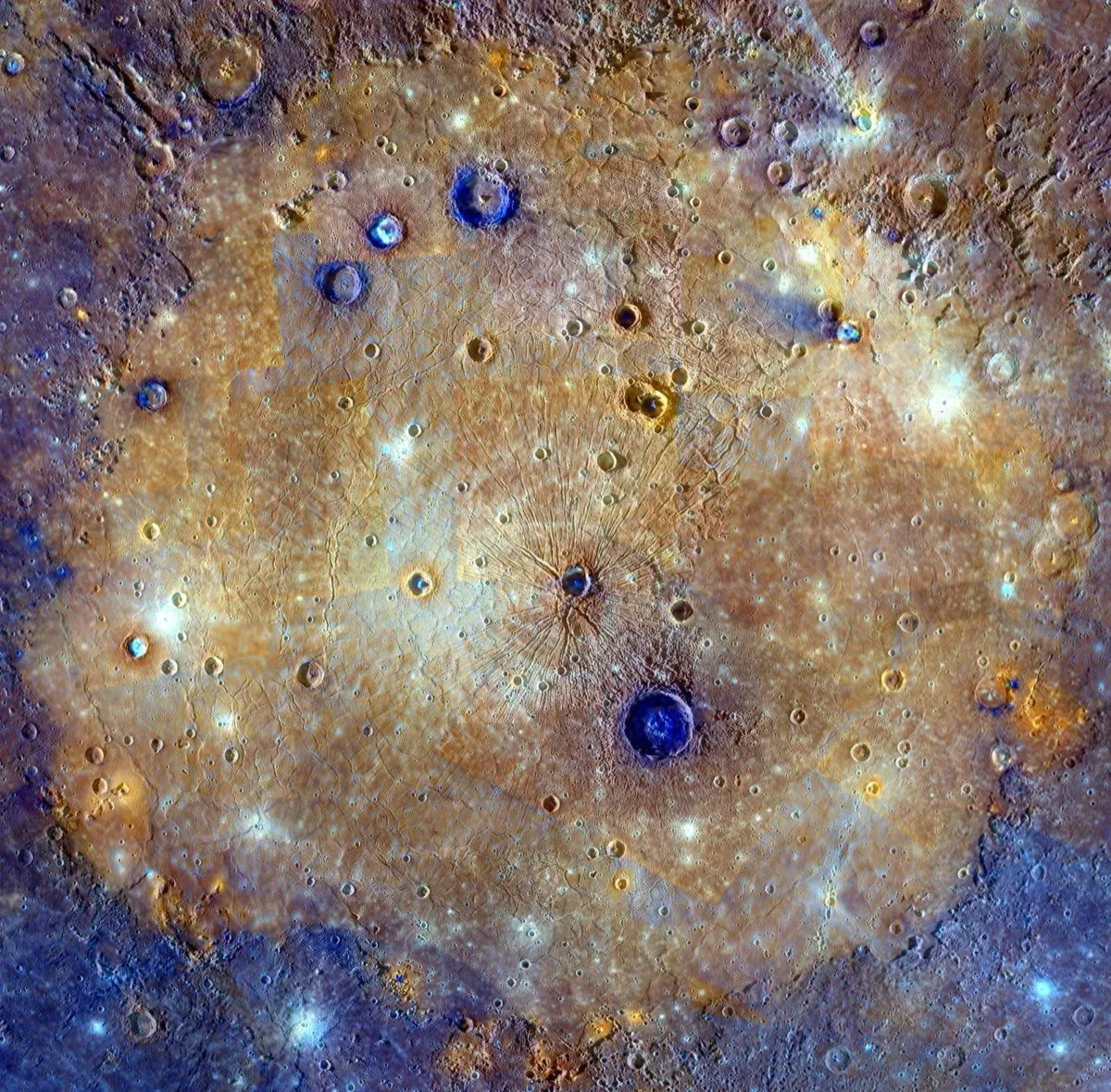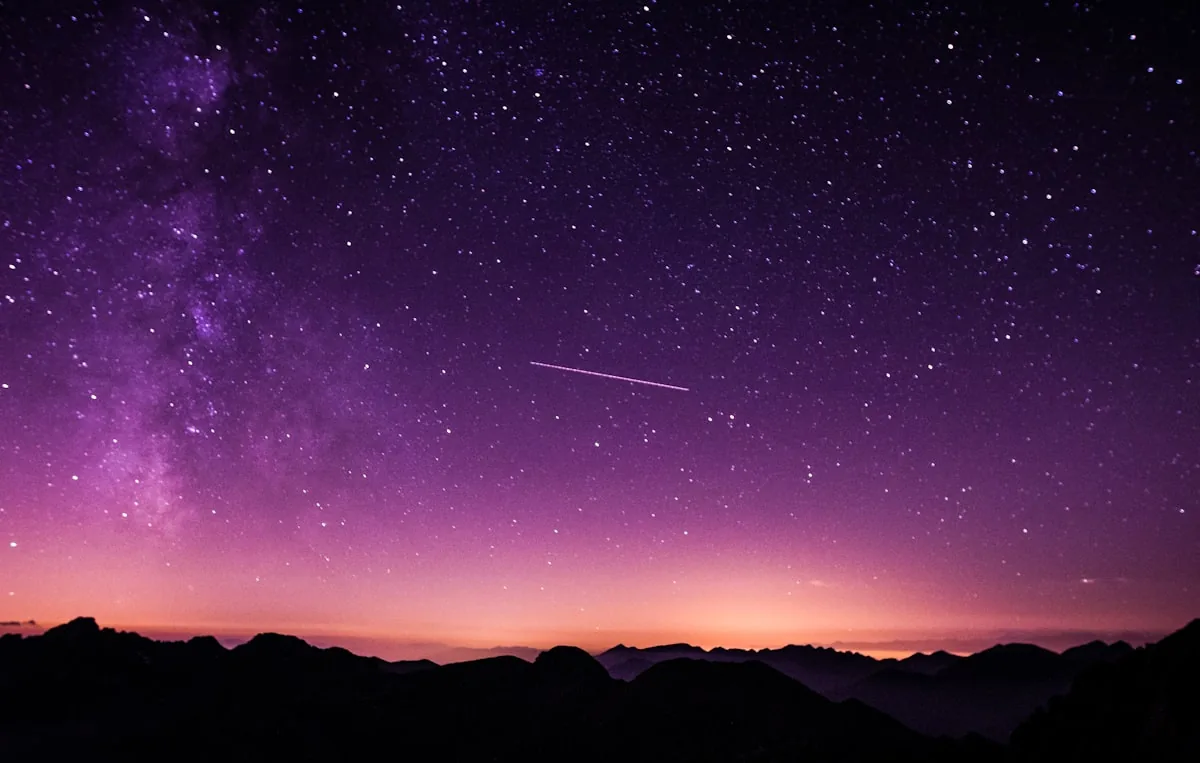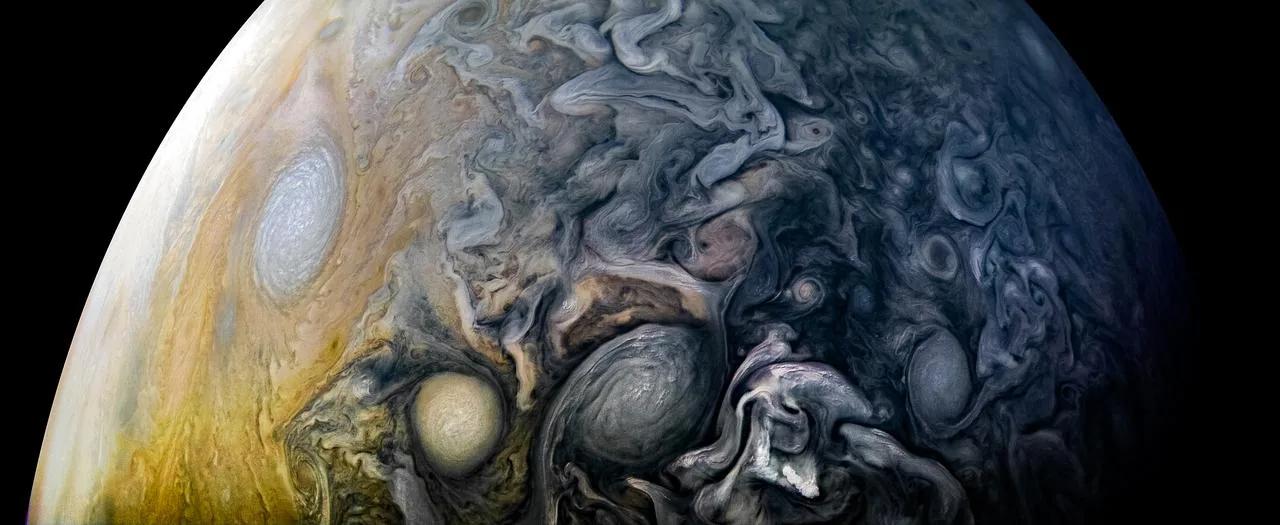
There is something deeply satisfying about stepping outside, looking up, and knowing that the bright "star" hanging above the rooftops is actually another world -- a place with storms, moons, rings, or maybe even volcanoes erupting right now as you watch. Planet watching is one of the most accessible forms of astronomy. You do not need a telescope. You do not need dark skies. You just need to know when and where to look.
Here is your complete guide to seeing every visible planet in 2025, from brilliant Venus to elusive Mercury, with tips for getting the most out of each encounter whether you are using naked eyes, binoculars, or a telescope.
The Five Naked-Eye Planets
Humans have been watching the "wandering stars" since before recorded history. Five planets are visible without any optical aid: Mercury, Venus, Mars, Jupiter, and Saturn. Each moves on its own schedule, appearing and disappearing from our sky as both it and Earth orbit the Sun.
Venus: The Queen of the Sky
Venus is the third-brightest object in the sky after the Sun and Moon. When it is visible, you cannot miss it -- it blazes with a steady, white-silver light that puts every star to shame.
Early 2025 (January-March): Venus shines as a dazzling evening star in the west after sunset, climbing higher each week. By late March it is spectacular, hanging in the western sky well after twilight fades, bright enough to cast a faint shadow on a dark surface.
April-June 2025: Venus reaches greatest eastern elongation in late spring, meaning it sits as far from the Sun in our sky as it gets. This is prime viewing time. Through a telescope, you will see Venus as a beautiful half-phase (like a tiny half-Moon), growing into a larger crescent as it swings back toward the Sun.
Late Summer 2025: Venus dives back toward the Sun, passes through inferior conjunction, and re-emerges as a morning star in the east before dawn by autumn. Morning apparitions are just as stunning -- Venus rising in a dark pre-dawn sky is an unforgettable sight.
Telescope tip: Venus shows phases just like the Moon. When it is far from us, it appears as a small, nearly full disk. As it approaches, it becomes a large, thin crescent. Watching this progression over weeks is one of the great pleasures of planetary astronomy.
Jupiter: The Giant Returns
Jupiter is the second-brightest planet and one of the most rewarding telescope targets in the sky.
January-May 2025: Jupiter starts the year well-placed in the evening sky, shining brightly in Taurus. It is visible for several hours after sunset before setting in the west. Even small binoculars (10x50) will show its four Galilean moons -- Io, Europa, Ganymede, and Callisto -- as tiny points of light flanking the planet. Their positions change from night to night as they orbit.
June-August 2025: Jupiter sinks into the evening twilight and eventually disappears behind the Sun (conjunction). This is the one period when the giant planet is off the menu.
September 2025 onward: Jupiter returns to the pre-dawn sky and climbs higher each morning. By late autumn, it is rising in the late evening and is visible for most of the night.
December 2025: Jupiter reaches opposition -- the point where Earth passes directly between Jupiter and the Sun. At opposition, Jupiter rises at sunset, sets at sunrise, and is at its closest and brightest for the year. This is the best time to observe it through a telescope, where you will see cloud bands, the Great Red Spot, and all four Galilean moons.
Telescope tip: Use at least 100x magnification to see cloud bands. Watch for the Great Red Spot transiting the disk -- tools like the Sky & Telescope Jupiter moon and GRS calculator will tell you exactly when it is visible.
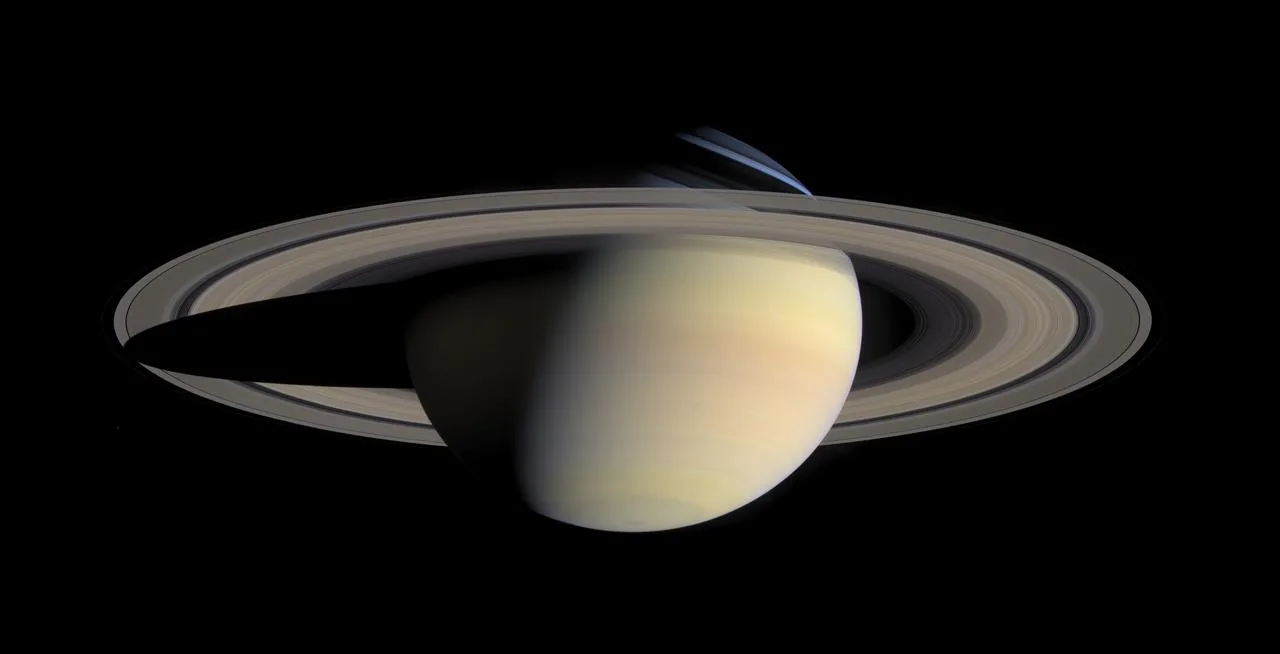
Saturn: Lord of the Rings
Saturn is fainter than Jupiter and Venus but is still easily visible as a steady, golden-yellow "star."
Early 2025: Saturn is poorly placed, sitting low in the morning twilight after a late 2024 opposition.
Spring-Summer 2025: Saturn gradually becomes better placed in the pre-dawn sky, rising earlier each morning. By midsummer, it is rising before midnight and is well-positioned for observation.
September 2025: Saturn reaches opposition, shining at its brightest in the constellation Pisces. This is the year's best window for the ringed planet. At opposition, Saturn is up all night and its rings are tilted at a modest angle to our line of sight.
An important note about the rings: Saturn's rings are gradually closing as seen from Earth. By 2025, the tilt is quite narrow, and by March 2025 the rings appear almost edge-on. This is a rare and fascinating event that only happens every 13-15 years. Edge-on rings are much harder to see, but it is a unique observational challenge. After this ring-plane crossing, the rings gradually open again, revealing their full glory over the following years.
Telescope tip: Even a 60mm refractor at 50x magnification will show Saturn's rings. A 6-inch or larger telescope reveals the Cassini Division (the dark gap in the rings), the shadow of the rings on the planet, and several of Saturn's moons, including Titan (which is visible as a bright dot nearby in any small telescope).
Mars: The Red Planet Heats Up
Mars has a two-year cycle of visibility, and 2025 is a build-up year toward the January 2025 opposition.
January 2025: Mars reaches opposition on January 16, shining brightly in Gemini. It is visible all night long and its reddish-orange color is unmistakable. This is the best Mars opposition since 2022, with the planet's disk appearing about 14.6 arcseconds across -- large enough for telescopes to show surface features like dark markings and a polar ice cap.
February-May 2025: Mars remains bright and well-placed in the evening sky, gradually fading as Earth pulls ahead in its orbit.
Second half of 2025: Mars fades and eventually becomes difficult to see as it approaches conjunction with the Sun. By year's end, it is re-emerging in the morning sky, beginning the long climb toward its next opposition in late 2027.
Telescope tip: Mars shows the most detail when it is near opposition. Use high magnification (200x or more) and wait for moments of steady seeing. Surface features visible in a 6-inch or larger telescope include Syrtis Major (a dark triangular marking), the Hellas Basin, and one or both polar caps.
Mercury: The Elusive Speedster
Mercury is the most challenging naked-eye planet. It never strays far from the Sun, so you always need to look for it low on the horizon in twilight.
Best evening apparitions in 2025: Look for Mercury low in the western sky after sunset around late March and late July. It appears as a moderately bright point of light close to the horizon, visible for only 30-60 minutes after sunset before it sets.
Best morning apparitions in 2025: Mercury's best morning shows occur in January and September-October, when it appears low in the eastern sky before sunrise.
Pro tip: Binoculars help enormously with Mercury. Scan the horizon about 30-45 minutes after sunset (or before sunrise) in the direction the Sun went down (or will come up). Once you spot Mercury, you will wonder how you ever missed it -- but it does require a flat, unobstructed horizon.
Uranus and Neptune: The Ice Giants
These distant worlds are invisible to the naked eye but accessible with binoculars and small telescopes.
Uranus (magnitude 5.7) is technically at the edge of naked-eye visibility under perfect dark-sky conditions, but realistically you need binoculars and a good star chart. Through a telescope at 100x or more, Uranus shows a tiny, distinctly blue-green disk. In 2025, Uranus is in Taurus, conveniently near the much-brighter Jupiter for part of the year, making it easier to locate.
Neptune (magnitude 7.8) requires binoculars as a minimum and is best found with a telescope and a detailed finder chart. It appears as a dim blue "star" that only reveals its disk-like nature at high magnification. In 2025, Neptune is in Pisces.
Conjunctions and Close Encounters
Some of the year's most beautiful sights occur when planets appear close together in the sky or pair up with the Moon:
- Venus and crescent Moon pairings throughout the spring evenings -- these are stunning naked-eye and photographic events.
- Jupiter and Mars share the same region of sky in the early months of 2025.
- Watch for close lunar conjunctions with each planet throughout the year -- the Moon passing near a bright planet makes for a beautiful sight and an easy way to identify which planet you are looking at.
Tools to Help You
- Stellarium (free desktop planetarium): Set your location and date, and it shows you exactly what the sky looks like, including planet positions.
- SkySafari (mobile app): Point your phone at the sky and it identifies what you are looking at in real time.
- The Sky Live (theskylive.com): Daily planet visibility tables customized to your location.
- In-The-Sky.org: Excellent conjunction and opposition calendar with visibility maps.
Naked Eye vs. Binoculars vs. Telescope
| Target | Naked Eye | Binoculars (10x50) | Telescope (6-inch) |
|---|---|---|---|
| Venus | Brilliant point of light | Crescent phase visible | Detailed phases, cloud texture |
| Jupiter | Bright point | Four moons visible | Cloud bands, Great Red Spot, moon shadows |
| Saturn | Steady golden dot | Slight elongation from rings | Rings, Cassini Division, Titan |
| Mars | Orange-red point | Slightly larger, color enhanced | Surface features near opposition |
| Mercury | Faint point in twilight | Easier to locate | Phases visible |
| Uranus | Barely visible, dark skies | Blue-green star | Tiny disk |
| Neptune | Not visible | Dim blue star | Barely resolved disk |
Start Tonight
Check which planets are up tonight using Stellarium or SkySafari, step outside, and find them. There is a quiet thrill in knowing that the bright point of light you are looking at is a world millions of kilometers away -- a place with weather, with seasons, with moons of its own.
The planets have been putting on this show for billions of years. You just need to look up and watch.