The Moon has not had a human visitor since December 1972, when Apollo 17 commander Gene Cernan left the last bootprints. More than 50 years later, humanity is preparing to return — and this time, the competition is genuinely international. The United States, China, India, Japan, South Korea, the UAE, Russia, and a growing array of commercial actors are all pursuing lunar objectives with varying degrees of ambition and readiness.
This is not a replay of the 1960s space race. The 21st century lunar competition is more complex, more commercial, and more consequential. Here is a comprehensive status update on every major player in early 2026.
United States: Artemis — Ambitious but Behind Schedule
NASA's Artemis program remains the most ambitious and best-resourced effort to return humans to the Moon. Its stated goal: establish a sustainable human presence at the lunar south pole, creating a foundation for eventual Mars missions.
Program Status
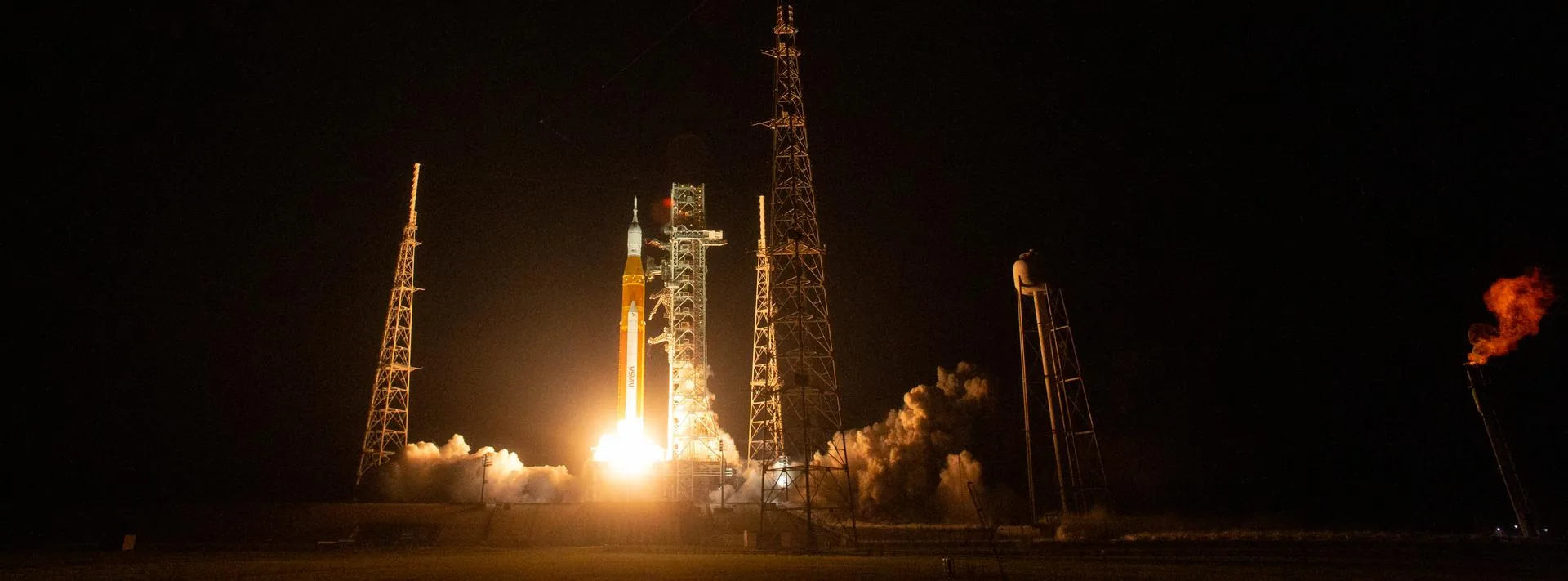
Artemis I (November–December 2022) was a complete success — an uncrewed Orion capsule flew around the Moon and back, validating the Space Launch System rocket and Orion capsule. Artemis II, carrying four crew members (including Canadian astronaut Jeremy Hansen and the first women and person of color to fly beyond low Earth orbit), is targeting 2025 for a lunar flyby without landing.
Artemis III, the crewed lunar landing, has slipped from its original 2024 target to no earlier than 2026, with 2027 now looking more realistic based on spacesuit development and Starship Human Landing System readiness. SpaceX's Starship, selected as the Human Landing System, successfully demonstrated full-stack reusability in 2024 but still needs in-orbit propellant transfer demonstrations before it is certified for crewed lunar descent.
The landing site is planned for the lunar south pole, near Shackleton Crater, where orbital observations indicate substantial water ice deposits in permanently shadowed regions. Water ice = hydrogen and oxygen = rocket propellant = potential fuel source for future missions.
Budget pressure is the program's persistent vulnerability. Congress debates NASA's annual allocation, and the $4–5 billion annual cost of SLS manufacturing and ground operations draws criticism from those who favor a faster, cheaper commercial approach.
Commercial Lunar Payload Services (CLPS)
The US strategy also includes the CLPS program — NASA contracts with commercial companies to deliver science payloads to the Moon. Intuitive Machines' IM-1 mission (February 2024) became the first US soft landing on the Moon since Apollo 17 in 1972, though the Odysseus lander tipped on its side at landing. IM-2 and subsequent missions are continuing the program.
Firefly Aerospace, Astrobotic, and other CLPS providers are building toward regular commercial lunar cargo delivery, laying infrastructure for the broader cislunar economy.
China: Chang'e — On Schedule and Delivering Results
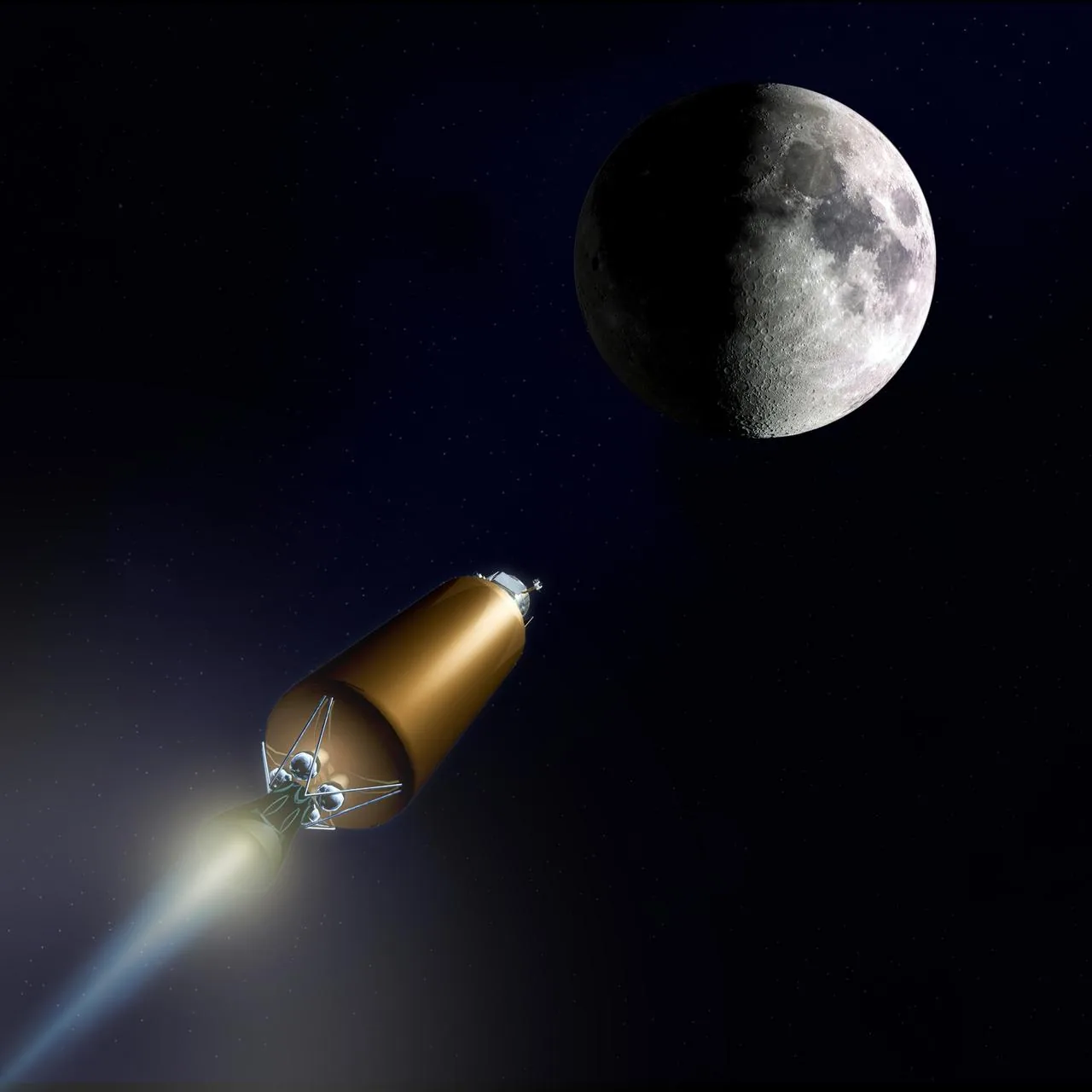
China's Chang'e lunar exploration program is arguably the most consistently successful and on-schedule lunar program in the world today.
Chang'e 5 (2020) successfully returned 1.73 kg of lunar samples from Mons Rümker — the first lunar sample return since the Soviet Luna 24 mission in 1976. Analysis of these samples revealed material as young as 2 billion years old, significantly extending the known range of lunar volcanic activity.
Chang'e 6 (May–June 2024) achieved something no mission had ever done before: sample return from the lunar far side. The mission landed in the South Pole-Aitken Basin — the Moon's largest, oldest, and deepest impact crater — and returned approximately 1.9 kg of material from a region never before sampled. Early analysis suggests the samples contain material from deep in the lunar mantle, potentially revealing the Moon's internal composition and thermal history.
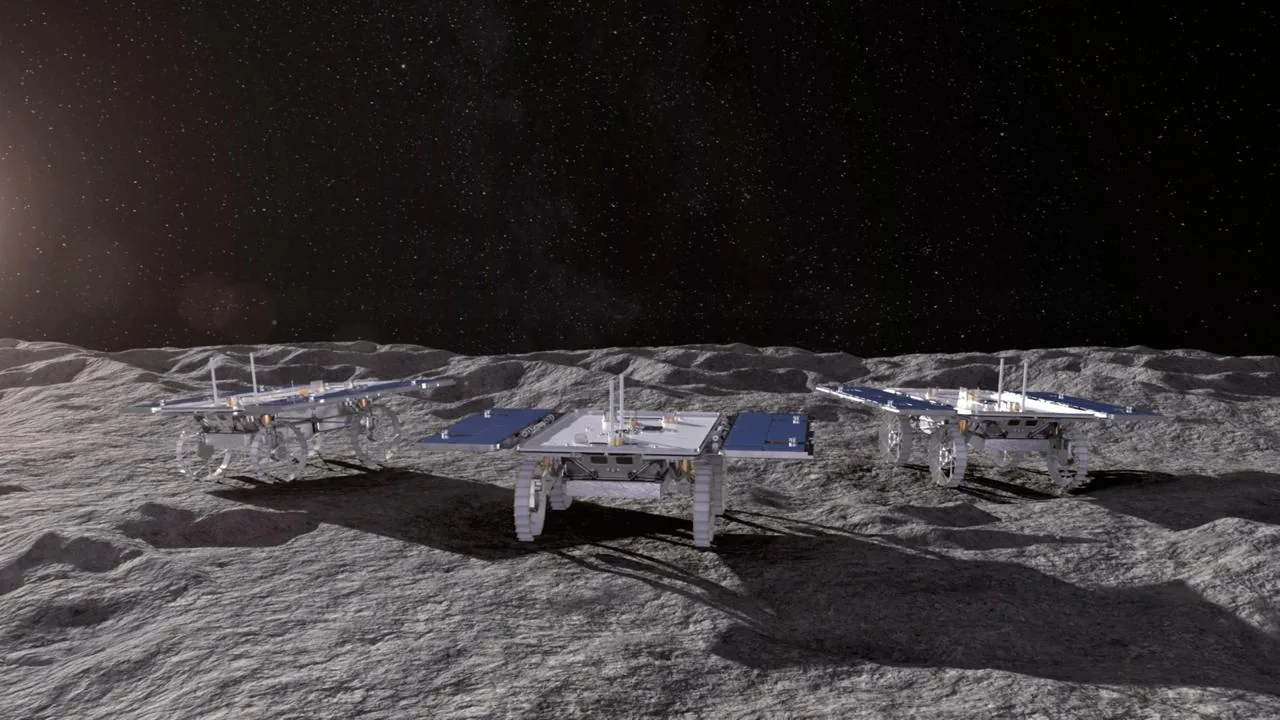
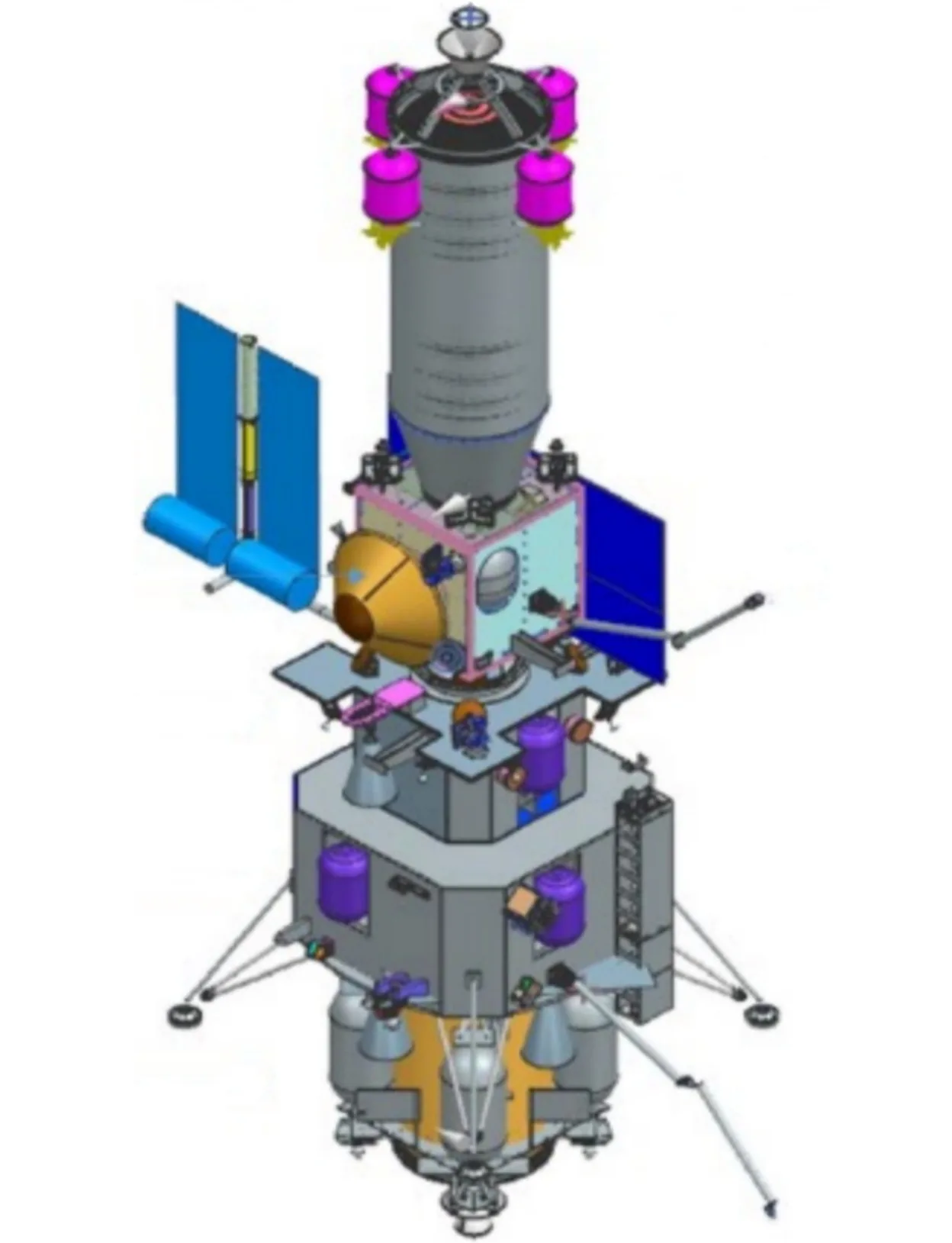
Chang'e 7 (planned 2026) will target the lunar south pole for comprehensive resource assessment, carrying a lander, rover, orbiter, and a small "hopper" designed to fly into permanently shadowed crater floors to sample potential water ice.
Chang'e 8 (planned 2028) is a technology demonstration mission that will test in-situ resource utilization — using lunar soil to produce materials in preparation for the International Lunar Research Station.
The ILRS roadmap: China and Russia, joined by UAE, Pakistan, Venezuela, Belarus, South Africa, Thailand, Egypt, and others, have announced the International Lunar Research Station — a permanent facility at the lunar south pole targeting first robotic infrastructure by 2030 and crewed visits by 2035–2040.
China's program is notable for its consistent execution. Unlike several Western programs, it has not experienced major budget reversals or program cancellations.
India: ISRO's Rising Lunar Ambition
India made history with Chandrayaan-3 (August 23, 2023) — successfully landing the Vikram lander and Pragyan rover near the lunar south pole. This made India the fourth nation to achieve a soft lunar landing (after the USSR, USA, and China) and the first to land near the south pole specifically.
Pragyan operated for one lunar day (~14 Earth days), conducting spectral analysis of the surface and confirming the presence of sulfur, aluminum, calcium, iron, chromium, titanium, manganese, and oxygen in the south polar regolith.
Chandrayaan-4 is in development, aiming for a lunar sample return mission — demonstrating India's intent to continue building lunar capability systematically. ISRO is also developing the LUPEX (Lunar Polar Exploration) mission jointly with JAXA, targeting a 2025–2026 launch to study water ice in permanently shadowed craters at the south pole using a Japanese rover and Indian lander.
India's lunar program is funded at a fraction of NASA or CNSA's budgets — Chandrayaan-3 cost approximately $75 million — demonstrating that frugal engineering can achieve world-class results.
Japan: JAXA and the Smart Lander
SLIM (Smart Lander for Investigating Moon), launched September 2023 and landing January 19, 2024, achieved a precision landing within 55 meters of its target — far surpassing the typical kilometer-scale landing accuracy of previous missions. The demonstration was considered a technical success despite the lander touching down at an angle that compromised its solar panel orientation.
JAXA is also a key partner in the US Artemis program. A Japanese astronaut is committed to fly on an Artemis lunar landing mission under a 2023 agreement between Japan and the US. JAXA's primary contributions include the Gateway's habitation module (planned) and the LUPEX south polar rover.
DESTINY+ (Demonstration and Experiment of Space Technology for INterplanetary voYage) is a JAXA mission targeting the asteroid Phaethon (the parent body of the Geminid meteor shower) with a planned launch in 2025 and flyby in the 2030s — not lunar, but indicative of JAXA's growing planetary exploration ambitions.
South Korea: Danuri and Next Steps
South Korea's Danuri (Korea Pathfinder Lunar Orbiter, KPLO) launched in August 2022 and entered lunar orbit in December 2022. It carries six science payloads including a ShadowCam instrument from NASA that images permanently shadowed craters. Danuri is South Korea's first lunar mission and is performing well.
South Korea is planning its first lunar lander for the early 2030s, building on Danuri's orbital experience.
Russia: Decline After Luna-25 Failure
Russia's attempt to return to the Moon with Luna-25 (August 2023) ended in failure when the spacecraft crashed during orbital maneuvering attempts, just days before Chandrayaan-3's successful landing. It was Russia's first lunar attempt since 1976's Luna 24.
The failure highlighted Roscosmos's significant technical and organizational challenges following years of underfunding, sanctions, and the departure of experienced engineers. Russia remains committed to the ILRS partnership with China but is unlikely to lead lunar surface activities in the near term.
UAE, ESA, and Commercial Players
UAE: The Mohammed Bin Rashid Space Centre (MBRSC) has a lunar rover, Rashid, which flew aboard the ispace Mission 1 lander. The landing attempt in April 2023 was unsuccessful (ispace's Hakuto-R lander crashed on descent), but the UAE continues developing lunar exploration capability.
ESA: The European Space Agency contributes to both Artemis (Gateway modules, Orion service module, crew support) and its own lunar science program. ESA's PROSPECT drill is manifested on Russia's Luna-27 mission (delayed indefinitely), and ESA is pursuing alternatives. The Argonaut European Large Logistics Lander is in early development for the late 2020s.
Commercial: ispace (Japan/Luxembourg) is developing its Mission 2 lander after Mission 1's failure. Astrobotic's Peregrine lander mission (January 2024) experienced a propellant leak and failed to reach the Moon, but Astrobotic continues developing its Griffin lander for larger CLPS missions. Intuitive Machines' success with IM-1 validated the commercial lunar delivery model.
What They're All Racing For: The South Pole
The geographic focus of this race is the lunar south pole — specifically the permanently shadowed craters at latitudes higher than 85° south. These craters have not seen sunlight in potentially billions of years. Temperatures drop to –240°C. And in those cold traps, orbital and surface measurements have confirmed the presence of water ice.
Water ice is the most valuable resource in the lunar economy. Electrolysis splits H₂O into hydrogen (fuel) and oxygen (oxidizer and breathable air). A supply of water ice at the south pole could enable:
- Propellant production for departing lunar missions
- Life support consumables for extended surface stays
- A stepping stone for fueling missions deeper into the solar system
The Outer Space Treaty prohibits national sovereignty claims on the Moon, but it does not prohibit extracting resources. US law (2015 SPACE Act), Luxembourg law, UAE law, and others explicitly grant citizens and companies the right to own resources they extract from space. China has not ratified these frameworks and sees the US approach as establishing a de facto land grab dressed in commercial language.
This tension — who gets to use lunar resources, and under what framework — is the diplomatic subtext of the entire lunar race.
Key Takeaways
- The 21st century Moon race is genuinely international, with the US (Artemis), China (Chang'e), India (Chandrayaan), Japan (SLIM/LUPEX), and others all active
- China's Chang'e program is the most consistently executed, delivering sample returns from both the near side and far side
- India's Chandrayaan-3 was a landmark achievement — the first south polar landing — accomplished at a fraction of Western mission costs
- The US Artemis first crewed landing is currently targeting 2026–2027, pending Starship Human Landing System certification
- The south polar water ice deposits are the strategic prize — their exploitation could transform the lunar surface from a destination into infrastructure for deeper space exploration
- Commercial companies are beginning to deliver payloads to the Moon on commercial contracts, with mixed but improving success rates