analysisJune 6, 2026
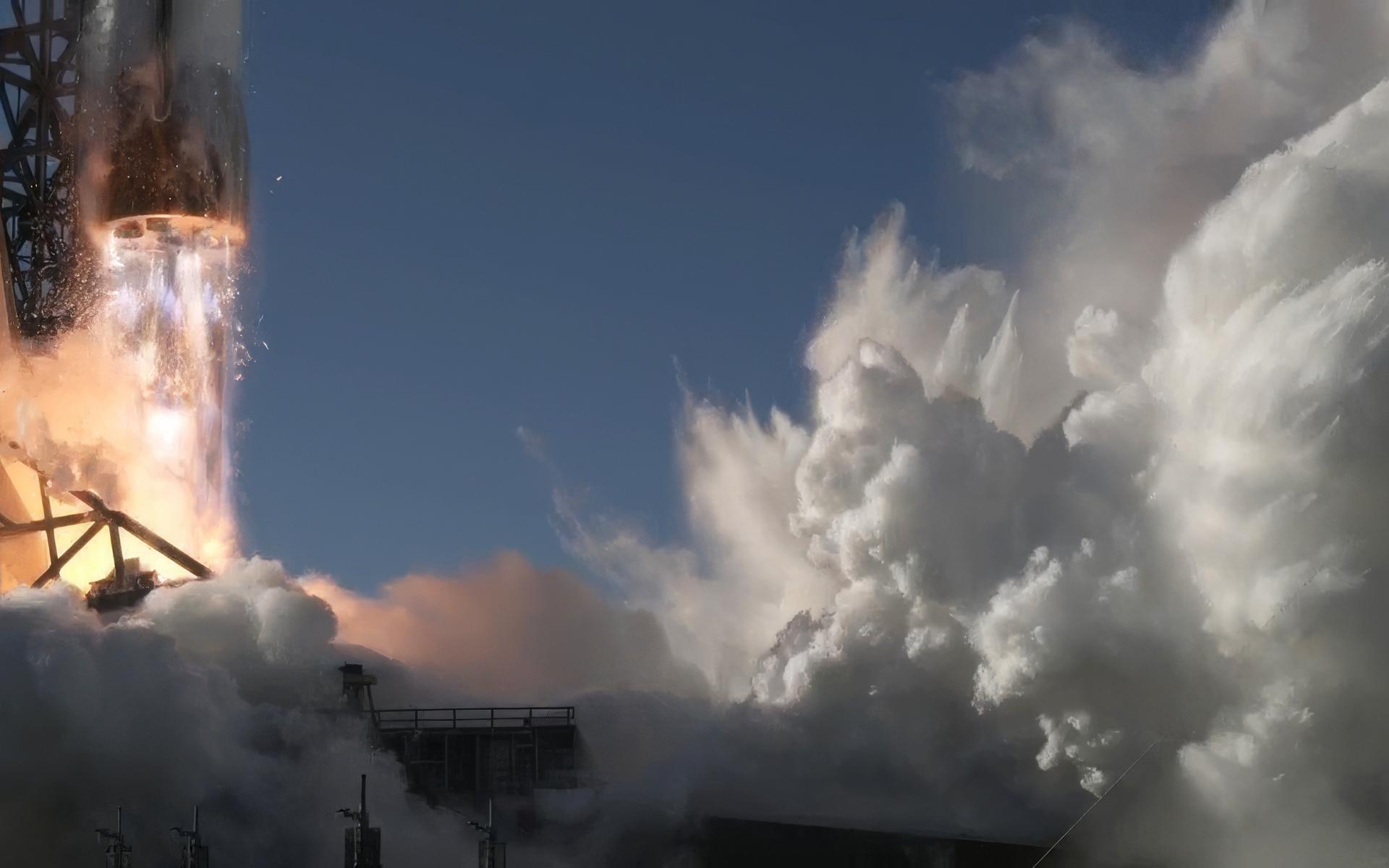
New Glenn Explosion: Blue Origin's Rocket Disaster and Artemis 2026
On May 28, 2026, a New Glenn static fire anomaly levelled Launch Complex 36. Here's what it means for Blue Moon, Artemis 3, and NASA's 2028 moon landing.
On May 28, 2026, a New Glenn static fire anomaly levelled Launch Complex 36. Here's what it means for Blue Moon, Artemis 3, and NASA's 2028 moon landing.
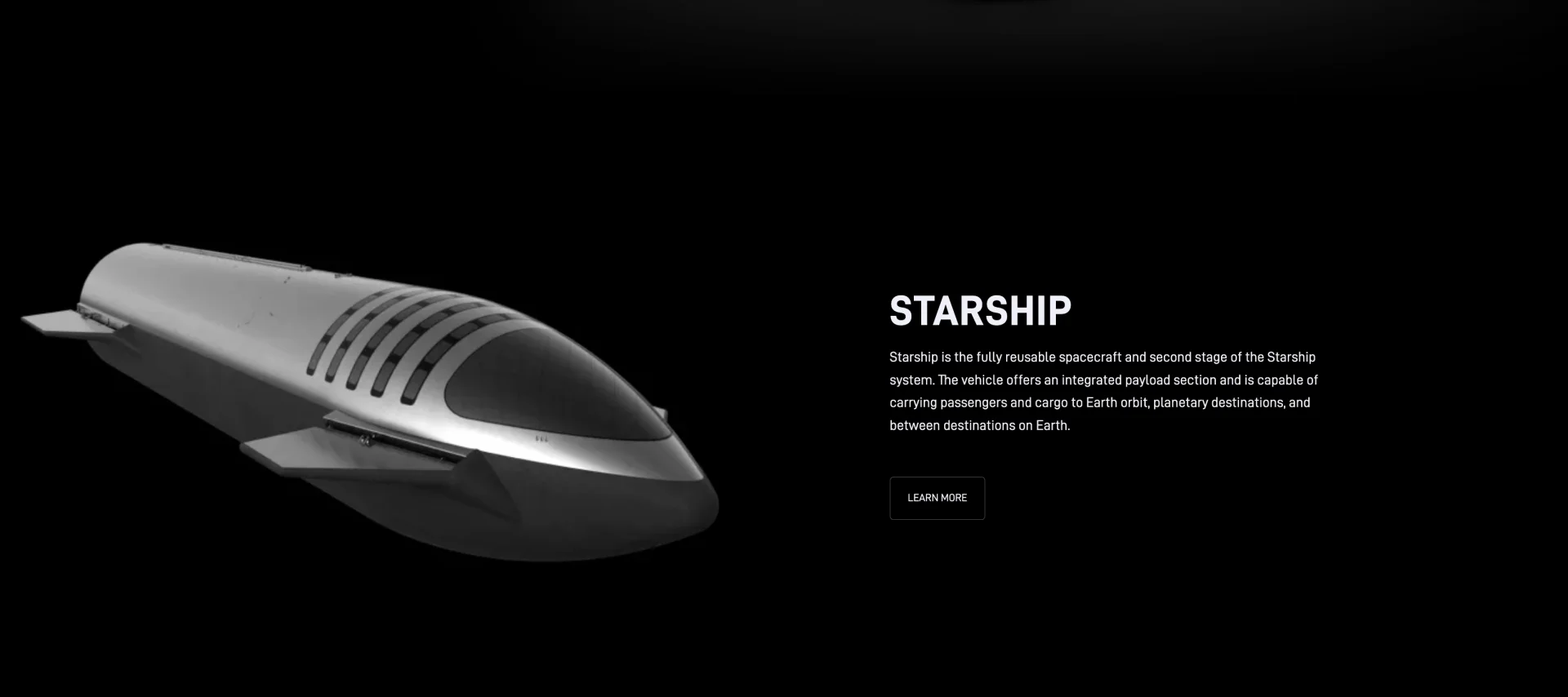
Starship is the single most consequential variable in the SpaceX SOTP. The marketed economics — $20-30M per launch, $100-200/kg to LEO — would re-base the entire space economy. The probable economics through 2028 are different. We build the model, weigh HLS execution risk, and explain why the Mars architecture is the most over-discussed and least near-term-relevant part of the thesis.
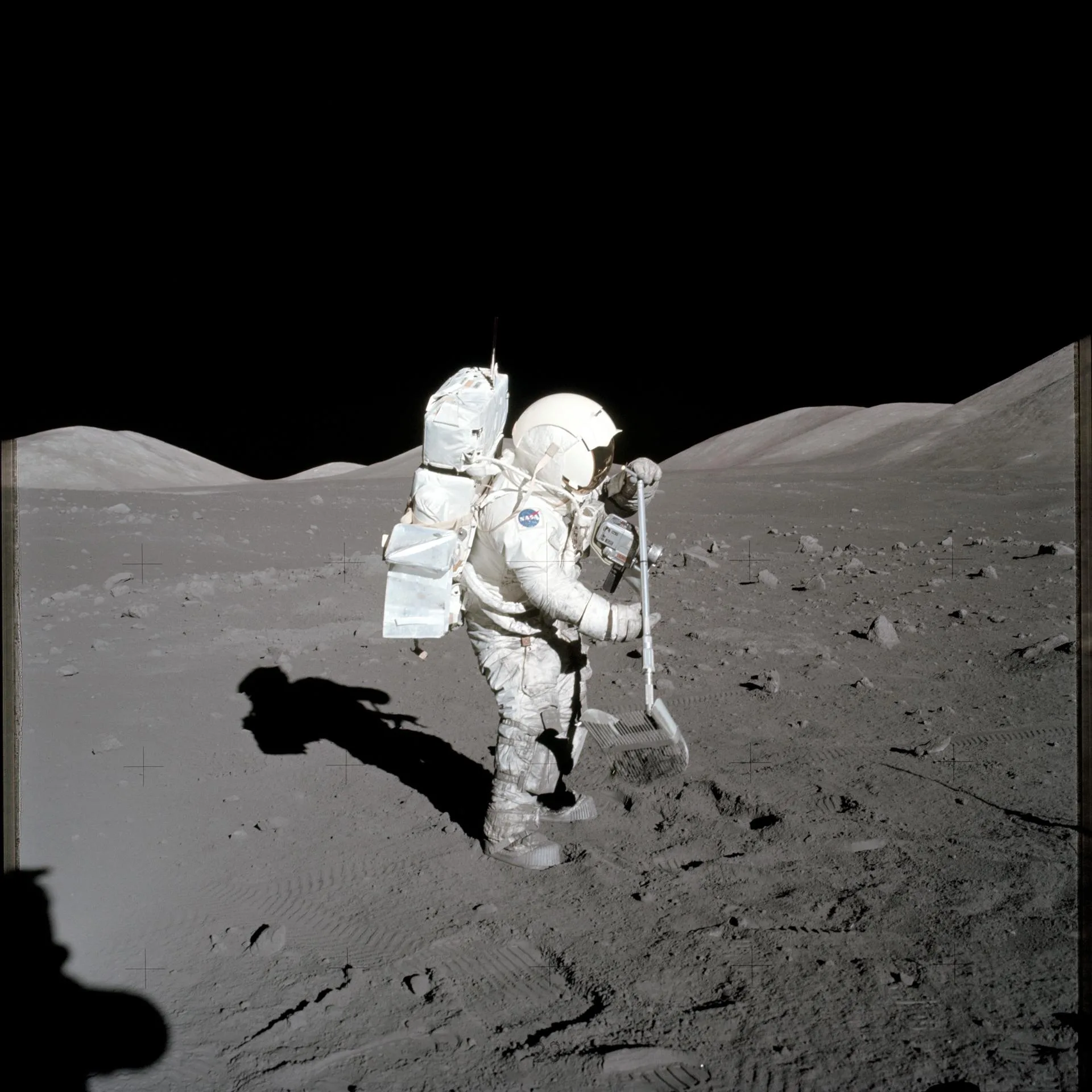
Why a Seattle startup just won a NASA contract to extract helium-3 from lunar regolith — and whether the fusion-fuel argument actually holds up to scrutiny.
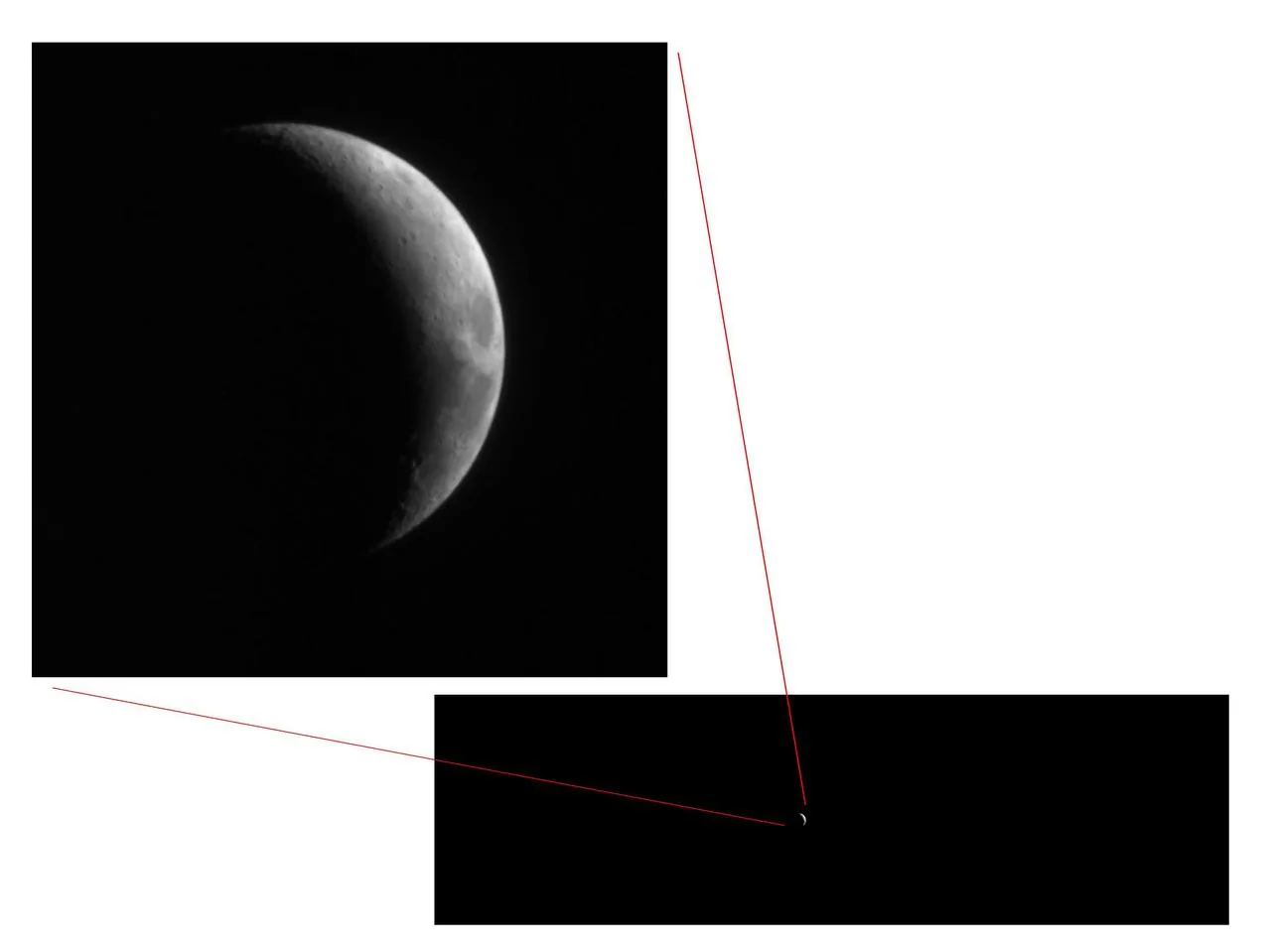
The 21st century Moon race is intensifying. Here's a country-by-country breakdown of where Artemis, Chang'e, ISRO, JAXA, and commercial players stand in the competition to establish a lunar presence.

NASA spends $25B, ESA pools 23 nations for ~$8B — yet both lead in science, Earth observation, and deep space. An honest side-by-side of how they differ.
NASA paused the Lunar Gateway in March 2026, pivoting $20B to a surface base. What happens to built hardware, ESA-JAXA-CSA partners, and the Artemis
The Lunar Gateway is a cornerstone of NASA's Artemis architecture — but critics argue it's expensive, unnecessary, and could delay rather than enable Moon landings. Who's right?

From Sputnik in 1957 to JWST deep fields, Chandrayaan-3, DART, and Ingenuity — the defining milestones of a century of space exploration through 2024.
Japan's space program decoded: JAXA's SLIM 55-meter Moon landing, the H3 rocket, ispace, Astroscale debris cleanup, and Tokyo's commercial lunar ambitions.
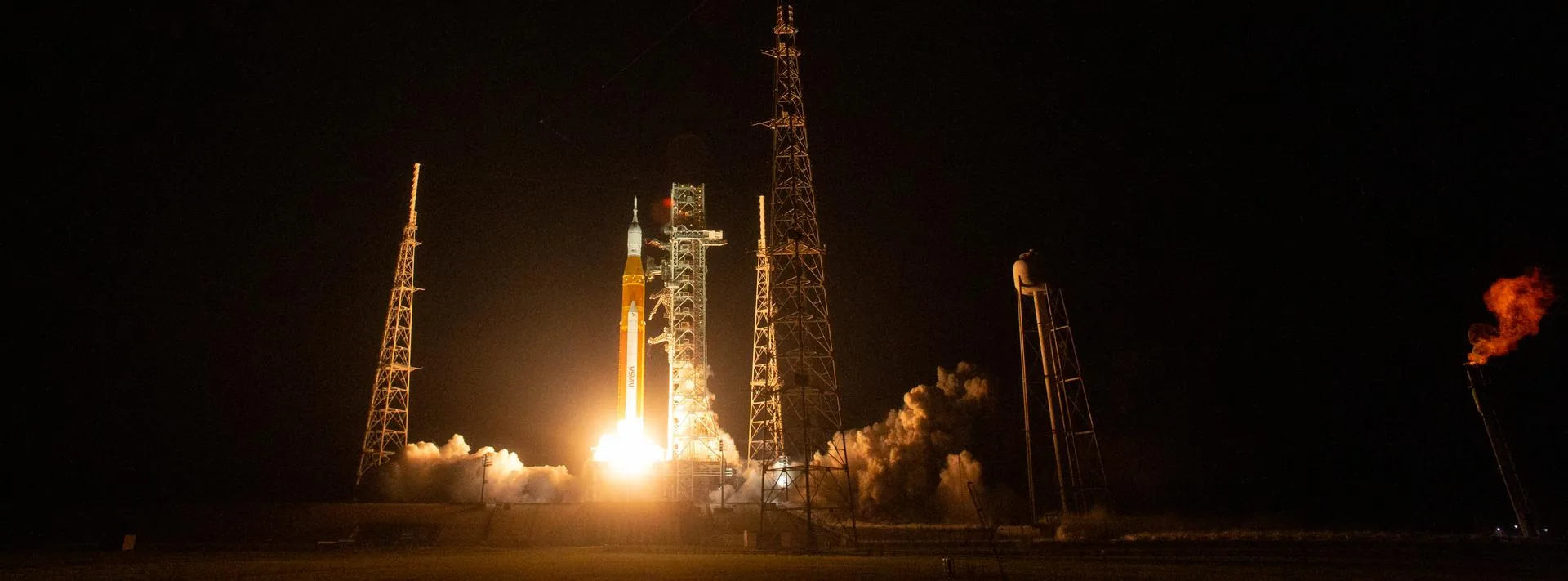
NASA is flying humans around the Moon. ISRO is preparing its first crewed orbit. Two missions, two budgets, two visions for humanity's future in space.
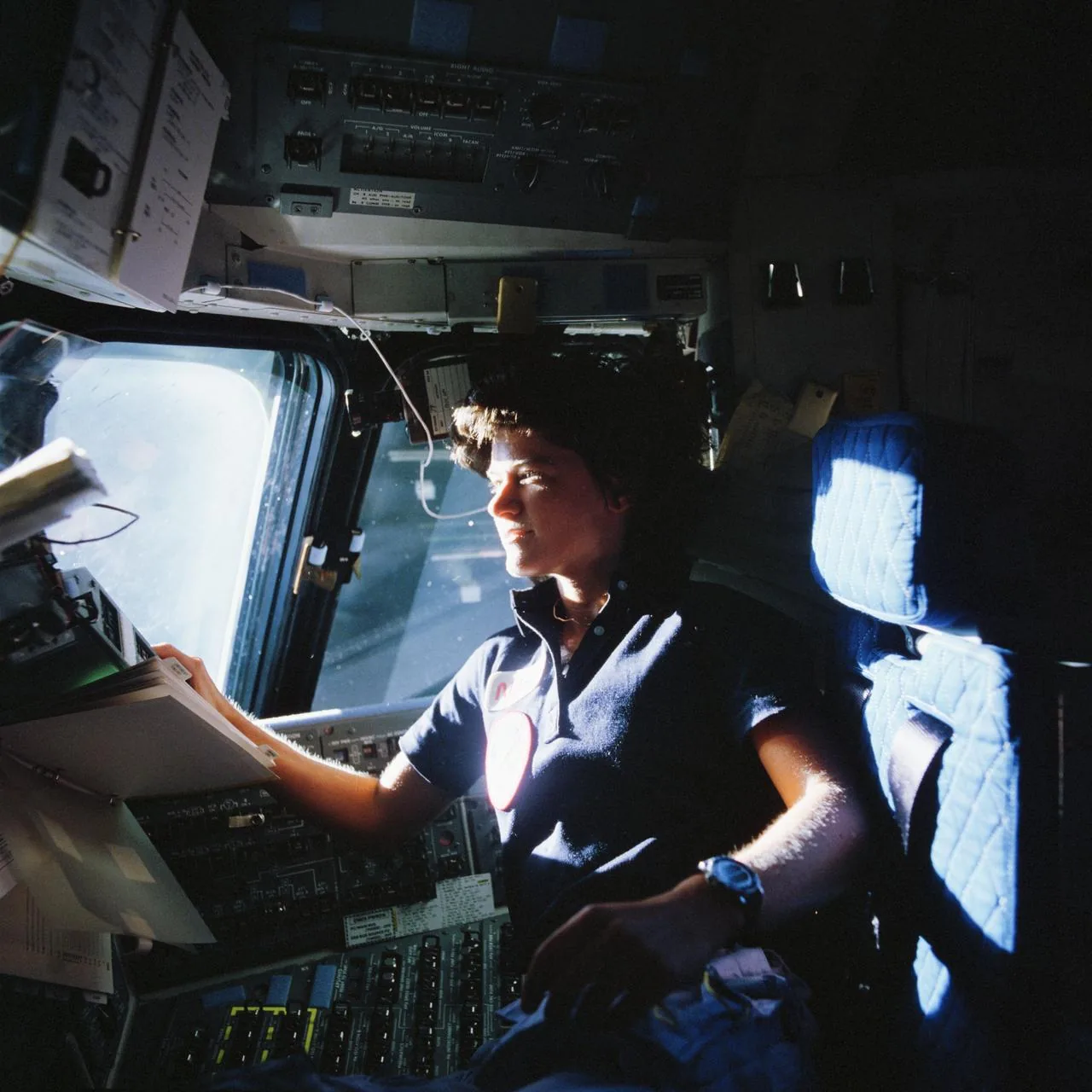
From Valentina Tereshkova's 1963 Vostok flight to Peggy Whitson's record 665 days and Christina Koch on Artemis II: the women astronauts reshaping human spaceflight.