All Astronauts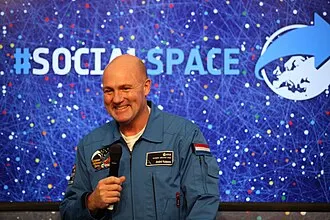 ELITERetiredESA
ELITERetiredESAESA·🇳🇱 Netherlands·Born 1958
André Kuipers
Second Dutch astronaut.
Days in Space
2
Missions
0
EVAs
—
EVA Time
What they aspire to
He aspires to inspire children to study science by sharing the wonder of seeing Earth from space.
Biography
Second Dutch astronaut. Physician who spent 204 days on the ISS across two missions, conducting research on human physiology in microgravity.
Before NASARoyal Netherlands Air Force aviation-medicine physician who researched pilot disorientation and weightlessness at the Netherlands Aerospace Medical Centre.
Life & career
André Kuipers was born in Amsterdam in 1958 and, like several of ESA's science-minded astronauts, came to space through medicine rather than aviation. He earned his medical degree from the University of Amsterdam in 1987 and specialized in aviation and space medicine, working at the Netherlands Aerospace Medical Centre where he researched pilot disorientation and the physiological effects of weightlessness. That expertise led him into ESA's orbit as a researcher supporting space-physiology experiments, and in 1999 he joined the European Astronaut Corps, training in Europe and Russia for flights aboard the Soyuz to the newly assembled International Space Station.
His first mission, DELTA, launched on 19 April 2004 aboard Soyuz TMA-4 with cosmonaut Gennady Padalka and NASA astronaut Michael Fincke, making Kuipers the second Dutch citizen in space. During the roughly eleven-day flight he spent about nine days aboard the ISS, conducting some 21 experiments spanning physiology, biology, microbiology, medicine, physics, and Earth observation before returning in the Soyuz capsule already docked at the station. He flew again on 21 December 2011 aboard Soyuz TMA-03M with Oleg Kononenko and Don Pettit — this time for a full long-duration expedition. His PromISSe mission kept him in orbit until 1 July 2012, a stay of some 193 days that made him the first Dutch astronaut to fly a long-duration ISS expedition. Across his two flights he logged roughly 204 days in space and, as a physician, served as a living subject and operator for extensive research on how the human body adapts to microgravity.
Kuipers holds a distinctive place as the second Dutchman in space and the first to complete a long-duration station mission, honored with the Officer of the Order of Orange-Nassau, a knighthood in the Order of the Netherlands Lion, and the NASA Space Flight Medal. During PromISSe he became one of the most visible faces of ESA outreach, sharing striking photographs and dispatches of Earth from orbit that reached a wide public audience. Now retired from flight status, he has channeled that fame into science education for children, notably supporting the Hoogvliegers Foundation, which gives seriously ill children the experience of flight. His enduring aim, drawn from his own awe at seeing Earth from space, is to inspire young people to study science and to treasure the planet they call home.
Notable Missions
Soyuz TMA-4 (DELTA)Soyuz TMA-03M (PromISSe)
Beyond the Mission
Hobbies & Interests
flyingscuba divingskiinghistory
Causes They Champion
Children's science educationHoogvliegers Foundation (flights for sick children)
Languages
DutchEnglishRussian
Awards & Honors
- Officer of the Order of Orange-Nassau
- Knight in the Order of the Netherlands Lion
- NASA Space Flight Medal
Fun fact
His 193-day PromISSe mission made him the first Dutch astronaut to fly a long-duration ISS expedition.
More Astronauts
Other space travelers from ESA
Continue your journey
One of their missions
Mission
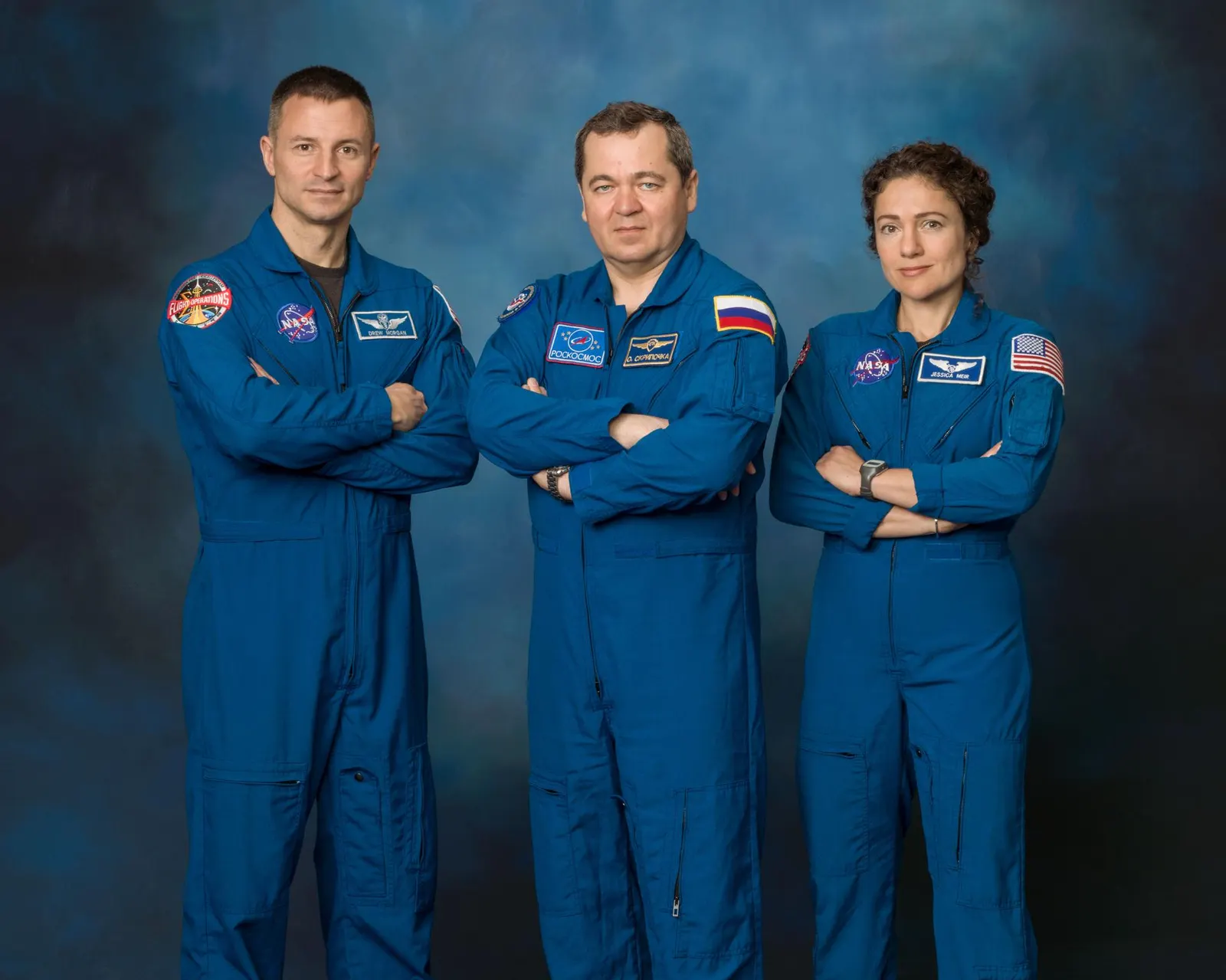
ISS Expedition 30/31
One of their missions
One of their missions
Mission
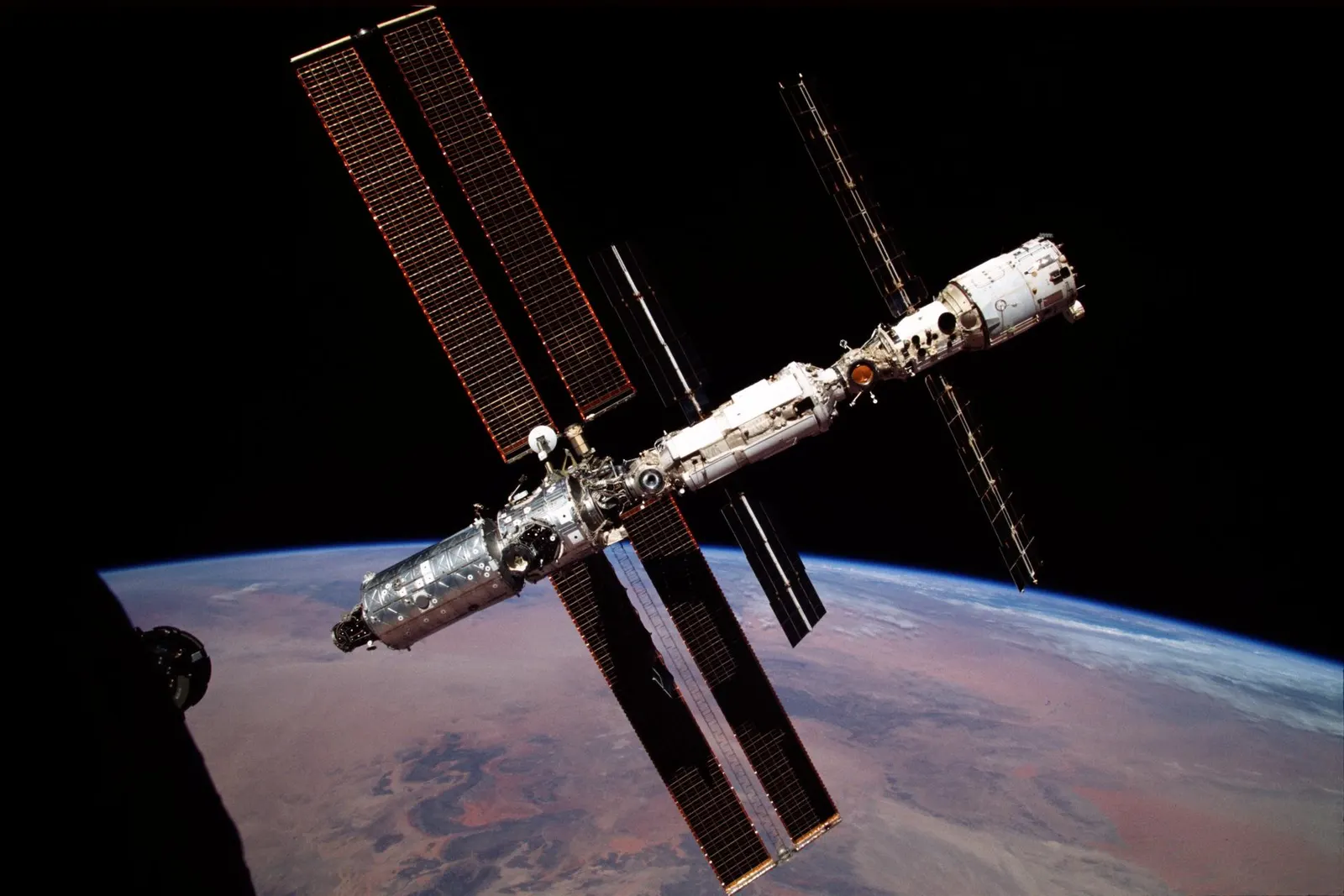
ISS Expedition 9
One of their missions
The full story
Story
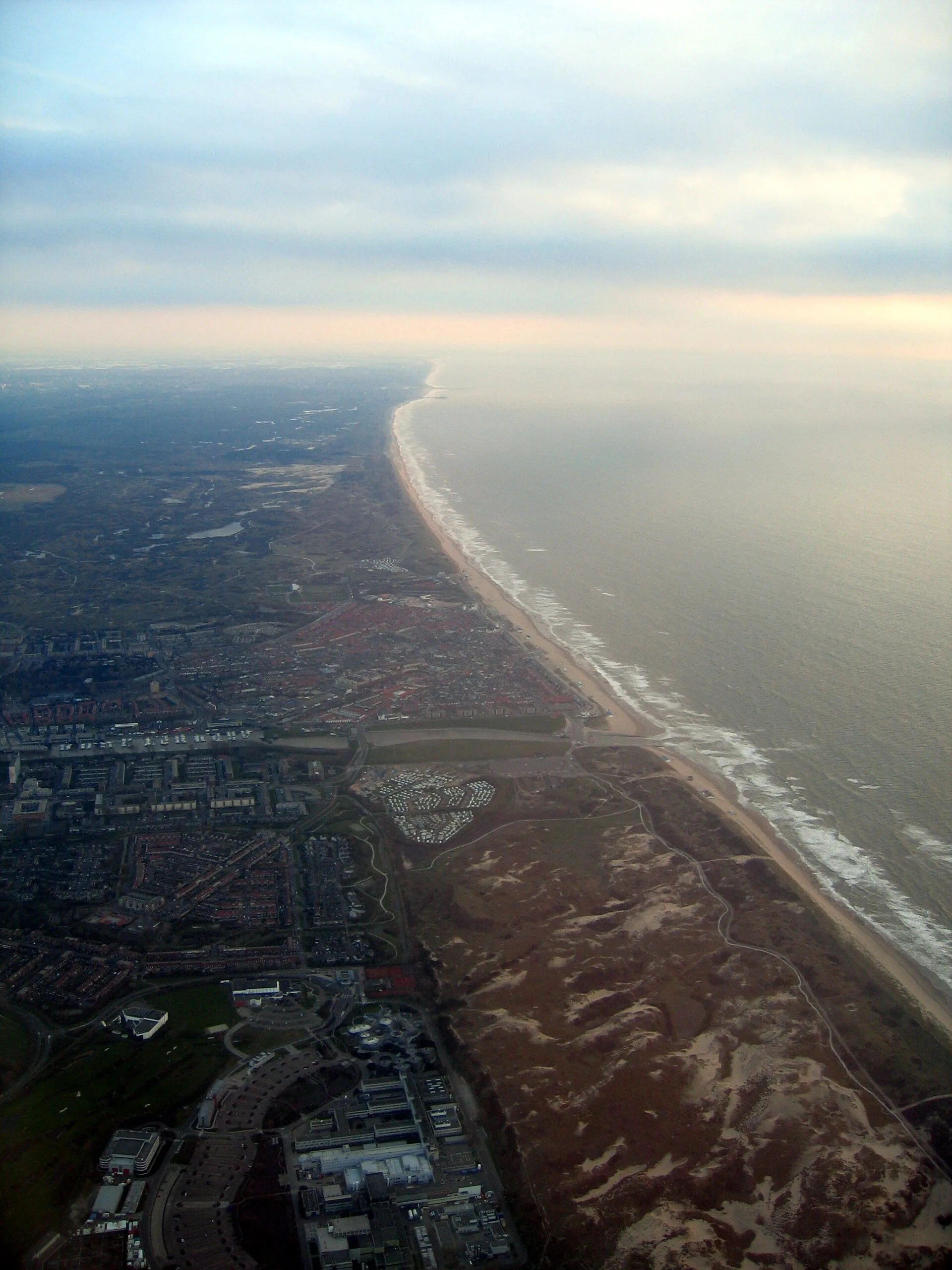
The Netherlands: ESA's Technical Heart and Europe's Hidden Space Powerhouse
The full story
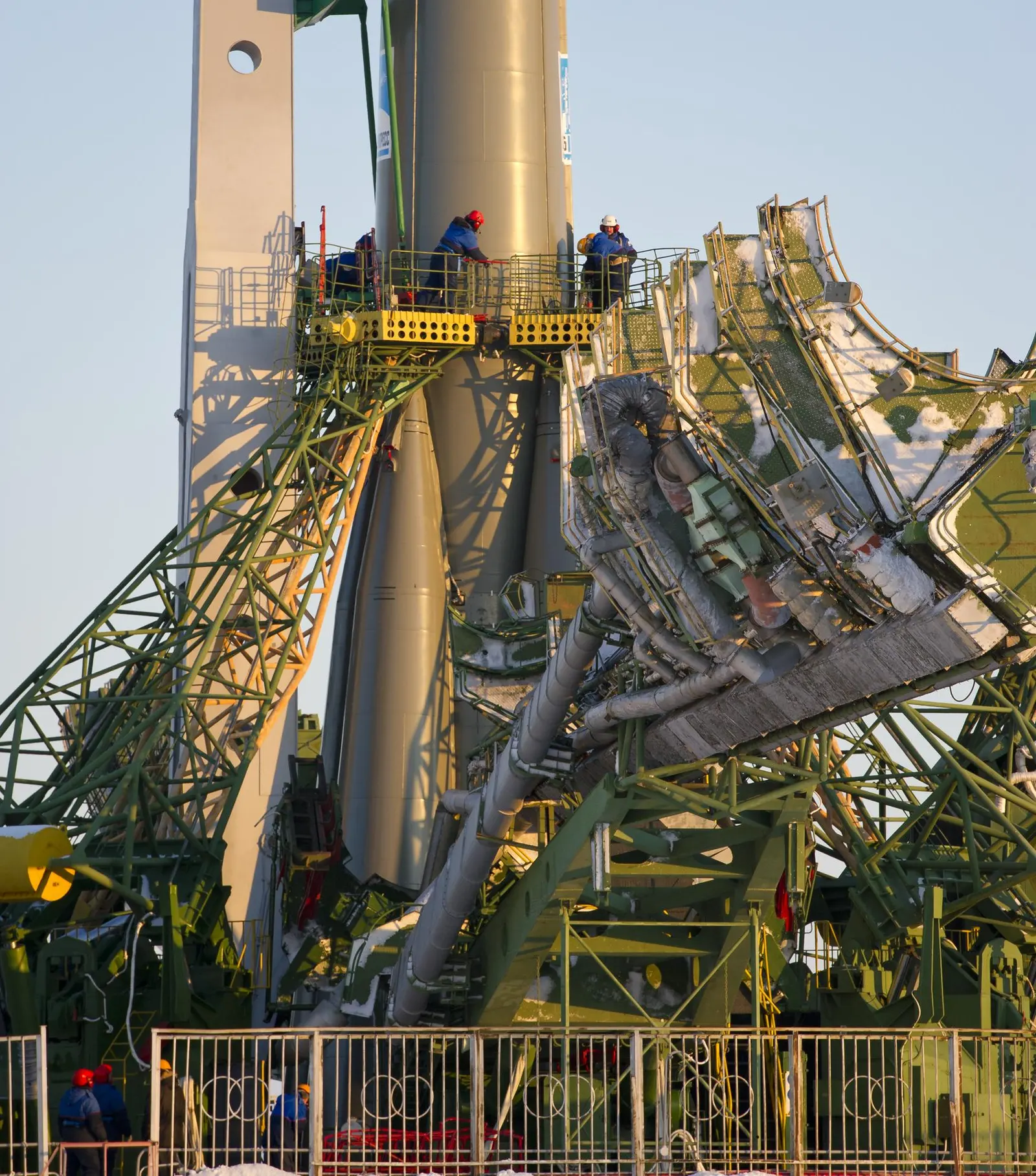
One of their missions
Mission
Soyuz TMA-03M
One of their missions
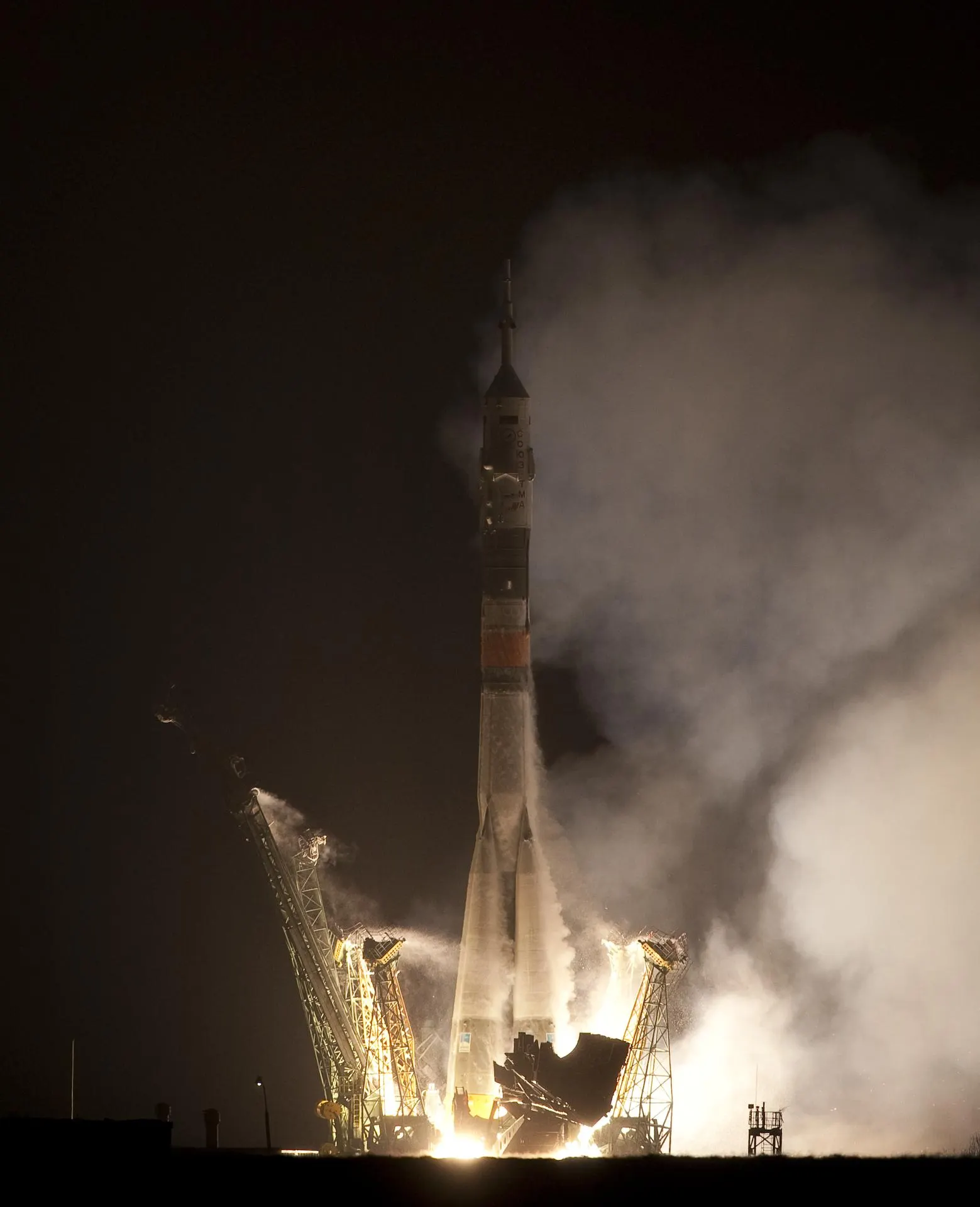
One of their missions
Mission
Soyuz TMA-4
One of their missions