Human Spacesuits
Each one a personal spaceship — 33 suits across 10 agencies · 1961–present
The Lineage
Every suit descends from another — 29 design lineages across six decades. The orange linkis the one that crossed borders: Sokol's DNA in the Shenzhou suit. Scroll →
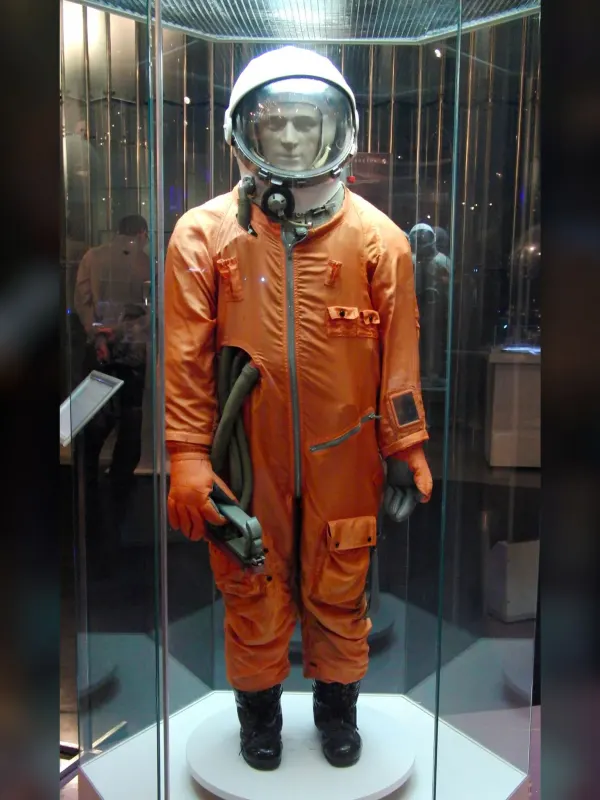 SK-11961
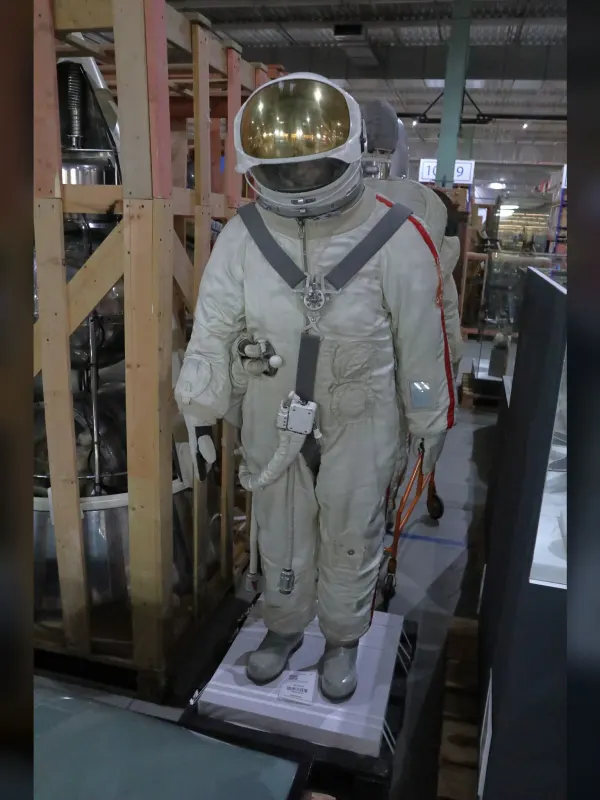 Berkut1965
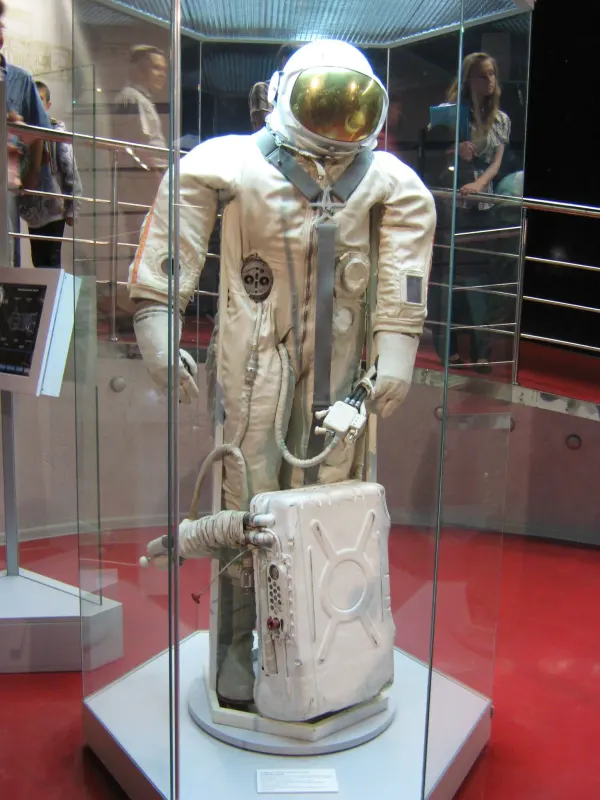 Yastreb1969
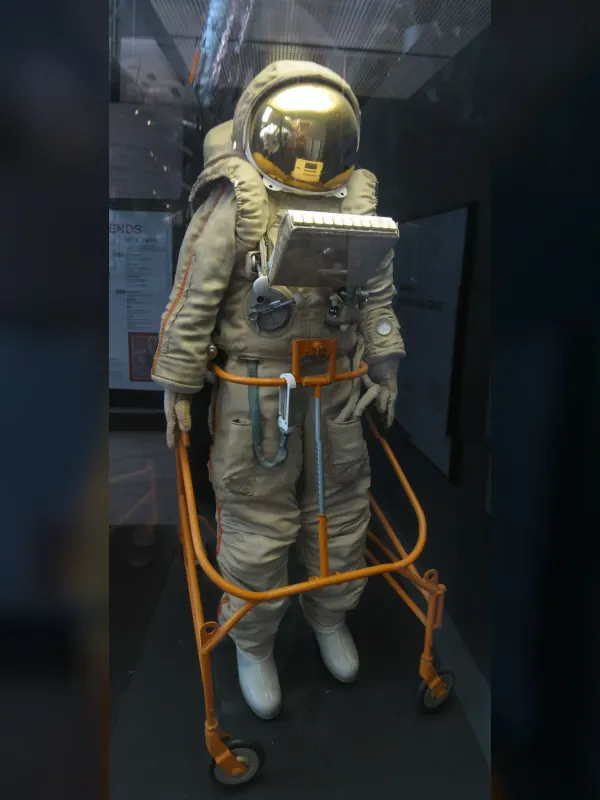 Krechet-941967
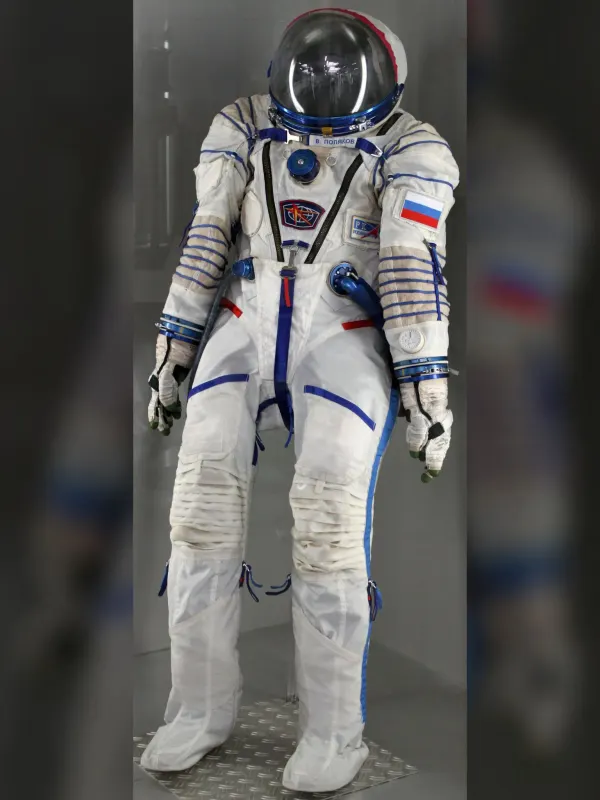 Sokol KV-21980
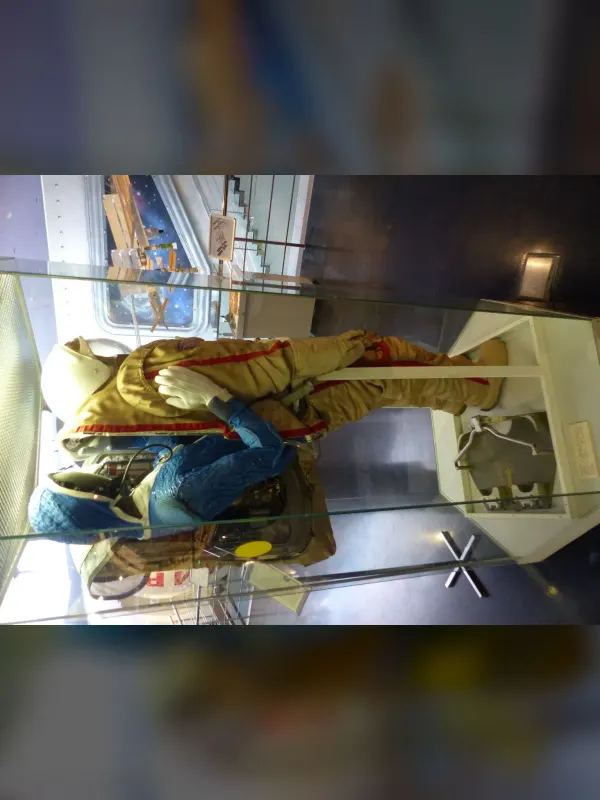 Orlan-D1977
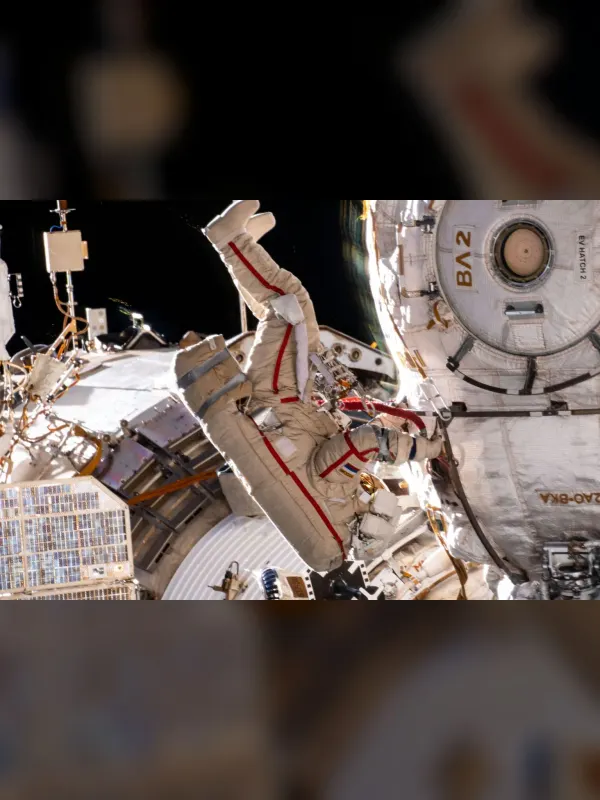 Orlan-MKS2017
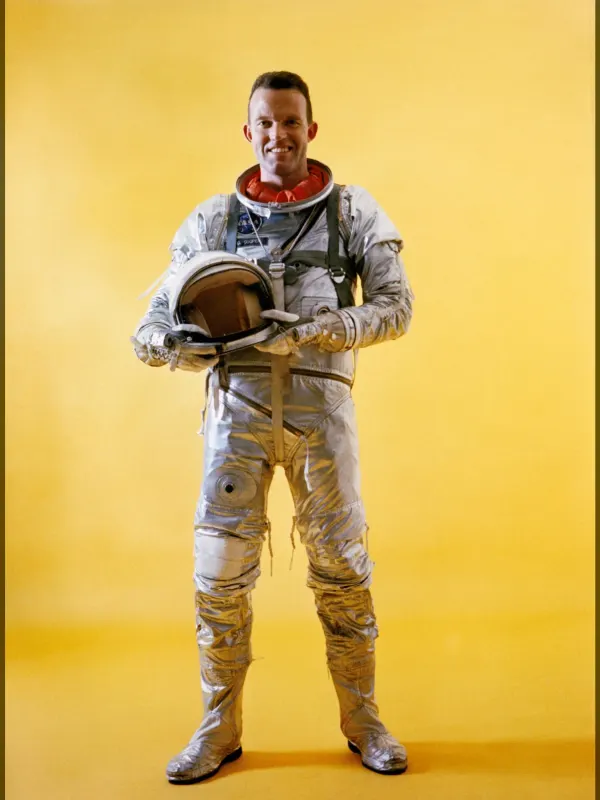 Mercury Pressure Suit1961
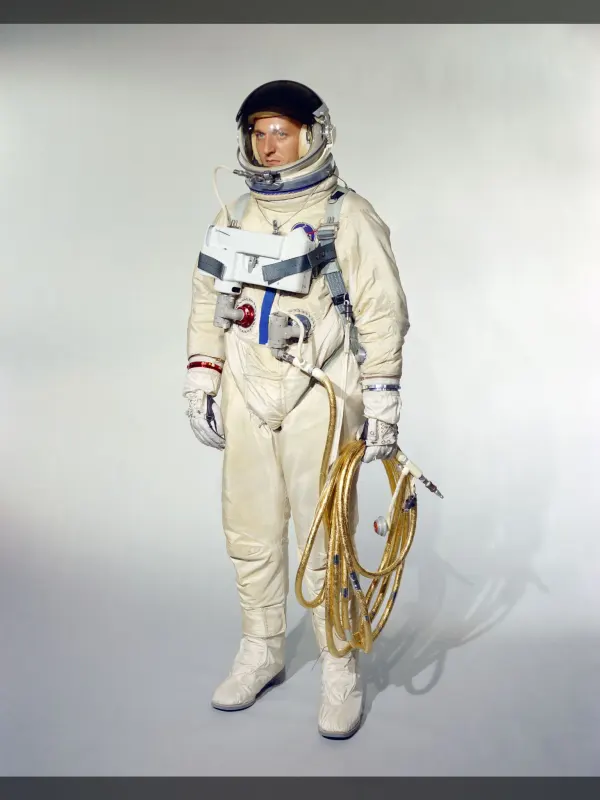 Gemini G4C1965
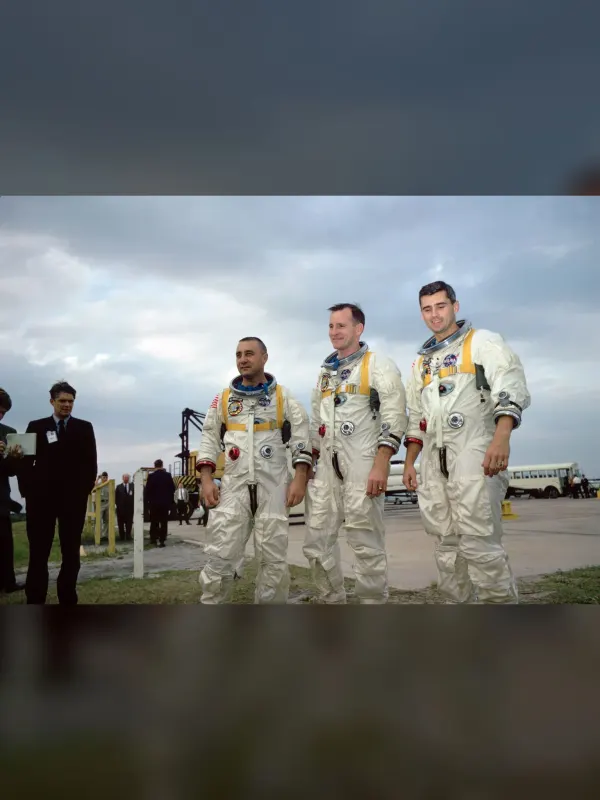 Apollo A1C1966
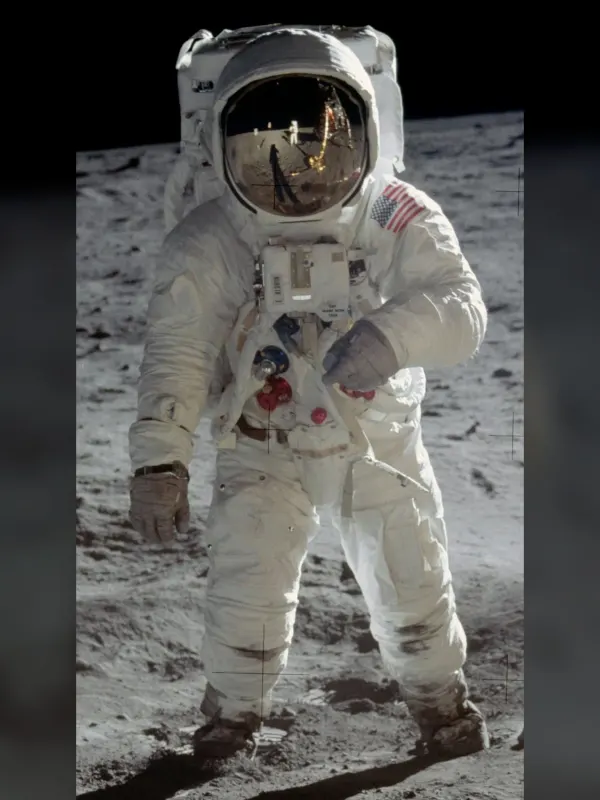 Apollo A7L1968
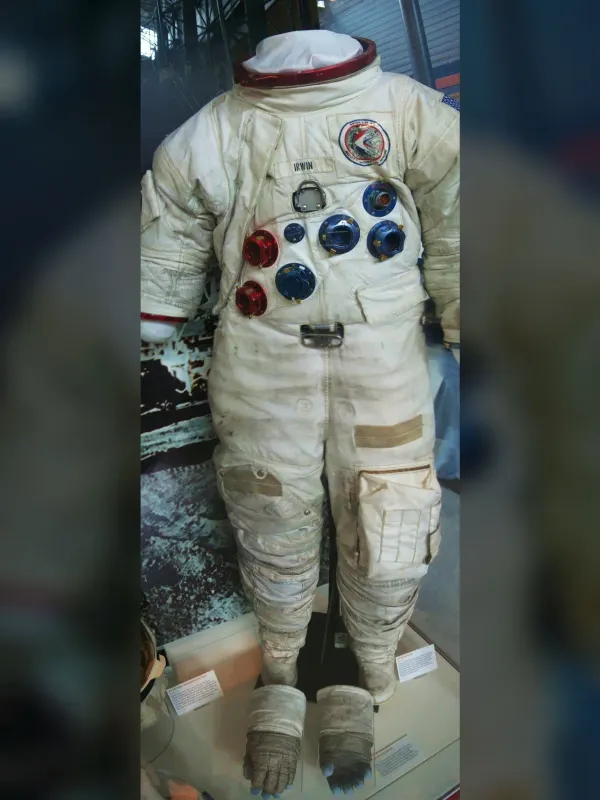 Apollo A7LB1971
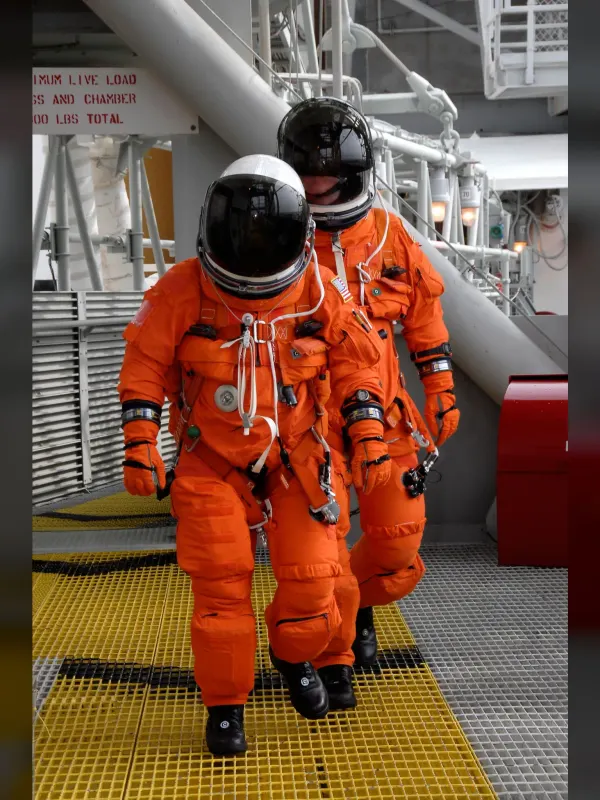 Advanced Crew Escape Suit1994
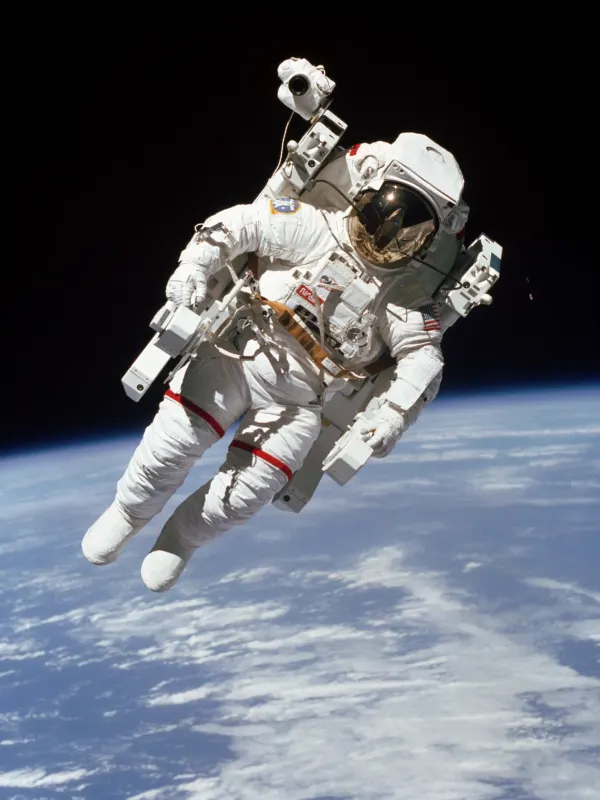 Extravehicular Mobility Unit1982
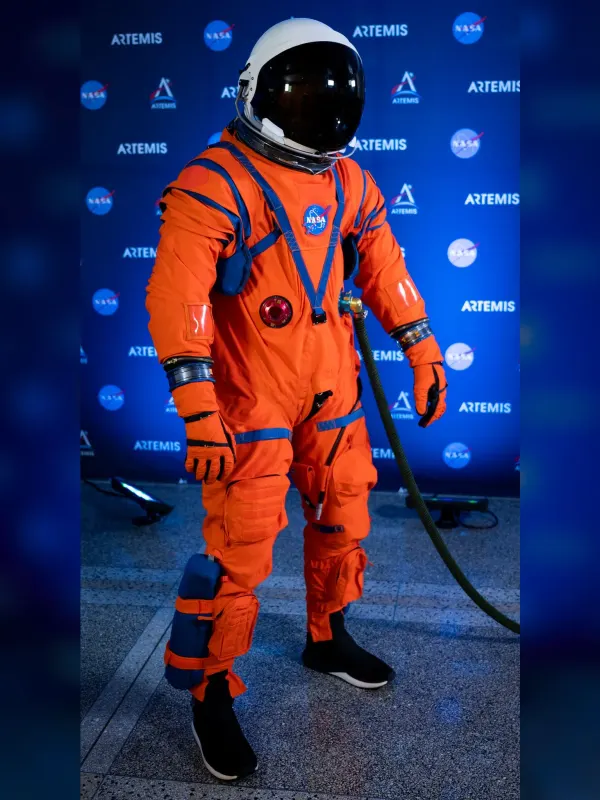 Orion Crew Survival System2022
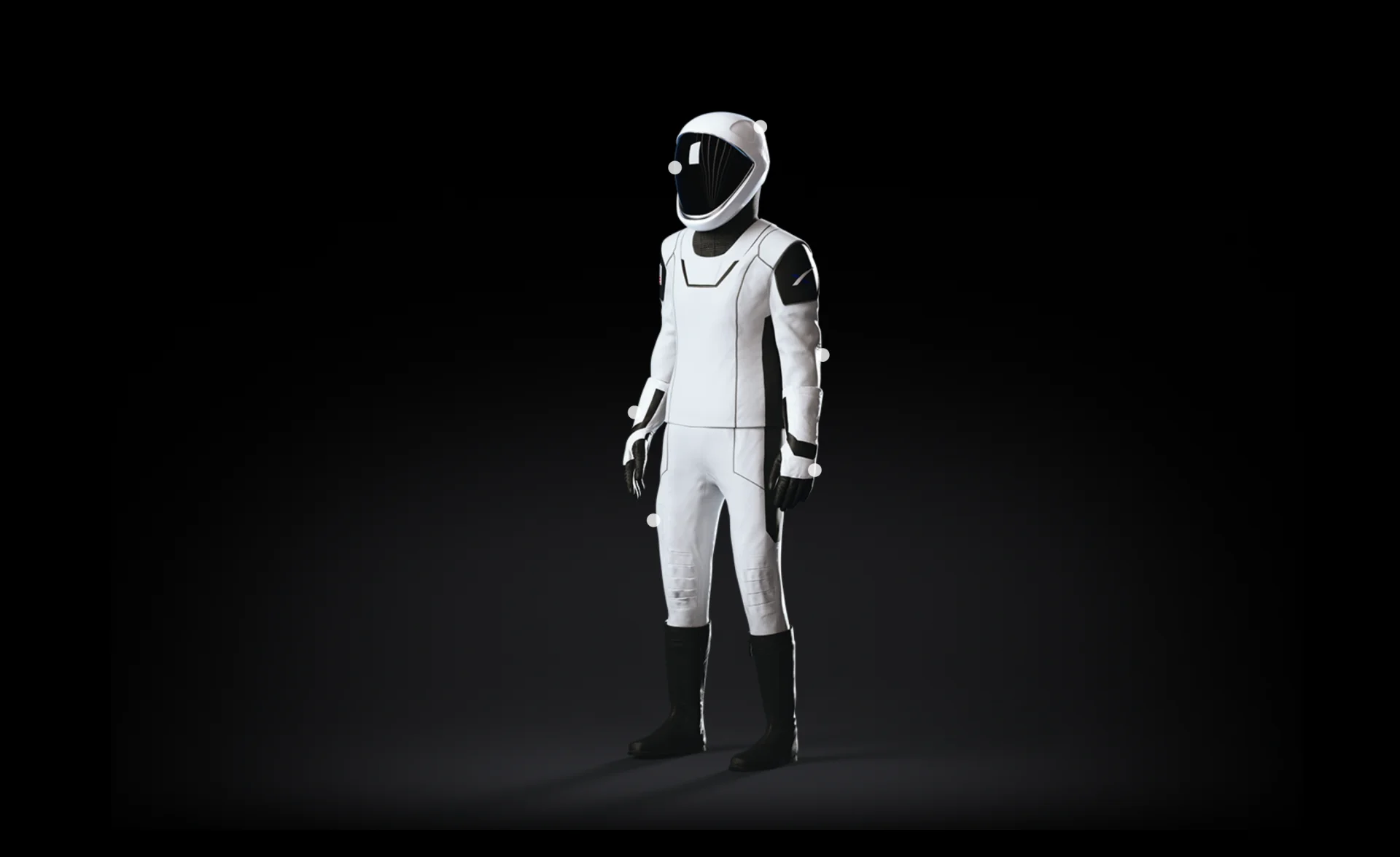
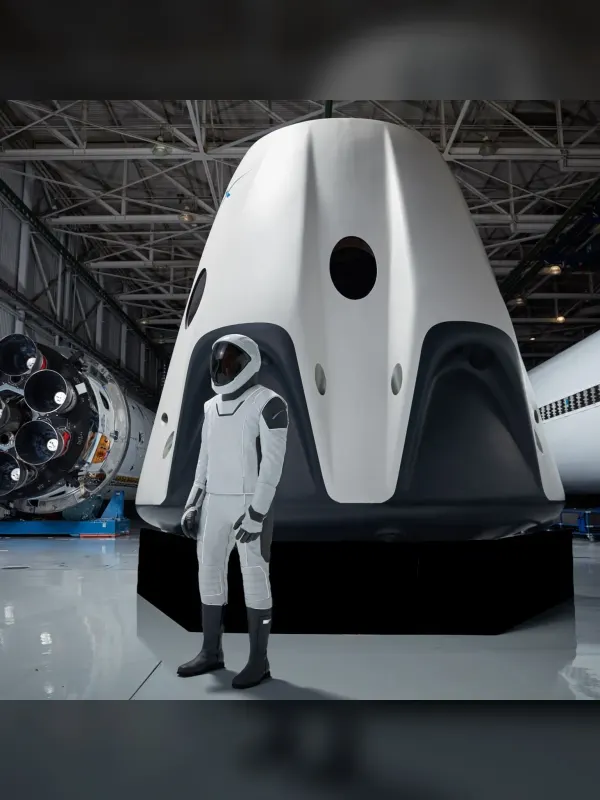 SpaceX Dragon IVA Suit2020
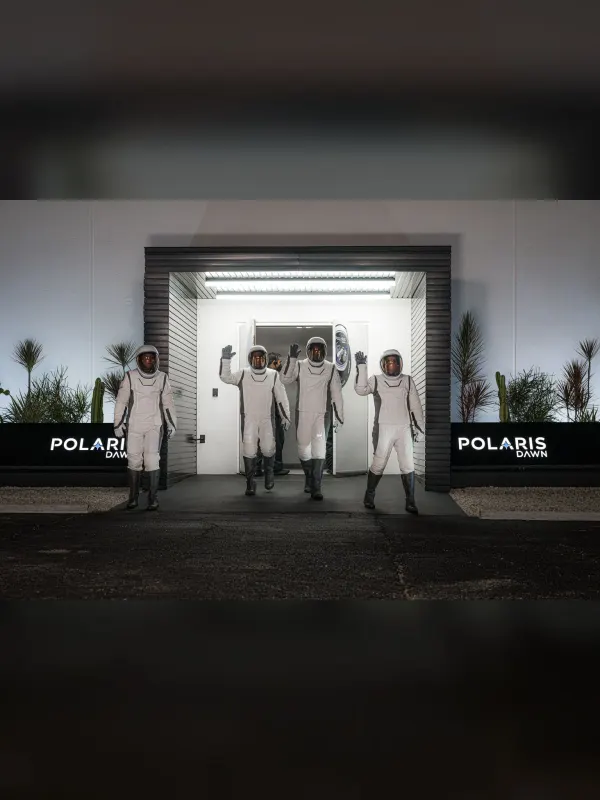 SpaceX EVA Suit2024
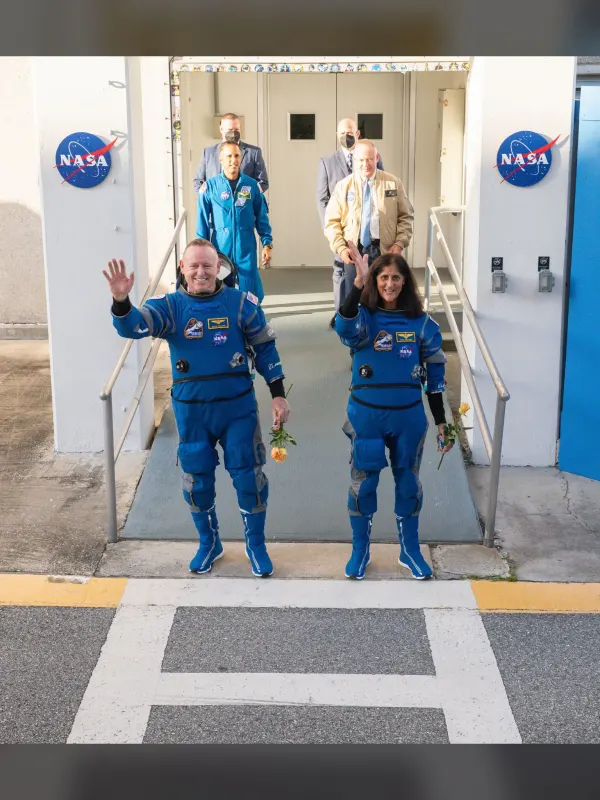 Boeing Blue2024
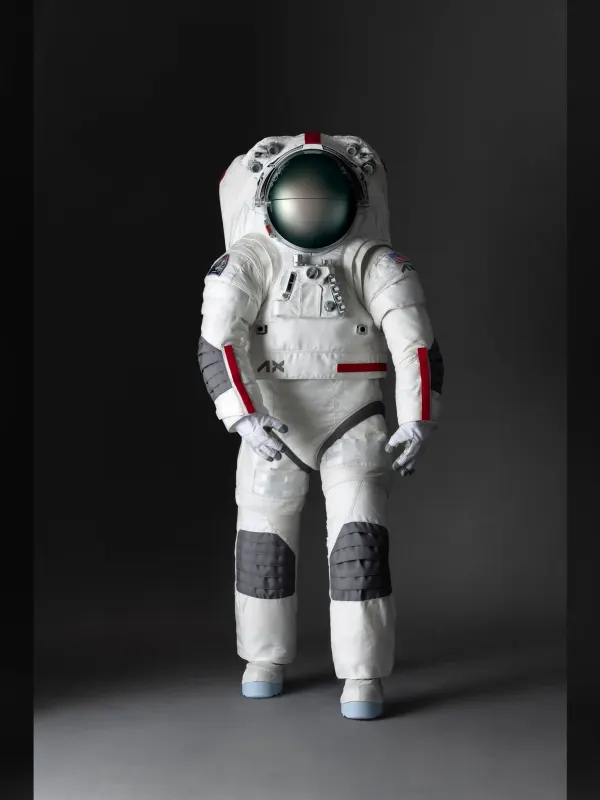 AxEMU2022 · in development
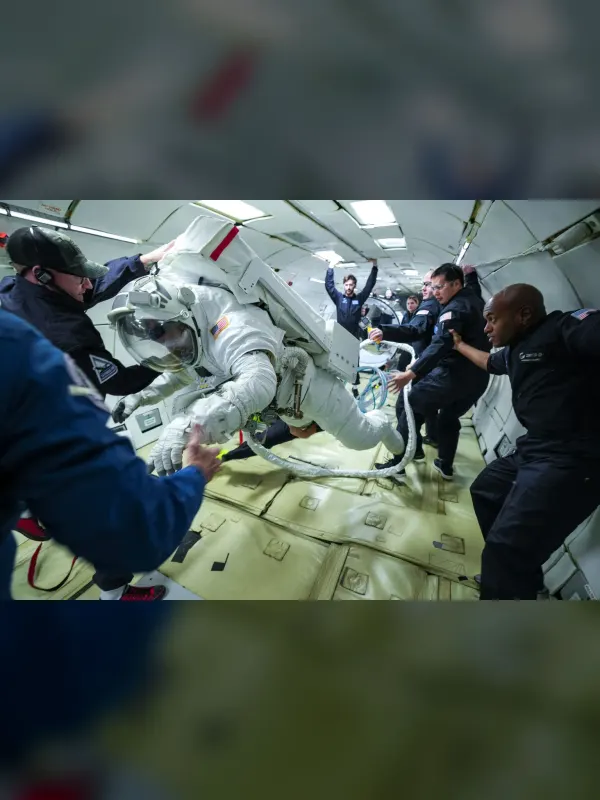 Collins xEMU2022
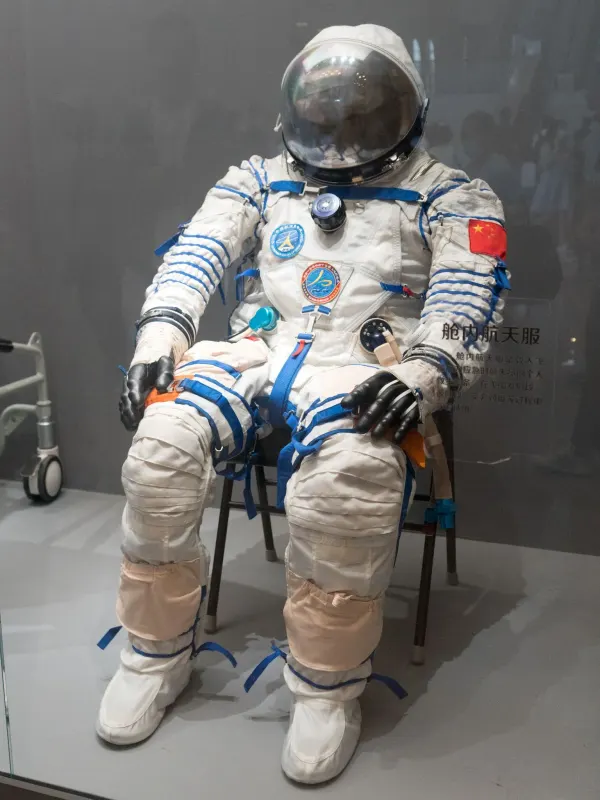 Shenzhou IVA Suit2003
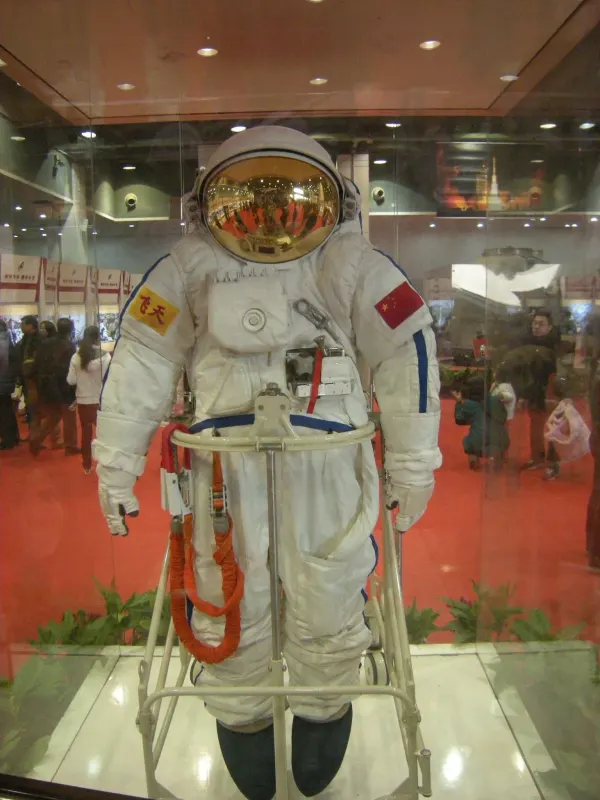 Feitian EVA Suit (1st Generation)2008
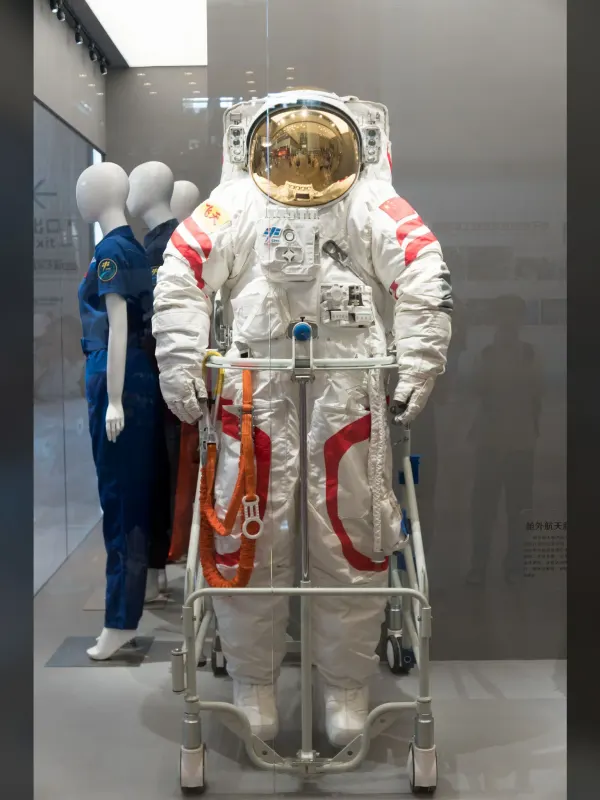 Feitian EVA Suit (2nd Generation)2021
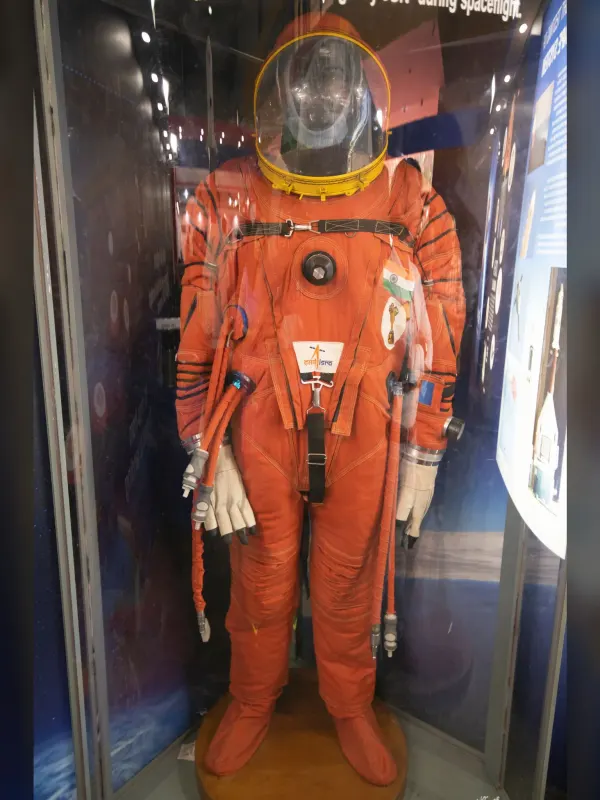 Gaganyaan Vyomanaut Suit2018 · in development
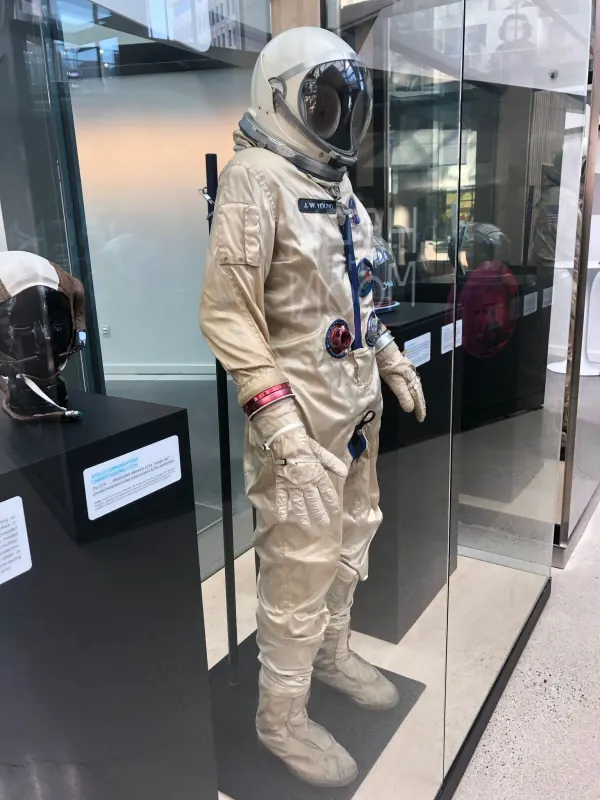 Gemini G3C1965
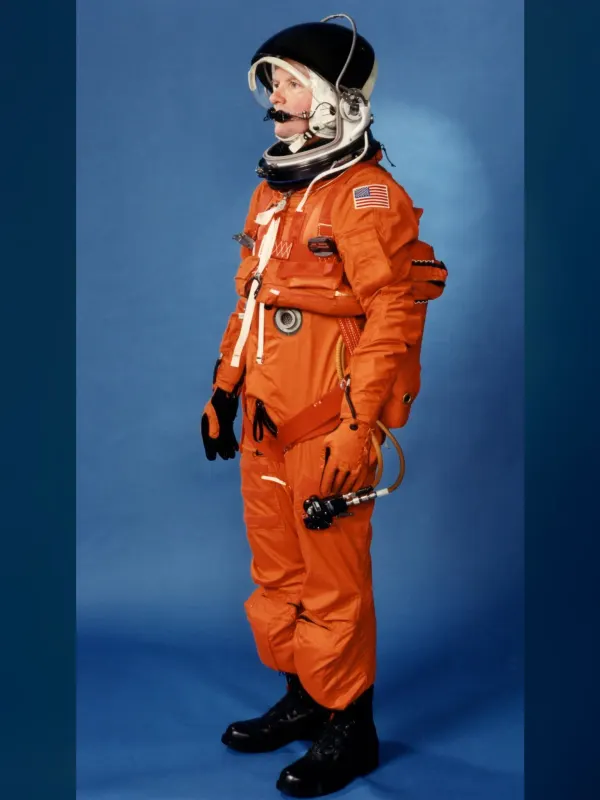 Launch Entry Suit1988
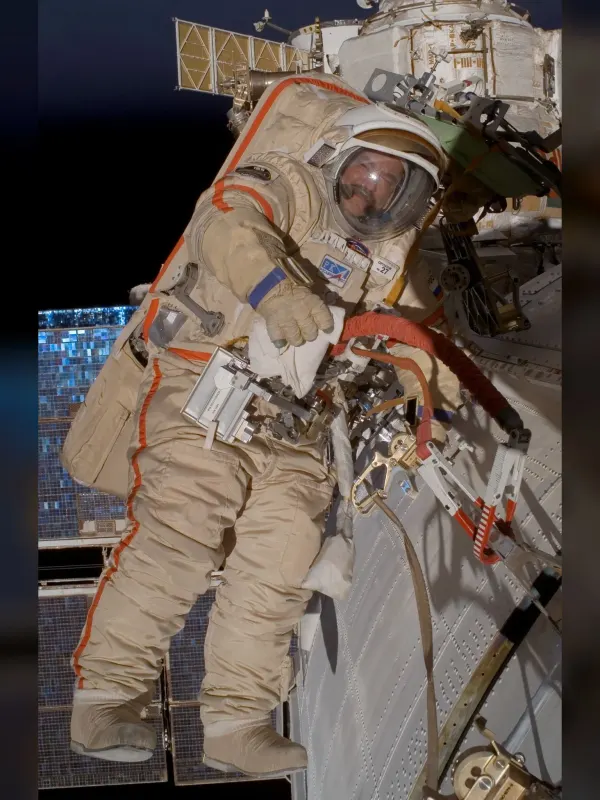 Orlan-M1998
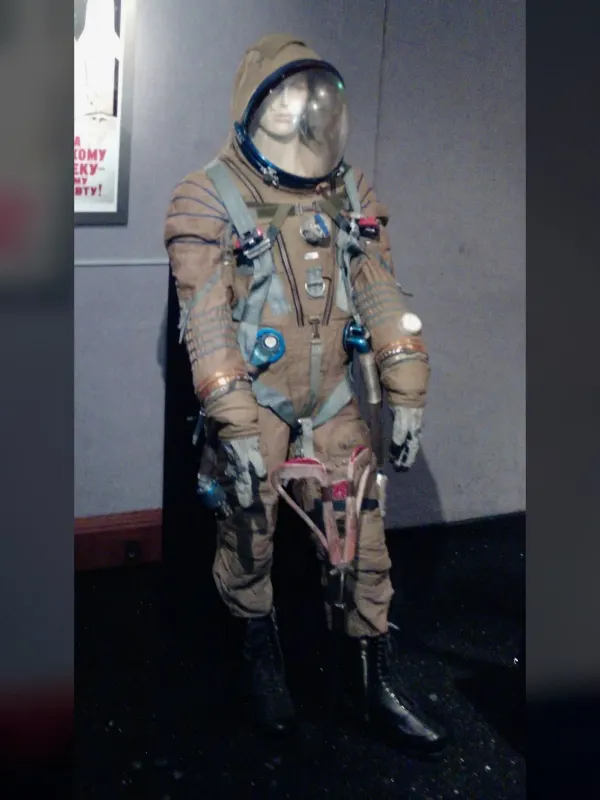 Strizh1988
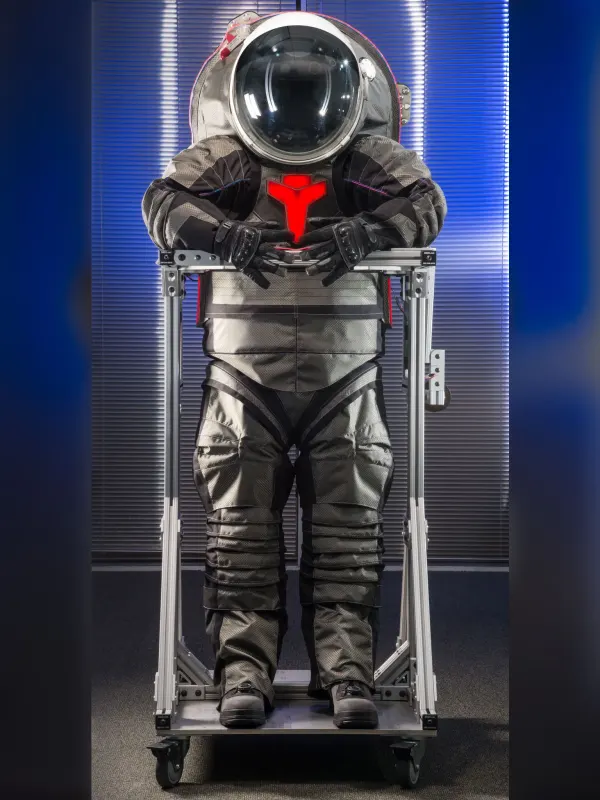 NASA Z-22014
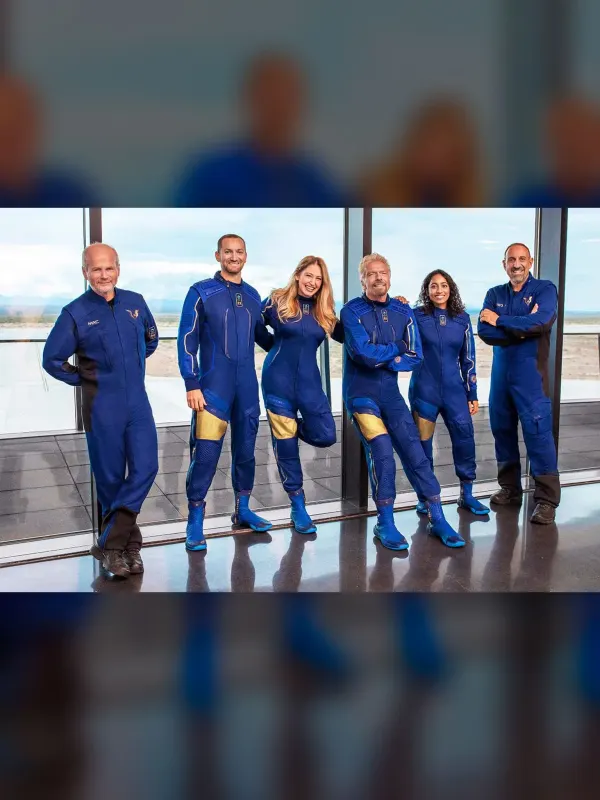 Virgin Galactic Future Astronaut Suit2021
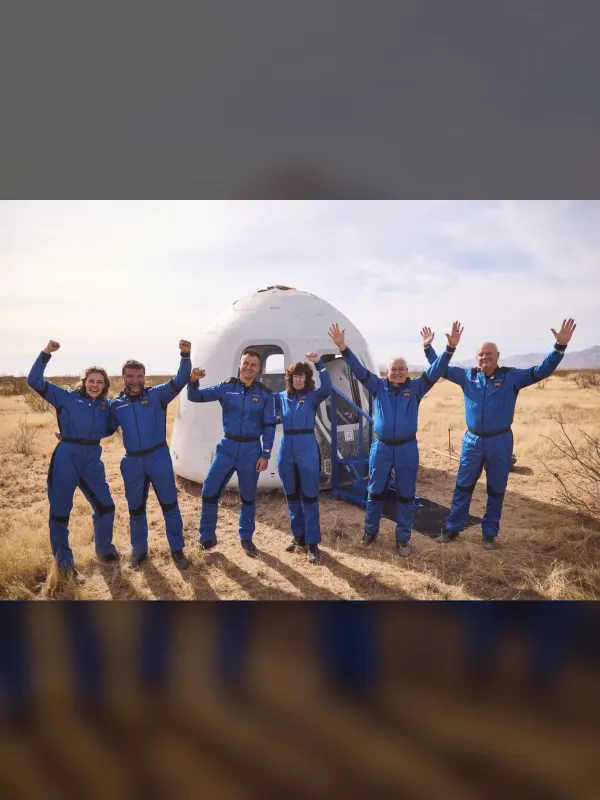 Blue Origin New Shepard Suit2021Wangyu Lunar EVA Suit2023 · in development
 Gemini G5C1965
Positioned by year of introduction · green dot = active · yellow = in development · tap any suit for its full story.
33
Total Suits
17
EVA Capable
11
Active Right Now
65
Years of Lineage
Showing 33 of 33 suits
IVA
🇷🇺Soviet Space Program·Vostok
SK-1
The world's first operational spacesuit — worn by Yuri Gagarin on humanity's first trip to space.
1961–1963
retired
Weight
20 kg
IVA
🇺🇸NASA·Project Mercury
Mercury Pressure Suit
The first American spacesuit — derived from a Navy high-altitude pressure suit and worn on all six crewed Mercury flights.
1961–1963
retired
Weight
10 kg
EVA
🇷🇺Soviet Space Program·Voskhod 2
Berkut
The suit Alexei Leonov wore for the first human spacewalk — a near-fatal 12 minutes that changed history.
1965–1965
retired
Max EVA
~45 min
Weight
41.5 kg
IVA/EVA
🇺🇸NASA·Gemini
Gemini G4C
The suit Ed White wore for America's first spacewalk — proving humans could live and work outside their spacecraft.
1965–1966
retired
Max EVA
~2 hours
Weight
15.4 kg
IVA
🇺🇸NASA·Gemini (IVA missions 3–7)
Gemini G3C
The Gemini IVA baseline suit — worn by John Young and Gus Grissom on Gemini 3, the first American crewed Gemini mission.
1965–1966
retired
Weight
7.3 kg
IVA
🇺🇸NASA·Gemini 7 (14-day endurance mission)
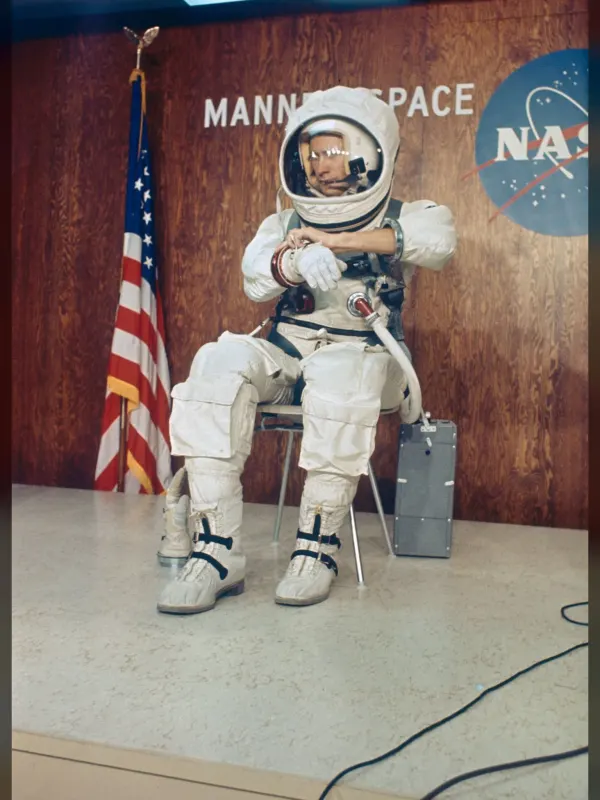
Gemini G5C
The modified soft suit that let Borman and Lovell survive 14 days in a cramped capsule — they could remove it mid-flight, making Gemini 7 the longest American spaceflight to that date.
1965–1965
retired
Weight
6.8 kg
IVA
🇺🇸NASA·Apollo Block I
Apollo A1C
The suit worn in the Apollo 1 fire — its failure triggered a complete redesign and made spacesuits fire-resistant forever.
1966–1967
cancelled
Weight
11 kg
EVA
🇷🇺Soviet Space Program·Soviet Lunar Program (N1/L3)
Krechet-94
The Soviet answer to Apollo's A7L — the lunar EVA suit that would have walked on the Moon if the N1 rocket had succeeded.
1967–1974
cancelled
Max EVA
10 hours
Weight
90 kg
IVA/EVA
🇺🇸NASA·Apollo (Missions 7–14), Skylab, ASTP
Apollo A7L
The suit Neil Armstrong wore on the Moon — 21 layers of engineering that carried humanity to its greatest achievement.
1968–1975
retired
Max EVA
7 hours
Weight
34.5 kg
EVA
🇷🇺Soviet Space Program·Soyuz (crew transfer)
Yastreb
The first purpose-built Soviet EVA suit — used for the only crewed spacecraft-to-spacecraft transfer by spacewalk in history.
1969–1969
retired
Max EVA
~2 hours
Weight
22 kg
IVA/EVA
🇺🇸NASA·Apollo J-missions (15–17), Skylab
Apollo A7LB
The suit Gene Cernan wore on the last Moon walk in 1972 — the most capable Apollo suit, designed for driving the Lunar Roving Vehicle.
1971–1975
retired
Max EVA
7 hours
Weight
35.4 kg
EVA
🇷🇺Soviet Space Program·Salyut 6 / Salyut 7
Orlan-D
The first Orlan — the foundational EVA suit that established Russia's semi-rigid rear-entry architecture still in use today.
1977–1984
retired
Max EVA
3 hours
Weight
73.5 kg
IVA
🇷🇺Roscosmos / Soviet Space Program·Soyuz; Shenzhou (licensed)
Sokol KV-2
The longest-continuously-flying crewed spacesuit in history — 45+ years of active Soyuz service since 1980.
1980–present
active
Weight
10 kg
EVA
🇺🇸NASA·Space Shuttle; ISS
Extravehicular Mobility Unit
The defining American EVA suit — protecting astronauts on 280+ spacewalks since 1981, Hubble repairs, and decades of orbital construction in a single iconic white suit.
1982–present
active
Max EVA
8 hours + 30 min reserve
Weight
49.4 kg
IVA
🇺🇸NASA·Space Shuttle (STS-26 through STS-63, 1988–1994)
Launch Entry Suit
The bright orange suit rushed into service after the Challenger disaster — a partial-pressure emergency suit that gave shuttle crews their first real pressure protection since Apollo.
1988–1994
retired
Weight
9 kg
IVA
🇷🇺Soviet Space Program / Roscosmos·Buran Space Shuttle Program
Strizh
The Soviet Buran's rescue suit — designed for emergency ejection from the shuttle at altitudes up to 30 km, using a K-36 ejection seat system unique in spaceflight history.
1988–1993
retired
Weight
15 kg
IVA
🇺🇸NASA·Space Shuttle (STS-64 through STS-135)
Advanced Crew Escape Suit
The orange 'pumpkin suit' worn on every Shuttle flight from 1994–2011 — the suit Columbia's crew wore when the orbiter broke apart.
1994–2011
retired
Weight
15 kg
EVA
🇷🇺Roscosmos·ISS Russian Segment (Phase I–II, 1998–2009)
Orlan-M
The Orlan variant that assembled the ISS — Russia's primary EVA suit for the entire initial station construction phase.
1998–2009
retired
Max EVA
7 hours
Weight
112 kg
IVA
🇨🇳CNSA·Shenzhou; Tiangong CSS
Shenzhou IVA Suit
The suit Yang Liwei wore when China became the third nation to independently send a human to space — based on Russia's Sokol KV-2.
2003–present
active
Weight
10 kg
EVA
🇨🇳CNSA·Shenzhou 7; Tiangong-1/2
Feitian EVA Suit (1st Generation)
The suit Zhai Zhigang wore waving a Chinese flag on China's first spacewalk — making China the third nation to achieve EVA.
2008–2021
retired
Max EVA
4 hours
Weight
120 kg
EVA
🇺🇸NASA·Advanced Exploration Systems (AES) — next-gen EVA prototype
NASA Z-2
NASA's 2014 experimental prototype — the public voted on its outer shell design. A testing bed for constant-volume joints and planetary surface mobility that fed directly into AxEMU.
2014–2016
retired
Weight
48 kg
EVA
🇷🇺Roscosmos·ISS (Russian Segment)
Orlan-MKS
Russia's current ISS spacesuit — the most advanced Orlan ever built, with fully domestic Russian avionics and automated thermal control.
2017–present
active
Max EVA
7 hours
Weight
110 kg
IVA
🇮🇳ISRO·Gaganyaan
Gaganyaan Vyomanaut Suit
India's first indigenously designed spacesuit — the lightest IVA suit in development at just 5 kg, for the Gaganyaan crewed mission targeting 2027.
2018–present
development
Weight
5 kg
IVA
🇺🇸SpaceX·Crew Dragon (Commercial Crew)
SpaceX Dragon IVA Suit
SpaceX's sleek one-piece suit — the first entirely in-house designed commercial crew suit, with a touchscreen-compatible glove and integrated 3D-printed helmet.
2020–present
active
EVA
🇨🇳CNSA·CSS Tiangong Space Station
Feitian EVA Suit (2nd Generation)
China's current Tiangong EVA suit — with 8-hour duration and 15+ EVA reusability, it supports all Tiangong station spacewalks.
2021–present
active
Max EVA
8 hours
Weight
120 kg
IVA
🇬🇧Virgin Galactic·VSS Unity (SpaceShipTwo commercial suborbital)
Virgin Galactic Future Astronaut Suit
The light blue suit that carried Richard Branson and paying customers to the edge of space — the first commercial spacesuit designed by a fashion-forward consumer brand partnership.
2021–present
active
IVA
🇺🇸Blue Origin·New Shepard (commercial suborbital)
Blue Origin New Shepard Suit
The white suit Jeff Bezos wore on Blue Origin's first crewed New Shepard flight — clean and functional, worn by commercial passengers reaching 107 km altitude.
2021–present
active
IVA
🇺🇸NASA·Artemis / Orion spacecraft
Orion Crew Survival System
The suit that carried the first crew around the Moon since 1972 — orange like ACES, but with major mobility gains for long-duration lunar transit.
2022–present
active
EVA
🇺🇸Axiom Space·Artemis lunar surface EVA (xEVAS) — first surface use now Artemis IV (~2028)
AxEMU
The suit that will return humans to the Moon — the first lunar surface EVA suit since Apollo 17 in 1972, with Prada co-designing its outer materials. First surface use is now Artemis IV (~2028).
2022–present
development
Max EVA
8+ hours
EVA
🇺🇸Collins Aerospace·xEVAS (ISS next-gen EVA services)
Collins xEMU
The cancelled next-gen ISS EVA suit — Collins Aerospace won the NASA contract but withdrew in 2024, leaving Axiom as sole commercial EVA suit provider.
2022–2024
cancelled
🧑🚀No official imagery yet
EVA
🇨🇳CNSA·China Crewed Lunar Exploration (first crewed landing now stated 2029 or 2030)
Wangyu Lunar EVA Suit
China's lunar surface EVA suit — officially named 'Wangyu' in February 2025, fully unveiled in September 2024, and supporting China's first crewed Moon landing now stated for 2029 or 2030 as part of the International Lunar Research Station program.
2023–present
development
EVA
🇺🇸SpaceX·Polaris Program; Starship (future)
SpaceX EVA Suit
The suit worn for history's first commercial spacewalk — Polaris Dawn's September 2024 EVA showed that private companies could design, build, and operate EVA suits independently.
2024–present
active
Max EVA
~2 hours (umbilical-dependent)
IVA
🇺🇸Boeing·CST-100 Starliner (Boeing Commercial Crew)
Boeing Blue
Boeing's lighter-than-ACES suit worn by Butch Wilmore and Suni Williams on the 9-month-long unplanned ISS stay — now without a scheduled crewed flight after Starliner-1 was converted to uncrewed cargo.
2024–present
active
Weight
9 kg