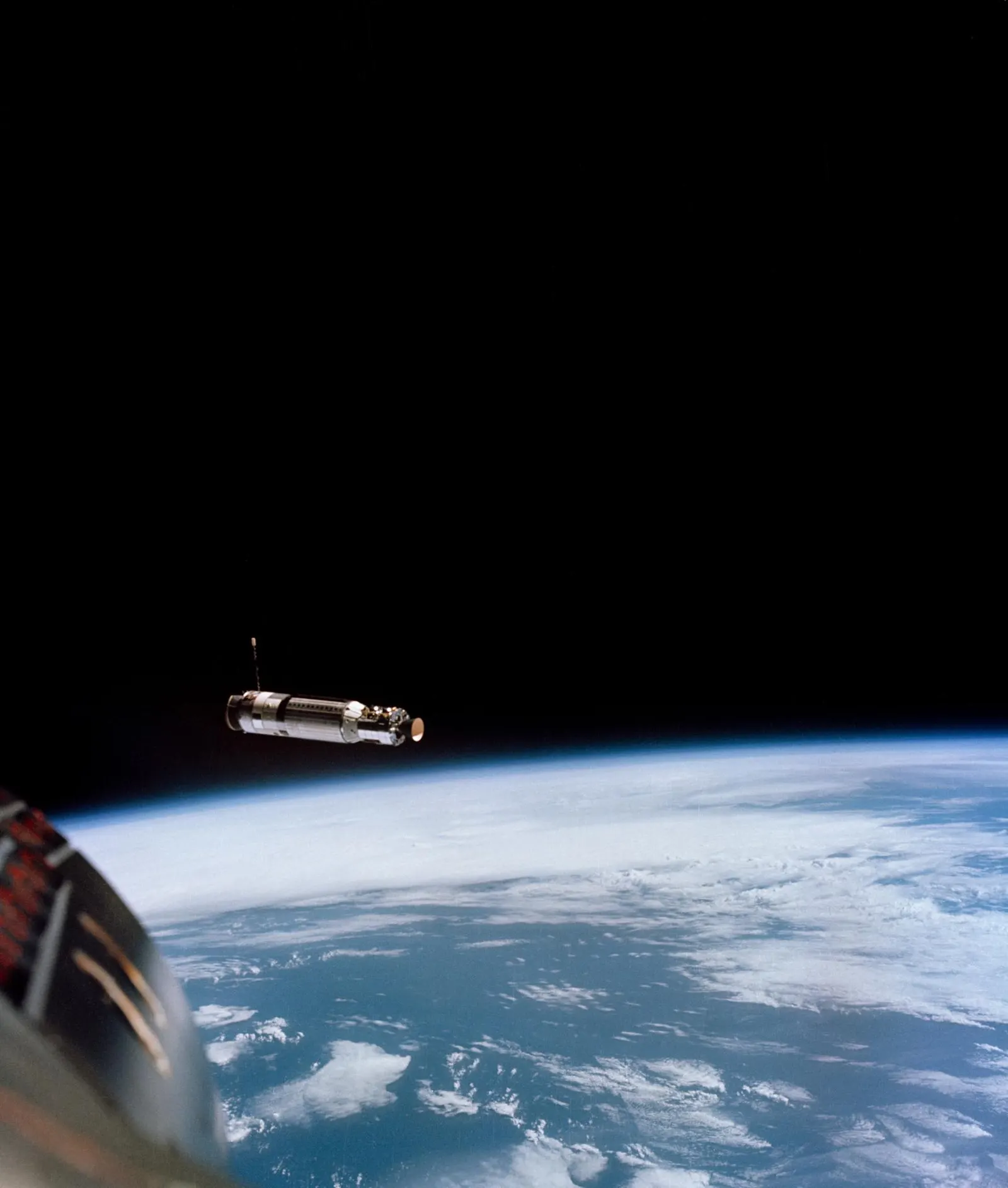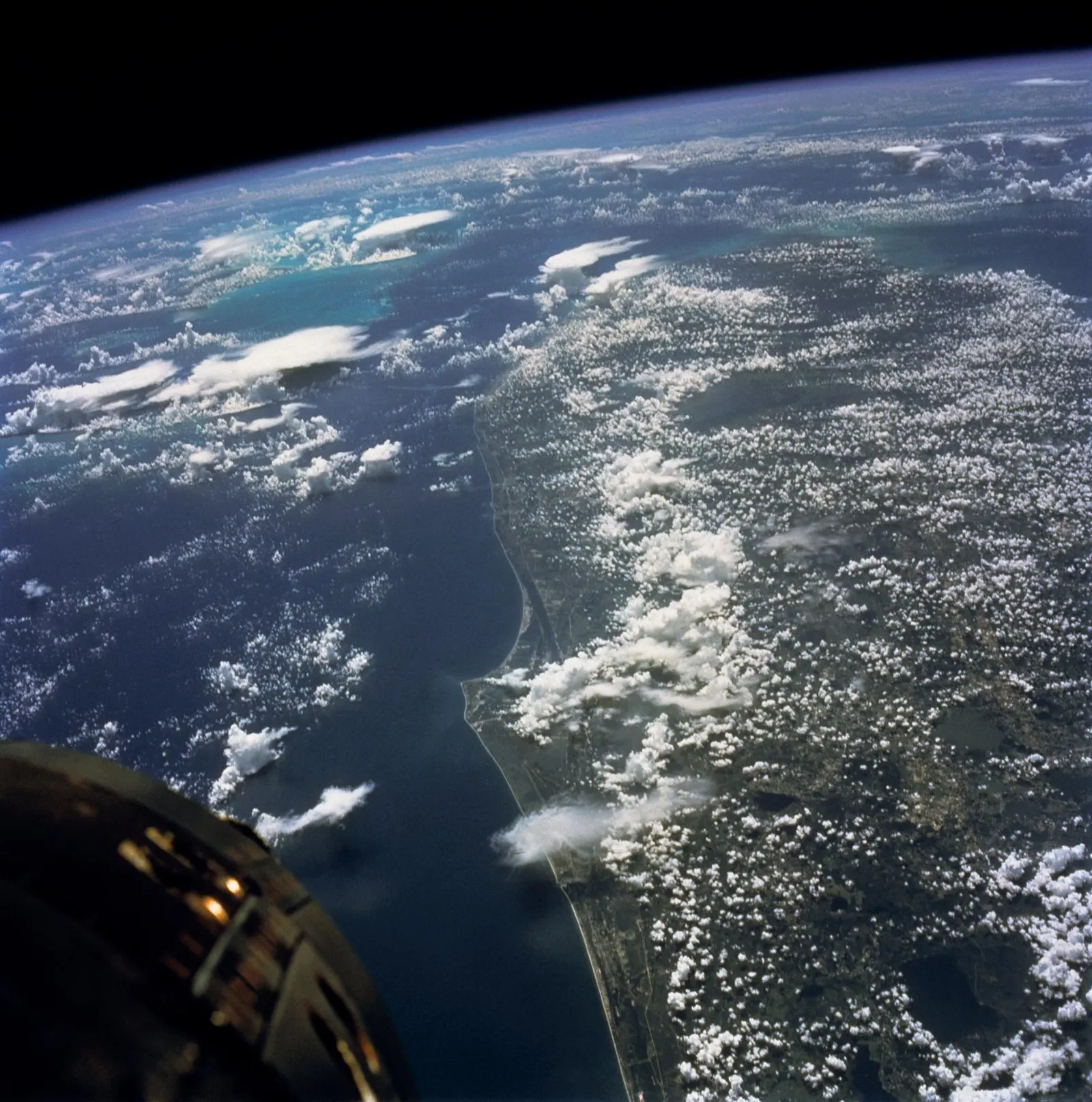
Image: NASA
Apollo 12
Mission Profile
| Launch date | 1969-11-14 |
|---|---|
| Launch site | Kennedy Space Center, Launch Complex 39A, Florida |
| Launch vehicle | Saturn V (SA-507) |
| Spacecraft | CSM-108 "Yankee Clipper" + LM-6 "Intrepid" |
| Target | Moon |
| Type | Crewed |
| End date | 1969-11-24 |
| Recovery | USS Hornet, South Pacific Ocean |
| Landing site | 3.01239°S, 23.42157°W — Oceanus Procellarum (Ocean of Storms), ~535 ft (163 m) from Surveyor 3 |
| Surface stay | ~31 hours 31 minutes (2 EVAs totalling ~7h 45m) |
| Cost | Apollo program-wide; mission-specific cost not separately published |
| Mass | ~43,700 kg (CSM + LM combined) |
| Duration | 10 days, 4 hours, 36 minutes |
| Partners | North American Aviation (CSM), Grumman (LM) |
| Instruments | ALSEP package (5 experiments), Hand tools and core tubes, 70mm Hasselblad cameras |
Overview
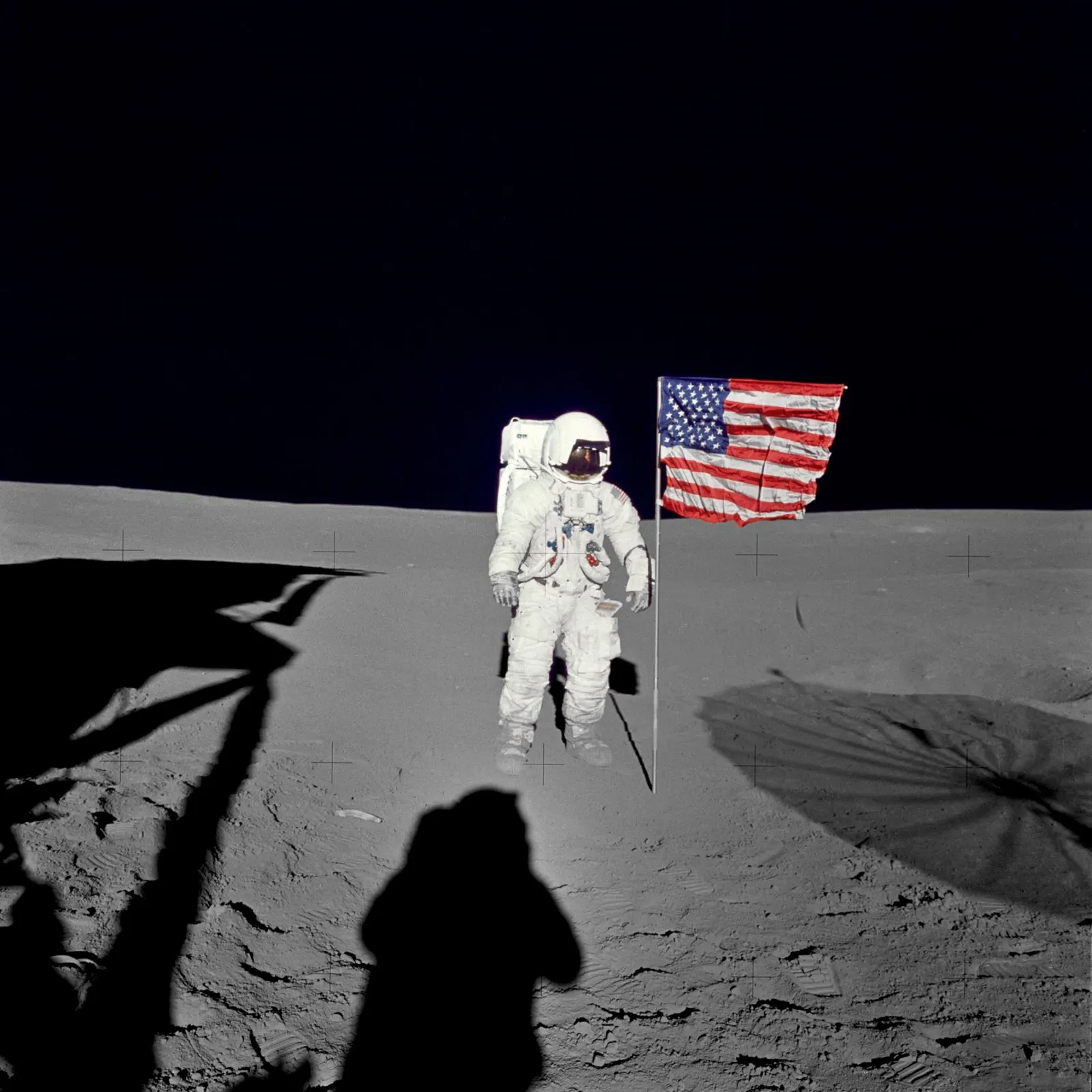
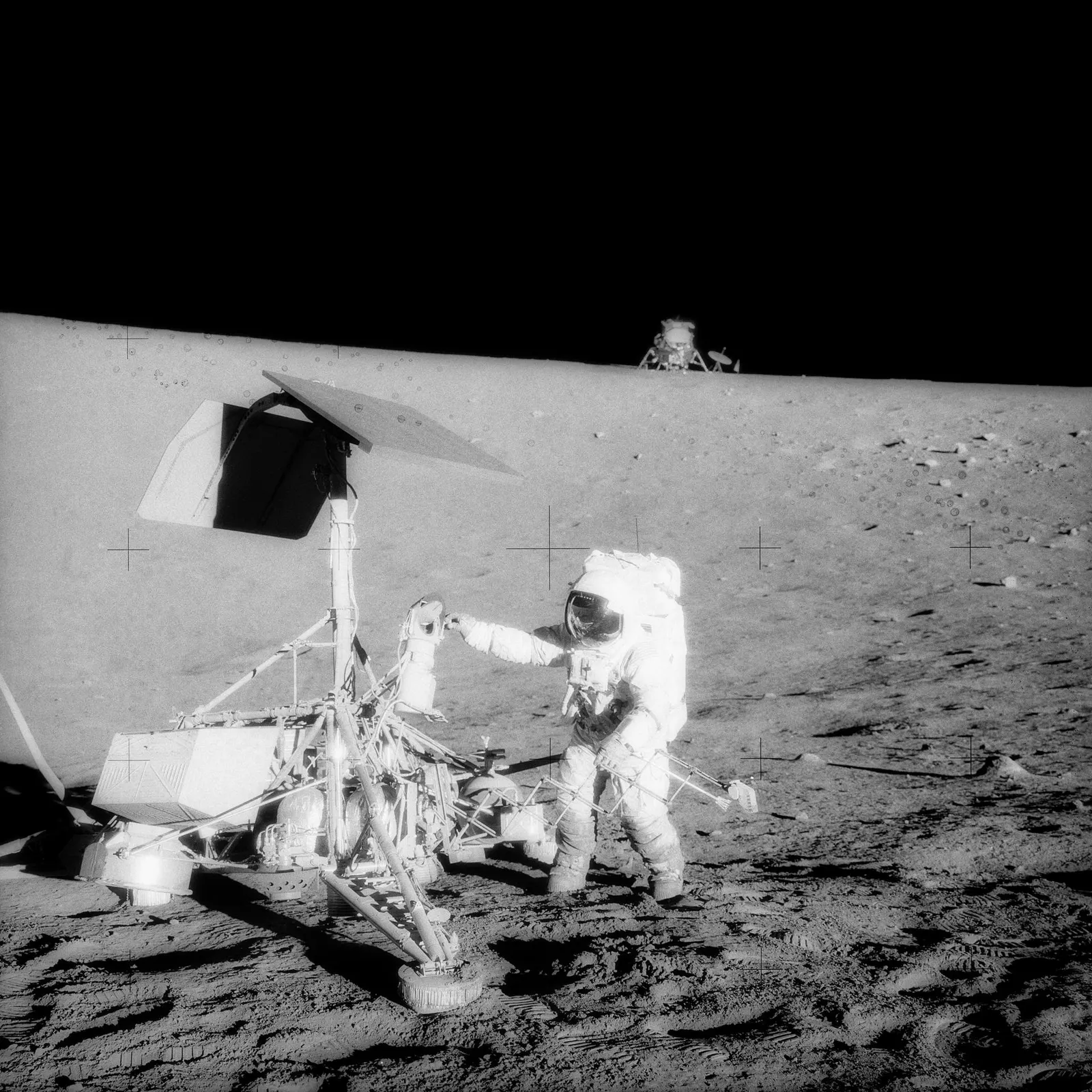
Apollo 12 was the second lunar landing and a pinpoint demonstration of the precision required for future scientific exploration. Pete Conrad, Dick Gordon, and Alan Bean launched in heavy rain on November 14, 1969 — during ascent, lightning struck the Saturn V twice (at GET 36.5 and 52 seconds), tripping the CSM fuel cells and instrumentation. EECOM John Aaron's call "SCE to AUX!" saved the mission. Five days later, Conrad and Bean landed in the Ocean of Storms within walking distance of Surveyor 3, an unmanned probe that had landed there in April 1967. The crew retrieved Surveyor 3's TV camera and parts — the first hardware recovery from another celestial body. They also deployed the first long-duration Apollo Lunar Surface Experiments Package (ALSEP) powered by an SNAP-27 nuclear (RTG) generator, which operated for nearly 8 years.
Mission Objectives
Achieve precision (pinpoint) lunar landing
achieved
Deploy ALSEP — first long-duration lunar science station
achieved
Retrieve parts from Surveyor 3 for return analysis
achieved
Geological field investigation of mare region
achieved
Crew
Charles "Pete" Conrad Jr.
Commander
Third human on the Moon. Veteran of Gemini 5, 11. Died 1999 in motorcycle accident.
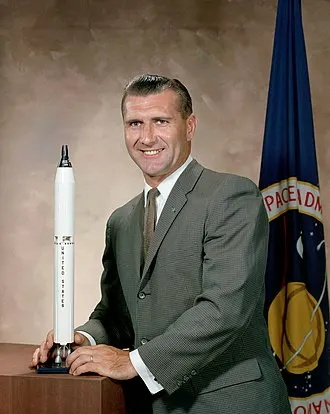
Richard F. Gordon Jr.
Command Module Pilot
Remained in lunar orbit aboard Yankee Clipper. Died 2017.
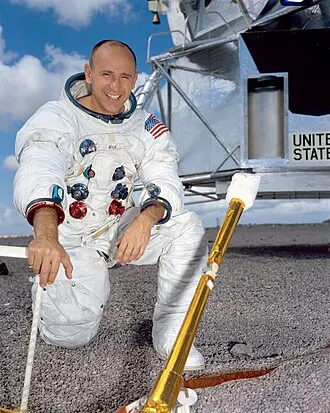
Alan L. Bean
Lunar Module Pilot
Fourth human on the Moon; later became renowned space artist. Died 2018.
Vehicle Specifications
Command/Service Module
"Yankee Clipper"
- Mass
- ~28,500 kg
Lunar Module
"Intrepid"
- Mass
- ~15,200 kg
ALSEP
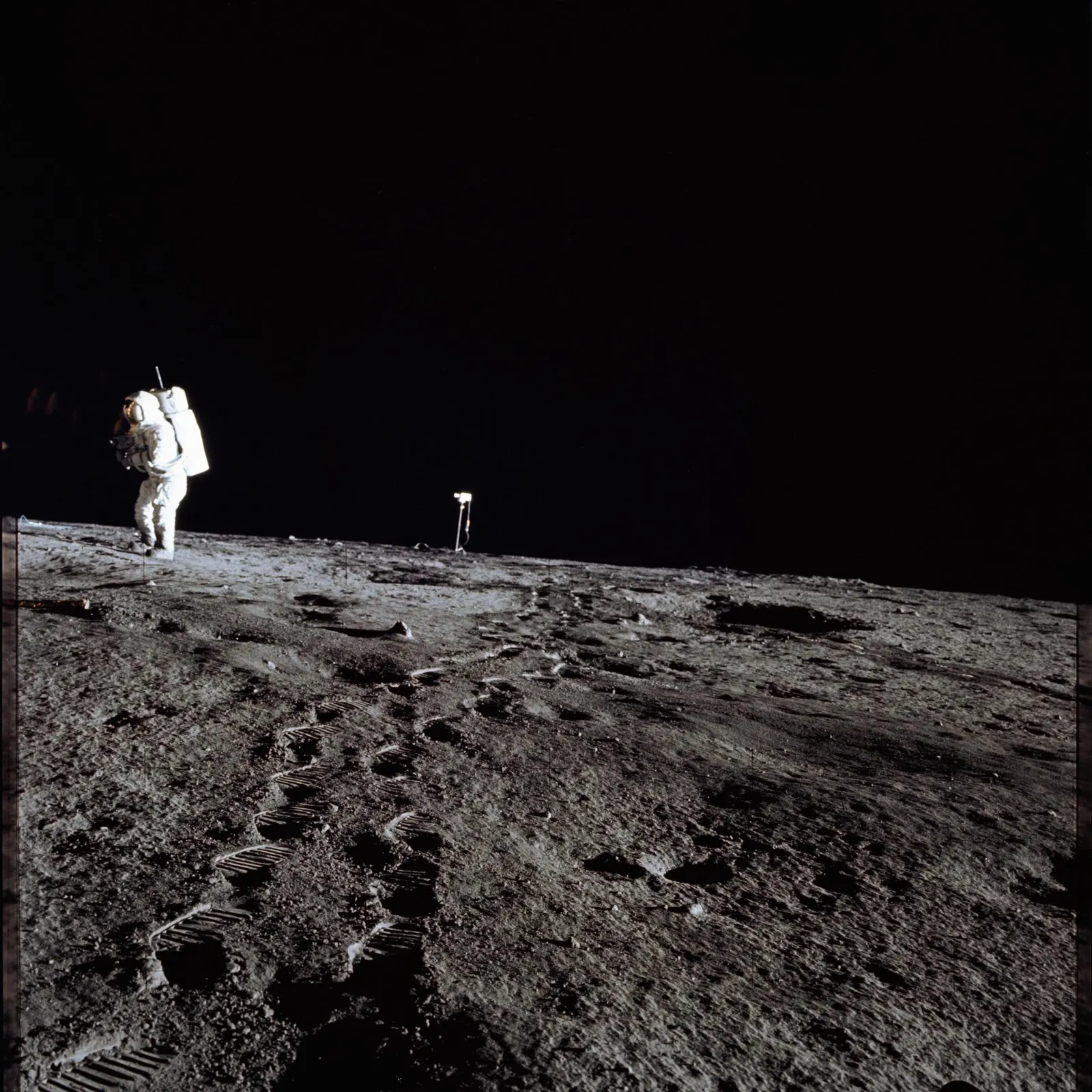
Nuclear-powered (SNAP-27 RTG) science station; operated September 1969 to September 1977.
Key Milestones
1969-11-14
Launch from LC-39A at 16:22 UTC; twin lightning strikes 36.5 and 52 sec after liftoff
1969-11-14
EECOM John Aaron's "SCE to AUX" call saves the mission
1969-11-18
Lunar Orbit Insertion
1969-11-19
Lunar landing at 06:54 UTC, Oceanus Procellarum, within walking distance of Surveyor 3
1969-11-19
EVA-1: deploy ALSEP
1969-11-20
EVA-2: visit and photograph Surveyor 3, retrieve TV camera and parts
1969-11-20
Lunar ascent and rendezvous with Yankee Clipper
1969-11-24
Splashdown in South Pacific; recovered by USS Hornet
Key Achievements
First pinpoint lunar landing (within walking distance of Surveyor 3)
First lunar nuclear-powered science station (ALSEP with SNAP-27 RTG)
Retrieved Surveyor 3 camera and parts — first hardware retrieval from another celestial body
Survived twin lightning strikes during ascent ("SCE to AUX" mission save)
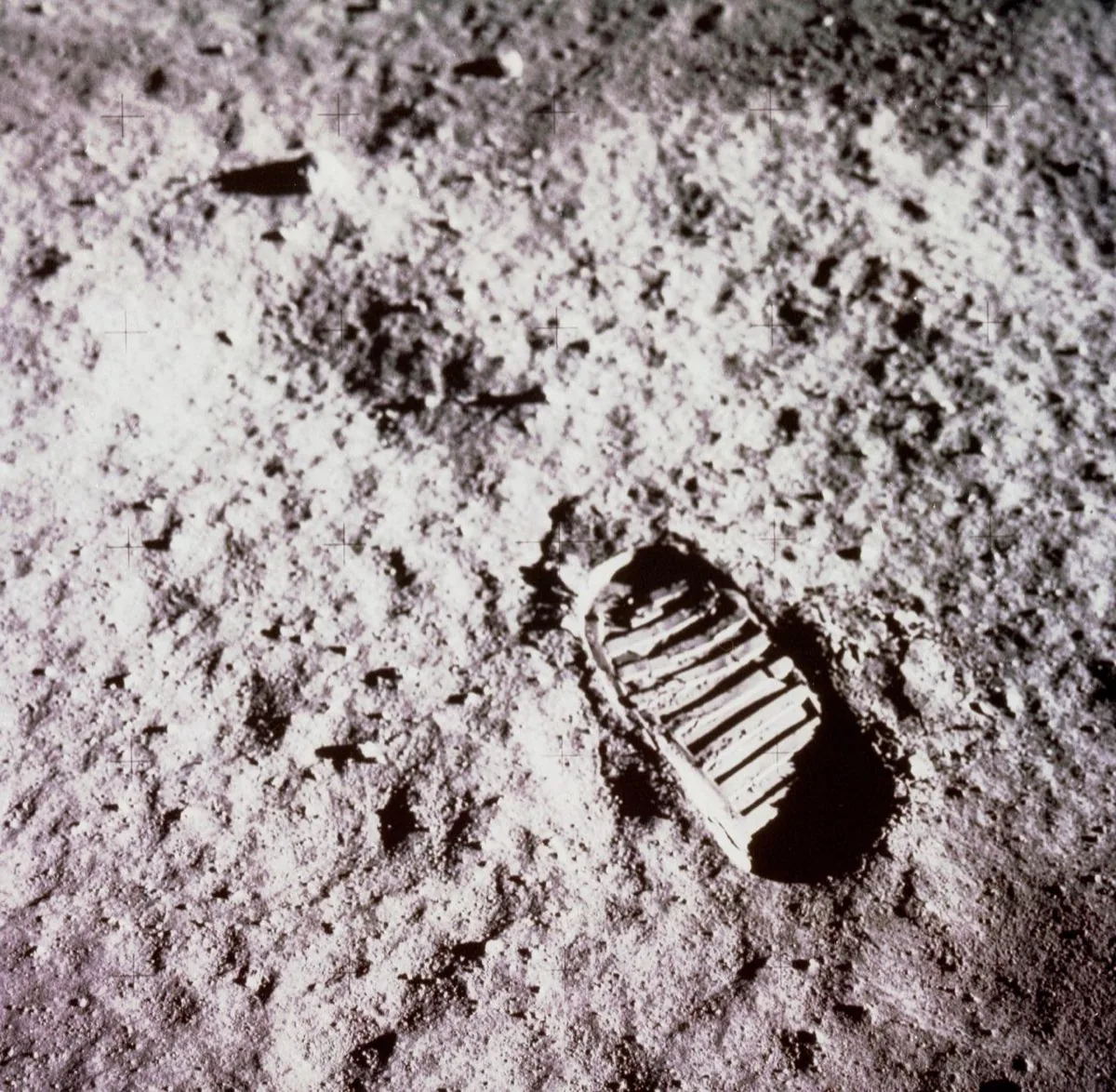
Returned 34 kg (75 lb) of lunar samples
Photo Gallery
Legacy & Significance
Apollo 12 proved NASA could land precisely anywhere on the Moon — unlocking targeted scientific exploration for Apollo 13–17. The Surveyor 3 retrieval gave researchers their first opportunity to study how human-made materials weathered after 30 months of lunar surface exposure. ALSEP-1's eight years of continuous data return was the first long-term lunar geophysical record. "SCE to AUX" remains one of mission control's most-cited examples of preparation saving a flight.