Image: USSR Post (public domain)
Soyuz 11
Mission Profile
| Launch date | 1971-06-06 |
|---|---|
| Launch site | Baikonur Cosmodrome, Site 1/5 (Gagarin's Start) |
| Launch vehicle | Soyuz (11A511) |
| Spacecraft | Soyuz 7K-OKS |
| Target | Low Earth Orbit |
| Type | Crewed |
| End date | 1971-06-29 |
| Recovery | Soviet recovery forces, 90 km southwest of Karazhal, Kazakh SSR — the crew was found deceased on landing |
| Mass | 6,565 kg at launch |
| Duration | 23 days, 18 hours, 21 minutes |
Overview
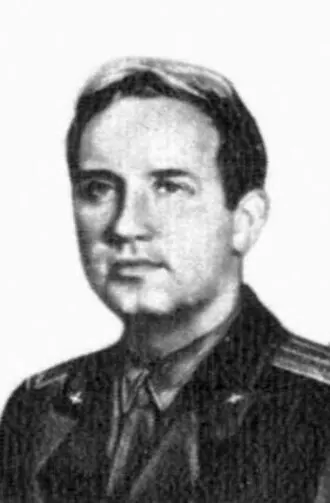
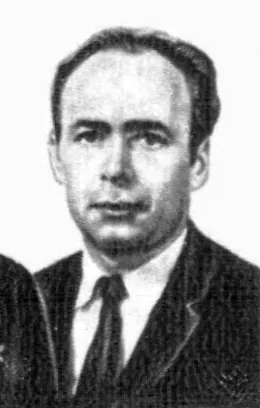
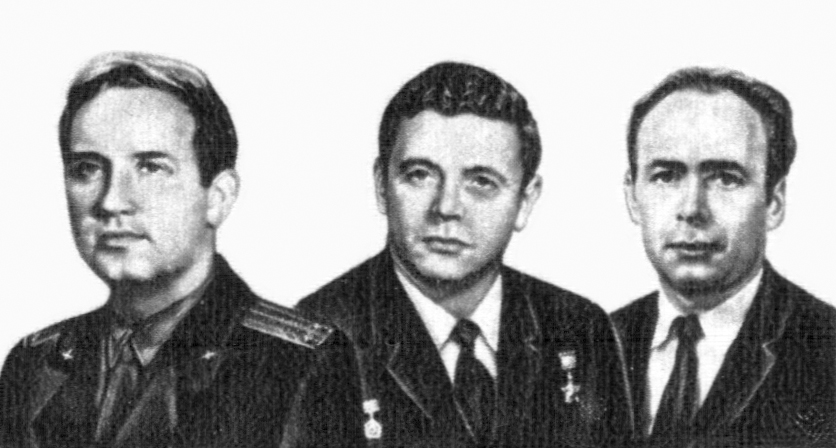
Soyuz 11 achieved one of spaceflight's great firsts and ended in its most haunting tragedy. Georgi Dobrovolsky, Vladislav Volkov and Viktor Patsayev — promoted from backup days before launch after a suspect chest X-ray grounded Valery Kubasov, and with him Alexei Leonov's prime crew — lifted off from Baikonur's Gagarin's Start on 6 June 1971. The next day they docked with Salyut 1 and became the first humans ever to live aboard a space station. For more than three weeks the crew ran biomedical studies, telescope observations and live television broadcasts, weathering a small onboard fire and setting a world endurance record of over 23 days. On 29 June they undocked for home. As the descent module separated from the orbital and service modules at roughly 168 kilometres altitude, a pressure-equalization valve was jolted open and the cabin vented to vacuum in under a minute. The cosmonauts, flying without pressure suits as was then standard practice, lost consciousness within seconds and died of asphyxiation. The capsule descended and landed automatically, and recovery teams opening the hatch found all three men lifeless. They remain the only people to have died in space, above the Kármán line, and were buried with state honours in the Kremlin Wall Necropolis.
Crew
Georgi Dobrovolsky
Commander
First spaceflight; elevated from the backup crew days before launch
Vladislav Volkov
Flight Engineer
Second spaceflight; had flown Soyuz 7 in 1969
Viktor Patsayev
Research Engineer
First spaceflight; first person to operate a telescope in space, aboard Salyut 1
Key Milestones
1971-06-06
Launch at 04:55 UTC from Baikonur's Gagarin's Start
1971-06-07
Docking with Salyut 1 — the first crew in history to board an orbital space station
1971-06-29
Undocking at 18:28 UTC after a record stay; the descent module depressurizes during module separation and lands automatically at 23:16 UTC with the crew deceased
1973-09-27
Soyuz 12 flies the redesigned two-seat Soyuz, with Sokol pressure suits worn for every launch and reentry since
Key Achievements
First crew in history to board and inhabit a space station, Salyut 1
Set a world spaceflight endurance record of more than 23 days
Conducted the first sustained scientific programme aboard an orbital station, including the first telescope operated in space
Their loss drove the Soyuz redesign and the Sokol pressure-suit rule that has protected every Soyuz crew since 1973
Legacy & Significance
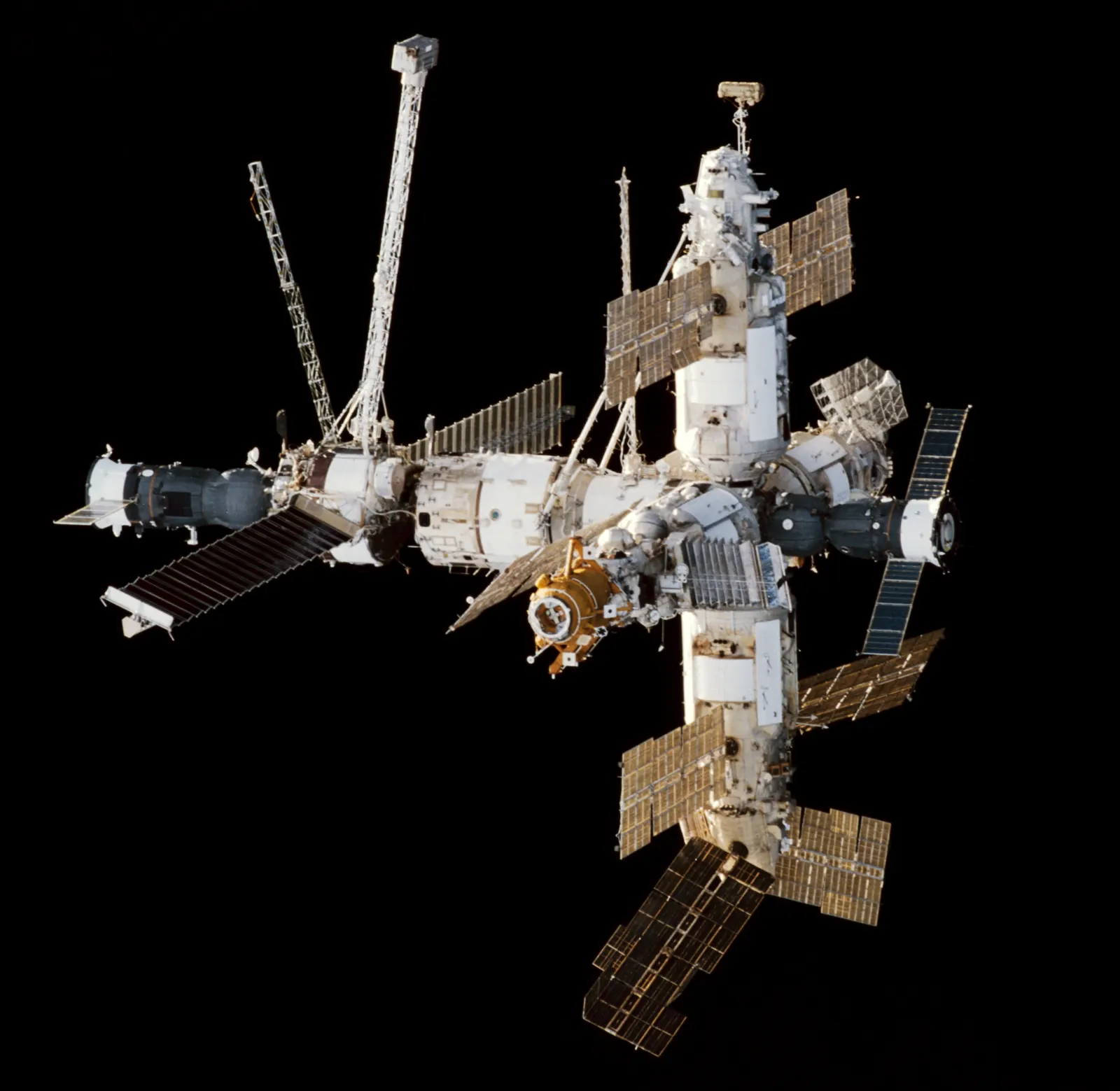
Soyuz 11 stands at the painful intersection of triumph and loss: it inaugurated the space-station era that runs unbroken through Salyut, Skylab, Mir and the ISS, and its crew remain the only humans to have died in space itself. The accident investigation transformed Soviet — and ultimately worldwide — crew-safety doctrine: Soyuz was redesigned to carry two suited cosmonauts, and the Sokol pressure suit worn during every launch, docking and reentry since is the mission's direct legacy. Dobrovolsky, Volkov and Patsayev are memorialized among the fallen on the Apollo 15 crew's Fallen Astronaut plaque on the Moon.