
USSR · OKB-1humanfirst
April 12, 1961
Vostok 1 — Yuri Gagarin becomes the first human in space
At 09:07 Moscow time on 12 April 1961, a modified R-7 rocket lifted off from Baikonur carrying 27-year-old Lieutenant Yuri Gagarin inside Vostok 1 — a spherical re-entry capsule 2.3 metres in diameter. His first words in orbit were the now-legendary 'Poyekhali!' — 'Off we go!'
Gagarin completed one full orbit, reaching a maximum altitude of 327 kilometres. Due to uncertainty about how humans would react to weightlessness, much of the spacecraft was automated. Gagarin had been given a sealed envelope containing a manual override code, to be opened only if the automation failed and he needed to prove he was mentally capable of flying the vehicle.
Re-entry was dramatic. The service module failed to separate cleanly, putting Vostok into an 8-minute tumble before aerodynamic drag burned through the connecting cables. Gagarin ejected at 7,000 metres and parachuted separately to a field near the village of Smelovka — a fact concealed from the public for decades to protect the official landing record.
The news reached the world within hours. President Kennedy, two months into his first term, faced pressure to respond. Within weeks he had committed the United States to landing a man on the Moon before the decade was out.
“Poyekhali! — Off we go!”
Mission Data
Launch date
12 Apr 1961
Mission duration
108 min
Orbits completed
1
Max altitude
327 km
Spacecraft mass
4,725 kg
Landing region
Saratov Oblast, USSR
Key Facts
The spacecraft controls were locked — Soviet engineers were unsure how humans would react in weightlessness; Gagarin had a sealed envelope with the override code
Gagarin ejected at 7,000 metres and parachuted separately from his capsule — a fact hidden for decades to protect the official landing record
His call sign was 'Kedr' (Cedar); his backup, Gherman Titov, watched the launch from a nearby bunker
At 108 minutes, Vostok 1 remains the shortest orbital crewed flight in history
Kennedy committed America to the Moon within six weeks of receiving news of Gagarin's flight
Why It Mattered
Gagarin's flight proved humans could survive and function in space — answering the fundamental question that had held space medicine in suspense. It catalysed the United States to commit $25 billion to the Apollo programme, culminating in the Moon landings eight years later.
Photo Gallery

Part of
Vostok Program
Mission Crew
Soviet government, restored (public domain), via Wikimedia Commons
Official sourceContinue your journey
Continue your journey
Experience
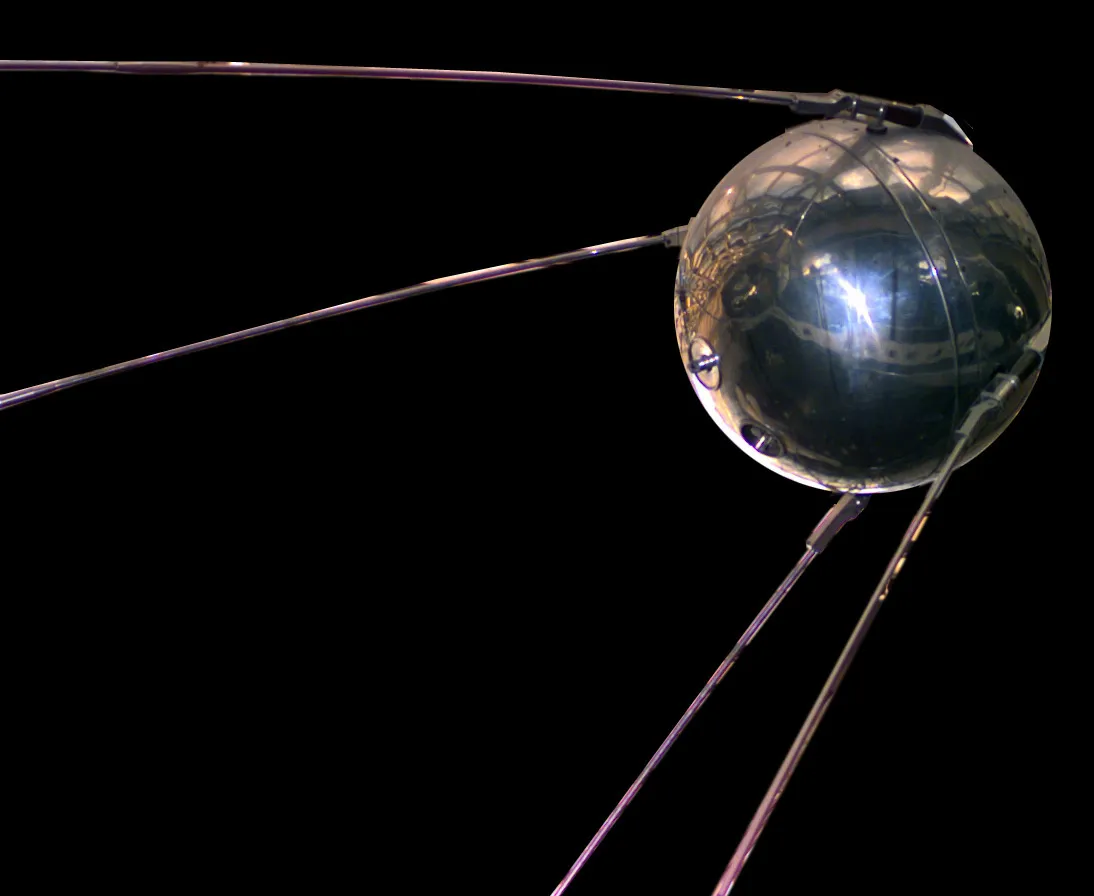
Dawn of the Space Age
Continue your journey
From the same era
Moment
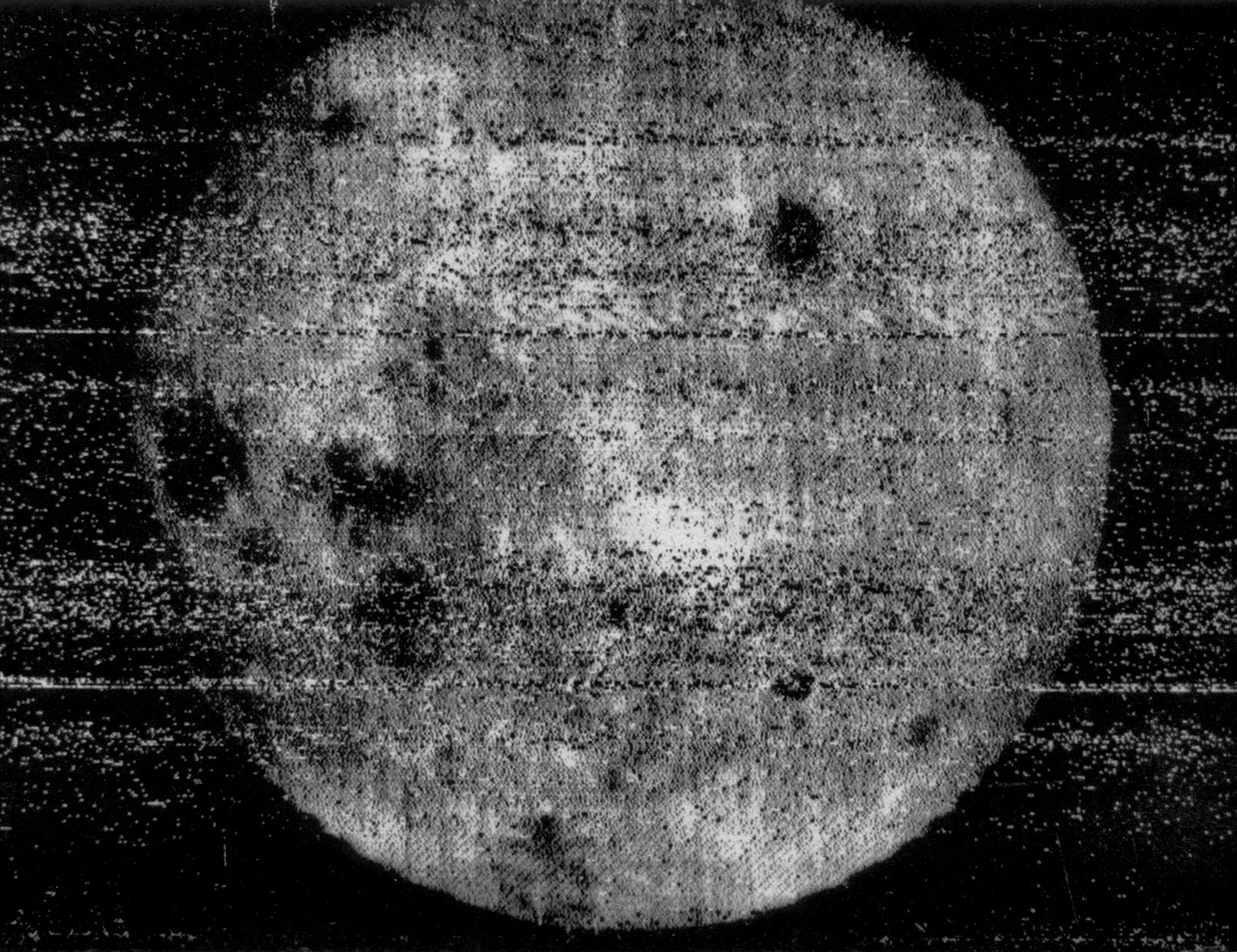
Luna 3 — first images of the Moon's far side
From the same era

From the same era
Moment
Sputnik 5 — Belka and Strelka return safely from orbit
From the same era

From the same era
Moment
Freedom 7 — Alan Shepard, first American in space
From the same era

From the same era
Moment
Vostok 2 — Gherman Titov spends 25 hours in space
From the same era
Continue your mission
More tools to explore next