Private · SpaceX / NASAcommercialfirsthuman
May 30, 2020
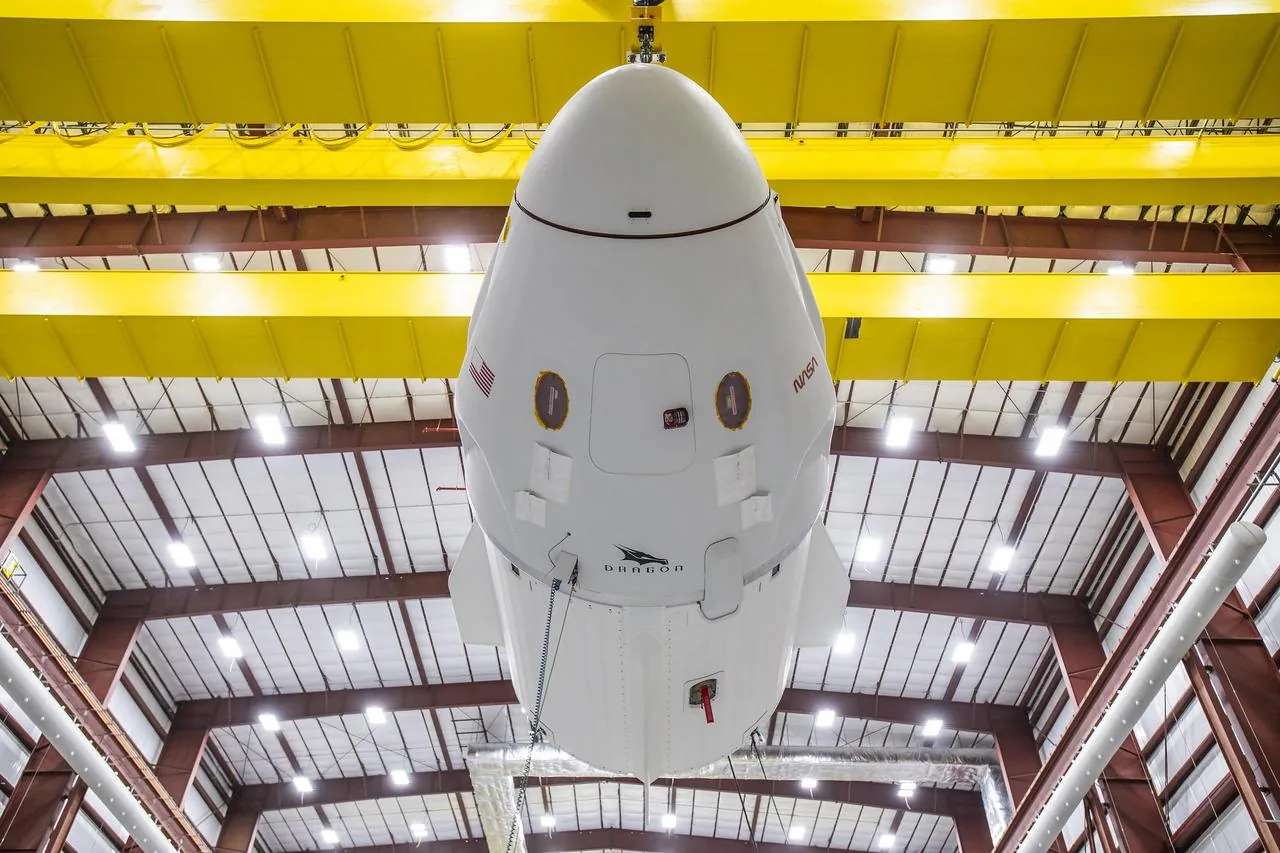
Crew Dragon Demo-2 — first commercial human spaceflight
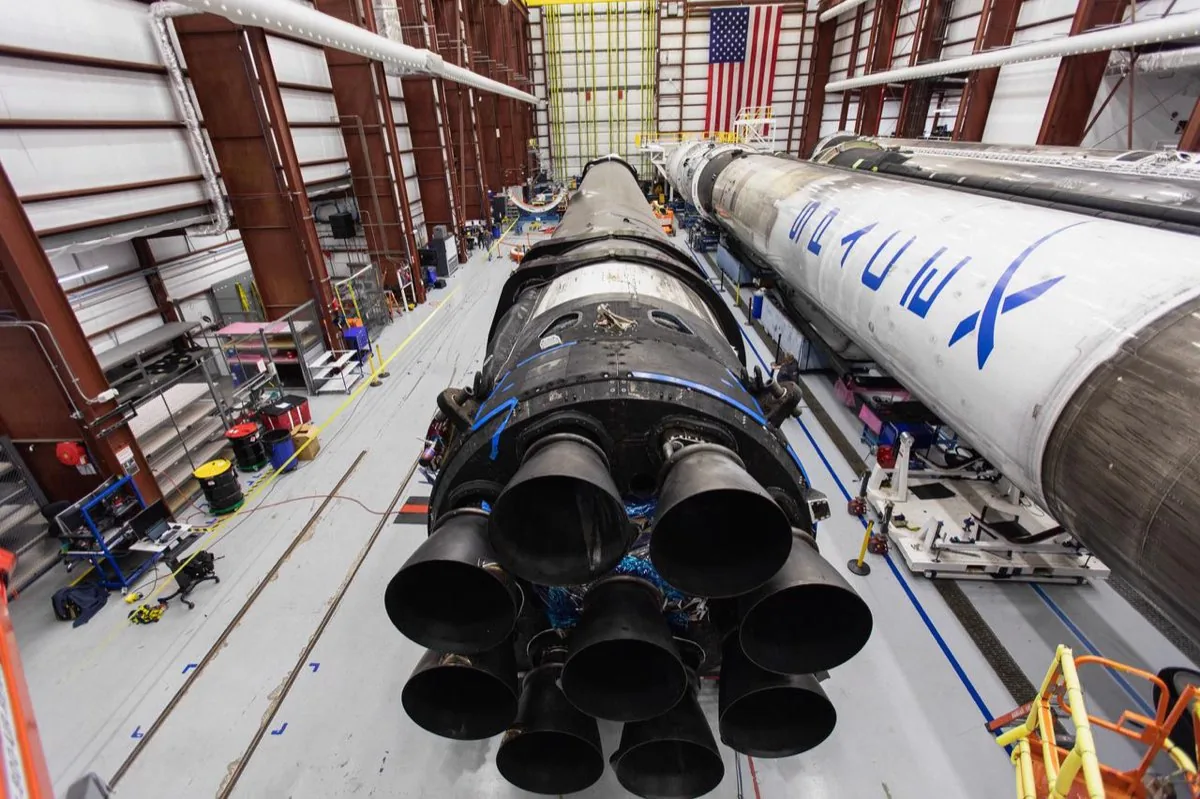
Experience this missionOn 30 May 2020, a SpaceX Falcon 9 launched from Kennedy Space Center's Launch Complex 39A — the same pad that launched the Apollo Moon missions — carrying NASA astronauts Doug Hurley and Bob Behnken aboard Crew Dragon Endeavour. It was the first crewed American launch to orbit since the final Space Shuttle flight in July 2011.
During the nine-year gap, the United States had paid Russia approximately $90 million per seat to transport astronauts to the ISS aboard Soyuz. NASA's Commercial Crew Programme, begun in 2010, had funded SpaceX and Boeing to develop alternatives. This was the culmination of a decade of development.
Crew Dragon docked autonomously with the ISS on 31 May after a 19-hour rendezvous. Hurley and Behnken spent 64 days aboard the station, completing two spacewalks totalling 14 hours to upgrade the station's power systems. They splashed down in the Gulf of Mexico on 2 August 2020 — the first US water landing since Apollo-Soyuz in 1975.
Demo-2 proved that a fully commercial spacecraft could safely transport NASA astronauts. SpaceX Crew Dragon subsequently became the primary US vehicle for ISS crew rotation, flying operational missions at roughly twice-yearly cadence.
“Once again, from American soil, America leads the world to the stars.”
Mission Data
Launch date
30 May 2020
ISS docking
31 May 2020
Mission duration
64 days
Splashdown
2 Aug 2020
Launch vehicle
Falcon 9, LC-39A
Last US water landing before
1975 (Apollo-Soyuz)
Key Facts
The first crewed American launch from American soil since the final Space Shuttle mission in July 2011 — a nine-year gap during which the US paid Russia ~$90M per ISS seat
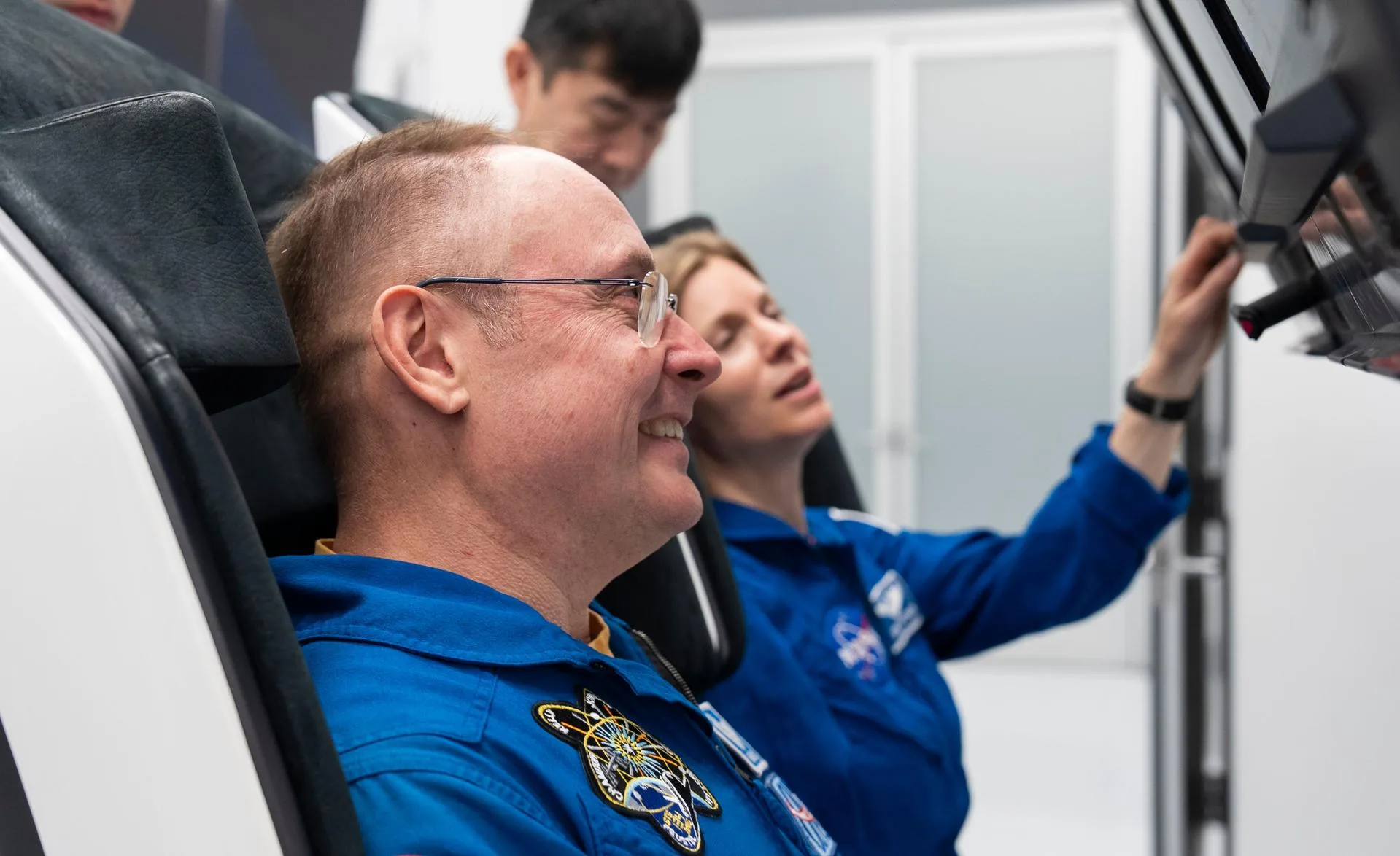
Crew Dragon uses a touchscreen flight interface — the first crewed spacecraft to do so, replacing the banks of physical switches and analog gauges of the Shuttle era
The capsule docked autonomously with the ISS without crew input — a capability the Shuttle never had
Hurley and Behnken spent 64 days aboard the ISS, completing two spacewalks totalling over 14 hours
The Commercial Crew programme cost NASA approximately $2.5 billion — compared to an estimated $40+ billion for a traditional NASA-designed equivalent
Why It Mattered
Demo-2 ended America's dependence on Soyuz and validated the Commercial Crew model — proving private companies can design, build, and operate crewed spacecraft. It opened the era where multiple commercial vehicles compete for human spaceflight contracts, fundamentally changing how nations access orbit.
Photo Gallery
Continue your journey
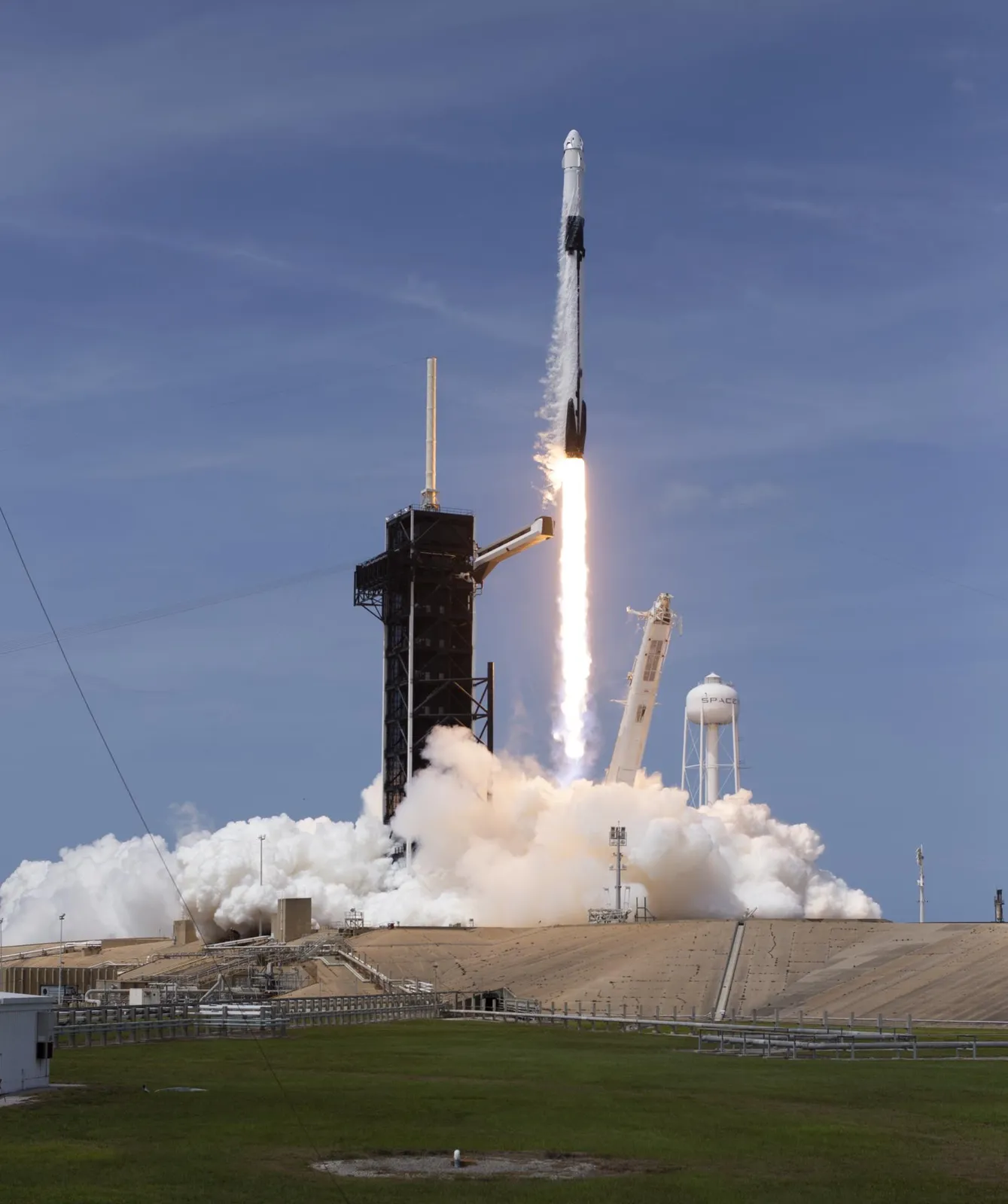
Experience this mission
Experience
Demo-2
Experience this mission
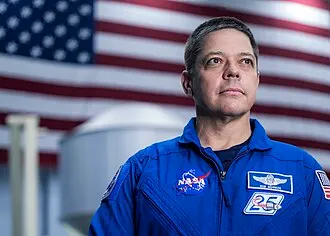
Flew on this mission
Astronaut
Bob Behnken
Flew on this mission
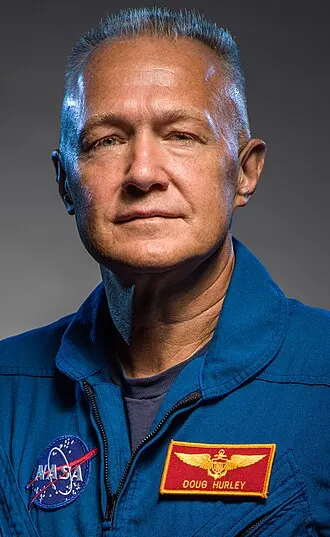
Flew on this mission
Astronaut
Doug Hurley
Flew on this mission
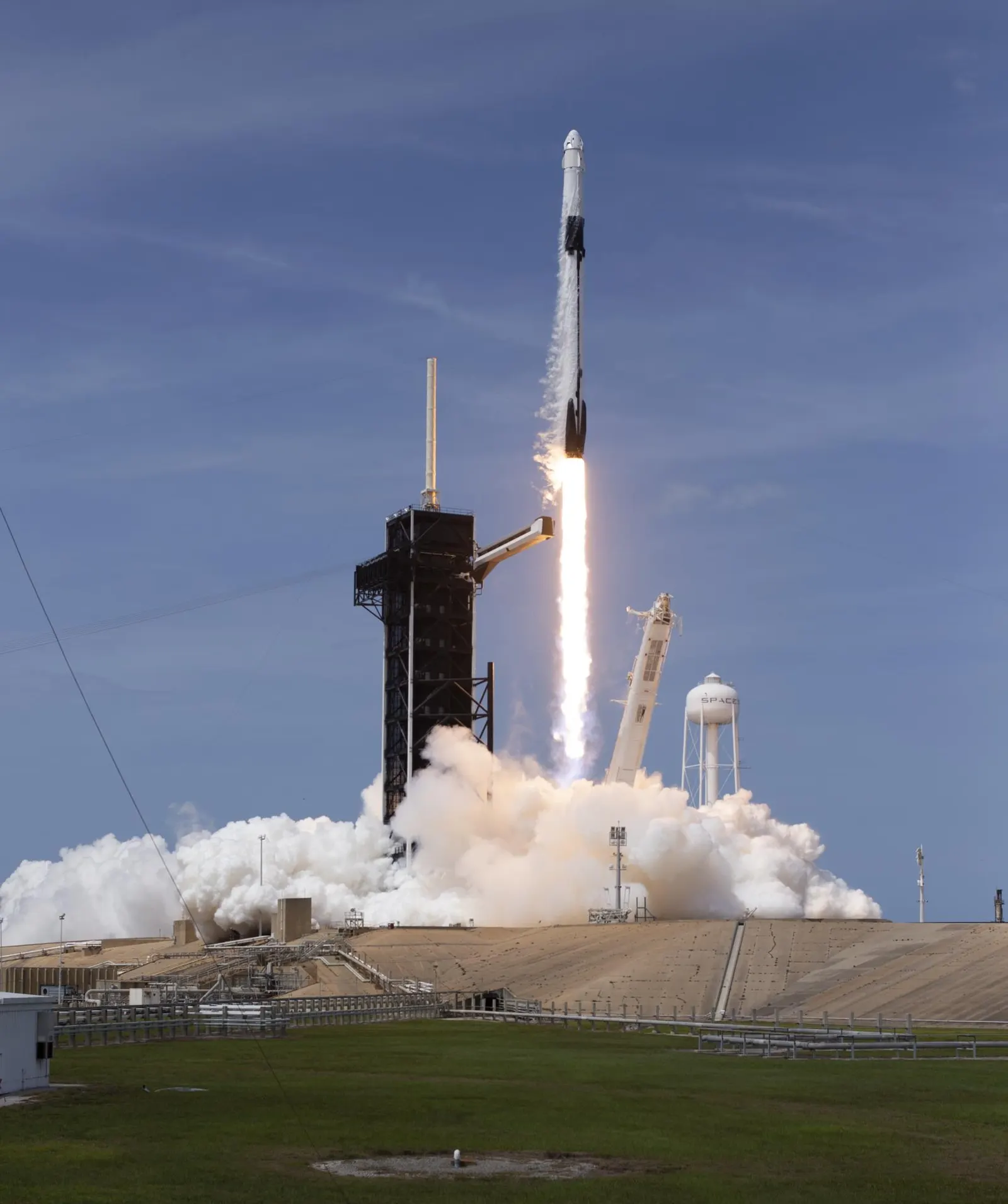
The mission behind this moment
Mission
SpaceX Demo-2
The mission behind this moment

From the same era
Moment
Crew Dragon Demo-1 — first commercial spacecraft to dock with ISS
From the same era

From the same era
Moment
Beresheet — first privately funded lunar landing attempt
From the same era
Continue your mission
More tools to explore next