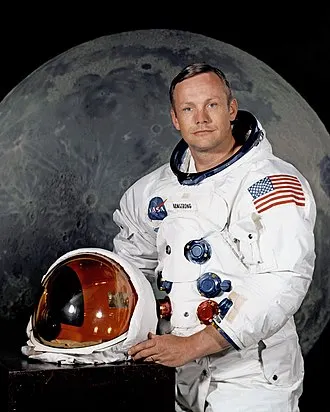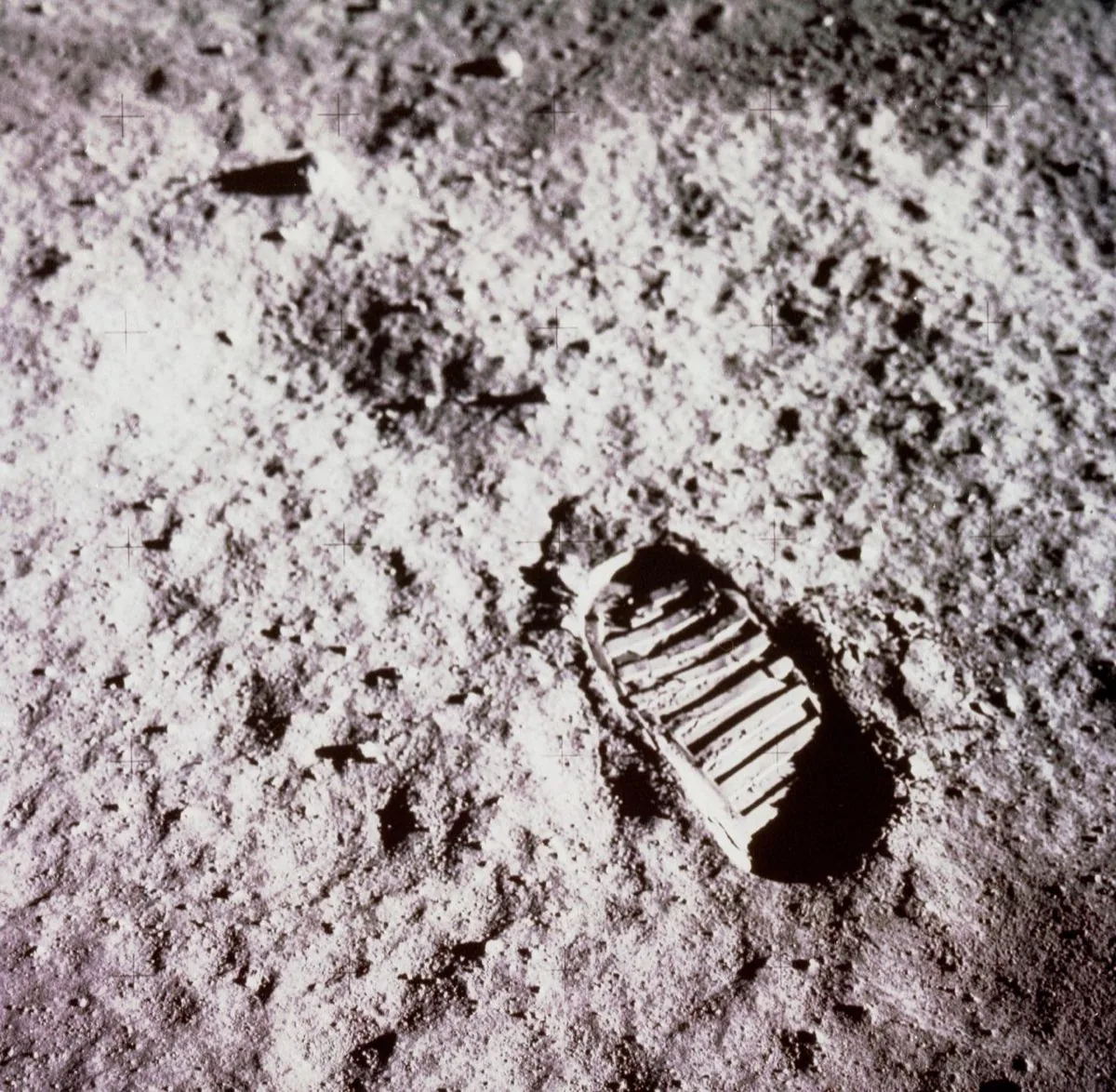
On July 20, 1969, two human beings stepped onto the surface of another world for the first time in history. The Apollo 11 mission was not just a triumph of engineering or national ambition -- it was the moment our species proved that the seemingly impossible could be achieved through courage, ingenuity, and sheer determination. More than half a century later, it remains the single greatest achievement in the history of exploration.
The Crew That Carried a World's Hopes
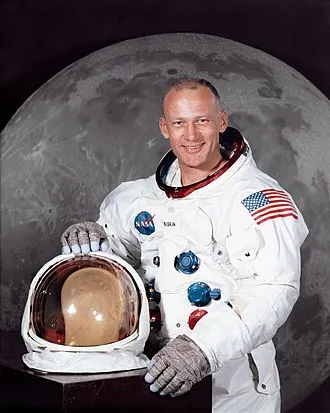
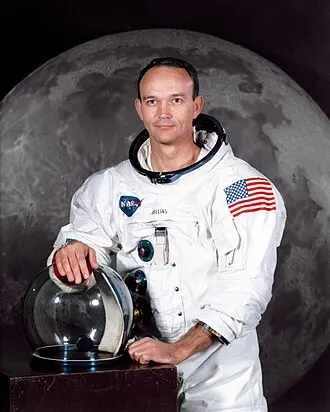
Commander Neil Armstrong was 38 years old, a former Navy pilot and veteran of the harrowing Gemini 8 mission, during which he performed the first docking in space -- and nearly lost his life when a stuck thruster sent his spacecraft into a violent spin. Lunar Module Pilot Edwin "Buzz" Aldrin, also 39, held a doctorate from MIT in orbital mechanics and had performed a record-setting spacewalk on Gemini 12. Command Module Pilot Michael Collins, 38, was perhaps the most underappreciated member of the crew -- the man who would orbit the Moon alone, out of radio contact with Earth for 48 minutes of every orbit, while his crewmates made history on the surface below.
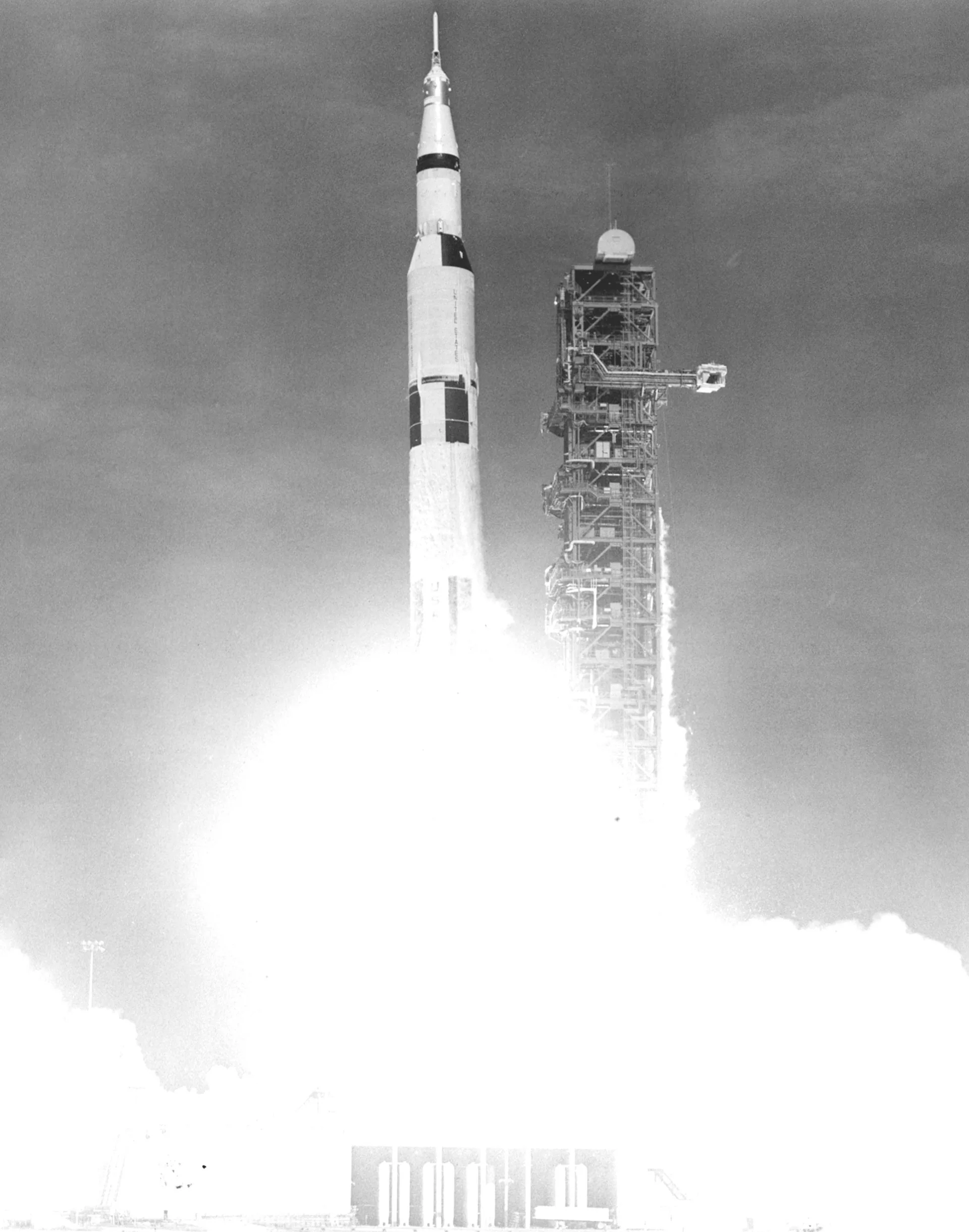
These three men were strapped atop a Saturn V rocket on the morning of July 16, 1969, at Launch Complex 39A, Kennedy Space Center, Florida. The rocket stood 363 feet tall and generated 7.5 million pounds of thrust at liftoff -- more power than had ever been harnessed for a single purpose in human history.
Launch and the Journey Out
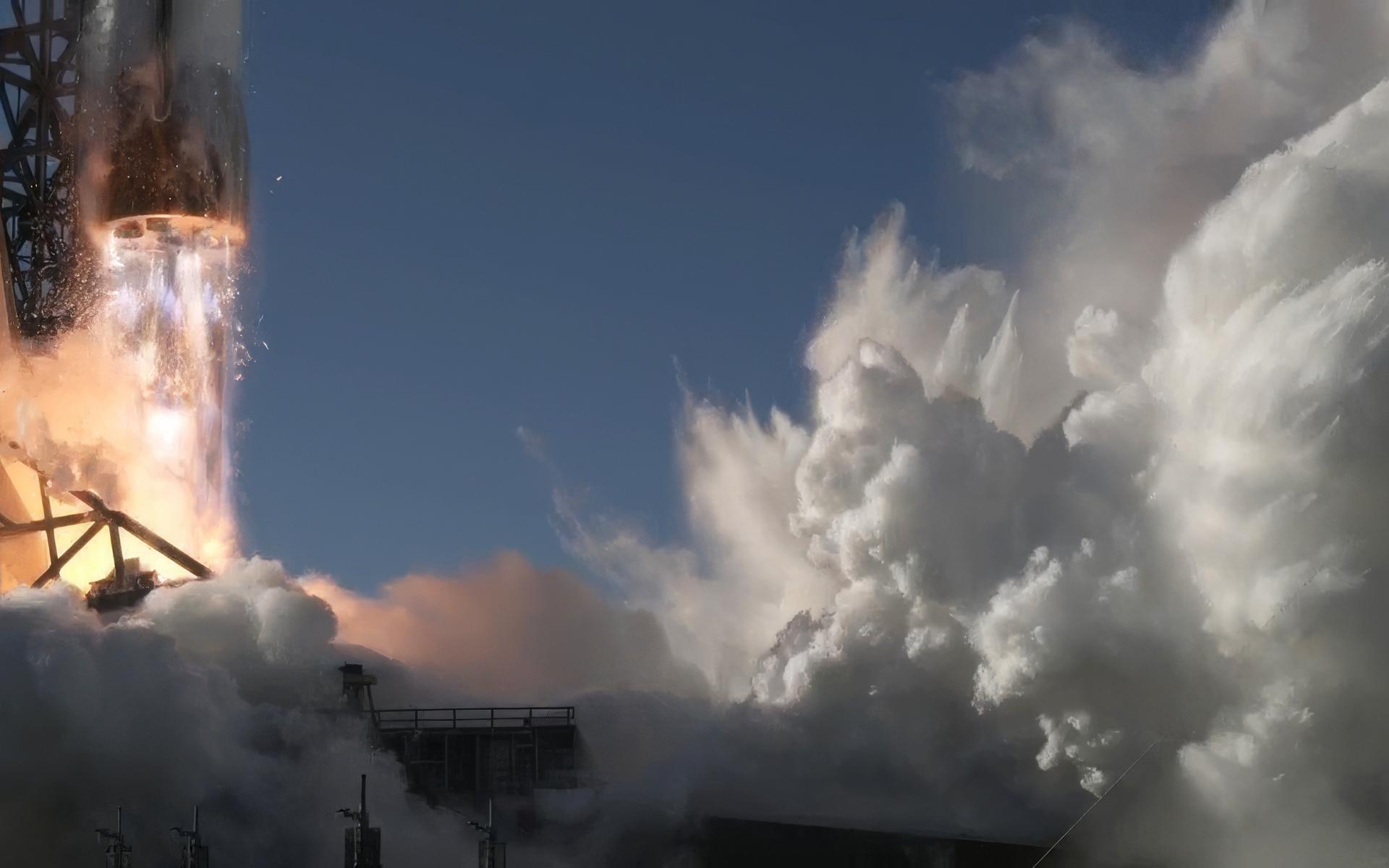
At 9:32 a.m. EDT, the five F-1 engines of the Saturn V's first stage ignited. An estimated one million spectators lined the beaches and highways of central Florida. Within 12 minutes, the crew was in Earth orbit. After one and a half orbits, the S-IVB third stage fired again for the Trans-Lunar Injection burn, sending Apollo 11 on its way to the Moon at roughly 24,200 miles per hour.
The three-day coast to the Moon was relatively uneventful. The crew performed a transposition and docking maneuver, extracting the Lunar Module Eagle from atop the S-IVB stage and connecting it nose-to-nose with the Command Module Columbia. Television broadcasts from the spacecraft captivated audiences worldwide. On July 19, Apollo 11 slipped behind the Moon and fired its Service Propulsion System engine to enter lunar orbit. The crew got their first close look at the alien landscape below -- a world of craters, mountains, and ancient lava plains stretching to every horizon.
The Descent: Twelve Minutes of Terror
On July 20, Armstrong and Aldrin floated through the tunnel into the Lunar Module Eagle while Collins remained aboard Columbia. At 1:46 p.m. EDT, the two spacecraft separated. Collins, inspecting Eagle through his window, radioed: "You guys take care." Armstrong replied simply: "See you later."
The powered descent began at approximately 3:08 p.m. EDT, and almost immediately, things started going wrong. About six minutes into the descent, at an altitude of roughly 33,500 feet, the first of several program alarms flashed on the computer display: 1202. Neither Armstrong nor Aldrin knew what it meant.
Back in Houston, 26-year-old guidance officer Steve Bales had seconds to make a call. The 1202 alarm meant the onboard computer was being overloaded with tasks -- it was running out of processing bandwidth. Bales, drawing on hours of simulation training, recognized that the computer was correctly prioritizing its tasks and shedding the overflow. "We're go on that alarm," he called out. It was one of the most critical decisions of the entire mission.
The alarms recurred -- 1202, then 1201 -- but each time, Mission Control confirmed they were safe to continue. Meanwhile, Armstrong was looking out his window and realized the autopilot was steering them toward a boulder-strewn crater field the size of a football stadium. He took semi-manual control of the spacecraft.
At 500 feet altitude, the fuel situation became critical. Charlie Duke, the CapCom in Houston, called out the countdown: "60 seconds." That was how much fuel remained for the descent engine. Armstrong, flying nearly horizontally now, searched for a clear patch of ground. "30 seconds," Duke called. In the back rooms of Mission Control, engineers gripped their consoles.
At 4:17 p.m. EDT, a blue contact light illuminated on Eagle's instrument panel. Aldrin called it out: "Contact light." Armstrong shut down the engine. A brief pause, and then his voice crackled across 238,000 miles of space: "Houston, Tranquility Base here. The Eagle has landed."
Charlie Duke, his voice trembling with relief, replied: "Roger, Tranquility, we copy you on the ground. You got a bunch of guys about to turn blue. We're breathing again. Thanks a lot."
They had landed with approximately 25 seconds of fuel remaining.
One Small Step
The original flight plan called for a rest period before the moonwalk, but Armstrong and Aldrin, understandably unable to sleep, requested permission to begin the EVA early. After hours of preparation -- donning their Portable Life Support System backpacks, depressurizing the cabin, and opening the hatch -- Armstrong backed out onto the small porch of the Lunar Module.
At 10:56 p.m. EDT on July 20, 1969, Neil Armstrong placed his left boot onto the lunar surface. His words are etched into human memory: "That's one small step for man, one giant leap for mankind." (Armstrong always maintained he said "for a man," and acoustic analysis has since supported his claim, suggesting the article was lost in transmission.)
Aldrin joined him roughly 19 minutes later. His first impression of the lunar landscape was characteristically blunt: "Magnificent desolation."
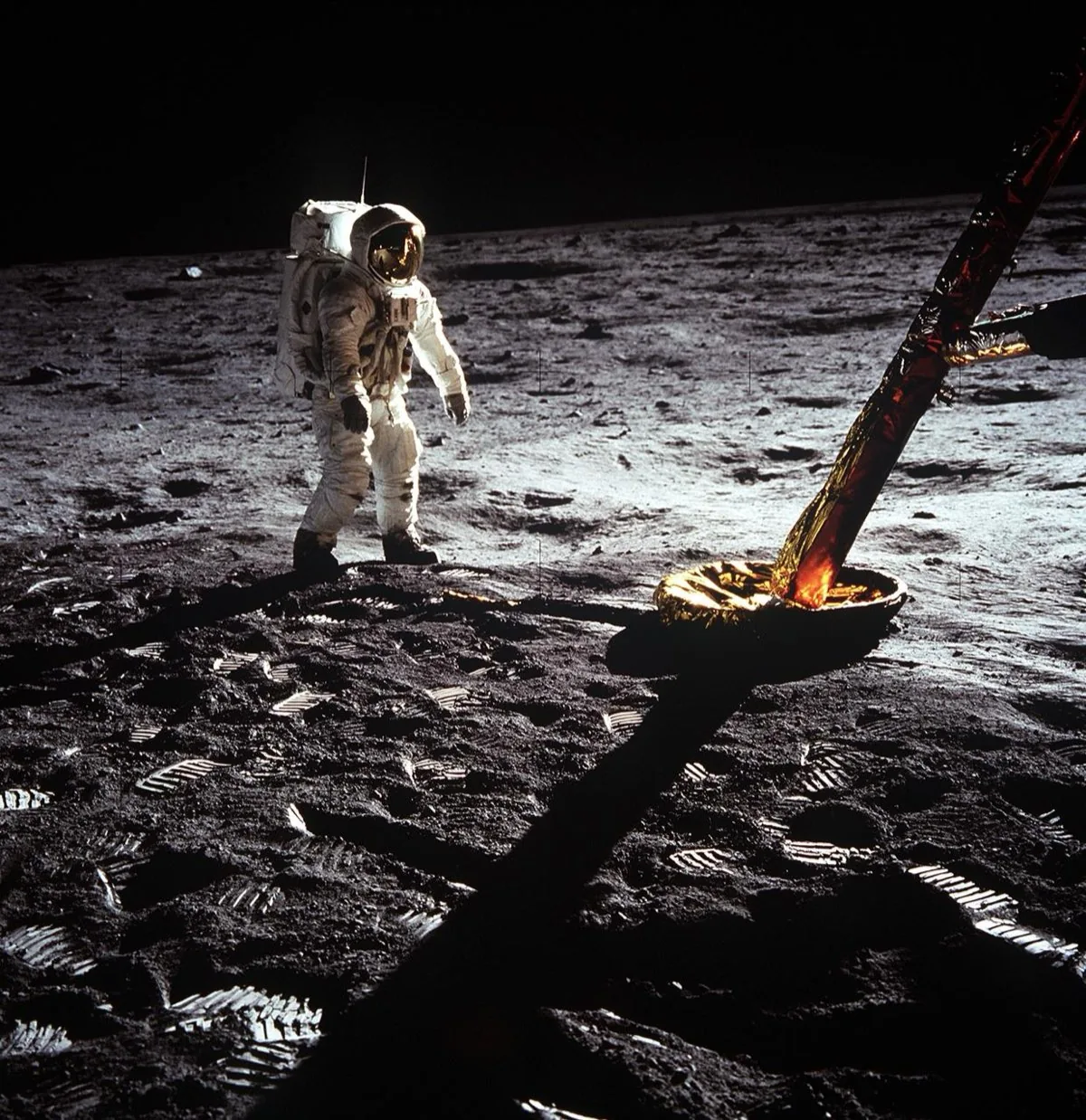
For approximately two hours and 31 minutes, the two astronauts worked on the surface. They planted an American flag (which, famously, was knocked over by the exhaust of the ascent engine when they departed). They deployed a suite of scientific instruments including a seismometer and a laser retroreflector -- the latter still in use today, allowing scientists to measure the Earth-Moon distance to within centimeters. They collected 47.5 pounds of lunar samples. And they took a phone call from President Richard Nixon, who declared it "the most historic telephone call ever made."
Armstrong, the mission commander, was responsible for most of the photography. As a result, nearly all the iconic surface photos show Aldrin. There are very few clear photographs of Armstrong on the Moon -- an ironic twist for the first man to walk there.
The Return
After their moonwalk, Armstrong and Aldrin rested inside Eagle for about seven hours. At 1:54 p.m. EDT on July 21, they fired the ascent engine to rendezvous with Collins in Columbia. The ascent stage had a single engine with no backup. If it failed, there was no rescue plan. It worked perfectly.
After docking and transferring back to the Command Module, the crew jettisoned Eagle and fired the SPS engine for the Trans-Earth Injection burn. Three days later, on July 24, Columbia slammed into the Pacific Ocean at nearly 25,000 miles per hour, its heat shield enduring temperatures of approximately 5,000 degrees Fahrenheit. The spacecraft splashed down 812 nautical miles southwest of Hawaii at 12:50 p.m. EDT.
Quarantine and Celebration
Recovery swimmers from the USS Hornet threw biological isolation garments to the crew before they even left the spacecraft. NASA, uncertain whether lunar pathogens might exist, quarantined Armstrong, Aldrin, and Collins in the Mobile Quarantine Facility -- essentially a modified Airstream trailer -- for 21 days. President Nixon greeted them through the window.
The quarantine proved unnecessary; no lunar microbes were found, and the protocol was dropped after Apollo 14. But the precaution reflected the genuine uncertainty of the era. Nobody truly knew what the Moon held.
After their release, the crew embarked on a 38-day global tour spanning 22 countries. They were met with astonishing crowds -- an estimated four million people lined the streets of New York for a ticker-tape parade. For a brief, shining moment, the achievement transcended Cold War rivalries. Even in Moscow, the Soviet state newspaper Pravda acknowledged the accomplishment.
The Legacy That Endures
Apollo 11 was followed by five more successful lunar landing missions, ending with Apollo 17 in December 1972. In total, twelve human beings have walked on the Moon. But it is Apollo 11 -- the first, the one that broke the barrier -- that endures in collective memory.
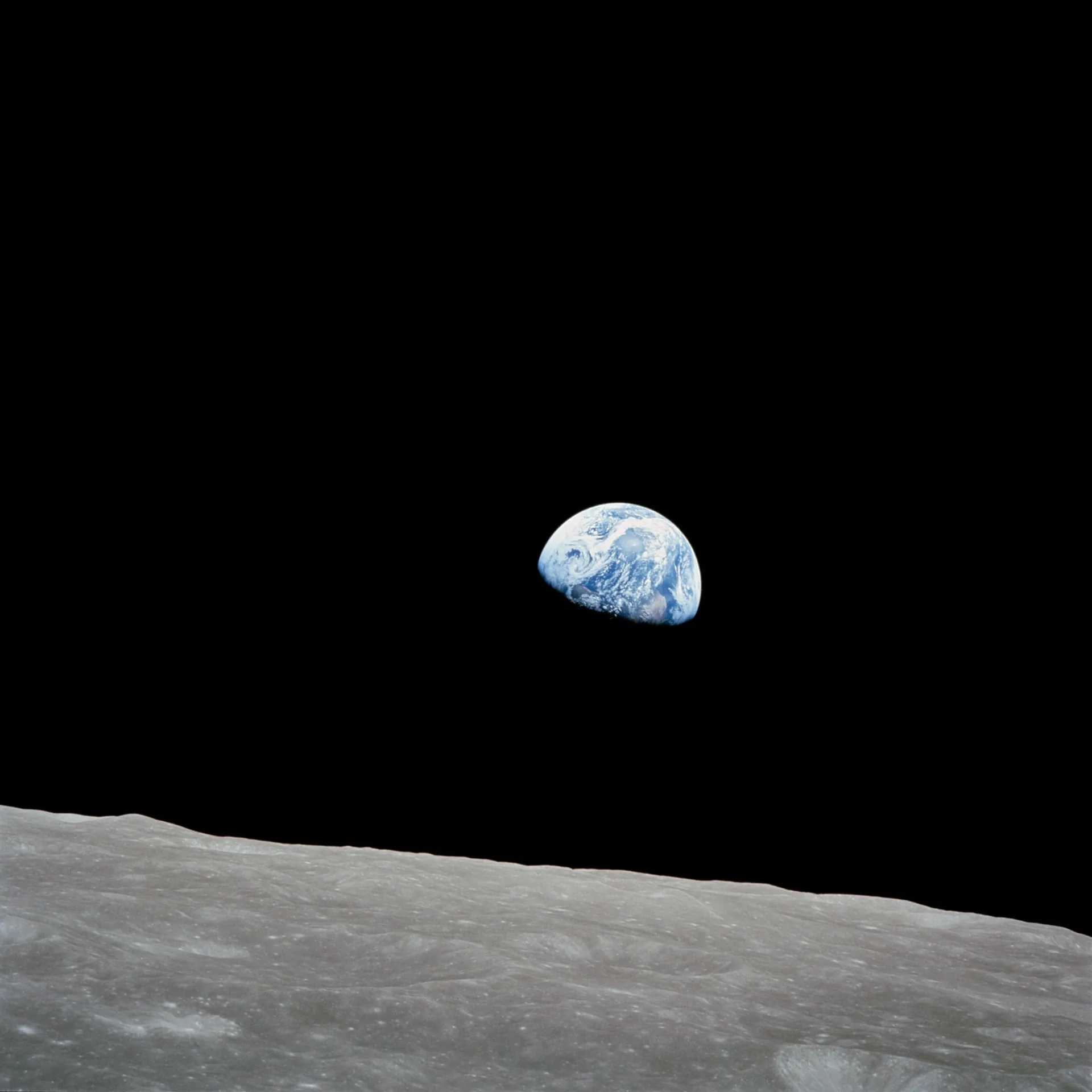
The mission proved that with sufficient will, resources, and talent, humanity could accomplish feats that had been the province of myth and science fiction for millennia. It inspired generations of scientists, engineers, and explorers. It gave us the iconic "Earthrise" perspective -- though that specific photograph came from Apollo 8 -- that helped birth the modern environmental movement, showing our planet as a fragile blue marble in an infinite void.
Michael Collins, who died in April 2021, often reflected that the view of Earth from the Moon was the mission's most important legacy. Buzz Aldrin has spent decades advocating for human missions to Mars. Neil Armstrong, who passed away in August 2012, remained famously private, letting the achievement speak for itself.
More than five decades after Eagle touched down in the Sea of Tranquility, the bootprints Armstrong and Aldrin left in the lunar regolith remain undisturbed. There is no wind on the Moon, no rain, no erosion. Those prints will likely outlast every monument, every building, every city on Earth. They are, in the most literal sense, humanity's most permanent mark on the universe -- a quiet testament to the summer day when we dared to leave our world behind and walk upon another.