newsJuly 1, 2026
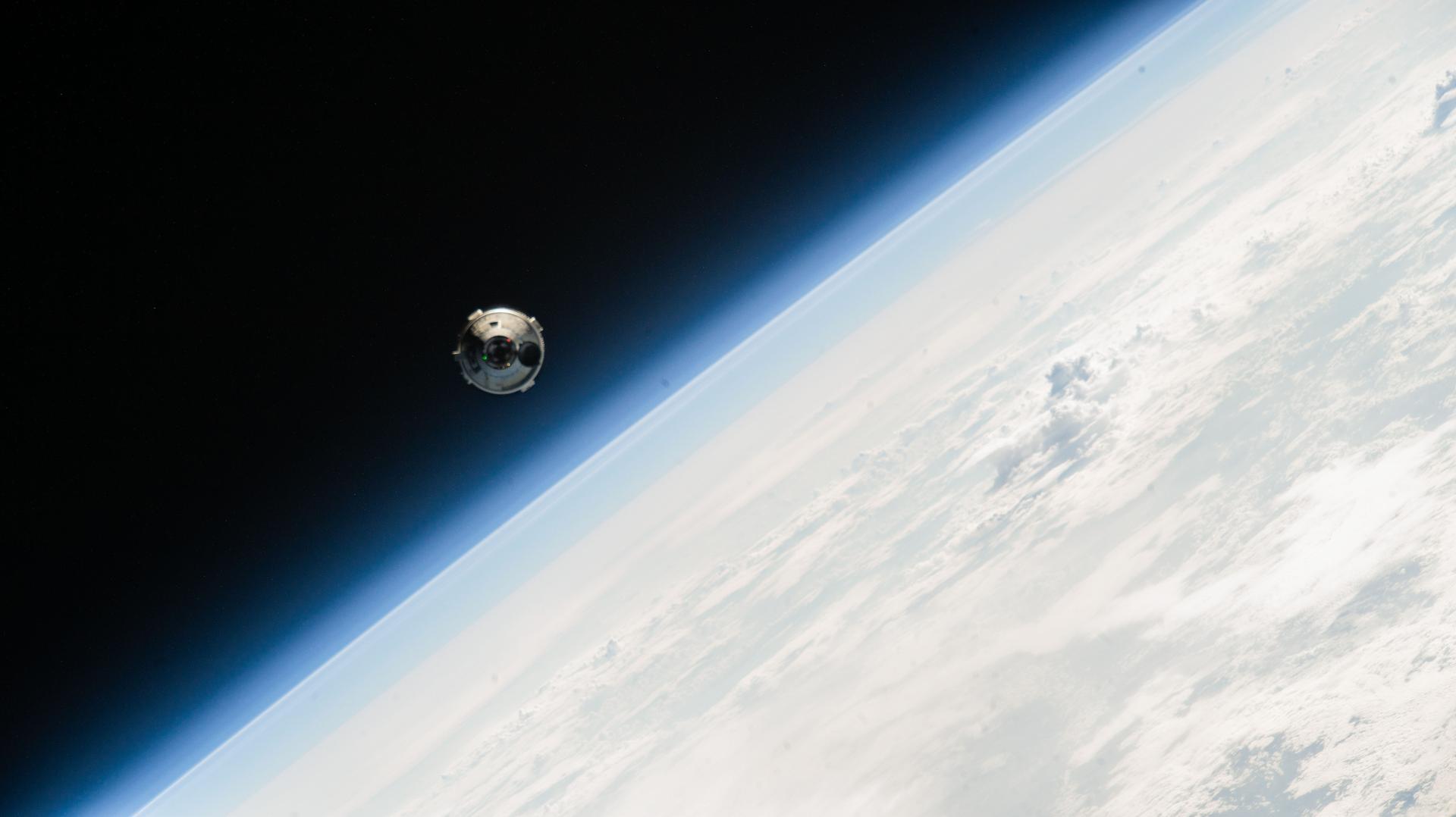
Boeing's Starliner Saga: What Went Wrong and What's Next
Boeing's Starliner flew two astronauts to the ISS in 2024 but came home empty. What went wrong with its thrusters, how the crew got back, and what comes next.
Boeing's Starliner flew two astronauts to the ISS in 2024 but came home empty. What went wrong with its thrusters, how the crew got back, and what comes next.
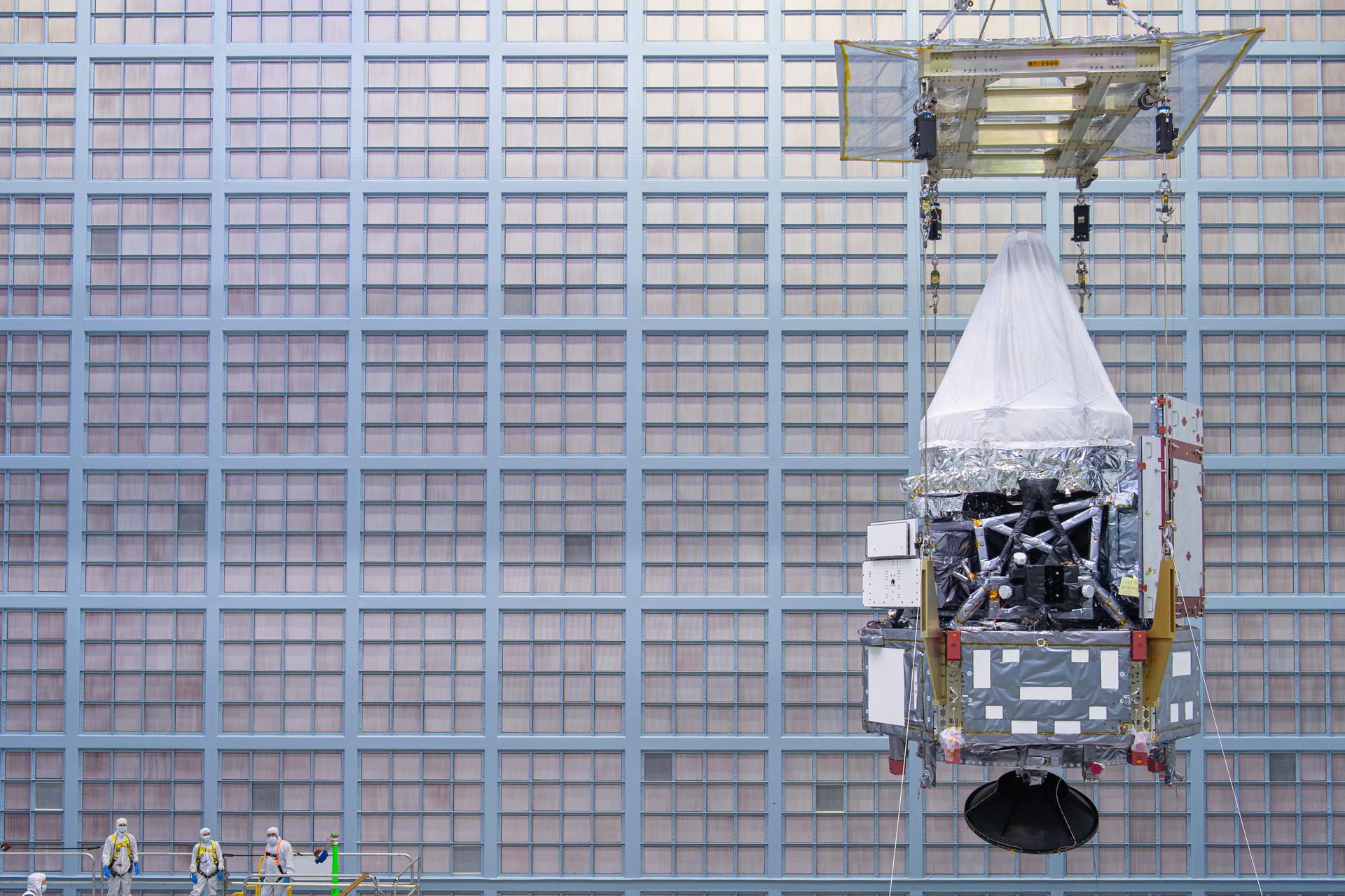
Side-by-side: Roman, Hubble, JWST, and Euclid compared on mirror size, field of view, wavelength, orbit, and science goals — with a full comparison table.
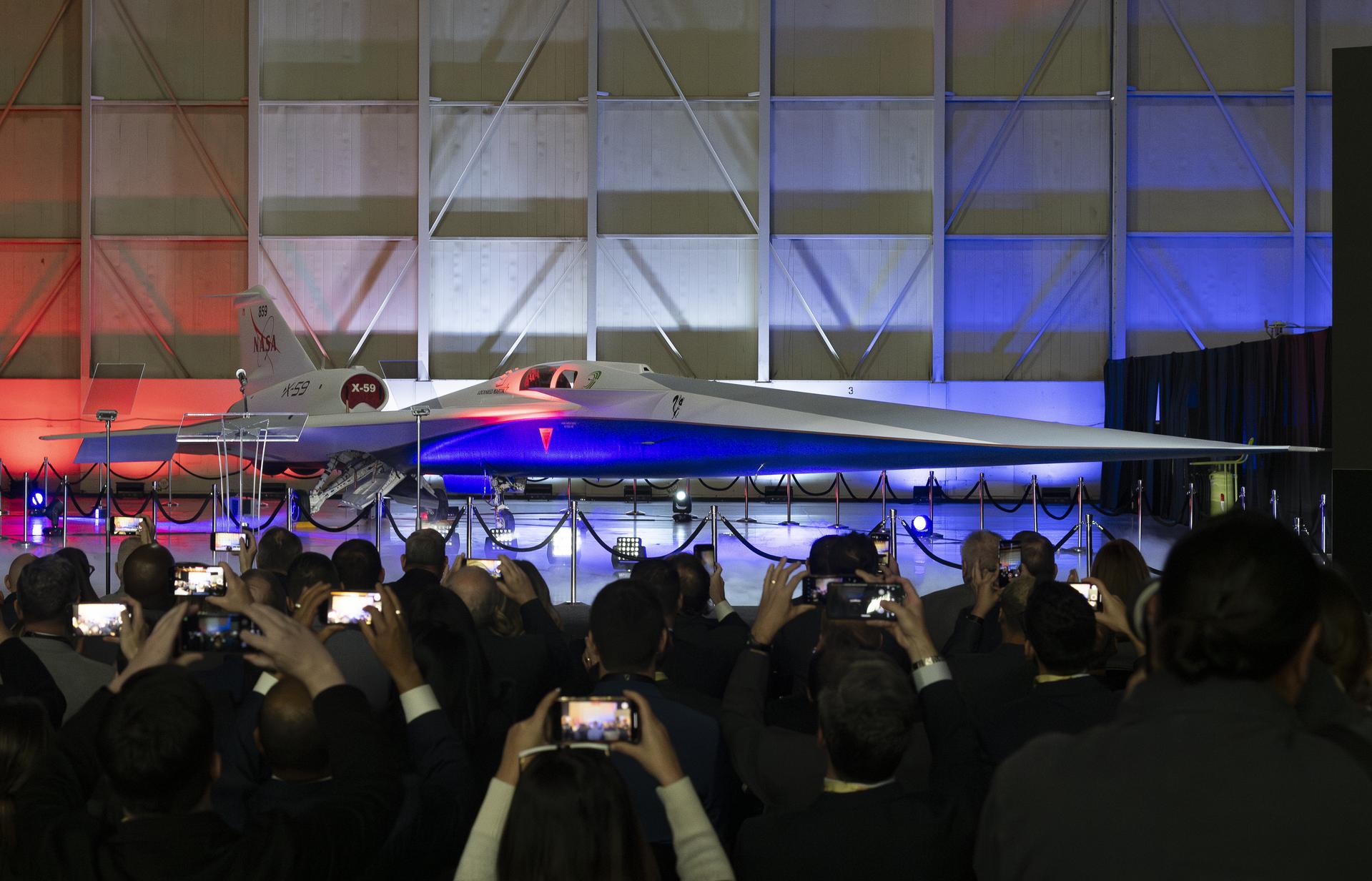
NASA's X-59 flew supersonic on June 5, 2026. Here's what the Quesst mission means for quiet supersonic travel — and if a Concorde successor is really coming.
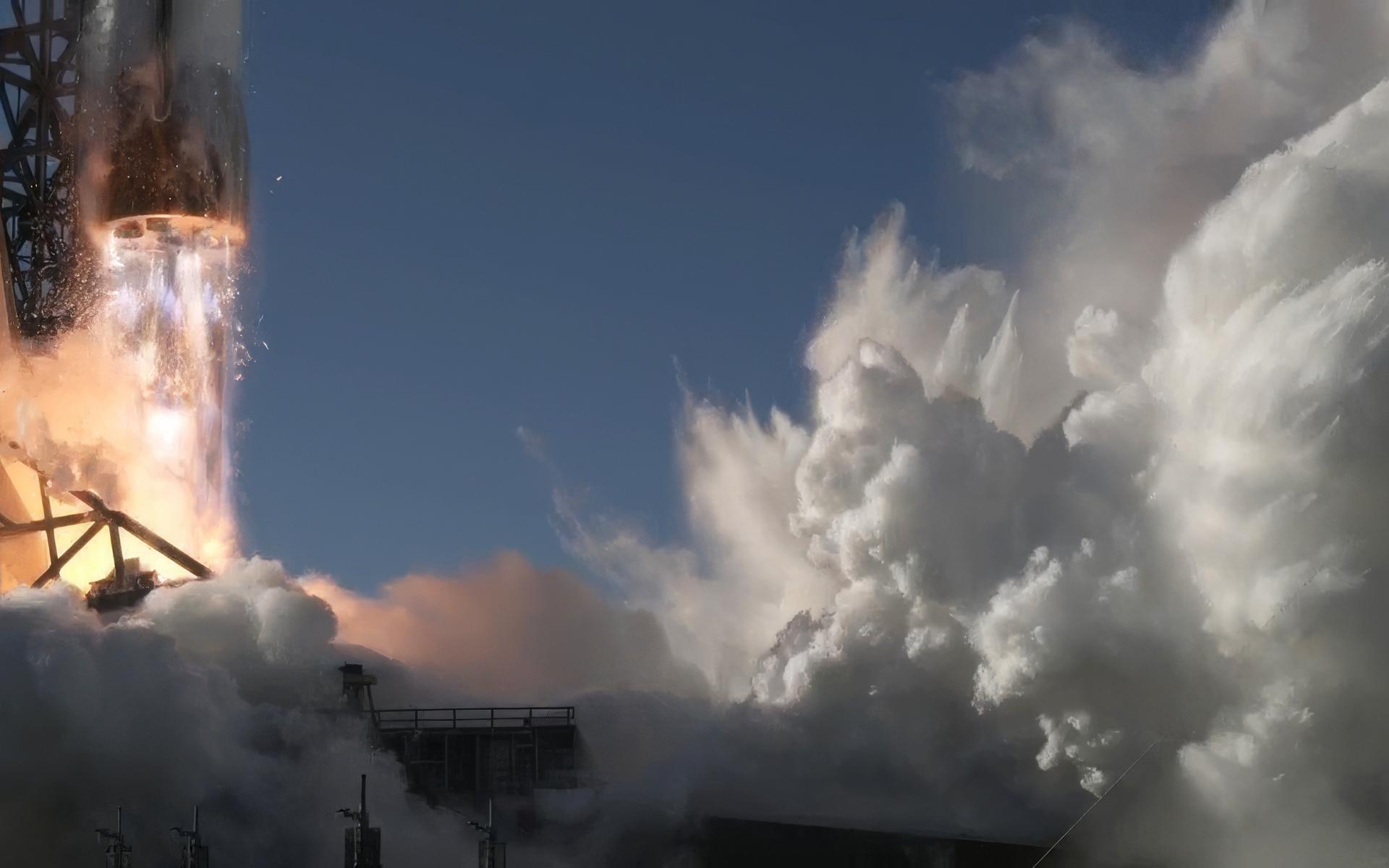
On May 28, 2026, a New Glenn static fire anomaly levelled Launch Complex 36. Here's what it means for Blue Moon, Artemis 3, and NASA's 2028 moon landing.
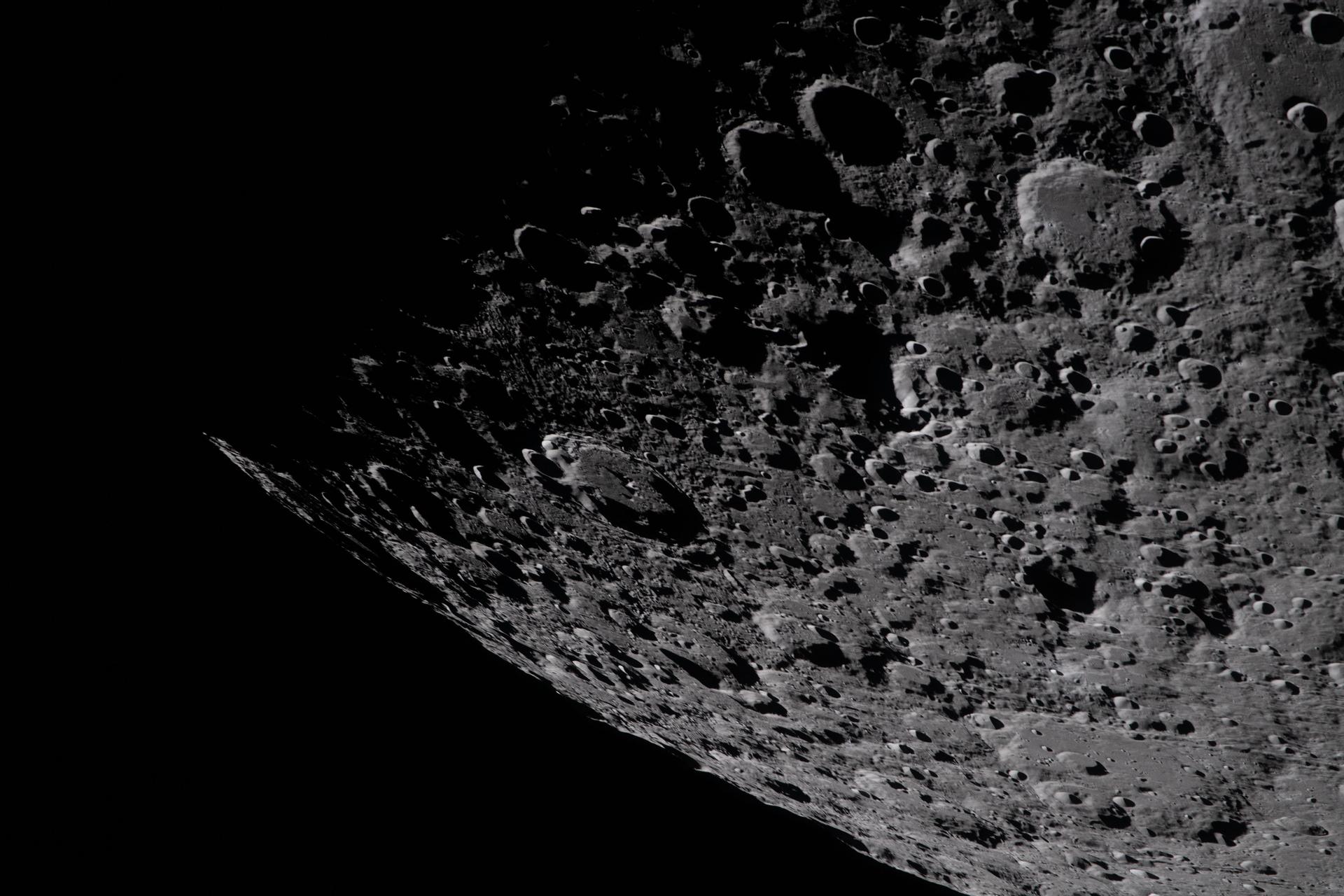
NASA's $749M Moon Base Phase One — Astrolab CLV-1 and Lunar Outpost Pegasus rovers, Blue Moon Mk1 LTV delivery, and Firefly's MoonFall hopper drones.
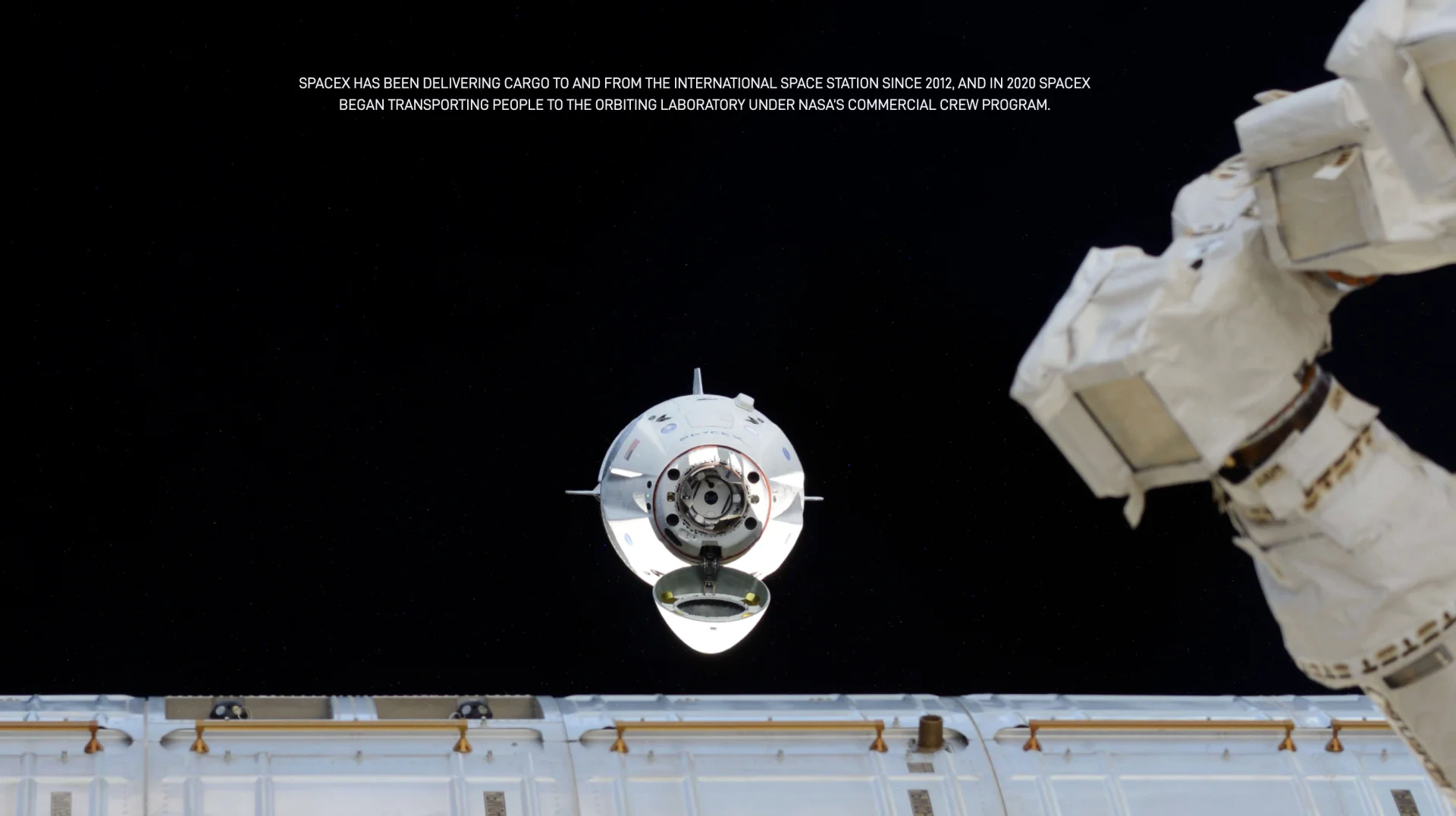
SpaceX has roughly $22 billion of lifetime federal commitments, $3.8 billion in FY2024 obligations, and a 100% sweep of NSSL Phase 3 Lane 1 task orders awarded through May 2026. The bull case is that this concentration is the moat. The bear case is that this concentration is the tail risk. We build the full contract stack, walk the audit trail, and weigh the political volatility that bracketed June 2025.
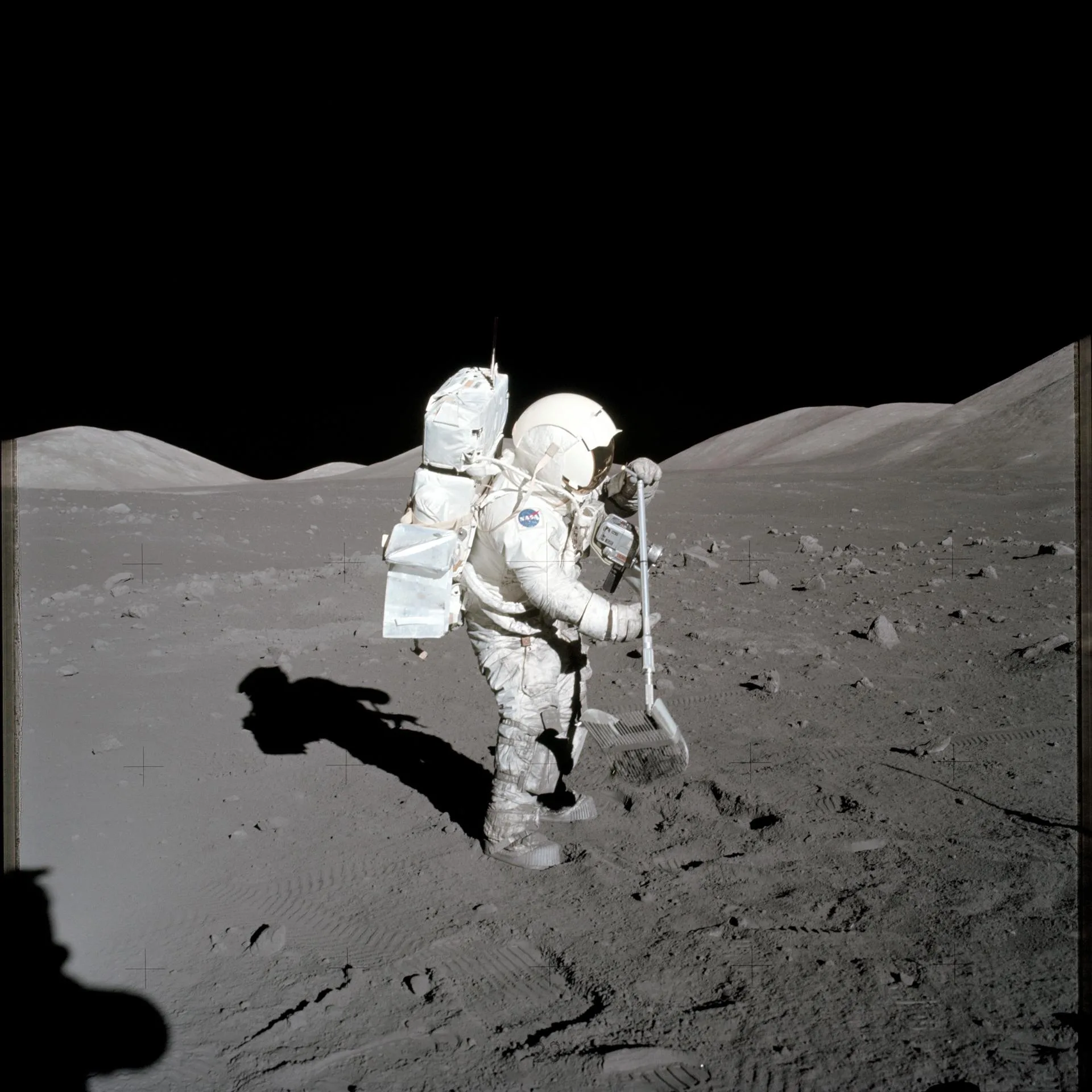
Why a Seattle startup just won a NASA contract to extract helium-3 from lunar regolith — and whether the fusion-fuel argument actually holds up to scrutiny.
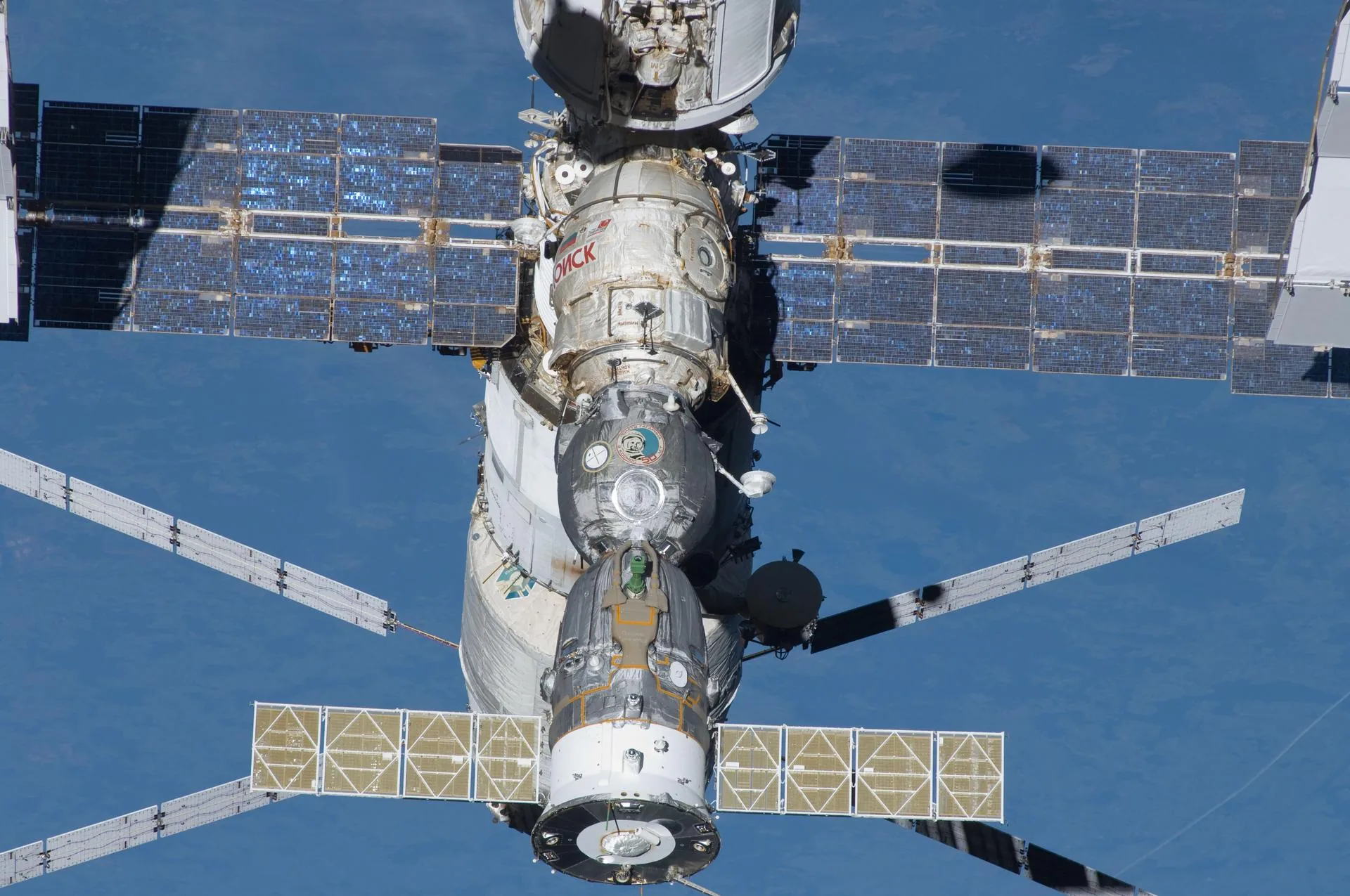
The ISS is being deorbited around 2030. Inside the Zvezda cracking, SpaceX's $843M deorbit vehicle, and the four commercial stations racing to replace it.
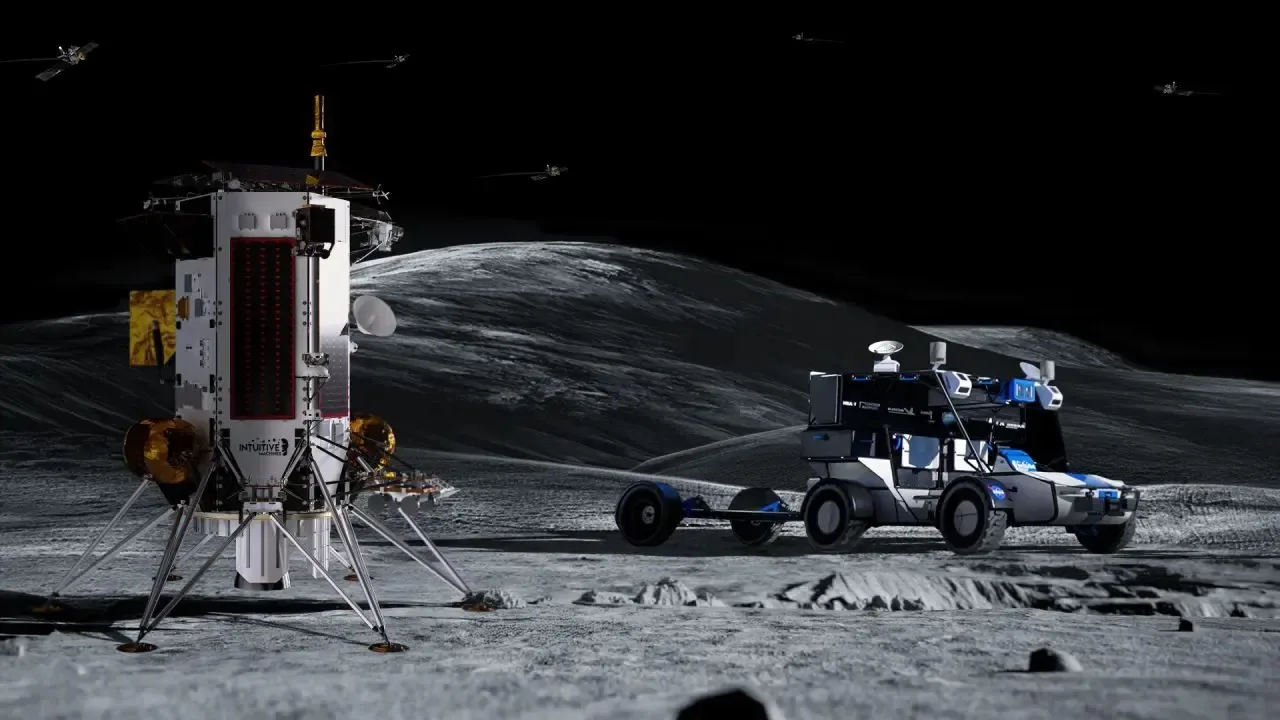
A complete deep dive into Intuitive Machines (LUNR): its Moon landers, NASA CLPS contracts, revenue, competitive moat, risks, and whether the stock adds up.
NASA redesigned Artemis III as a low-Earth orbit HLS demonstration. Artemis IV (2028) is now the first crewed Moon landing. Here's everything that changed and why.
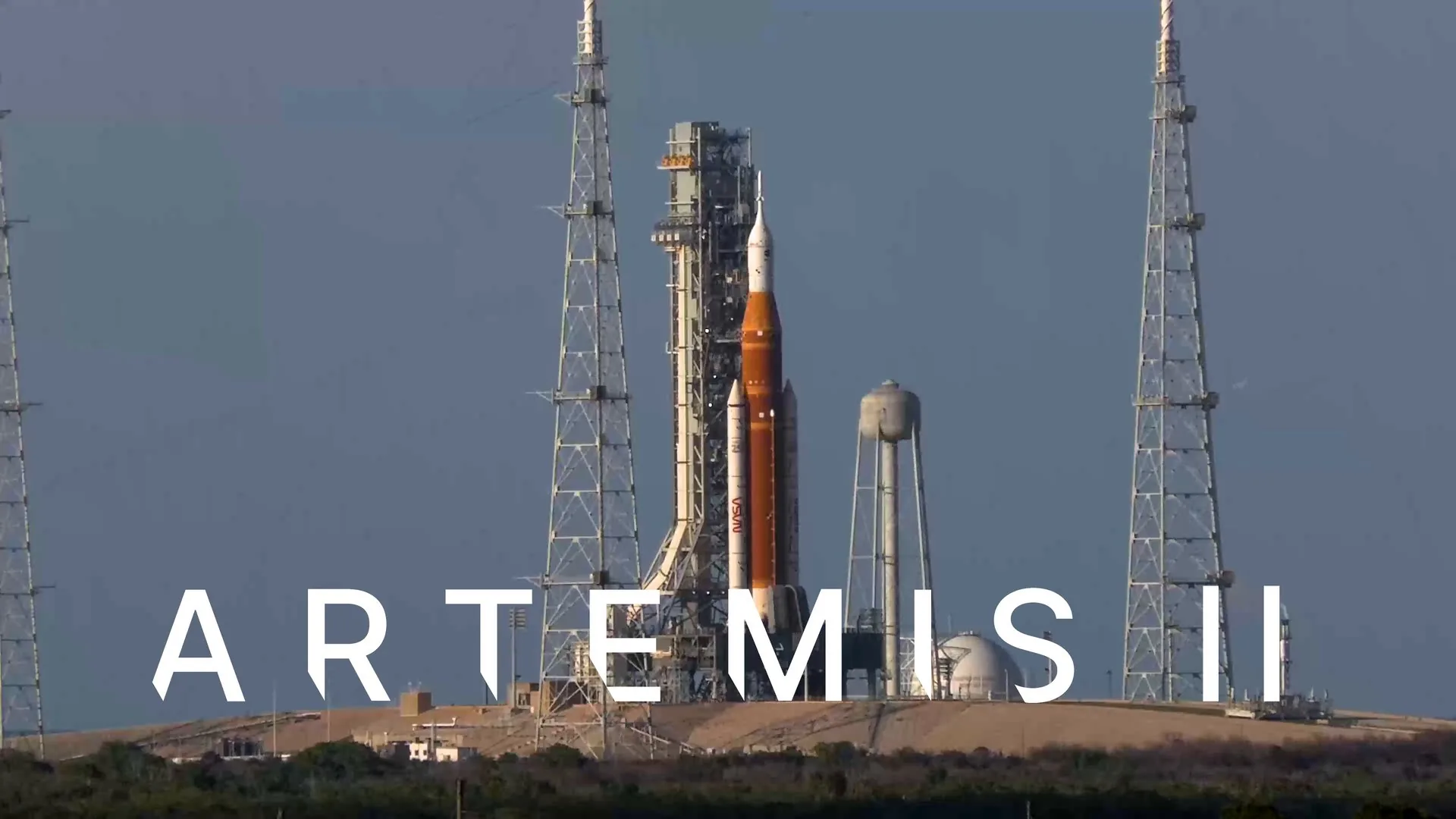
Artemis II sent four astronauts around the Moon and safely home in April 2026, flying farther than any humans in history. The complete 10-day mission recap.

NASA spends $25B, ESA pools 23 nations for ~$8B — yet both lead in science, Earth observation, and deep space. An honest side-by-side of how they differ.
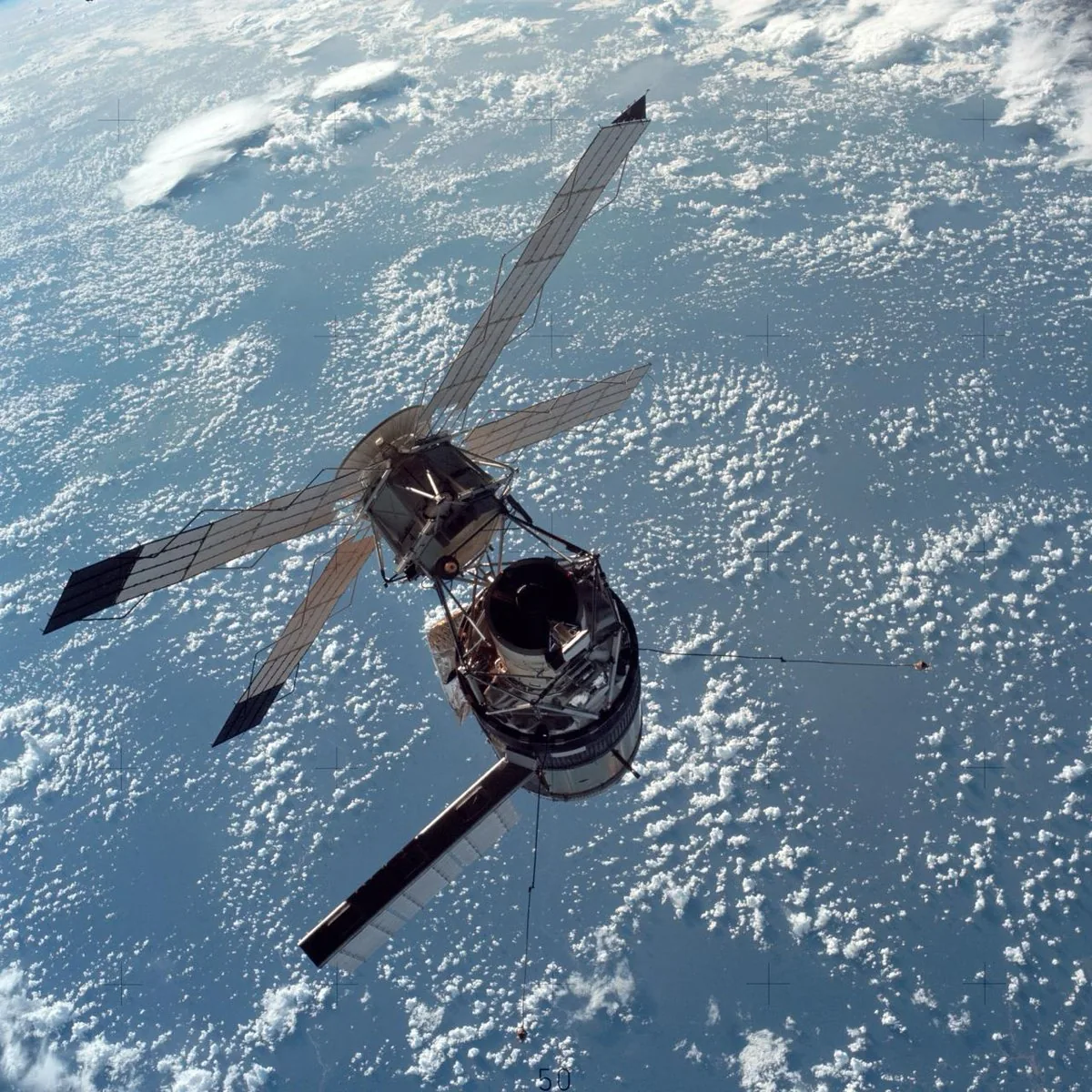
Skylab launched May 14, 1973, nearly died minutes later, and hosted three crews over 171 days. Built from Apollo leftovers, saved by ingenuity, lost over
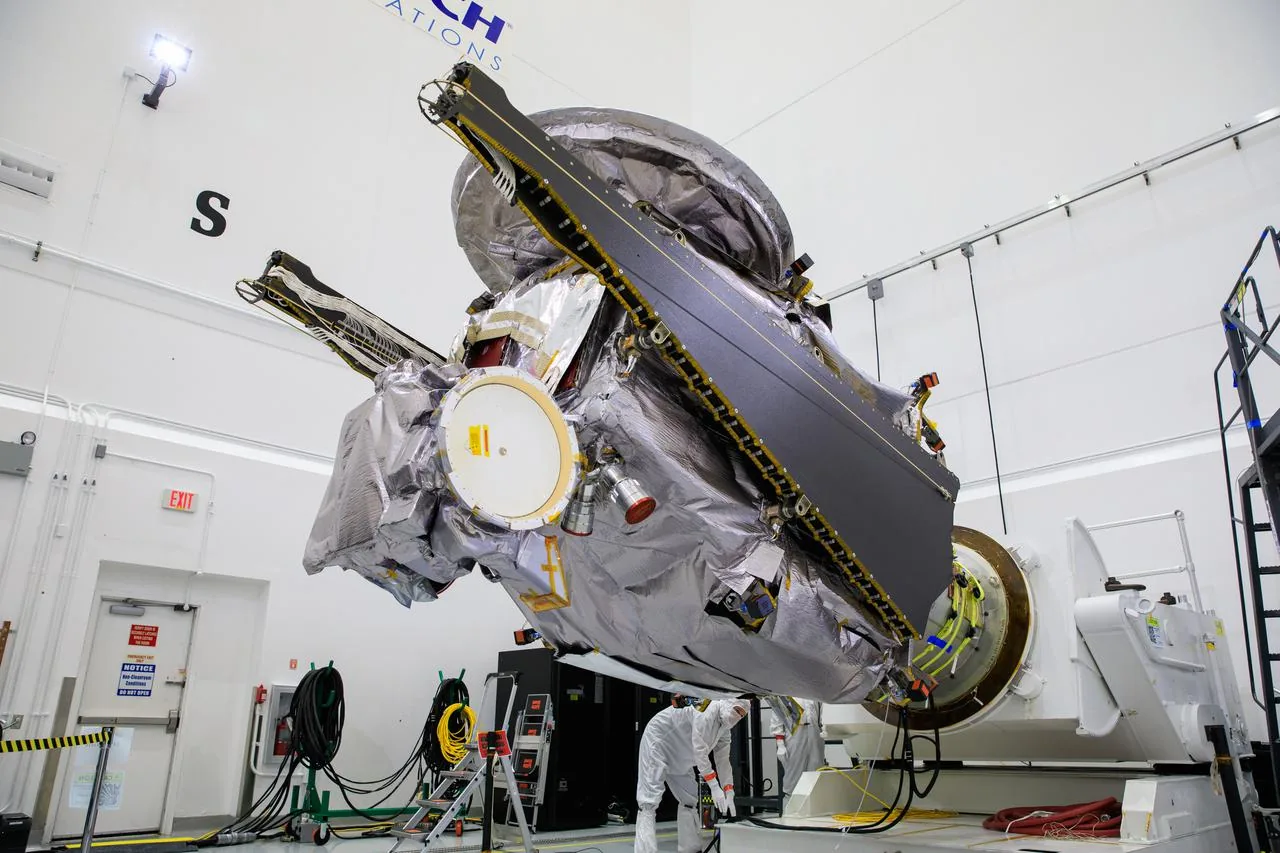
NASA's Lucy will visit 8 asteroids over 12 years, covering 6.3 billion km to study Jupiter's Trojan swarms — 4-billion-year-old fossils from planet formation.
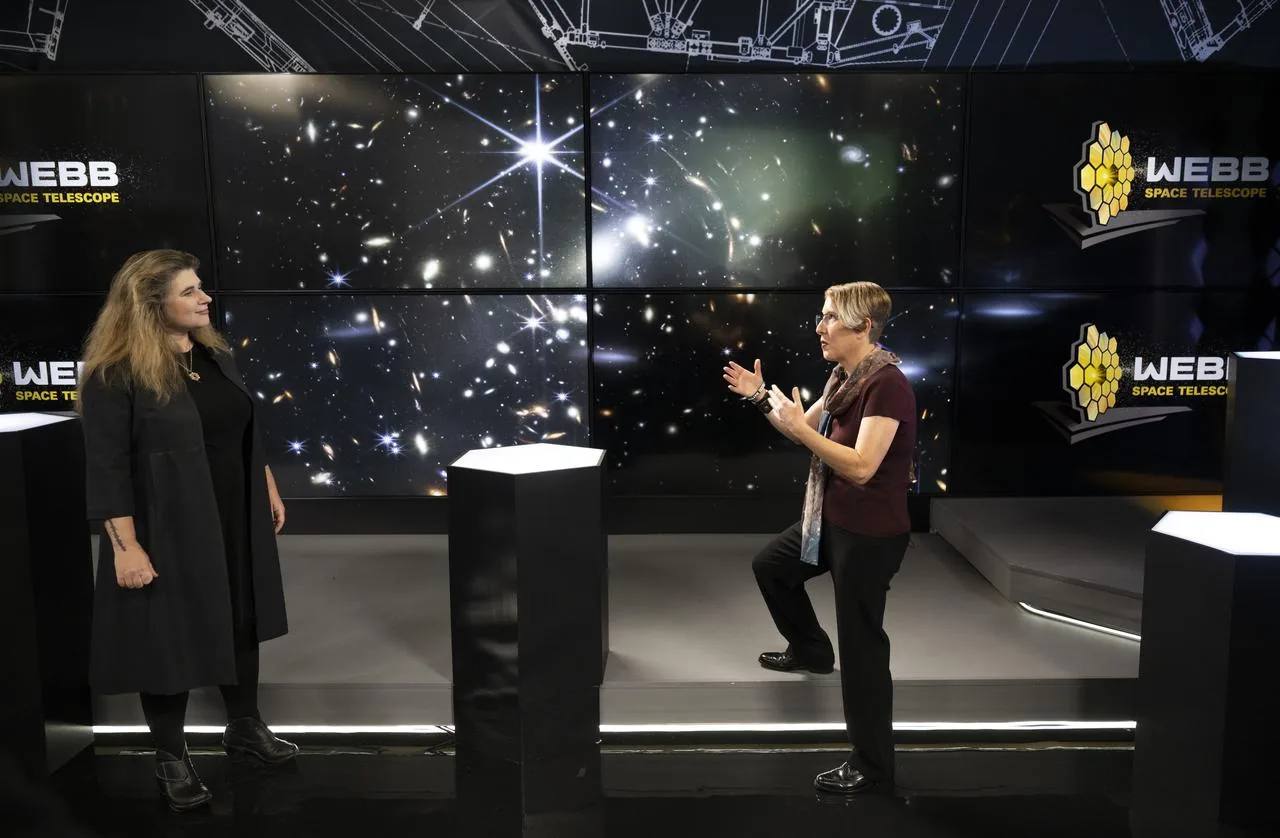
The Nancy Grace Roman Space Telescope launches in September 2026. It will map 100× more sky than Hubble per snapshot, hunt dark energy, and photograph's next great observatory.
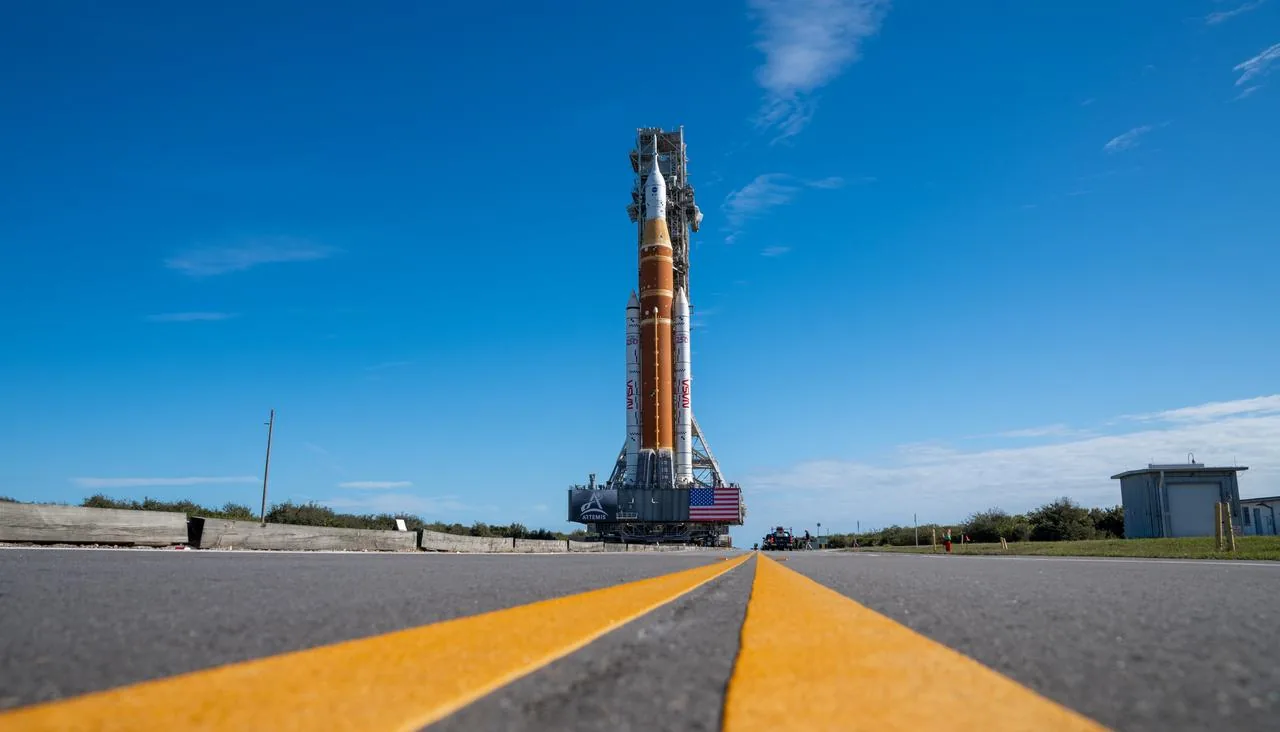
NASA's Artemis II launches April 1, 2026 — the first crewed Moon mission in 53 years. Launch time, live stream links, the four astronauts, mission timeline, and how to watch.
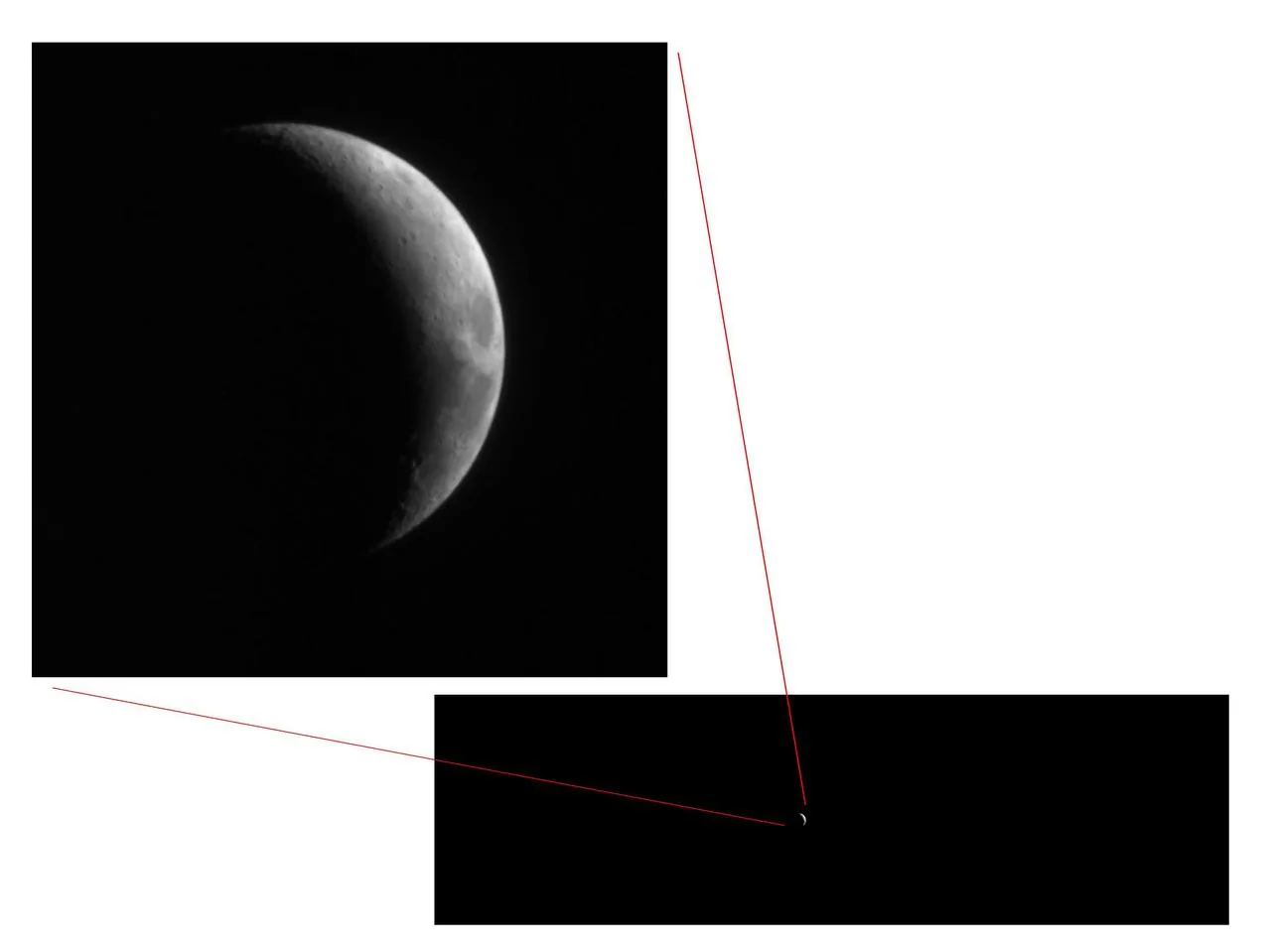
NASA paused the Lunar Gateway in March 2026, pivoting $20B to a surface base. What happens to built hardware, ESA-JAXA-CSA partners, and the Artemis
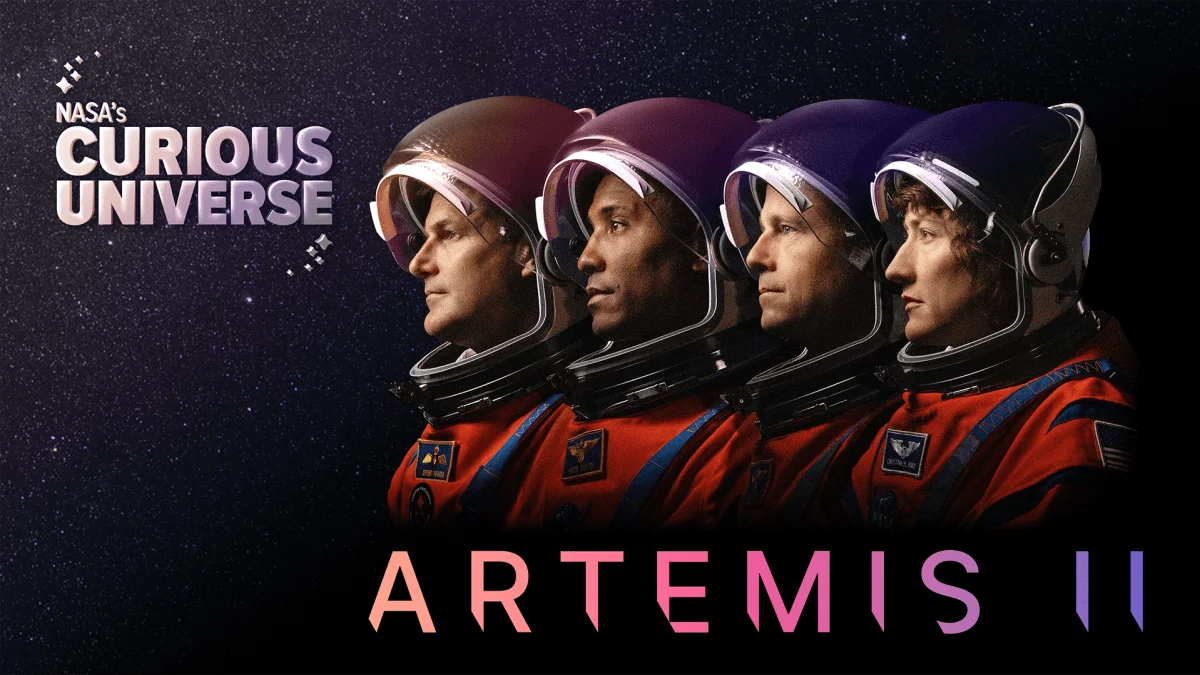
Artemis II is humanity's first crewed Moon mission since Apollo 17 in 1972. Meet the four astronauts, understand the 10-day lunar flyby, and why this mission matters more than you think.
NASA's multi-billion Moon base program: a permanent south-pole outpost by the early 2030s, Starship HLS and Blue Moon landings, ISRU water mining, the Lunar Gateway descope, and the post-Artemis II architecture shift.
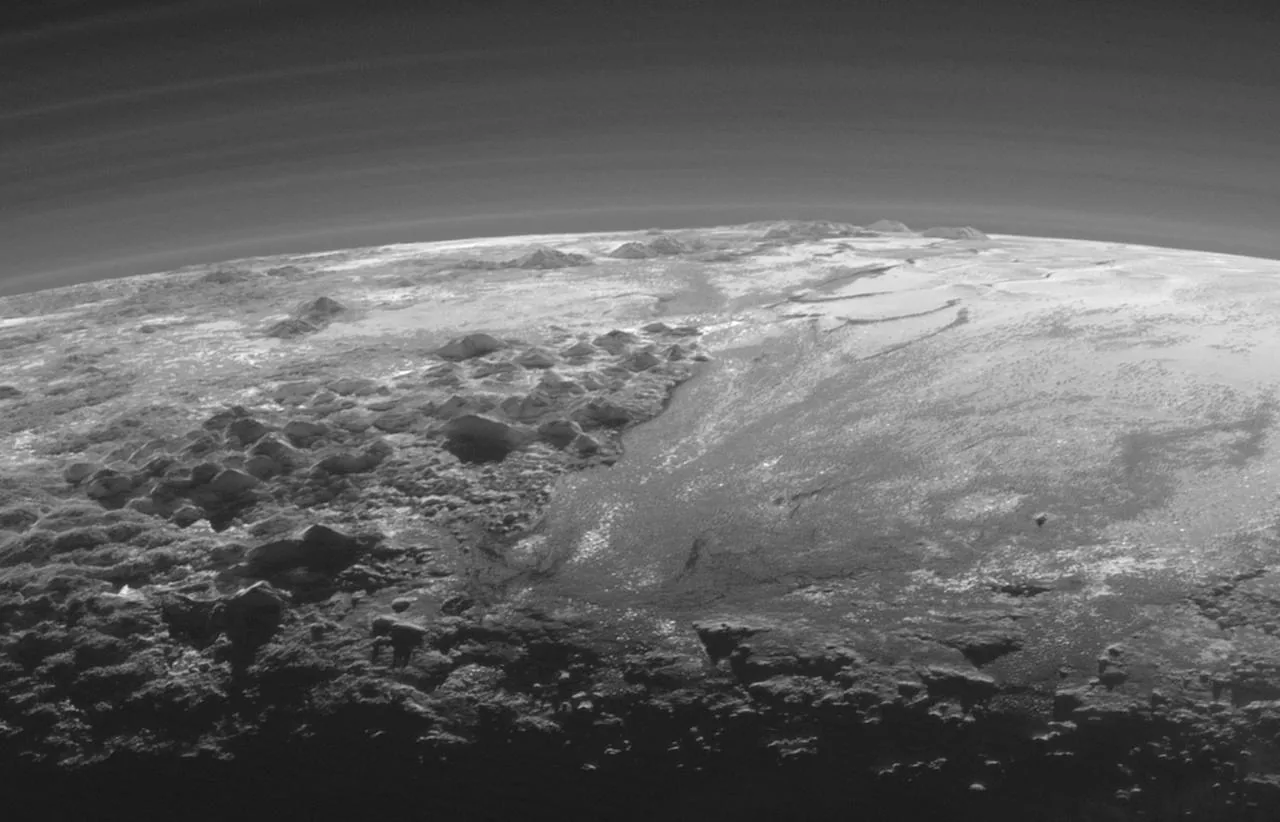
New Horizons' July 2015 Pluto flyby at 49,600 km/h revealed nitrogen glaciers and the heart-shaped Tombaugh Regio — then pushed on to Kuiper Belt object Arrokoth.
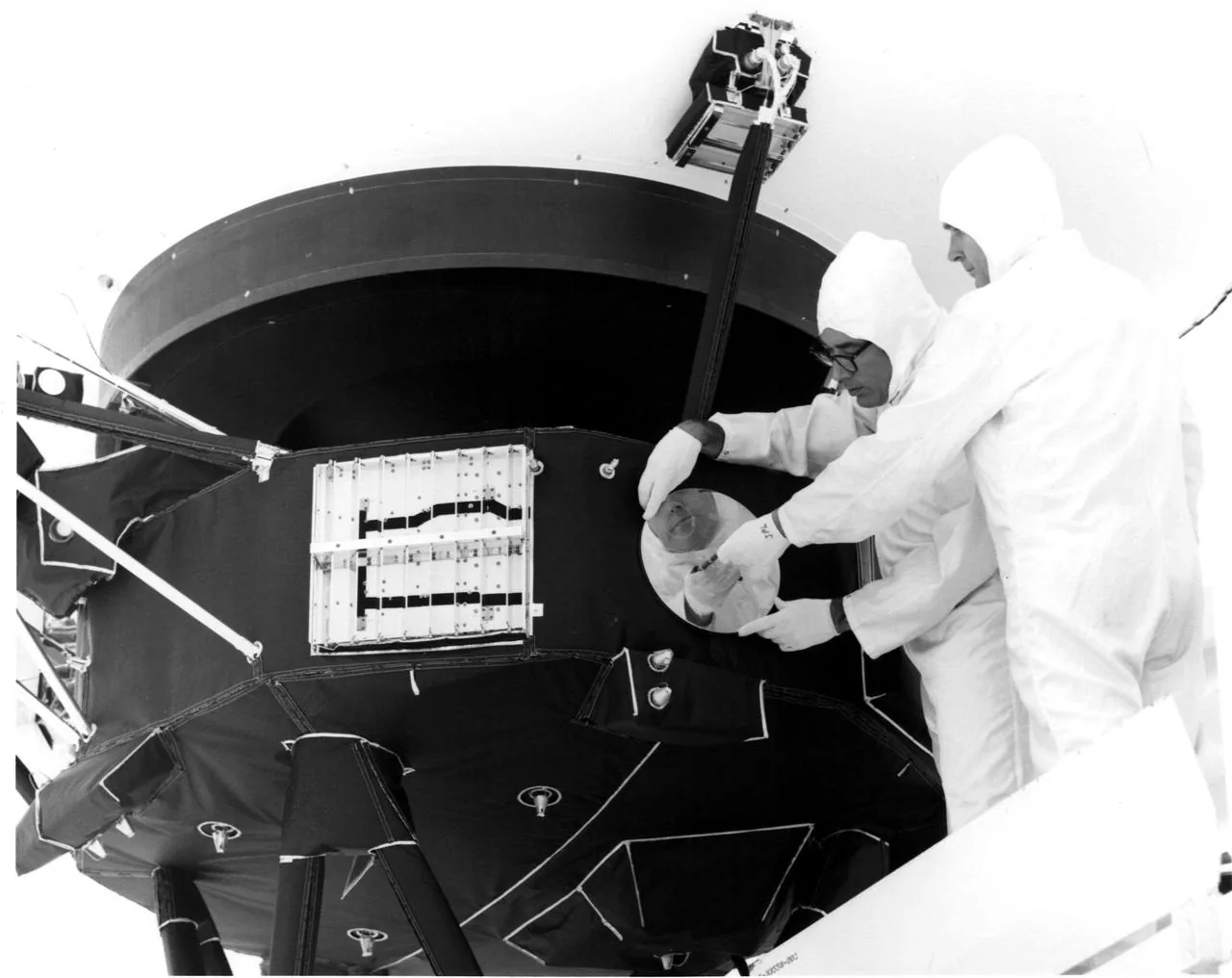
Voyager 1 and 2 launched in 1977 on a Grand Tour that comes once every 176 years. How they mapped Jupiter, Saturn, Uranus and Neptune — and carried the
The Lunar Gateway is a cornerstone of NASA's Artemis architecture — but critics argue it's expensive, unnecessary, and could delay rather than enable Moon landings. Who's right?
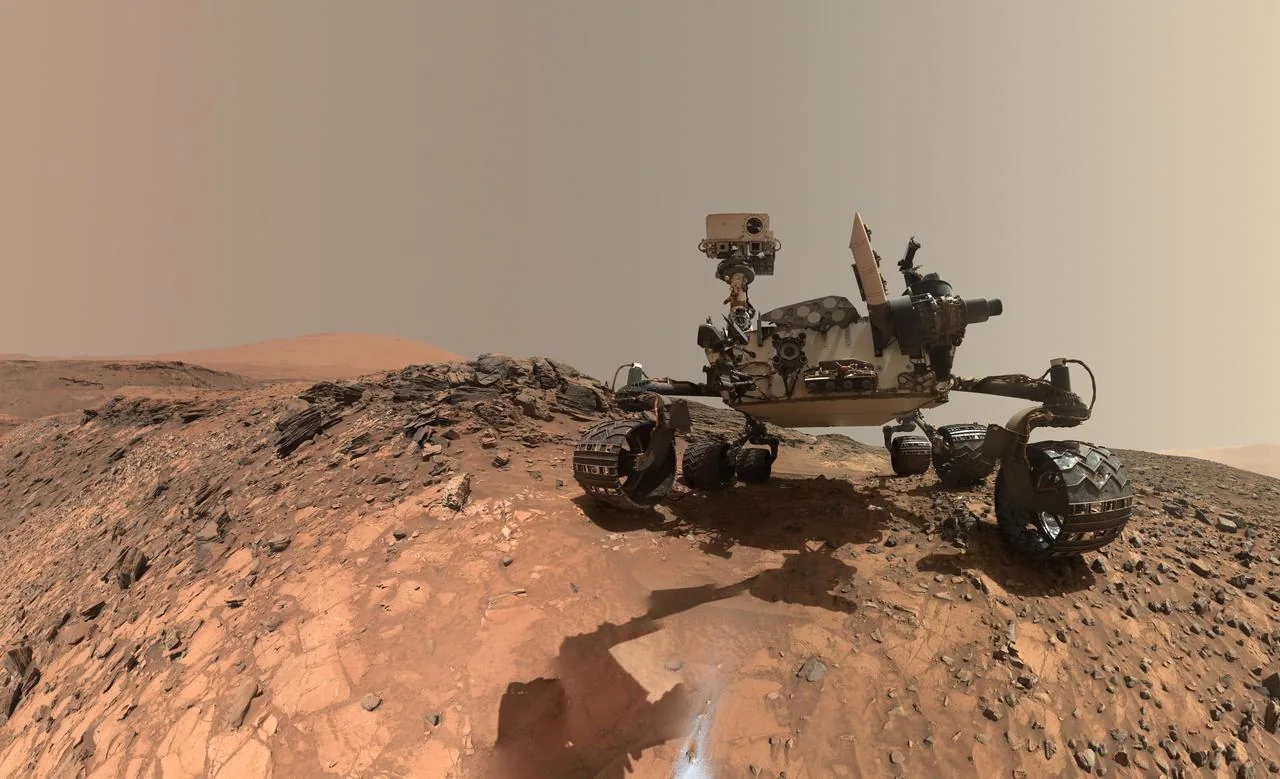
13+ years of NASA's Curiosity rover on Mars — sky crane landing, Gale Crater's ancient lakebed, organic molecules, the methane mystery, and a full Mars rover comparison.
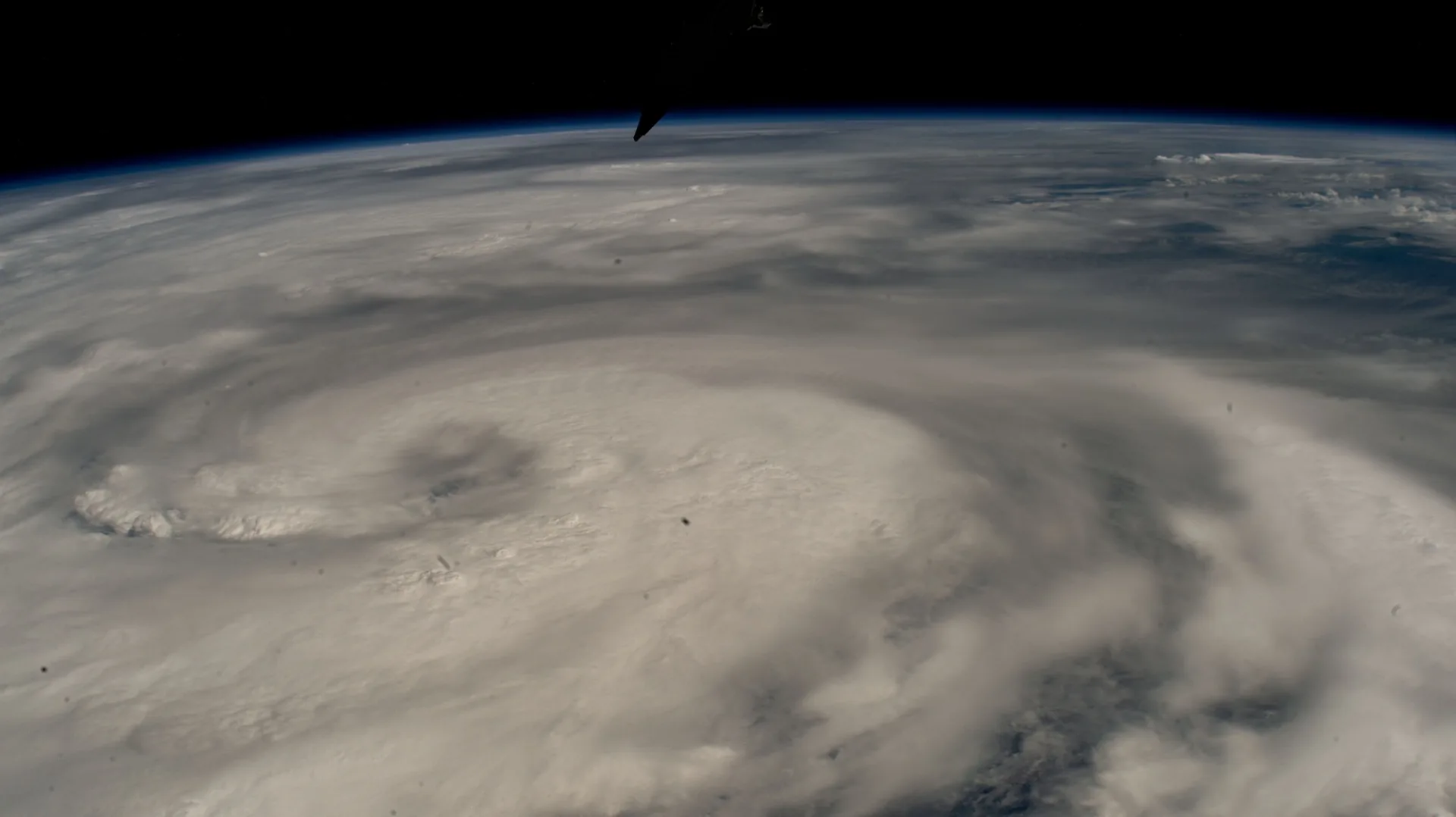
How the Copernicus Sentinels, NASA satellites, and methane-hunting orbiters track ice loss, sea level rise, and deforestation — the backbone of modern
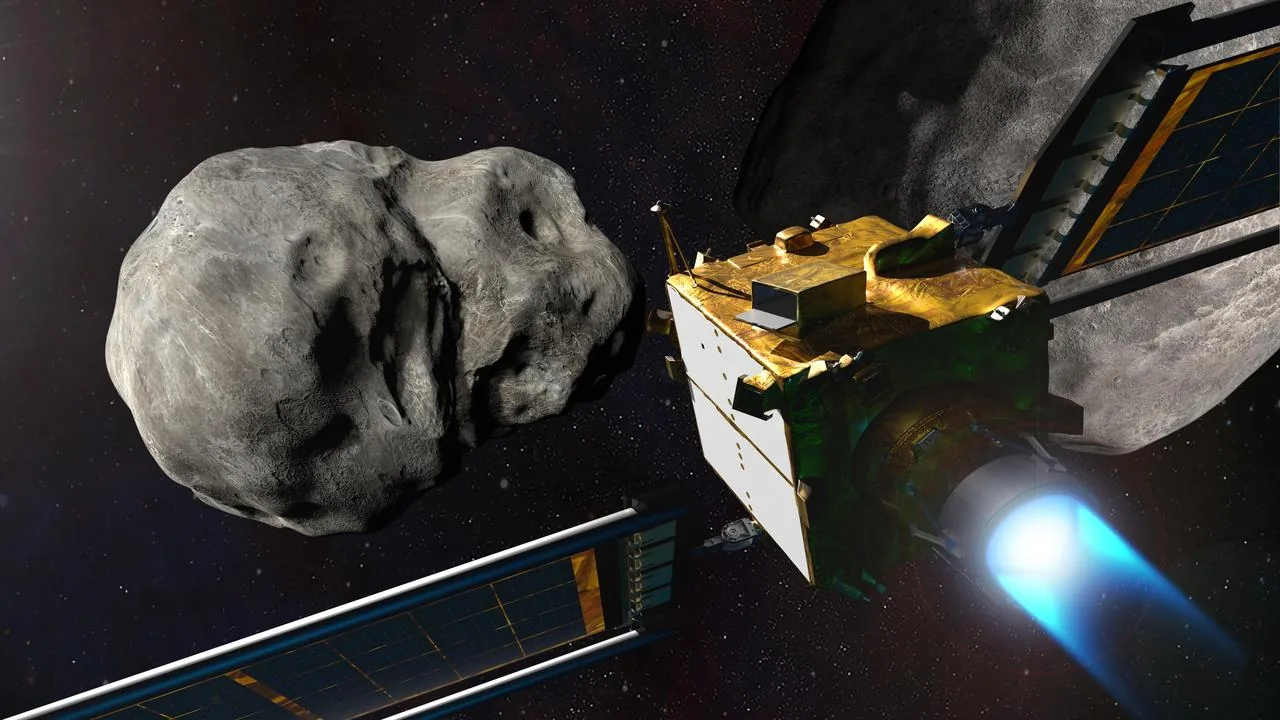
NASA's DART deflected asteroid Dimorphos by 33 minutes — proving planetary defense works. Plus: every active asteroid mission, Apophis 2029 close approach, and notable flybys.
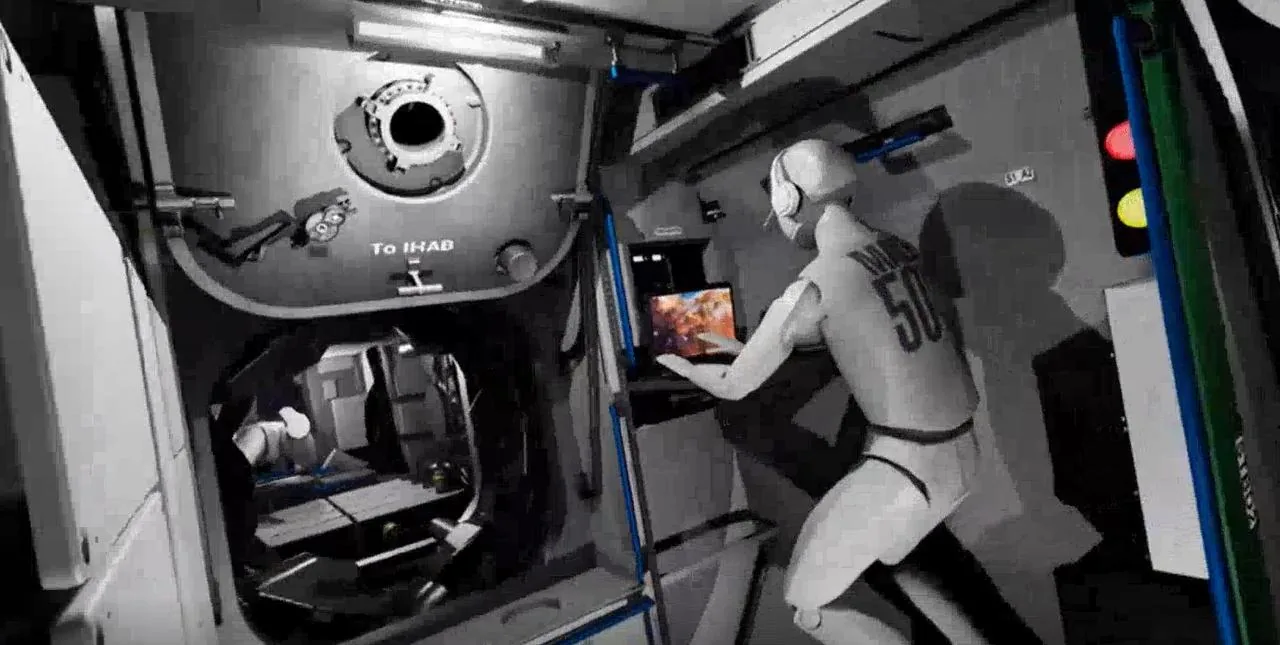
The Lunar Gateway: a mini space station in near-rectilinear halo orbit around the Moon. PPE, HALO, international modules, Artemis role, and the 6.5-day
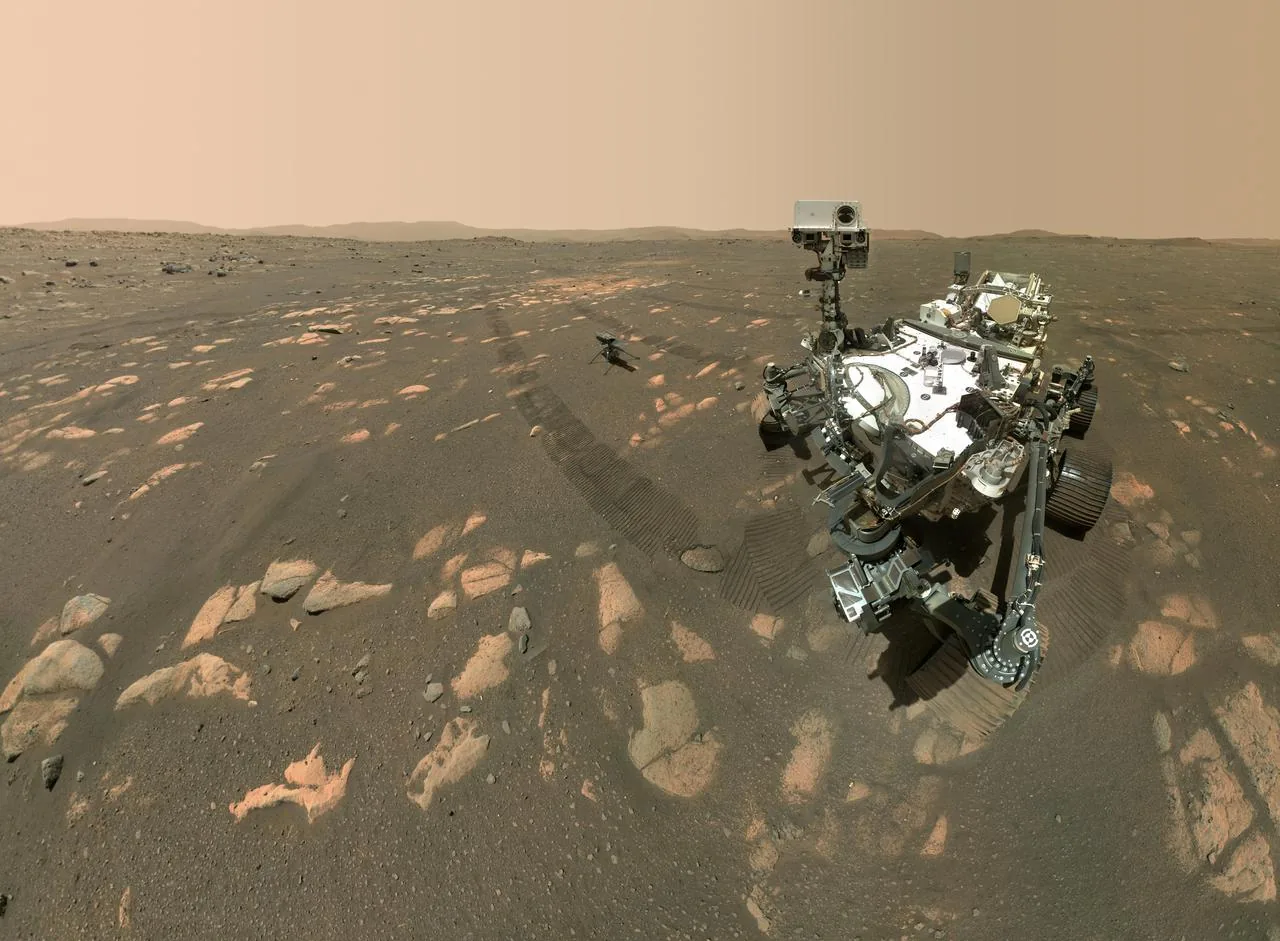
Four years in Jezero Crater: organic molecules, ancient river deltas, MOXIE making oxygen, and 24 sealed samples awaiting Mars Sample Return. Perseverance's biggest finds.
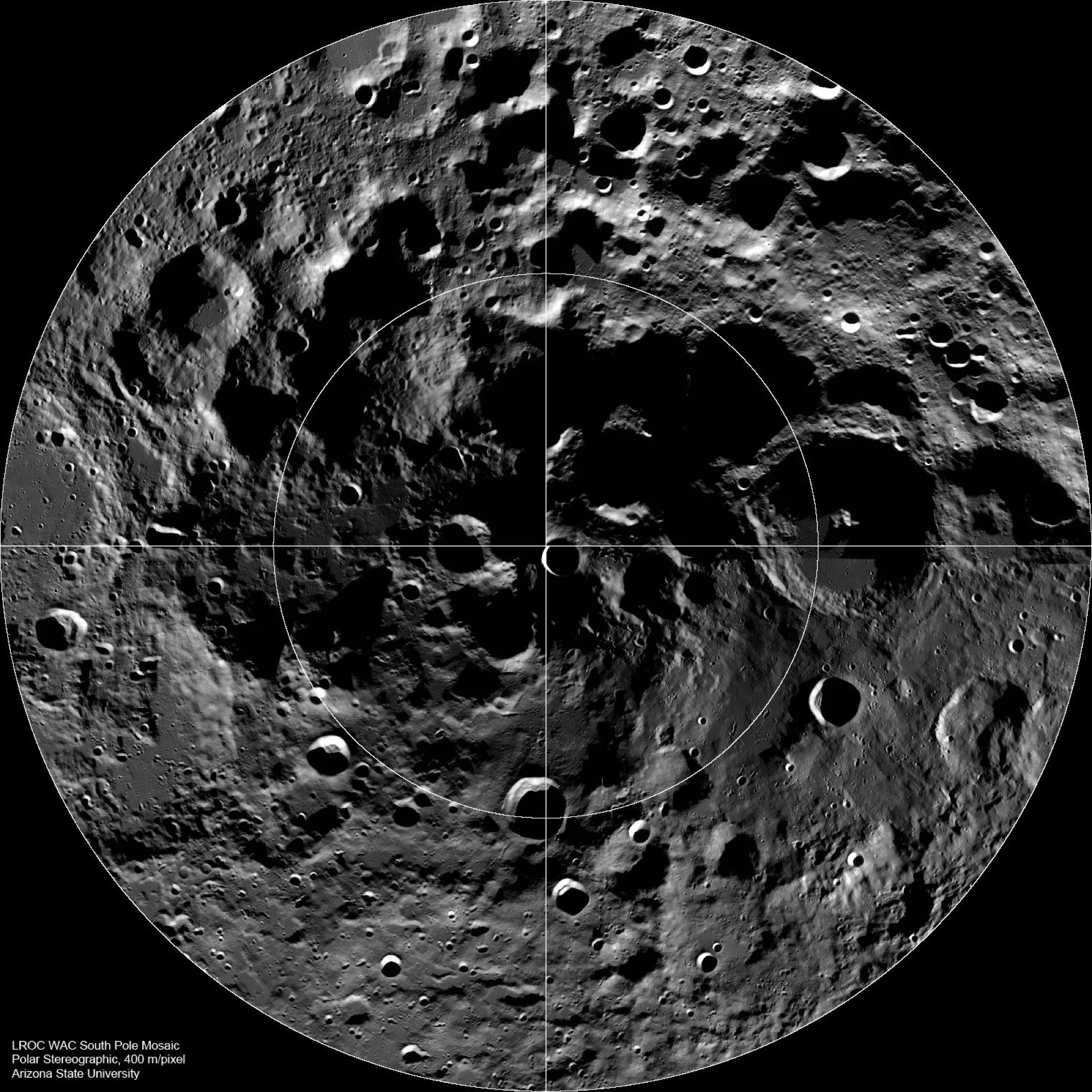
Water ice at the Moon's south pole could fuel rockets and sustain a base. Inside the NASA, ISRO, and China race to reach it — Chandrayaan-3, VIPER, Artemis and more.
Venus gets more missions in the next decade than the last 30 years: NASA DAVINCI and VERITAS, ESA EnVision, Rocket Lab's private probe, and the phosphine life debate.
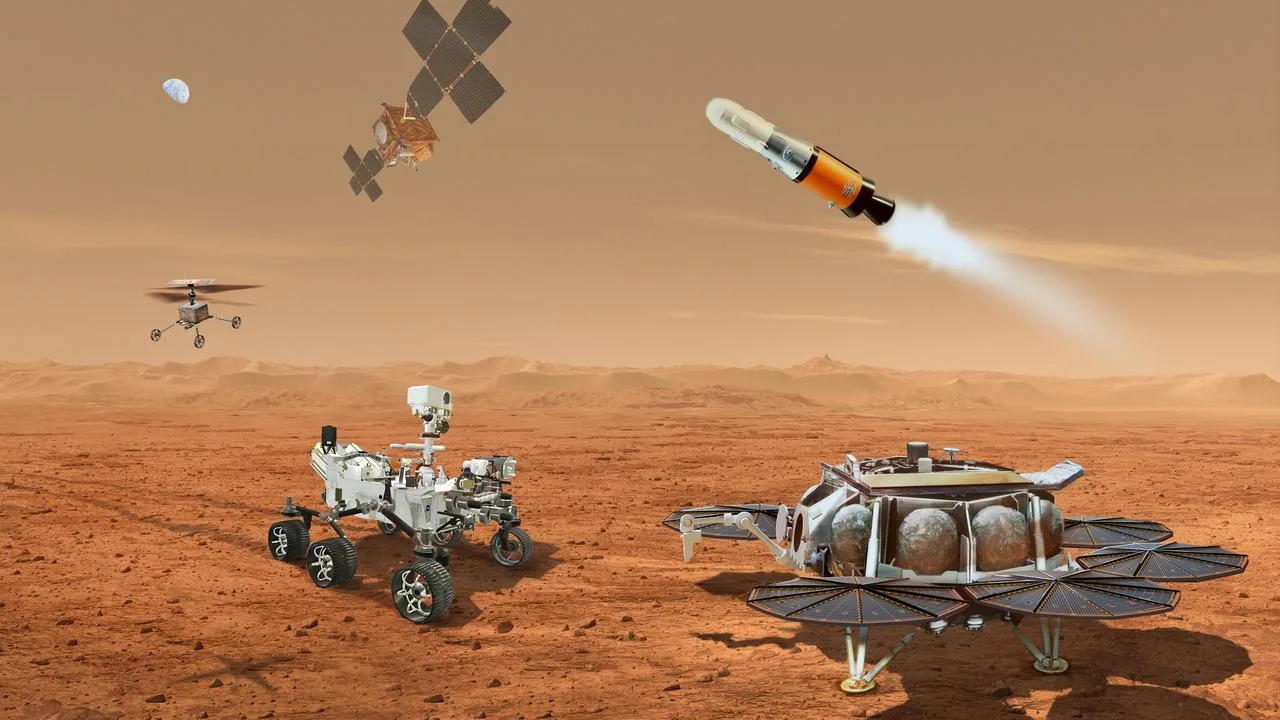
Mars Sample Return explained: how NASA and ESA plan to retrieve Perseverance's rock tubes, the $11B budget crisis, the 2024 architecture rethink, and the astrobiology stakes.
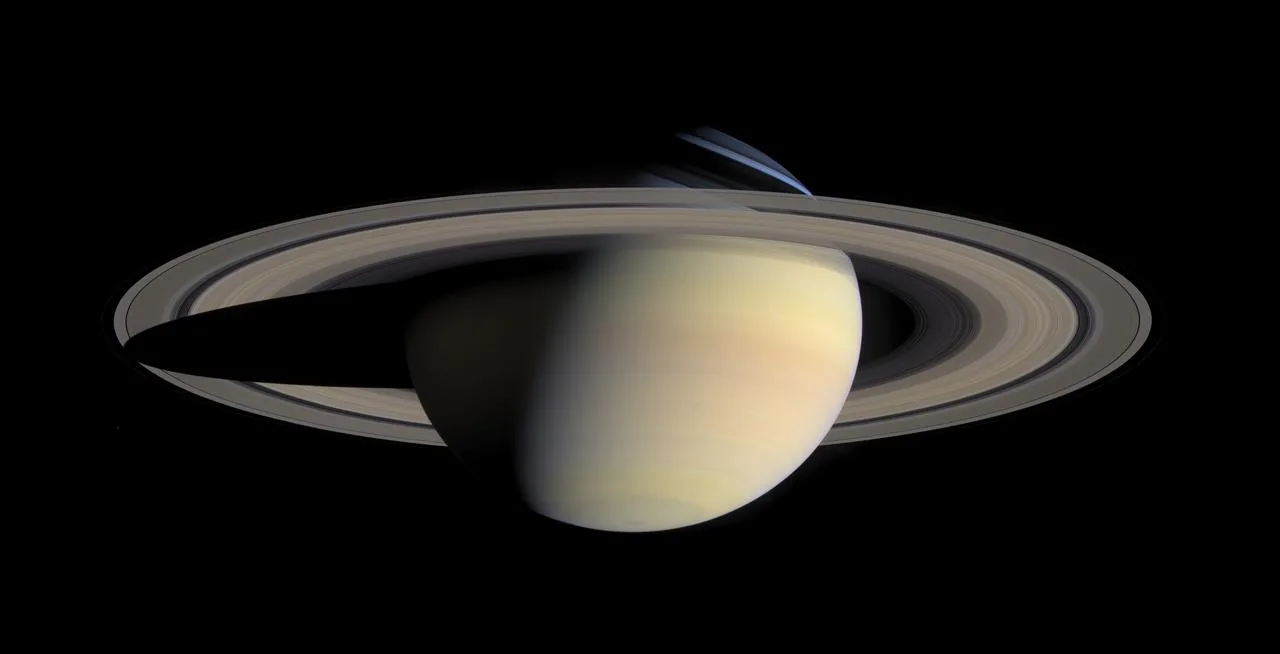
Cassini-Huygens: 20 years, 293 Saturn orbits, Titan's methane lakes, Enceladus's ocean plumes, and the 2017 Grand Finale plunge that redefined planetary science.
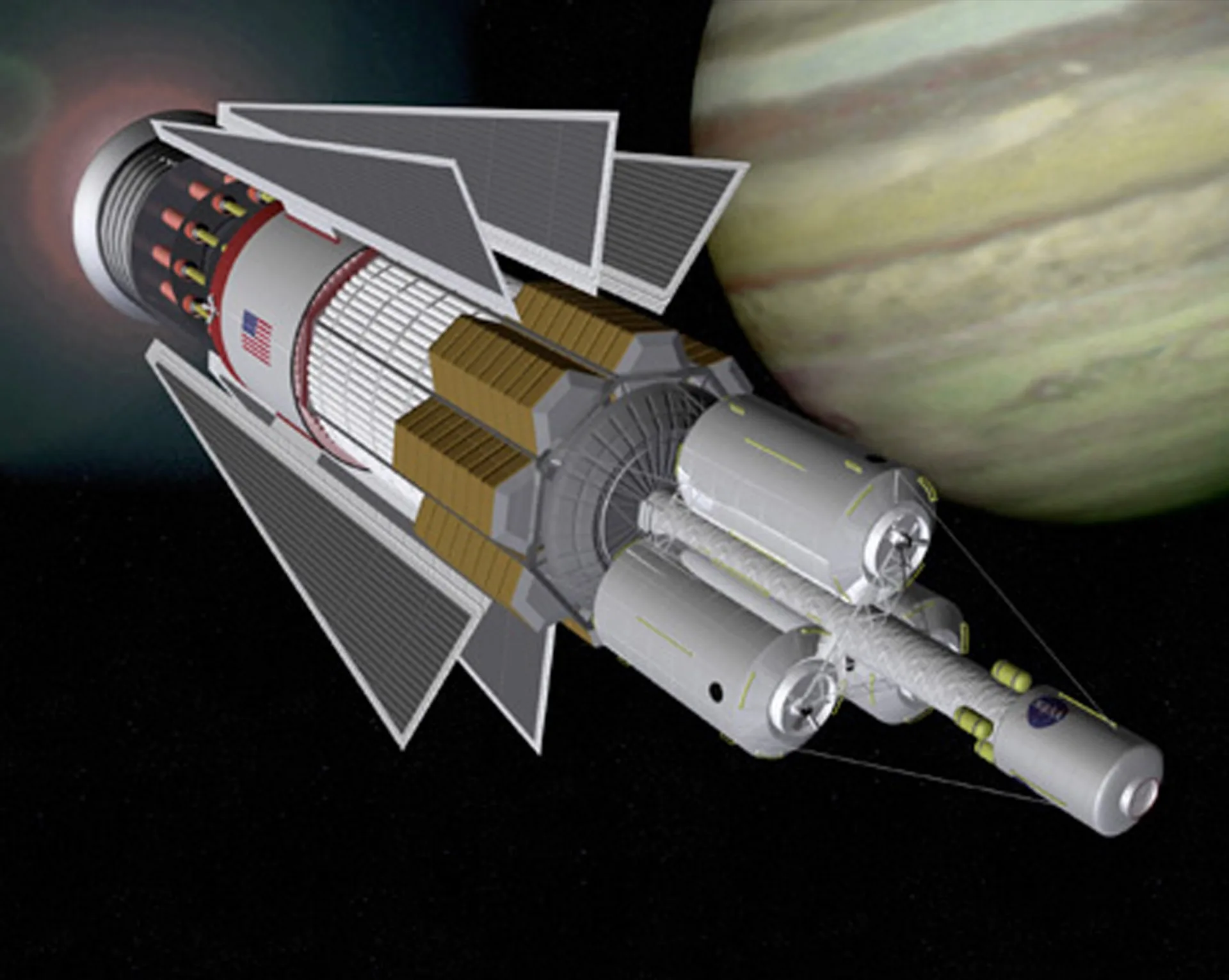
Nuclear propulsion could cut Mars transit from 9 months to 45 days. Inside NTR vs NEP physics, NASA-DARPA's DRACO demo, and why NERVA mattered for deep-space missions.
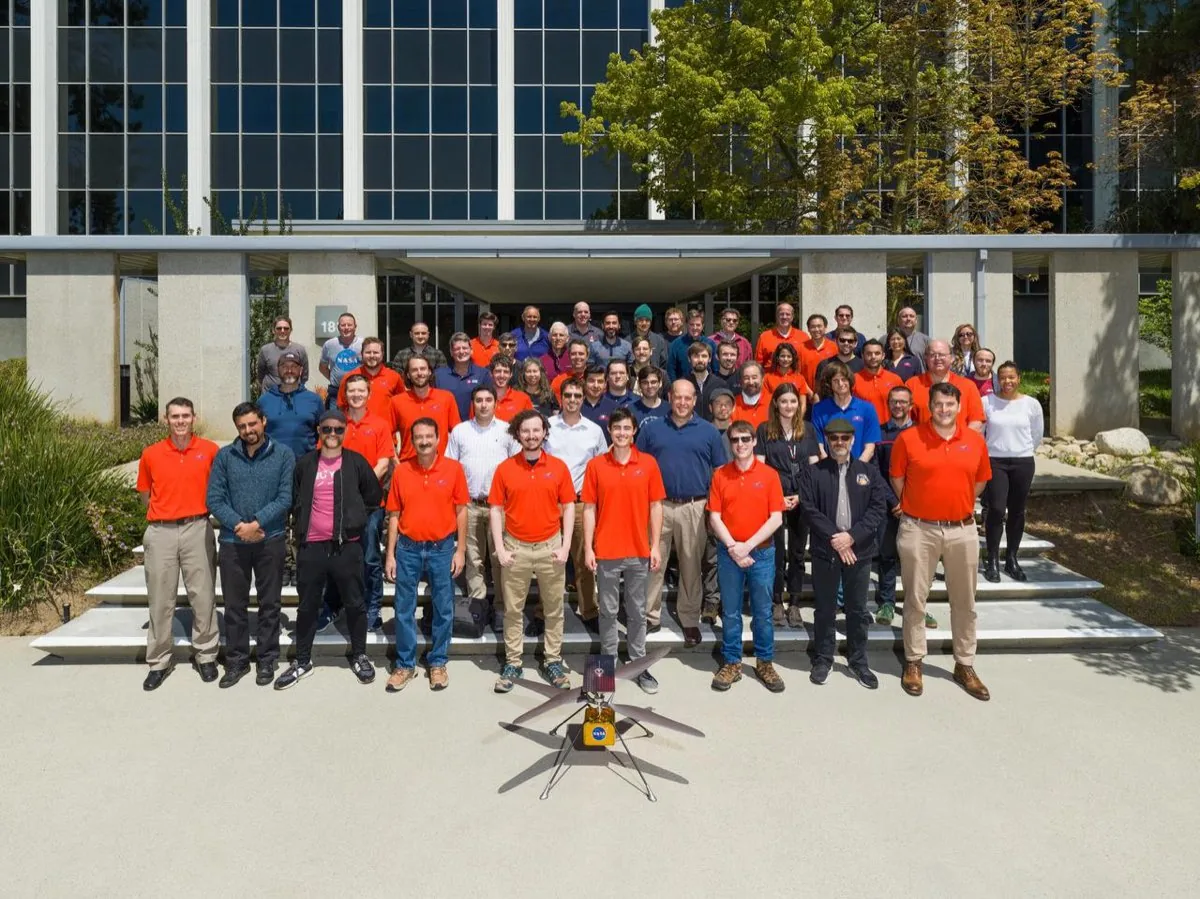
NASA's Ingenuity was designed for 5 flights on Mars. It flew 72 over three years in a 1% atmosphere — the Wright Brothers moment of the space age, built at JPL.
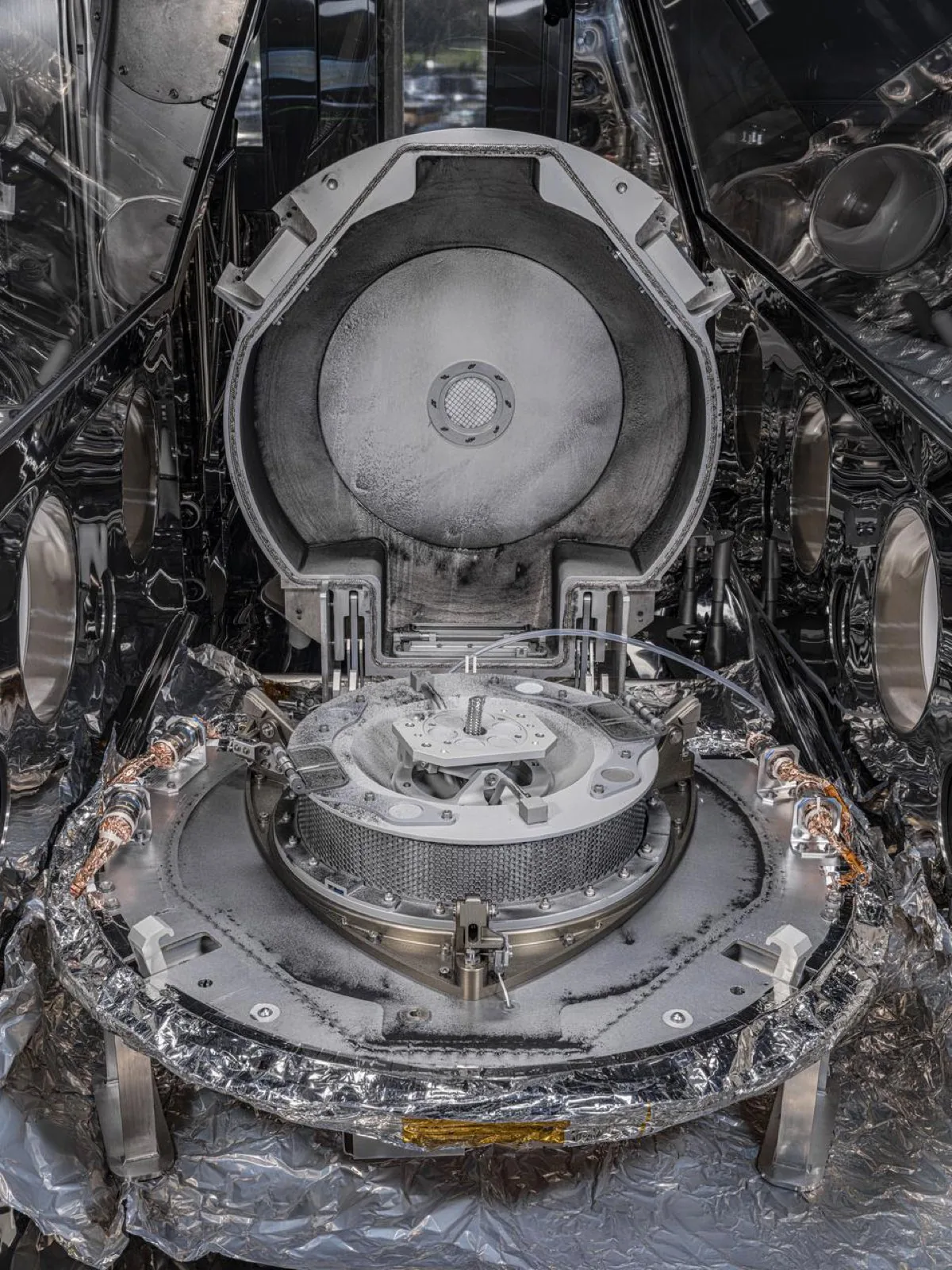
NASA's OSIRIS-REx returned 121.6 grams of asteroid Bennu to Earth in 2023. What scientists found inside — amino acids, water-bearing minerals, and solar system origins.
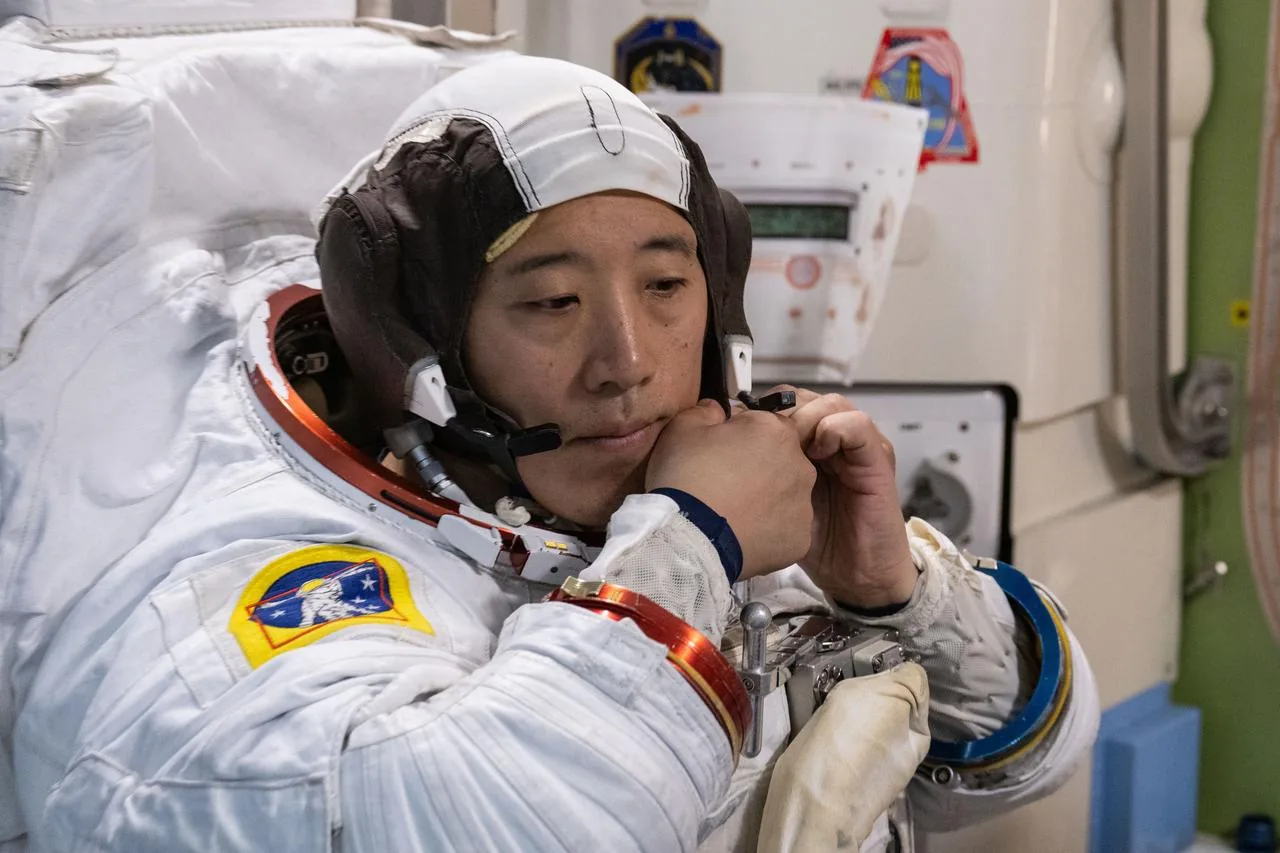
The ISS has hosted continuous human presence since November 2000 — a $150B Cold War handshake in orbit, retiring around 2030 after reshaping science and
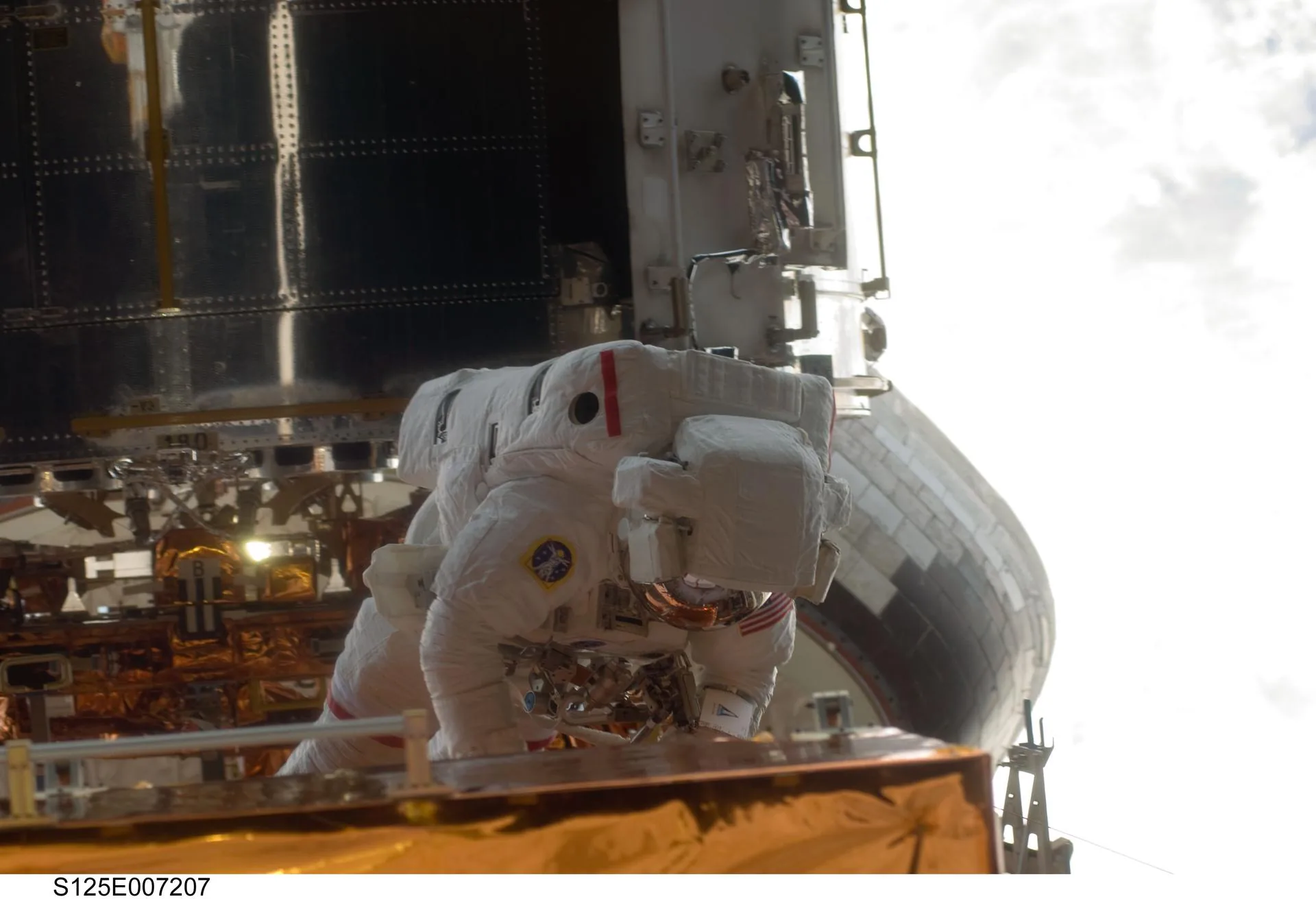
Hubble launched with a flawed mirror in 1990 — how STS-61's COSTAR fix and four more servicing missions turned a humiliation into the greatest telescope in history.
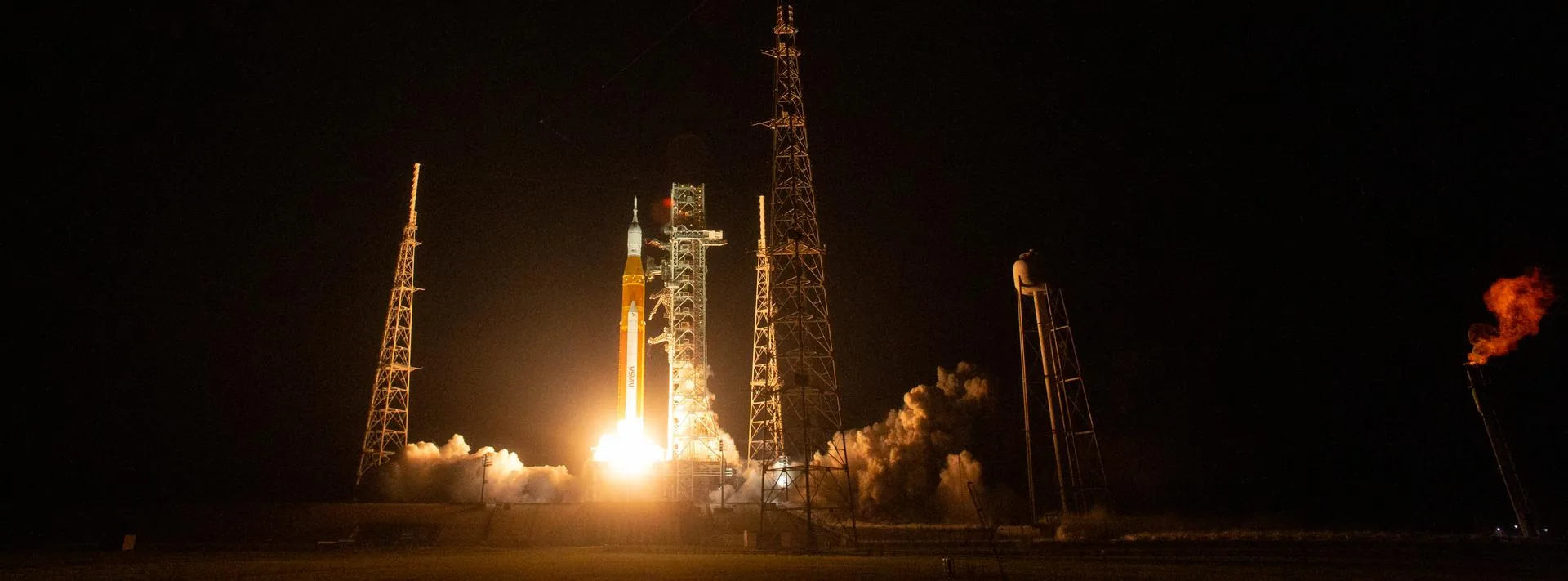
NASA is flying humans around the Moon. ISRO is preparing its first crewed orbit. Two missions, two budgets, two visions for humanity's future in space.
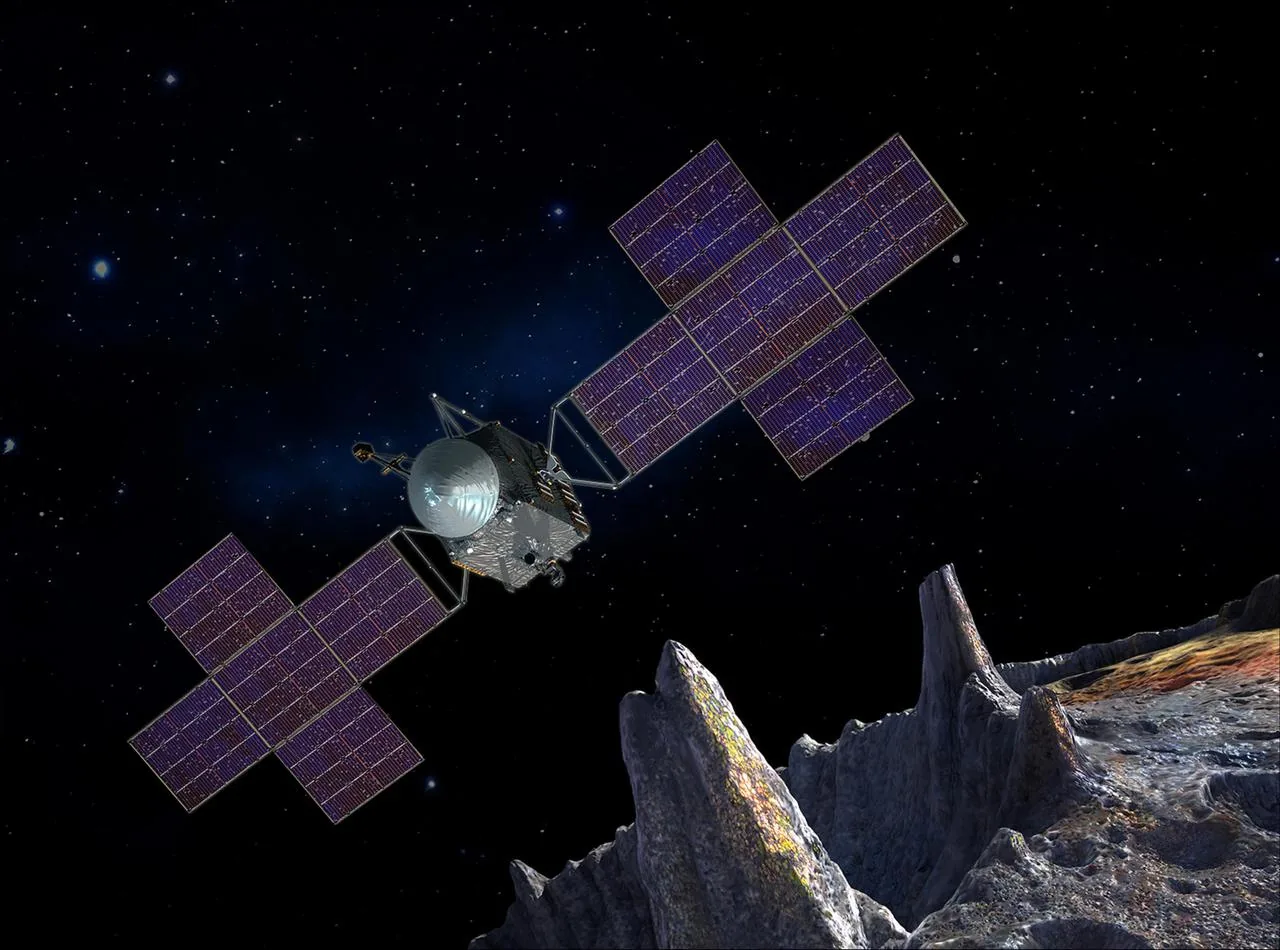
NASA's Psyche spacecraft launched in Oct 2023 for asteroid 16 Psyche — a metal world that may be a dead planet's core. Hall-effect thrusters, arrival in 2029, and the science.
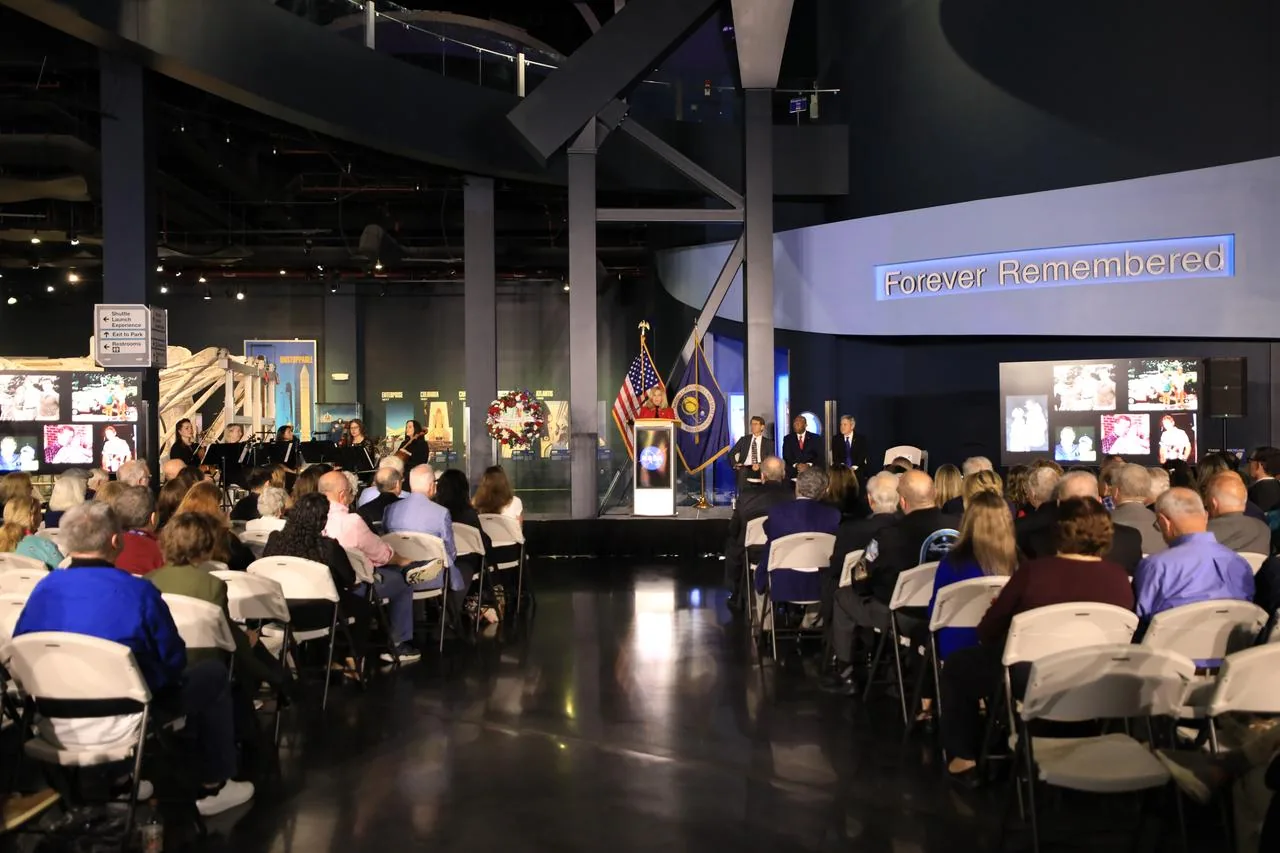
Challenger 1986 and Columbia 2003: what really caused the O-ring failure and foam strike, the 14 lives lost, and how the disasters rewired NASA's safety culture.
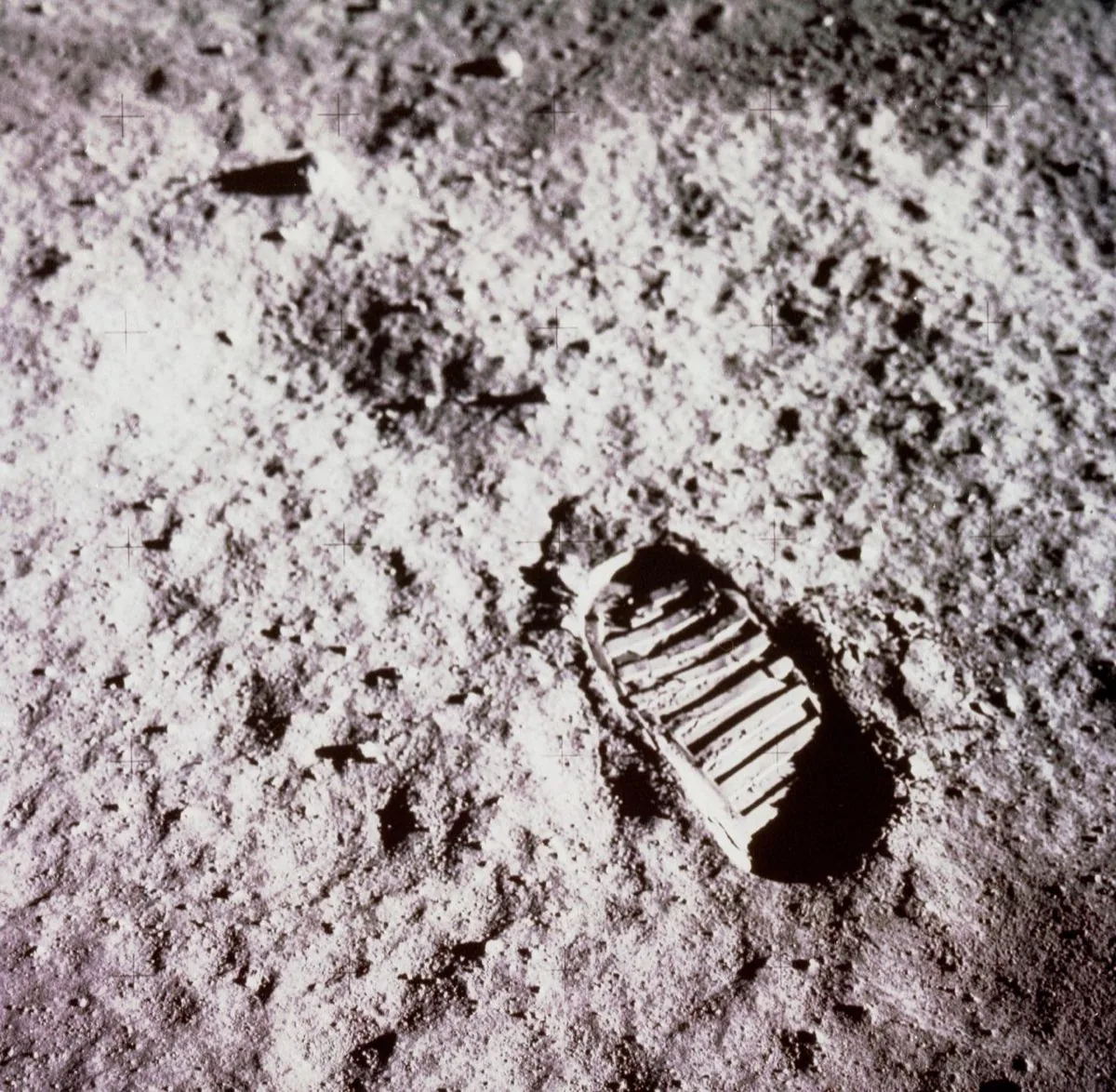
The complete story of Apollo 11: how Armstrong, Aldrin, and Collins pulled off humanity's first Moon landing on July 20, 1969, from liftoff to lunar dust.
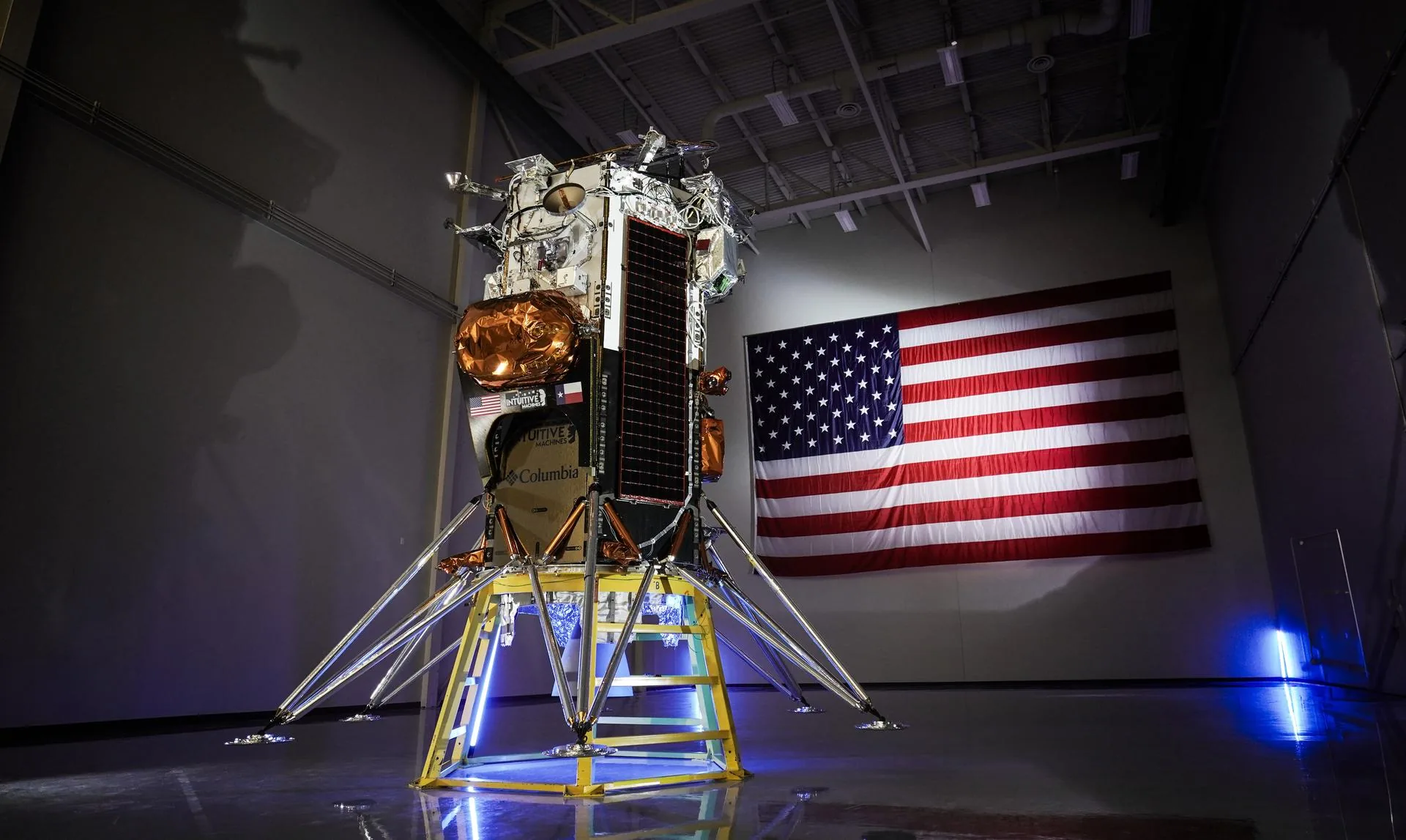
On February 22, 2024, Intuitive Machines' Odysseus landed near the Moon's south pole — ending a 51-year US lunar drought via NASA's CLPS commercial program.
Every Moon soft-landing attempt from Luna 2 and Luna 9 to Chandrayaan-3, SLIM, Odysseus, Blue Ghost, and Chang'e 6 — the successes, the crashes, and the countries
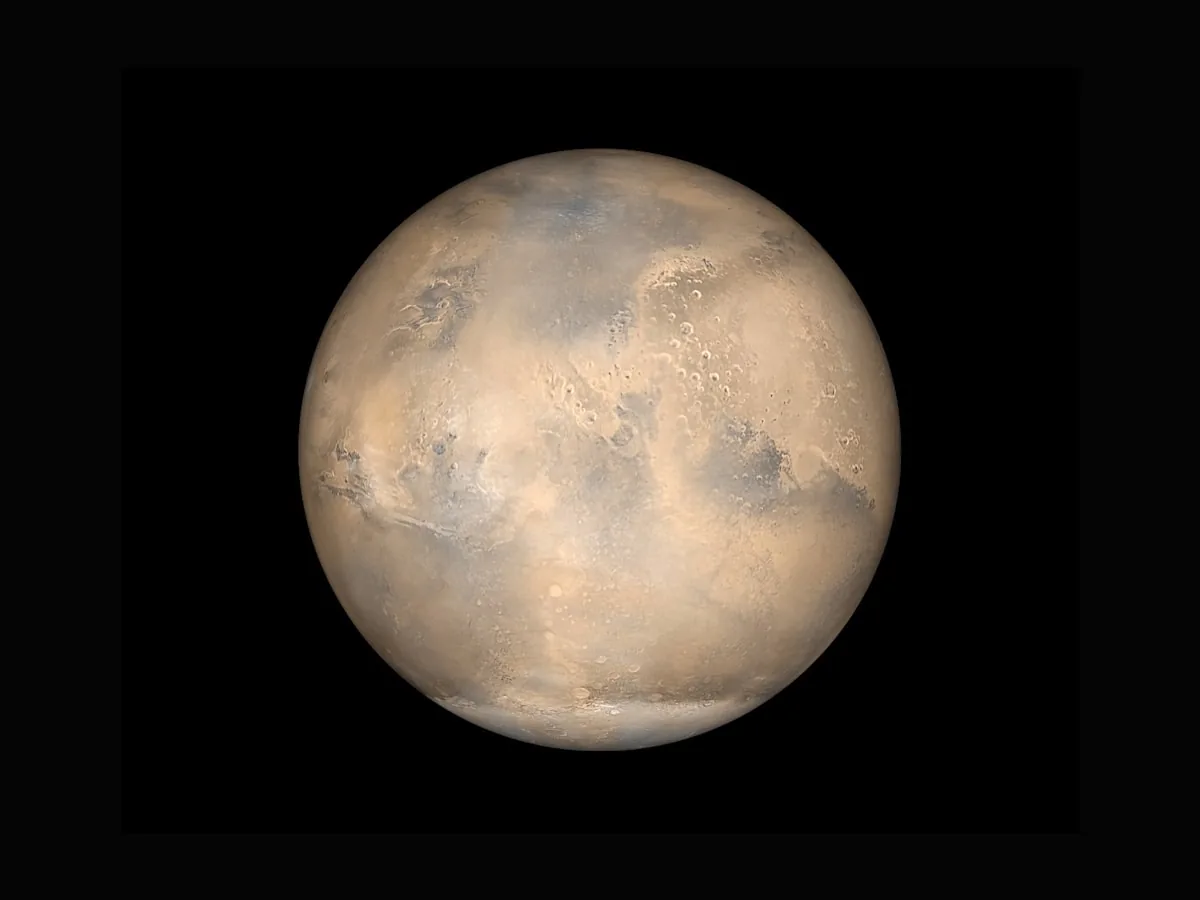
NASA's Dragonfly launches in 2028 and arrives at Saturn's moon Titan in 2034 — a nuclear-powered drone hunting prebiotic chemistry across methane lakes and dune fields.
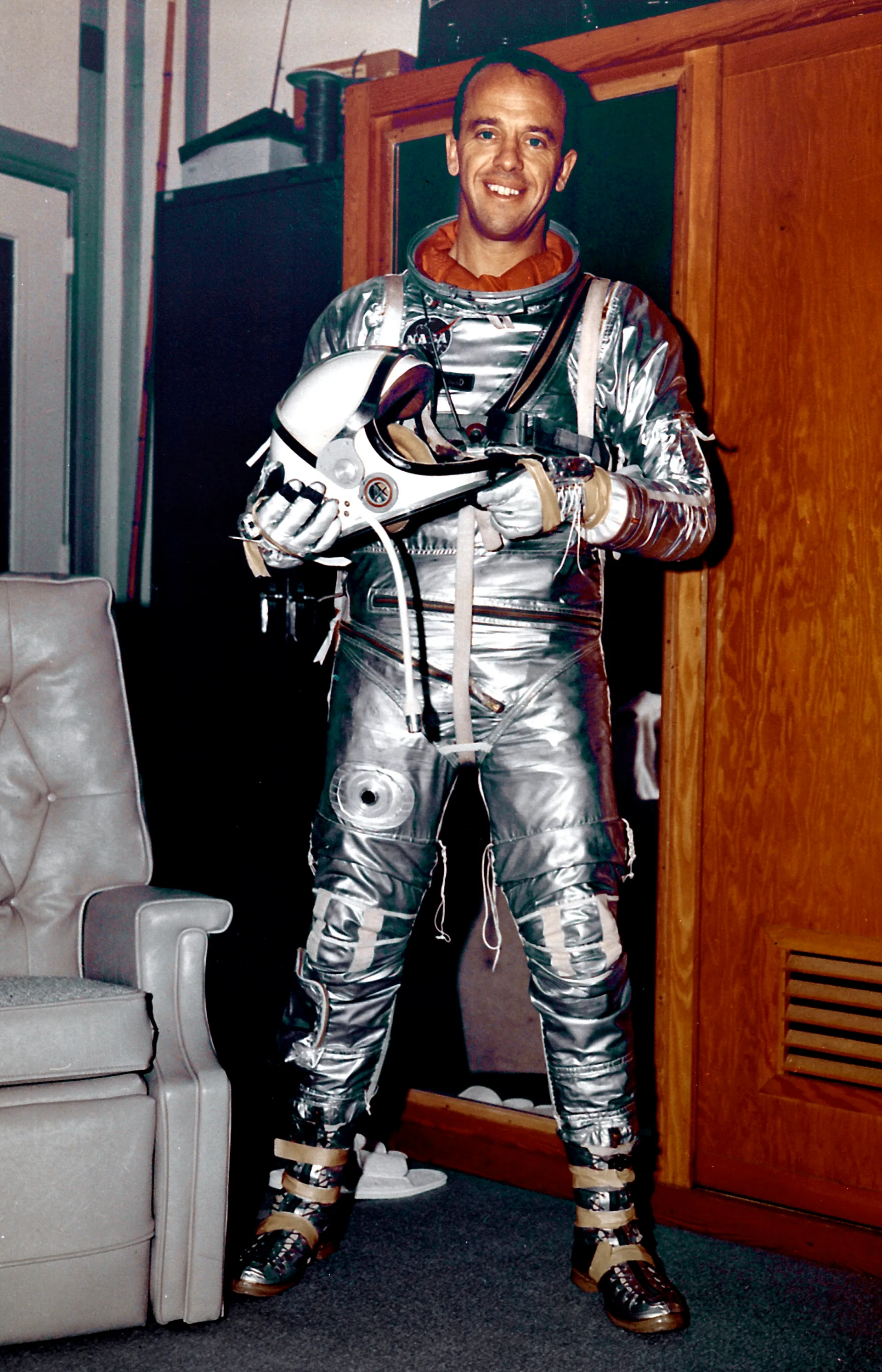
From Sputnik in 1957 to Apollo-Soyuz in 1975: how the US-Soviet Cold War rivalry compressed centuries of progress into 18 years and put 12 men on the Moon.
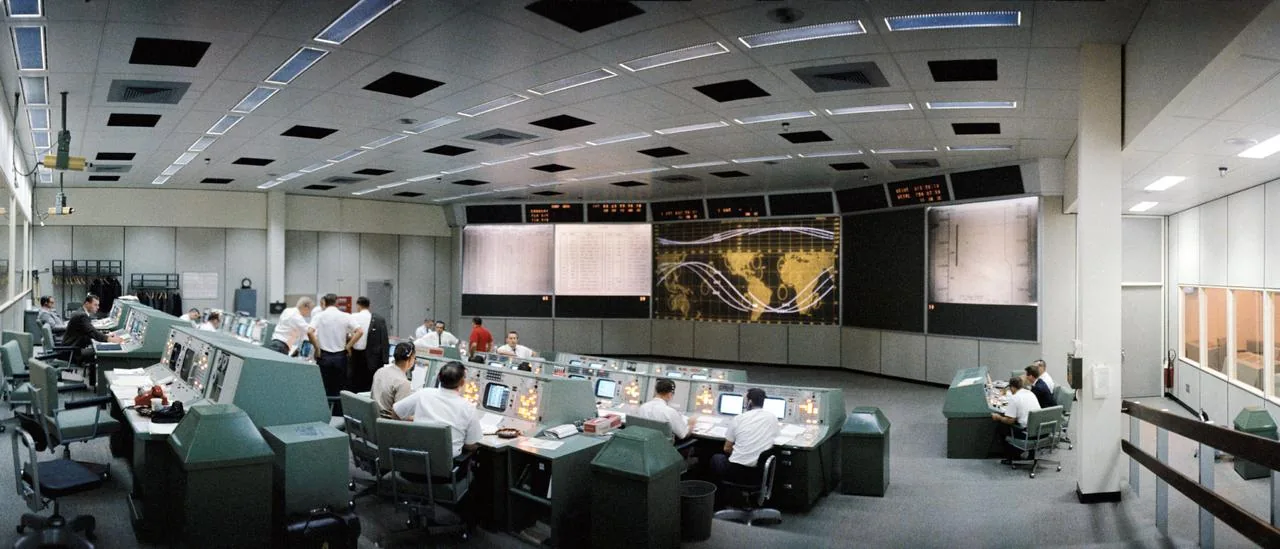
How to land a NASA, SpaceX, ESA, JPL, or Rocket Lab internship: application timelines, citizenship rules, resume tips, and what interviewers actually ask

What it actually takes to become an aerospace engineer in 2026: degrees, specializations, salaries at NASA vs SpaceX, and the day-to-day reality of the job.
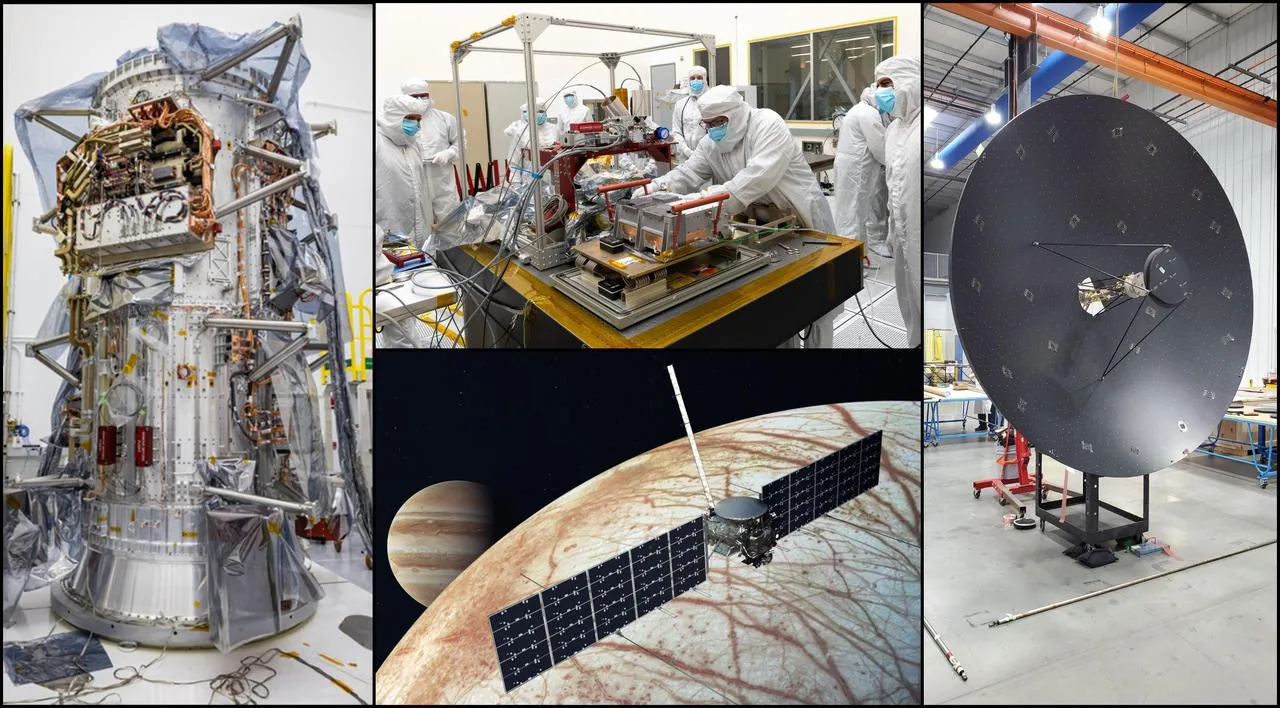
NASA's Europa Clipper launched October 2024 to probe Jupiter's icy moon — whose subsurface ocean holds twice Earth's water and may harbor the conditions for life.
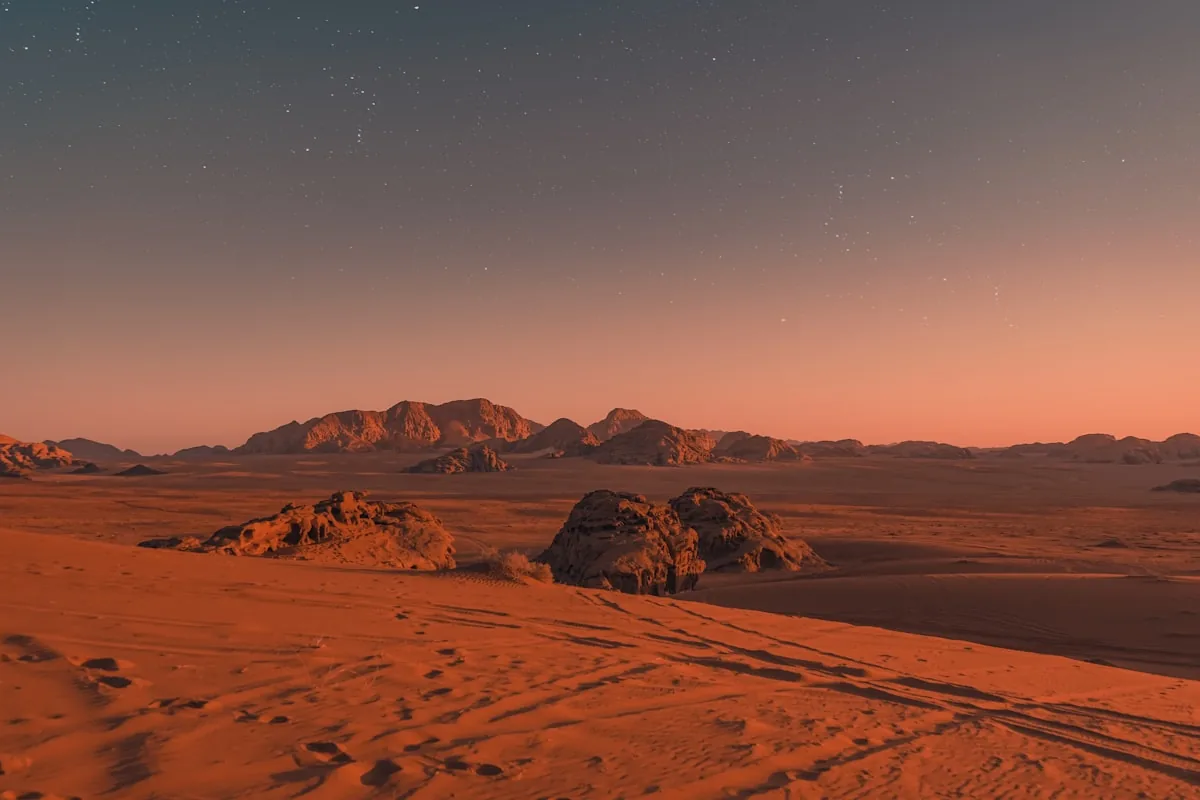
Mars once held an ocean; today ice lurks beneath Jezero Crater and the polar caps. What NASA and ESA missions reveal about ancient water, astrobiology,
Voyager 1 and 2 launched in 1977 with 1970s tech. 47 years later, they're in interstellar space and still sending data. How their RTGs, radios and heliopause crossing work.
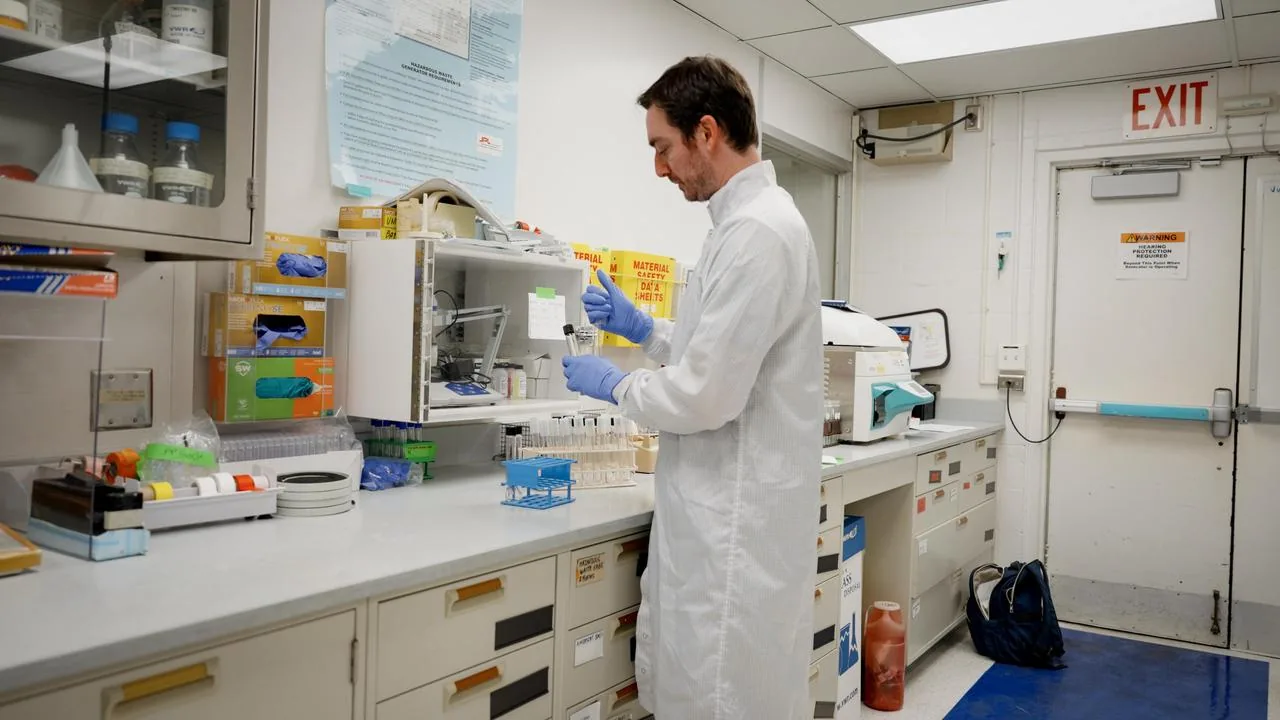
The Artemis Accords explained: the 40+ countries that signed NASA's lunar framework since 2020, what the rules actually say, and why China and Russia refused.
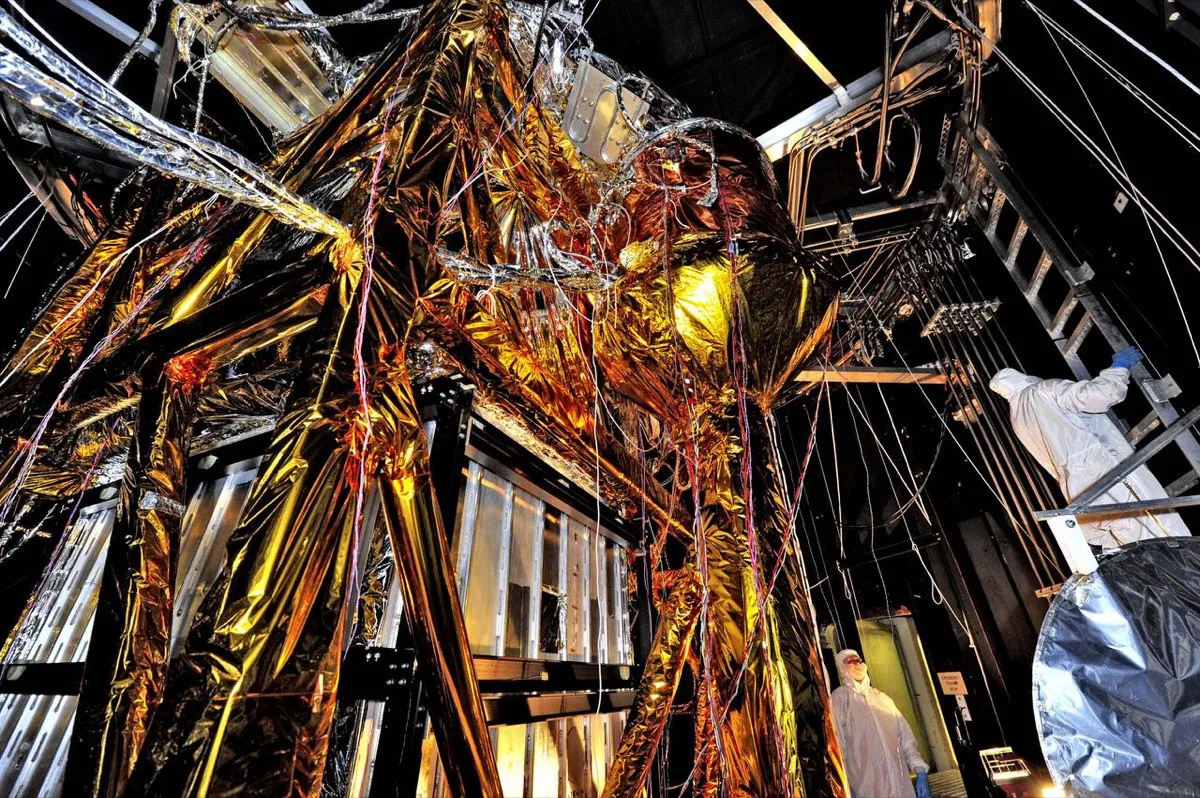
How JWST actually works: 18 gold-coated mirrors, a tennis-court sunshield, 344 single points of failure, and the infrared tricks that revealed the early
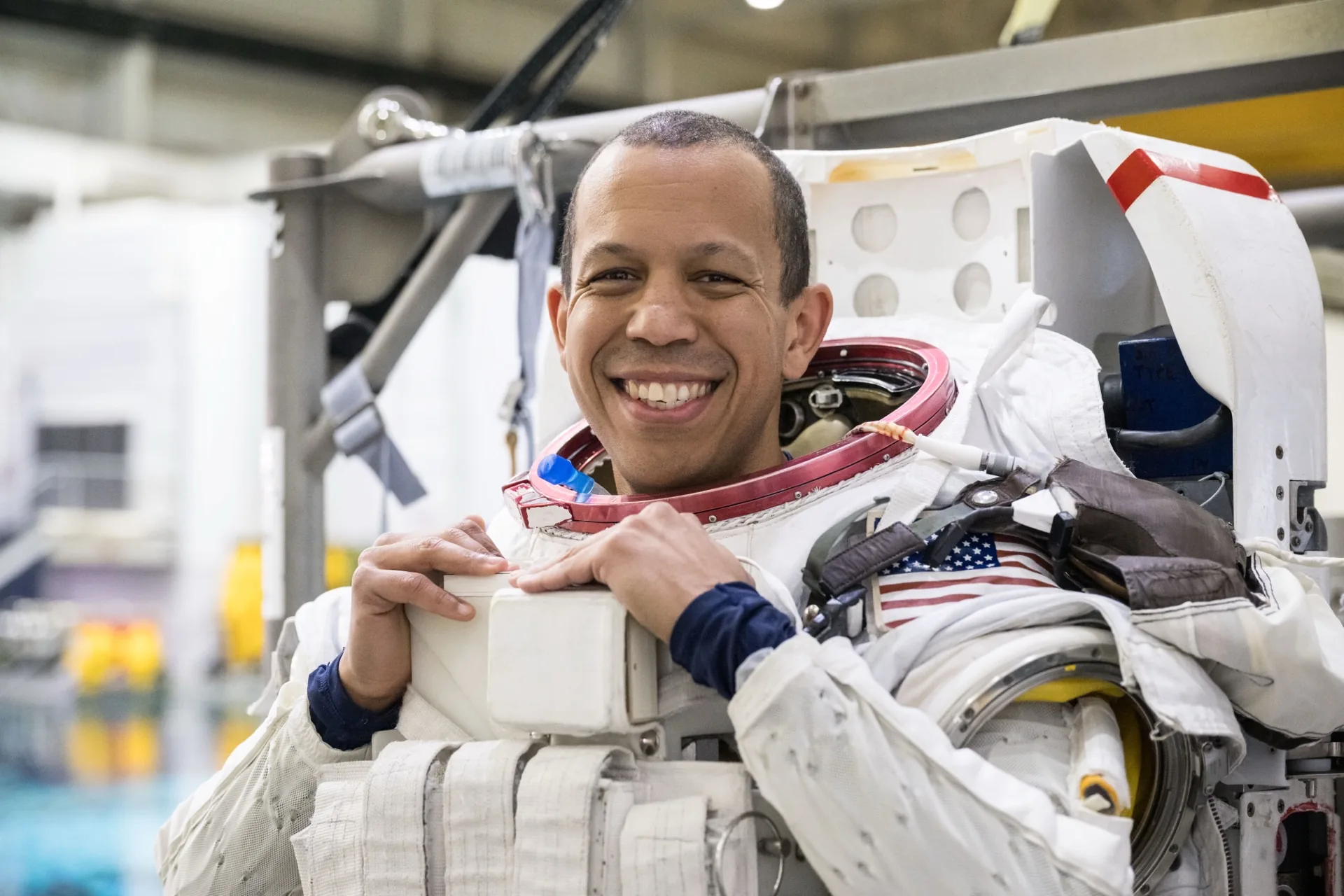
NASA's 2021 class had 18,300 applicants for 10 spots — the real pathways to becoming an astronaut in 2026 via NASA, ESA, ISRO, JAXA, CNSA, and commercial flight programs.