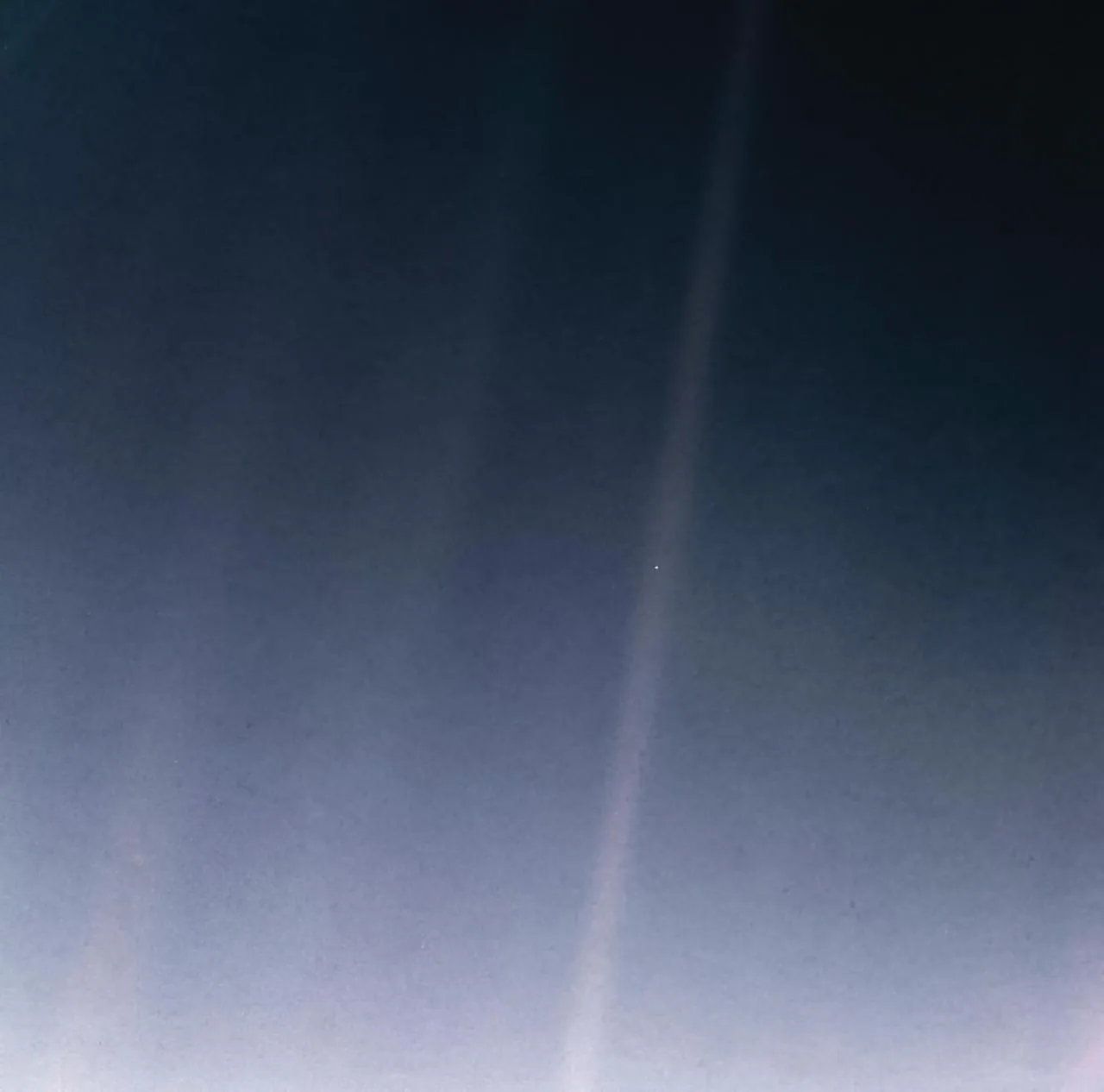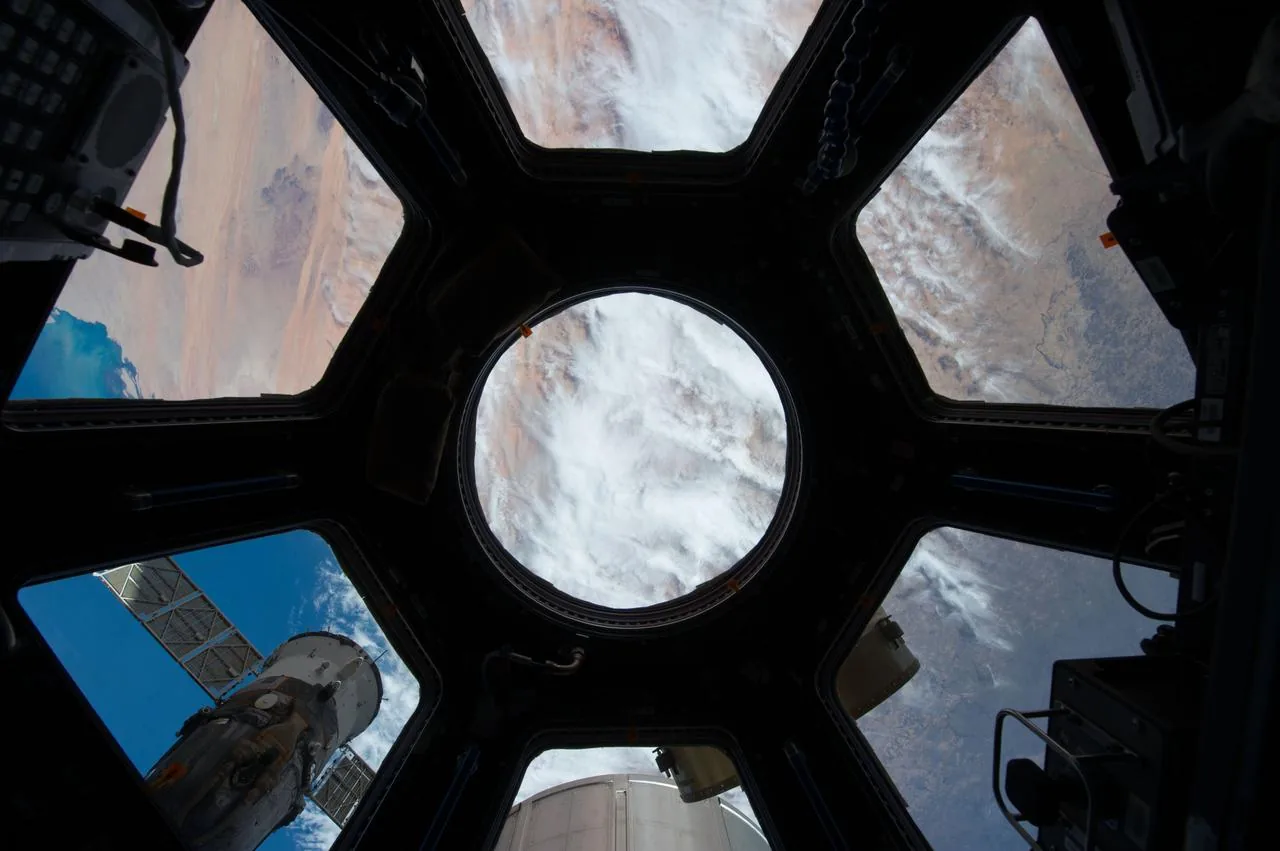
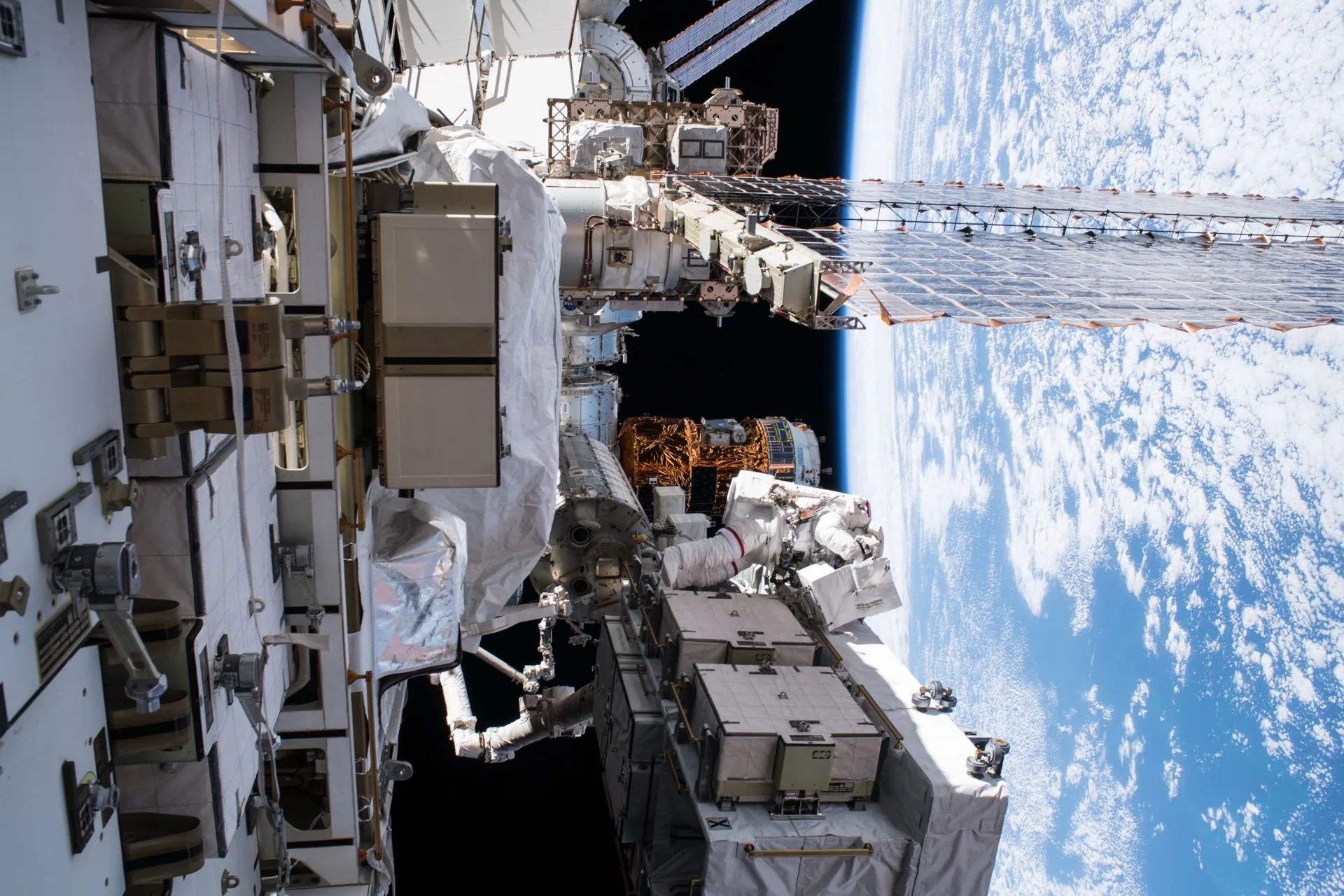
There is a moment that nearly every astronaut describes, and they all struggle to find the right words for it. They are floating in orbit, or standing on the Moon, or simply glancing out a cupola window during a quiet moment on the International Space Station. They see Earth -- the whole thing, all at once -- and something inside them shifts permanently.
Borders vanish. The wars and arguments and stock tickers that consumed their attention on the surface suddenly seem absurd. The atmosphere, that thin blue ribbon cradling all known life, looks heartbreakingly fragile. They feel, in a way they cannot quite articulate, that everything is connected.
This is the Overview Effect, and it might be the most important psychological phenomenon that most people have never heard of.
A Name for Something Ancient
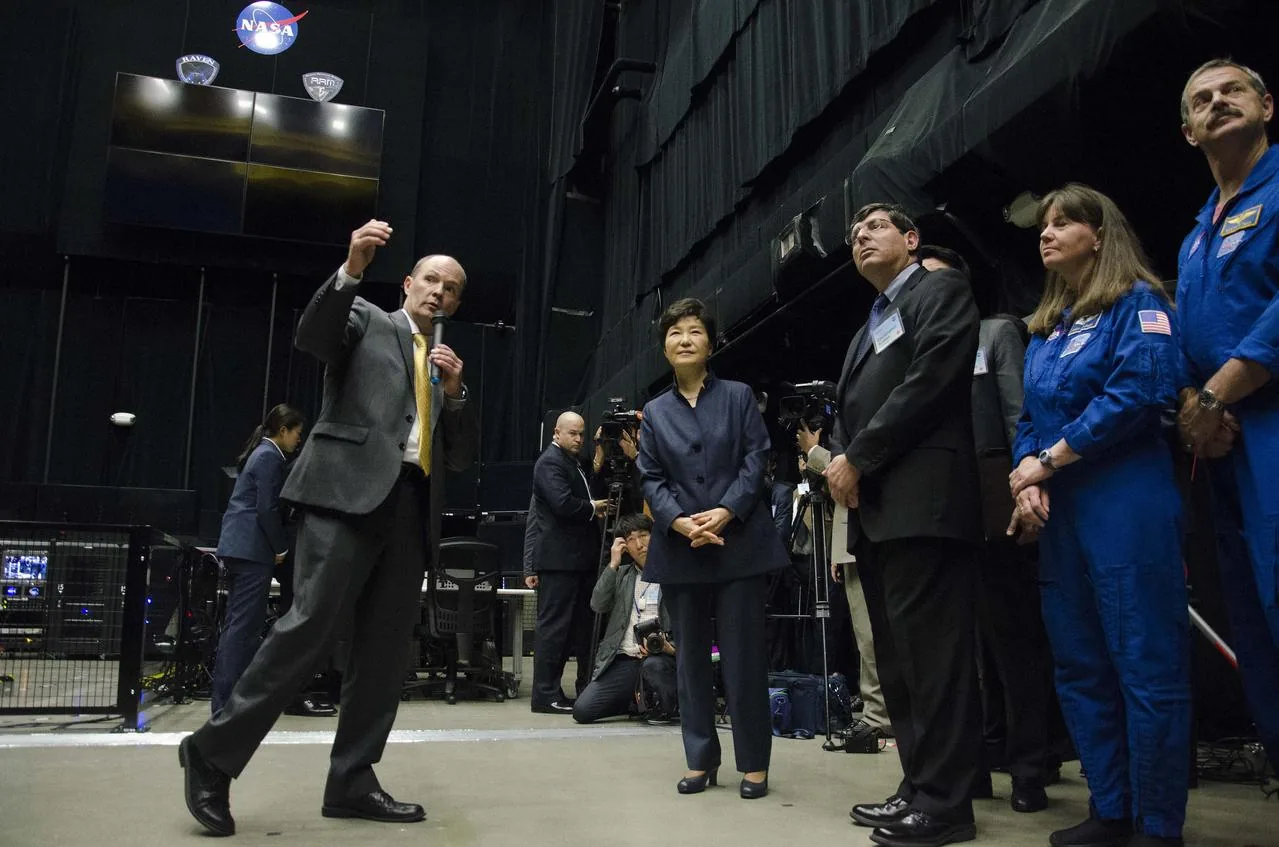
The term was coined by Frank White in his 1987 book The Overview Effect: Space Exploration and Human Evolution. White, a Harvard-educated writer and space philosopher, did not discover a new phenomenon so much as give language to something astronauts had been experiencing since Yuri Gagarin's first orbit in 1961.
White interviewed dozens of spacefarers and found a remarkably consistent pattern: a cognitive shift toward what he called "global consciousness." The experience was not just visual -- it was existential. Seeing Earth from the outside did not simply show astronauts something new. It changed how they understood everything they already knew.
"You develop an instant global consciousness," White wrote, "a people orientation, an intense dissatisfaction with the state of the world, and a compulsion to do something about it."
Astronauts in Their Own Words
The testimonials are extraordinary in their consistency and their emotional intensity.
Edgar Mitchell, the sixth person to walk on the Moon during Apollo 14, described looking back at Earth during the return journey and experiencing what he called "an explosion of awareness." He later said: "You develop an instant global consciousness, a people orientation, an intense dissatisfaction with the state of the world, and a compulsion to do something about it. From out there on the Moon, international politics look so petty. You want to grab a politician by the scruff of the neck and drag him a quarter of a million miles out and say, 'Look at that, you son of a bitch.'"
Mitchell was so profoundly affected that he founded the Institute of Noetic Sciences after returning to Earth, dedicating the rest of his life to studying consciousness and the interconnectedness of life.
Ron Garan, a NASA astronaut who spent 178 days in orbit, coined the phrase "orbital perspective" to describe how spaceflight reshaped his worldview. "When you see Earth from space," he wrote, "you see this incredibly beautiful, fragile-looking planet floating in the void, and you realize that the thin atmosphere is all that separates every living thing from the vacuum of space. It changes your relationship with the planet. It changes your relationship with every person on it."
Garan went on to found the Fragile Oasis project, using the overview effect as a framework for humanitarian and environmental work.
Chris Hadfield, the Canadian astronaut who became a global celebrity during his time commanding the ISS, has spoken eloquently about the gradual deepening of the experience. On his first shuttle mission, he was dazzled. By his third flight, living aboard the station for months, the effect had transformed from spectacle to something meditative. He describes watching 16 sunrises and sunsets every day, watching weather systems move across continents, and slowly coming to feel that the station was not above the world but part of it.
"The world just becomes this incredibly clear, logical, beautiful thing," Hadfield told an interviewer. "And you think, why does everybody not understand this?"
William Shatner's Profound Grief
Perhaps the most unexpected and emotionally raw testimony came not from a career astronaut but from an actor. In October 2021, William Shatner -- Captain Kirk himself -- flew to the edge of space aboard Blue Origin's New Shepard rocket at the age of 90.
The footage of his return is striking. While Jeff Bezos and others celebrate with champagne, Shatner stands apart, visibly shaken, tears in his eyes. He later described the experience in language that surprised many who expected celebratory enthusiasm.
"I saw the blackness of space and the blue of Earth, and it was the most profound experience," he said. But rather than elation, he felt grief. He saw the thin blue line of the atmosphere and thought about its fragility. He looked into the darkness of space and felt the cold indifference of the void. "All I saw was death," he said of the blackness beyond the atmosphere. "I saw vulnerability. I saw mortality."
Shatner's reaction was closer to what some researchers call the "overview effect in reverse" -- not just awe at Earth's beauty, but a piercing awareness of how precarious life really is. He later wrote a book about the experience, Boldly Go, in which he reflected on environmental destruction and the urgency of protecting the planet.
The Psychology Behind the Shift
Researchers have been studying the overview effect with increasing rigor over the past two decades, and the findings are genuinely fascinating.
Dr. David Yaden, a psychologist at Johns Hopkins University, has studied the phenomenon as a form of "self-transcendent experience" -- a category that includes awe, mystical states, and peak experiences as described by Abraham Maslow. His research suggests that the overview effect involves a temporary dissolution of the boundaries between self and world, similar to what meditators and mystics have described for centuries, but triggered by a visual stimulus so overwhelming that it bypasses normal cognitive processing.
Brain imaging studies of people viewing high-definition footage of Earth from space show activation in areas associated with awe, empathy, and self-transcendence. The experience appears to temporarily quiet the default mode network -- the brain regions involved in self-referential thinking and ego maintenance -- which may explain why astronauts consistently report feeling a diminished sense of individual identity and an expanded sense of connection.
The "thin blue line" element is particularly powerful. Every astronaut mentions the atmosphere. From the surface, it seems infinite -- we live inside it, breathe it, take it for granted. From orbit, it is visibly, terrifyingly thin. A sliver of gas between life and oblivion. This visual confrontation with fragility appears to be the single strongest trigger of the overview effect's emotional intensity.
Can You Experience It Without Going to Space?
This is the question that has driven a wave of creative and technological experimentation. If the overview effect can reshape human consciousness, could it be a tool for environmental awareness and global empathy on a mass scale?
Virtual Reality has been the most promising avenue. A number of research groups and companies have created VR experiences designed to simulate the view from orbit. SpaceVR, the Overview One project, and various collaborations with the ISS National Lab have attempted to capture and recreate the visual conditions that trigger the effect. Studies suggest that high-quality VR simulations of the orbital view can induce measurable increases in awe, environmental concern, and feelings of global connection -- though participants consistently report that they know it is not the same.
Blue Origin and Virgin Galactic flights have offered a taste to civilian passengers. The suborbital trajectory provides a few minutes of weightlessness and a view of the curved Earth against the blackness of space. Reports from passengers have been varied -- some describe profound emotional reactions similar to those of orbital astronauts, while others report more of a thrilling tourism experience. The brevity of the exposure may be a limiting factor; orbital astronauts describe the effect deepening over days and weeks of continuous viewing.
IMAX and planetarium experiences have also attempted to bottle the overview effect, with varying success. The 2016 IMAX documentary A Beautiful Planet, shot aboard the ISS, used footage specifically designed to evoke the astronaut perspective, and audience studies showed measurable shifts in environmental attitude after viewing.
The Philosophical Dimension
What makes the overview effect truly remarkable is not just what it does to individuals -- it is what it implies about human consciousness itself.
If a single visual experience can fundamentally reshape a person's relationship to their planet, their species, and their own sense of self, then our everyday consciousness is more provisional than we tend to assume. We are not simply processing the world as it is. We are processing a version of it -- a ground-level, ego-centric, nation-state-organized version -- and the overview effect reveals that version to be a kind of comfortable fiction.
The philosopher Thomas Nagel famously asked, "What is it like to be a bat?" The overview effect raises a parallel question: What is it like to see your world from the outside? And the answer, based on decades of astronaut testimony, is that it is life-changing. It does not give you new information. It gives you a new way of understanding information you already had.
Every astronaut already knew that borders were imaginary lines. Every astronaut already knew that the atmosphere was thin. But knowing something intellectually and seeing it with your own eyes, floating in the void, watching the sun rise over a borderless planet every 90 minutes -- those are different kinds of knowing.
Why This Matters Now
We live in an era of extraordinary fragmentation. Political tribalism, algorithmic echo chambers, and nationalist rhetoric push us toward ever-narrower definitions of "us." The overview effect pushes in the opposite direction. It is, in a sense, the ultimate antidote to parochialism.
As space tourism slowly becomes accessible to more people, and as VR technology improves, the overview effect has the potential to move from astronaut anecdote to widespread human experience. Frank White himself has argued that this is not just a nice side effect of space exploration -- it may be its most important outcome.
We went to space to explore the cosmos. What we found, more than anything else, was a new way of seeing home.