Some spacecraft are born fast. Others take the scenic route. Dream Chaser, Sierra Space's winged space plane, has been in development in one form or another for over three decades, tracing its lineage back to NASA's HL-20 lifting body studies of the 1990s, which themselves drew from the Soviet BOR-4 program of the 1980s. The concept of a winged vehicle that launches on a rocket and glides home to a runway landing is almost as old as human spaceflight itself. What is new is that Dream Chaser, after years of redesigns, funding struggles, and testing milestones, is finally ready to fly operational missions. The first vehicle, named Tenacity, is about to prove that the long wait was worth it.
A Lineage of Lifting Bodies
To appreciate Dream Chaser, you need to understand where it comes from. In the early 1960s, NASA and the U.S. Air Force experimented with lifting body aircraft, vehicles that generated lift from their fuselage shape rather than traditional wings. The M2-F1, HL-10, and X-24 programs demonstrated that a blunt, wingless vehicle could fly controllably through the atmosphere and land on a runway. These programs informed the Space Shuttle's design and proved the aerodynamic concepts that Dream Chaser employs.
In the late 1980s, NASA's Langley Research Center designed the HL-20, a small lifting body crew vehicle intended as an alternative to the Shuttle for space station crew transfer. The program was shelved as NASA's priorities shifted, but the aerodynamic data survived. SpaceDev, a small Colorado company later acquired by Sierra Nevada Corporation (now Sierra Space), licensed the HL-20 design and began developing it into a commercial spacecraft.
The result is Dream Chaser: a roughly 30-foot-long vehicle with stubby, foldable wings and a flat bottom heat shield. It resembles a miniature Space Shuttle but differs in fundamental ways. It launches vertically, attached to the side of a rocket, rather than on a stack configuration. Its heat shield uses ablative tiles rather than the ceramic tiles that plagued the Shuttle program. And it lands at a gentle 330 knots on a conventional runway, pulling only 1.5 Gs during reentry, making it one of the most benign reentry profiles of any spacecraft ever designed.
The Long Road to Flight
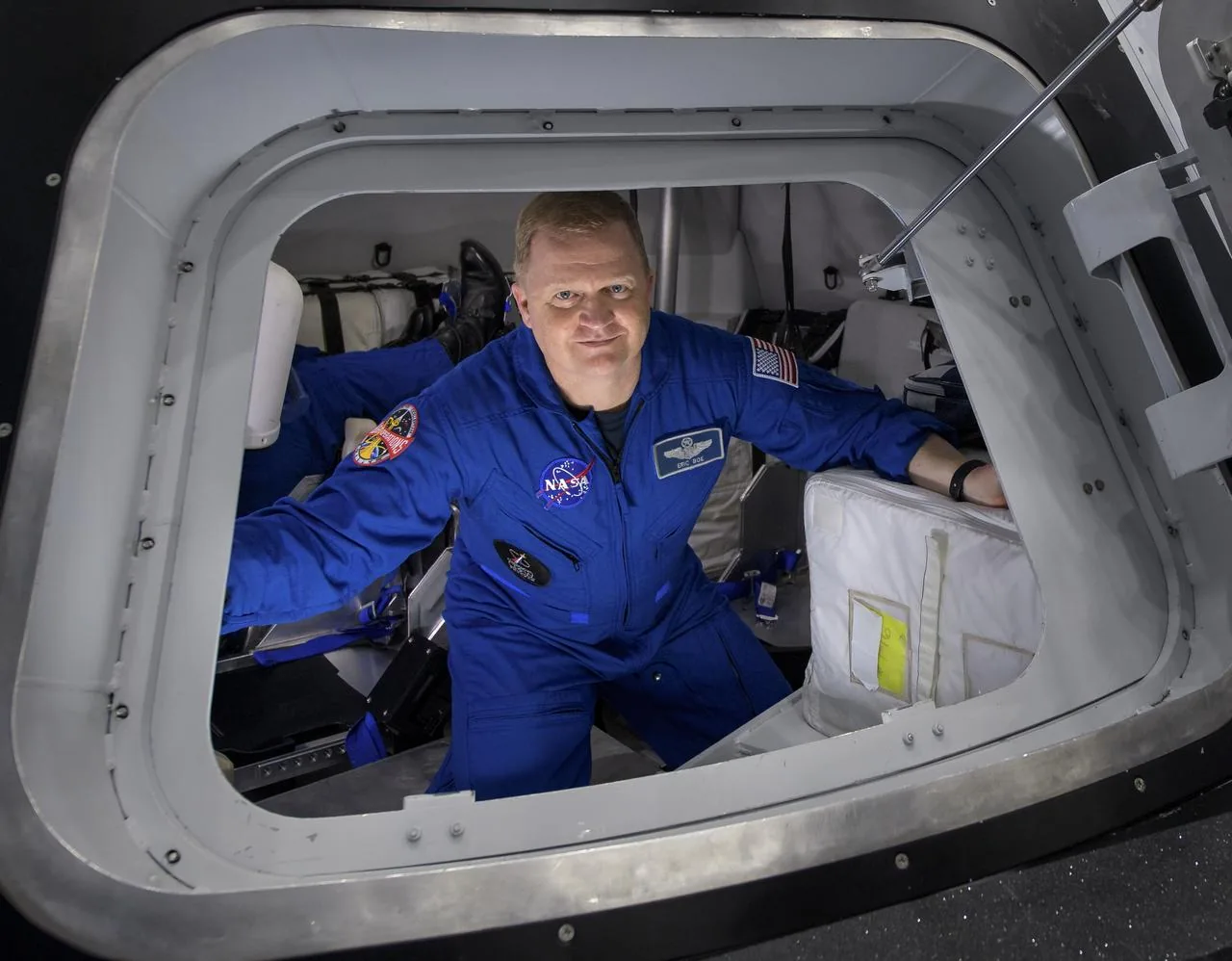
Dream Chaser's path to operational status has been neither smooth nor quick. In 2014, Sierra Nevada competed for NASA's Commercial Crew Program, which would have funded Dream Chaser as a crewed vehicle to ferry astronauts to the ISS. NASA selected SpaceX's Crew Dragon and Boeing's Starliner instead. The decision was a significant blow, but Sierra Nevada pivoted, refocusing Dream Chaser as an uncrewed cargo vehicle and winning a Commercial Resupply Services 2 (CRS-2) contract to deliver cargo to the International Space Station.
The CRS-2 contract, valued at a minimum of $1.4 billion for at least six cargo missions, gave Dream Chaser a stable funding base and a clear mission. Each flight will deliver approximately 5,500 kilograms of cargo to the ISS, including pressurized supplies in the main vehicle and unpressurized cargo in the Shooting Star disposable cargo module attached to the rear.
Development continued through the late 2010s and early 2020s, marked by significant milestones. Free-flight glide tests at Edwards Air Force Base validated the vehicle's approach and landing characteristics. Structural testing pushed the airframe beyond its design limits to verify safety margins. Thermal protection system testing confirmed the heat shield's performance during reentry conditions.
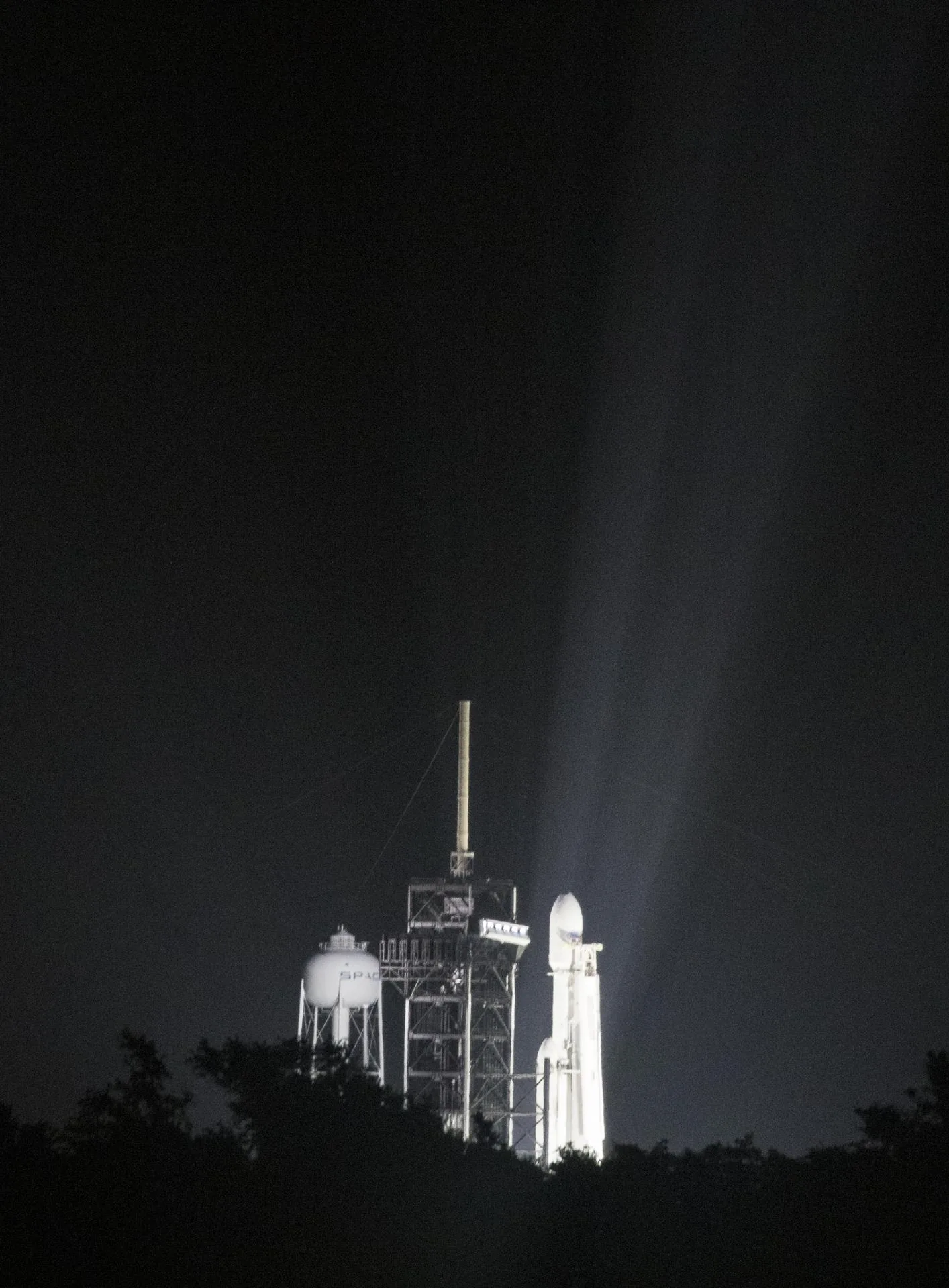
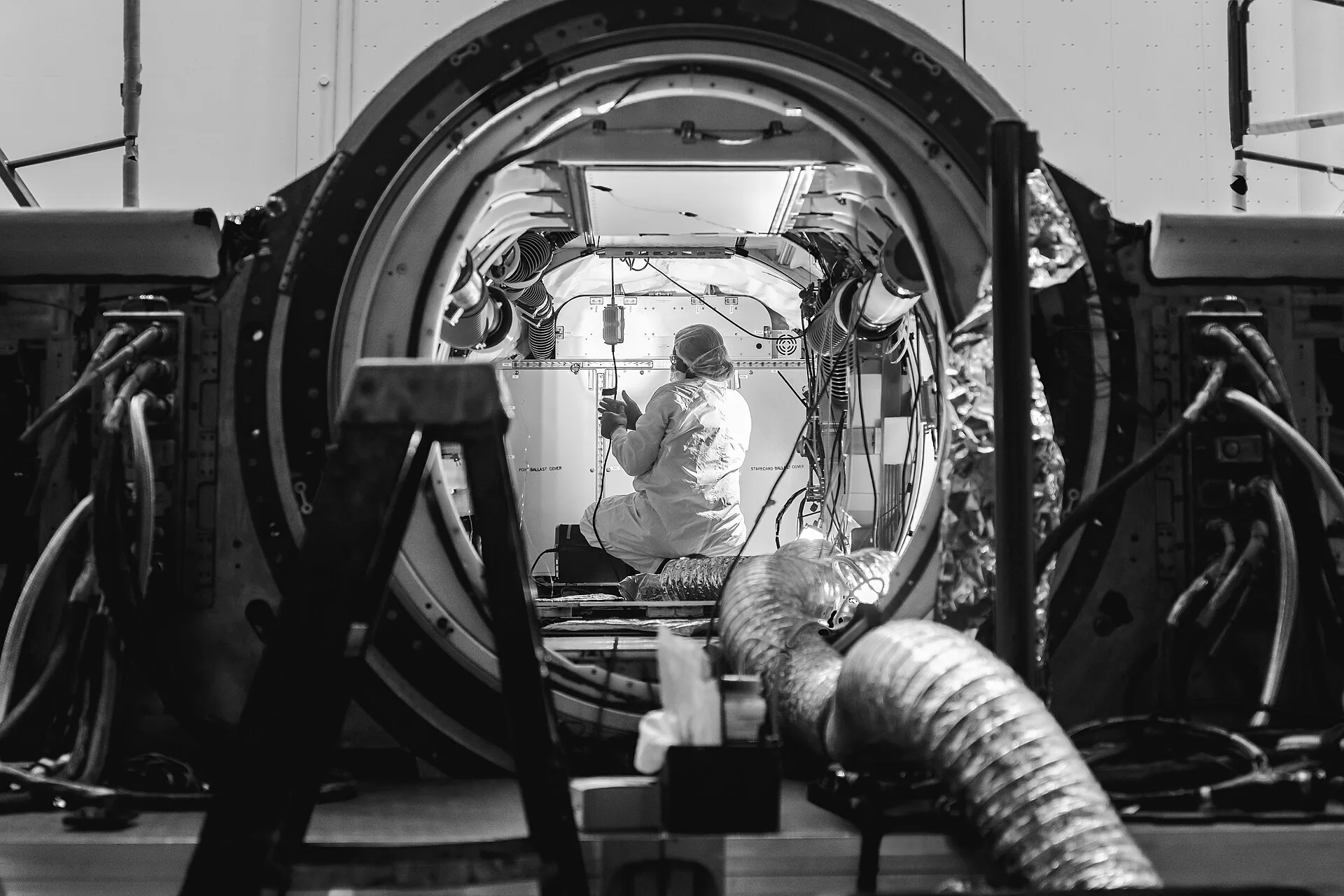
The vehicle named Tenacity, the first flight article, was assembled at Sierra Space's Louisville, Colorado facility and transported to NASA's Kennedy Space Center for final processing and integration with its ULA Vulcan Centaur launch vehicle. The first mission, designated SNC Demo-1, will demonstrate the full mission profile: launch, orbital operations, ISS approach and berthing, cargo transfer, unberthing, deorbit, reentry, and runway landing.
What Makes Dream Chaser Different
In a launch market dominated by capsules, Dragon and Starliner and Orion, Dream Chaser's winged design is distinctive. The choice of a lifting body architecture is not aesthetic; it is driven by specific operational advantages.
Runway landing. Dream Chaser can land on any runway long enough to accommodate a commercial airliner. This means it can return cargo, including delicate science experiments and biological samples, to locations near research facilities rather than splashing down in the ocean hundreds of miles from shore. The Shuttle could do this too, but Dream Chaser does it without the enormous infrastructure the Shuttle program required. The vehicle can land at the former Shuttle Landing Facility at Kennedy Space Center, at commercial airports, or at international airstrips. This flexibility is a game-changer for time-sensitive cargo return.
Low-G reentry. The lifting body shape generates aerodynamic lift during reentry, allowing a gradual, controlled descent that subjects the vehicle and its contents to only about 1.5 Gs. Compare this to capsule reentries, which impose 3 to 4 Gs or more. For certain types of cargo, particularly biological experiments, pharmaceutical samples, and sensitive electronics, the difference matters enormously. Protein crystals grown in microgravity, for example, can be damaged by the shock of a capsule splashdown. Dream Chaser's gentle landing preserves their integrity.
Reusability. Dream Chaser is designed for at least 15 missions per vehicle. The primary structure, thermal protection system, and flight systems are all built for repeated use, with the Shooting Star cargo module being the only expendable element. Reusability amortizes the vehicle's development and manufacturing cost over many flights, reducing per-mission costs as the fleet accumulates flight history.
Cross-range capability. During reentry, Dream Chaser can maneuver laterally up to 1,100 miles from its orbital ground track, giving mission planners enormous flexibility in choosing when and where to deorbit. This cross-range capability means the vehicle is not constrained to a narrow deorbit window for a specific landing site, improving scheduling flexibility and weather avoidance options.
The Shooting Star Cargo Module

An innovative element of the Dream Chaser system is Shooting Star, a disposable cargo module that attaches to the rear of the vehicle and approximately doubles its cargo capacity. Shooting Star carries unpressurized cargo, items that do not need a breathable atmosphere, such as external station hardware, replacement parts for the station's exterior systems, and experiments designed for the vacuum of space.
After Dream Chaser departs the ISS, Shooting Star detaches and is loaded with station waste and disposable items. It then reenters the atmosphere and burns up, eliminating the need to return trash to Earth. This trash disposal function is genuinely valuable; managing waste on the ISS is a constant logistical challenge, and every kilogram of waste that burns up in the atmosphere is a kilogram that does not need to be stored or returned.
The Space Shuttle Comparison
The inevitable comparison to the Space Shuttle is both fair and misleading. Fair because Dream Chaser is, like the Shuttle, a winged vehicle that launches on a rocket, operates in orbit, and lands on a runway. The aerodynamic heritage is directly connected. Misleading because Dream Chaser is a fundamentally different kind of vehicle in almost every other respect.
The Shuttle was a 100-ton crewed vehicle designed to do everything: launch satellites, service telescopes, build space stations, conduct science, and carry military payloads. Its versatility was also its curse, as the complexity required to serve all those roles made it expensive, dangerous, and difficult to maintain. The Shuttle cost roughly $1.5 billion per launch and tragically killed 14 astronauts in two accidents.
Dream Chaser is focused and modest by comparison. At roughly 10 tons, it is an order of magnitude smaller. In its current configuration, it carries cargo, not crew. It does not deploy satellites or service telescopes. Its mission is simple: deliver supplies to the ISS, bring back science experiments and cargo, and land safely. By doing less, it can do its job more reliably and affordably.
The Crew Variant: A Future Possibility
Sierra Space has never hidden its ambition to develop a crewed variant of Dream Chaser. The vehicle's gentle reentry profile, runway landing capability, and lifting body design make it inherently well-suited for human passengers. A crew Dream Chaser could carry up to seven astronauts and would offer a qualitatively different experience from capsule-based transportation, particularly for commercial passengers who may not relish the idea of a high-G reentry and ocean splashdown.
The crew variant would require additional development: a launch escape system, life support upgrades, crew displays and controls, and human-rating certification from NASA. None of these are insurmountable technical challenges; they are engineering and funding challenges. If the cargo variant proves successful and generates revenue, the business case for a crew variant strengthens considerably.
Sierra Space has also discussed Dream Chaser's potential role in its broader orbital ecosystem, which includes the LIFE habitat, an inflatable space station module designed for commercial and government use. A crewed Dream Chaser transporting people to a LIFE habitat represents a complete, vertically integrated commercial space infrastructure. That is the long-term vision.
What the First Flight Means
Tenacity's first flight is more than a vehicle test. It is the validation of a thirty-year idea: that a small, reusable, winged spacecraft can serve as a practical and economical workhorse for low Earth orbit operations. Every lifting body that flew at Edwards in the 1960s, every study that NASA conducted on the HL-20, every engineering decision that Sierra Space made through years of development, converges on this moment.
If Tenacity succeeds, Dream Chaser will join a very small club of operational reusable spacecraft, alongside SpaceX's Dragon and Falcon 9 boosters. It will prove that there is more than one way to get cargo to and from orbit, and that the winged, runway-landing approach abandoned after the Shuttle can work in a modern, commercial context.
The space plane is not dead. It was just waiting for the right vehicle and the right moment. Dream Chaser, after all these years, is both.