A New Player Reaches Orbit
For decades, the global space narrative has been dominated by the traditional powers -- the United States, Russia, Europe, China, and more recently India. But quietly and methodically, South Korea has been building one of the most ambitious space programs in Asia. With a fully domestically developed orbital rocket, a spacecraft currently orbiting the Moon, and concrete plans for a lunar landing by 2032, South Korea has signaled that it intends to be a permanent fixture in the ranks of spacefaring nations.
The story of South Korea's rise in space is one of persistence against unusual constraints. For years, missile technology control agreements limited Seoul's ability to develop large rockets. The country's first orbital launch vehicle, the KSLV-I (Naro), relied on a Russian-built first stage and managed only one successful flight in three attempts between 2009 and 2013. That experience cemented a national resolve: South Korea would build the next rocket entirely on its own.
Nuri: South Korea's Homegrown Rocket
The Korea Aerospace Research Institute, known as KARI, spent over a decade and approximately 2 trillion Korean won (roughly $1.6 billion) developing the Nuri rocket, officially designated KSLV-II. Standing 47.2 meters tall with a diameter of 3.5 meters, Nuri is a three-stage liquid-fueled launch vehicle capable of placing 1,500 kilograms into a 600-700 kilometer sun-synchronous orbit.
The development road was not smooth. Nuri's first flight on October 21, 2021, came tantalizingly close to success -- the rocket performed nominally through first and second stage separation, but the third stage engine shut down approximately 46 seconds early, leaving a dummy payload in a lower orbit than planned. South Korean engineers analyzed the anomaly and traced it to a helium tank anchoring issue that caused premature propellant depletion.
The second flight on June 21, 2022, was a triumph. Nuri successfully placed a 162.5-kilogram performance verification satellite and a 1,300-kilogram dummy satellite into orbit, making South Korea the seventh nation in history to independently launch a satellite weighing more than one metric ton using a domestically developed rocket. President Yoon Suk-yeol watched the launch from the Naro Space Center in Goheung and declared it "a precious achievement that opened the door to the space economy."
Nuri flew again successfully on May 25, 2023, carrying eight satellites including the Next-Generation Small Satellite-2 (NEXTSAT-2) for KAIST. A fourth flight followed in 2024, further demonstrating the vehicle's reliability and cementing it as an operational launch system rather than a developmental experiment. Each successive flight has improved confidence in South Korea's rocket technology and manufacturing base.
What makes Nuri particularly significant is its entirely domestic pedigree. The 75-ton-thrust liquid oxygen/kerosene engines that power its first stage -- four of them clustered together generating 300 tons of total thrust -- were designed and built in South Korea. The turbopump technology, combustion chamber design, and guidance systems are all Korean. In an era when even established space nations rely on international supply chains, Nuri's purely homegrown nature represents a strategic and symbolic achievement.
Danuri: Korea's Eye on the Moon
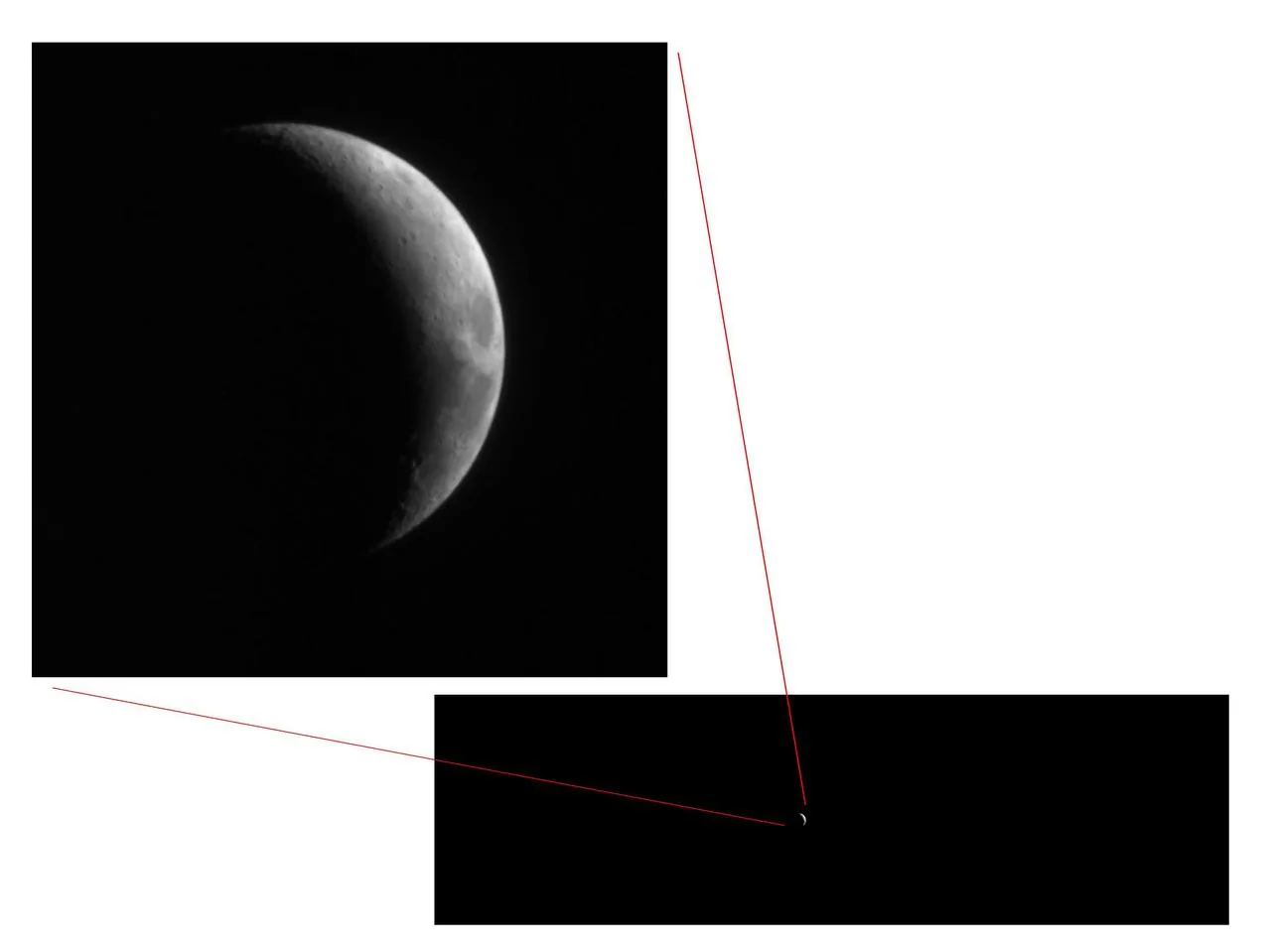
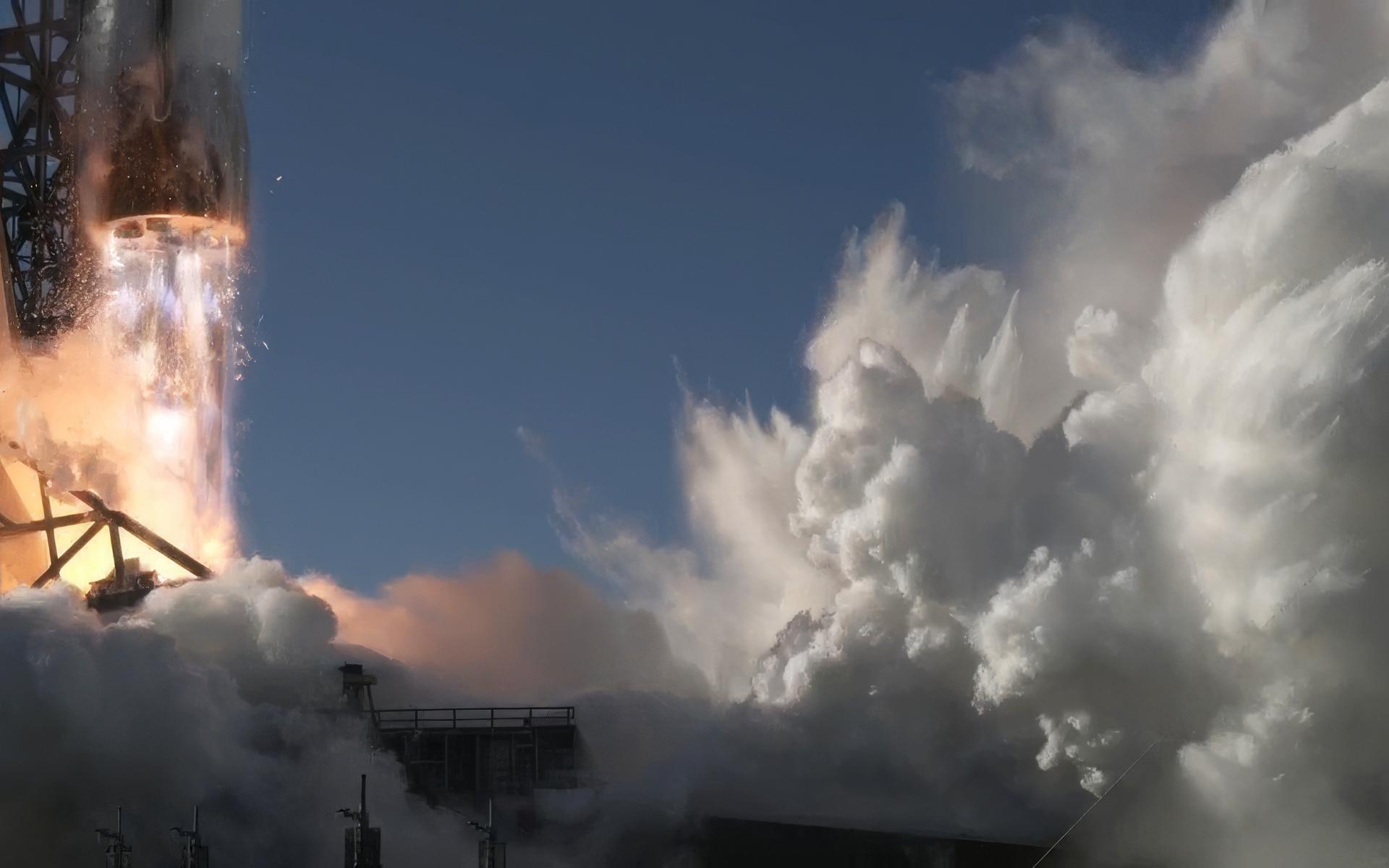
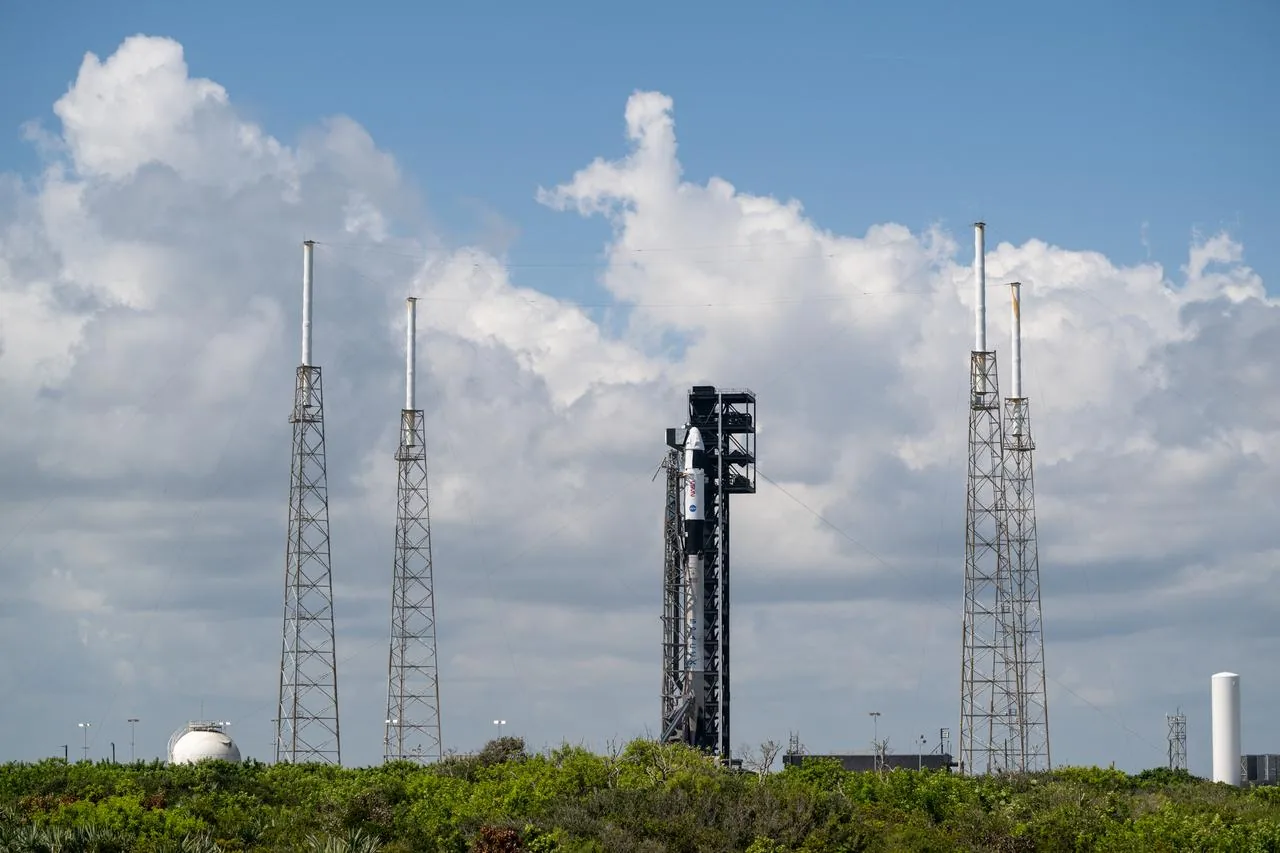
While Nuri was proving itself in low Earth orbit, South Korea's ambitions had already extended to deep space. On August 5, 2022, the Korea Pathfinder Lunar Orbiter -- named Danuri, a portmanteau of the Korean words for "Moon" and "enjoy" -- launched aboard a SpaceX Falcon 9 from Cape Canaveral. It was South Korea's first mission beyond Earth orbit.
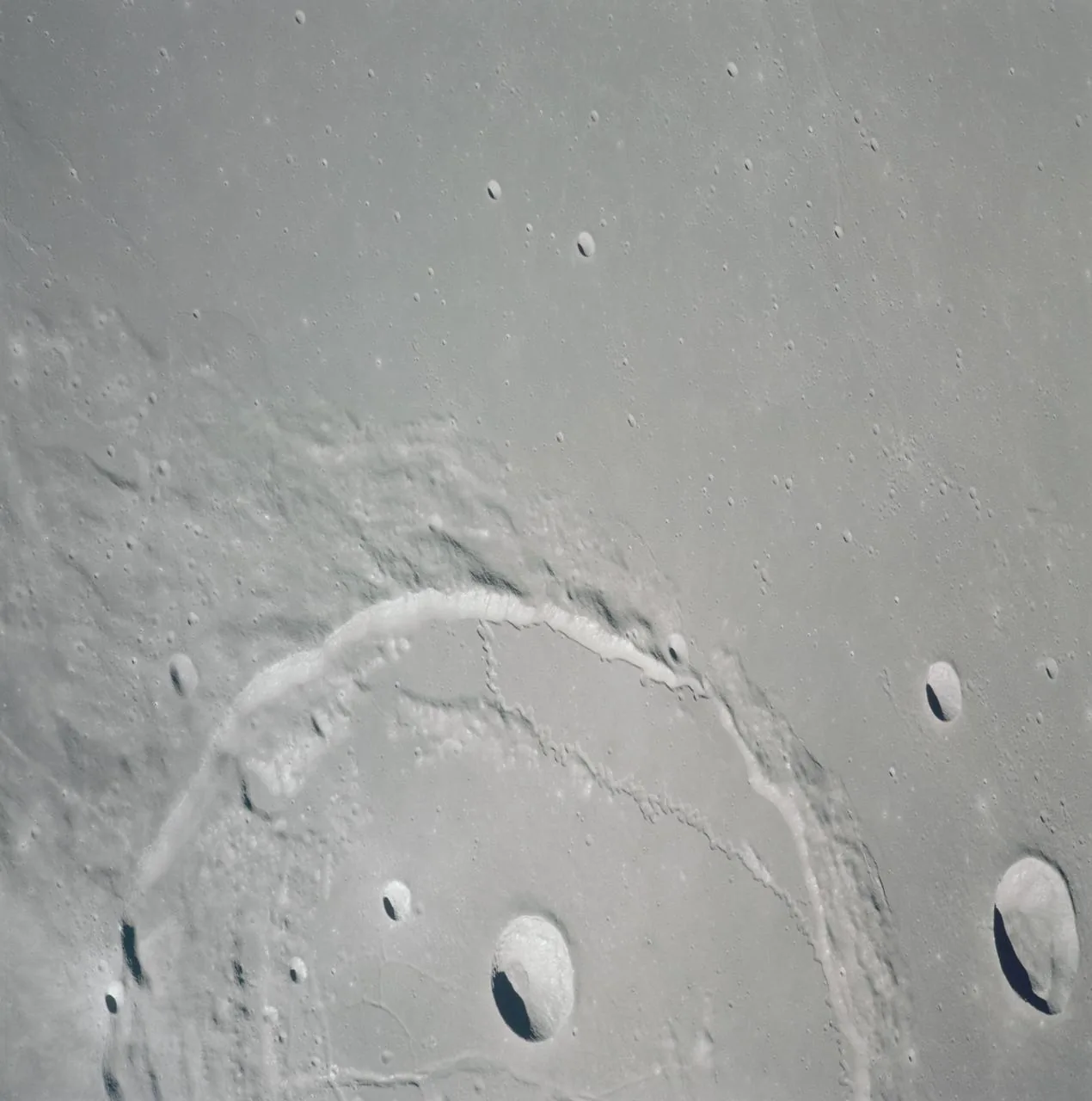
Danuri took a fuel-efficient ballistic lunar transfer trajectory, arriving at the Moon on December 17, 2022, and settling into a roughly 100-kilometer polar orbit. The spacecraft carries six scientific instruments, five developed in Korea and one provided by NASA. The Korean instruments include a high-resolution camera, a wide-angle polarimetric camera for studying the lunar surface, a magnetometer, a gamma-ray spectrometer for mapping the elemental composition of the surface, and a disruption-tolerant networking experiment that tested interplanetary internet protocols by transmitting files and even a music video by K-pop group BTS from lunar orbit.
NASA's contribution, ShadowCam, is arguably the mission's most scientifically consequential instrument. Built by Malin Space Science Systems and managed by Arizona State University, ShadowCam is approximately 200 times more sensitive to light than the cameras on NASA's Lunar Reconnaissance Orbiter. Its purpose is to peer into the permanently shadowed regions of craters near the lunar poles -- areas that never receive direct sunlight and where temperatures plunge below minus 230 degrees Celsius. These frozen voids are believed to harbor deposits of water ice, a resource that could be critical for future human missions to the Moon.
ShadowCam has delivered. The instrument has returned unprecedented images of the interiors of permanently shadowed craters, revealing surface features, boulder distributions, and potential frost patterns that were previously invisible. This data is directly feeding into NASA's Artemis program planning, particularly for selecting landing sites near the lunar south pole. The collaboration exemplifies how a mid-sized space program can punch above its weight by contributing unique capabilities to international partnerships.
Danuri was designed for a one-year primary mission but has continued operating well beyond that timeframe, continuing to return valuable science data as of early 2025.
The Road to 2032: A Korean Lunar Lander
South Korea is not content to merely orbit the Moon. The government has laid out a roadmap that targets a Korean robotic lunar landing by 2032. The planned lander mission would be a significant step up in complexity from Danuri, requiring precision descent and landing technology, surface operations capability, and potentially a small rover.
KARI has been studying lander concepts and key technologies including throttleable engines for powered descent, terrain-relative navigation using onboard cameras and LIDAR, and hazard avoidance algorithms. South Korea's 2032 target puts it in roughly the same timeframe as similar ambitions from other emerging space nations, but the country's track record of meeting its stated goals -- Nuri's development stayed relatively close to schedule despite the pandemic -- lends credibility to the timeline.
The national space budget underpins these ambitions. South Korea has allocated approximately $2.5 billion for space activities through its medium-term planning cycle, a substantial commitment for a country that was spending a fraction of that amount just a decade ago. The investment spans launch vehicle development, satellite systems, space science, and the emerging commercial space sector.
Joining the Artemis Accords in May 2021 was a strategic move that positioned South Korea within the US-led framework for lunar exploration. The accords commit signatories to principles of transparency, interoperability, and peaceful use of space, but they also create pathways for collaborative missions, data sharing, and technology cooperation. For South Korea, Artemis Accord membership means potential involvement in the broader international lunar exploration architecture, from surface science to resource utilization.
The Private Sector Takes Flight
Perhaps the most exciting dimension of South Korea's space evolution is the emergence of a private launch industry. Innospace, a startup founded in 2017, made history on March 29, 2023, when it launched its HANBIT-TLV (Technology Launch Vehicle) from the Alcantara Launch Center in Brazil. The suborbital test flight reached an altitude of approximately 20 kilometers before a flight termination, but it represented the first launch of a privately developed Korean rocket.
Innospace is developing the HANBIT-Nano, a small orbital launch vehicle targeting the growing market for dedicated small satellite launches. The company has attracted significant investment and represents the beginning of what could become a diverse Korean commercial launch ecosystem.
Korea Aerospace Industries (KAI), the country's largest aerospace manufacturer and builder of the KF-21 fighter jet, has also signaled its entry into the space sector. KAI has been involved in satellite manufacturing and is positioning itself as a systems integrator for larger space programs, including potential roles in lunar mission hardware.
The industrial conglomerates that dominate the Korean economy have begun investing in space as well. Hanwha Group, through its subsidiary Hanwha Aerospace, has acquired key assets and is developing satellite and launch vehicle components. Hanwha's involvement is significant because the conglomerate brings deep manufacturing expertise, substantial capital, and a long-term strategic outlook. Samsung, while less directly involved in launch hardware, contributes through its semiconductor and electronics divisions -- satellite systems rely heavily on advanced electronics, and Samsung's fabrication capabilities are world-class.
Strategic Context and the Space Economy
South Korea's space push cannot be understood in purely scientific terms. The country sits in one of the world's most geopolitically sensitive regions, bordered by North Korea's missile program and surrounded by the space capabilities of China, Japan, and Russia. Independent access to space provides strategic intelligence, communications resilience, and national security capabilities that South Korea previously depended on allies to provide.
The economic dimension is equally compelling. South Korea's economy is built on technology exports -- semiconductors, displays, electronics, automobiles, and shipbuilding. Space represents both a new market for these existing strengths and a frontier for developing next-generation technologies. The global space economy, estimated at over $600 billion and growing, offers substantial commercial opportunities for Korean companies in satellite manufacturing, ground systems, data analytics, and launch services.
South Korea's approach to space development reflects the same characteristics that drove its broader economic miracle: long-term planning, heavy investment in education and R&D, close government-industry coordination, and a willingness to learn from failure. From the disappointment of Naro's early failures to the triumph of Nuri and Danuri, the trajectory has been consistently upward.
Looking Ahead
By the early 2030s, South Korea aims to be operating next-generation launch vehicles with greater payload capacity, conducting lunar surface missions, and hosting a competitive commercial space industry. The pieces are falling into place -- an operational domestic rocket, deep space mission experience, growing private sector involvement, and sustained government investment.
The journey from a country that could not build its own orbital rocket to one mapping the Moon's darkest craters has taken barely a decade. If that pace continues, the Korean flag on a lunar lander by 2032 is not just aspirational -- it is achievable. In the expanding constellation of spacefaring nations, South Korea has earned its place, and its ambitions are only growing larger.