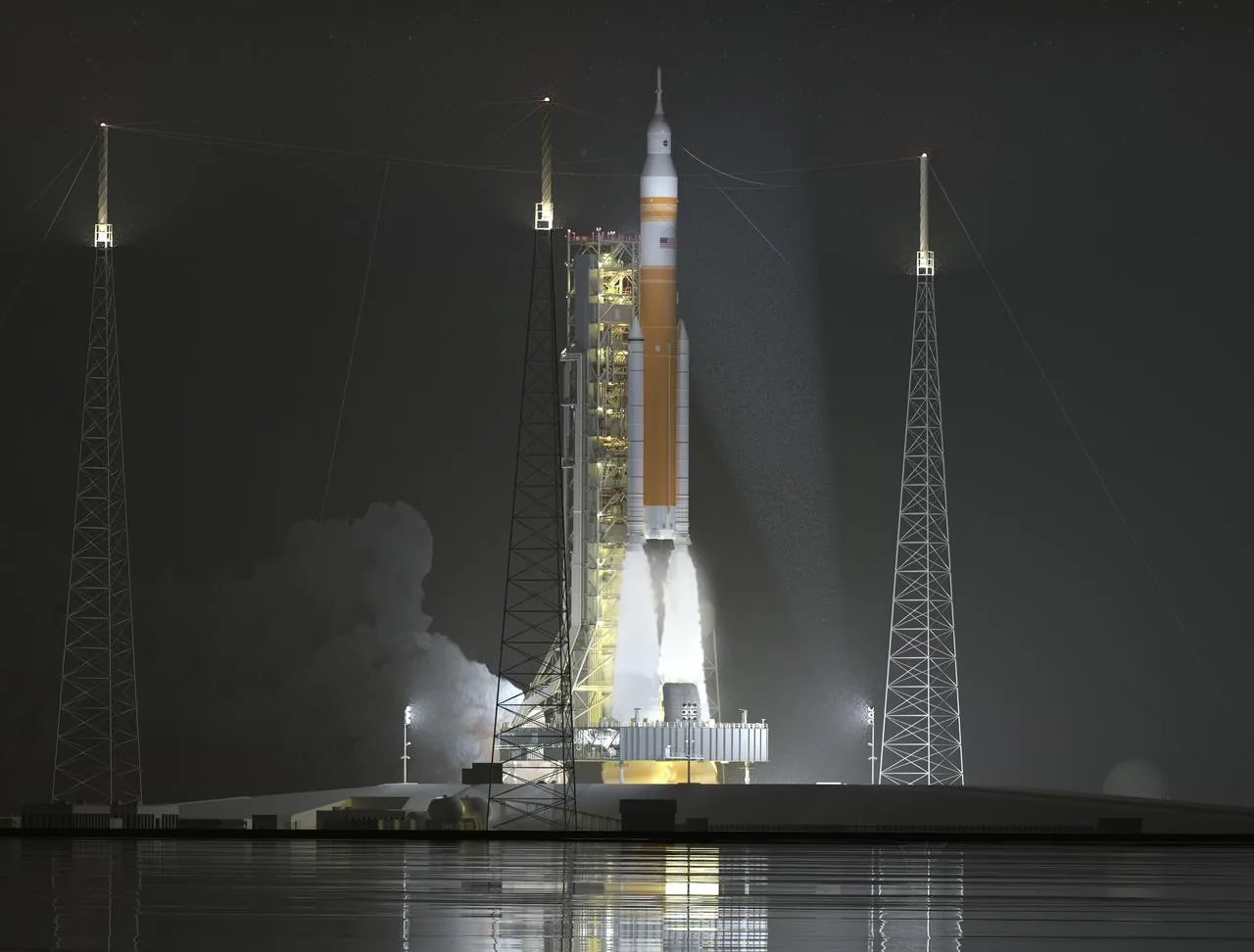
The Artemis program is the most ambitious human spaceflight initiative since Apollo, and it is genuinely happening -- though the architecture has shifted significantly over the past two years. As someone who has followed this program from its earliest concepts, I want to give you an honest picture of where things stand in mid-2026: a successful crewed lunar flyby in the books, a south-pole landing on the runway, the Gateway cancelled, and a leaner ecosystem now built around two competing landers.
Artemis Missions at a Glance (2022–2030+)
| Mission | Date | Crew | Profile | Status (May 2026) | Key Objectives |
|---|---|---|---|---|---|
| Artemis I | Nov 16 – Dec 11, 2022 | Uncrewed | 25-day uncrewed lunar flyby | SUCCESS | First SLS + Orion uncrewed flight test |
| Artemis II | Apr 2026 | 4 (Reid Wiseman, Victor Glover, Christina Koch, Jeremy Hansen) | ~10-day crewed lunar flyby | SUCCESS | First crewed lunar flyby since Apollo 17 (1972); first woman + first non-US person to fly to Moon |
| Artemis III | 2027 (target) | 2 + 2 (TBA) | Crewed lunar surface — south pole | In preparation | First crewed lunar landing since 1972; SpaceX Starship HLS |
| Artemis IV | 2028 (target) | 4 | Crewed lunar mission, post-Gateway-cancellation architecture under review | Restructured | TBD after Gateway cancellation |
| Artemis V | 2029+ (target) | 4 | Crewed lunar mission | Planning | Sustained surface presence; second HLS provider (Blue Origin Blue Moon) |
After the Gateway: A Restructured Path to Sustained Presence
In late 2025, NASA cancelled the Lunar Gateway program — the small space station that was to orbit the Moon in a near-rectilinear halo orbit and serve as a staging point for surface missions. The decision reshapes everything from Artemis IV onward. Without an orbiting outpost, NASA is reworking the Artemis IV+ architecture around direct Orion-to-lander rendezvous in lunar orbit, longer-duration surface stays, and surface infrastructure (habitats, power, mobility) rather than orbital infrastructure.
The two-lander strategy is now the load-bearing pillar of that architecture. SpaceX's Starship HLS remains the lander for Artemis III and IV, while Blue Origin's Blue Moon lander — a more conventional cryogenic design originally slated for Artemis V — moves into a more central role as the second crewed lunar lander provider. Having two independent landing systems gives NASA both redundancy and competitive pressure on cost and schedule, which matters even more now that Gateway-derived capability has to be replaced by something else.
Why the Moon, Again?
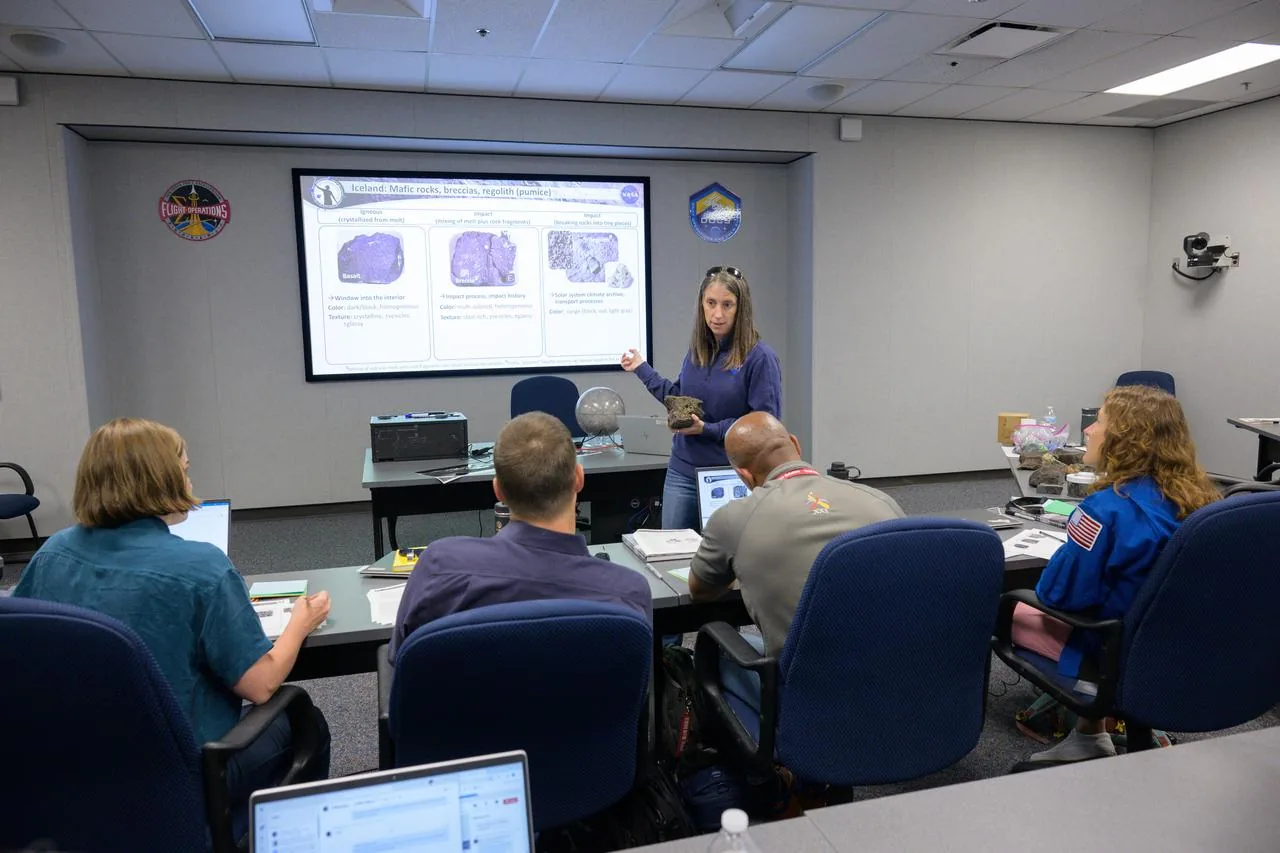
Before we dive into mission details, it is worth remembering why NASA is going back. The Moon is not just a destination for nostalgia. It is a proving ground for technologies we will need on Mars and beyond, a potential source of water ice and other resources, and a scientifically rich world we have barely begun to understand. The lunar south pole, where Artemis crews will eventually land, has never been visited by humans. Permanently shadowed craters there may hold billions of tons of water ice -- a resource that could be converted into drinking water, breathable oxygen, and even rocket fuel.
The Artemis program is named after Apollo's twin sister in Greek mythology, and the symbolism is intentional: this time, the Moon program is designed to be inclusive, sustainable, and permanent. NASA aims to land the first woman and the first person of color on the lunar surface, and to establish the infrastructure for a long-term human presence rather than the flags-and-footprints approach of the 1960s.
Artemis I: The Mission That Started It All
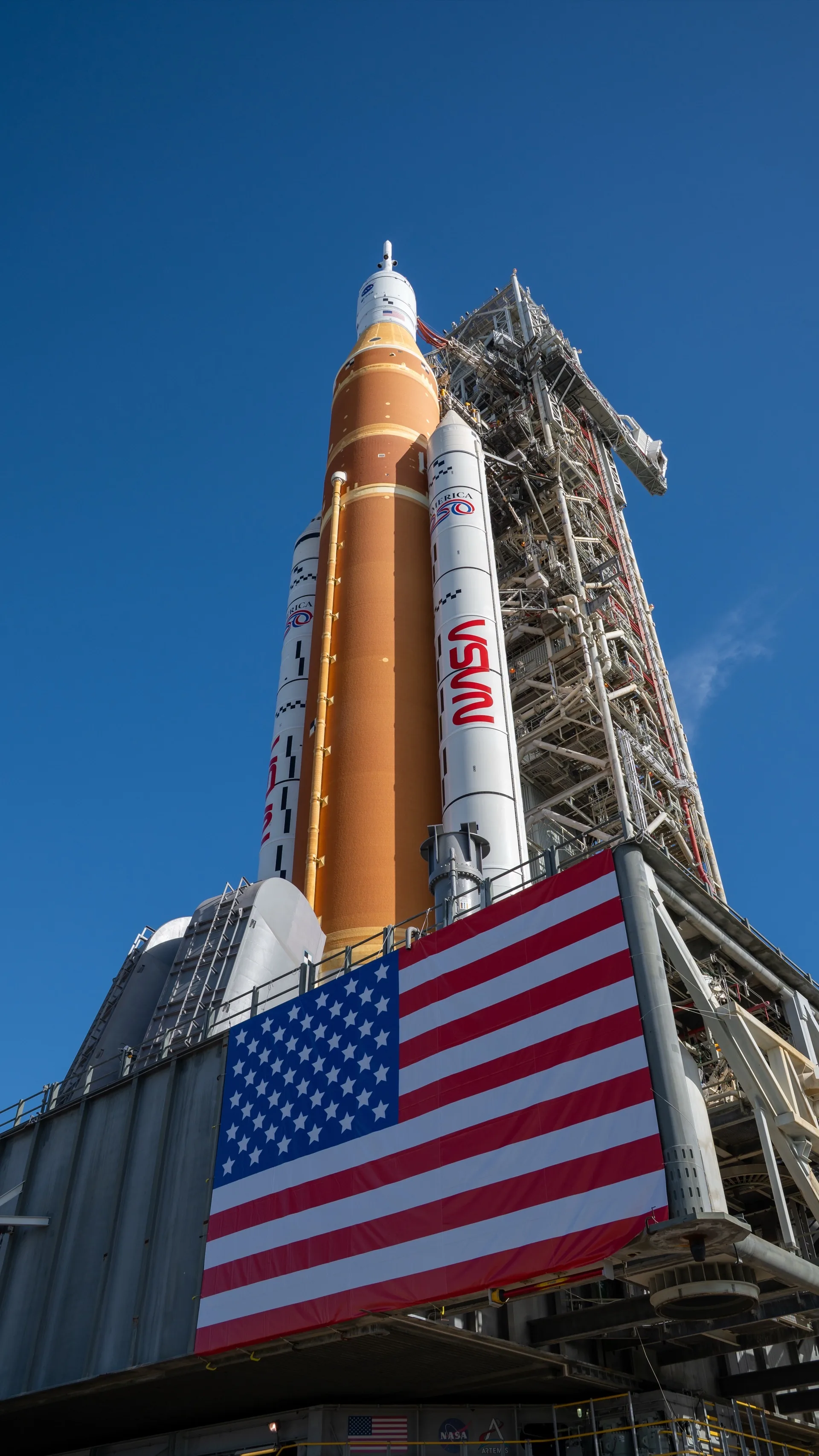
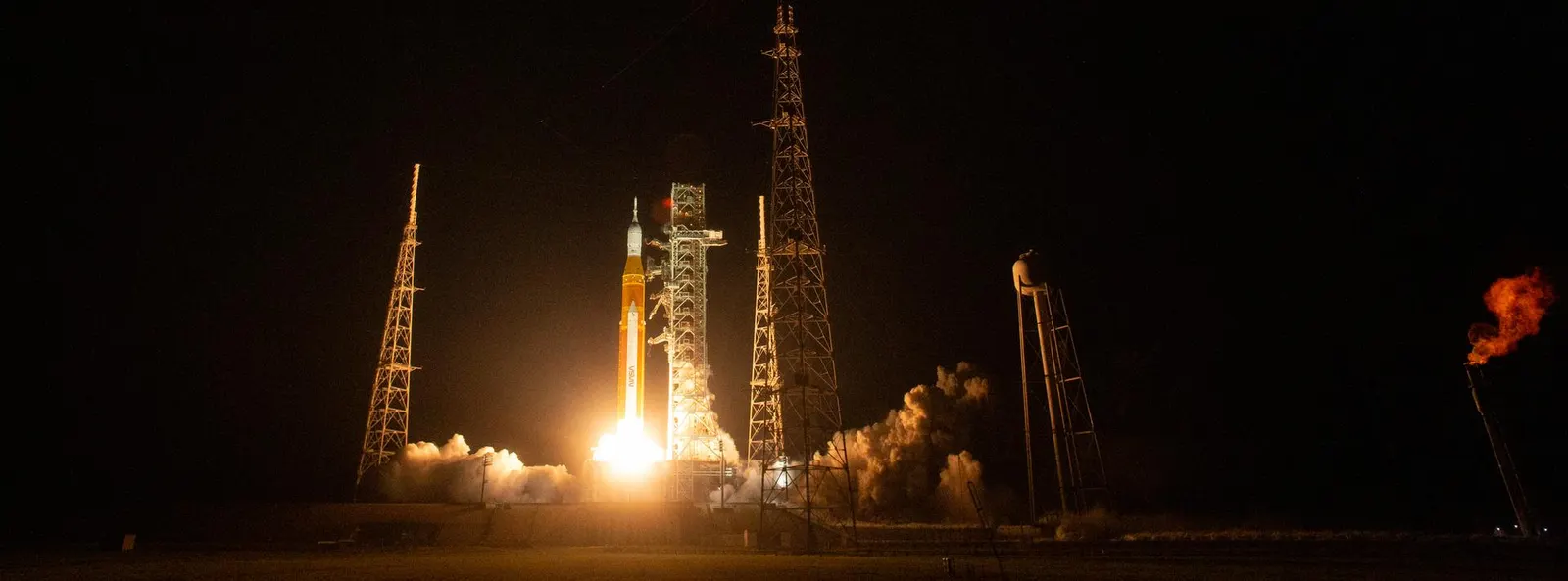
Artemis I launched on November 16, 2022, after years of development delays and several scrubbed launch attempts that tested everyone's patience. When the Space Launch System (SLS) rocket finally roared to life from Kennedy Space Center's Launch Complex 39B, it was a genuinely emotional moment. The most powerful rocket NASA has ever built performed flawlessly, sending the uncrewed Orion spacecraft on a 25.5-day journey around the Moon and back.
Orion traveled farther from Earth than any spacecraft designed for humans -- over 268,000 miles -- and executed a series of precise engine burns to enter and exit a distant retrograde orbit around the Moon. By almost every measure, the mission was a resounding success. The SLS performed as designed, Orion's systems checked out beautifully, and the European Service Module (built by ESA) proved its reliability.
But there was one significant concern. During reentry on December 11, 2022, the Orion capsule's heat shield behaved unexpectedly. Rather than ablating smoothly as designed, the AVCOAT material charred unevenly and pieces of it flaked off in ways engineers had not predicted. The capsule and its (hypothetical) crew would have survived, but the anomaly raised serious questions that needed answers before putting astronauts aboard.
Artemis II: Mission Accomplished
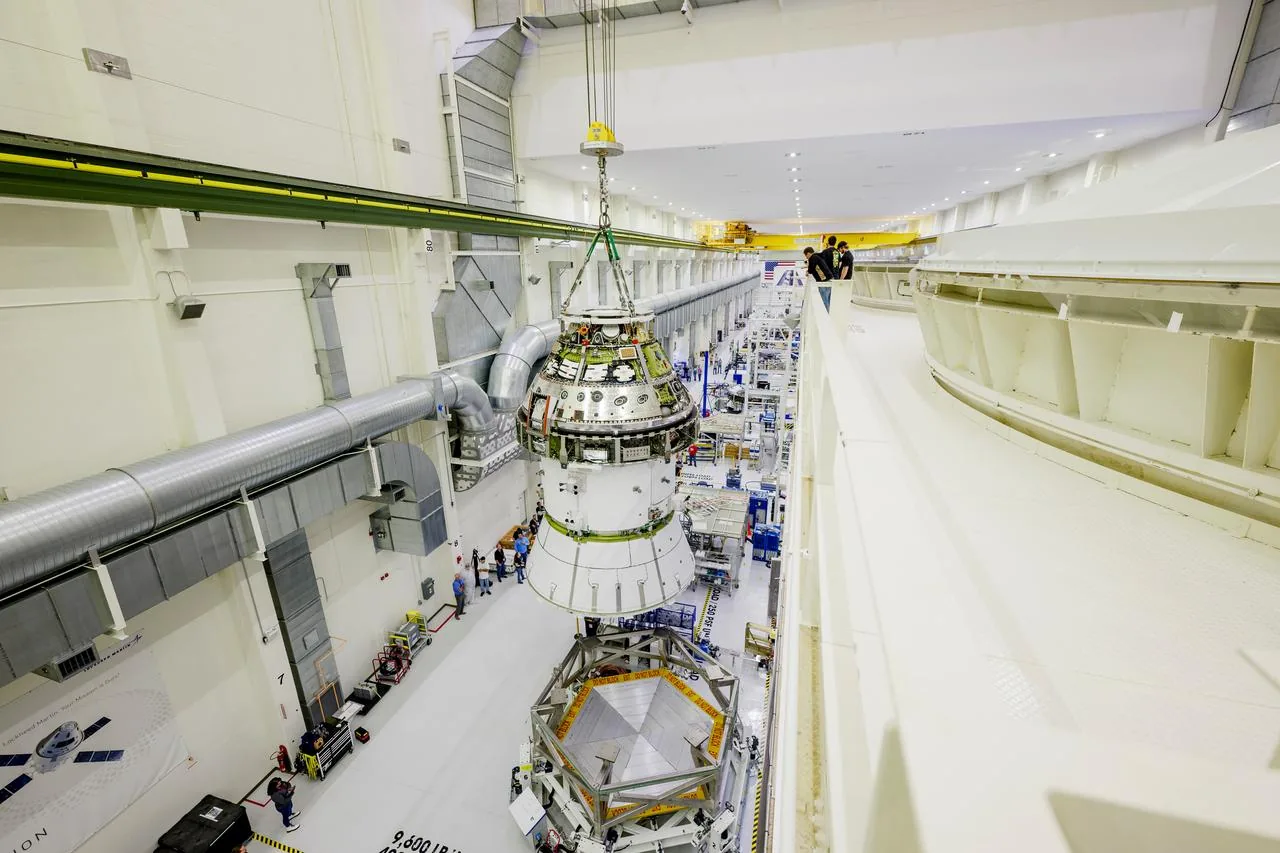
Artemis II flew in April 2026 — and it worked. Four astronauts launched atop SLS on April 1, 2026, flew a free-return trajectory around the Moon, and splashed down safely in the Pacific Ocean ten days later, on April 10. It was the first crewed flight beyond low Earth orbit since Apollo 17 returned home in December 1972 — a 53-year gap finally closed.
The crew -- NASA astronauts Reid Wiseman (Commander), Victor Glover (Pilot), and Christina Koch (Mission Specialist), along with Canadian Space Agency astronaut Jeremy Hansen (Mission Specialist) -- made history on multiple fronts. Glover became the first person of color to travel beyond low Earth orbit. Koch became the first woman to fly to lunar distance. Hansen became the first non-American to fly to the Moon. At their farthest point the crew reached 252,756 miles from Earth, eclipsing the Apollo 13 distance record.
Originally targeted for late 2024, then pushed to September 2025, Artemis II ultimately flew in April 2026 — about 18 months later than first planned. Most of that delay was driven by the Orion heat shield investigation following Artemis I, where AVCOAT material charred unevenly during reentry. NASA spent over a year studying the problem, running ground tests, modeling thermal conditions, and adjusting the reentry trajectory. On Artemis II's return, the redesigned reentry profile delivered exactly the heat-shield performance engineers had predicted.
The delay was frustrating, but in retrospect it was the program working as it should. The Columbia disaster taught NASA -- at a terrible cost -- what happens when you fly with unresolved technical concerns. The mission's success vindicated the patience.
For the full end-to-end recap, see Artemis II Mission Success: The Complete 10-Day Lunar Journey Recap.
Artemis III: Boots on the Moon
Artemis III is the mission everyone is waiting for -- the one that puts astronauts back on the lunar surface for the first time in over half a century. Current planning targets 2027 for this mission, though that timeline depends on several factors coming together.
The biggest variable is SpaceX's Human Landing System (HLS), a variant of the Starship vehicle. NASA awarded SpaceX a $2.89 billion contract to develop a Starship that can carry astronauts from lunar orbit to the surface and back. The concept involves launching a Starship to orbit, refueling it via multiple tanker flights, and then sending it to the Moon where it will await the arrival of the Orion crew.
SpaceX continued to mature Starship through 2024 and 2025, achieving multiple test flights from its Boca Chica, Texas facility, demonstrating the dramatic "chopstick catch" of the Super Heavy booster, and progressing on orbital refueling demonstrations — the single biggest technical hurdle for an HLS lunar mission. Starship still needs to fully demonstrate orbital propellant transfer at scale, long-duration cryogenic storage, and an uncrewed lunar landing before crew can fly. Whether all of that closes in time for a 2027 Artemis III remains the program's biggest open question.
In a smart strategic move, NASA selected Blue Origin years earlier to develop a second human landing system. Blue Origin's Blue Moon lander takes a more traditional cryogenic-propellant approach than SpaceX's Starship architecture. Having two landing system providers gives NASA redundancy and competition -- both healthy things for a program of this scope, and especially valuable now that Gateway is gone and Artemis architecture rests more heavily on its landers.
The Lunar Gateway: Cancelled
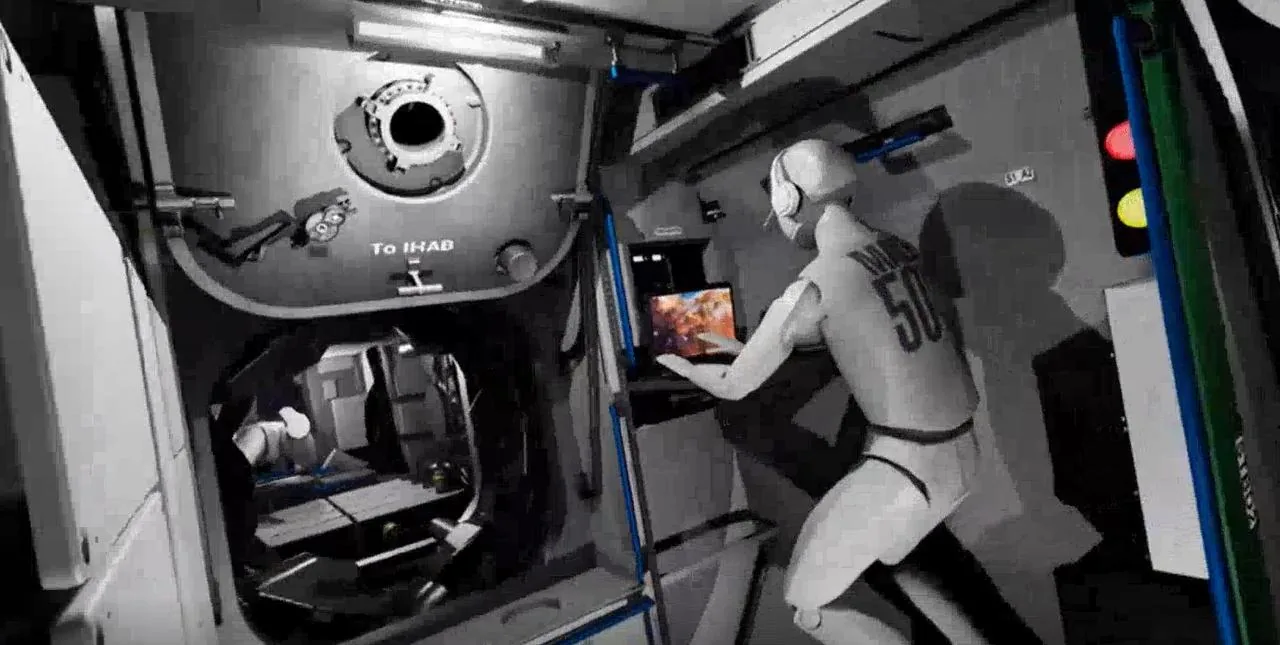
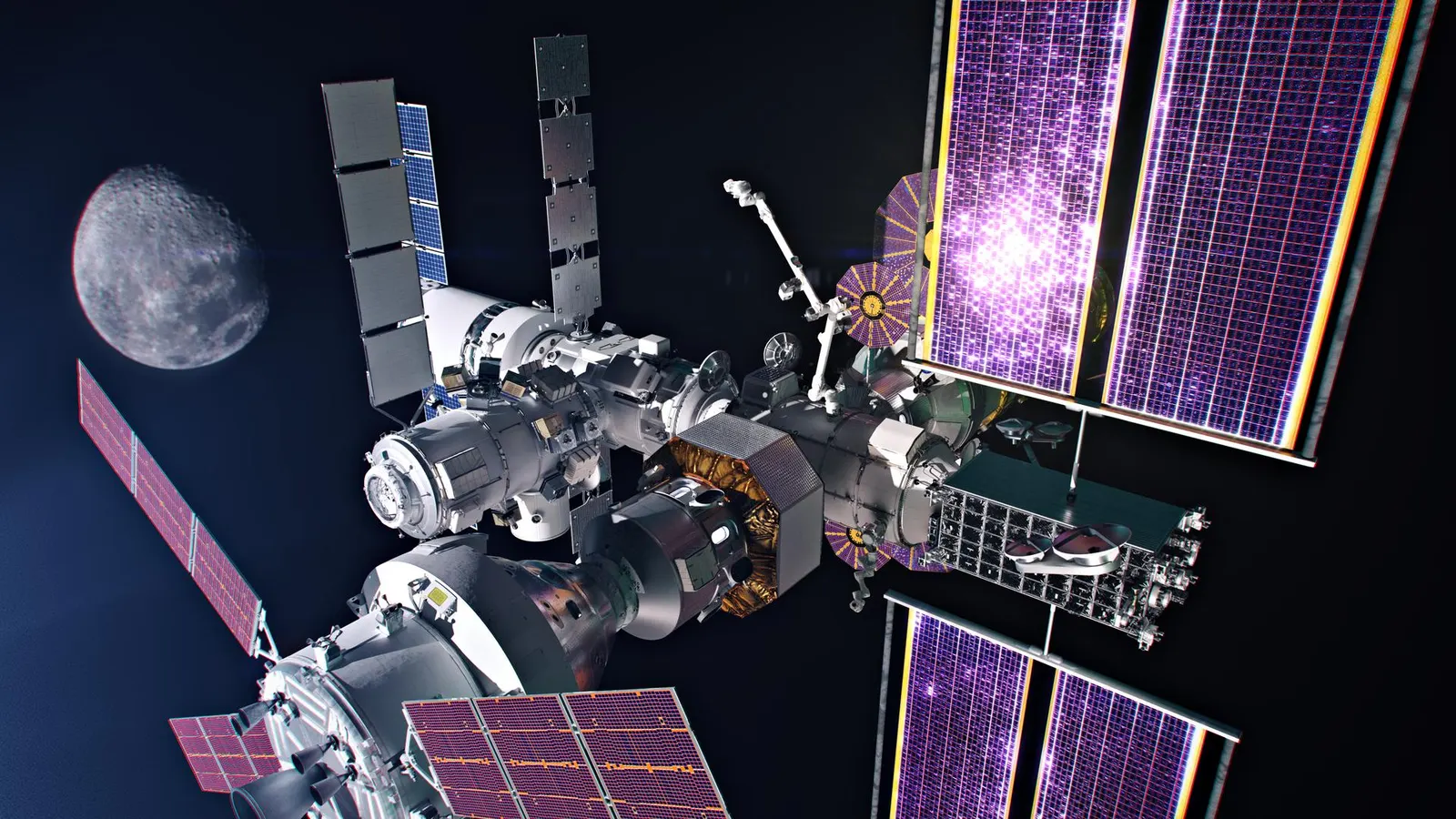
For most of the Artemis program's history, the Gateway -- a small space station in a near-rectilinear halo orbit (NRHO) around the Moon -- was a centerpiece of the architecture. It would serve as a staging point for surface missions, a science platform, and eventually a proving ground for Mars-bound deep-space systems. The Power and Propulsion Element (Maxar) and Habitation and Logistics Outpost (Northrop Grumman) had been in development for years; ESA was building the ESPRIT refueling module and the I-HAB international habitation module; Canada was contributing the Canadarm3 robotic system in exchange for astronaut seats.
In late 2025, NASA cancelled Gateway. The decision was driven by a combination of cost growth, schedule slip, the realization that direct Orion-to-HLS rendezvous in lunar orbit is operationally simpler for early Artemis missions, and a strategic pivot toward investing in surface infrastructure (habitats, power, mobility) rather than orbital infrastructure. International partners were absorbed into renegotiated contributions on the surface side and on Orion service modules.
For the full background, see NASA Cancels Lunar Gateway: What It Means. For Artemis IV+, this means the architecture is being rebuilt around longer crewed surface stays, two competing landers (Starship HLS and Blue Moon), and direct lunar-orbit rendezvous instead of an orbital staging post.
The Bigger Artemis Ecosystem
What makes Artemis different from Apollo is the ecosystem around it. This is not one agency going it alone. The program involves:
- International partners: ESA, CSA, JAXA, and numerous other agencies contributing hardware, expertise, and astronauts through the Artemis Accords, which over 40 nations have now signed.
- Commercial partnerships: Beyond SpaceX and Blue Origin's landers, companies like Astrobotic and Intuitive Machines are delivering science payloads and technology demonstrations to the lunar surface through NASA's Commercial Lunar Payload Services (CLPS) program.
- New spacesuits: Axiom Space is developing the next-generation lunar spacesuits (the Axiom Extravehicular Mobility Unit, or AxEMU), which are far more capable and flexible than the suits used during Apollo.
This distributed approach spreads both the cost and the capability. It also means that if one element faces delays, others can continue progressing.
Challenges Ahead
I want to be straightforward about the challenges. The Artemis program faces real headwinds:
Budget pressure is constant. SLS is expensive -- roughly $2.5 billion per launch -- and Congress has not always fully funded NASA's requests. There is an ongoing debate about whether SLS should eventually be replaced by commercial heavy-lift vehicles that could do the job at lower cost.
Schedule risk is the norm, not the exception. Every major milestone has slipped from its original timeline. Artemis I was years late, Artemis II flew about 18 months later than originally planned, and Artemis III's 2027 target depends on SpaceX solving orbital refueling and an uncrewed lunar landing on schedule. The Gateway cancellation has also forced NASA to re-baseline Artemis IV+ architecture mid-program, which adds its own kind of schedule uncertainty.
Political uncertainty is always present. Artemis has enjoyed bipartisan support so far, but long-duration programs spanning multiple administrations are always vulnerable to shifting priorities.
Despite all of this, I remain deeply optimistic. The hardware exists. The workforce is experienced. The international partnerships are strong. The commercial sector is delivering capabilities at a pace that would have been unimaginable a decade ago. We are going back to the Moon -- not on the timeline we originally hoped for, but we are going.
Why This Matters
Artemis is not just about planting flags or winning a race. It is about building the knowledge and infrastructure that will allow humanity to become a multi-world species. Every system tested on the Moon -- from life support to in-situ resource utilization to long-duration habitation -- brings us closer to Mars.
When the next astronauts step onto the lunar surface, they will not just be following in the footsteps of Armstrong and Aldrin. They will be forging a path toward a future where living and working beyond Earth is not extraordinary, but routine. That is a future worth being patient for.