The Great Comets
Visitors from the cold edge of the solar system — the brilliant naked-eye spectacles, the clockwork returnees, the Sun-skimming daredevils, and the few we've reached with spacecraft. Real photography, real orbits, real stories.
Great Comets
The rare, brilliant comets that became naked-eye spectacles for everyone on Earth.
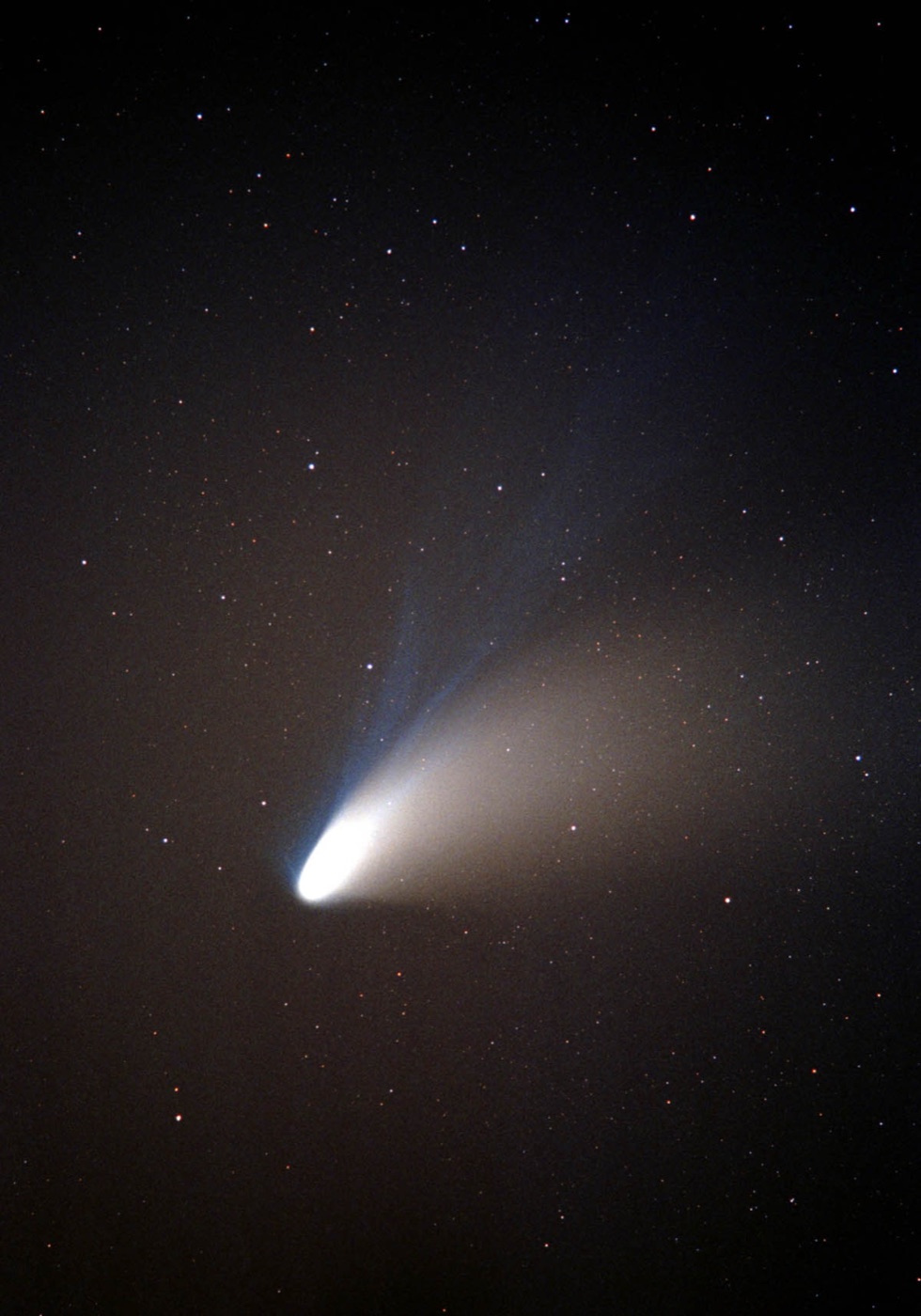
C/1995 O1
Comet Hale-Bopp
The Great Comet of 1997
Discovered independently on July 23, 1995 by Alan Hale and Thomas Bopp while still beyond Jupiter at a remarkable 7.15 AU, Hale-Bopp became one of the brightest comets of the 20th century. Its unusually large nucleus (roughly 60 km / 37 miles across) made it visible to the naked eye for a record ~18 months across 1996-1997, peaking after its April 1, 1997 perihelion. It displayed a striking dual tail: a blue ion (gas) tail pointing straight away from the Sun and a whitish-gold dust tail curving along its orbit, and as a long-period comet it will not return to the inner Solar System for roughly 2,534 years.
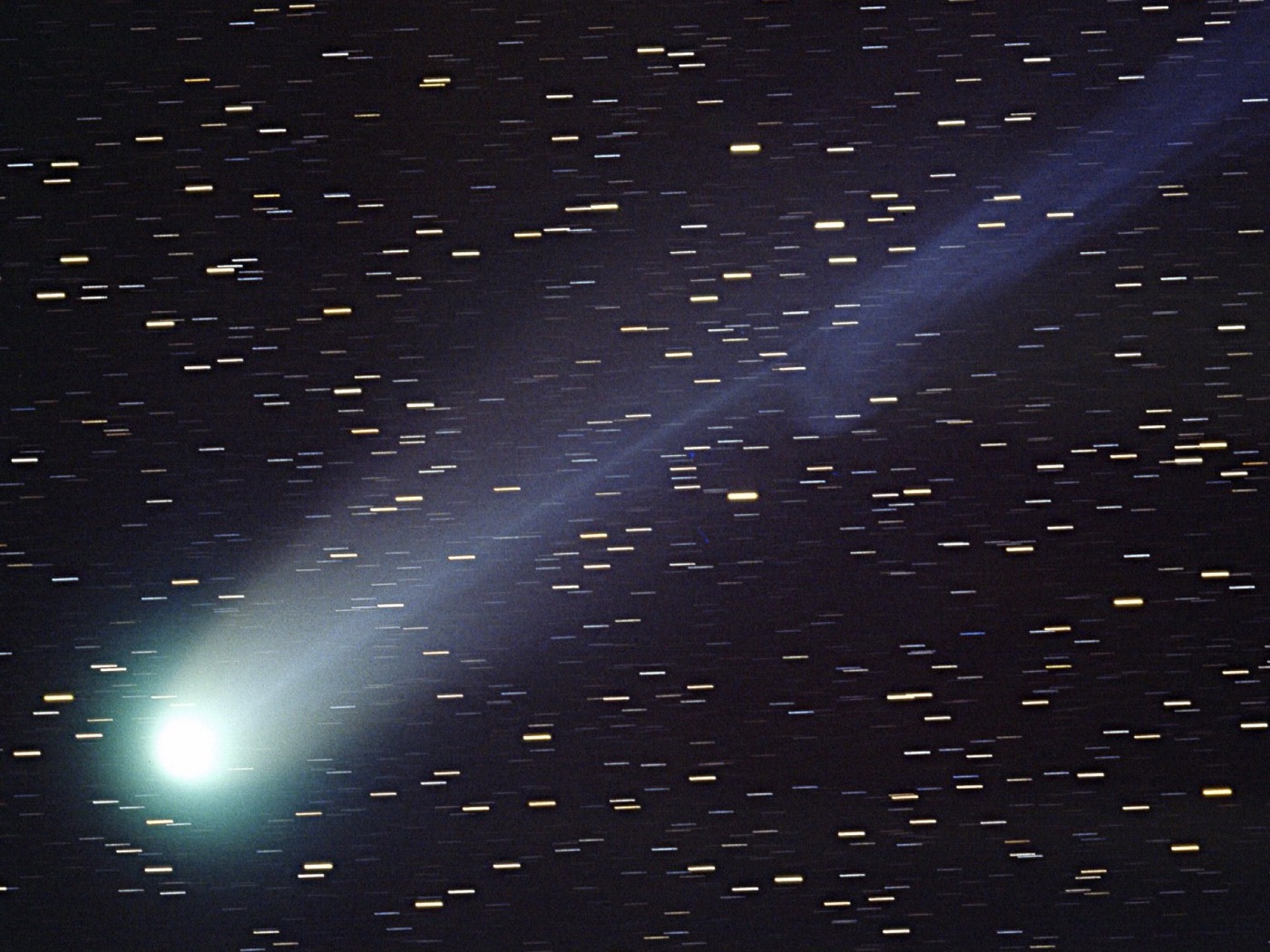
C/1996 B2 (Hyakutake)
Comet Hyakutake
The Great Comet of 1996 with a record-breakingly long tail
Comet Hyakutake (C/1996 B2) swept to within 0.1 AU (about 15 million km) of Earth on 25 March 1996 — one of the closest cometary approaches in 200 years — blazing to magnitude 0 with a brilliant blue-green coma and an ion tail that visually spanned nearly 80 degrees of sky. The Ulysses spacecraft later crossed its tail more than 500 million km from the nucleus, revealing the longest comet tail ever measured, and Hyakutake became the first comet detected emitting X-rays. After reaching perihelion on 1 May 1996, gravitational nudges from the giant planets stretched its orbit so it will not return for roughly 70,000 years.
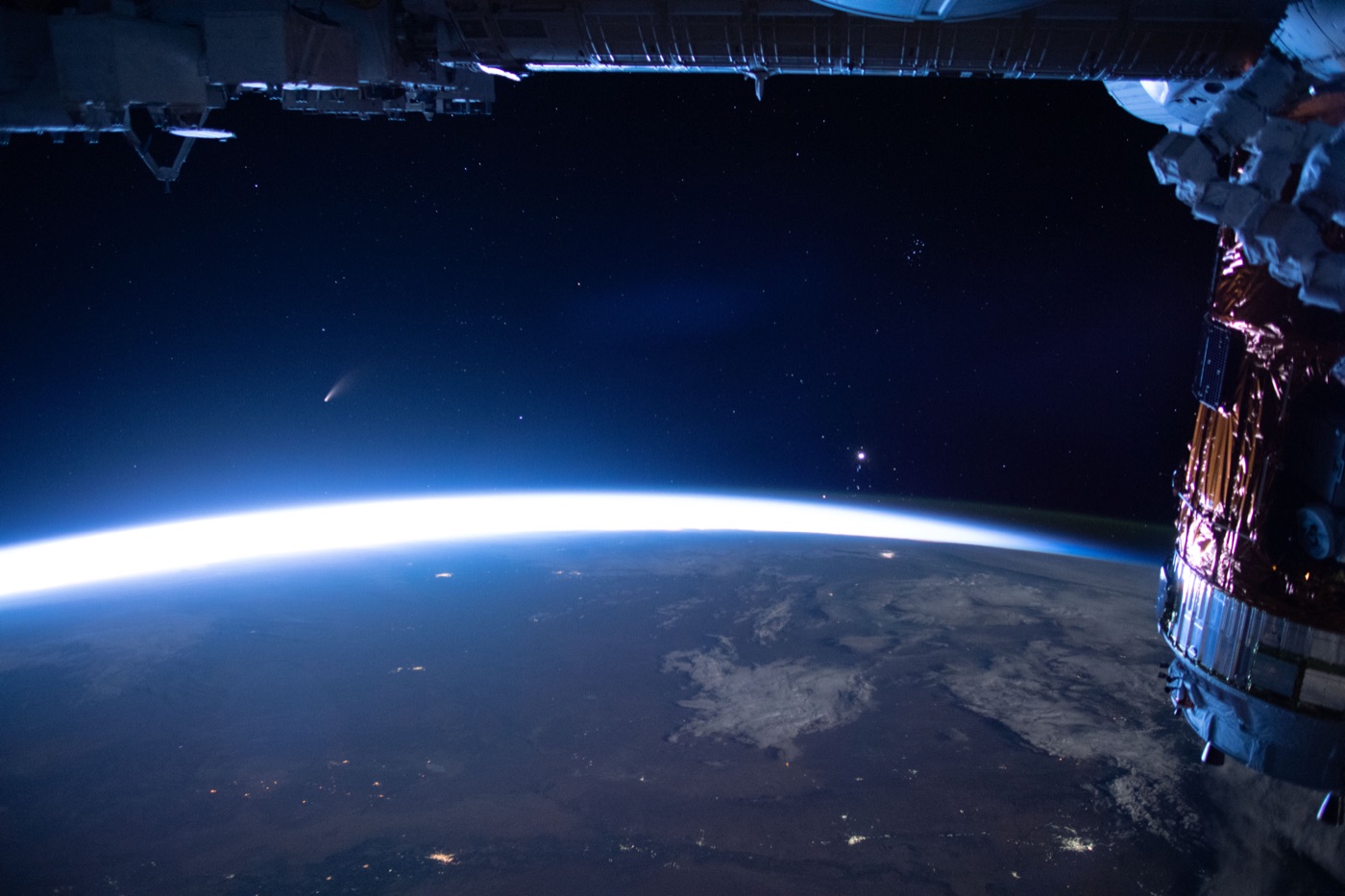
C/2020 F3 (NEOWISE)
Comet NEOWISE
The Great Comet of 2020
C/2020 F3 (NEOWISE) was discovered by NASA's NEOWISE infrared space telescope in March 2020 and became the brightest comet visible from the northern hemisphere since Hale-Bopp in 1997. After reaching perihelion on July 3, 2020 (0.29 AU from the Sun), it emerged near magnitude 0.5-1 and remained an easy naked-eye spectacle throughout July, making its closest approach to Earth (0.69 AU) on July 23. Its passage through the planetary region stretched its orbital period from about 4,500 years to roughly 6,800 years, so it will not return until around the year 8800.
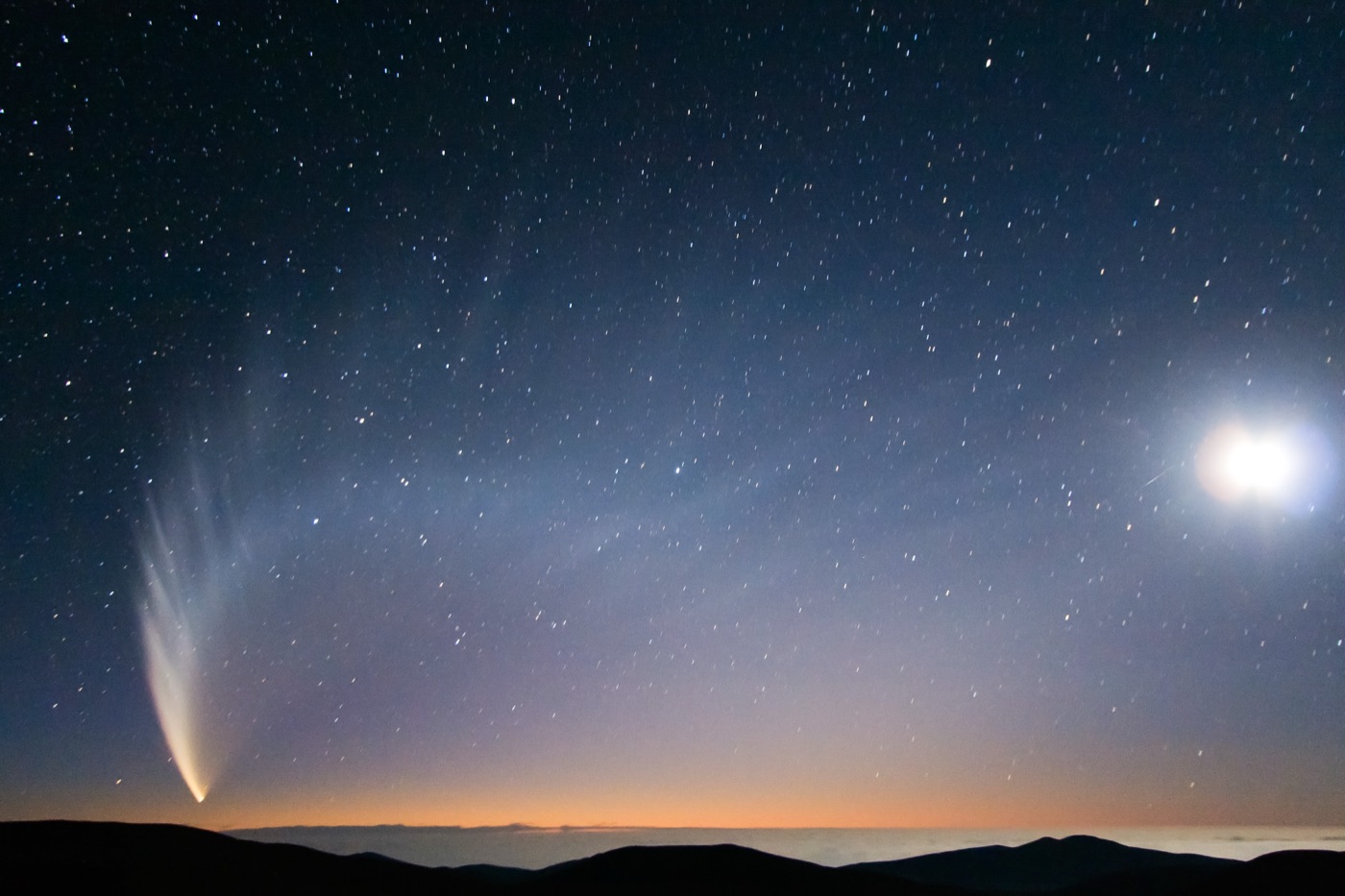
C/2006 P1 (McNaught)
Comet McNaught
The Great Comet of 2007 — brightest comet in over 40 years
Discovered in August 2006 by British-Australian astronomer Robert McNaught, C/2006 P1 became the Great Comet of 2007 — the brightest comet seen in over 40 years, reaching a peak magnitude near -5.5 and briefly visible worldwide in broad daylight around its 12 January 2007 perihelion. After perihelion it unfurled a spectacular, broadly fanned, filamentary dust tail stretching some 35 degrees across the evening sky, an unforgettable sight for Southern Hemisphere observers. Arriving from the Oort cloud on a near-parabolic orbit, it is effectively a once-in-many-millennia visitor.
C/1975 V1 (West)
Comet West
The Great Comet of 1976, with a spectacular broad dust tail
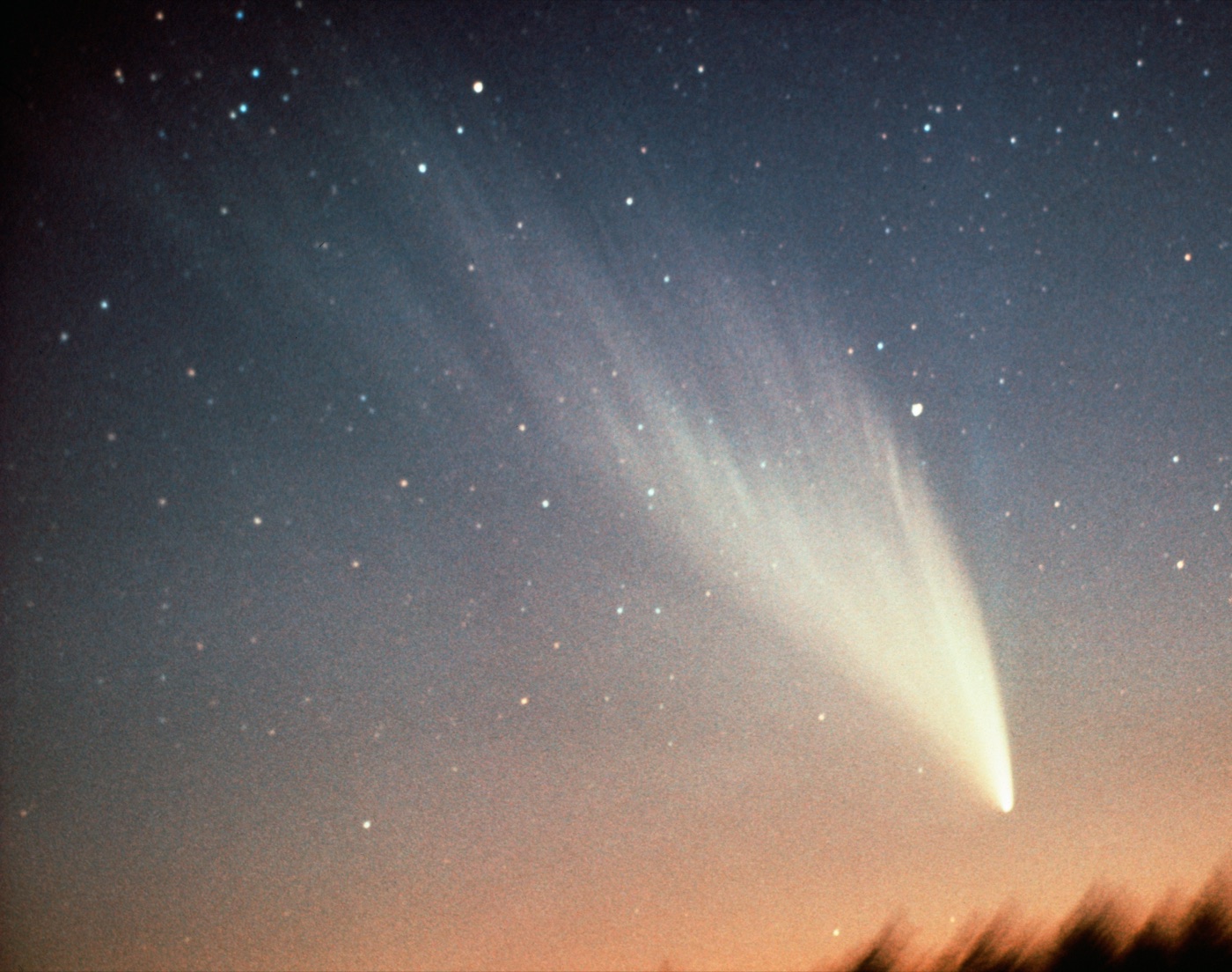
Comet West reached perihelion on 25 February 1976 and peaked around magnitude −3, briefly bright enough to be seen in daylight and unfurling a magnificent, broad, fan-shaped dust tail across the dawn sky. Near perihelion its icy nucleus split into four fragments, a rare event that astronomers tracked in detail. Though one of the most beautiful comets of the 20th century, it is on a near-parabolic orbit and will not return for hundreds of thousands of years.
C/2023 A3 (Tsuchinshan-ATLAS)
Comet Tsuchinshan-ATLAS
The Great Comet of 2024 — brightest comet since Hale-Bopp (1997)
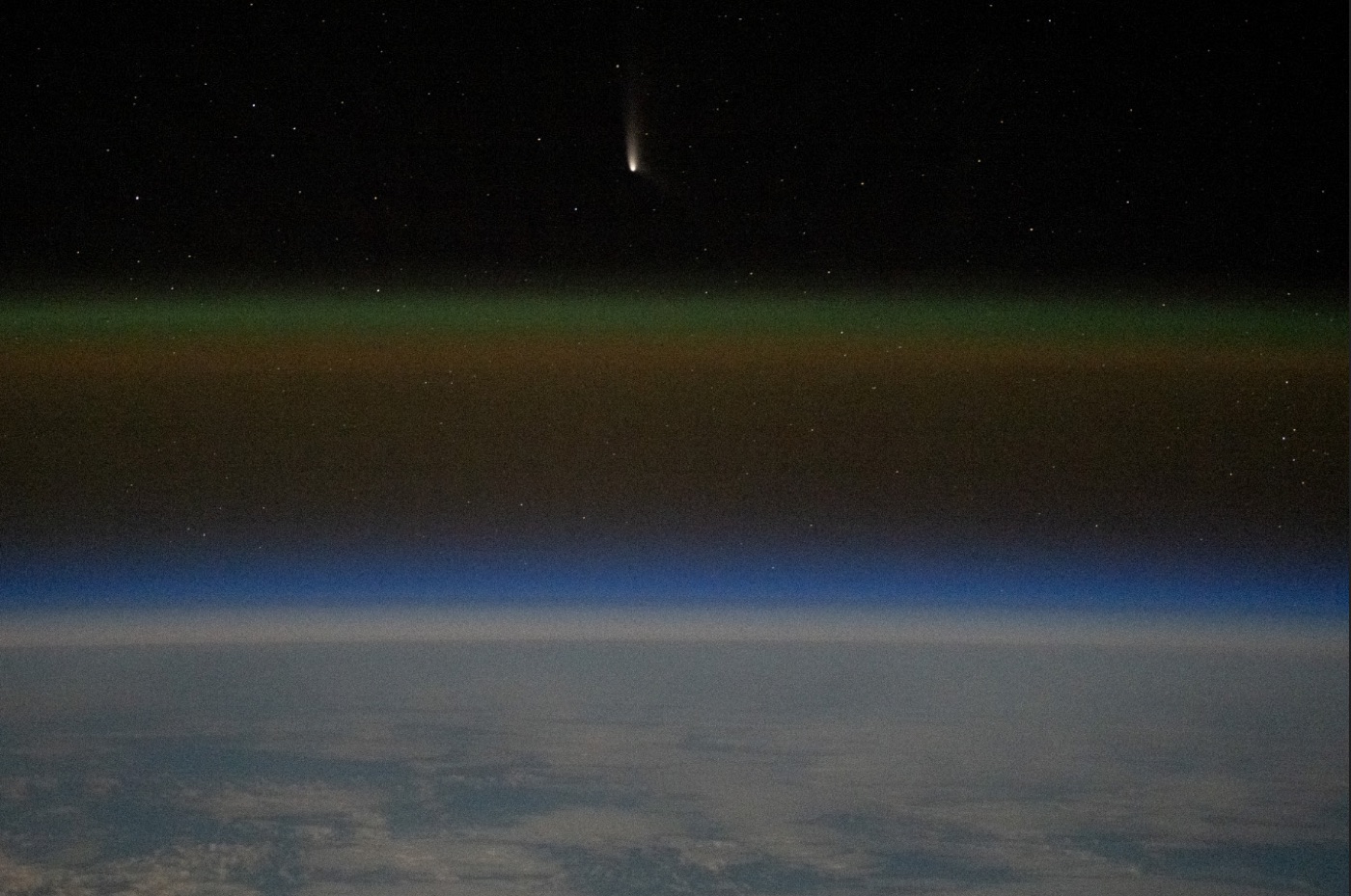
C/2023 A3 (Tsuchinshan-ATLAS) is a non-periodic comet from the Oort Cloud that became the "Great Comet of 2024," dazzling skywatchers worldwide in October 2024. After passing perihelion at 0.39 AU on 27 September 2024, it peaked near apparent magnitude -4.9 on 9 October, making it the brightest comet visible in the Northern Hemisphere since Hale-Bopp in 1997. Its nearly parabolic orbit means it may not return for tens of thousands of years, if ever, as solar-system perturbations could eject it onto a hyperbolic, one-way path.
Periodic Visitors
Clockwork returnees whose orbits bring them back again and again.
1P/Halley
Halley's Comet
The most famous comet — first whose return was predicted
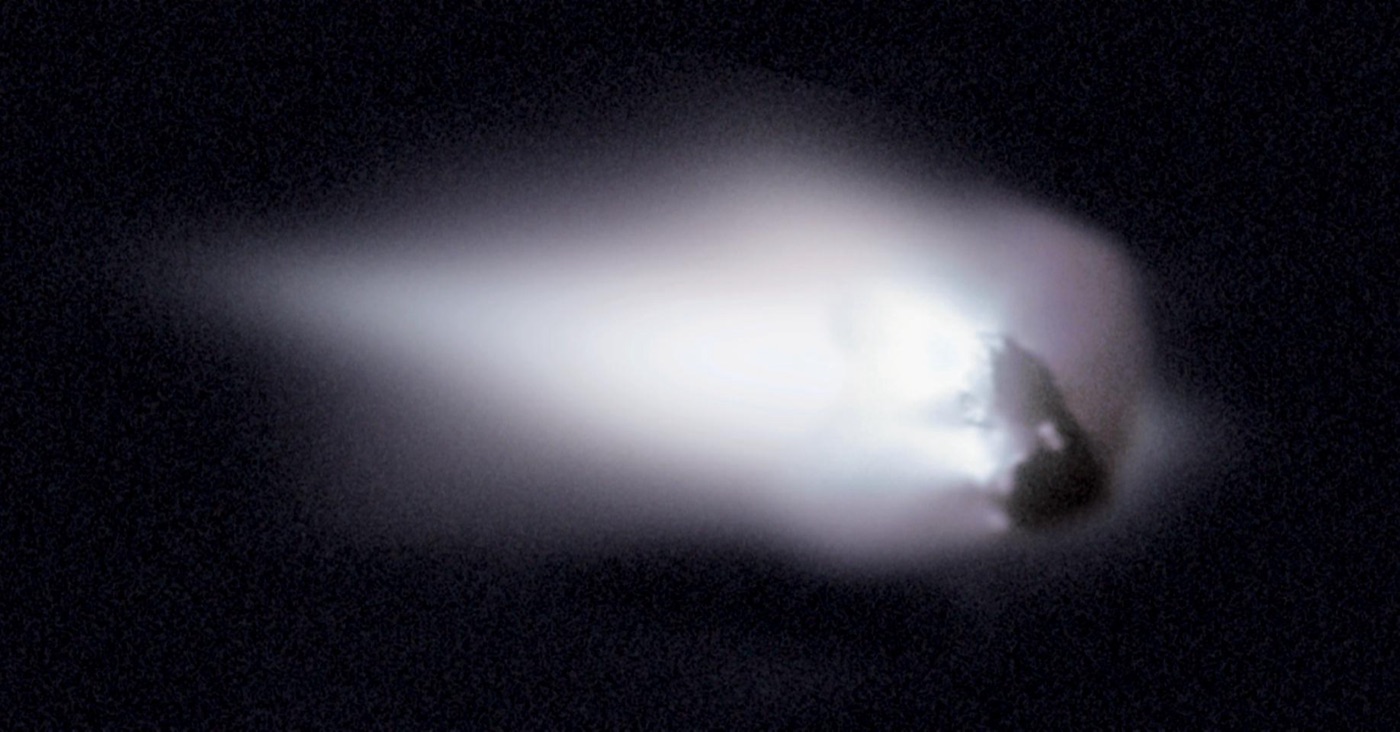
Halley's Comet is the most famous of all comets and the only short-period comet routinely visible to the naked eye, returning to the inner Solar System roughly every 76 years. Though recorded since at least 240 BC, it was Edmond Halley who in 1705 recognized the 1531, 1607, and 1682 apparitions as a single returning body and correctly predicted its 1758 return. During its 1986 appearance, ESA's Giotto spacecraft flew within ~600 km of the nucleus and captured the first-ever close-up images of a comet's core; Halley will next return in mid-2061.
2P/Encke
Encke's Comet
The shortest known orbital period of any comet — parent of the Taurid meteor stream
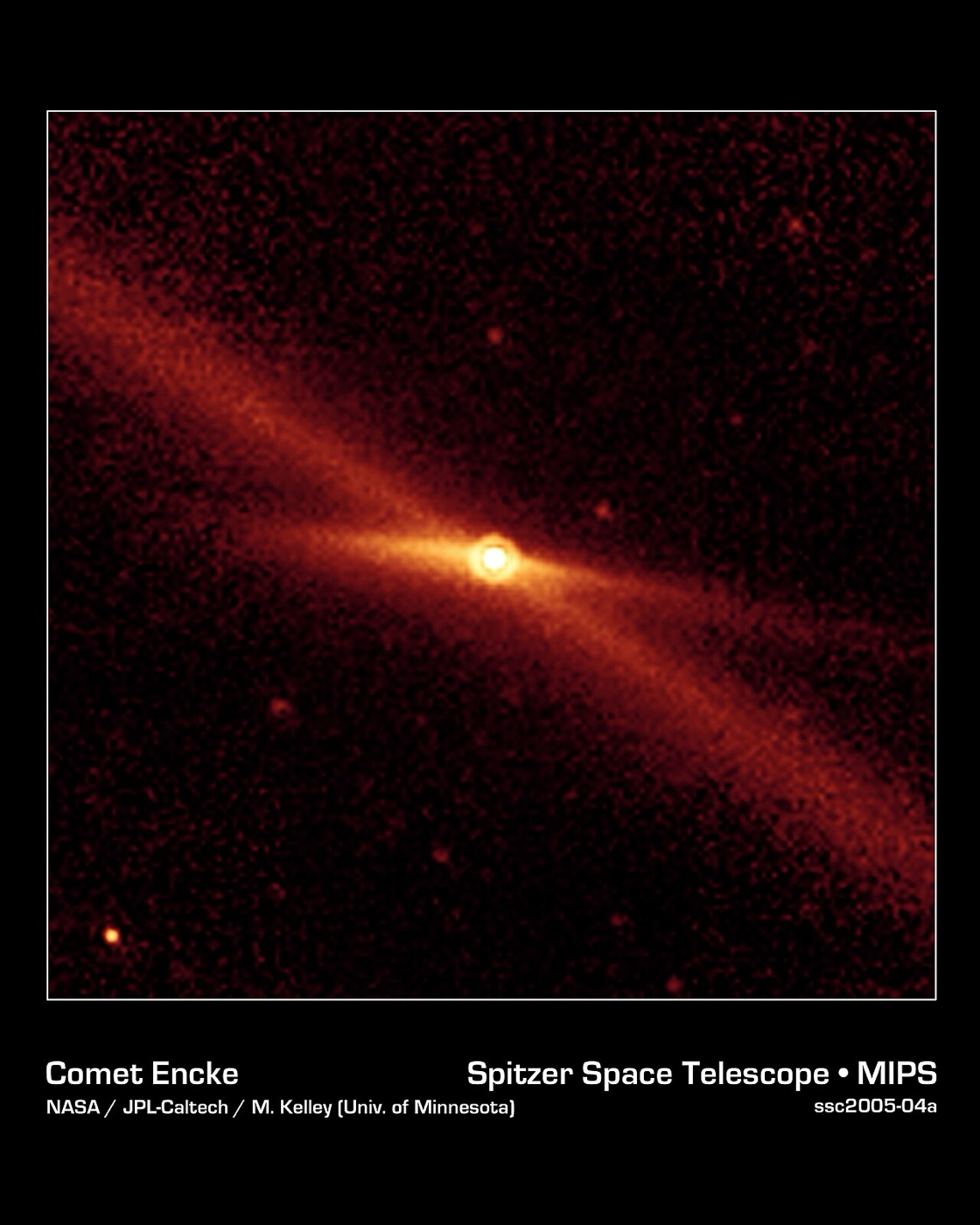
2P/Encke loops the Sun once every 3.3 years, the shortest orbital period of any known comet — the "2P" marks it as only the second comet (after Halley) ever recognized as periodic. It is the parent body of the Taurid meteor stream, whose slow autumn "Halloween fireballs" rain from debris the comet sheds along its orbit between Mercury's distance and just past Jupiter. With a nucleus only about 4.8 km across and a faint, dust-poor coma, Encke is a difficult naked-eye target; the best portraits come from spacecraft and infrared observatories like NASA's Spitzer.
109P/Swift-Tuttle
Comet Swift-Tuttle
Parent body of the annual Perseid meteor shower
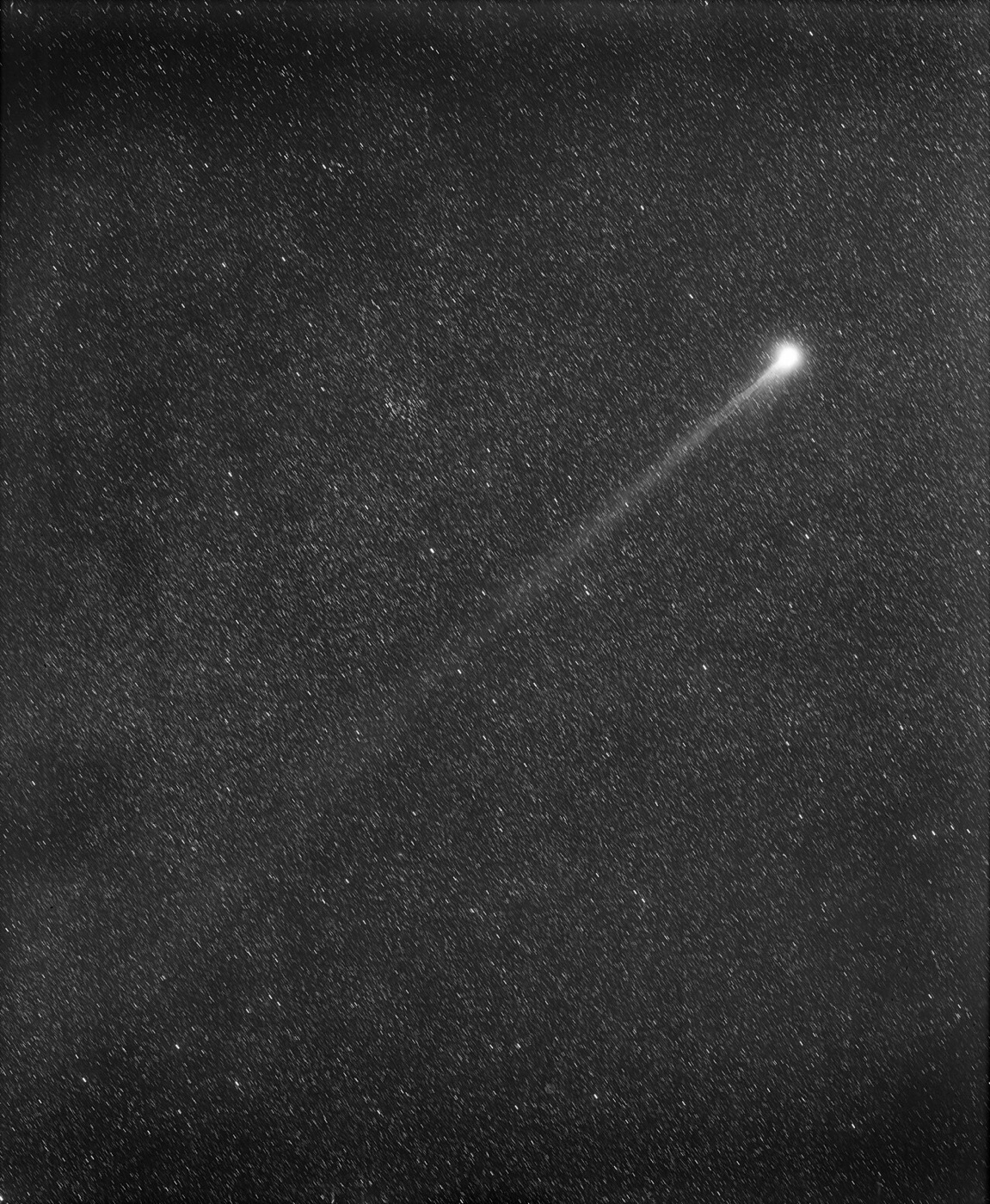
Comet 109P/Swift-Tuttle is a periodic comet with an unusually large nucleus about 26 km (16 mi) across, orbiting the Sun roughly every 133 years. Each August, Earth plows through the debris trail it has shed over millennia, producing the Perseid meteor shower — a link first established by Giovanni Schiaparelli in 1865. After its 1862 discovery it was recovered in 1992 by Tsuruhiko Kiuchi and is due to return to perihelion in 2126, when it should become a bright naked-eye comet.
Sungrazers
Comets on plunging orbits that skim the Sun itself — some survive, some do not.
C/1965 S1
Comet Ikeya-Seki
The Great Comet of 1965 — visible in broad daylight next to the Sun
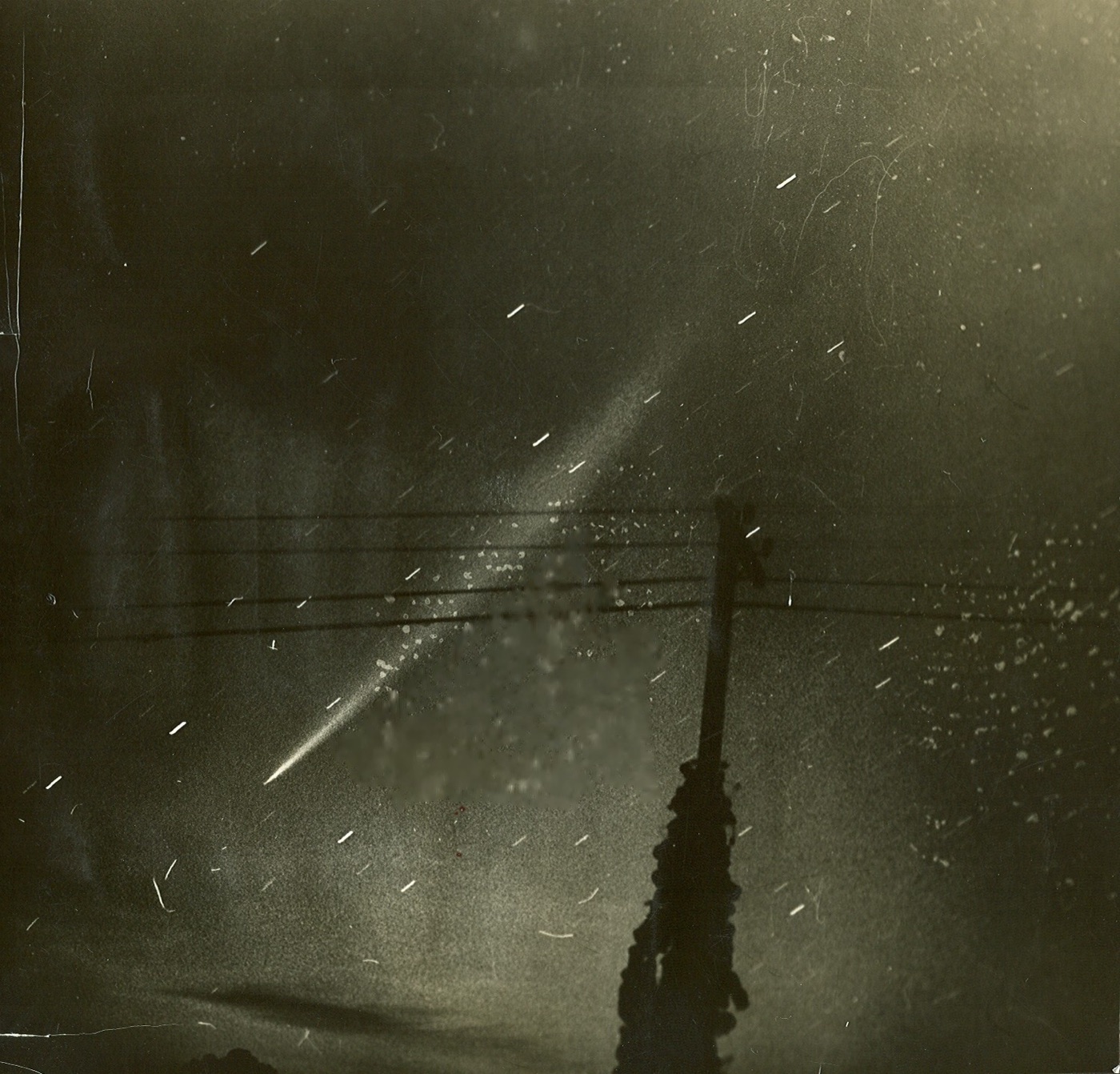
Comet Ikeya-Seki (C/1965 S1) was a brilliant Kreutz sungrazer that became one of the brightest comets of the past millennium. At perihelion on October 21, 1965, it skimmed just ~466,000 km above the Sun's surface, briefly blazing to about magnitude -10 — bright enough to be seen in daylight beside the Sun — before its nucleus split into pieces. In the following days it unfurled a spectacular tail stretching across the dawn sky, making it the most famous Great Comet of the 20th century.
C/2011 W3 (Lovejoy)
Comet Lovejoy
The Kreutz sungrazer that survived its dive through the Sun's corona
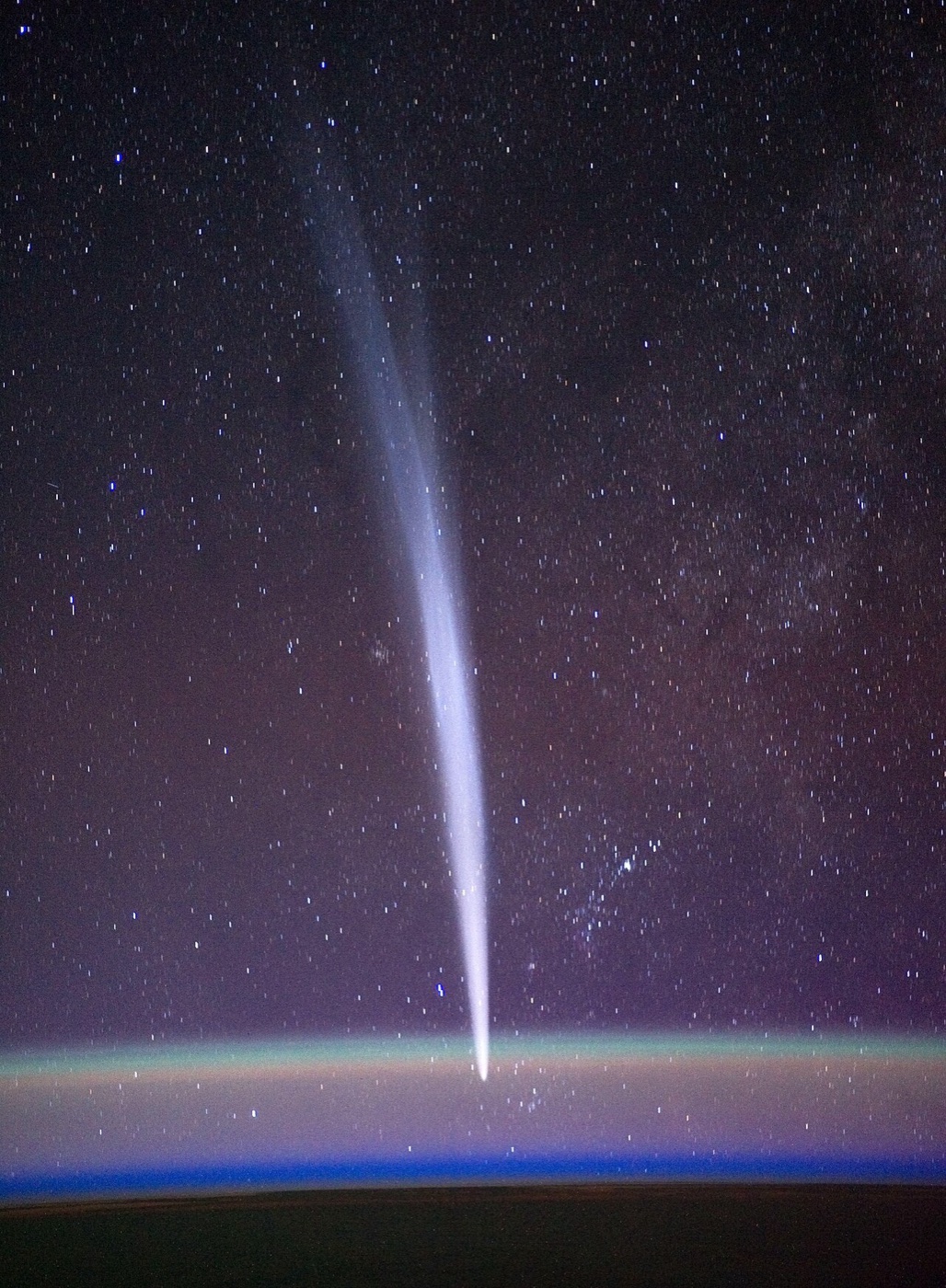
Comet Lovejoy (C/2011 W3) was a Kreutz-group sungrazer that stunned astronomers on 16 December 2011 by surviving a perihelion plunge to just ~140,000 km above the Sun's surface (about 1.2 solar radii) through the searing corona, where it had been expected to vaporize. It emerged battered but intact, growing a long spine tail and becoming a brilliant naked-eye "Great Christmas Comet of 2011" in Southern Hemisphere dawn skies. ISS Expedition 30 commander Dan Burbank captured its now-iconic images rising over Earth's limb from the International Space Station on 21-22 December 2011.
Visited by Spacecraft
Comets humanity has reached out and touched with robotic spacecraft.
D/1993 F2 (Shoemaker-Levy 9)
Comet Shoemaker-Levy 9
The "string of pearls" comet that crashed into Jupiter in July 1994
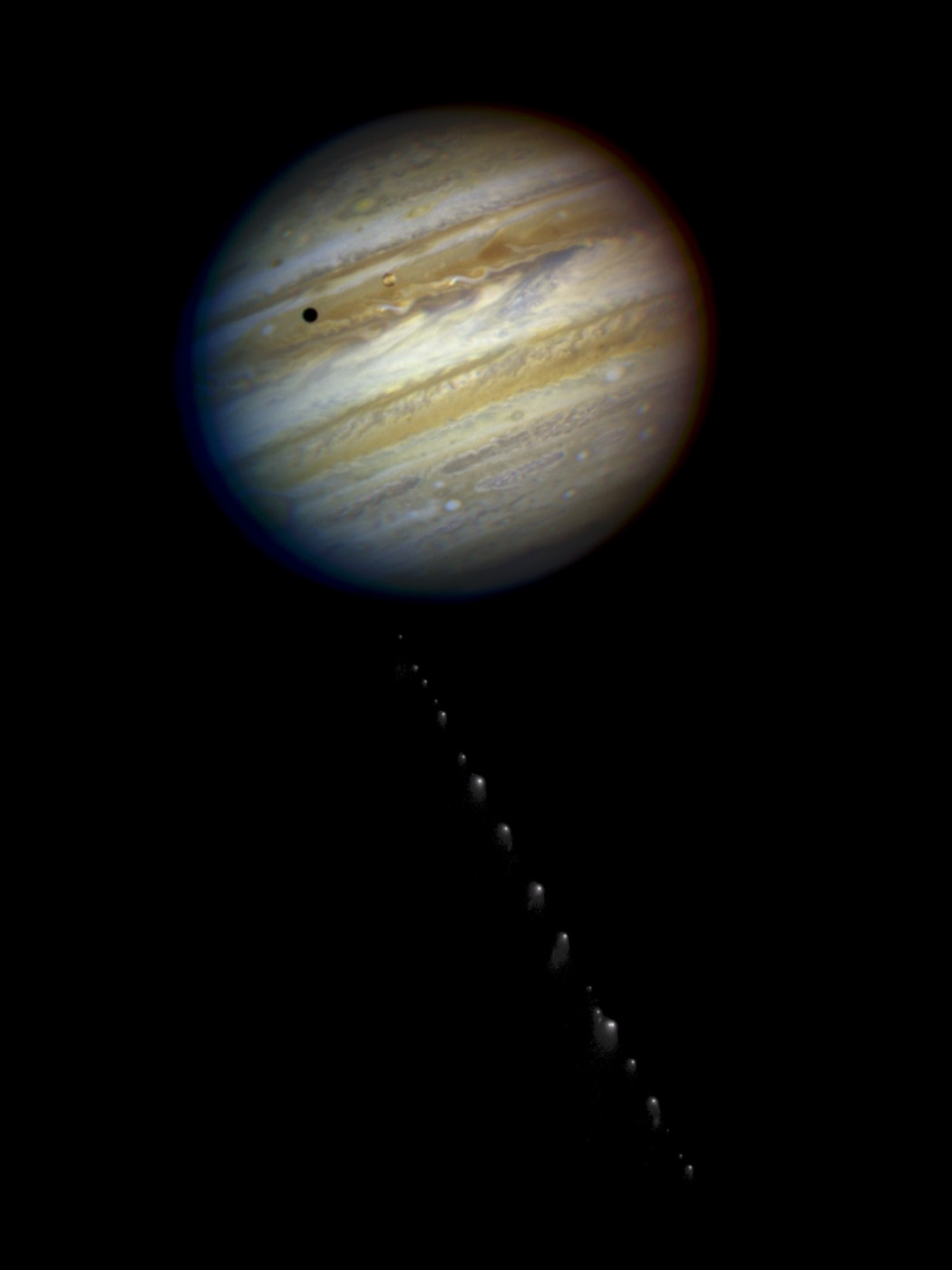
Shoemaker-Levy 9 was a comet captured into orbit around Jupiter that was torn apart by the planet's tidal forces during a close 1992 pass, breaking into a line of about 21 fragments famously dubbed the "string of pearls." Between July 16 and 22, 1994, those fragments slammed into Jupiter's southern hemisphere at roughly 60 km/s, leaving dark impact scars larger than Earth and providing humanity's first-ever direct observation of two Solar System bodies colliding. The dramatic event was tracked worldwide and captured in detail by the Hubble Space Telescope.
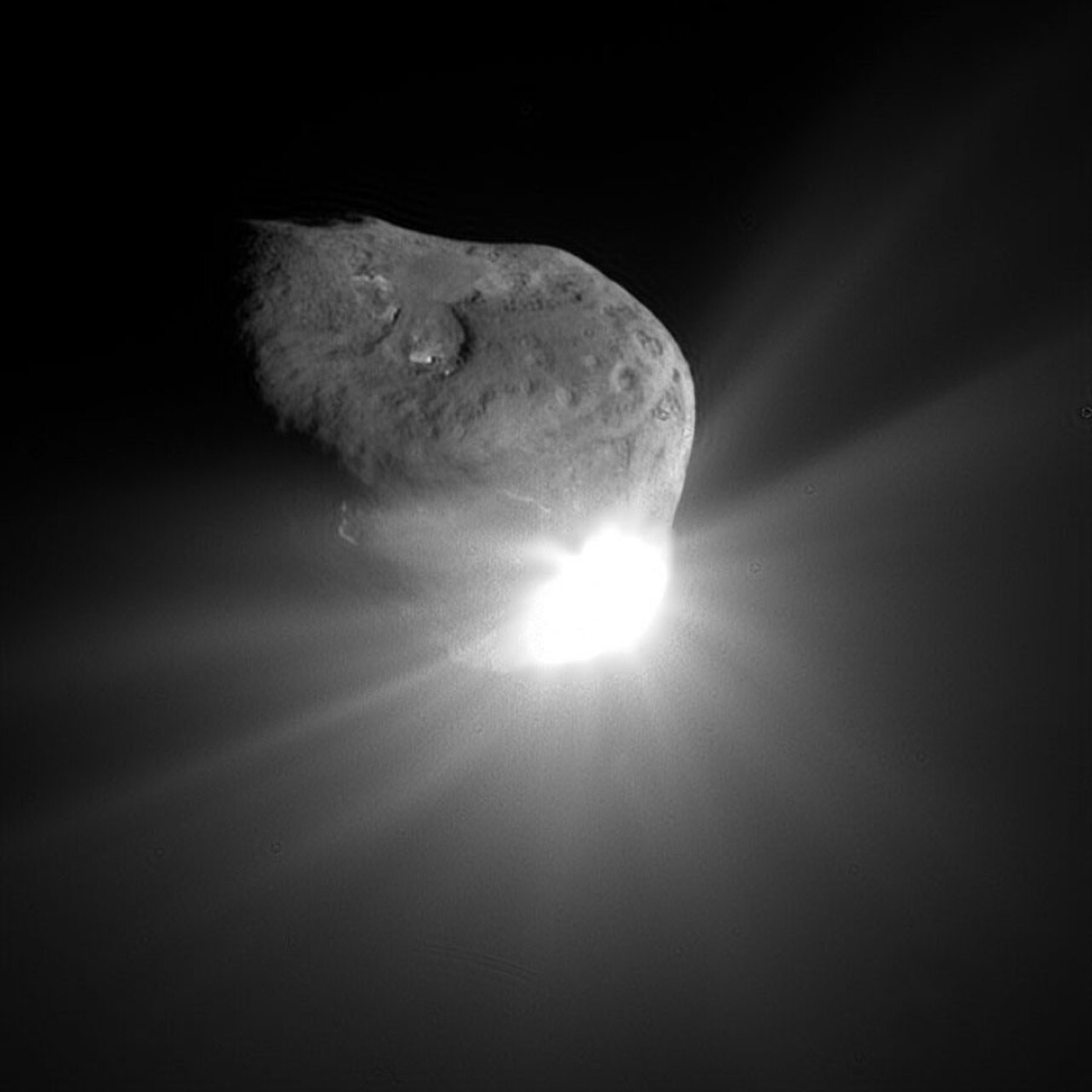
9P/Tempel 1
Comet Tempel 1
Target of NASA's Deep Impact impactor (2005)
9P/Tempel 1 is a small Jupiter-family periodic comet, with a roughly 6 km (3.7 mi) nucleus, that orbits the Sun every 5.56 years. On July 4, 2005, NASA's Deep Impact mission fired an 820 lb (372 kg) copper impactor into it at about 23,000 mph, making it the first spacecraft to eject material from a comet's surface and excavating a crater roughly 150 m across. The comet was revisited in 2011 by the Stardust-NExT spacecraft, which imaged the impact site, making Tempel 1 the first comet visited by two missions.
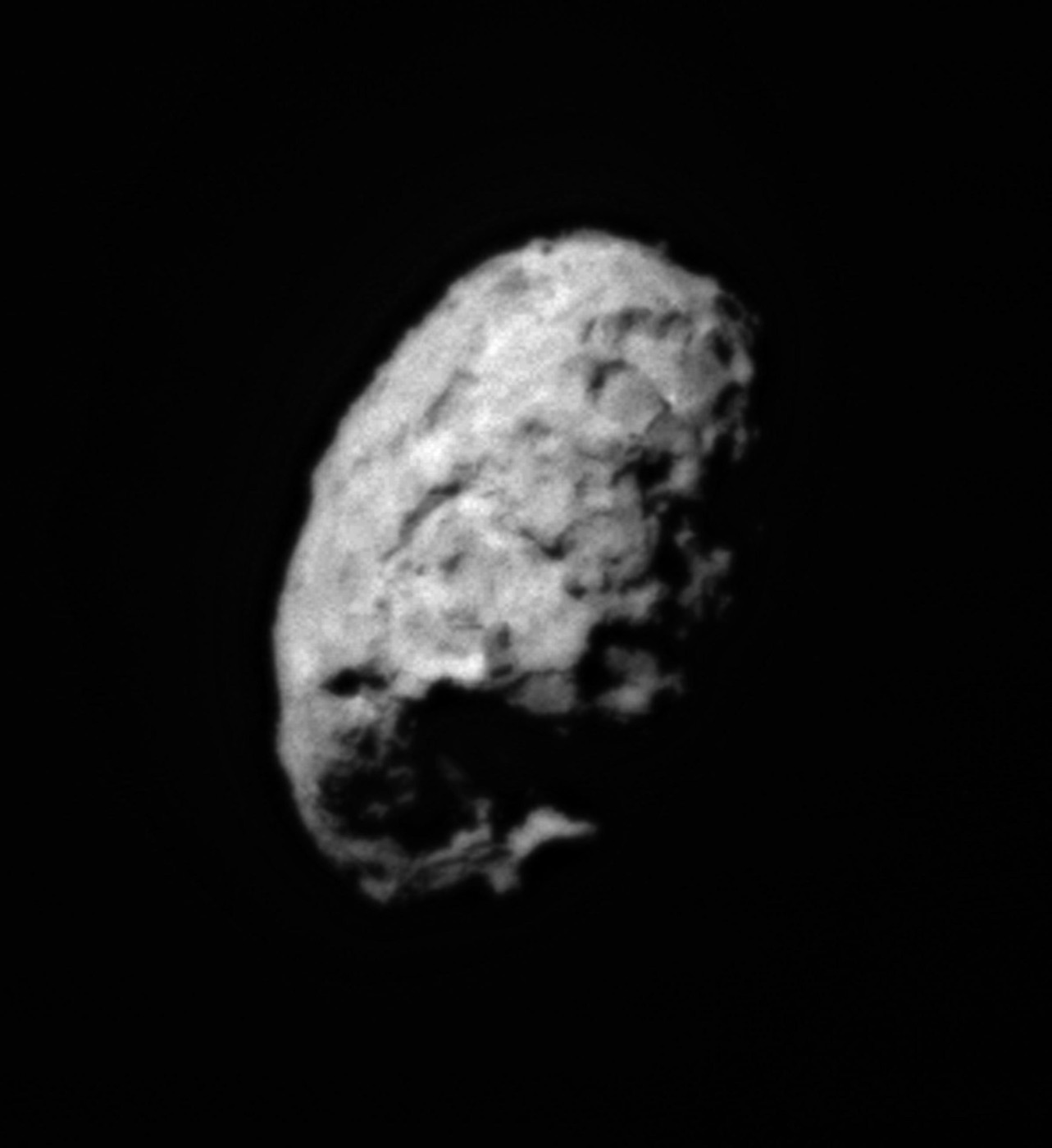
81P/Wild
Comet Wild 2
The comet whose coma dust was sample-returned to Earth by NASA's Stardust mission
81P/Wild (Wild 2) is a short-period comet that spent most of its life in the outer Solar System until a close pass by Jupiter in 1974 swung it into the inner Solar System, cutting its orbit from about 43 years to roughly 6.4 years. NASA's Stardust spacecraft flew within ~240 km of its nucleus on January 2, 2004, captured detailed images of its cratered, pitted surface, and trapped grains of its coma dust in aerogel. Those samples parachuted back to Earth on January 15, 2006 — the first cometary material ever returned — revealing high-temperature minerals like olivine that had to form near the early Sun, reshaping ideas about how the Solar System mixed.
Explore more of the universe
Universe ExplorerExplore the connected cosmos in 3DThe Cosmic LadderFly through 119,000 real starsWorldsLand on 16 real planets, moons & asteroidsThe PlanetsA tour of the solar system in real imagerySpace AcademyFly history's missions yourselfMission ReplaysRelive the great missions as they happenedStarsMeet the galaxy's brightest starsDeep-Sky Wonders39 galaxies, nebulae & clusters in real imagerySpacecraftThe great robotic explorers in real imageryConstellationsThe figures of the night sky & how to find themMulti-WavelengthSee the cosmos in every kind of lightCosmic PerspectiveFrom your street to the edge of everythingSpace Time MachineTravel to any date in the Space Age