The Planets
A tour of our solar system — from scorched Mercury to wind-torn Neptune and the dwarf worlds beyond — in real spacecraft imagery.Fly the solar system in 3D →
Terrestrial Planets
The four small, rocky worlds of the inner solar system.
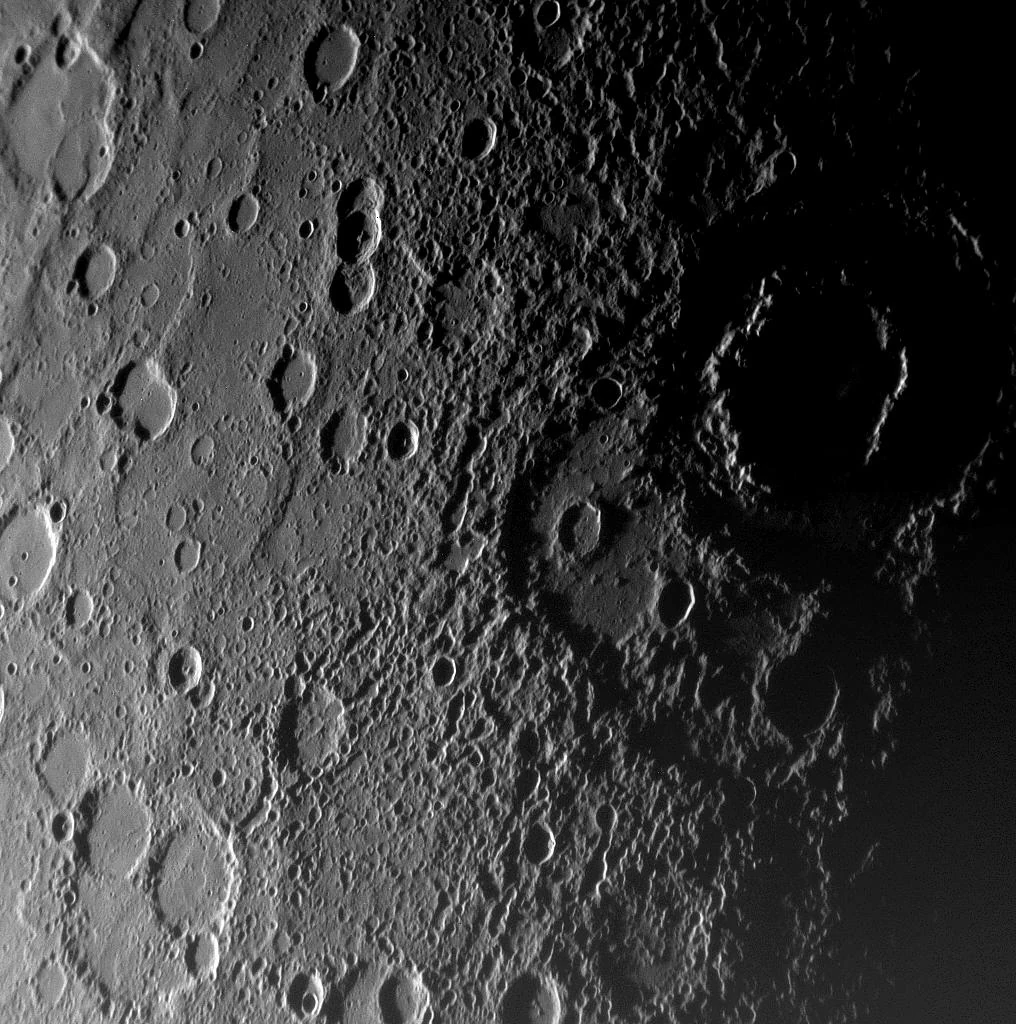
First planet from the Sun
Mercury
The fastest, smallest planet — orbits the Sun every 88 days.
Explore & see in 3D →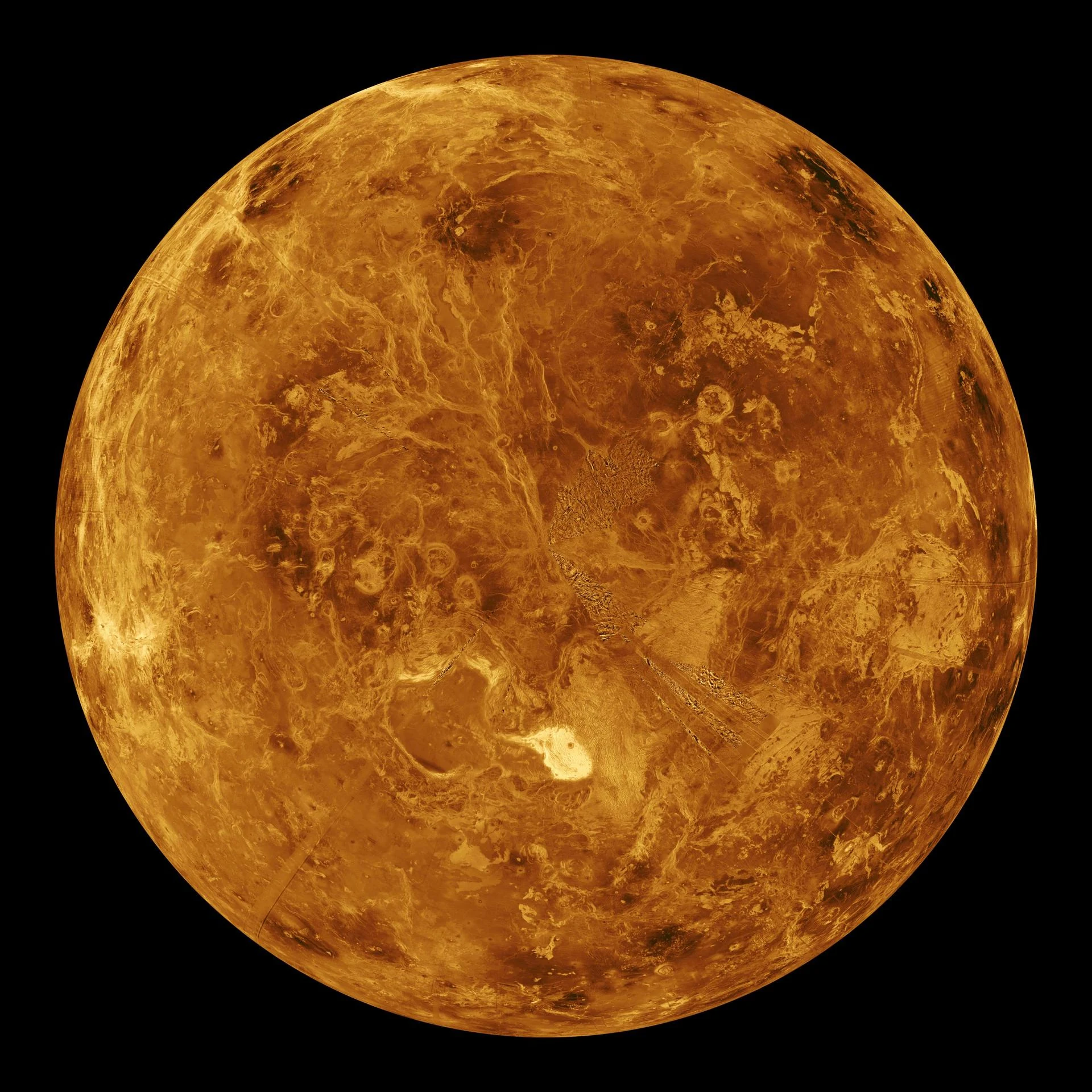
Second planet from the Sun
Venus
Hottest planet in the solar system — a runaway greenhouse hellscape.
Explore & see in 3D →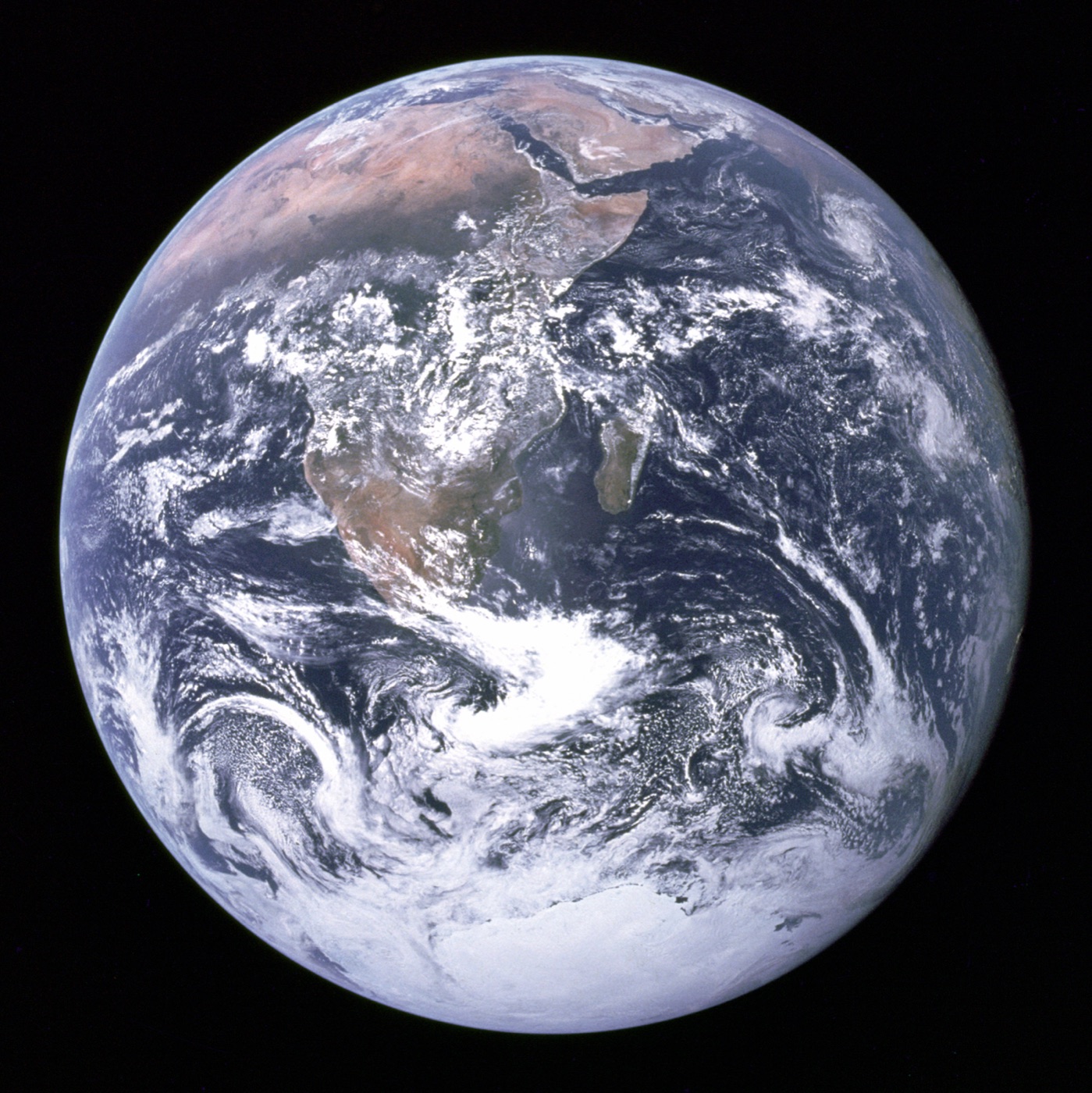
Third planet from the Sun
Earth
The only world we know that holds life.
Explore & see in 3D →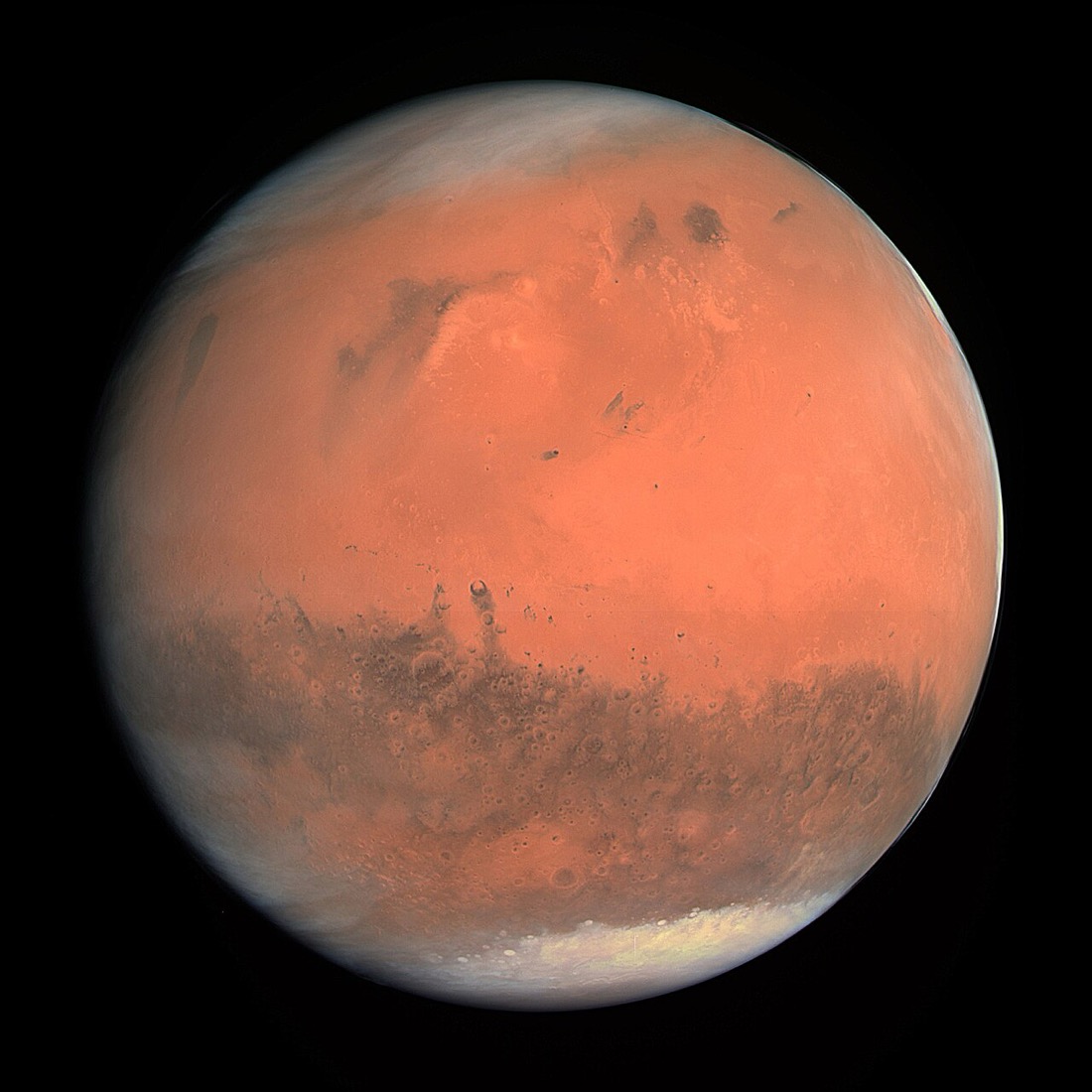
Fourth planet from the Sun
Mars
Today, three working rovers and a helicopter sit on this surface.
Explore & see in 3D →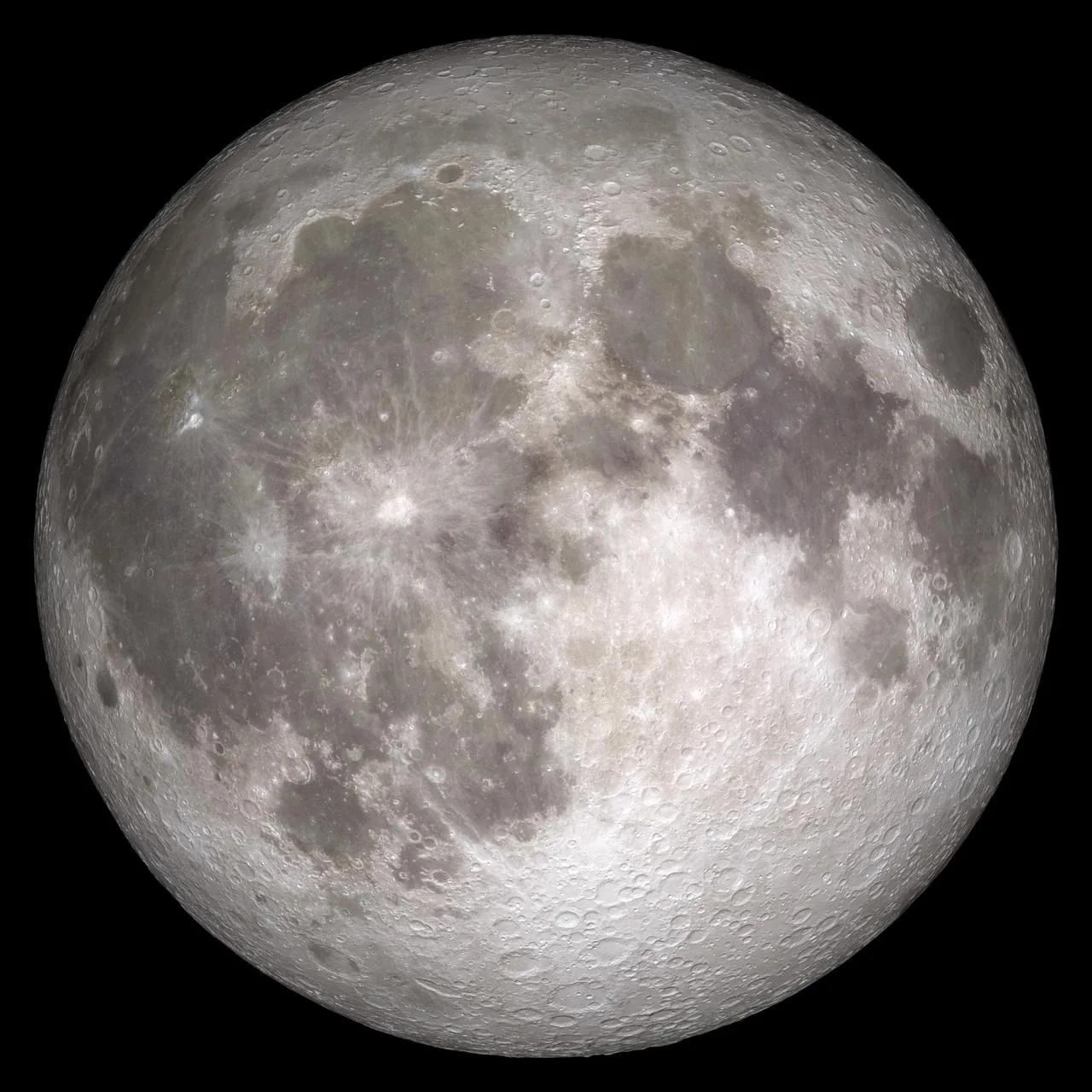
Asteroid · Main Belt
Vesta
The second-largest body in the main belt — Dawn orbited it in 2011–12.
Explore & see in 3D →Near-Earth asteroid
433 Eros
NEAR Shoemaker made the first-ever asteroid landing here in 2001.
Explore & see in 3D →Near-Earth asteroid
Itokawa
Hayabusa returned the first asteroid sample from this rubble pile in 2010.
Explore & see in 3D →Near-Earth asteroid
Ryugu
Hayabusa2 sampled this spinning-top carbonaceous asteroid, returned 2020.
Explore & see in 3D →Near-Earth asteroid
Bennu
OSIRIS-REx grabbed a sample at Nightingale crater, delivered to Earth 2023.
Explore & see in 3D →Jupiter-family comet
67P/Churyumov–Gerasimenko
Rosetta orbited and Philae landed on this rubber-duck comet in 2014.
Explore & see in 3D →Kuiper Belt object
Arrokoth
New Horizons flew past this primordial contact binary in 2019 — the most distant world explored.
Explore & see in 3D →Interstellar object
1I/'Oumuamua
The first confirmed interstellar visitor — found in October 2017 already racing away from the Sun. A dark, elongated shard from another star on an unbound path that will never return.
Explore & see in 3D →Interstellar comet
2I/Borisov
The first clearly cometary interstellar visitor — found in 2019 with an active coma and tail. A comet from another planetary system, passing through ours just once on a steeply hyperbolic orbit.
Explore & see in 3D →Gas Giants
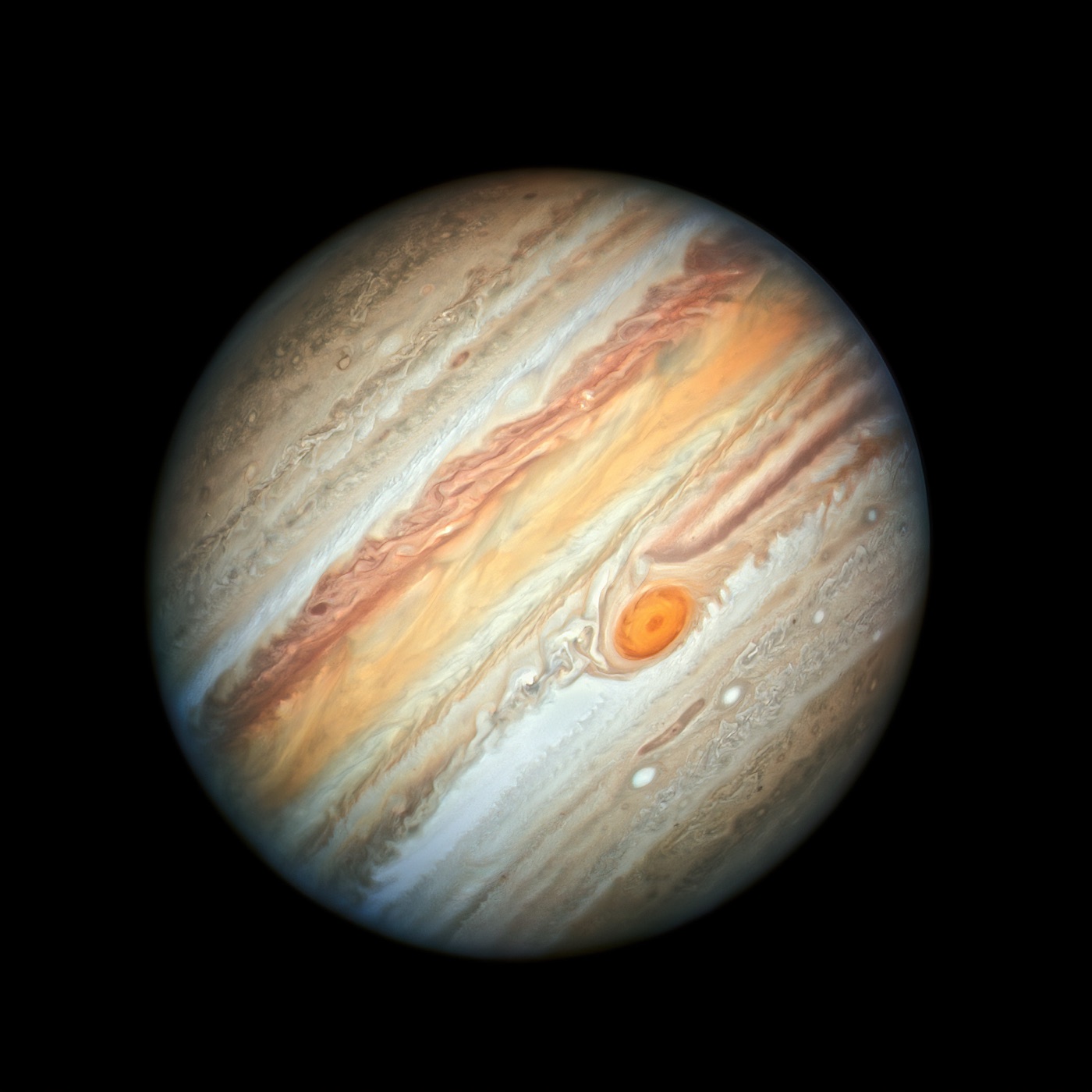
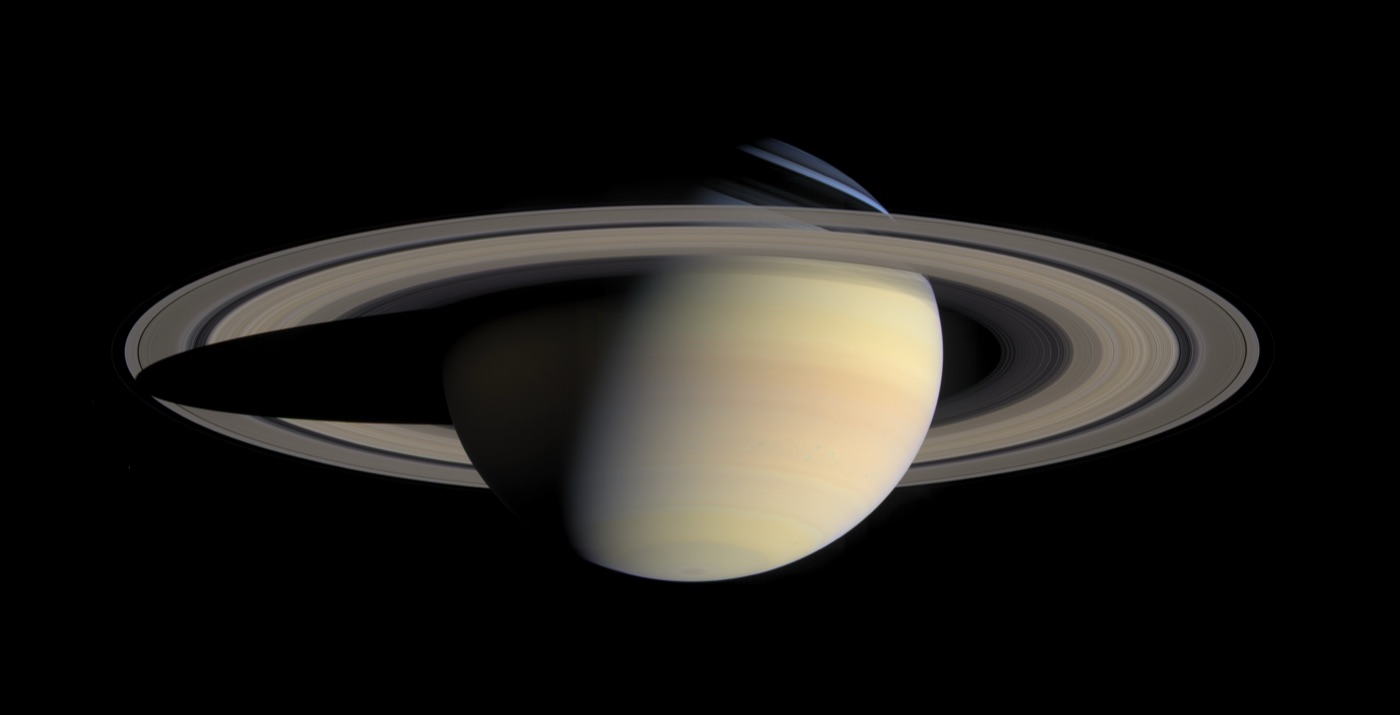
The two colossal worlds of hydrogen and helium, ringed and storm-wracked.
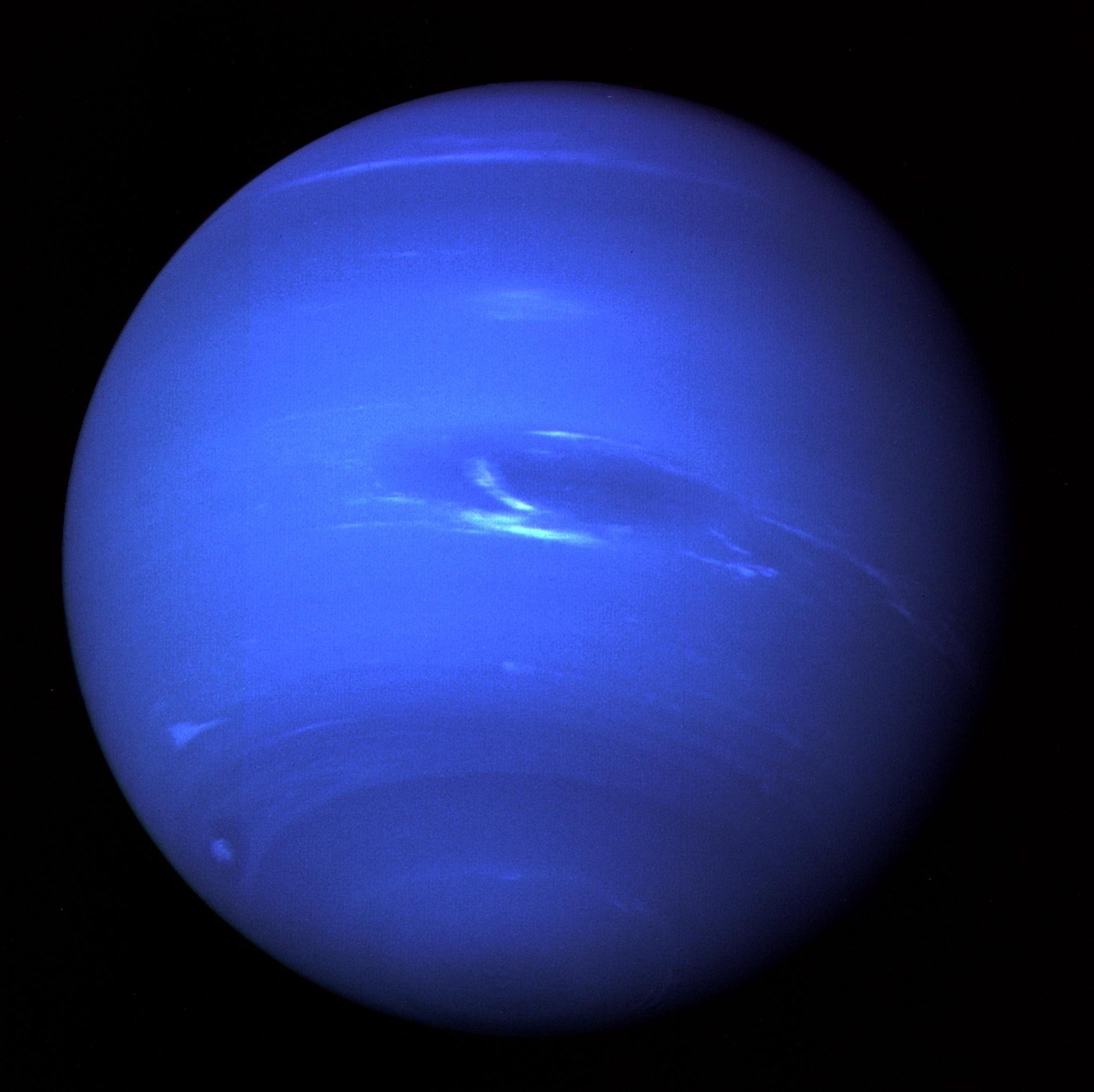
Ice Giants
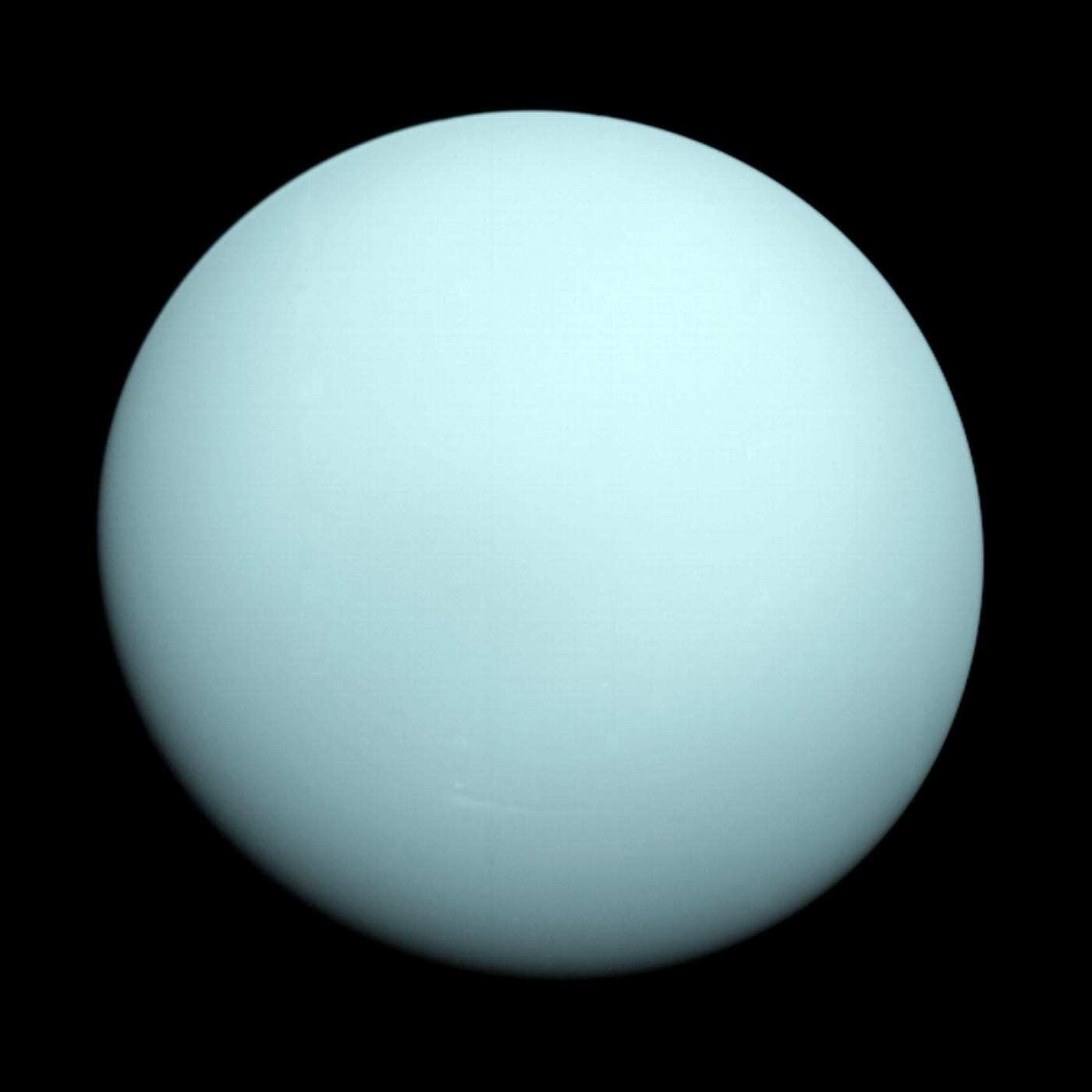
The distant pale worlds of water, ammonia and methane ice.
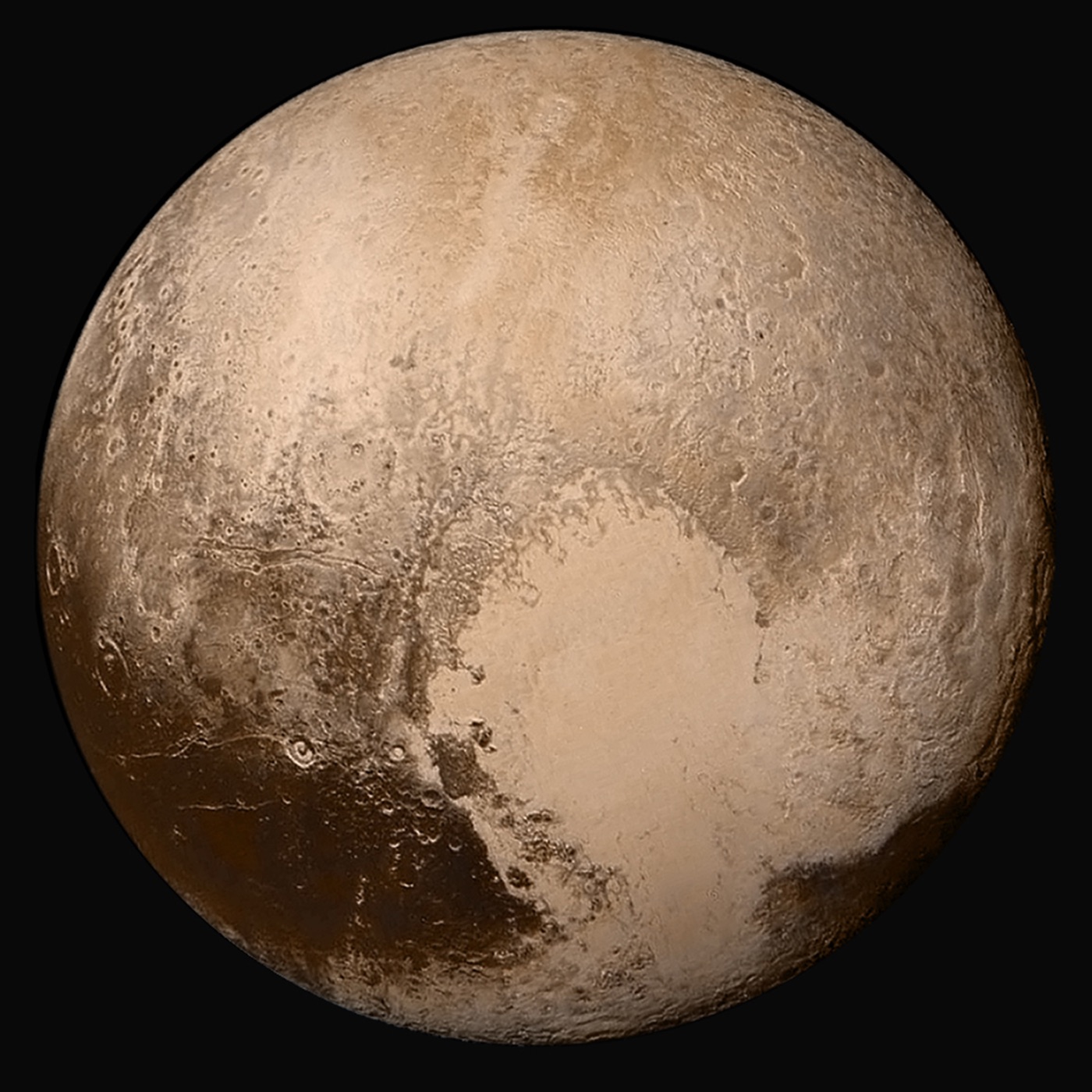
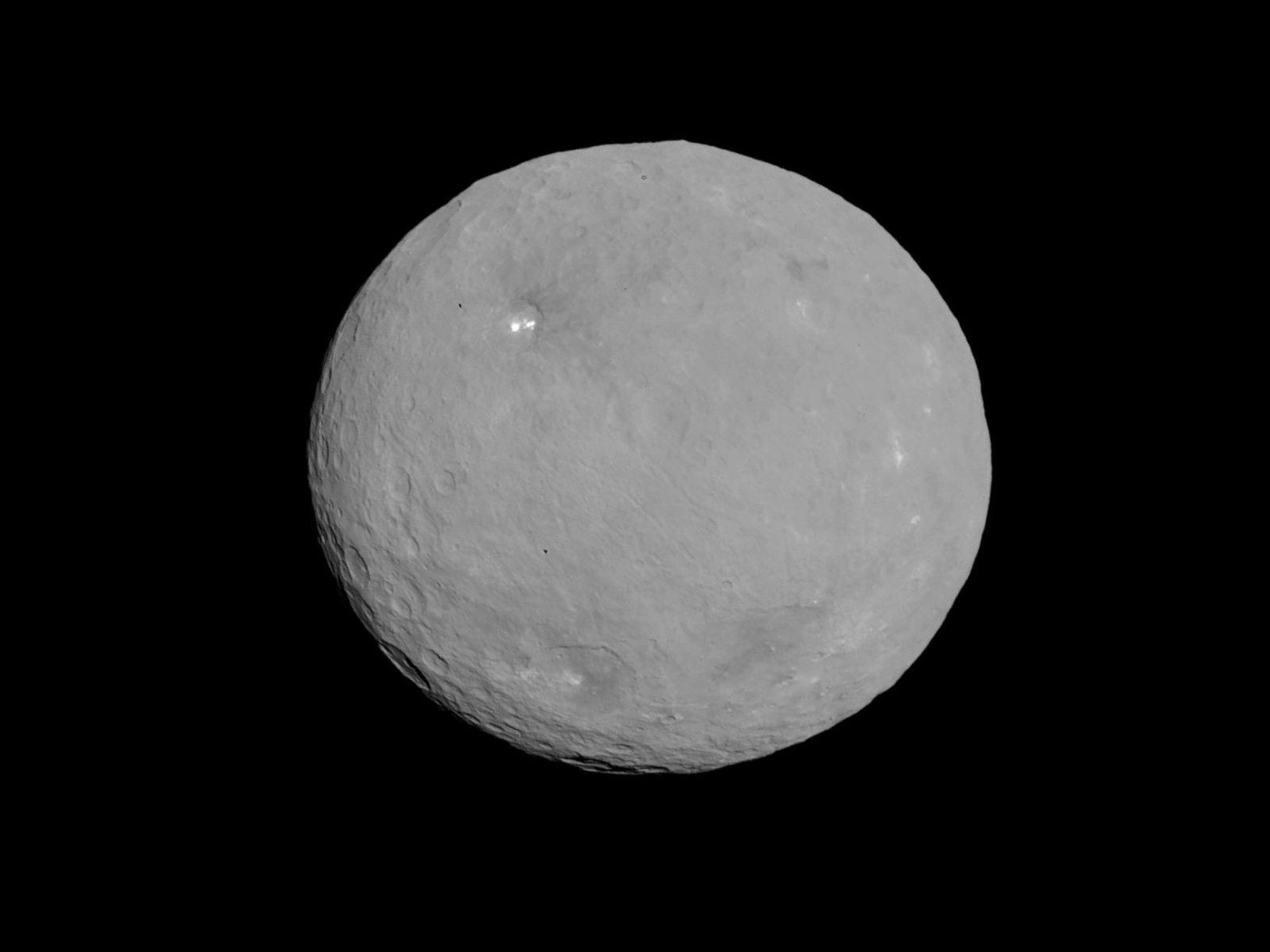
Dwarf Worlds
Worlds that didn't clear their orbits — but are worlds all the same.
Explore more of the universe
Universe ExplorerExplore the connected cosmos in 3DThe Cosmic LadderFly through 119,000 real starsWorldsLand on 16 real planets, moons & asteroidsSpace AcademyFly history's missions yourselfMission ReplaysRelive the great missions as they happenedStarsMeet the galaxy's brightest starsDeep-Sky Wonders39 galaxies, nebulae & clusters in real imagerySpacecraftThe great robotic explorers in real imageryMulti-WavelengthSee the cosmos in every kind of lightCosmic PerspectiveFrom your street to the edge of everythingSpace Time MachineTravel to any date in the Space Age