Image: NASA
Apollo 16
Mission Profile
| Launch date | 1972-04-16 |
|---|---|
| Launch site | Kennedy Space Center, Launch Complex 39A, Florida |
| Launch vehicle | Saturn V (SA-511) |
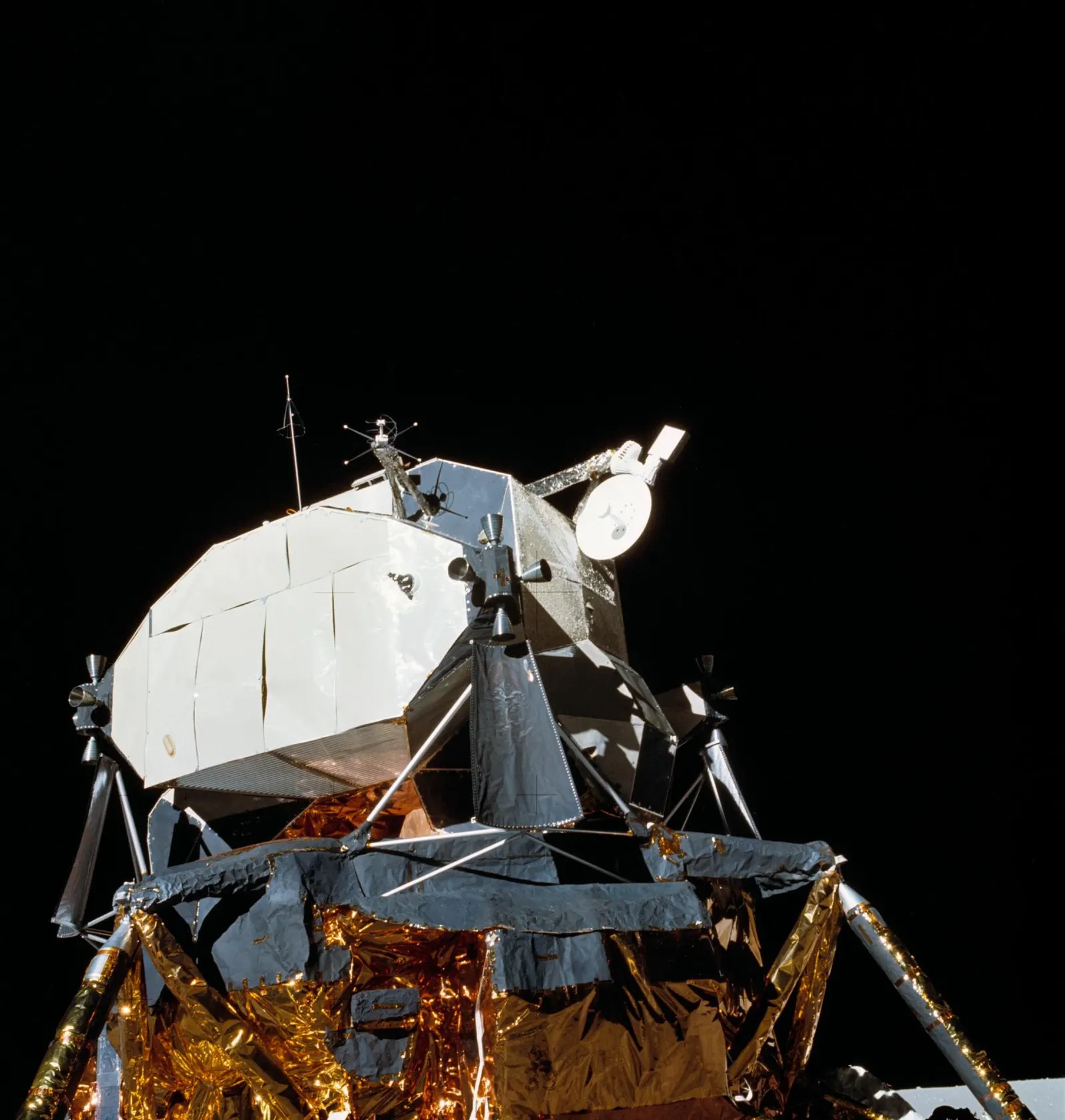
| Spacecraft | CSM-113 "Casper" + LM-11 "Orion" |
| Target | Moon |
| Type | Crewed |
| End date | 1972-04-27 |
| Recovery | USS Ticonderoga, Central Pacific (0°42′S, 156°12′W) |
| Landing site | 8.97301°S, 15.50019°E — Descartes Highlands |
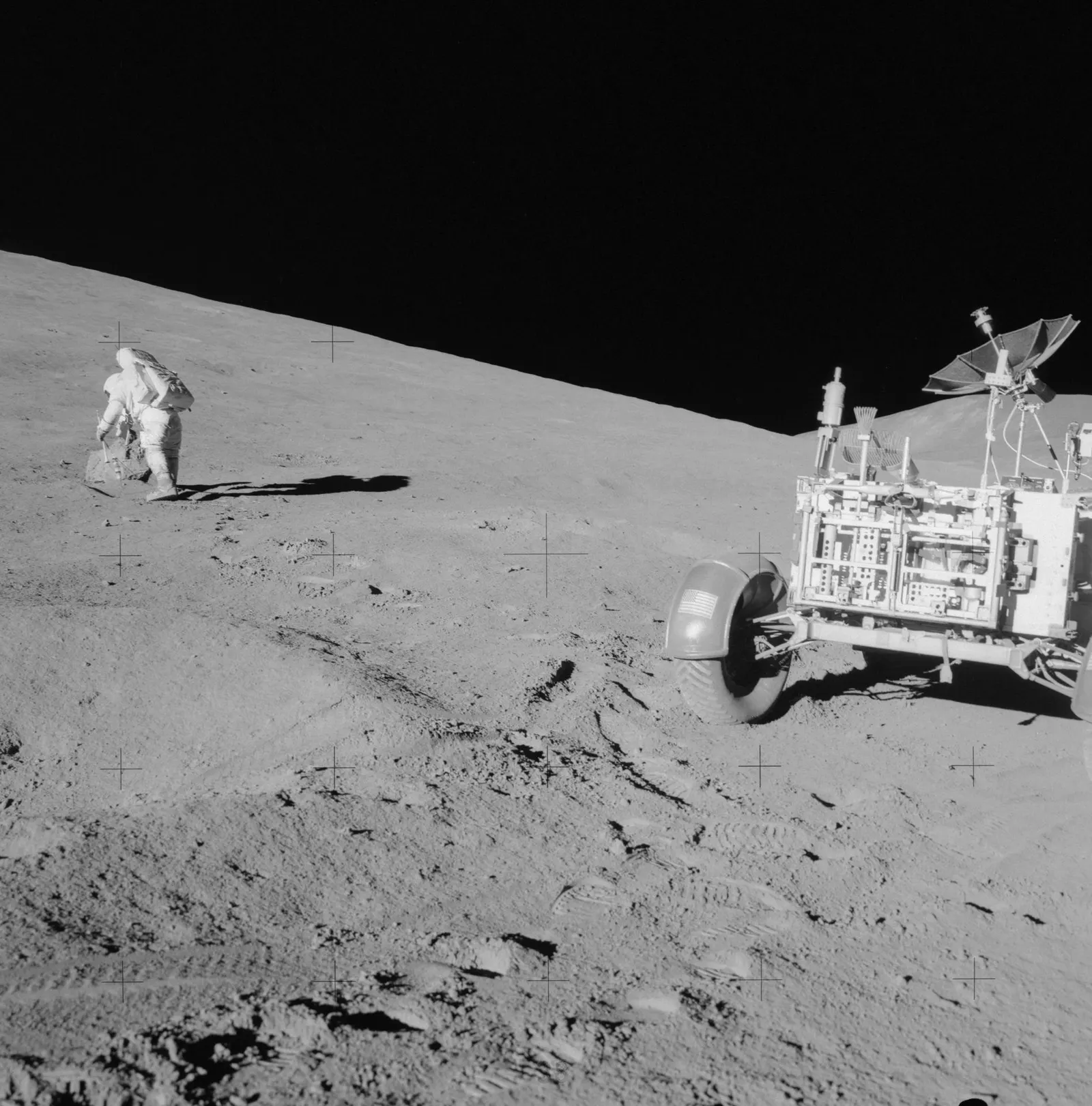
| Surface stay | ~71 hours 2 minutes (3 LRV EVAs totalling ~20h 14m); LRV traverse 26.7 km |
| Cost | Apollo program-wide; mission-specific cost not separately published |
| Mass | ~46,800 kg (CSM + LM combined) |
| Duration | 11 days, 1 hour, 51 minutes, 5 seconds |
| Partners | North American Rockwell (CSM), Grumman (LM), Boeing (LRV) |
| Instruments | LRV-2, ALSEP-4, Far UV Camera/Spectrograph, SIM bay, PFS-2 subsatellite |
Overview
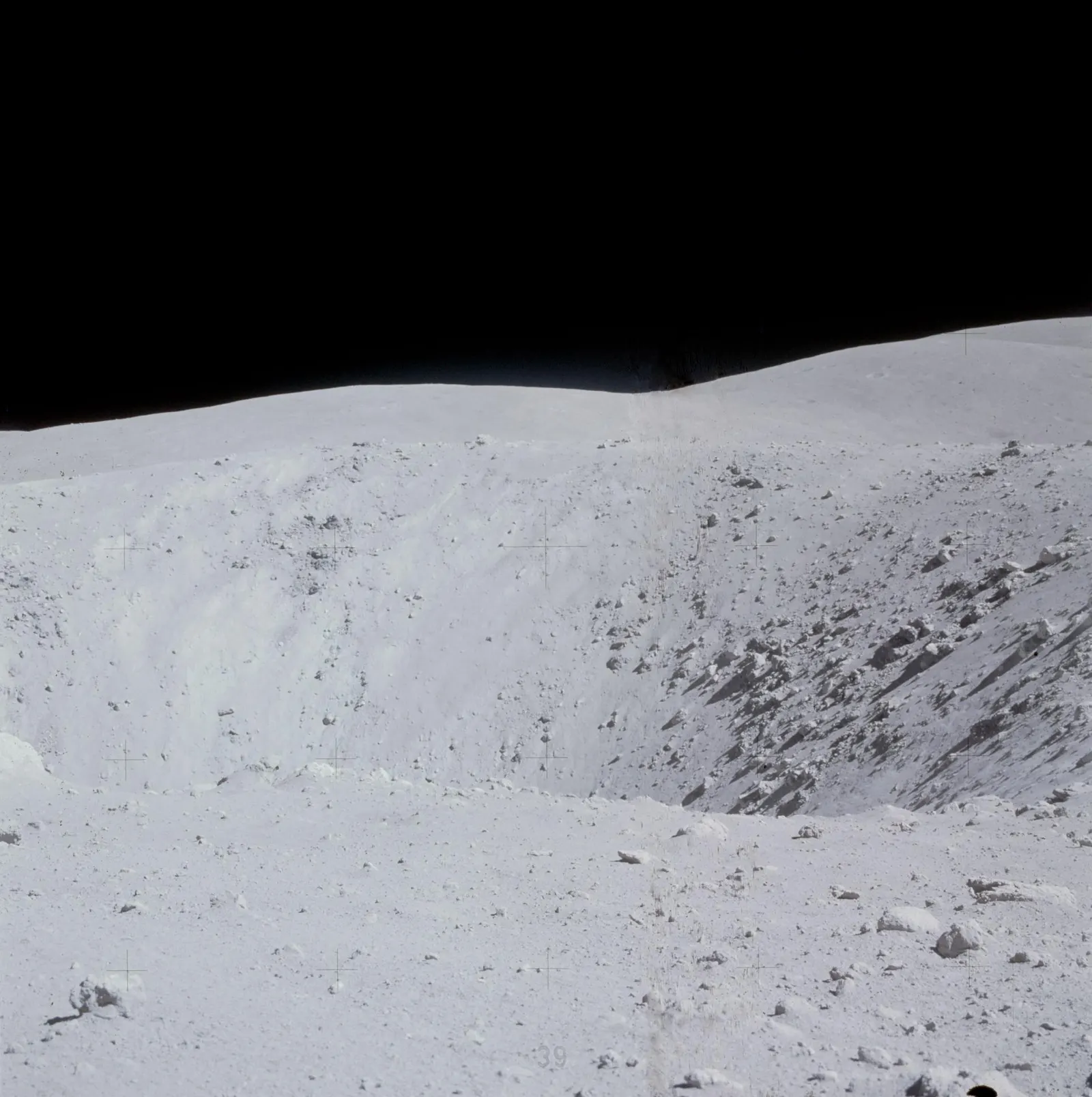
Apollo 16 was the first crewed landing in the lunar highlands — a region that pre-mission geological models predicted would be dominated by volcanic features. The mission was designed to test the volcanic-origin hypothesis for the lunar highlands. John Young, Ken Mattingly (who had been replaced on Apollo 13 by Swigert and now finally flew), and Charles Duke launched April 16, 1972. After a six-hour landing delay due to a CSM Service Propulsion System gimbal issue (mission managers nearly aborted the landing), Orion touched down in the Cayley Plains near the Descartes formation. Across three Lunar Roving Vehicle EVAs Young and Duke traversed 26.7 km, deployed ALSEP-4, and collected 209 lb (95 kg) of samples — which proved that the highlands are impact-shattered breccias, not volcanic. The volcanic hypothesis was disproven; lunar geology was rewritten.
Mission Objectives
First crewed landing in lunar highlands (test volcanic-origin hypothesis)
achieved
Survey Cayley Plains and Descartes formation
achieved
Conduct extensive geological investigation, deploy ALSEP-4
achieved
Operate SIM bay and deploy second lunar subsatellite (PFS-2)
achieved
Crew
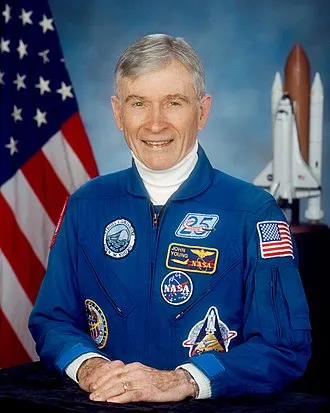
John W. Young
Commander
Veteran of Gemini 3, 10; Apollo 10. Ninth person on Moon. Later commanded STS-1. Died 2018.
Thomas K. "Ken" Mattingly II
Command Module Pilot
Originally Apollo 13 CMP — bumped by German measles. Operated SIM bay. Died 2023.
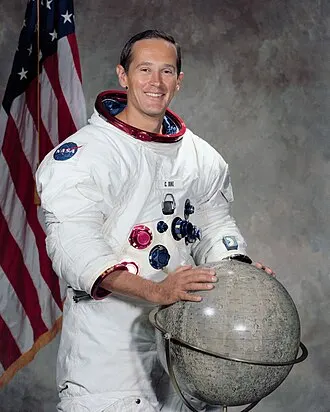
Charles M. Duke Jr.
Lunar Module Pilot
Tenth and youngest moonwalker (age 36). Capcom for Apollo 11's lunar landing.
Vehicle Specifications
Command/Service Module
"Casper"
- Mass
- ~30,400 kg
Lunar Module
"Orion"
- Mass
- ~16,400 kg
Lunar Roving Vehicle (LRV-2)
- Mass
- ~210 kg dry
Hit 11 mph downhill — Apollo LRV speed record.
Key Milestones
1972-04-16
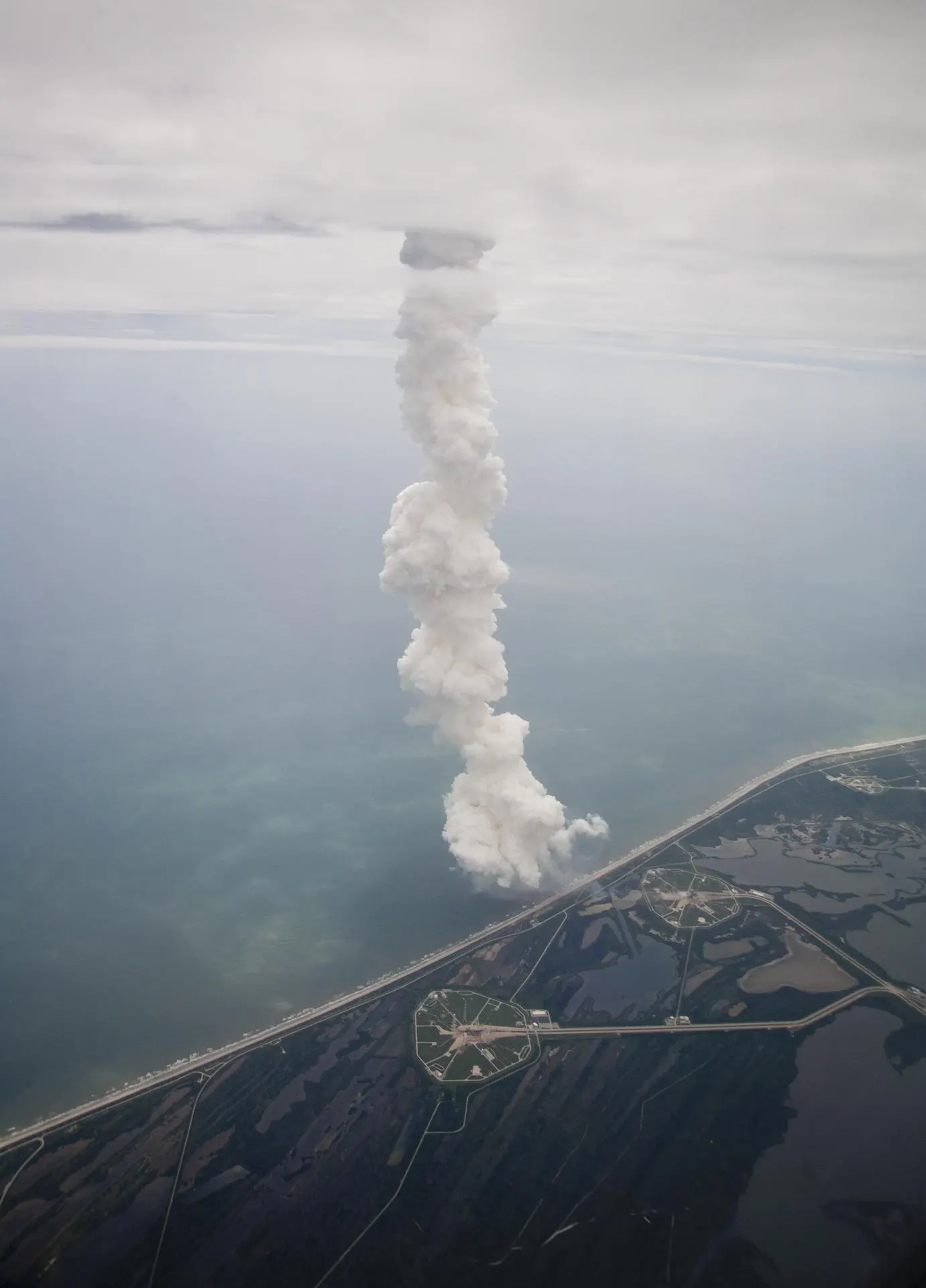
Launch from LC-39A at 17:54 UTC
1972-04-19
Lunar Orbit Insertion
1972-04-21
Lunar landing at 02:23 UTC (delayed ~6 hours due to SPS gimbal issue), Descartes Highlands
1972-04-22
LRV EVA-1; deploy ALSEP-4
1972-04-23
LRV EVA-2: South Ray Crater investigation
1972-04-24
LRV EVA-3: North Ray Crater
1972-04-24
Lunar ascent and rendezvous with Casper
1972-04-27
Splashdown in Central Pacific; recovered by USS Ticonderoga (mission shortened 1 day)
Key Achievements
First crewed landing in lunar highlands
Disproved volcanic-origin hypothesis (samples = impact breccias)
LRV speed record: 11 mph (17.7 km/h) downhill
First UV astronomy observatory on lunar surface (Far UV Camera/Spectrograph)
209 lb (95 kg) of lunar samples returned
Duke: tenth and (at age 36) youngest moonwalker
Photo Gallery
Legacy & Significance
Apollo 16 revealed that the lunar highlands are impact-shattered breccias — not volcanic — rewriting decades of pre-Apollo lunar geology. The mission also demonstrated that even the most carefully-planned lunar landings could face last-minute aborts (the near-abort over the SPS gimbal issue) and recover. Charles Duke's family photo — left on the surface — became one of the small but enduring human gestures of the program.