The International Space Station has been humanity's outpost in low Earth orbit for over 25 years. It is an engineering marvel, a diplomatic achievement, and a scientific laboratory unlike anything else ever built. It is also aging, expensive to maintain, and scheduled for retirement by the end of this decade. The question that has haunted space policy for years is stark: what comes next? Axiom Space, a Houston-based company led by former NASA ISS program manager Michael Suffredini, has the most credible answer. They are building the world's first commercial space station, and their approach is as pragmatic as it is ambitious.
The Strategy: Attach First, Detach Later
Axiom's plan is elegant in its simplicity. Rather than building an entirely new space station from scratch and launching it into orbit independently, a staggeringly expensive and risky proposition, Axiom is attaching its modules directly to the International Space Station. The first Axiom module, called the Axiom Hub One, is scheduled to connect to the ISS's forward port of the Harmony node.
This attachment strategy is brilliant for several reasons. First, it allows Axiom to leverage the ISS's existing life support systems, power generation, and communications infrastructure during the early operational phase. The modules do not need to be fully self-sufficient from day one. Second, it gives Axiom's hardware real-world operational validation in the most demanding environment imaginable before it must function independently. Third, it provides a seamless transition for customers, researchers, and astronauts who can begin using Axiom's facilities while the ISS is still operational.
The plan calls for multiple Axiom modules to be attached over several years: a habitation module, a research and manufacturing facility, a crew quarters module with a large Earth-observation window, and a power and thermal management module. Once the ISS reaches its end of life and is deorbited, the Axiom segment will detach and operate as a free-flying, independent commercial space station. It is a bootstrap strategy, using the existing platform to birth its successor.
Ax-1 Through Ax-4: Proving the Model
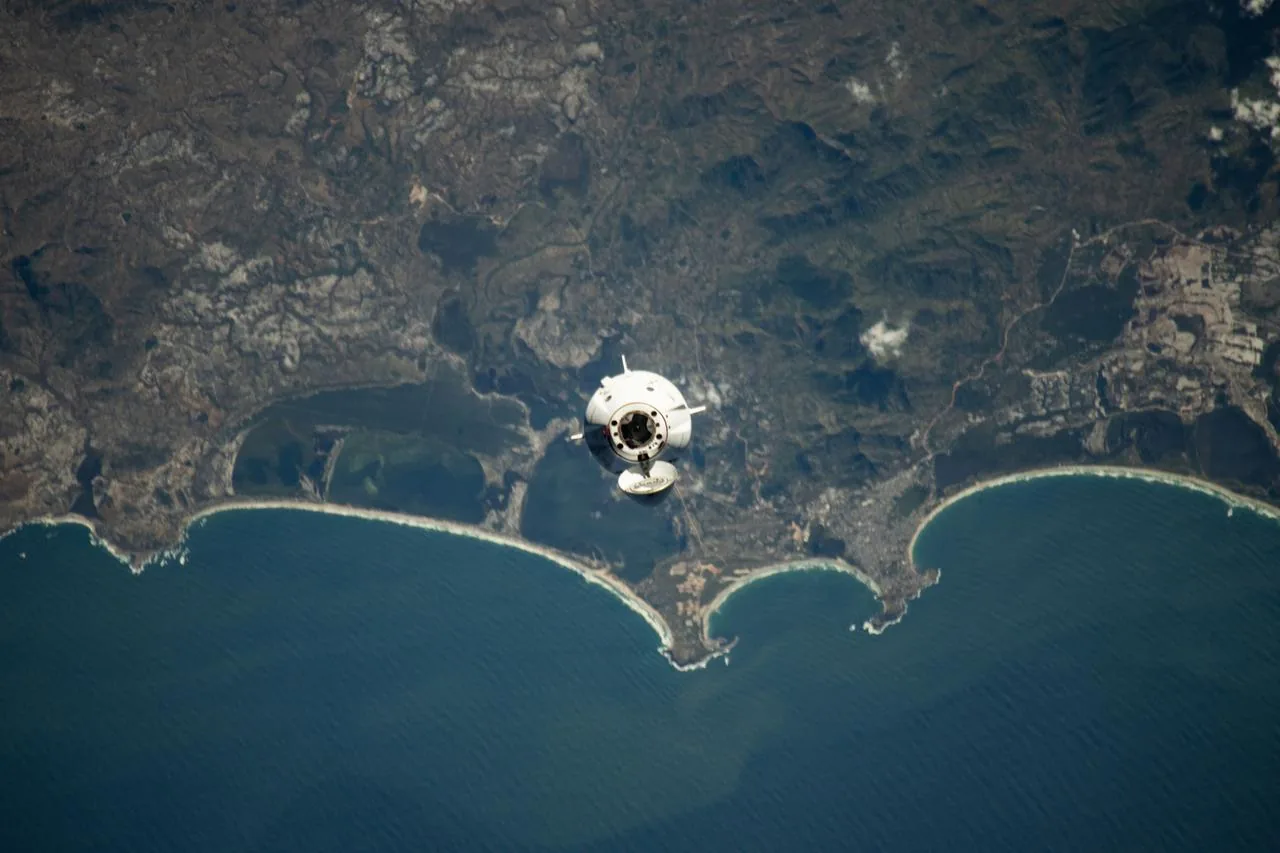
Axiom has not waited for its modules to begin operations. The company has been flying private astronaut missions to the ISS since 2022, and these missions have served as both revenue generators and proof-of-concept demonstrations for the company's long-term vision.
Ax-1, launched in April 2022, was the first fully private mission to the ISS. Commander Michael Lopez-Alegria, a former NASA astronaut and Axiom's chief astronaut, led a crew of three private citizens. The mission spent 17 days at the station, longer than planned due to weather delays for the return, and the crew conducted 25 research experiments. Critics initially dismissed the mission as space tourism dressed up in science clothing, but the research output was legitimate, and the operational execution demonstrated that a private company could manage ISS mission logistics.
Ax-2 followed in 2023, carrying a more internationally diverse crew including the first Saudi Arabian female astronaut, Rayyanah Barnawi. The mission expanded the research portfolio and strengthened Axiom's relationships with international space agencies, a critical business development function since many countries want to send their astronauts to space but lack their own launch capabilities.
Ax-3 continued the pattern in early 2024 with crew members representing Turkey, Italy, and Sweden, along with a former NASA astronaut as commander. Each mission has refined Axiom's operational playbook, from crew training protocols to research payload integration to real-time mission management.
Ax-4 and subsequent missions continue building the cadence and complexity of private astronaut operations. Each flight brings Axiom closer to its goal of maintaining a near-continuous human presence in its orbital facilities.
The Business Model: Multi-Layered Revenue
Axiom's business model is more sophisticated than "sell seats to rich tourists," though private astronaut missions are certainly one revenue stream. The company has constructed a multi-layered approach to generating revenue from its orbital infrastructure.
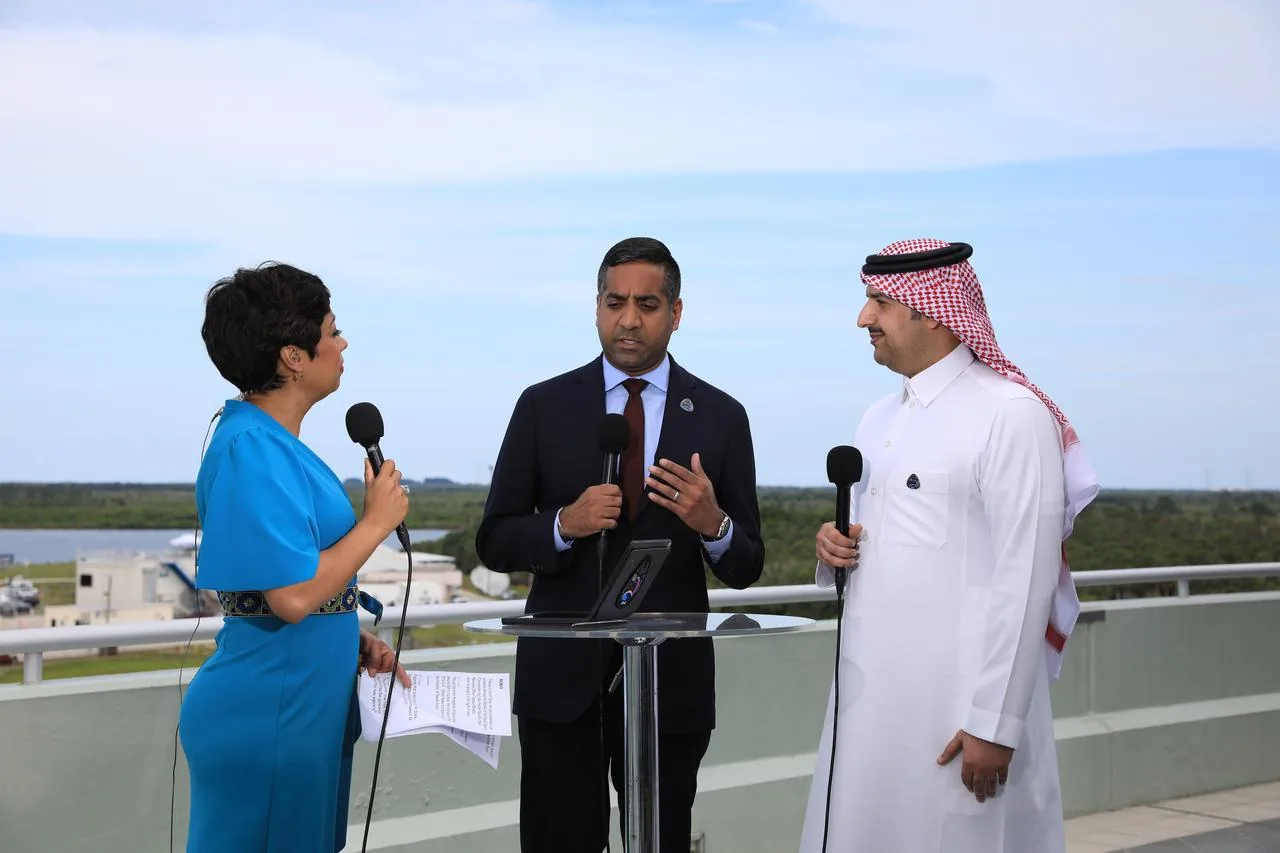
Sovereign astronaut programs represent a major and growing revenue source. Countries that do not have their own human spaceflight programs, which is almost every country, can contract with Axiom to fly their astronauts to space. This includes not just the flight itself but also the full astronaut training pipeline, which Axiom conducts at its facilities in Houston. The training is comprehensive: candidates spend months learning ISS systems, spacewalk procedures, emergency protocols, and research techniques. For nations seeking prestige, scientific capability, and workforce development, this is an attractive package.
Research and development services allow pharmaceutical companies, materials science firms, and academic institutions to conduct experiments in microgravity. The unique conditions of orbit, including near-zero gravity, vacuum, and extreme thermal gradients, enable research that is impossible on Earth. Protein crystallization, fiber optic manufacturing, and stem cell research have all shown promising results in microgravity. Axiom brokers the entire process: payload design, integration, launch, on-orbit operation, and sample return.
In-space manufacturing is the long-term prize. Axiom's station is being designed with dedicated manufacturing modules where commercial products can be produced in microgravity and returned to Earth for sale. The economics of space manufacturing are still being proven, but early results from companies like Varda Space Industries suggest that certain high-value products, including pharmaceutical compounds and specialty optical fibers, can be manufactured more effectively in orbit than on the ground.
Media and entertainment partnerships generate revenue and public engagement. Axiom has worked with production companies on documentary content, and the visual spectacle of private astronauts conducting research aboard the ISS generates significant media value for sponsor organizations.
The Astronaut Training Pipeline
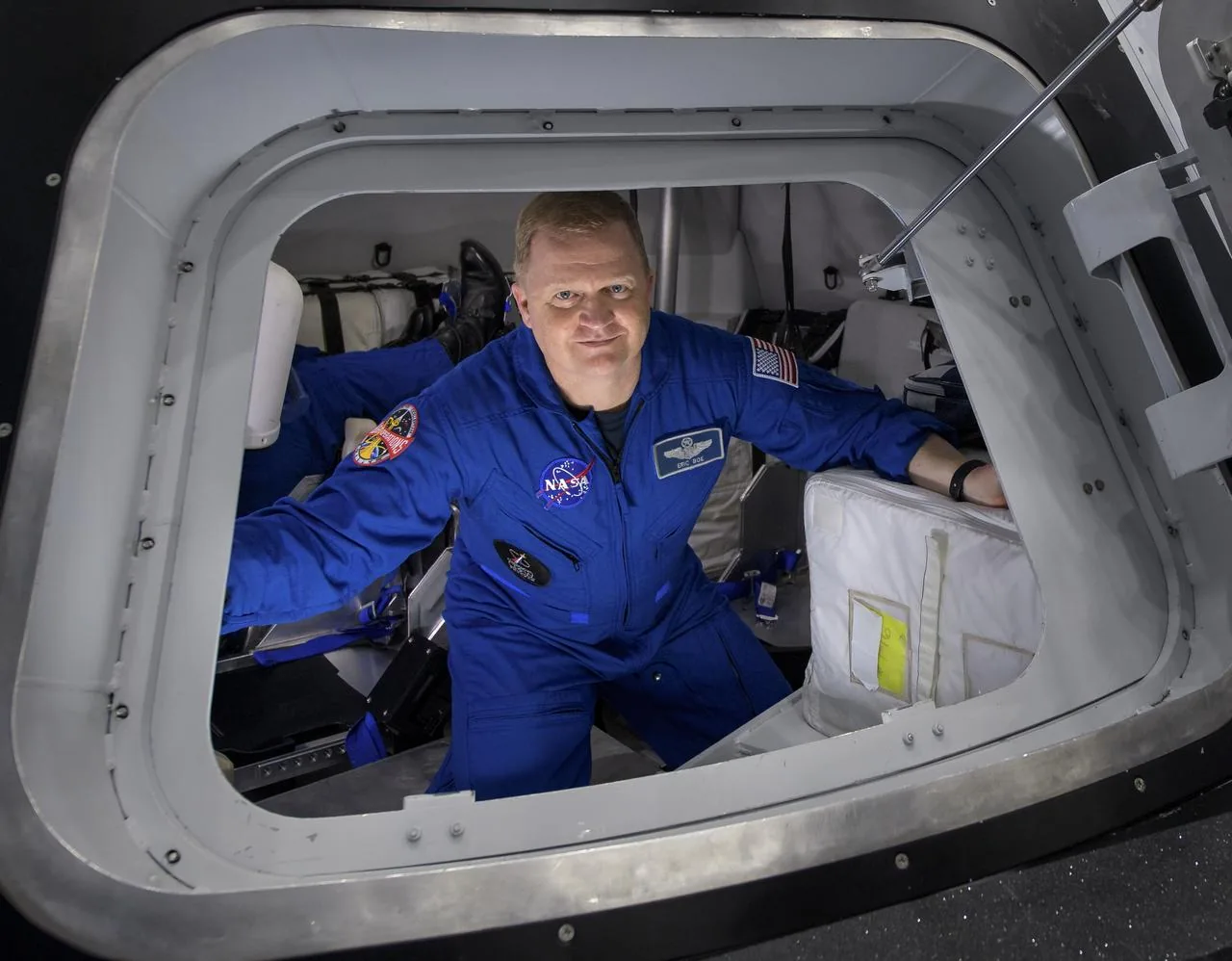
One of Axiom's underappreciated assets is its astronaut training infrastructure. Built in Houston near NASA's Johnson Space Center, Axiom's training facility is staffed by veterans of the NASA astronaut corps and ISS operations. The training program is modeled on NASA's but compressed and tailored for private missions.
Candidates undergo physical fitness assessments, medical screening, and psychological evaluation. They train in simulators that replicate ISS modules, practice robotics operations, learn to use the station's life support systems, and prepare for contingencies ranging from fire to depressurization to medical emergencies. The training culminates in integrated simulations where the entire crew works through a mission timeline from launch to landing.
This training capability is a competitive moat. Building a facility and team that can certify humans for spaceflight is not something a competitor can replicate quickly. It took Axiom years to assemble the expertise, procure the equipment, and develop the curricula. Every private astronaut mission that Axiom flies deepens this institutional knowledge.
The Competitive Landscape
Axiom is not the only company pursuing commercial space stations, but it is the furthest along. NASA has awarded Space Act Agreements to several companies under its Commercial Low Earth Orbit Destinations (CLD) program.
Vast, founded by cryptocurrency billionaire Jed McCaleb, is developing the Haven-1 station, a single-module outpost designed for rapid deployment. Haven-1 is smaller and simpler than Axiom's planned station, but its speed-to-market approach could make it the first free-flying commercial station in orbit.
Orbital Reef, a joint venture between Blue Origin and Sierra Space, was another major contender, though the partnership has evolved and the project's timeline has shifted. The concept envisions a mixed-use business park in orbit, with modules from multiple providers sharing infrastructure.
Starlab, backed by Voyager Space and Airbus, is developing a single-launch space station designed to be deployed in one piece aboard a large rocket. The single-launch approach simplifies assembly but constrains the station's size and expansion potential.
Axiom's advantage over all of these competitors is operational experience. No other commercial entity has flown multiple crewed missions to the ISS. No other company has a functioning astronaut training program. No other company has paying customers with contracts for future flights. In the space business, where credibility is everything and timelines slip constantly, demonstrated capability beats PowerPoint presentations every time.
Challenges and Risks
Axiom faces significant challenges. The ISS itself is aging, and any structural or operational issues with the station could impact Axiom's module attachment timeline. The cost of developing, launching, and operating space station modules is enormous, and Axiom has raised significant private funding but will need more as the program scales.
The regulatory environment for commercial space stations is still being defined. Questions about liability, intellectual property for in-space manufacturing, export control for international crew members, and safety standards for commercial habitation modules are being worked through in real time. Axiom is essentially writing the rulebook alongside the regulators.
Technical risk is ever-present. Space station modules must function flawlessly for years in the most hostile environment humans have ever inhabited. Micrometeorite impacts, radiation degradation, thermal cycling, and the vacuum of space all take their toll. Axiom's modules must meet or exceed the safety standards that have kept ISS crews alive for a quarter century.
The Bigger Vision
Michael Suffredini, who managed the ISS program during some of its most critical years, has described Axiom's mission in straightforward terms: ensure that humanity maintains a permanent presence in low Earth orbit after the ISS retires. The ISS was built by governments at a cost exceeding $100 billion. The next generation of orbital habitats must be built and operated commercially, or they will not be built at all. Government budgets are shifting toward lunar and deep space exploration, and there is no political appetite for another $100 billion space station program.
Axiom is betting that the commercial demand, from sovereign astronaut programs, from pharmaceutical and materials science research, from manufacturing, from media, and yes, from tourism, is sufficient to sustain a commercial station. The early evidence, paying customers, oversubscribed missions, and growing international partnerships, suggests the bet is a sound one.
The ISS proved that humans can live and work in space continuously. Axiom's job is to prove that humans can do so profitably. If they succeed, the implications extend far beyond one company's balance sheet. A self-sustaining commercial presence in low Earth orbit becomes the foundation for everything that follows: lunar outposts, Mars expeditions, and eventually, a multi-planetary civilization. It all starts with proving the business case, and that is exactly what Axiom Space is doing, one mission at a time.