Axiom Space: Building the First Commercial Space Station
Company Overview
Axiom Space stands as the most ambitious commercial human spaceflight company operating today — not a launch provider, not a satellite operator, but a builder of the world's first private space station. Founded in 2016 by former NASA ISS program manager Michael Suffredini and entrepreneur Kam Ghaffarian, Axiom is executing a uniquely staged strategy: first become the world's leading private astronaut mission operator, then attach commercial modules to the ISS, and ultimately detach those modules to form an independent commercial space station when the ISS retires.
Headquartered in Houston, Texas — the historic home of NASA human spaceflight — Axiom employs approximately 1,000 people and closed an additional $350 million financing round in February 2026 to accelerate the AxEMU spacesuit and Axiom Station programs, on top of more than $700M raised across earlier rounds. The company's valuation has remained in the multi-billion-dollar range, making it one of the most valuable private human spaceflight companies in the world.
The leadership team has evolved with the program. Michael Suffredini, who founded Axiom after 10 years as NASA's ISS Program Manager, is no longer day-to-day CEO; in early 2026 the board appointed Dr. Jonathan Cirtain as President and CEO, and named Dr. Lucie Low as the company's first Chief Science Officer to expand its research and microgravity-economy strategy. Co-founder Kam Ghaffarian — who also co-founded SGT and Intuitive Machines — remains a major shareholder and influence on long-term strategy.
Axiom operates at the intersection of several megatrends: the privatization of low Earth orbit (LEO), the aging of the International Space Station (retirement planned for 2030), growing demand for sovereign and commercial human spaceflight capabilities, and the emergence of ultra-high-net-worth space tourism.
Key Takeaways
- Revenue/Budget: $350M raised in February 2026 financing round on top of $700M+ previously raised; AxEMU spacesuit contract up to $3.5B over 15 years
- Key Achievement: 4 private astronaut missions completed (Ax-1 through Ax-4); NASA selected Axiom for a fifth PAM in January 2026; AxEMU passed first uncrewed thermal-vacuum test with KBR; AxH1 module structure under construction at Thales Alenia Space (Italy)
- Key Program: Axiom Station modules (AxH1 attachment targeted late 2026/2027); AxEMU Artemis III lunar spacesuit
- Key Risk: Extraordinary capital intensity of building a space station; ISS retirement timeline uncertainty; leadership transition execution under new CEO Jonathan Cirtain
- Outlook: AxH1 ISS attachment late 2026 or 2027; full station capability 2027–2029; ISS retirement and free-flying Axiom Station ~2030
Notable Quotes
"We are not building a space station because it is easy — we are building it because the next chapter of human civilization will be written in space, and we intend to provide the platform on which that chapter is written. The ISS showed us what is possible. Axiom Station will show us what is next."
— Michael Suffredini, President and CEO of Axiom Space, on the vision for commercial space stations
"Commercial space stations are not a luxury item for billionaires. They are strategic infrastructure — for pharmaceutical research, for advanced manufacturing, for sovereign human spaceflight programs, and yes, for the exploration of the Moon and Mars. Every nation that wants a future in space will need a destination in low Earth orbit."
— Michael Suffredini, Axiom Space CEO, on the strategic rationale for commercial space station development
Space Division Profile
Axiom is a pure-play human spaceflight company — its entire enterprise is focused on human access to space and the development of commercial space infrastructure.
Revenue streams:
- Private Astronaut Missions (PAMs): Mission fees of $50–55 million per seat; total mission costs (including NASA ISS usage fees and SpaceX launch costs) reportedly $150M+ per mission
- Axiom Station Module Development: Capital-intensive infrastructure development, funded through venture capital and NASA contracts
- Extravehicular Activity (EVA) Suit Development: NASA contract for next-generation Artemis spacesuits — up to $3.5B over 15 years
- Government Astronaut Training and Services: Human spaceflight services to sovereign nations without independent crewed launch capabilities
Key Products & Programs
Private Astronaut Missions (PAM)
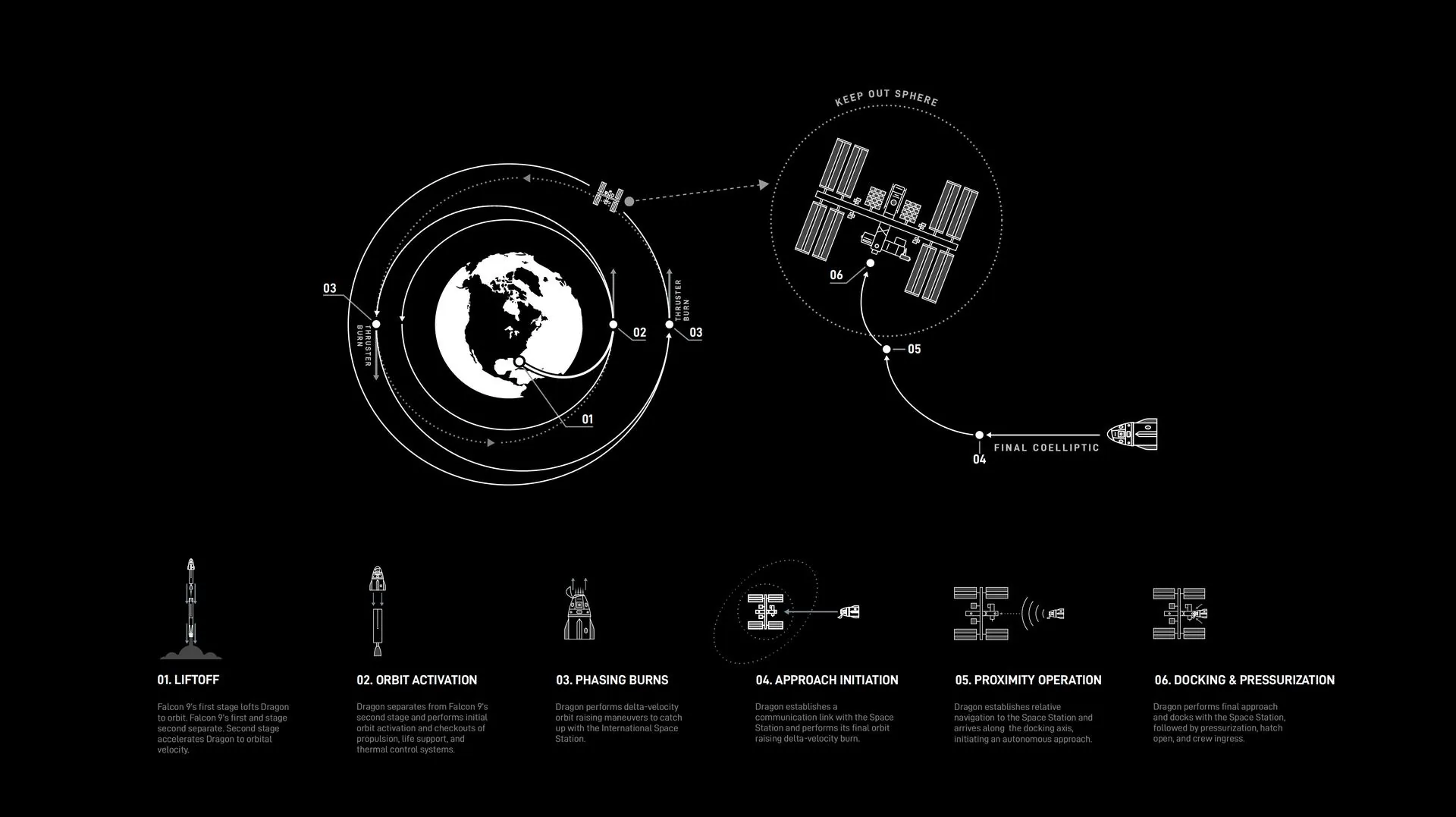
Axiom pioneered the commercial private astronaut mission model — mission integrator for selecting candidates, managing training, coordinating with SpaceX and NASA, and overseeing operations:
Axiom Mission 1 (Ax-1) — April 2022:
- First fully private commercial astronaut mission to the ISS
- Crew: Michael Lopez-Alegria (commander), Larry Connor, Mark Pathy, Eytan Stibbe
- Duration: 17 days aboard ISS
- Payloads: Healthcare, materials science, and Earth observation research
- Historic: First time private citizens conducted extended research on ISS as fully independent mission operators
Axiom Mission 2 (Ax-2) — May 2023:
- Commander: Peggy Whitson (former NASA astronaut and ISS commander)
- Crew: John Shoffner, Ali Alqarni, Rayyanah Barnawi (first Saudi astronauts in space since 1985)
- Duration: 10 days
- Saudi Arabia's national spaceflight program milestone
Axiom Mission 3 (Ax-3) — January 2024:
- Commander: Michael Lopez-Alegria
- Crew: Marcus Wandt (Sweden/ESA), Alper Gezeravci (Turkey), Walter Villadei (Italy)
- Duration: 21 days — longest private astronaut mission to date
- First Turkish astronaut; second Swedish person in space
Axiom Mission 4 (Ax-4) — June 2025:
- Commander: Peggy Whitson (former NASA astronaut, returning for her second Axiom command)
- Crew: Shubhanshu Shukla (India/ISRO — first Indian astronaut on a private ISS mission), Sławosz Uznański-Wiśniewski (Poland/ESA), Tibor Kapu (Hungary)
- Duration: ~18 days aboard ISS
- Significance: First Indian astronaut to fly to ISS, deepening Axiom's sovereign-nation customer model
Axiom Mission 5 (Ax-5) — Selected January 2026:
- NASA formally selected Axiom for a fifth private astronaut mission to the ISS on January 30, 2026
- Crew composition and launch date to be announced; expected to continue the sovereign-nation customer pipeline
Axiom Station Modules
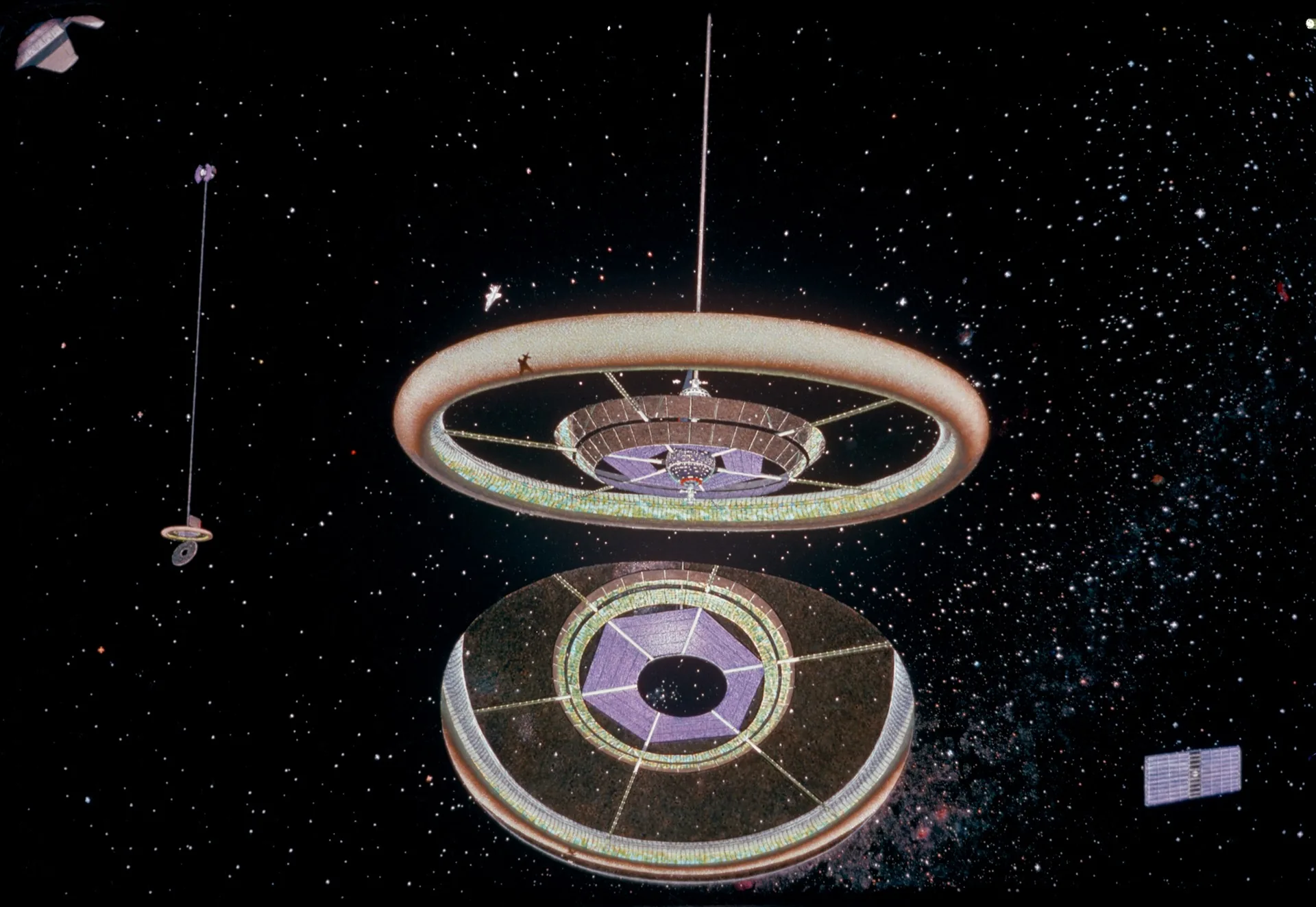
The centerpiece of Axiom's long-term strategy — commercial modules that attach to ISS, then form standalone Axiom Station at ISS retirement:
Axiom Module 1 (AxH1 — Axiom Hub 1):
- Attachment port: ISS Node 2 forward port
- Diameter: 9.3 meters (pressurized shell)
- Purpose: Node/hub for connecting subsequent modules
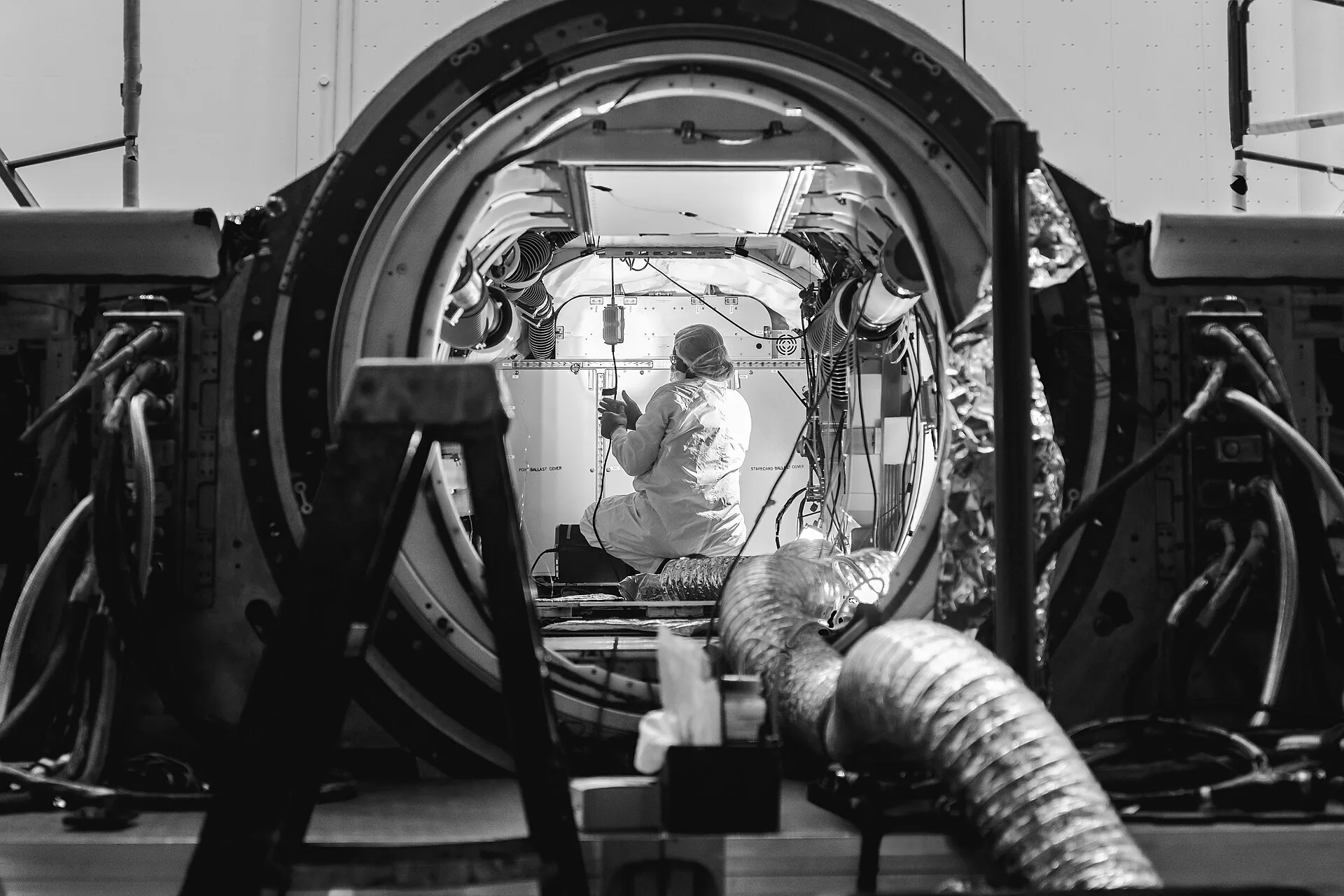
- Manufacturing: Thales Alenia Space, Italy (builder of most ISS modules) — primary structure shipped from Turin to Houston for outfitting
- Status: Pressure-shell construction complete; outfitting and integration in Houston; targeted attachment late 2026 / 2027
Axiom Module 2 (AxH2 — Crew Quarters):
- Purpose: Private crew quarters for visiting astronauts and long-duration stays
- Interior design: Partnership with Philippe Starck design studio
- Capacity: 4–8 residents simultaneously
Axiom Research and Manufacturing Module:
- Dedicated to microgravity research and in-space manufacturing
- Designed to attract pharmaceutical, materials science, and biotech customers
Earth Observatory:
- Cupola-style module with panoramic Earth views
- High-value Earth imaging, scientific observation, and potentially tourism
Station architecture note: Axiom's modules are designed from inception to operate independently with their own power, thermal management, communications, and attitude control — enabling detachment from ISS at retirement.
AxEMU (Axiom Extravehicular Mobility Unit)
NASA selected Axiom Space to develop the next-generation spacesuit for Artemis lunar surface EVAs:
Contract value:
- Initially: $228.5 million
- IDIQ structure: Up to $3.5 billion over 15 years
AxEMU Design Requirements:
- Supports EVAs on the lunar south pole — extreme temperature ranges
- Accommodates wider range of astronaut body types than Apollo-era suits
- Enhanced mobility for geological sampling and equipment operations
- Interfaces with SpaceX's Human Landing System (HLS)
- Supports up to 8-hour EVAs on the lunar surface
Status: Publicly demonstrated at NASA press conference March 2023. Critical design review milestones passed in 2024. In 2025–2026, Axiom and partner KBR completed the first uncrewed thermal-vacuum test of the AxEMU, validating life-support and thermal performance under simulated lunar surface conditions. Italian astronaut Walter Villadei tested the suit with prototype lunar geology tools in mobility trials. AxEMU is on track to be worn by the first woman and first person of color to walk on the Moon during Artemis III.
Training and Mission Services
Axiom's Houston training facility serves private astronaut candidates:
- ISS systems familiarization
- Emergency procedures
- Soyuz/Dragon operations
- Microgravity adaptation
- Scientific payload operations
- Charged to governments and corporations as a commercial service
Major Contracts
NASA Private Astronaut Mission Agreements: Space Act Agreements setting the framework for ISS access and operational coordination across all PAM missions.
Axiom Station NASA Commercial LEO Destination Agreement: NASA selected Axiom in January 2020 as a commercial LEO destination partner — providing ISS port access and technical coordination support (not traditional funding contract).
AxEMU Spacesuit Contract: Initially $228.5 million; IDIQ structure worth up to $3.5 billion over 15 years — potentially transformative for Axiom's revenue profile.
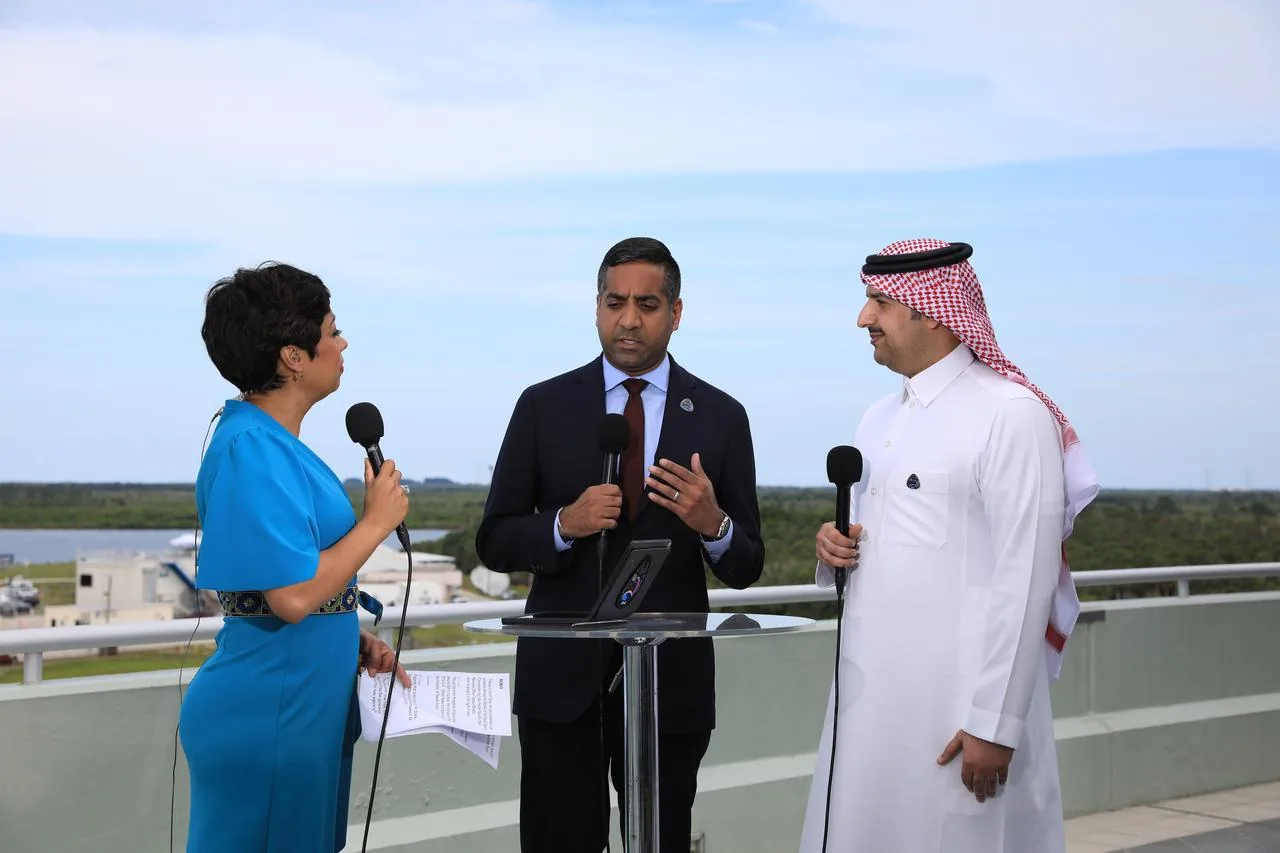
Saudi Space Commission Partnership: Ax-2 mission included Saudi astronauts under partnership reportedly valued at tens of millions — establishing Axiom as preferred commercial partner for Saudi Arabia's human spaceflight ambitions.
ESA Astronaut Mission Agreements: Partnerships enabling ESA-affiliated astronauts like Marcus Wandt (Sweden/ESA) to fly on Axiom missions — sovereign nation customer strategy.
NASA Commercial LEO Destinations (CLD): NASA awarded development agreements to Axiom, Starlab (Nanoracks/Voyager), and Sierra Space, confirming strategic importance of private space stations.
Recent Milestones (2024–2026)
Ax-4 Mission (June 2025):
- First Indian astronaut on a private ISS mission (Shubhanshu Shukla / ISRO)
- Polish and Hungarian astronauts also flew, expanding Axiom's sovereign-nation roster
- Peggy Whitson commanded for the second time
$350M Financing Round (February 2026):
- Closed with proceeds explicitly earmarked to accelerate AxEMU and Axiom Station development
- Strengthened balance sheet ahead of AxH1 launch and Artemis III suit delivery
Leadership Transition (Early 2026):
- Dr. Jonathan Cirtain appointed President and CEO
- Dr. Lucie Low named first Chief Science Officer
- Signal that Axiom is moving from astronaut-mission operator to research-and-station operator
NASA Selects Axiom for Fifth PAM (January 30, 2026):
- Continued NASA confidence in Axiom's mission integration model
- Reinforces ISS access pipeline for sovereign-nation customers
AxEMU Thermal-Vacuum Test (2025–2026):
- Axiom and KBR completed the first uncrewed thermal-vacuum test of the AxEMU
- Walter Villadei conducted mobility trials with prototype lunar geology tools
International MoUs (2025–2026):
- Memoranda of understanding signed with Slovakia's space sector and Senegal's Agency for Space Studies
- Re-entry and recovery services collaboration assessed with Japan's ElevationSpace
Axiom Module Manufacturing Progress:
- AxH1 primary structure substantially complete at Thales Alenia Space; outfitting underway in Houston
Ax-3 Mission (January–February 2024):
- Record 21-day private mission with first Turkish astronaut; first Italian astronaut on a private mission
Competitive Position
Axiom occupies the most advanced position of any company pursuing a commercial space station:
Versus Other CLD Companies:
- Starlab (Nanoracks/Voyager Space/Airbus): Targets a single large inflatable module space station. Airbus partnership provides European credibility, but Axiom has more completed operational missions.
- Orbital Reef (Blue Origin/Sierra Space): Blue Origin brings substantial financial resources; Sierra Space's LIFE habitat uses inflatable technology. Blue Origin's historically slow pace is a concern.
- Northrop Grumman Commercial Destination: Modular station concept; less advanced in public milestones than Axiom.
Axiom's key advantages:
- Operational PAM track record: 4 missions completed (Ax-1 through Ax-4) plus Ax-5 selected, vs. zero for competitors
- Existing NASA agreement for ISS port attachment
- Manufacturing partnership with Thales Alenia Space (builder of most ISS modules)
- Clear bridge strategy: ISS attachment → independent station
Versus SpaceX: Crew Dragon is Axiom's enabling partner technology. SpaceX has not announced dedicated station plans — more complementary than competitive near-term.
Revenue model context: Axiom requires customers willing to pay $150M+ per mission today, transitioning to a model where research, manufacturing, and tourism customers collectively finance station operations.
Future Roadmap (2025–2030)
Axiom Station Module Attachment (2026): Planned attachment of AxH1 to ISS — first company in history to operate commercially-owned hardware on a human space station.
Expansion to Full Station (2027–2029): Subsequent module additions — crew quarters, research module, earth observatory — building out full capability while still attached to ISS.
ISS Retirement and Detachment (2030): Axiom's modules detach and form the core of a free-flying station — immediately becoming the only continuously crewed commercial orbital laboratory.
Post-ISS Commercial Operations:
- Revenue from research services, manufacturing, tourism, and government astronaut programs
- Station projected to host 8+ residents simultaneously
Artemis EVA Suit Missions (2026 onward): AxEMU will be used on the lunar surface for Artemis III and subsequent missions — establishing Axiom as a critical supplier to the Moon program.
Sovereign Nation Programs: Explicit ambition to serve as the human spaceflight partner for nations building space programs — UAE, Saudi Arabia, Turkey, India, and others are potential long-term customers.
In-Space Manufacturing: Partnership with pharmaceutical companies, semiconductor manufacturers, and materials scientists for microgravity research and production — long-term revenue diversification.
Key Risks & Challenges
Capital Intensity: Building a space station is extraordinarily capital-intensive. Axiom must continue raising private capital or secure anchor government customers at a scale that de-risks the investment.
ISS Retirement Timeline Uncertainty: If ISS retires later than 2030, Axiom modules remain ISS-attached longer than planned, delaying independent station revenue. If ISS retires earlier, Axiom must be ready to operate independently on an accelerated timeline.
Technical Complexity of Independent Operation: Operating a space station independently requires validated life support, power generation, thermal management, attitude control, and communications on Axiom's own infrastructure.
Market Size Uncertainty: The commercial LEO research and manufacturing market is real but not yet proven at scale. How many companies will pay premium prices for microgravity access? What is the addressable market for tourism at $50M+ per seat?
Government Budget Dependency: A significant portion of near-term revenue depends on NASA agreements and U.S. government willingness to fund commercial LEO development. Shifts in NASA priorities or budget cuts could materially impact Axiom's trajectory.
Competition from Starlab/Orbital Reef: If a well-funded competitor simultaneously builds and operates a commercial station, market fragmentation could limit Axiom's ability to achieve the utilization rates needed for financial sustainability.
Sources
- Axiom Space Official Website and Press Releases
- NASA Commercial LEO Destinations Program Documentation
- NASA AxEMU Spacesuit Contract Award Press Release (June 2022)
- NASA ISS Program Office Private Astronaut Mission Agreements
- NASA Commercial Crew Program Updates
- SpaceNews — Axiom Space Coverage
- CNBC and Bloomberg Reporting on Axiom Funding Rounds and Valuation
- Axiom Mission 1, 2, and 3 Post-Mission Press Conferences
- Ars Technica — Deep-Dive Coverage of Commercial Space Stations
- Aviation Week & Space Technology — Commercial Human Spaceflight Analysis