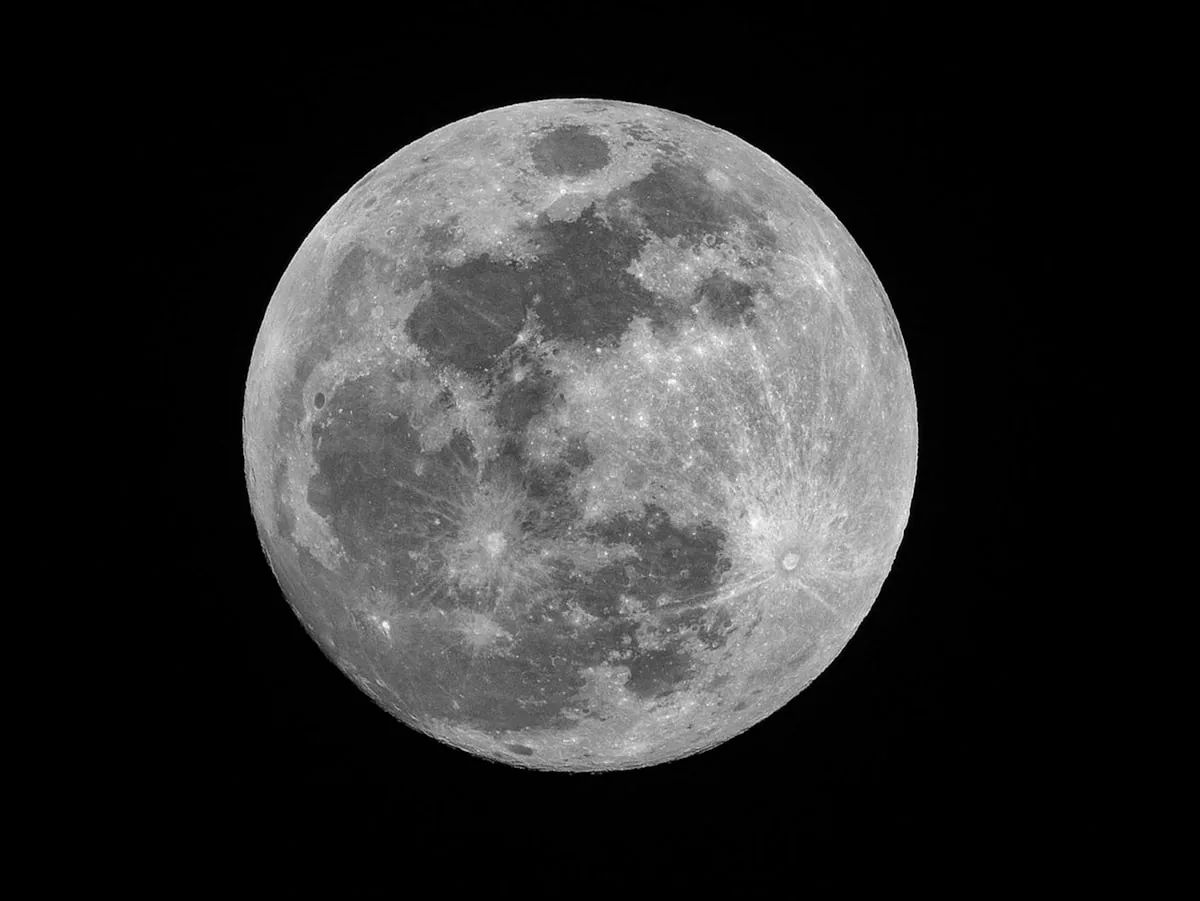
The New Gold Rush Is Happening 384,400 Kilometers Away
If you have been following space news over the past few years, you have probably noticed a pattern. Nearly every major space agency and a growing number of private companies are fixated on one specific region of the Moon: the south pole. This is not a coincidence, and it is not about planting flags for bragging rights. The lunar south pole harbors something that could fundamentally reshape humanity's future beyond Earth -- water ice. And the race to reach it, study it, and ultimately use it is now well underway.
Why the South Pole? A Crash Course in Lunar Geography
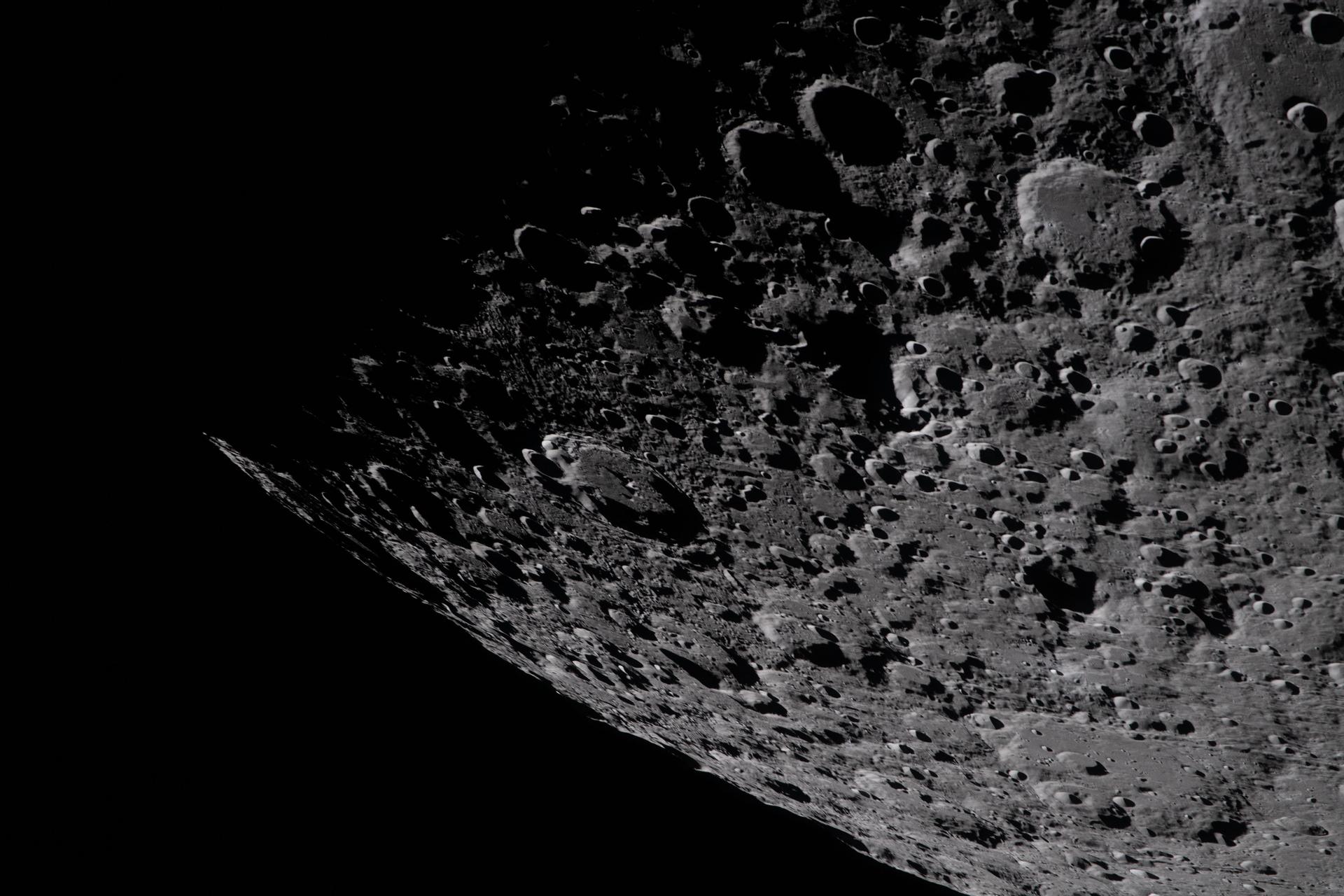
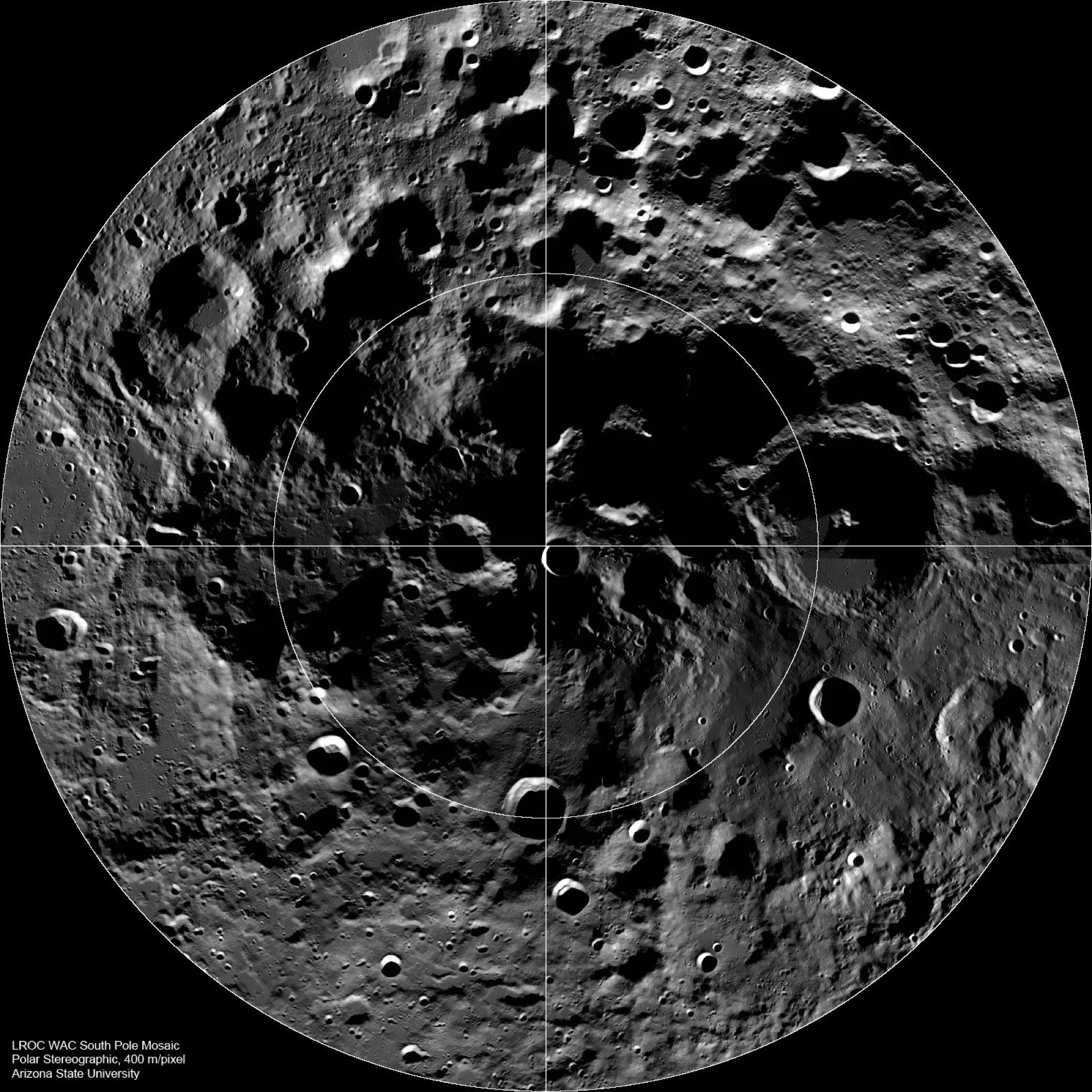
The Moon's south pole is unlike anything else on the lunar surface. Thanks to the Moon's slight axial tilt of just 1.54 degrees, certain deep craters near the poles have floors that never see sunlight. These permanently shadowed regions, or PSRs, have existed in total darkness for billions of years, with temperatures plunging below minus 230 degrees Celsius -- colder than the surface of Pluto.
Those frigid conditions are exactly what makes the south pole so tantalizing. Water molecules delivered by comets, asteroids, and solar wind over eons have become trapped in these frozen vaults, unable to sublimate away. Meanwhile, the crater rims and nearby ridges enjoy near-constant sunlight, making them ideal spots for solar-powered equipment. You get permanent shadow for ice preservation just meters away from permanent sunlight for energy. It is, quite literally, the best of both worlds.
The Evidence Keeps Stacking Up
Scientists have suspected lunar water ice for decades, but hard evidence has accelerated rapidly. NASA's Lunar Crater Observation and Sensing Satellite (LCROSS) slammed into the permanently shadowed Cabeus crater on October 9, 2009, and confirmed the presence of water ice in the ejected debris -- roughly 155 kilograms of water vapor were detected in the plume.
India's Chandrayaan-1, launched in October 2008, carried NASA's Moon Mineralogy Mapper (M3), which provided the first definitive detection of water molecules on the sunlit lunar surface and confirmed concentrations of water ice in polar cold traps. This was a groundbreaking moment for lunar science.
Then came Chandrayaan-3. When India's Pragyan rover rolled across the south polar region in August 2023, its Alpha Particle X-ray Spectrometer and Laser-Induced Breakdown Spectroscopy instruments detected sulfur, aluminum, calcium, iron, chromium, titanium, manganese, silicon, and oxygen in the regolith. While Pragyan did not directly sample water ice -- it landed at approximately 69 degrees south latitude, outside the permanently shadowed regions -- its temperature probe measured a dramatic thermal gradient in the top 10 centimeters of soil, dropping from about 50 degrees Celsius at the surface to minus 10 degrees Celsius just below. This data helps scientists model how volatiles including water behave in the lunar subsurface at high latitudes.
VIPER: The Mission That Almost Was
NASA's Volatiles Investigating Polar Exploration Rover, better known as VIPER, was designed to be the agency's definitive answer to the south pole water question. This golf-cart-sized rover was built to drive into permanently shadowed regions, drill up to a meter below the surface, and directly analyze ice deposits.
Tragically, NASA cancelled VIPER in July 2024 after cost overruns pushed the mission beyond its $433 million budget cap. The rover was already built and had completed environmental testing at the time of cancellation. It was a bitter pill for the lunar science community.
However, the mission was not a total loss. The instruments developed for VIPER -- including the Neutron Spectrometer System (NSS), the Near-Infrared Volatile Spectrometer System (NIRVSS), the Mass Spectrometer Observing Lunar Operations (MSolo), and the TRIDENT drill -- represent mature technologies that will almost certainly fly on future missions. The engineering data from VIPER's development and testing has informed how future rovers can operate in extreme cold and darkness. NASA has explored options to repurpose the rover hardware, including potentially offering it to commercial partners or international collaborators.
Why Water Ice Changes the Game
So why does frozen water on the Moon matter so much? The answer comes down to one concept that space engineers love to talk about: in-situ resource utilization, or ISRU.
Launching anything from Earth's surface to space costs a staggering amount. Current estimates place the cost of delivering one kilogram of payload to the lunar surface at roughly $1 million or more, depending on the launch vehicle. Water is heavy. A single astronaut needs about 2.5 liters of drinking water per day. For a crew of four on a 30-day surface mission, that is 300 kilograms of water just for drinking -- not counting water for hygiene, food preparation, or scientific use.
But if you can extract water from the Moon itself, you eliminate the need to haul it from Earth. And water's utility goes far beyond drinking. Through electrolysis, water splits into hydrogen and oxygen. Oxygen is obviously essential for breathing, but both hydrogen and oxygen are also rocket propellant components. Liquid hydrogen and liquid oxygen power the upper stages of NASA's Space Launch System and many other rockets.
Imagine a lunar refueling depot where spacecraft top off their tanks with propellant manufactured from local ice. Missions to Mars and beyond become dramatically cheaper because you are not fighting Earth's gravity to carry all your fuel. Some analysts estimate that a functional lunar propellant depot could reduce the cost of deep-space missions by 50 percent or more.
Who Is Racing and What Are Their Plans?
The list of players targeting the lunar south pole reads like a who's who of spacefaring ambitions.
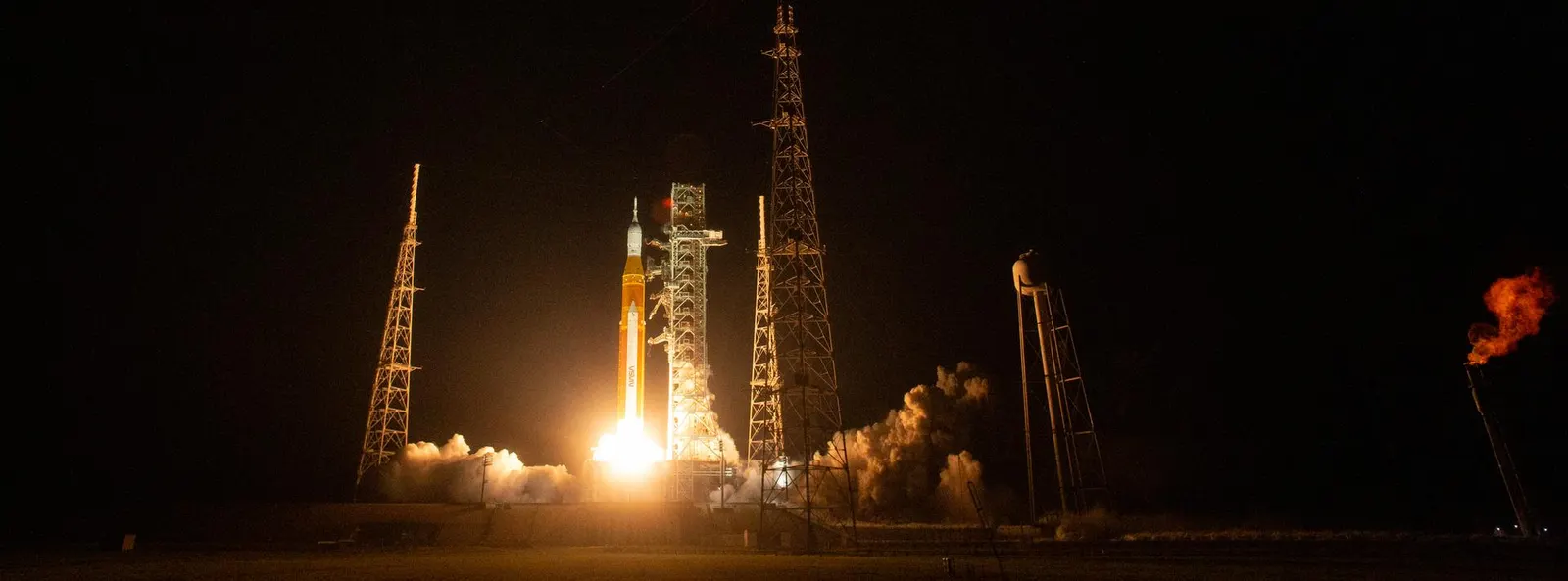
NASA and the Artemis Program plan to land astronauts near the south pole on Artemis III, currently targeting no earlier than 2026. The agency has identified 13 candidate landing regions, all within six degrees of the south pole, chosen for their proximity to permanently shadowed regions and their access to sunlight.
China's Chang'e program has already demonstrated remarkable capability. Chang'e 6, which launched in May 2024, successfully returned samples from the Moon's far side -- a world first. China has announced plans for Chang'e 7, targeting the south pole around 2026, which will include an orbiter, lander, rover, and a mini-flying probe designed to hop into permanently shadowed craters to search for water ice. China and Russia have also announced the International Lunar Research Station (ILRS), with initial construction phases planned for the late 2020s and early 2030s, targeting the south polar region.
India's ISRO is building on Chandrayaan-3's success. The agency has confirmed Chandrayaan-4 as a south pole sample return mission, planned for around 2028, and is collaborating with Japan's JAXA on the Lunar Polar Exploration Mission (LUPEX), which will carry a rover equipped to drill into regolith and search for subsurface water ice.
ESA, JAXA, and commercial players are also in the mix. The European Space Agency is developing the PROSPECT package (Package for Resource Observation and in-Situ Prospecting for Exploration, Commercial Exploitation and Transportation) to fly on a Russian-built lander or an alternative platform after Luna-25's failure. Multiple companies under NASA's Commercial Lunar Payload Services (CLPS) program have south pole deliveries on their manifests.
From Exploration to Habitation
The ultimate vision is a permanent human presence at the south pole. NASA's Artemis Base Camp concept envisions a surface habitat, a lunar terrain vehicle for unpressurized excursions, and a pressurized rover for multi-day traverses of up to 45 days. The base would leverage local water ice for life support and potentially for propellant production.
The engineering challenges remain significant. Extracting water from regolith mixed with ice at minus 230 degrees Celsius is not like turning on a tap. The ice may be distributed as thin coatings on soil grains rather than as solid blocks, meaning you might need to process enormous volumes of regolith to yield useful quantities of water. Thermal mining -- using directed heat to sublimate ice and capture the vapor -- is one promising approach being tested in laboratory settings.
Power is another hurdle. Operating in or near permanently shadowed regions demands either nuclear power systems or the ability to transmit solar energy from nearby sunlit ridges. NASA's Kilopower project, which successfully tested a small fission reactor prototype in 2018, points the way toward reliable nuclear power on the Moon.
The Stakes Have Never Been Higher
The race to the Moon's south pole is not just a scientific endeavor. It carries geopolitical weight, economic potential, and existential significance. The nation or coalition that first masters water extraction and ISRU on the Moon gains a profound strategic advantage for all future deep-space activities.
We are living through the opening chapter of a story that will define the next century of human civilization beyond Earth. The frozen water hiding in those dark craters is not just a scientific curiosity -- it is the key that unlocks the solar system. And right now, some of the brightest minds and most ambitious programs on the planet are racing to turn that key.
The Moon's south pole is calling. And this time, we are going to stay.