NASA has unveiled its most detailed plan yet for building a permanent human outpost on the Moon — a sprawling multi-billion-dollar initiative, currently scoped near $20 billion through 2034, that would establish a self-sustaining base near the lunar south pole by the early 2030s. The plan, sharpened in early 2026 alongside NASA's decision to descope the Lunar Gateway and pivot toward a surface-first architecture, marks a decisive shift from the Apollo-era "flags and footprints" approach to one focused on long-duration habitation, resource extraction, and using the Moon as a proving ground for eventual Mars missions. With Artemis II safely back from its lunar flyby on April 11, 2026, here is everything known about the plan, the technology behind it, and why this time might actually be different.
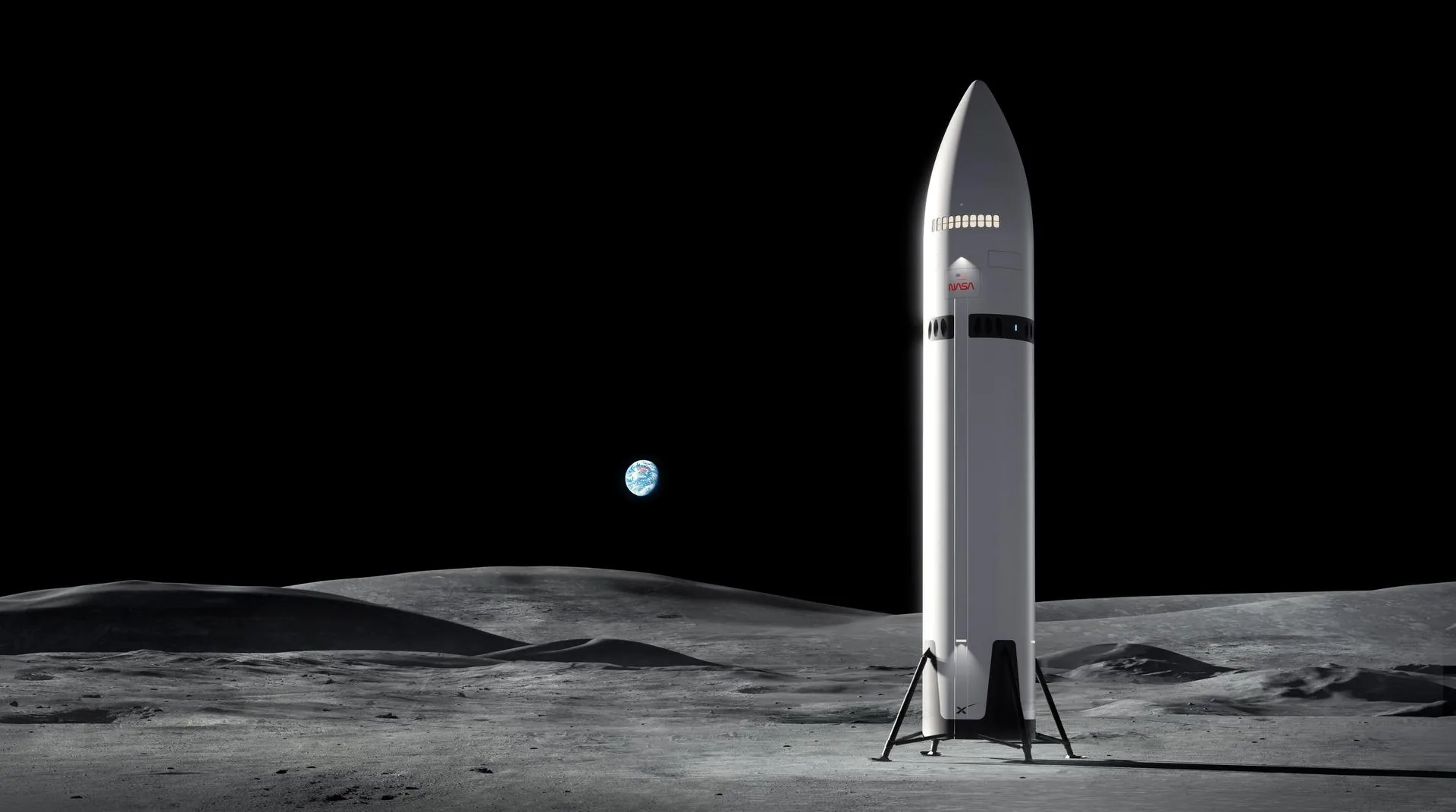
The Site: Why the Lunar South Pole
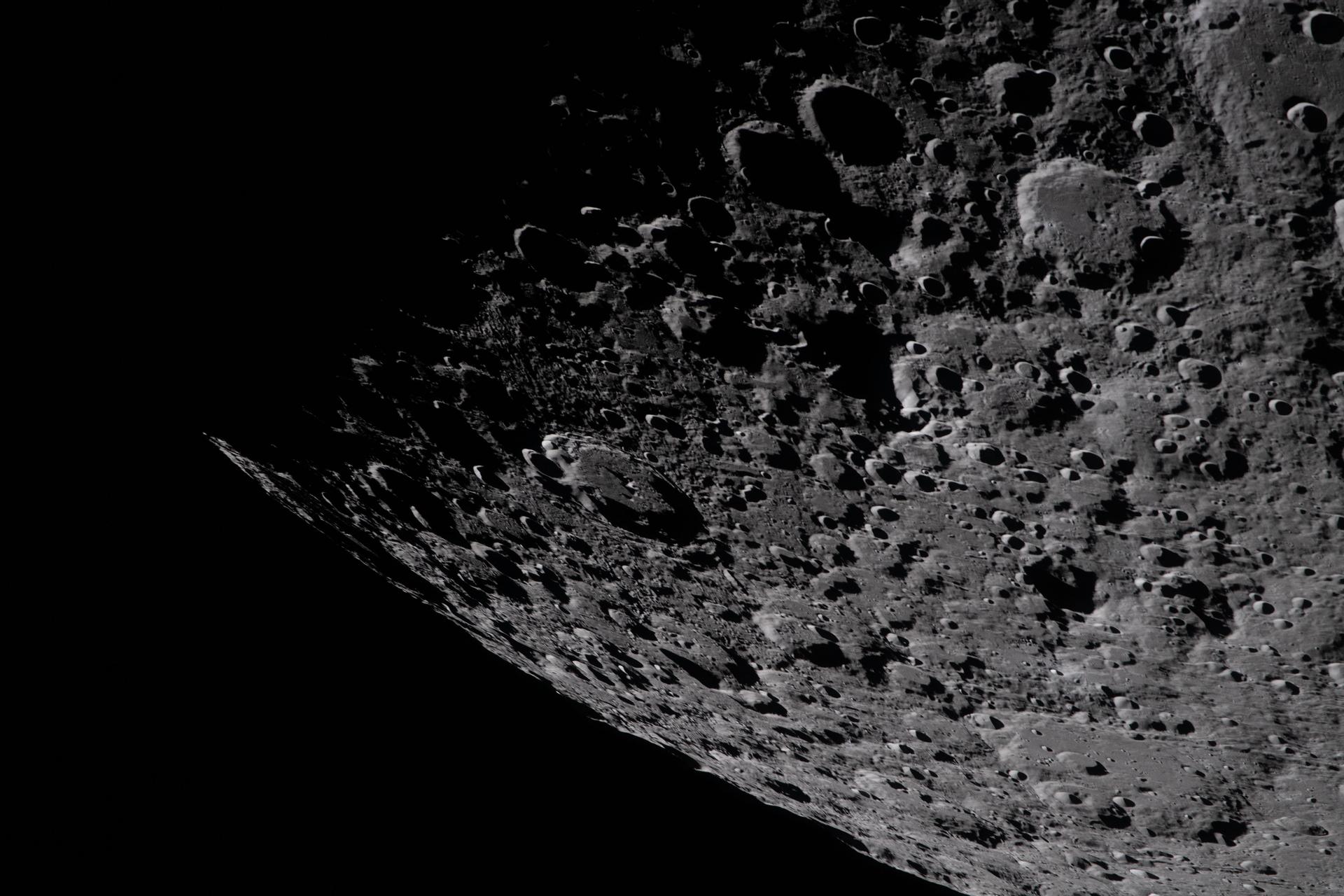
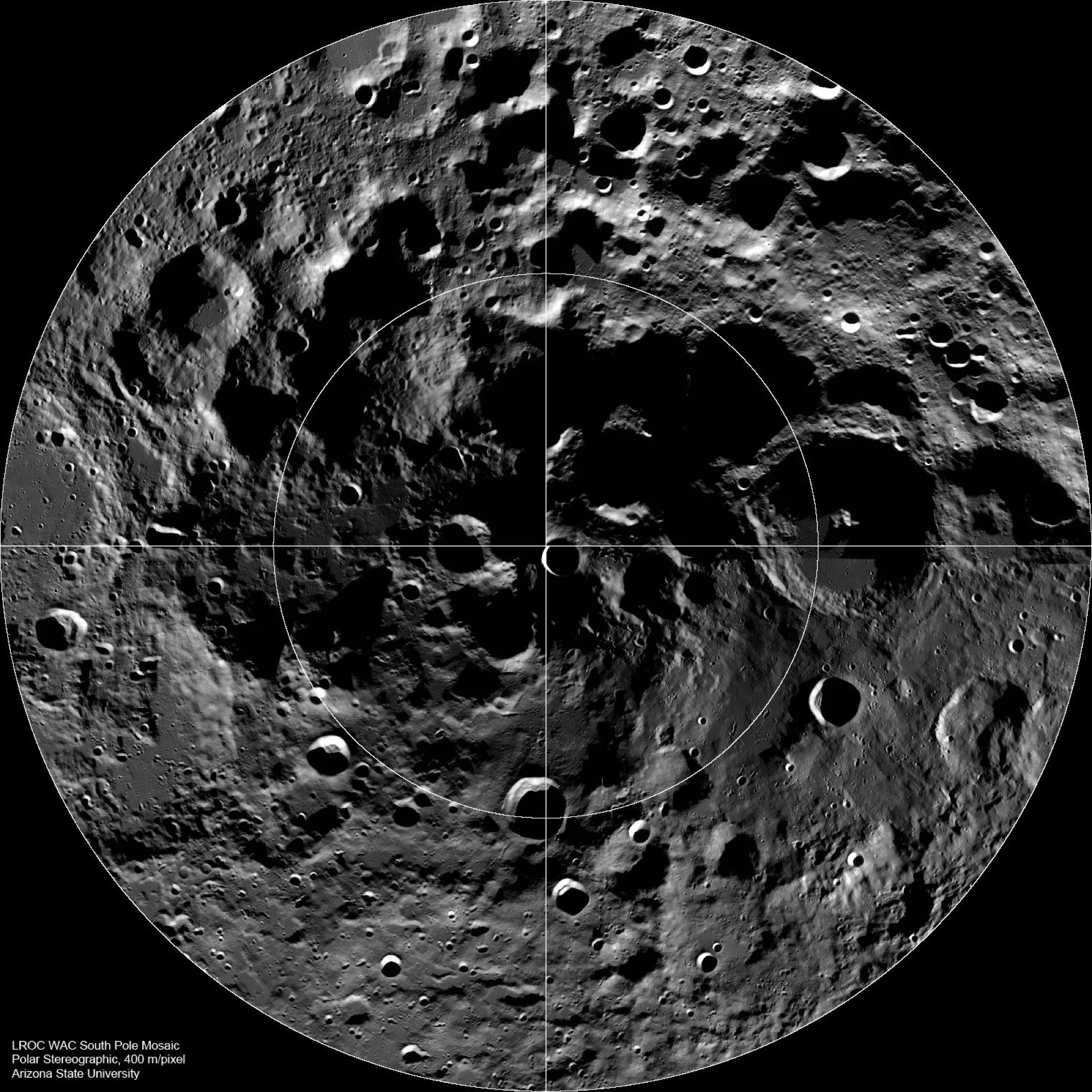
NASA has selected a region near the lunar south pole's Shackleton Crater rim as the primary candidate for the base. This choice is driven by two critical factors that make it uniquely suited for long-term habitation.
First, the crater rims near the south pole receive near-constant sunlight — some areas are illuminated for more than 200 days per year. This is crucial because solar power is the most practical energy source for an initial base. Unlike the equatorial regions visited by Apollo, where the two-week lunar night plunges temperatures to minus 173 degrees Celsius, the south pole's "peaks of eternal light" offer a more manageable thermal and power environment.
Second, the permanently shadowed craters adjacent to these sunlit peaks contain confirmed deposits of water ice. NASA's Lunar Reconnaissance Orbiter, India's Chandrayaan-1, and ground-truth data from Firefly's Blue Ghost Mission 1 (which soft-landed in Mare Crisium on March 2, 2025) and Intuitive Machines' IM-2 Athena lander (which reached Mons Mouton at the south pole on March 6, 2025 before tipping over) have all sharpened our picture of where the ice sits. This water is the foundation of the entire base concept — it can be split into hydrogen and oxygen for rocket fuel, combined for drinking water, and the oxygen can supplement breathable air. The ability to extract and use local resources, known as In-Situ Resource Utilization (ISRU), is what makes a permanent base economically feasible rather than a continuous resupply nightmare.
The Architecture: What the Base Will Look Like
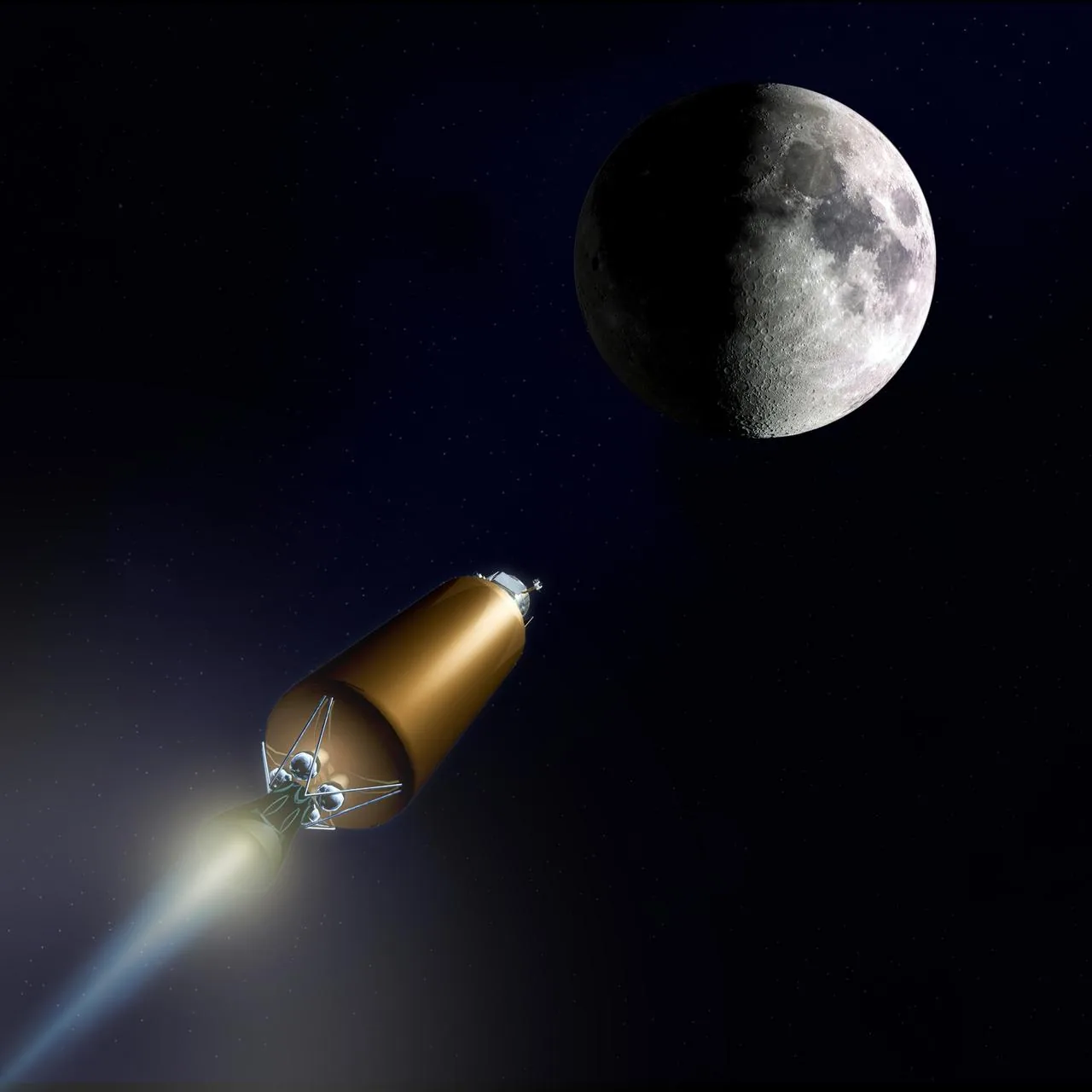
The current plan describes a phased construction approach spanning roughly eight years, divided into three main phases. With the Lunar Gateway formally descoped in early 2026 — its Power and Propulsion Element and HALO module now slated to fly together on a Falcon Heavy in 2027 as a smaller co-orbital platform rather than a full station — the architecture is far more surface-centric than earlier Artemis baselines.
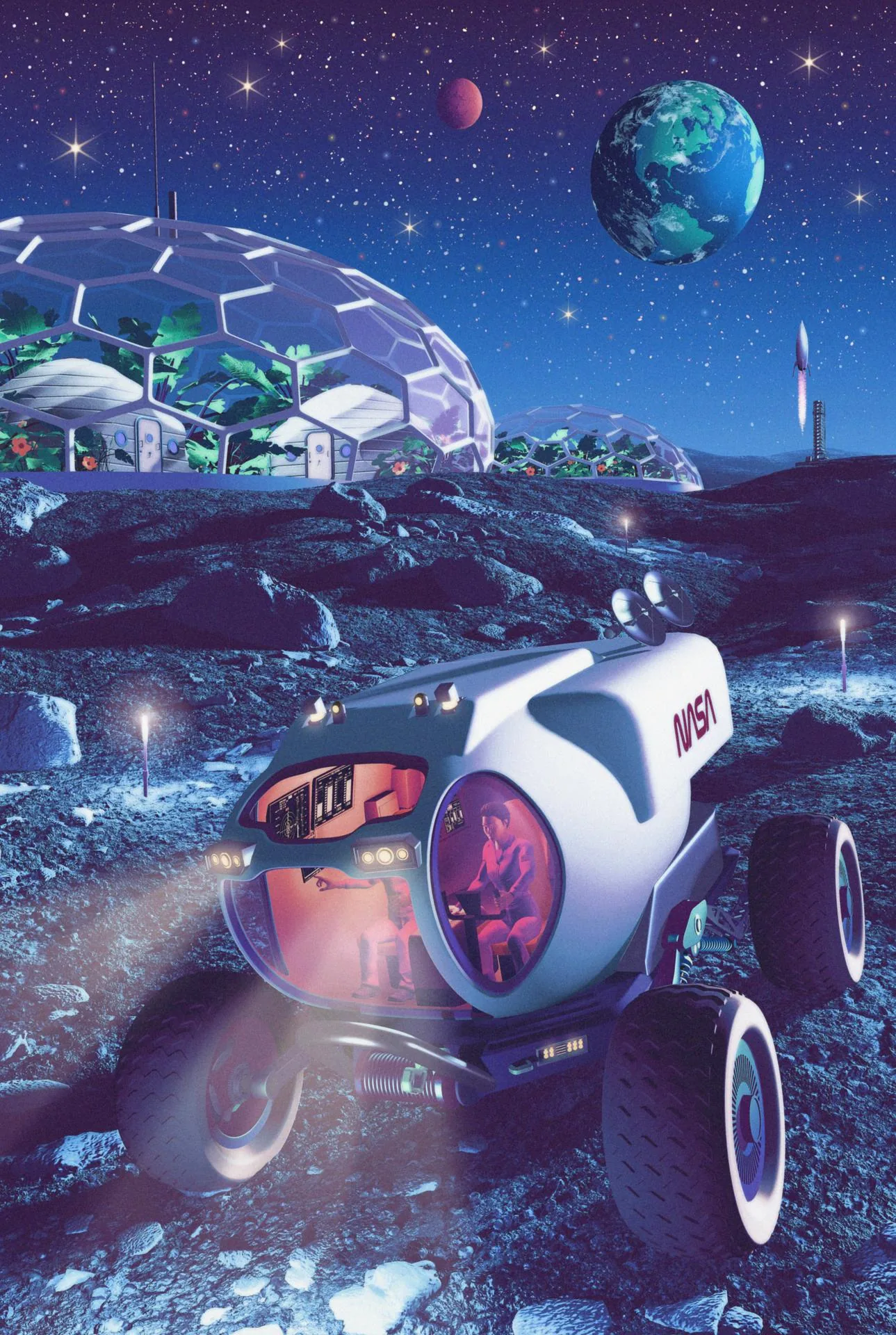
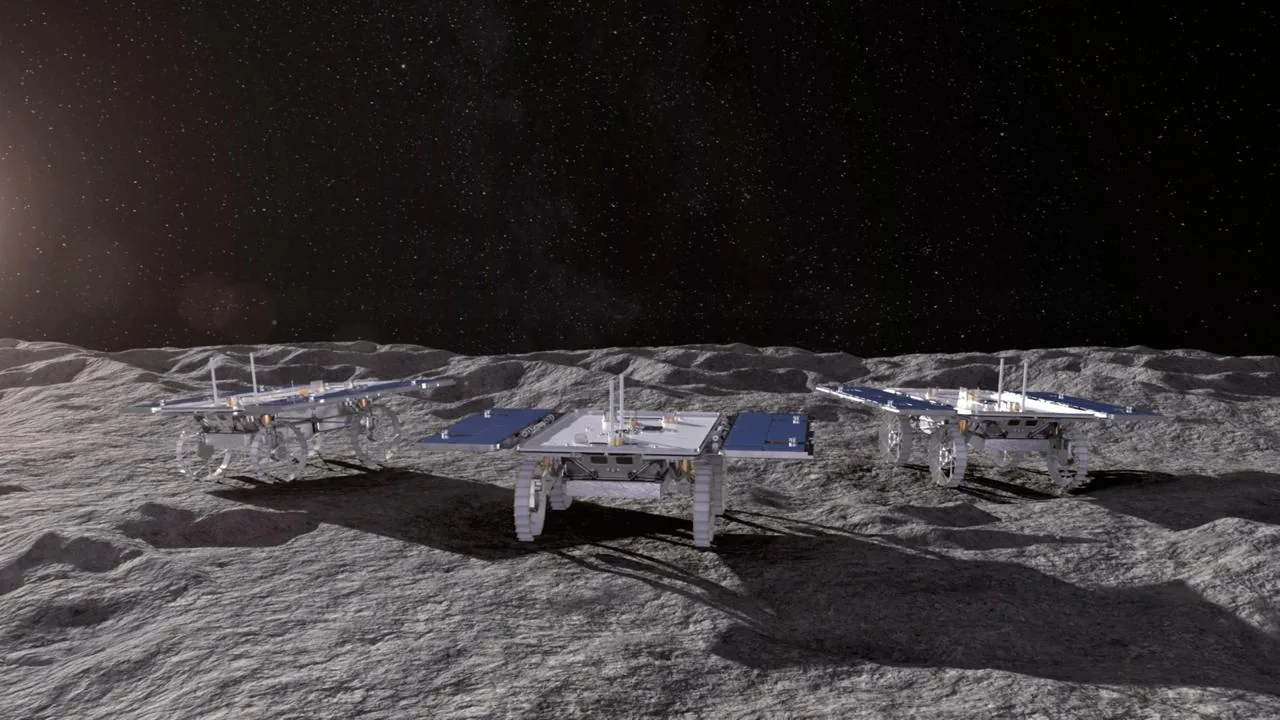
Phase 1 (2027–2029): Foundation. The first phase focuses on delivering unpressurized rovers, power generation equipment, and ISRU demonstration hardware to the surface using commercial landers from SpaceX, Blue Origin, and other CLPS providers. Following Artemis II's successful lunar flyby (April 1–11, 2026), Artemis III is now baselined for mid-2027 as an Earth-orbit rendezvous and HLS shakedown — with the first crewed lunar landing pushed to Artemis IV. This phase will validate that water ice can be extracted from permanently shadowed craters at scale, and that solar arrays on the crater rim can deliver consistent power. No permanent habitat is built in this phase — crews visit for short stays of 7–14 days using the Starship Human Landing System or Blue Moon Mk1 as a temporary shelter.
Phase 2 (2029–2031): Habitation. The second phase introduces the first pressurized habitat modules. NASA has contracted with multiple companies to develop inflatable and rigid habitat designs that can be delivered by Starship and assembled on the surface. These habitats will support crews of four for stays of 30–60 days. A pressurized rover — essentially a mobile home on lunar wheels — will extend the crew's exploration range to 20 kilometers or more from the base. Communication relay satellites in lunar orbit will provide near-continuous contact with Earth, eliminating the blackout periods that plagued Apollo missions.
Phase 3 (2031–2034): Sustainability. The final phase aims for a continuously occupied base supporting rotating crews of 4–6 astronauts on six-month tours. ISRU facilities will produce approximately 10 metric tons of water per year and begin generating rocket propellant. A nuclear fission power system — based on NASA's Kilopower reactor technology — will supplement solar arrays to provide reliable power during the occasional periods of shadow. The base at this stage will include multiple connected habitat modules, a dedicated science laboratory, a landing pad with blast deflection, and storage facilities for equipment and consumables.
The Technology: ISRU and Lunar Manufacturing
The single most important technology for the moon base is ISRU — the ability to extract and process lunar resources rather than shipping everything from Earth. At current launch costs, delivering one kilogram of cargo to the lunar surface costs approximately $100,000 to $500,000 depending on the vehicle. A permanent base consuming hundreds of tons of water, oxygen, and propellant per year simply cannot be sustained through Earth resupply alone.
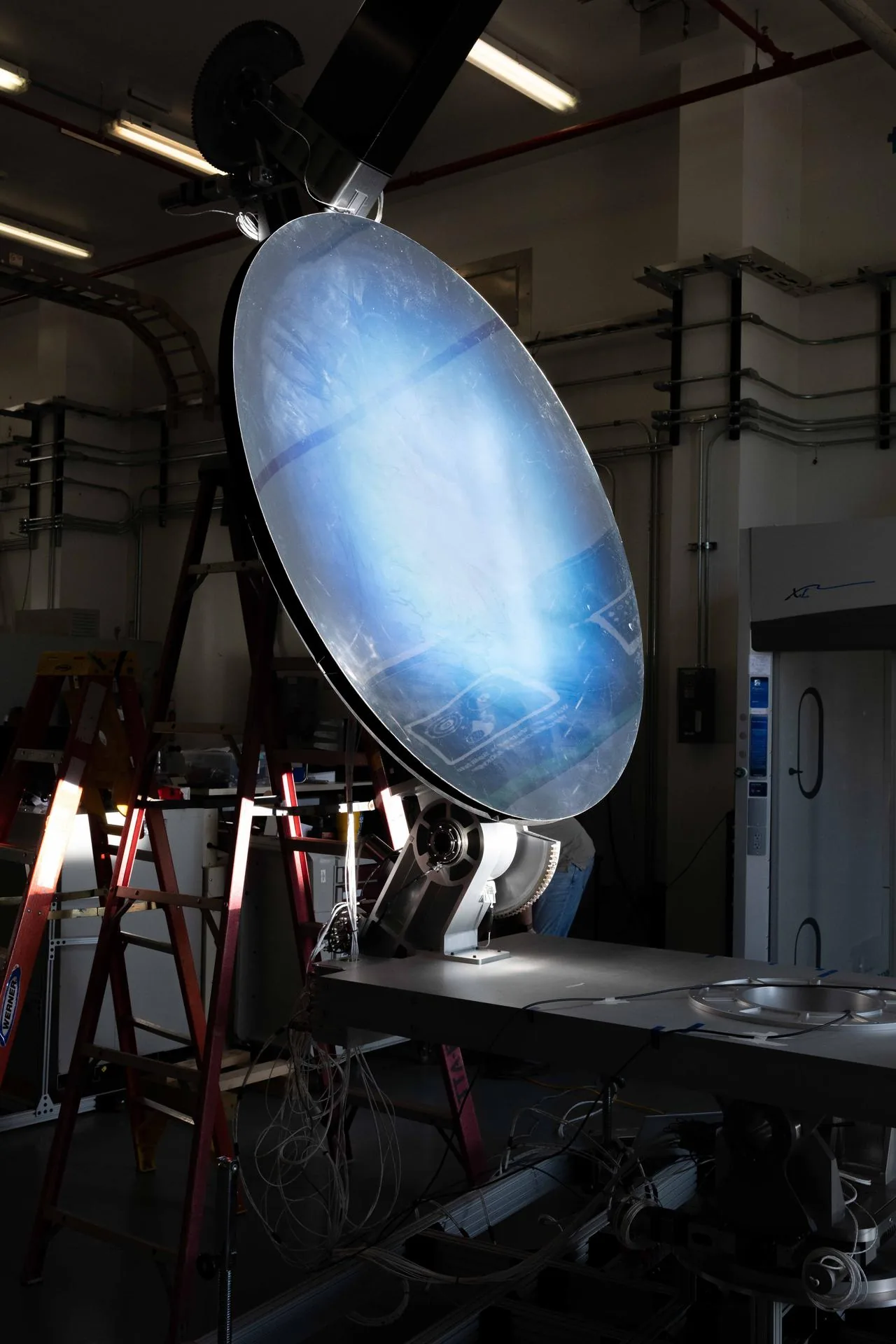
NASA's ISRU strategy centers on three capabilities:
Water ice extraction. Robotic mining systems will enter permanently shadowed craters — where temperatures drop to minus 230 degrees Celsius — to excavate ice-rich regolith. The material is heated to release water vapor, which is captured and purified. After NASA's VIPER rover was cancelled in 2024 and then partially revived through a commercial partnership in 2025, several private CLPS-funded prospecting payloads — including Firefly's Blue Ghost Mission 2 manifest for 2026 and Intuitive Machines' follow-on south-polar lander — are now informing the extraction approach.
Oxygen from regolith. Even outside the shadowed craters, lunar soil (regolith) is approximately 45 percent oxygen by mass, locked in mineral oxides. NASA has demonstrated the Carbothermal Reduction process, which heats regolith to over 1,600 degrees Celsius in the presence of methane to release oxygen gas. This technology could eventually produce breathable air and oxidizer for rocket engines from the dirt under the astronauts' boots.
3D-printed construction. Multiple NASA-funded projects are developing the ability to 3D-print structures from lunar regolith. ICON, an Austin-based construction technology company, has received a $57 million NASA contract to develop a lunar construction system. The concept uses sintered regolith to build radiation-shielding walls, landing pads, and unpressurized storage structures — reducing the mass that must be launched from Earth by orders of magnitude.
The Astronauts: Living and Working on the Moon
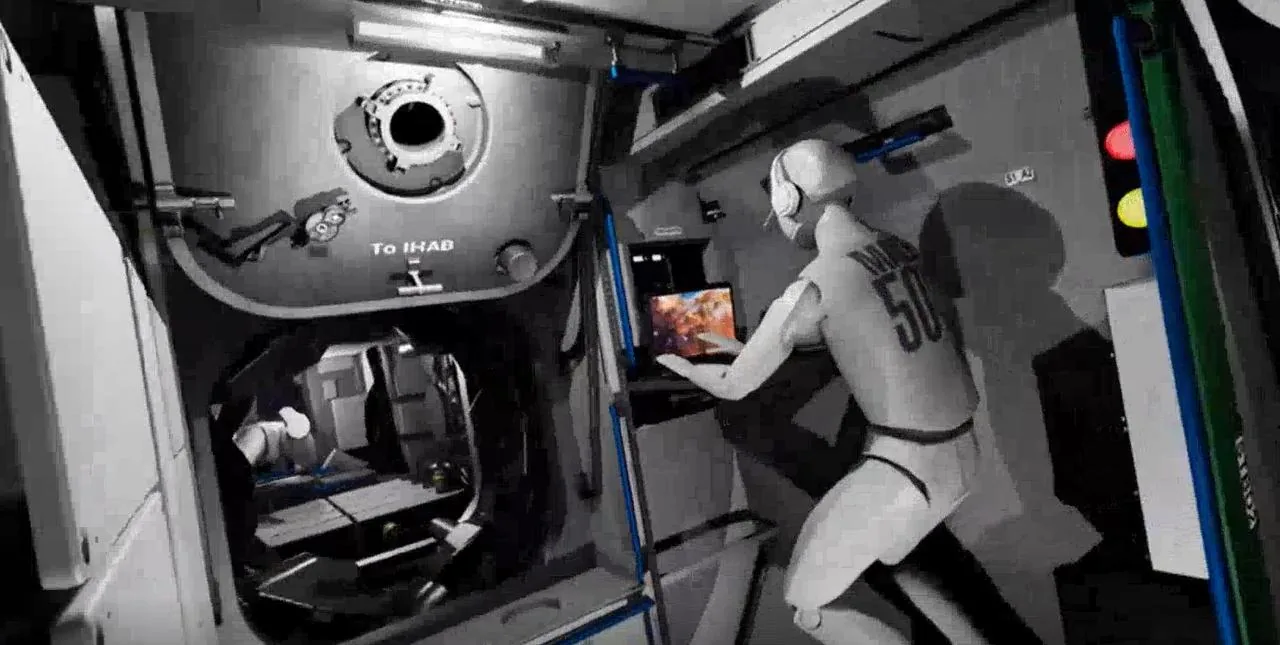
Life at the lunar base will bear little resemblance to the brief Apollo surface stays, which lasted a maximum of 75 hours. Crews on six-month rotations will face challenges that are closer to those of International Space Station expeditions, but with important differences.
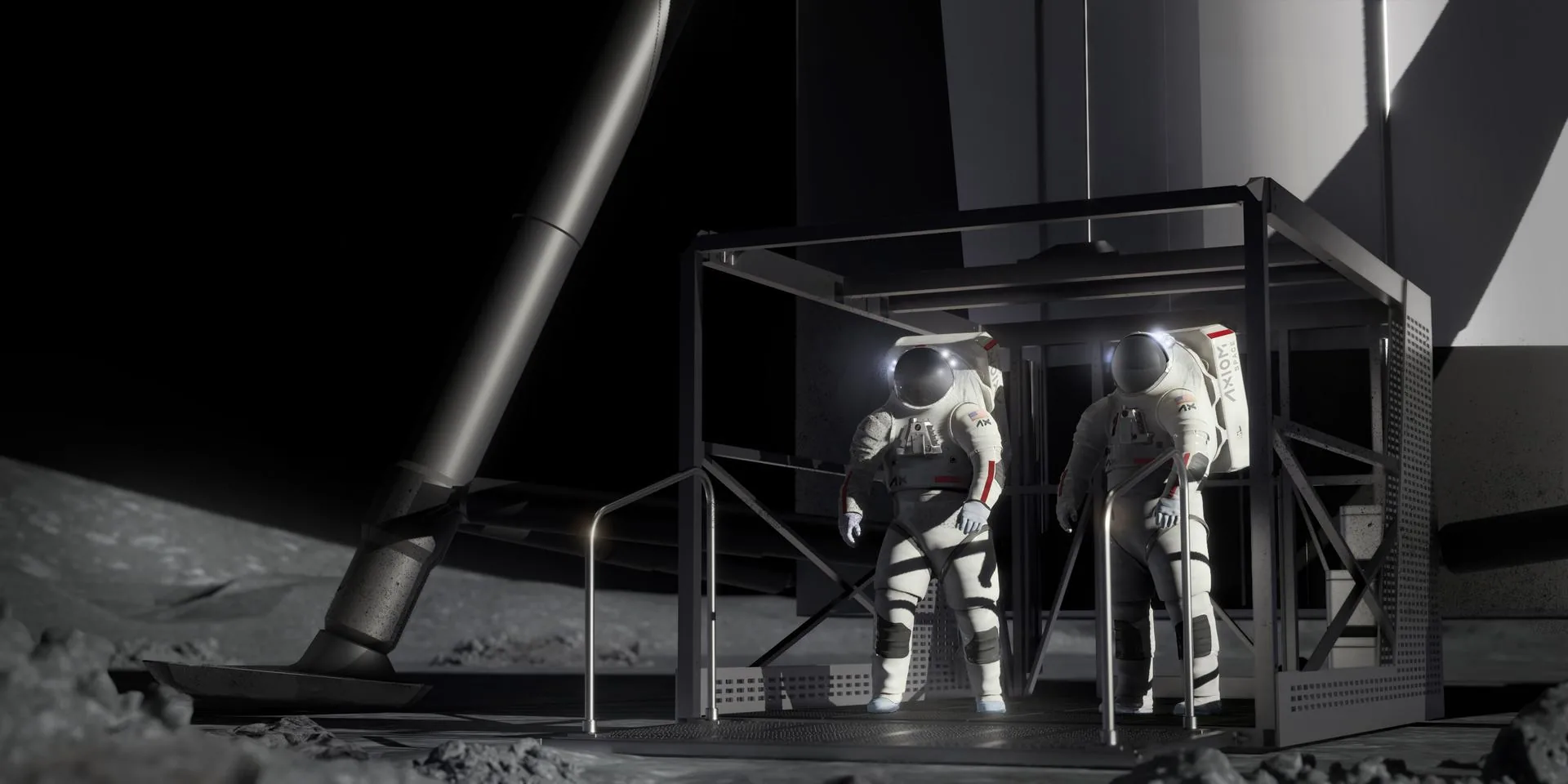
Lunar gravity — one-sixth of Earth's — is enough to create a sense of "down" but weak enough to cause bone and muscle loss over months. Exercise protocols adapted from ISS experience will be essential. The base's habitat modules will include exercise equipment, private crew quarters, a galley, and medical facilities capable of handling injuries and minor medical emergencies. Telemedicine links to Earth will be a critical backup, though the 1.3-second communication delay means real-time surgical guidance is feasible in ways that would be impossible from Mars.
Radiation is the most significant health concern. Without Earth's magnetic field or a thick atmosphere, the lunar surface receives approximately 200 times more radiation than sea level on Earth. The habitat designs incorporate regolith shielding — piling lunar soil on top of and around the modules — and include a dedicated "storm shelter" for solar particle events, which can deliver dangerous radiation doses within hours. The Axiom-designed spacesuits for Artemis surface missions include improved radiation protection compared to Apollo-era suits.
Daily work will divide between surface excursions (EVAs), laboratory research, ISRU facility maintenance, and base upkeep. Scientists plan to conduct geology investigations of the south pole's ancient terrain, deploy astronomical instruments that benefit from the Moon's lack of atmosphere, and perform biology experiments studying how plants and organisms grow in lunar gravity — data critical for future Mars missions.
The Budget: Where the $20 Billion Goes
The headline figure covers a decade of development and operations (2025–2034). For context, NASA's total annual budget is approximately $25 billion, and the entire Apollo program cost roughly $280 billion in today's dollars. The moon base plan is designed to be an order of magnitude cheaper than Apollo by leveraging commercial partnerships, reusable spacecraft, and ISRU. The Gateway descope itself is expected to redirect roughly $3–4 billion of previously committed funding into surface systems and HLS upgrades.
The cost breakdown, as outlined in the plan:
-
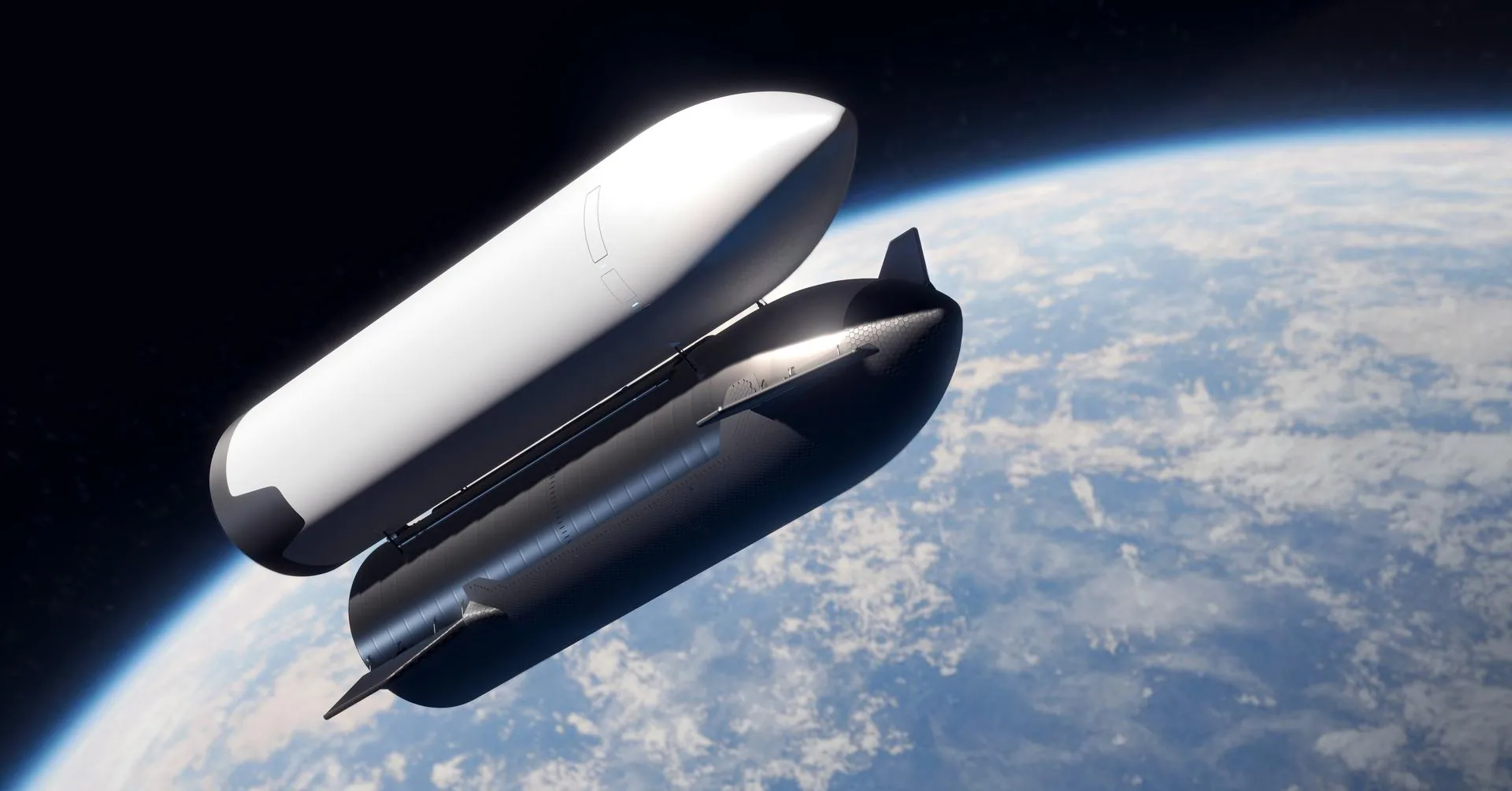
Transportation (40%): Approximately $8 billion for lunar lander services, SLS/Orion missions, and commercial cargo deliveries. SpaceX's Starship HLS — anchored by the multi-billion-dollar Option A and Option B contracts — fundamentally changes the economics compared to Apollo's Saturn V. Blue Origin's Blue Moon Mk1 (cargo) and Mk2 (crewed) and competing CLPS landers from Firefly and Intuitive Machines provide redundancy and competition.
-
Surface systems (30%): Approximately $6 billion for habitats, rovers, power systems, and ISRU equipment. This is the hardware that stays on the Moon and accumulates over time.
-
Operations (20%): Approximately $4 billion for mission control, crew training, EVA support, and ongoing maintenance over the decade.
-
Science instruments (10%): Approximately $2 billion for geological tools, telescopes, biology labs, and technology demonstrations.
The plan relies heavily on commercial fixed-price contracts — a procurement model pioneered by NASA's Commercial Crew Program, which delivered crew transportation to the ISS at a fraction of the cost of government-developed systems. By paying companies for services delivered rather than funding development cost-plus, NASA estimates savings of 50–70 percent compared to traditional approaches.
Why This Time Is Different
Skeptics rightly point out that NASA has announced lunar base plans before — in 1989 under President George H.W. Bush, in 2004 under the Constellation program, and in the original Artemis architecture. Each time, plans were scaled back or canceled due to budget pressures and shifting political priorities.
Three factors suggest the current plan has a better chance of surviving:
Commercial economics. The cost of reaching the lunar surface has dropped by roughly 90 percent since Apollo, driven primarily by SpaceX's reusable rockets and competitive commercial lander programs. Firefly's Blue Ghost M1 in March 2025 became the first fully successful commercial soft landing on the Moon — operating for a full lunar day and returning over 110 GB of NASA payload data — proving that fixed-price service contracts can deliver real lunar surface science at a fraction of legacy costs.
International momentum. China has announced plans to land taikonauts on the Moon by 2030 and build a permanent International Lunar Research Station. This geopolitical competition provides sustained political motivation in a way that the post-Apollo era lacked. Europe, Japan, Canada, and India are all contributing hardware to the Artemis architecture, creating international stakes in the program's continuation.
ISRU changes the equation. Previous base plans assumed everything would be shipped from Earth — an approach that made costs unsustainable. The confirmation of lunar water ice and the maturation of extraction technology means a Moon base can become progressively cheaper to operate over time as it produces more of its own resources. A base that makes its own water, oxygen, and eventually rocket fuel is fundamentally different from one that requires constant resupply.
The $20 billion moon base plan is the most credible roadmap for permanent human presence beyond Earth ever produced by a space agency. Whether it survives the inevitable budget battles and political transitions remains the central question — but the technology, the economics, and the geopolitical motivation have never been more aligned.