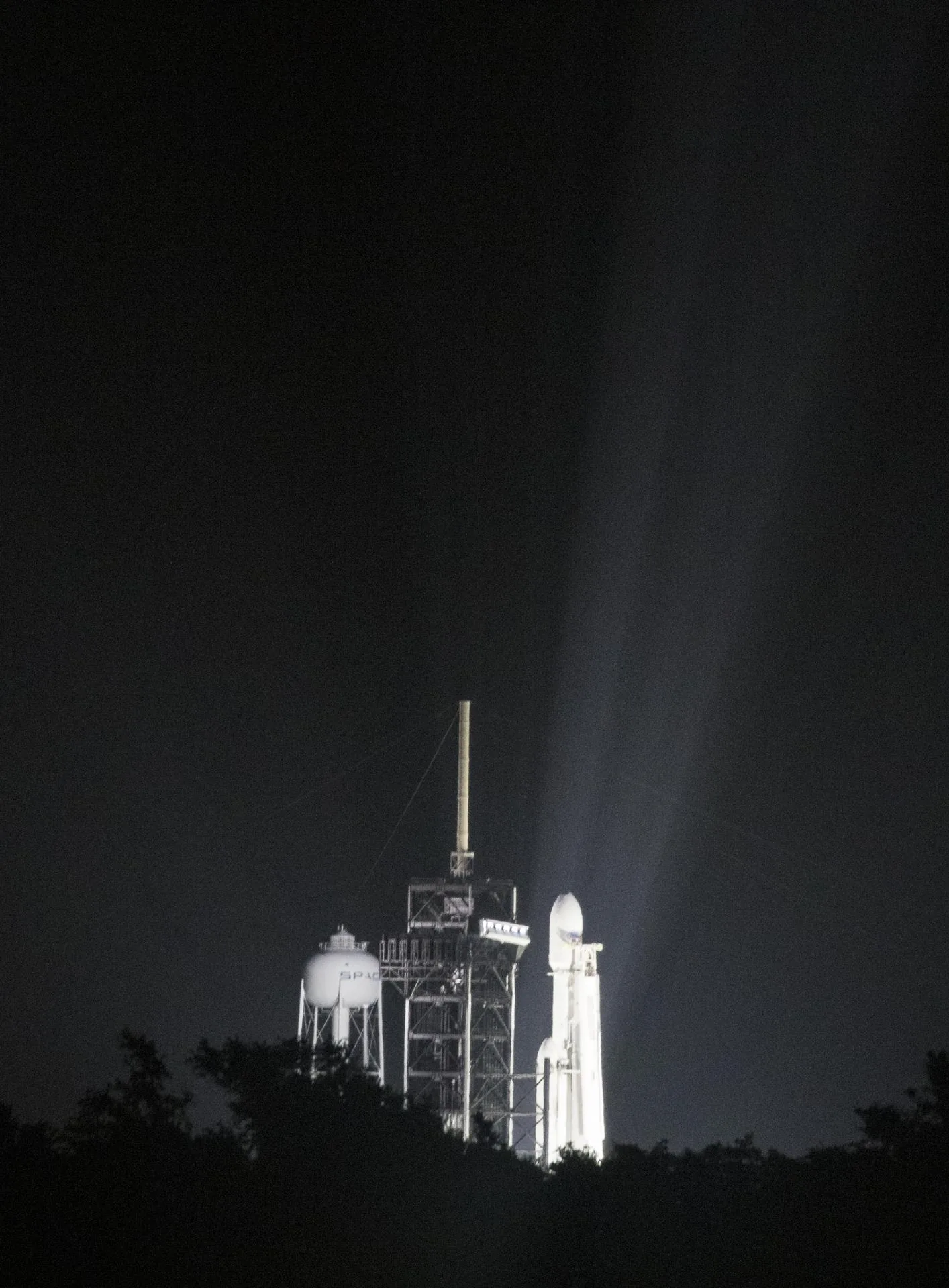
There was a time -- not that long ago -- when the idea of landing a rocket booster upright on a barge in the middle of the ocean sounded like something out of a 1950s pulp science fiction novel. Engineers would politely smile and explain all the reasons it was impractical. Accountants would shake their heads at the development costs. And yet, here we are in 2025, watching routine booster landings with the same casual indifference we once reserved for commercial airline flights. The reusable rocket revolution did not just change the economics of spaceflight. It rewired our entire understanding of what is possible.
The Falcon 9 Juggernaut: 20 Flights and Counting
Let's start with the numbers, because they are staggering. SpaceX's Falcon 9 first-stage boosters have now flown more than 20 times each, with several individual boosters crossing that threshold and showing no signs of retirement. Think about that for a moment. A piece of hardware that experiences the violence of launch -- temperatures exceeding 1,600 degrees Celsius during reentry, aerodynamic forces that would tear apart most structures, and the precision landing that demands pinpoint accuracy -- is being flown, recovered, refurbished, and flown again, over and over.
When SpaceX first landed a Falcon 9 booster in December 2015, the celebration at mission control was electric. Engineers were jumping out of their chairs, hugging each other, barely able to believe what they had just pulled off. Fast-forward to today, and a booster landing barely makes the news unless something unusual happens. That normalization is itself the revolution. Reusability has gone from breakthrough to baseline.
The turnaround times have also shrunk dramatically. Early reflights required months of inspection and refurbishment. Now, SpaceX can turn a booster around in weeks. The entire Falcon 9 operation has become a finely tuned machine: launch, land, inspect, reload, launch again. It is less like traditional rocketry and more like an airline operation, which is exactly what SpaceX set out to build.
Rocket Lab: Catching Electrons from the Sky
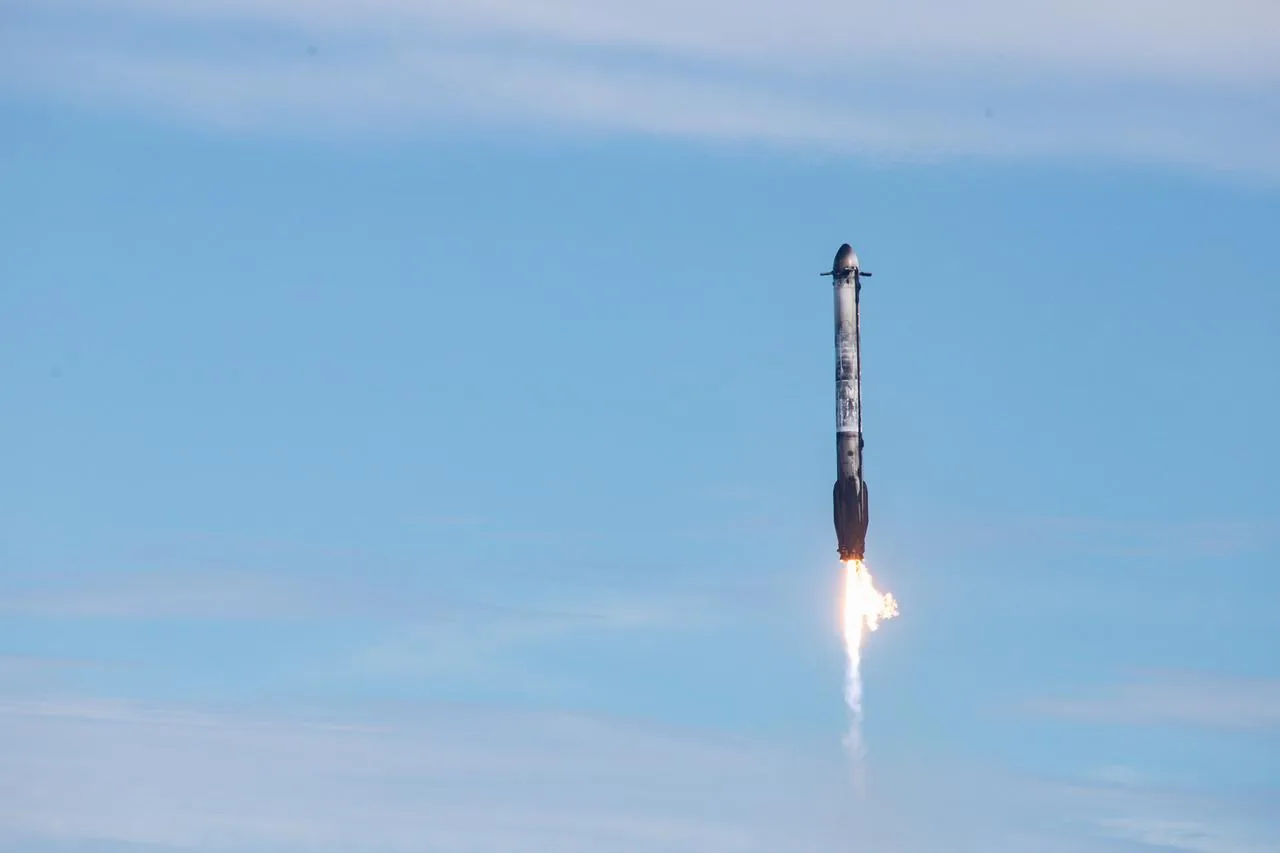
SpaceX was not the only company chasing reusability, and the approaches taken by other players are fascinating in their own right. Rocket Lab, the New Zealand-American small launch provider, took a completely different path with its Electron rocket. Electron is a small vehicle -- it stands about 18 meters tall and delivers roughly 300 kilograms to low Earth orbit. Its Rutherford engines are 3D-printed and electric-pump-fed, which makes them elegant but also means the economics of reuse look different than for a large booster like Falcon 9.
Rocket Lab's solution? Catch the booster with a helicopter mid-descent. The first stage separates after burnout, reenters the atmosphere protected by a heat shield, deploys a drogue parachute to slow down, then a main parachute, and finally a helicopter snags the parachute line and carries the booster back to base. It sounds wild, and it is. But Rocket Lab has demonstrated the technique successfully, recovering boosters from the ocean and progressing toward full mid-air capture and refly.
Peter Beck, Rocket Lab's CEO, initially said he would "eat his hat" if the company ever pursued reusability. He famously did eat a hat on camera when the decision was made. That kind of pragmatism -- following the data even when it contradicts your earlier position -- is exactly what the industry needs.
Blue Origin: New Shepard and the Vertical Landing Pioneer
Blue Origin's New Shepard deserves a prominent place in the reusability story, even though it operates in a different flight regime. New Shepard is a suborbital vehicle, meaning it launches to the edge of space (above the Karman line at 100 kilometers) and comes back down without ever reaching orbital velocity. But its booster has been landing propulsively since 2015, and individual vehicles have flown more than 20 times as well.
The engineering challenge of landing New Shepard is simpler than landing an orbital-class booster -- the velocities and energies involved are much lower -- but Blue Origin used the program as a testbed for technologies that feed directly into New Glenn, the company's orbital-class rocket. New Glenn features a reusable first stage designed to fly at least 25 times, with a landing profile similar to Falcon 9. The lessons learned from hundreds of New Shepard flights are baked into every aspect of New Glenn's design.
Jeff Bezos has spoken often about wanting to build "the road to space" -- the infrastructure that makes space access routine and affordable. Reusability is the foundation of that road, and New Shepard was where Blue Origin learned to pave it.
RocketStar: The New Kids Pushing Boundaries
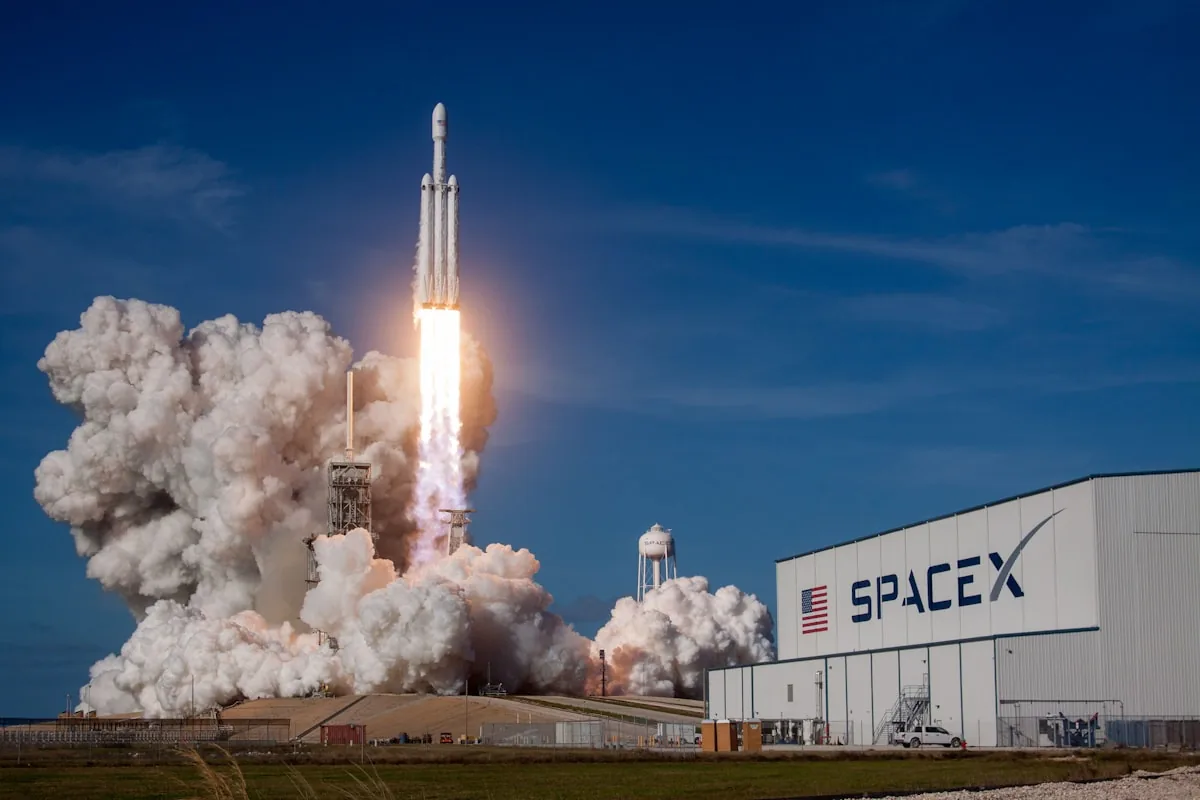
Among the newer entrants, RocketStar has been generating buzz with its innovative approach to propulsion and vehicle design. The company has been developing water-based propulsion systems and novel engine architectures that could further reduce the cost and complexity of reusable launch vehicles. While still in earlier stages compared to SpaceX or Rocket Lab, RocketStar represents the next wave of companies building on the reusability paradigm -- taking it as a given rather than an aspiration, and asking what comes after.
This generational shift is important. The first generation of reusable rocket companies had to prove the concept was viable. The next generation gets to start from a world where reusability is the default expectation, and they can focus on optimizing, simplifying, and driving costs even lower.
The Economics: Why Reusability Changes Everything
The cost argument for reusability is devastatingly simple. A Falcon 9 rocket costs roughly $60 million to build. If you throw it away after one flight, that is $60 million per launch. If you fly the first stage 20 times, the hardware cost per flight drops to a fraction of that. Add in the upper stage (which is still expendable on Falcon 9), fuel, operations, and refurbishment, and the per-launch cost still comes out dramatically lower than an expendable vehicle.
Before SpaceX, a typical commercial launch to geostationary transfer orbit cost between $100 million and $200 million. Falcon 9 brought that down to around $67 million, and internal SpaceX costs for Starlink missions are believed to be significantly lower. This price pressure has forced the entire industry to respond. Arianespace developed Ariane 6 with cost reduction in mind. ULA redesigned its business model around Vulcan Centaur. The Chinese space industry has produced multiple reusable rocket startups. The competitive landscape of 2025 would be unrecognizable to someone from 2010.
The downstream effects are enormous. Lower launch costs mean more satellites in orbit, which means cheaper Earth observation data, better weather forecasting, expanded broadband internet, and more frequent scientific missions. Every dollar saved on launch is a dollar that can be spent on the payload -- the instrument, the satellite, the experiment that actually does the useful work.
What Comes Next: Full Reusability and Rapid Turnaround
The current state of the art -- reusable first stages with expendable upper stages -- is only the beginning. SpaceX's Starship is designed to be fully reusable, with both the Super Heavy booster and the Starship upper stage returning for landing and reuse. If that vision is realized at scale, the cost of putting a kilogram into orbit could drop by another order of magnitude.
Beyond Starship, the industry is eyeing rapid turnaround as the next frontier. The goal is not just to reuse a rocket, but to reuse it quickly -- think hours or days, not weeks. That requires advances in automated inspection, rapid propellant loading, and vehicle health monitoring systems that can certify a rocket for flight without extensive human review.
There is also growing interest in reusable upper stages, which face a much harder engineering problem than first stages. Upper stages travel faster, experience more heating during reentry, and carry less margin for the weight penalty of landing hardware. But several companies and agencies are actively working on the problem, and it feels less like a question of "if" than "when."
The Bigger Picture
Standing back and looking at the arc of the last decade, the reusable rocket revolution is one of the most consequential engineering achievements of the 21st century. It took the single biggest cost driver in spaceflight -- the throwaway vehicle -- and turned it into a reusable asset. It proved that private companies could take enormous technical risks and succeed. And it created a competitive dynamic that is pulling the entire industry forward at a pace that government programs alone never achieved.
Every time a Falcon 9 booster touches down on a drone ship, every time a Rocket Lab helicopter snags an Electron stage from the sky, every time a New Shepard booster settles onto its landing pad, we are watching the future of space access being written in fire and engineering. And honestly? It never gets old.