There is no way to overstate it: SpaceX has fundamentally changed what we thought was possible in spaceflight. What started in 2002 as Elon Musk's audacious bet on reusable rockets has grown into the most prolific launch provider on the planet, and the pace of achievement in 2024 and early 2025 has been nothing short of breathtaking. If you love space -- and if you're reading this, I know you do -- strap in, because the last couple of years have been a wild ride.
Falcon 9: The Workhorse That Refuses to Slow Down
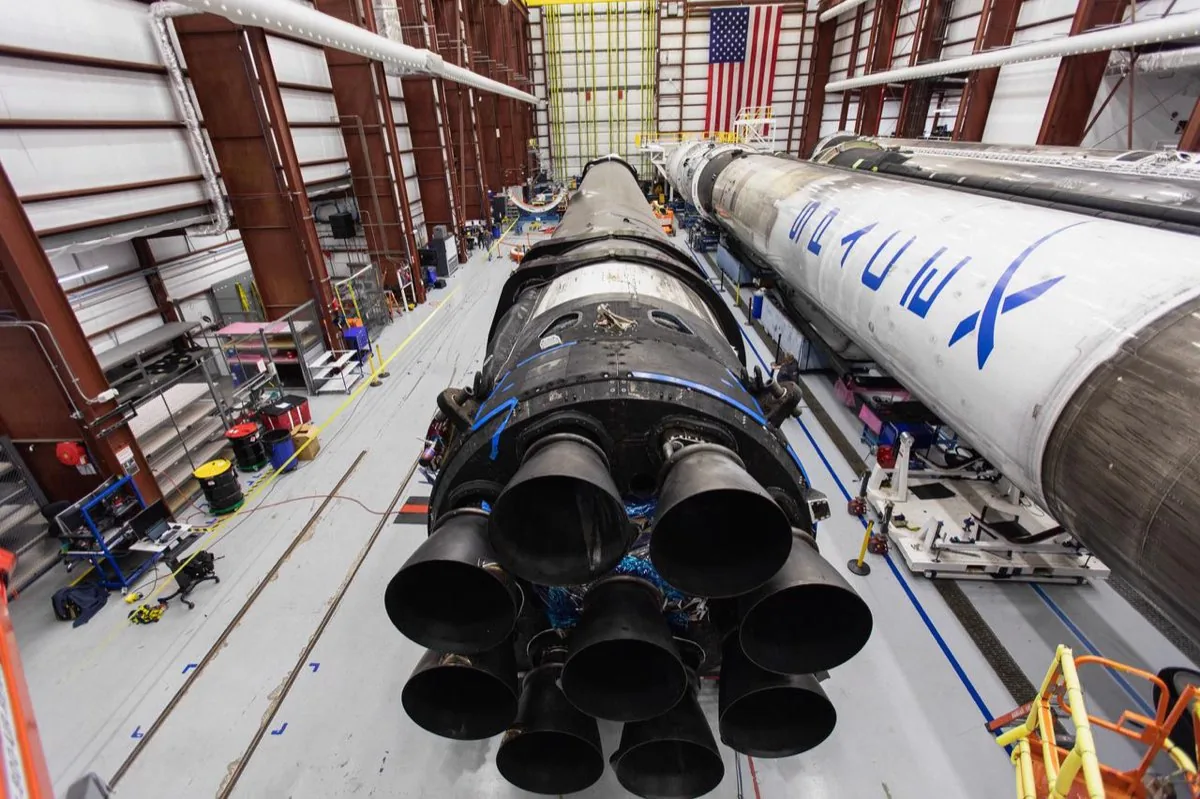
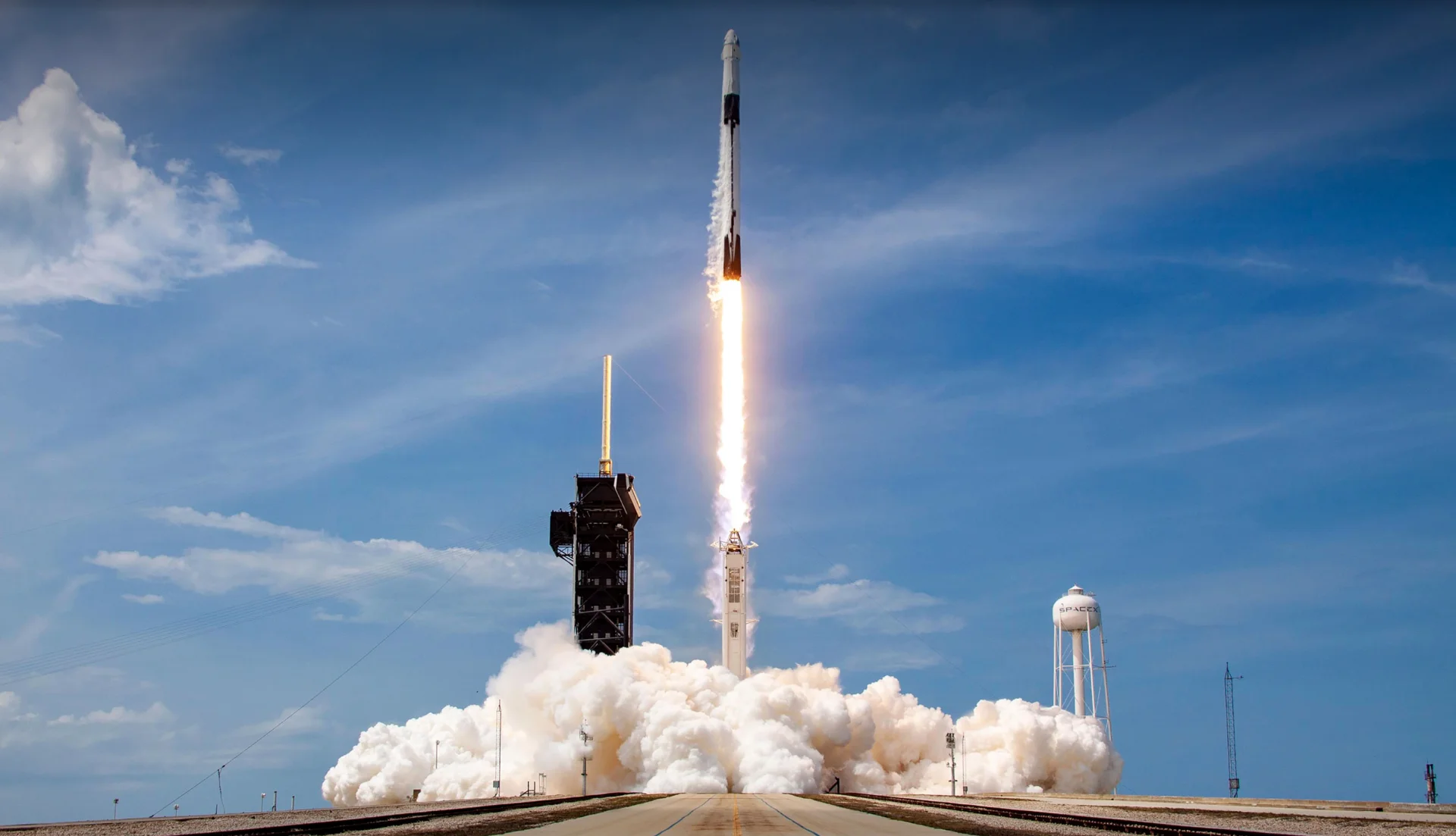
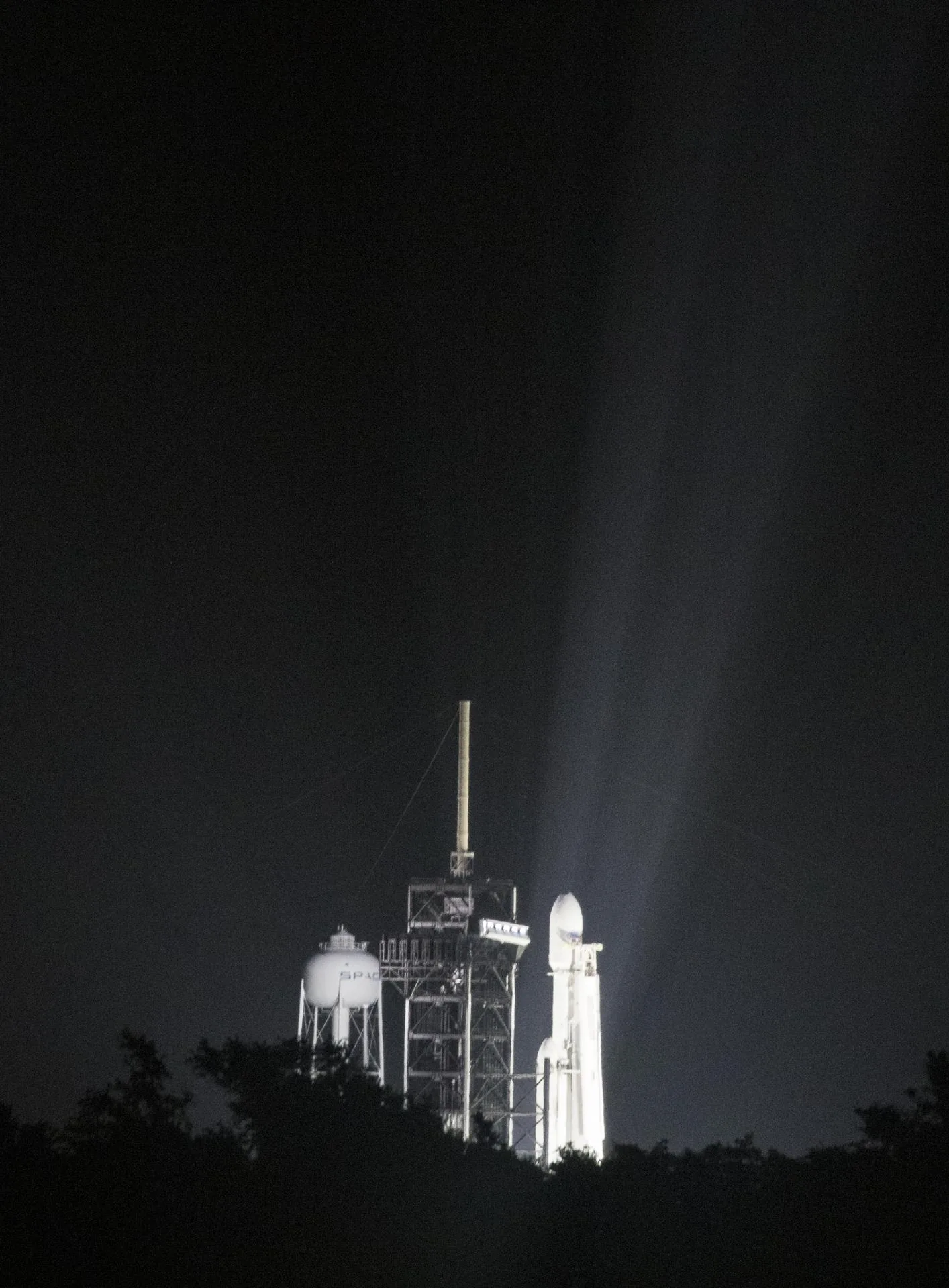
Let's talk numbers, because they tell an incredible story. SpaceX's Falcon 9 has surpassed 300 launches as of early 2025, a milestone that seemed unimaginable just a few years ago. In 2024 alone, the company maintained a launch cadence that would have made entire national space programs jealous -- sometimes flying multiple missions in a single week. The first-stage boosters have been reflown dozens of times each, with individual boosters logging over 20 flights. This is not experimental anymore. This is routine. And that routine is what makes it revolutionary.
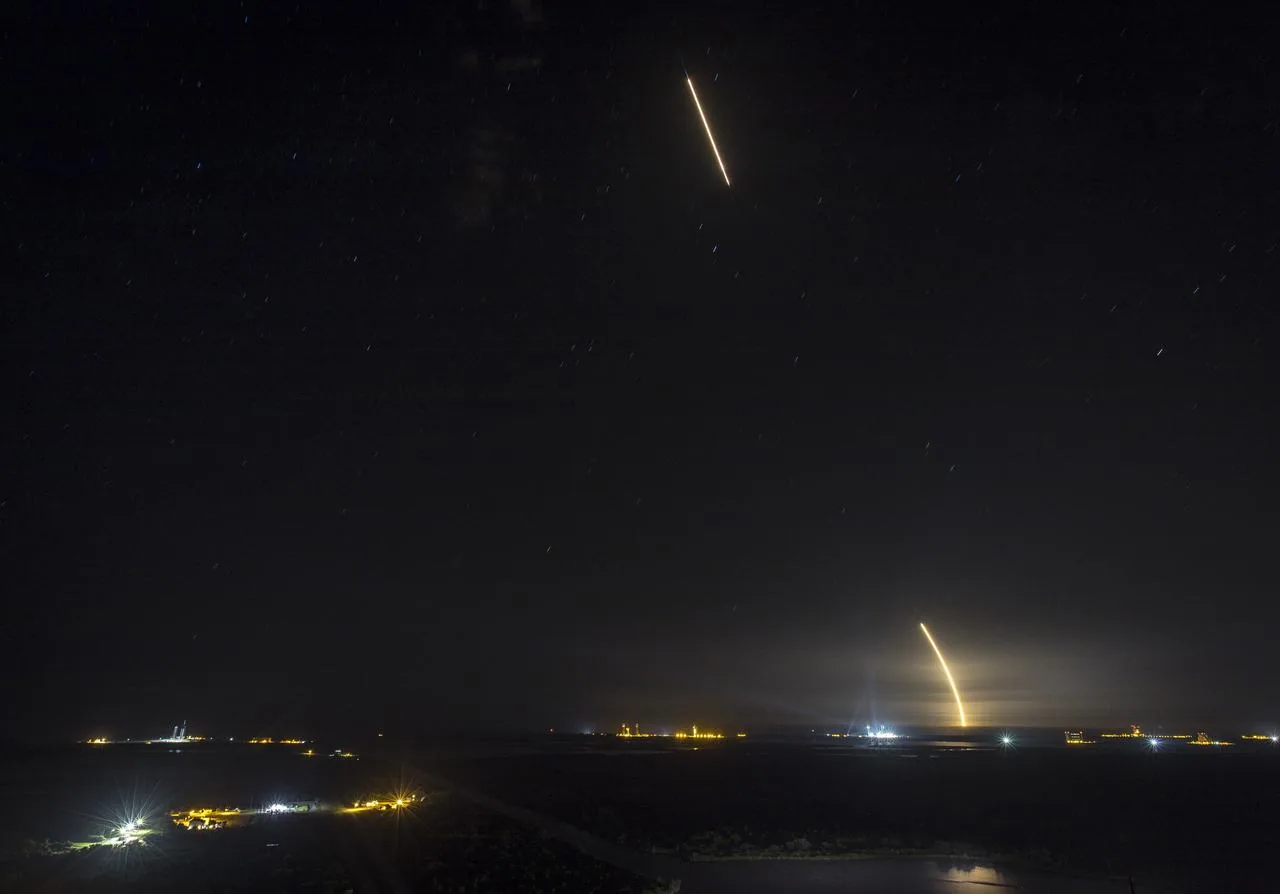
The economics speak for themselves. By driving the cost of access to orbit down dramatically, Falcon 9 has opened space to universities, small nations, commercial startups, and scientific missions that never could have afforded a ride before. Every time a booster lands back on the drone ship -- and the success rate is now remarkably high -- it is a quiet reminder that SpaceX turned science fiction into a business model.
Starship: From Explosions to Orbit
If Falcon 9 is the workhorse, Starship is the thoroughbred being trained for a race to Mars. And 2024 was the year Starship finally started proving its critics wrong.
After the dramatic early test flights -- including the spectacular disassembly of the first integrated flight test in April 2023 -- SpaceX iterated at a pace that stunned the industry. The fourth integrated flight test in June 2024 achieved a successful controlled splashdown of both the Super Heavy booster and the Starship upper stage, demonstrating the full flight profile for the first time. Then came the fifth flight test in October 2024, where SpaceX pulled off something genuinely jaw-dropping: catching the returning Super Heavy booster with the mechanical arms of the launch tower, nicknamed "Mechazilla." If you watched that live, you know the feeling -- it was one of those moments where the future suddenly felt very, very real.
By late 2024, Starship had completed successful orbital-class flights, validating the heat shield performance during reentry and proving that the most powerful rocket ever built could be controlled through the most punishing phases of flight. The ship is designed to be fully reusable and capable of carrying over 100 tonnes to low Earth orbit -- numbers that rewrite the rules for what missions are possible.
NASA has selected Starship as the Human Landing System for the Artemis III mission to return astronauts to the lunar surface. That contract alone tells you where the space establishment places its confidence in this vehicle.
Polaris Dawn: A New Chapter in Commercial Spaceflight
One of the most exciting moments of 2024 came in August with the Polaris Dawn mission. Commanded by Jared Isaacman, this Crew Dragon mission reached an apogee of approximately 1,400 kilometers -- the highest any humans have traveled since the Apollo program. But the real headline was the first-ever commercial spacewalk, conducted using SpaceX's newly developed extravehicular activity (EVA) suits.
Let that sink in. A privately funded crew, in a privately built spacecraft, wearing privately developed spacesuits, conducted a spacewalk in the vacuum of space. This was not a government program. This was not a national prestige project. This was a billionaire and his crewmates pushing the boundary of what private citizens can do beyond Earth. Whether you see that as inspiring or complicated, there is no denying it was a historic first, and it proved that SpaceX's life support and EVA systems are ready for the demands of deep space.
Starlink: Connecting the Planet from Orbit

The Starlink constellation has grown past 6,000 satellites in low Earth orbit, making it by far the largest satellite constellation ever assembled. The network now provides broadband internet service to millions of users across more than 70 countries, including remote areas, maritime vessels, and aircraft.
The impact on connectivity is hard to overstate. Communities that had no viable internet options now have download speeds that rival urban broadband. Starlink has been used in disaster relief operations, by military forces in conflict zones, and by researchers working in some of the most isolated places on Earth. SpaceX has been launching next-generation Starlink V2 Mini satellites that offer significantly increased bandwidth per satellite, and the company has begun testing direct-to-cell capabilities that would allow unmodified smartphones to connect to the constellation.
From a business standpoint, Starlink is becoming SpaceX's financial engine. The recurring revenue from subscriptions helps fund the enormously expensive Starship development program. It is a beautiful feedback loop: Falcon 9 launches Starlink, Starlink generates revenue, revenue funds Starship, and Starship will eventually launch even more Starlink satellites.
Crew Missions to the ISS and Beyond
SpaceX continued its steady cadence of Crew Dragon missions to the International Space Station throughout 2024 and into 2025, flying both NASA astronaut rotation missions (Crew-8, Crew-9) and private Axiom Space missions. The Crew Dragon has now become the primary vehicle for human access to the ISS from American soil, a role it has held since the historic Demo-2 mission in May 2020.
The reliability of the Crew Dragon system has been outstanding. Every mission has delivered its crew safely and returned them to Earth with splashdown precision that gets better with each flight. For those of us who remember the gap years after the Space Shuttle retired, when America had to buy seats on Russian Soyuz capsules, the current reality feels like a vindication of the commercial crew model.
The Road to Mars
Everything SpaceX builds is, ultimately, aimed at Mars. Elon Musk has never been shy about this. Starship is designed specifically for Mars transit -- its stainless steel construction, its methane-fueled Raptor engines (methane can theoretically be manufactured on Mars), and its massive payload capacity all point toward the goal of establishing a permanent human presence on the Red Planet.
The timeline remains ambitious and, frankly, uncertain. But the hardware is getting built and tested at a pace no one predicted. SpaceX is working on orbital refueling technology, which is essential for sending Starship on interplanetary trajectories. The company is planning unmanned Starship cargo missions to Mars as proving flights before any crew sets foot on Martian soil.
We are living through the early chapters of a story that could define this century. Whether the first human bootprint on Mars happens in the 2030s or later, SpaceX has done more than any other organization to make that dream feel achievable. And for those of us who have spent our lives looking up, that is something worth celebrating.
What Comes Next
With Starship entering an operational testing phase, Falcon 9 continuing to break its own records, Starlink reshaping global telecommunications, and the Polaris program pushing the limits of commercial human spaceflight, SpaceX is not slowing down. If anything, the pace is accelerating.
The space industry has always moved in fits and starts -- bursts of ambition followed by long pauses. What makes this era different is that the economics finally work. Reusability changed the equation. And SpaceX, more than anyone else, proved that reusability was not just possible but profitable.
We are watching history being made, one landing at a time.