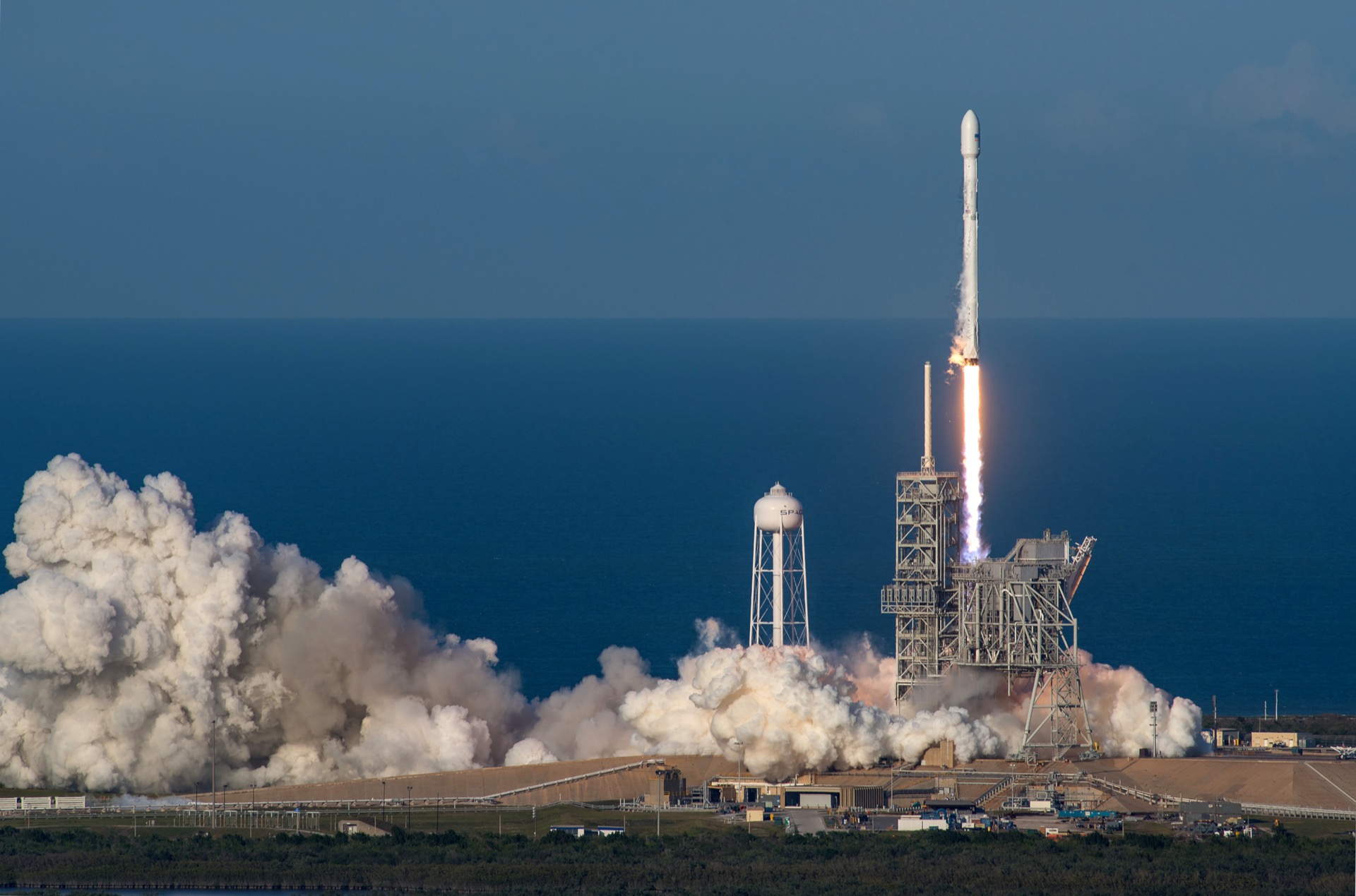
newsJune 16, 2026
SpaceX's $1.77 Trillion IPO: What the Record Listing Means
SpaceX's $75 billion Nasdaq debut is the largest IPO in history. Inside the record SPCX listing, the analyst valuation war, and what Elon Musk plans next.
SpaceX's $75 billion Nasdaq debut is the largest IPO in history. Inside the record SPCX listing, the analyst valuation war, and what Elon Musk plans next.
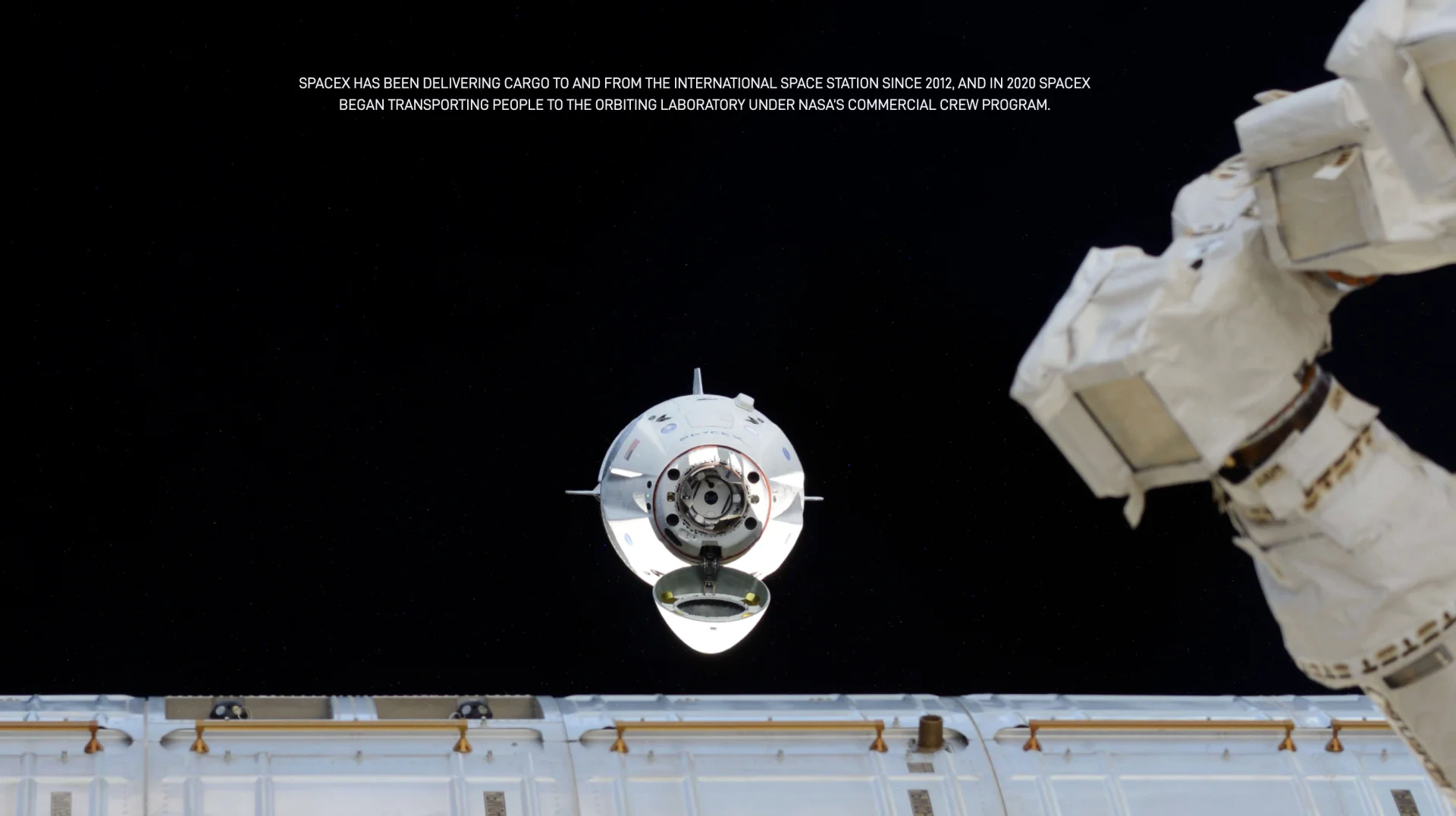
SpaceX has roughly $22 billion of lifetime federal commitments, $3.8 billion in FY2024 obligations, and a 100% sweep of NSSL Phase 3 Lane 1 task orders awarded through May 2026. The bull case is that this concentration is the moat. The bear case is that this concentration is the tail risk. We build the full contract stack, walk the audit trail, and weigh the political volatility that bracketed June 2025.
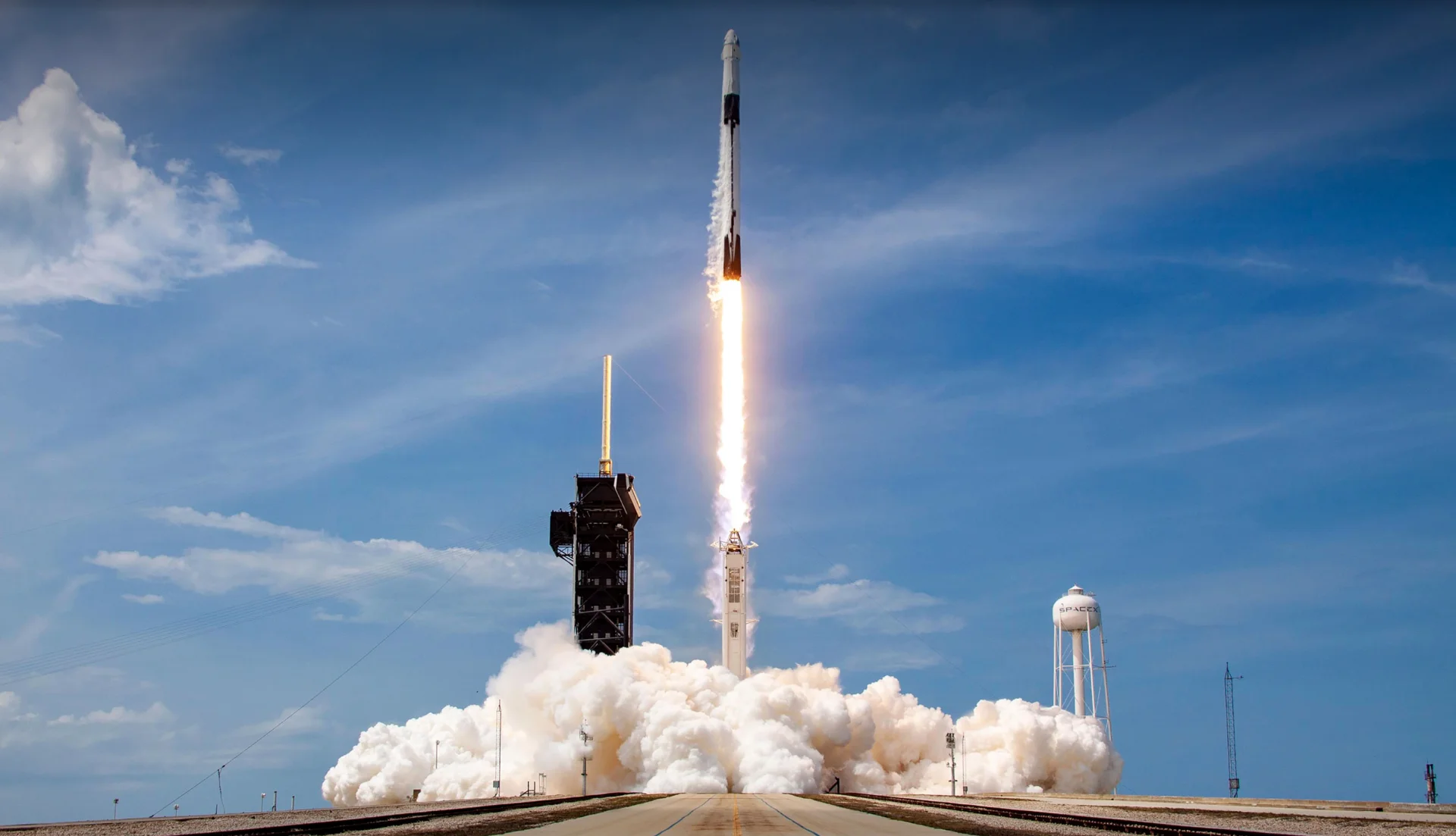
The institutional thesis on SpaceX at $1.75–2.0 trillion. We build the full sum-of-the-parts across Launch Services, Starlink, Starshield, and Dragon, weigh the bull case against the bear case with explicit probability weights, and route to four supporting deep dives — Valuation & Secondary Markets, Starship Economics, Government Contract Risk, and Starlink Unit Economics.
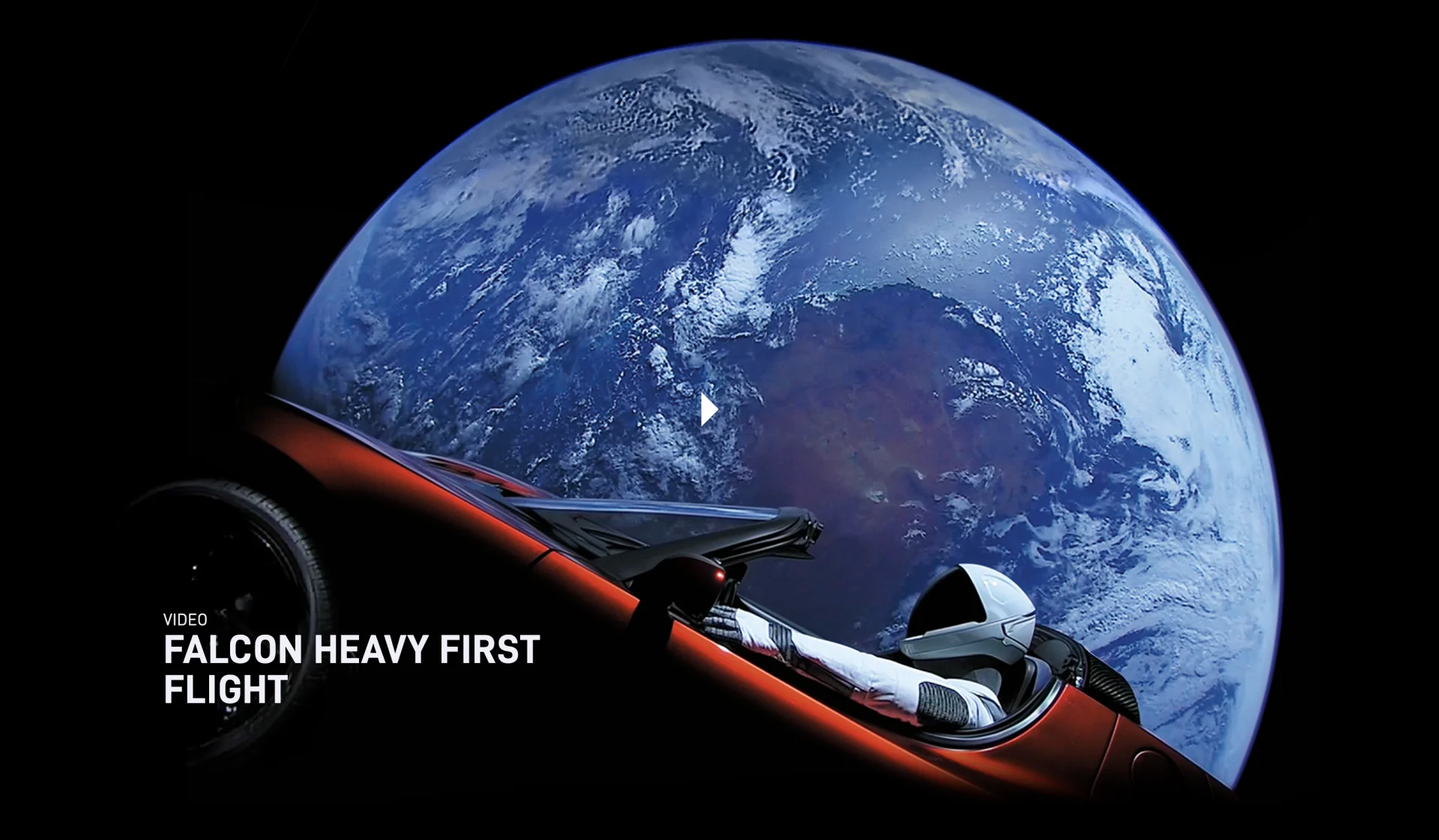
SpaceX trades at ~$1.51T on Forge Global and $1.86T-implied on Hiive as of May 12-13, 2026. Project Apex — the codename for the confidentially filed IPO — targets $1.75-2T. We build the SOTP, walk the comparable multiples, and explain why a $350B Sacra mark and an $800B December tender now coexist with bank desks pitching $2T.
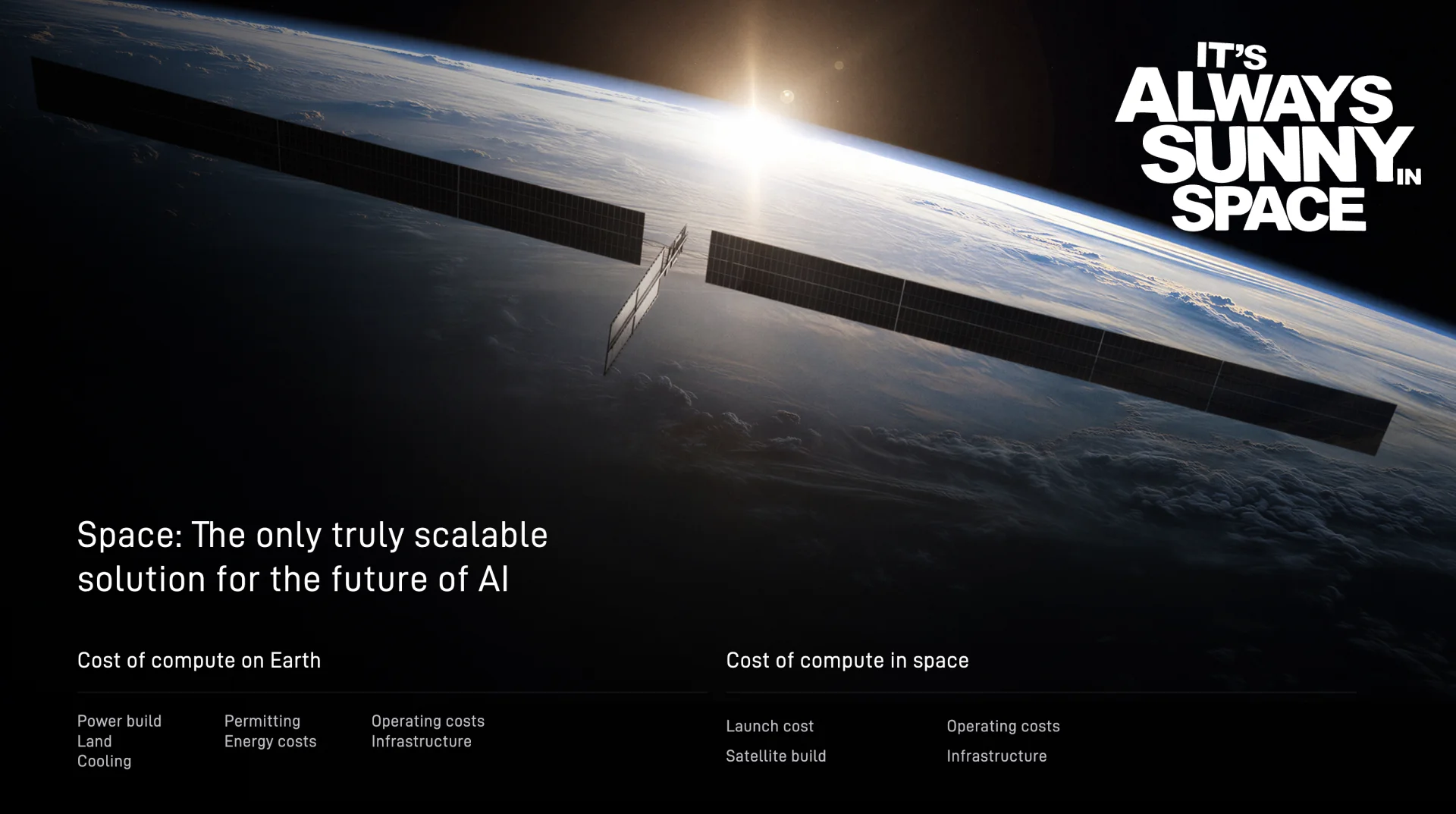
Starlink's 60-70% EBITDA margin is either the most defensible moat in telecom or the most temporary. This is the model behind the number: per-satellite CapEx by generation, ARPU segmented across five customer tiers, $/Mbps math versus fiber and GEO, churn dynamics, Direct-to-Cell take-rate sensitivity, and regional capacity vs demand. The unit economics either survive Amazon Leo and OneWeb pressure or they don't.
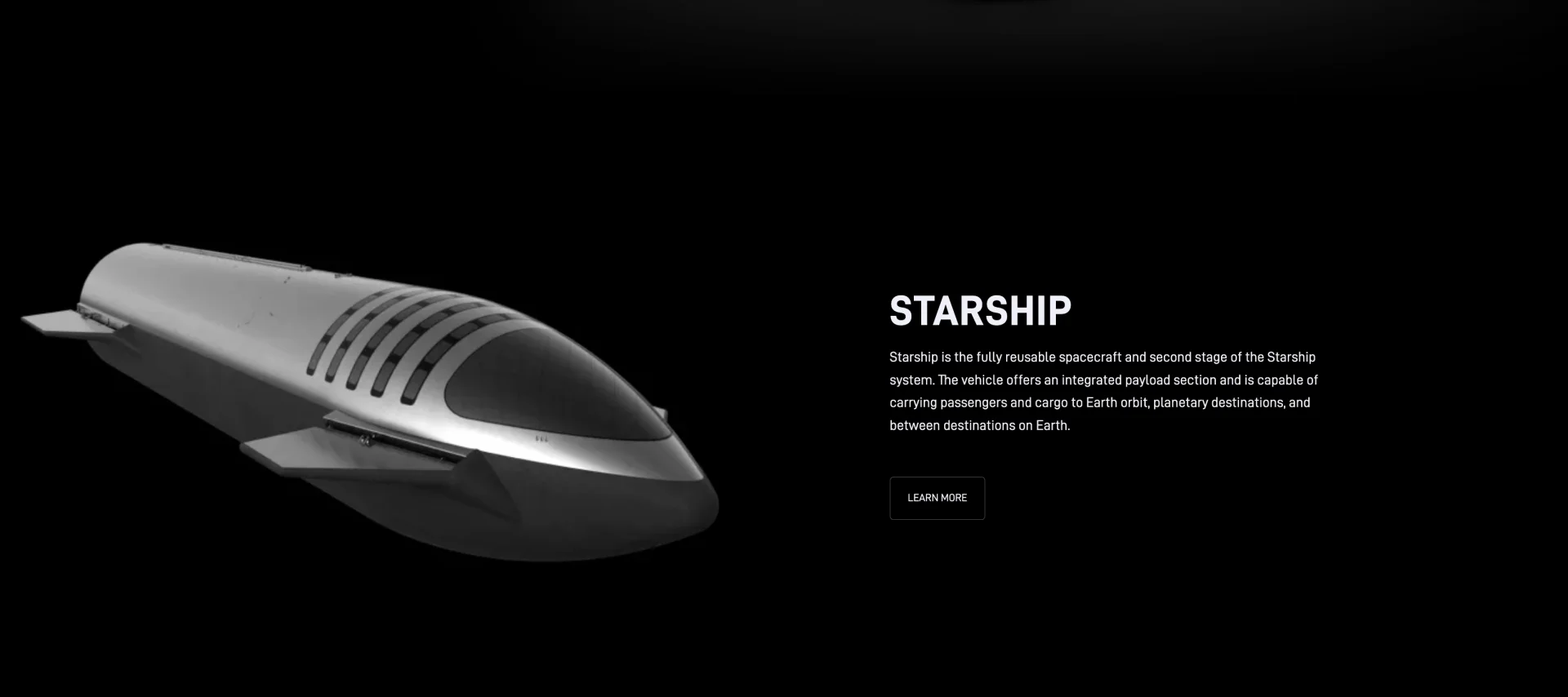
Starship is the single most consequential variable in the SpaceX SOTP. The marketed economics — $20-30M per launch, $100-200/kg to LEO — would re-base the entire space economy. The probable economics through 2028 are different. We build the model, weigh HLS execution risk, and explain why the Mars architecture is the most over-discussed and least near-term-relevant part of the thesis.
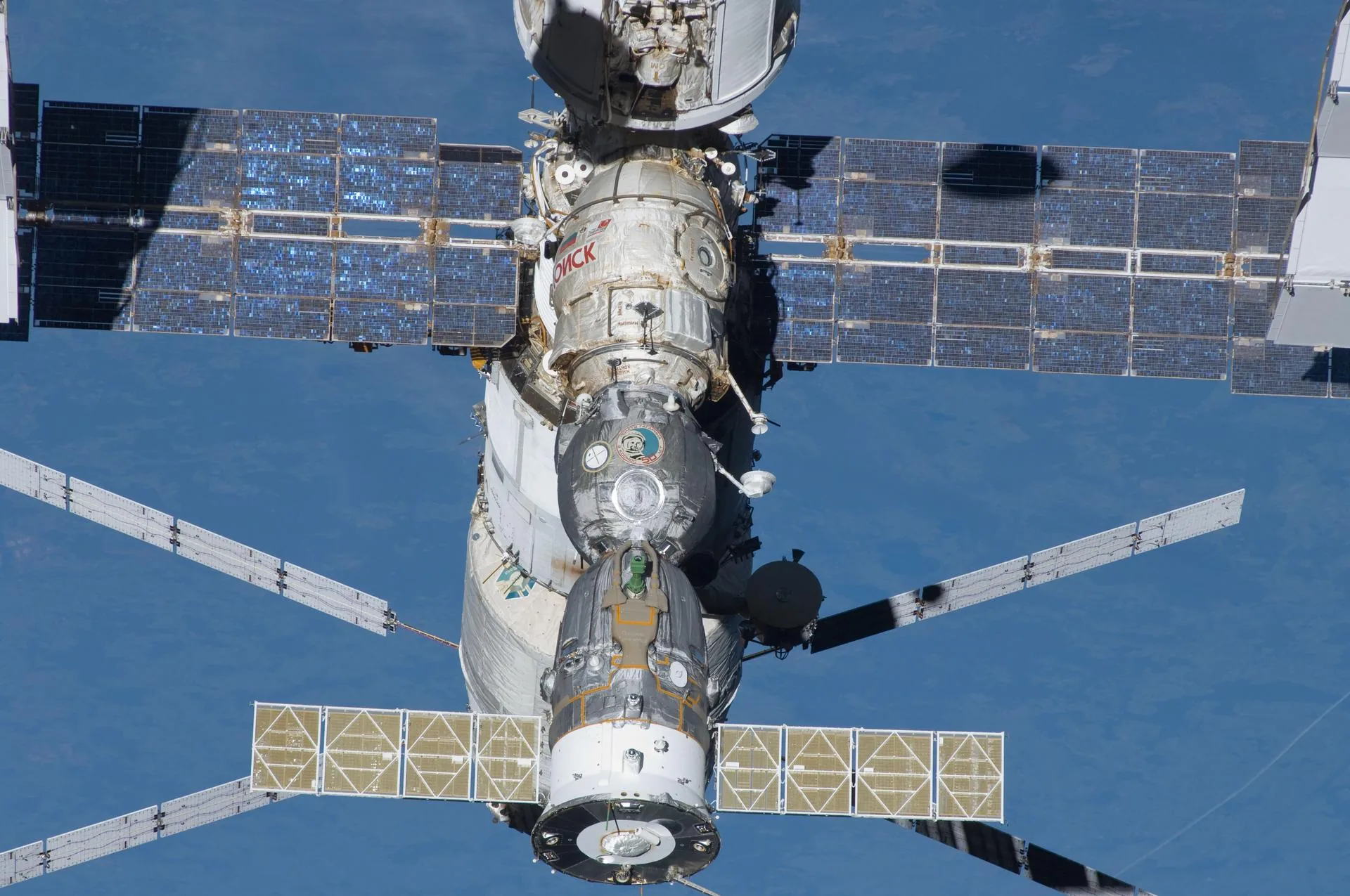
The ISS is being deorbited around 2030. Inside the Zvezda cracking, SpaceX's $843M deorbit vehicle, and the four commercial stations racing to replace it.
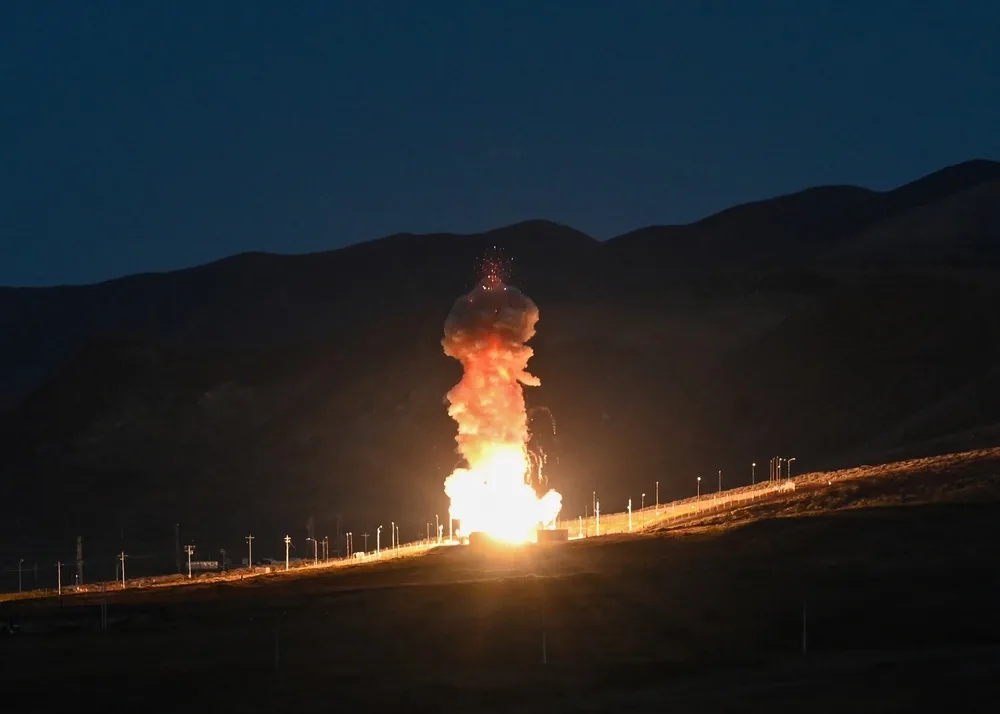
On April 24, 2026, the Space Force named 12 companies to build prototypes for Golden Dome's space-based interceptors. A deep dive on each contractor, what they're building, and who's positioned to survive the inevitable descope.
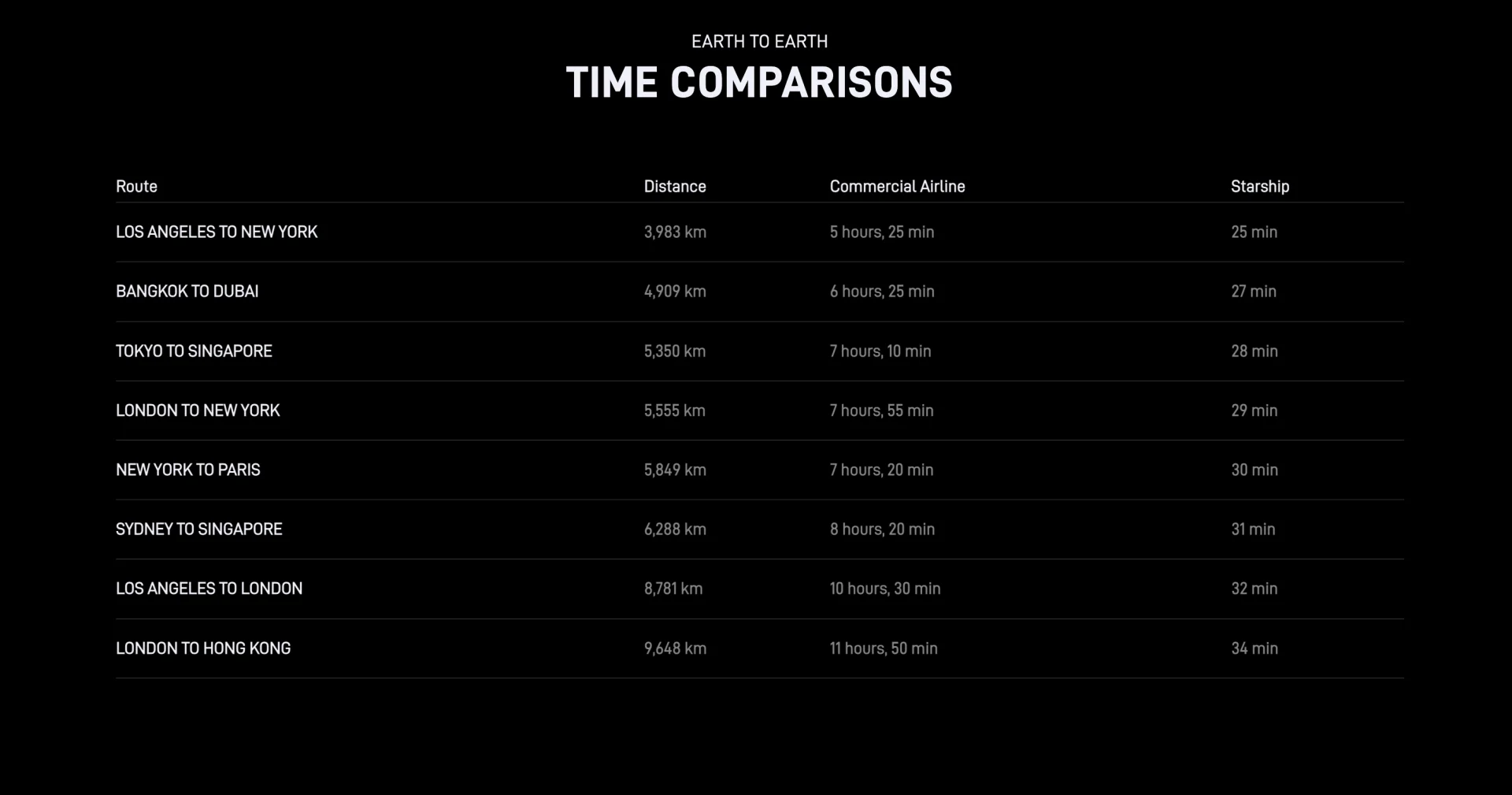
SpaceX's Starship has achieved full-stack reusability and is ramping toward operational missions. Here's the complete 2026 status update on tests, timelines, and the path to the Moon and Mars.
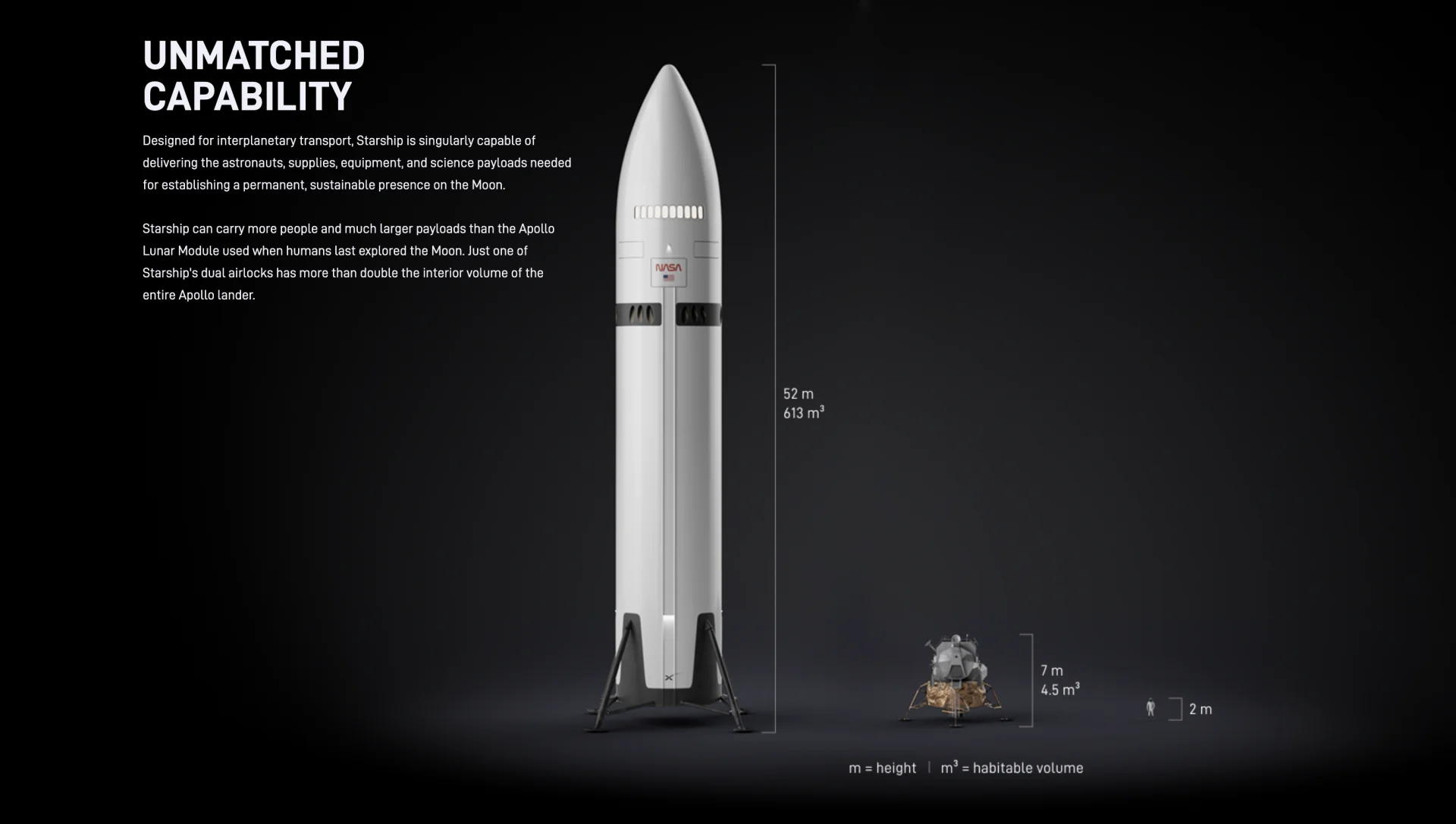
Starship caught its booster mid-air and survived re-entry. Here's what comes next: Starlink launches, Artemis HLS, and the first steps toward Mars.
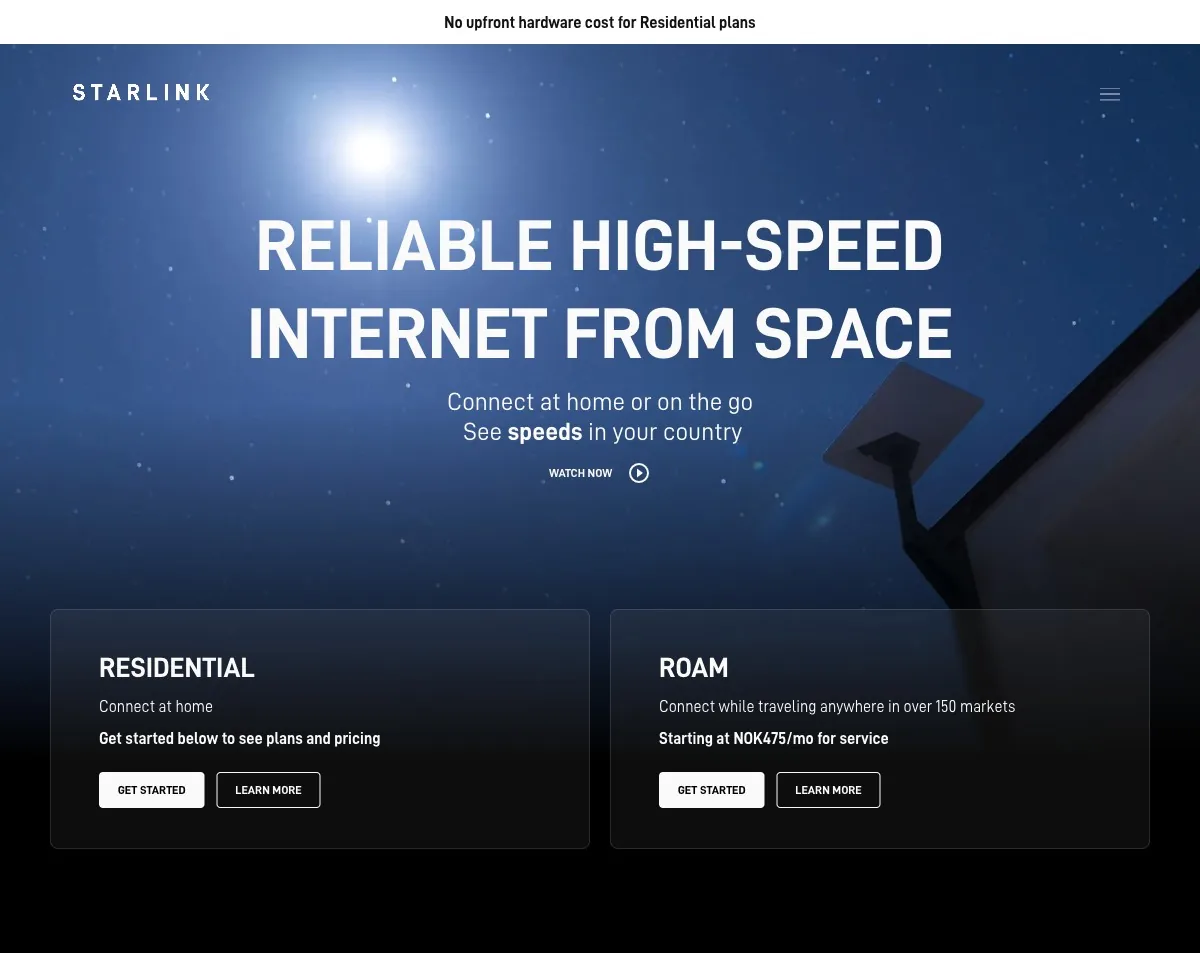
Starlink generates an estimated $10-12 billion annually and may be worth more than the rest of SpaceX combined. Here's a full investor breakdown of subscriber growth, ARPU, competitive moat, and IPO timeline.
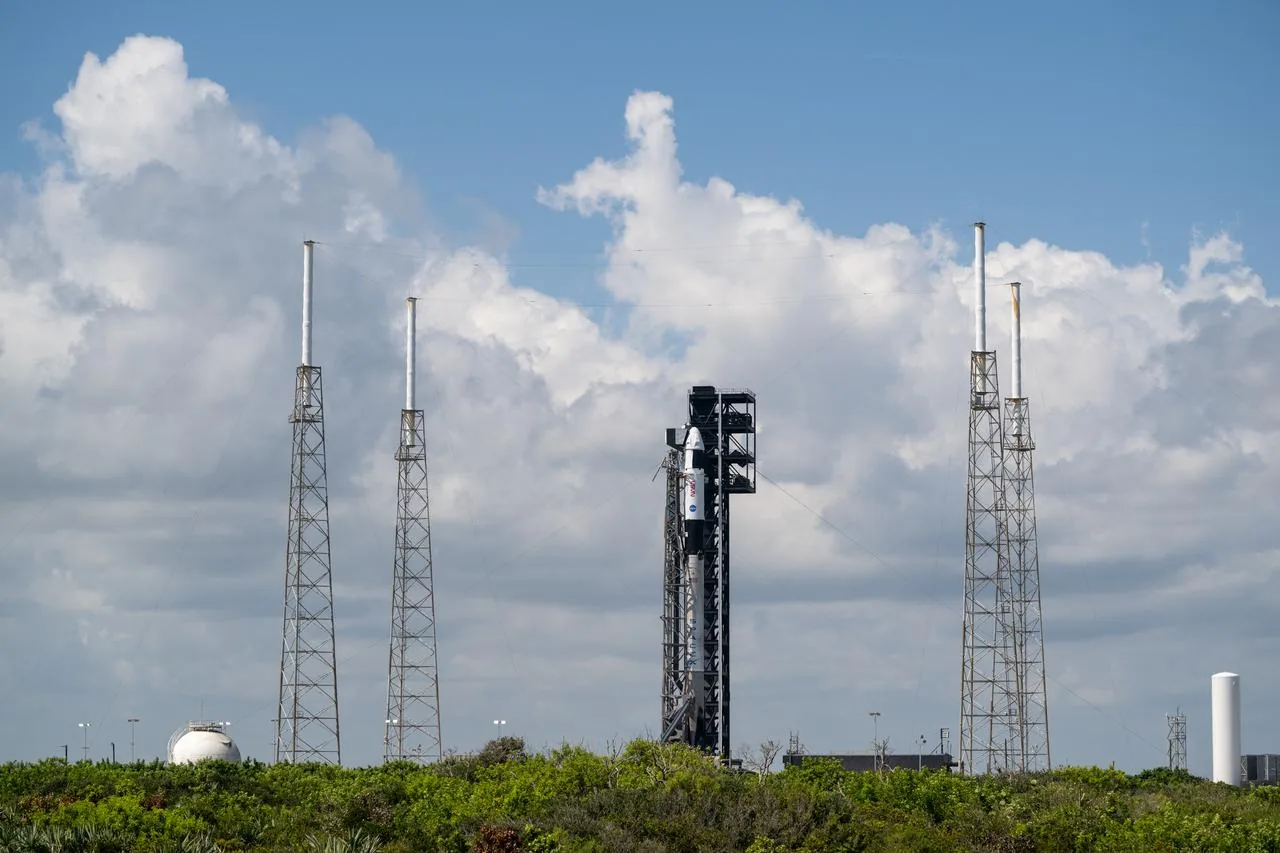
SpaceX flew 165 missions in 2025 and is on pace for 170+ in 2026; Blue Origin's New Glenn is operational with three flights and a reused booster, with NG-4 on the pad for Kuiper. The cadence gap, the revenue gap, and what each company is racing to prove next.
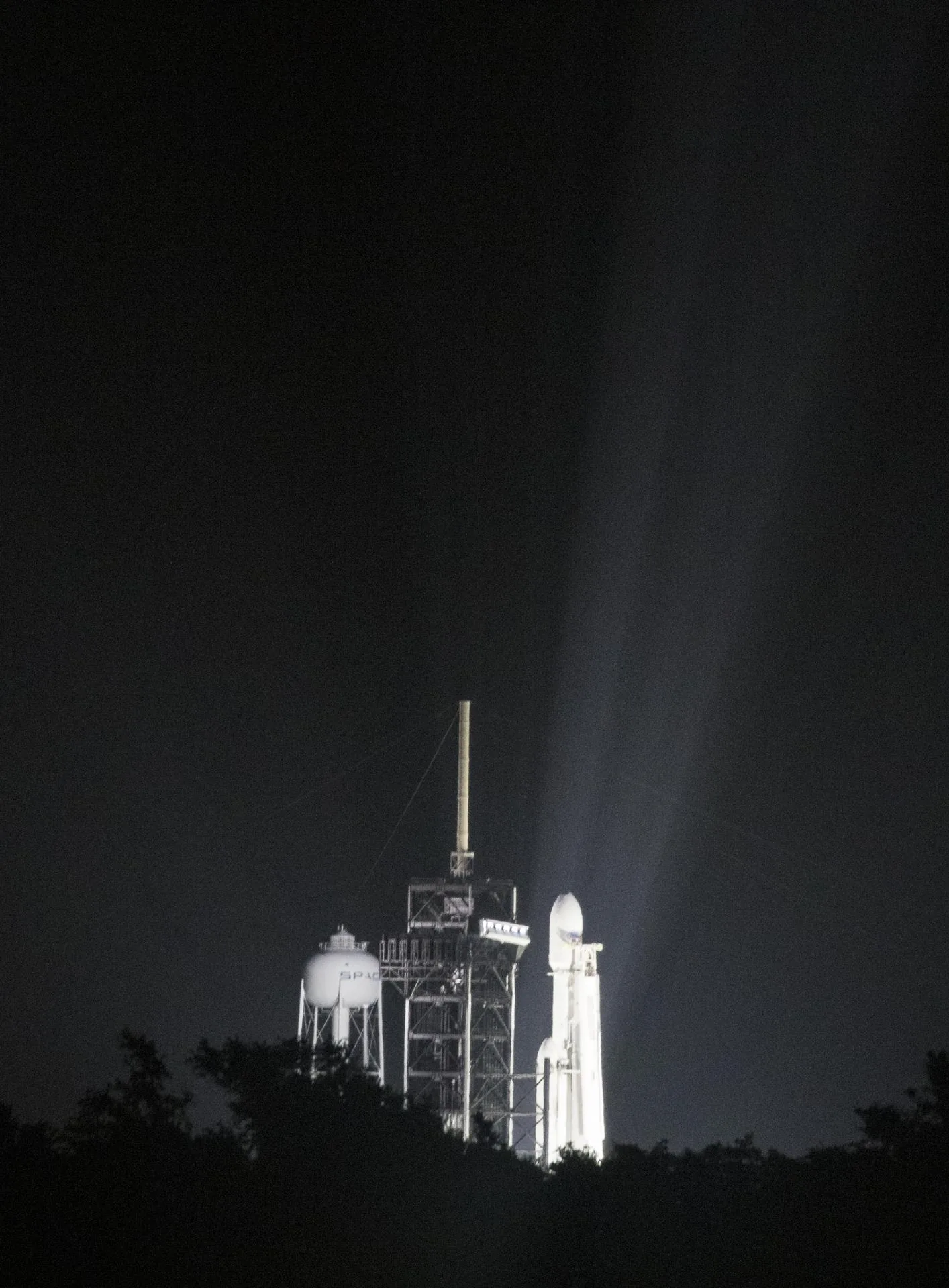
Every major launch provider publishes their upcoming flight schedule. Most investors ignore it. Here's how to read a launch manifest to spot revenue trends, customer mix, and competitive signals before they hit earnings.
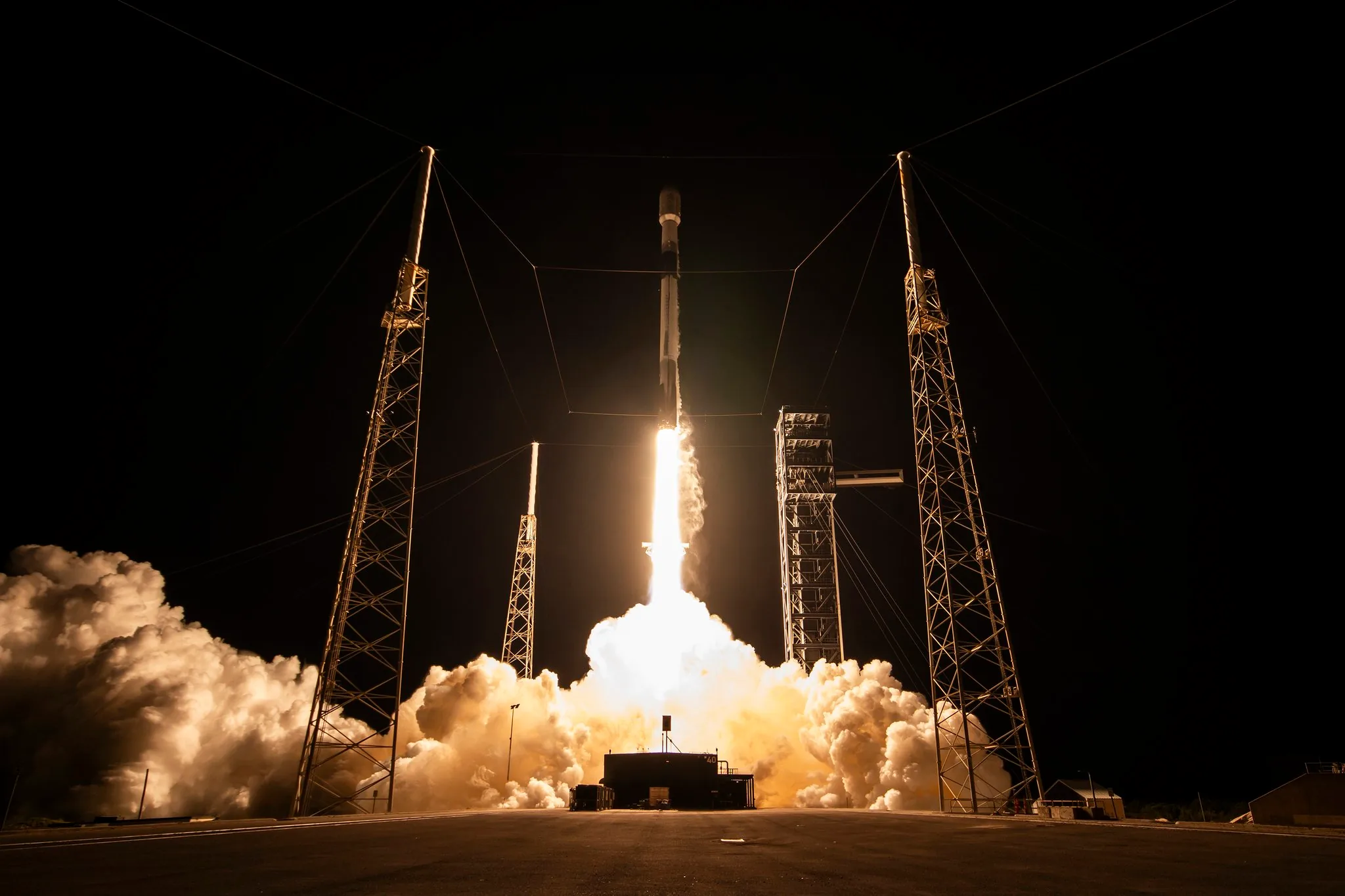
Three rockets competing for the same customers. Falcon 9's 500+ cumulative flights vs Vulcan in operational cadence vs New Glenn now operational. Which wins for your payload?

Ariane 6 vs Falcon 9 compared: specs, cost, reusability, and why Europe builds its own rocket even though SpaceX launches for half the price.
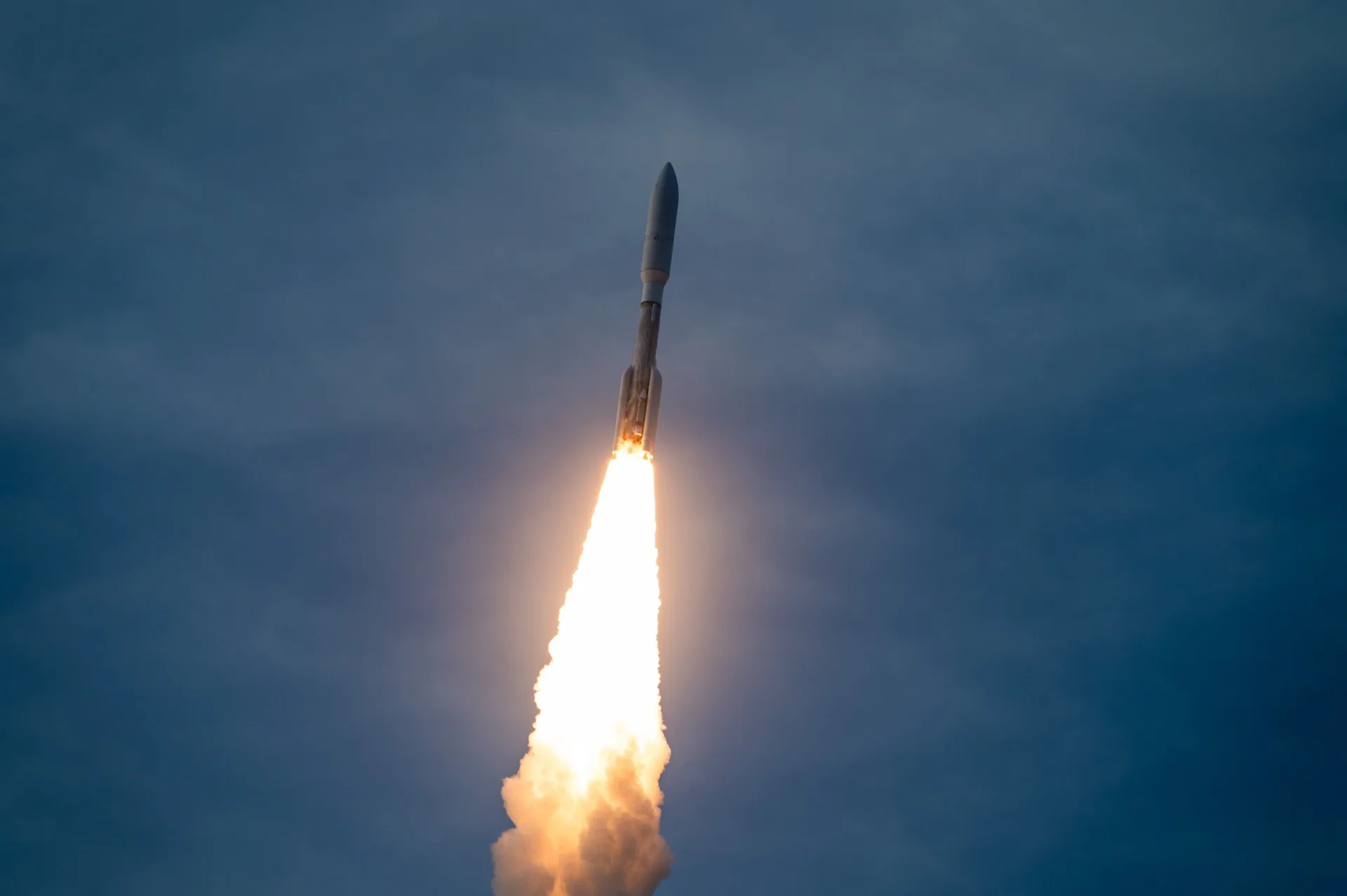
Amazon's $10B Project Kuiper rebrands as Amazon Leo: 241 satellites in orbit, 3,200 committed, an FCC deadline, and a head-on race with Elon Musk's Starlink.

SpaceX plans a million-satellite orbital data center, Starcloud hit a $1.1B valuation, and NVIDIA is building chips for space. The companies, tech, and
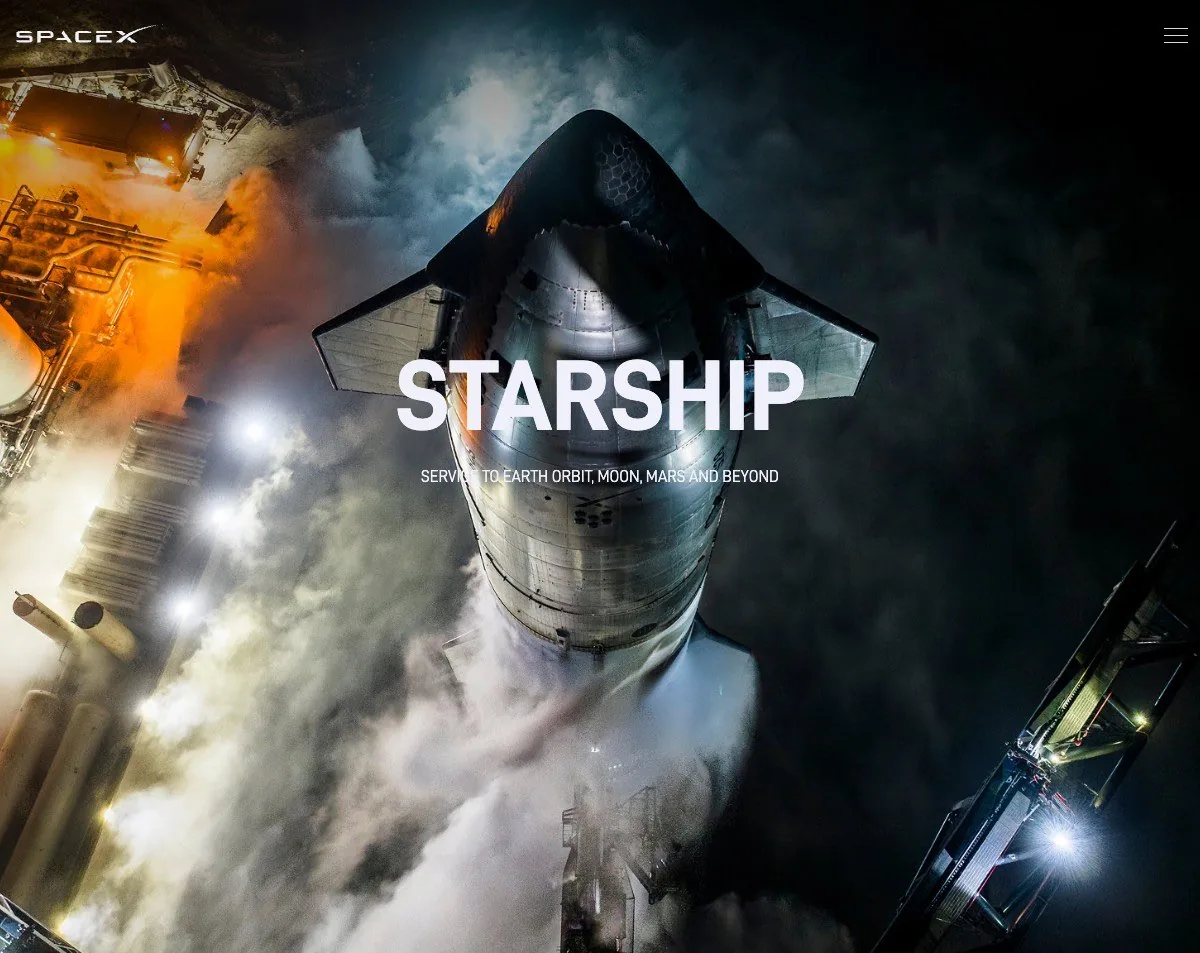
SpaceX today: a ~$1.25 trillion combined valuation post-xAI, 165 launches in 2025, Starship Block 3 incoming, Starlink at 10M+ subscribers, and an IPO on the runway.

The real obstacles to Mars colonization: deadly radiation, -80°C cold, toxic perchlorate dust, ISRU fuel, muscle loss, and how SpaceX's Starship plans to solve them.
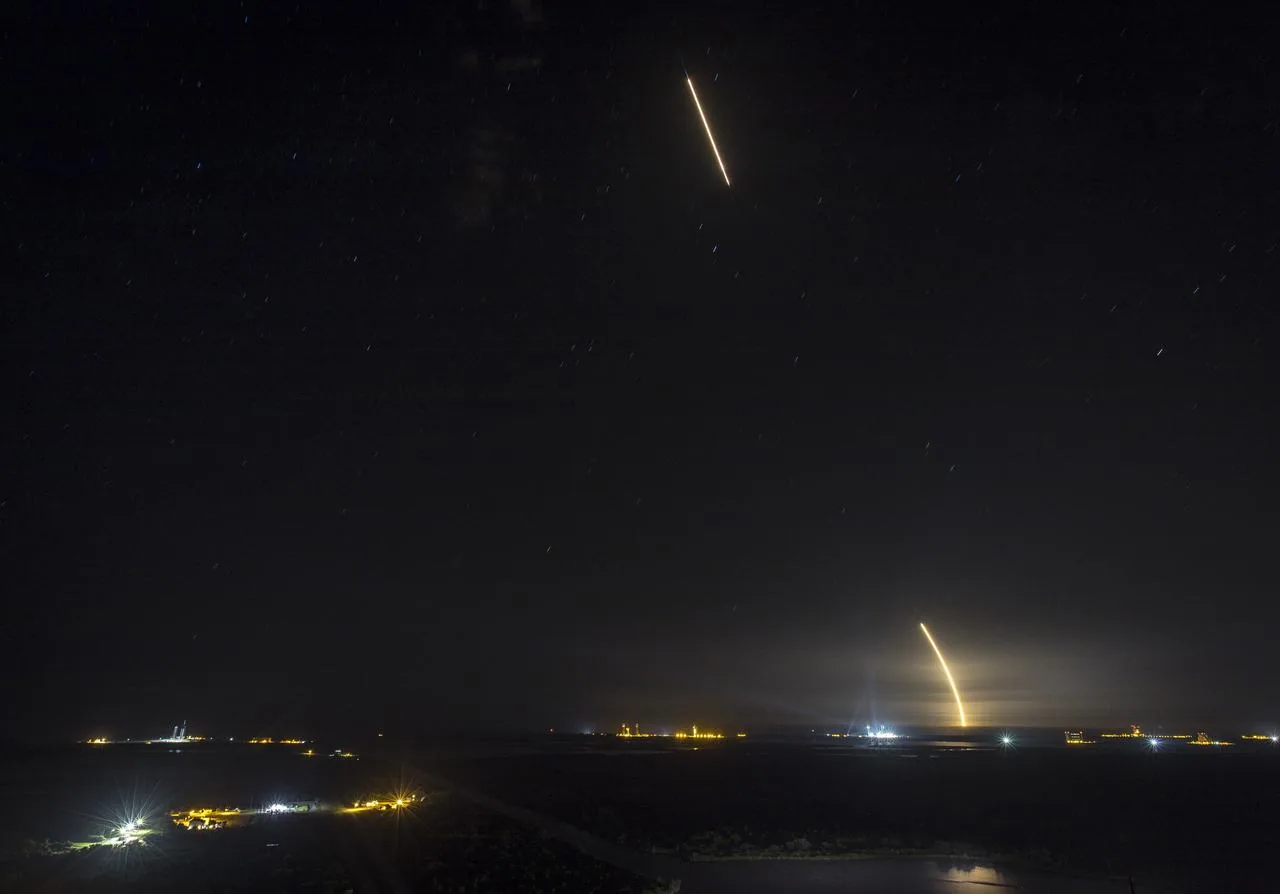
Compare the major LEO mega-constellations in 2026: Starlink, Eutelsat OneWeb, Amazon Kuiper, China's Guowang and Qianfan — satellites deployed, altitude, target size, status.
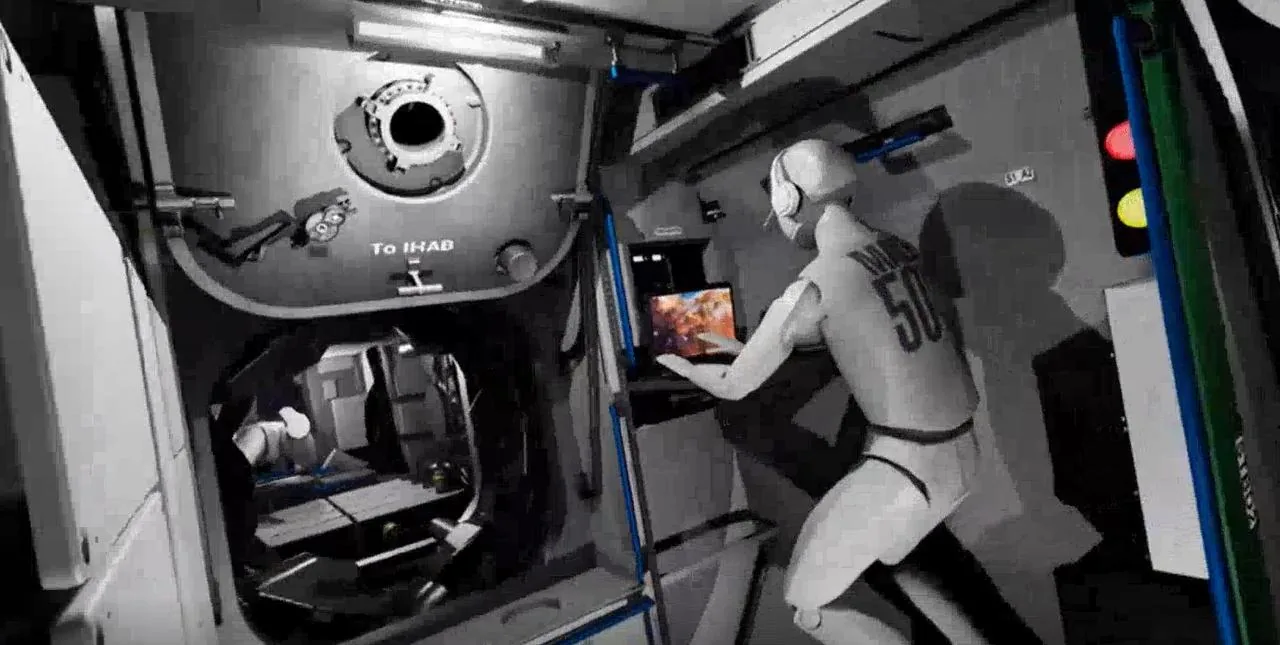
The Lunar Gateway: a mini space station in near-rectilinear halo orbit around the Moon. PPE, HALO, international modules, Artemis role, and the 6.5-day
Space tourism in 2026: Virgin Galactic, Blue Origin, SpaceX, Axiom, Polaris and Space Perspective ticket prices from $125K stratospheric to $55M orbital.
Falcon 9 boosters now fly 20+ times each. How SpaceX, Rocket Lab, and Blue Origin rewrote launch economics, slashed costs, and made orbital access look
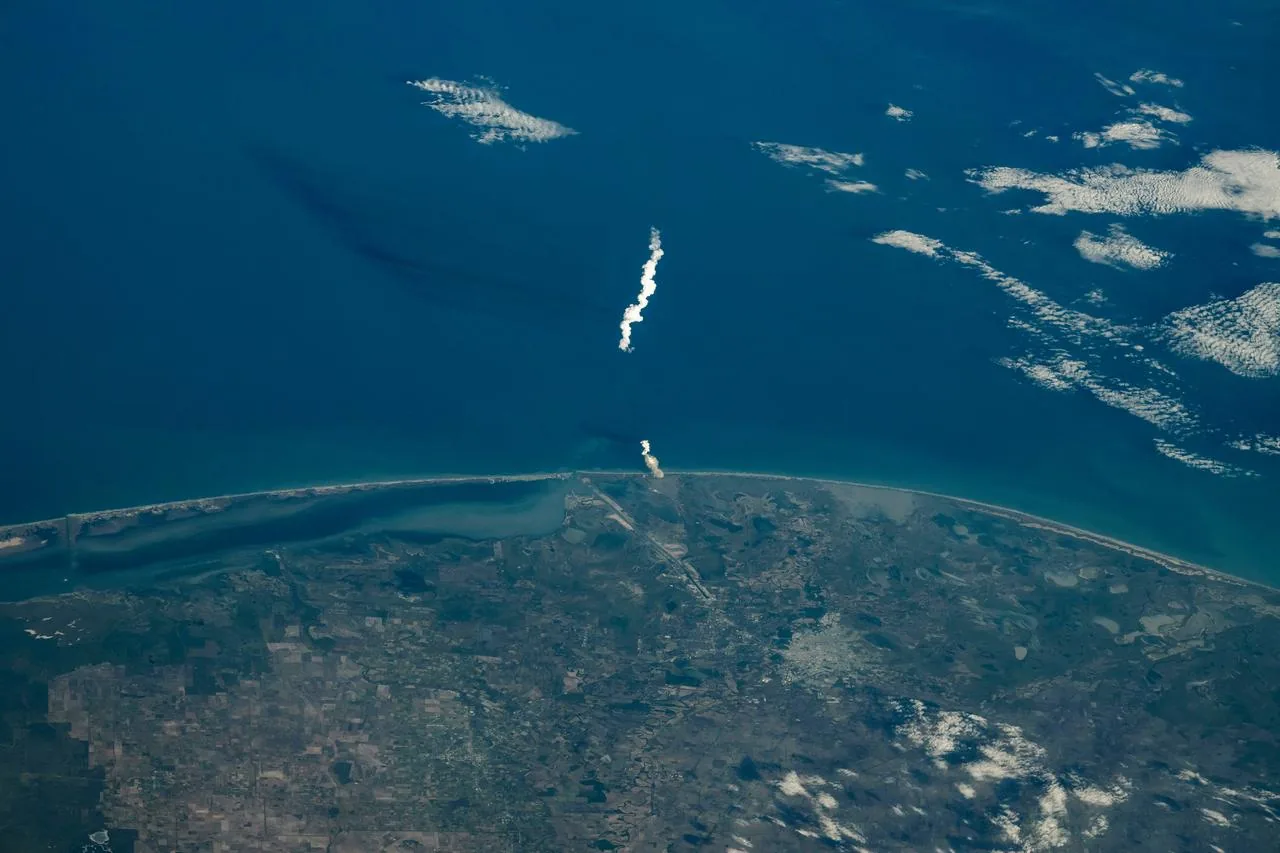
SpaceX Starship: 100+ tons to orbit, Raptor methane engines, orbital refueling and ISRU on Mars. The engineering of humanity's most ambitious interplanetary vehicle.
SpaceX has flown 675+ Falcon launches by mid-2026, flew Polaris Dawn, and is testing Starship. How reusable rockets and Starlink reshaped global
Starlink Direct-to-Cell connects unmodified phones to satellites via the T-Mobile partnership, ending dead zones across 500,000 sq miles of the US. How it
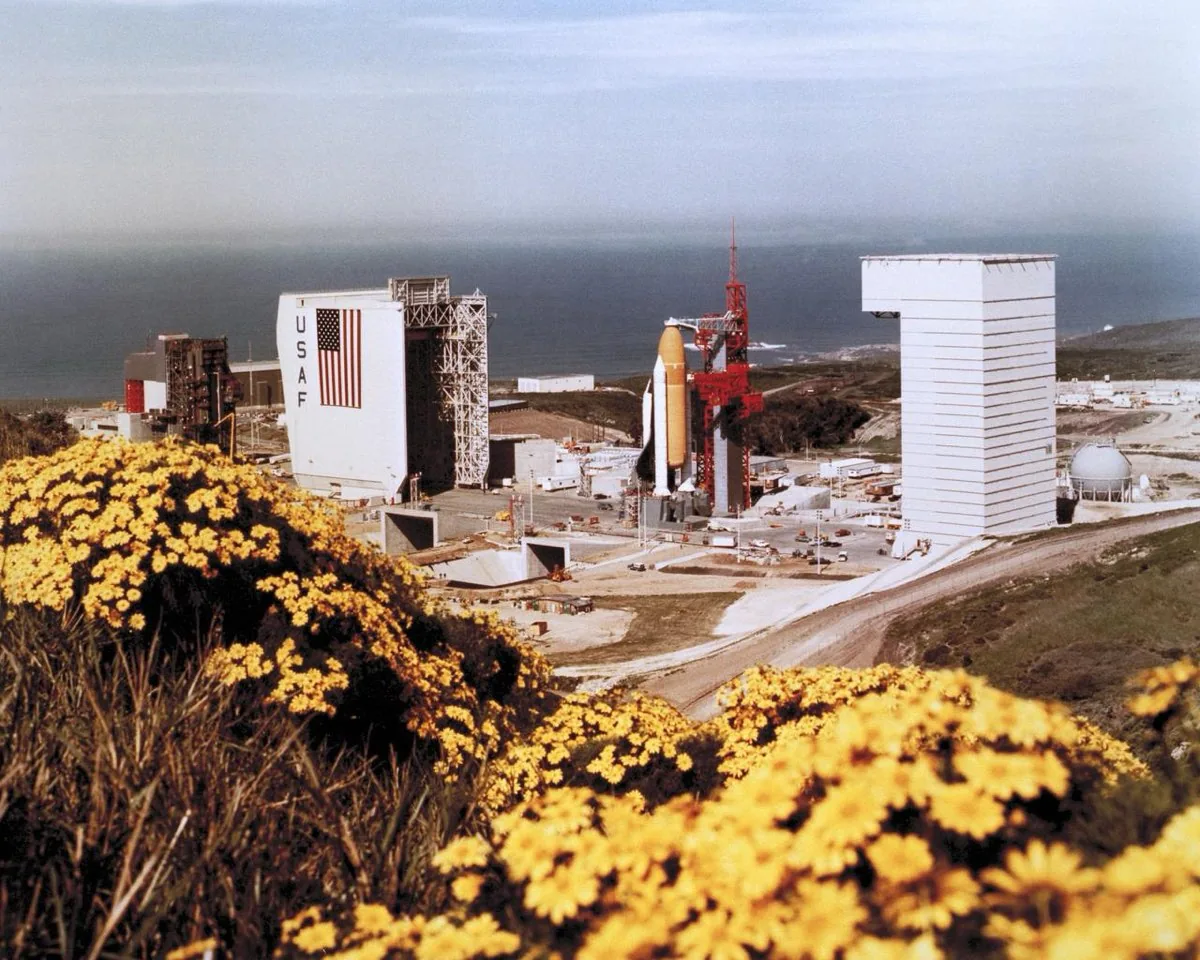
US Space Force, NRO, Space Development Agency, Starshield, and China's ASAT weapons. How orbit became the new high ground and which nations are arming for space warfare.
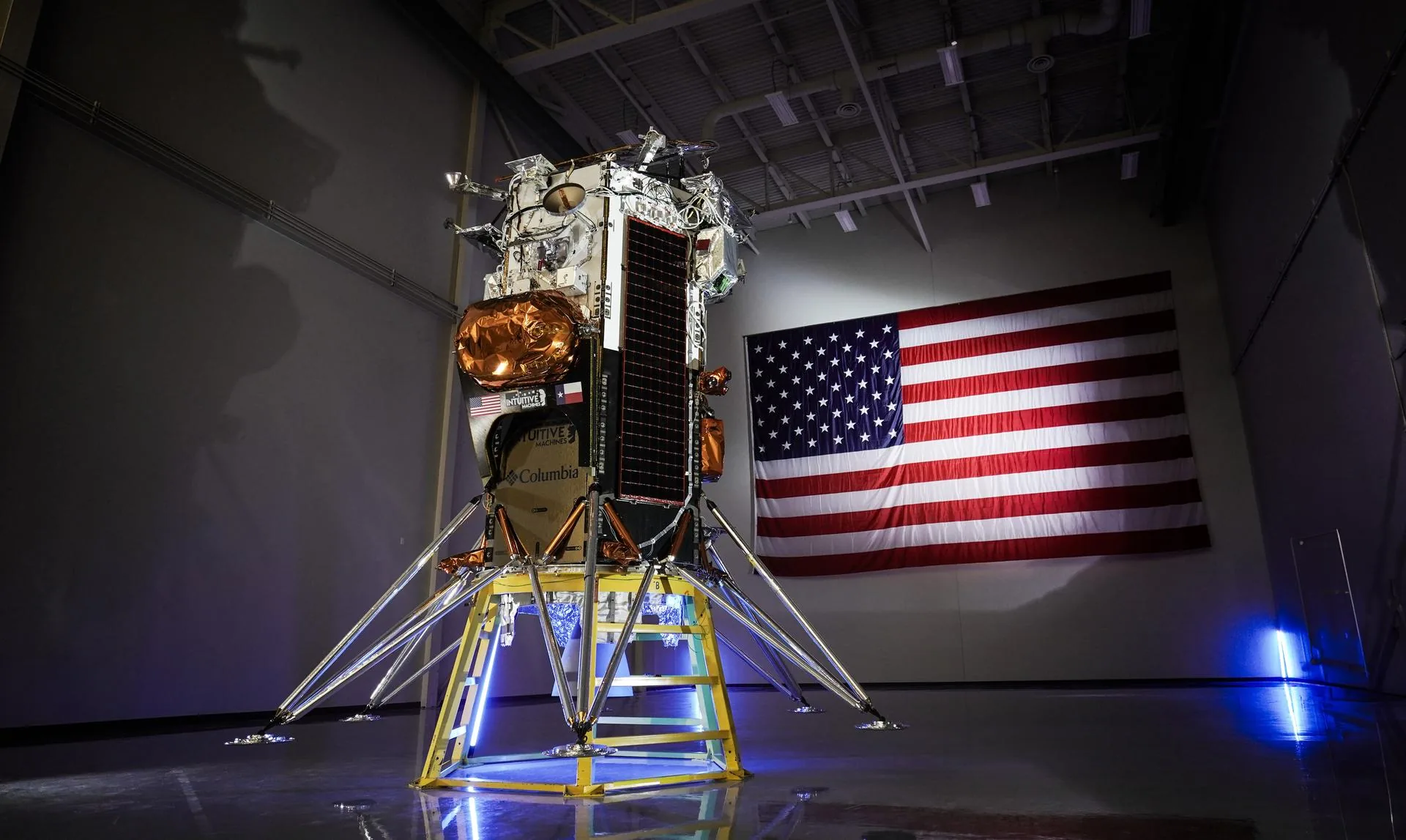
On February 22, 2024, Intuitive Machines' Odysseus landed near the Moon's south pole — ending a 51-year US lunar drought via NASA's CLPS commercial program.
The companies defining space in 2025: SpaceX, Blue Origin, Rocket Lab, Intuitive Machines, Axiom, Sierra Space, Relativity, Firefly, and Astrobotic's lunar landings.
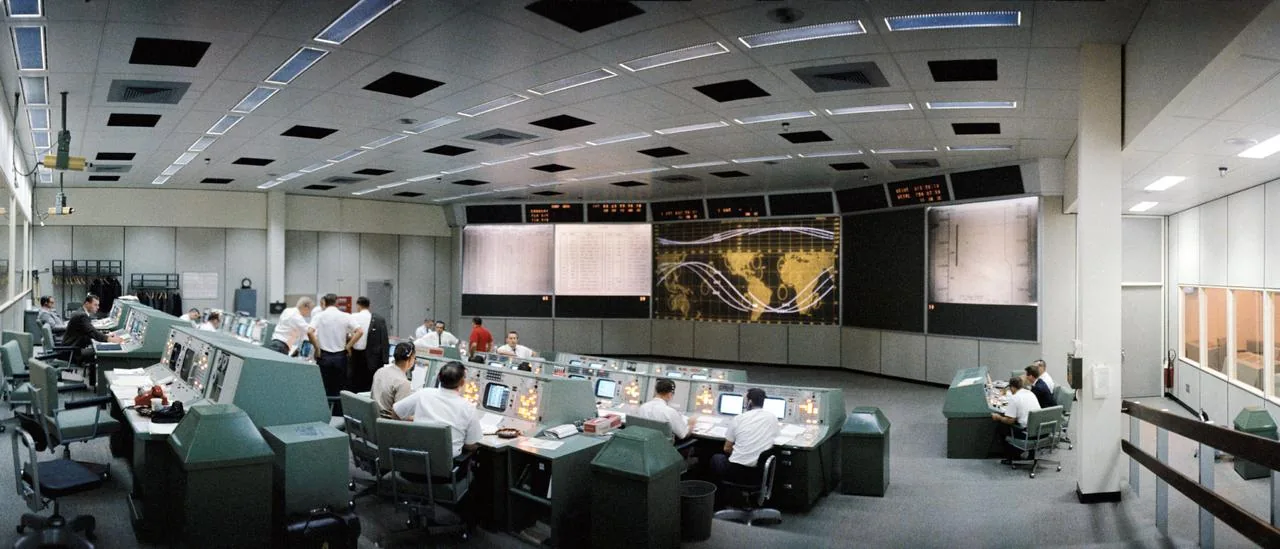
How to land a NASA, SpaceX, ESA, JPL, or Rocket Lab internship: application timelines, citizenship rules, resume tips, and what interviewers actually ask

What it actually takes to become an aerospace engineer in 2026: degrees, specializations, salaries at NASA vs SpaceX, and the day-to-day reality of the job.