SubsurfaceTheoretical — concept only
Potential Geothermal Energy
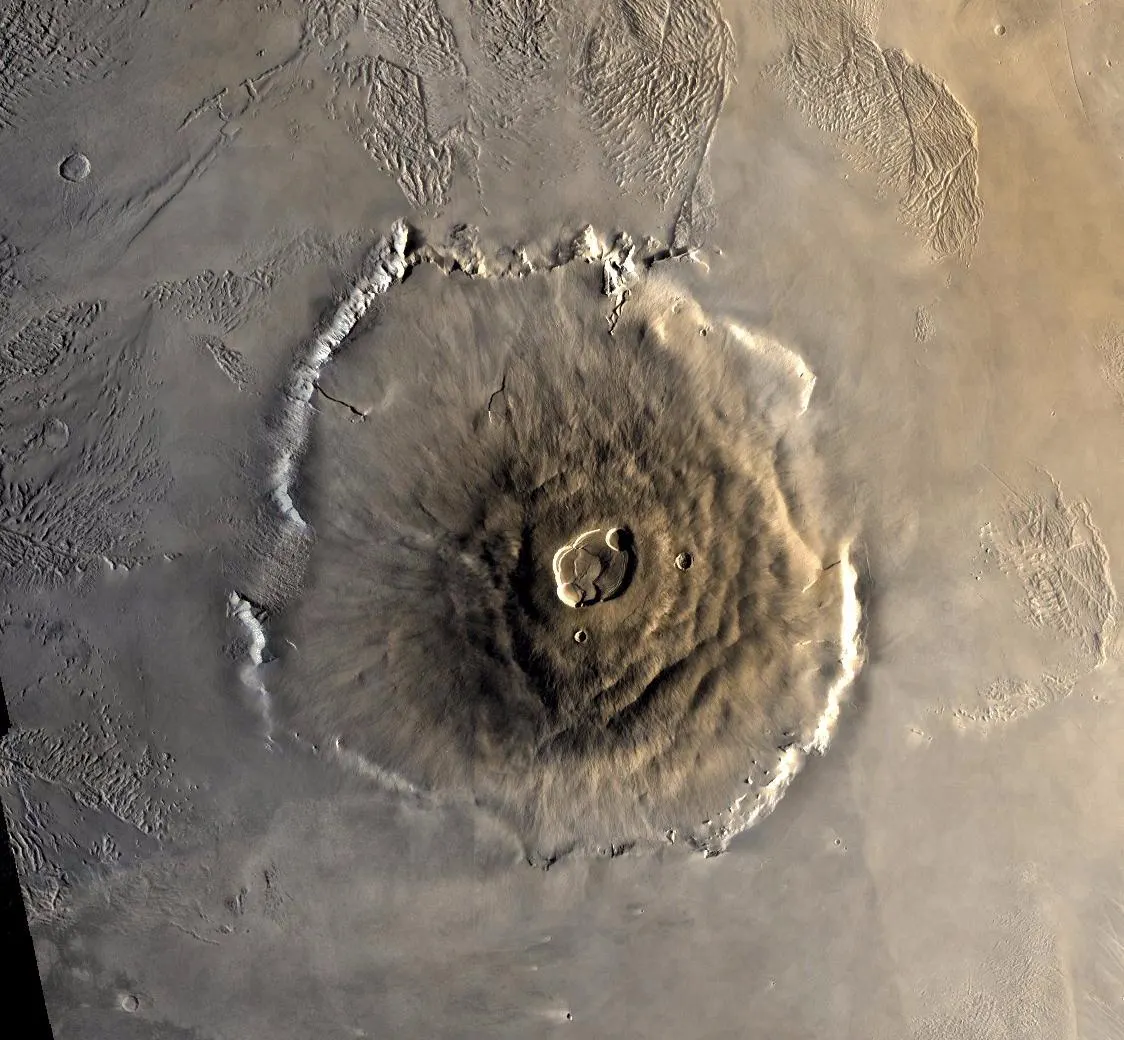
Volcanic regions: Tharsis Bulge, Elysium Planitia — areas of potential residual geological heat
Location & ISRU Feasibility
Where
Volcanic provinces (Tharsis, Elysium); regional radiogenic-heat anomaly studied in Eridania (~37°S 180°E)
Extraction feasibility
Theoretical onlyPresent-day heat flow is low and was never measured to target depth (InSight's HP3 mole stalled at ~31 cm of a 3–5 m goal); elevated values in the literature are modeled ancient-era estimates, so practical crewed geothermal power is not currently viable.
Extraction technology
No demonstrated technology; would require deep drilling to reach any residual heat. InSight's HP3 heat-flow probe failed to penetrate the Martian duricrust, leaving even baseline present-day heat-flow data incomplete.
Overview
Mars is geologically less active than Earth but not dead. MAVEN discovered ongoing volcanic-style chemistry, and Tharsis and Elysium show geological ages of <100 million years in some areas. InSight's HP³ heat probe (despite not penetrating deeply enough) measured heat flow suggesting Mars has cooled significantly. For practical ISRU purposes, geothermal power on Mars is theoretical — nuclear fission power is more reliable. However, subsurface brines or hydrothermal vents near Tharsis remain astrobiologically interesting.
ISRU Application
If accessible — geothermal could power crewed outposts without nuclear or solar dependence
Reality Check
InSight detected very low heat flux (~21 mW/m² near Elysium Planitia) — far below economically viable geothermal extraction; Mars may be too geologically cold for practical geothermal
Sources
- [1] Nature Communications (Ojha et al. 2021) — retrieved 2026-06-13
- [2] Nature Geoscience (InSight heat flow) — retrieved 2026-06-01
Confidence: medium · Last verified 2026-06-01
← All Mars ResourcesContinue your journey
Continue the story
Mars resource
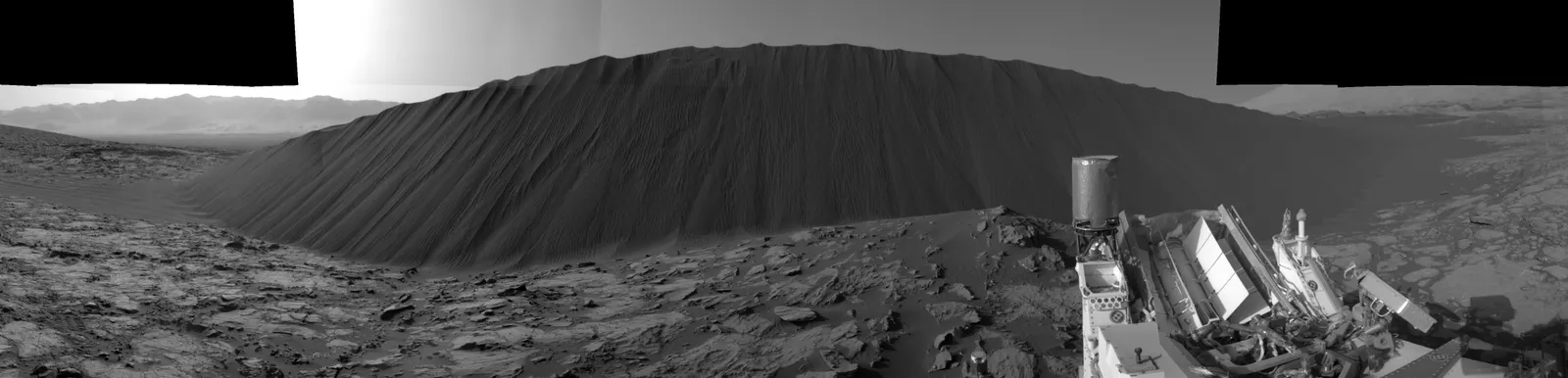
Volcanic Basaltic Minerals
Continue the story
Continue the story
Mars resource
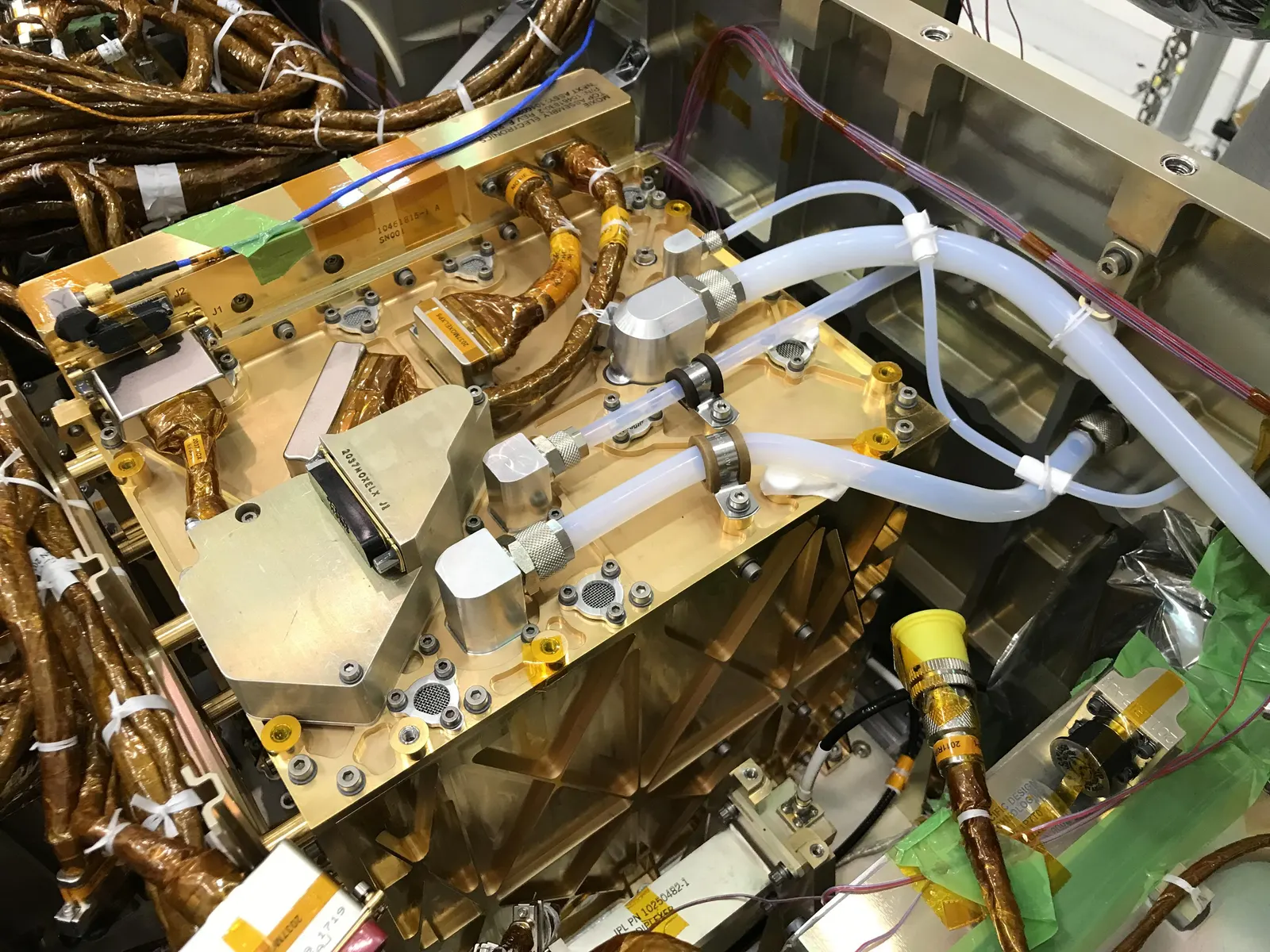
CO₂ Atmosphere
Continue the story
Continue the story
Mars resource
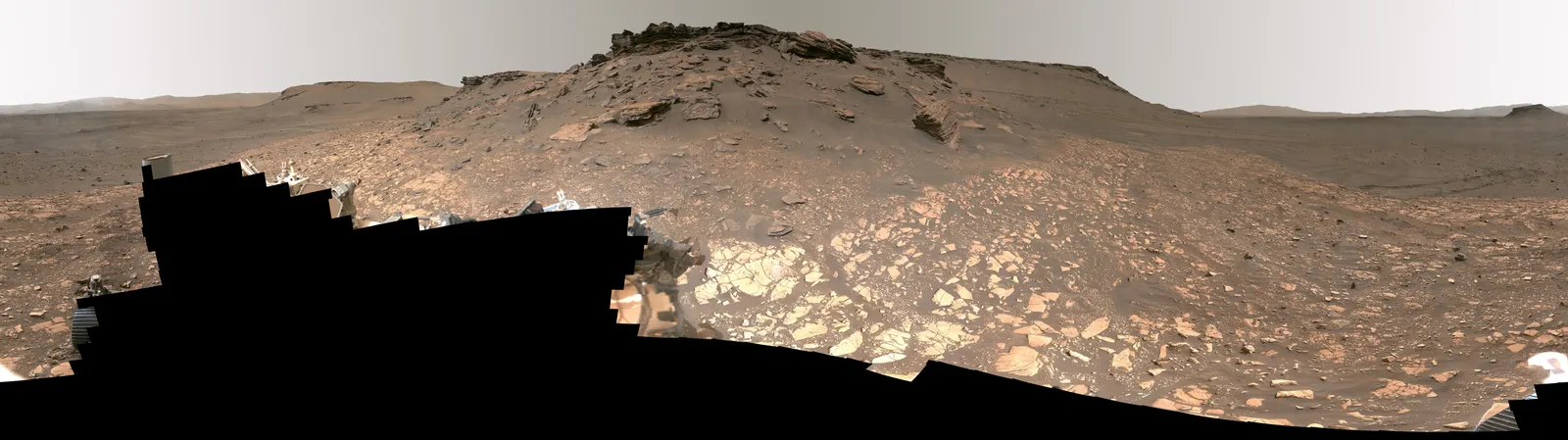
Iron Oxide Regolith (Martian Soil)
Continue the story
Continue the story
Mars resource
Perchlorate Compounds (ClO4⁻)
Continue the story

Continue the story
Mars resource
Polar Water Ice Caps
Continue the story
Continue the story
Mars resource
Solar Energy
Continue the story