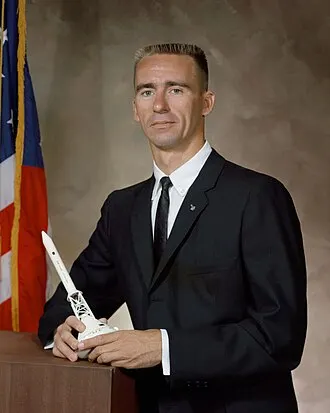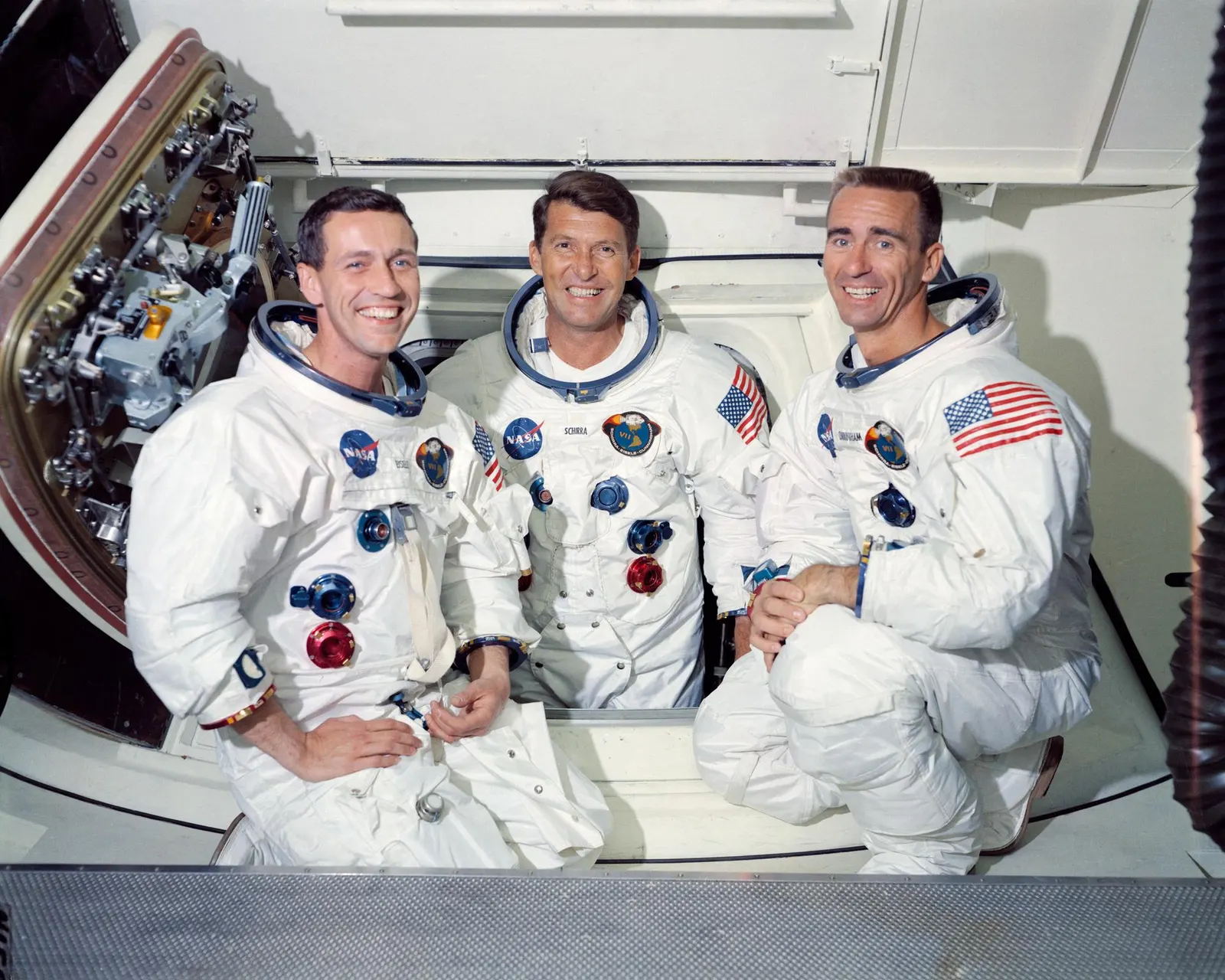
Image: NASA
Apollo 7
Mission Profile
| Launch date | 1968-10-11 |
|---|---|
| Launch site | Cape Kennedy Air Force Station, Launch Complex 34, Florida |
| Launch vehicle | Saturn IB (SA-205) — first crewed Saturn IB flight |
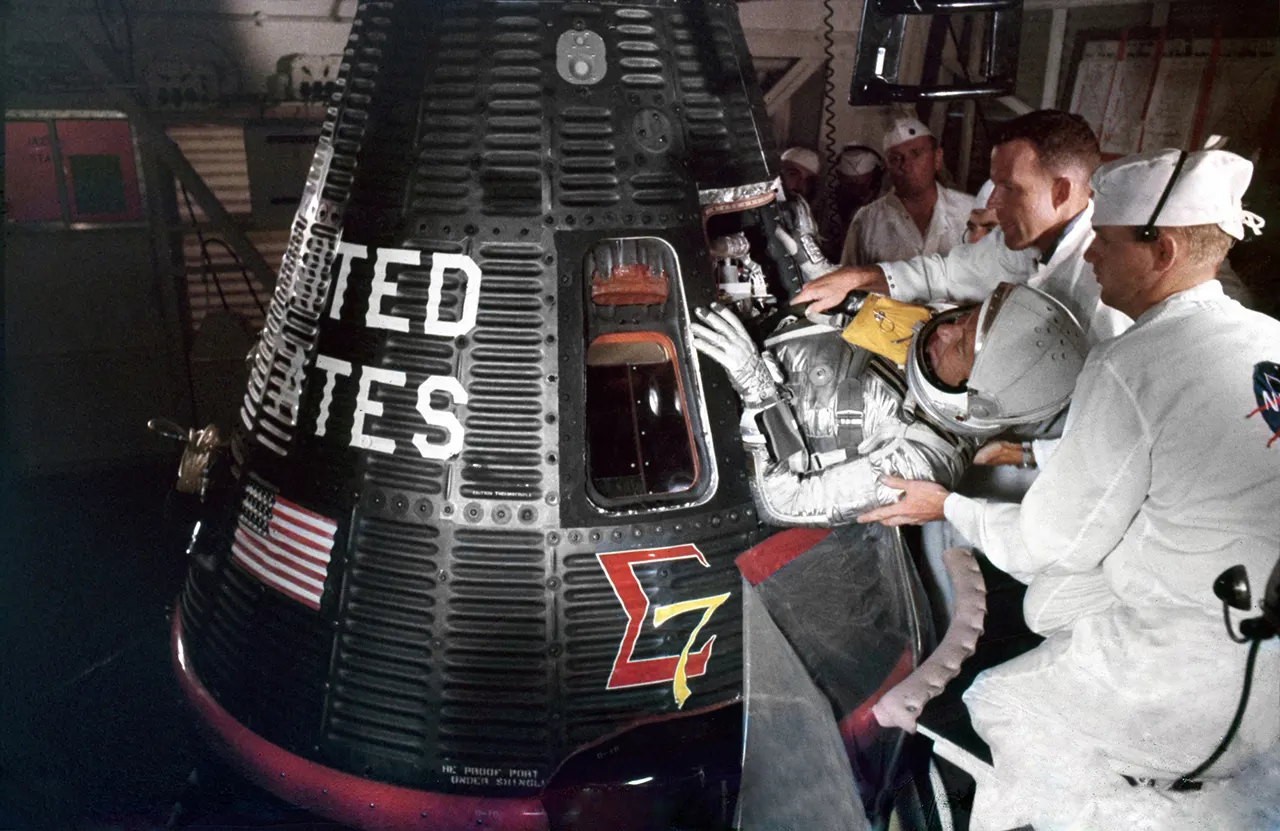
| Spacecraft | Command/Service Module CSM-101 (no Lunar Module) |
| Target | Low Earth Orbit |
| Type | Crewed |
| End date | 1968-10-22 |
| Recovery | USS Essex, North Atlantic Ocean (~200 nm SSW of Bermuda) |
| Cost | Apollo program-wide; mission-specific cost not separately published |
| Mass | ~20,300 kg (CSM) |
| Duration | 10 days, 20 hours, 9 minutes, 3 seconds |
| Partners | North American Aviation (CSM prime), Chrysler (Saturn IB first stage) |
| Instruments | Service Propulsion System (SPS), Reaction Control System, Communications (S-band high-gain antenna) |
Overview
Apollo 7 was the first crewed Apollo mission and the first US human spaceflight following the Apollo 1 fire that killed Gus Grissom, Ed White, and Roger Chaffee in January 1967. Wally Schirra, Donn Eisele, and Walter Cunningham launched October 11, 1968 on the first crewed Saturn IB and spent 10 days, 20 hours in low-Earth orbit demonstrating the Block II CSM. The mission delivered the first live television broadcast from an American crewed spacecraft, completed 163 Earth orbits, and successfully fired the Service Propulsion System eight times — clearing the Saturn-CSM stack for lunar missions. The flight is sometimes remembered for crew tension with mission control (all three crew flew their only spaceflight on Apollo 7 and never flew again), but its engineering success restored confidence in the Apollo program after the fire.
Mission Objectives
Demonstrate CSM and crew performance in Earth orbit
achieved
Verify crew, space-vehicle, and mission-support performance
achieved
Demonstrate CSM rendezvous capability with S-IVB stage
achieved
Test Service Propulsion System (SPS) engine in-orbit burns
achieved
Crew
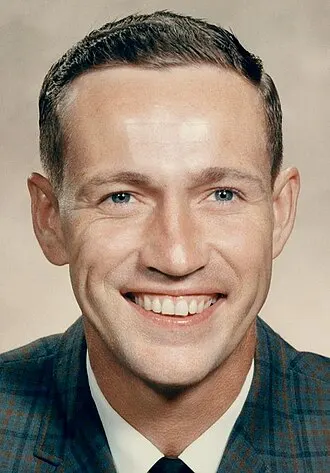
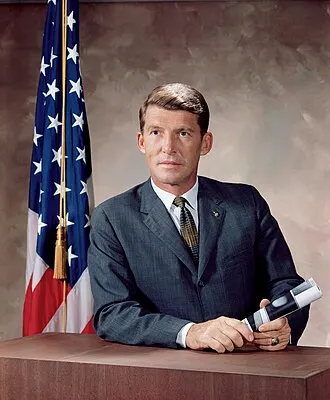
Walter M. "Wally" Schirra Jr.
Commander
Only astronaut to fly Mercury, Gemini, and Apollo. Retired after this flight.
Donn F. Eisele
Command Module Pilot
First and only spaceflight.
R. Walter Cunningham
Lunar Module Pilot (no LM flown)
First and only spaceflight. Last surviving Apollo 7 astronaut (died 2023).
Vehicle Specifications
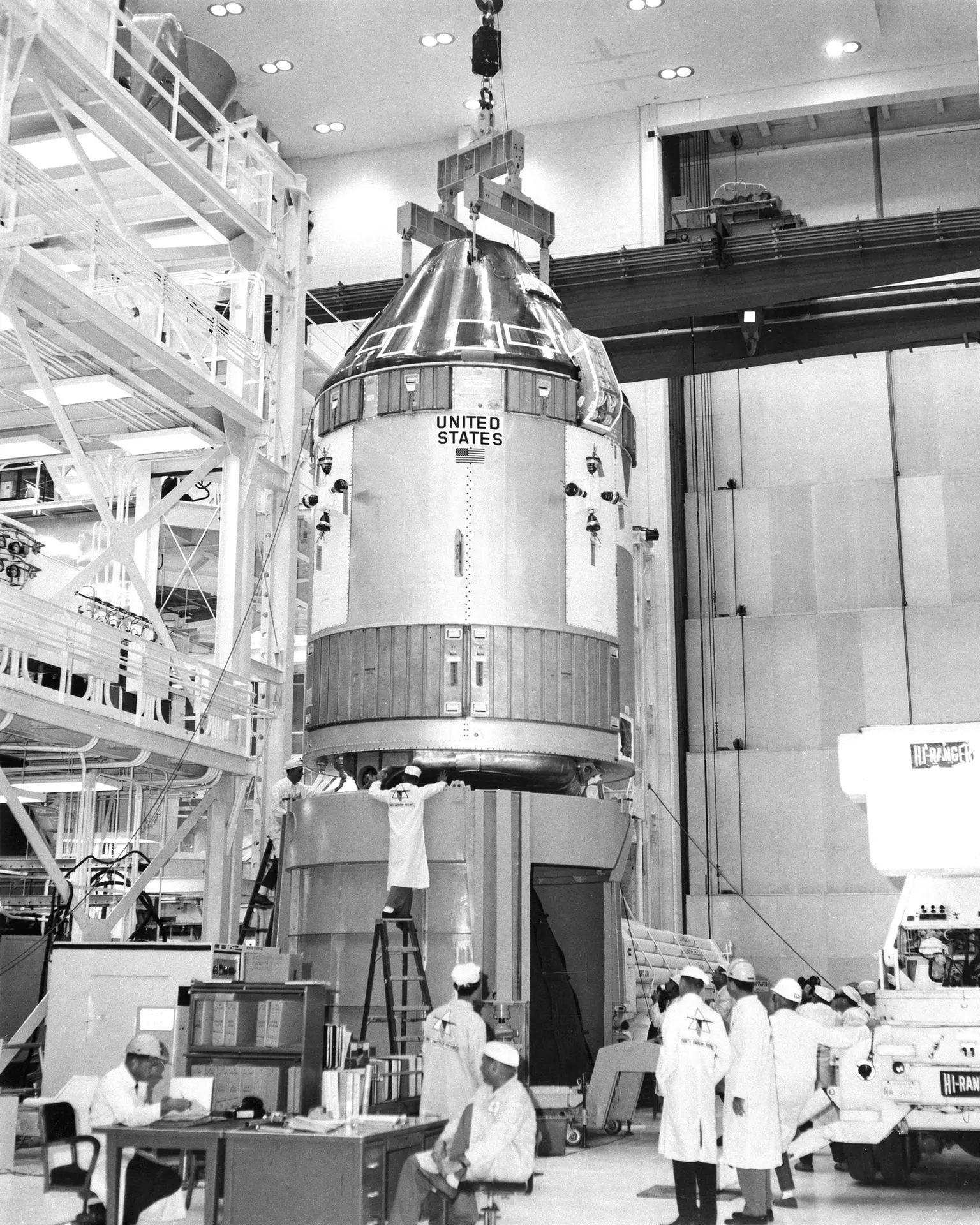
Command/Service Module
"Apollo 7"
- Mass
- ~20,300 kg
First Block II CSM with crew-cabin improvements after Apollo 1 fire (new hatch, fire-resistant materials).
Launch Vehicle (Saturn IB SA-205)
- Mass
- ~590 t fully fueled
- Dimensions
- 68 m tall × 6.6 m diameter
First and only crewed launch from LC-34. Saturn IB used H-1 engines on first stage.
Key Milestones
1968-10-11
Launch from LC-34, Cape Kennedy at 15:02:45 UTC
1968-10-11
S-IVB rendezvous demonstration (within 70 ft of stage)
1968-10-14
First live TV broadcast from a US crewed spacecraft — "The Wally, Walt, and Donn Show"
1968-10-22
Splashdown in North Atlantic; recovered by USS Essex
Key Achievements
First crewed Apollo mission — return-to-flight after the Apollo 1 fire
First live television broadcast from a US crewed spacecraft
8 successful Service Propulsion System engine firings — qualified SPS for lunar missions
163 Earth orbits completed; all primary CSM systems validated
Photo Gallery
Legacy & Significance
Apollo 7 restored confidence in the Apollo program after the Apollo 1 fire and cleared the Block II CSM for lunar missions — directly enabling Apollo 8 to leave Earth orbit just two months later. The flight also marked the debut of NASA's live TV coverage of human spaceflight as a public-relations and education staple.