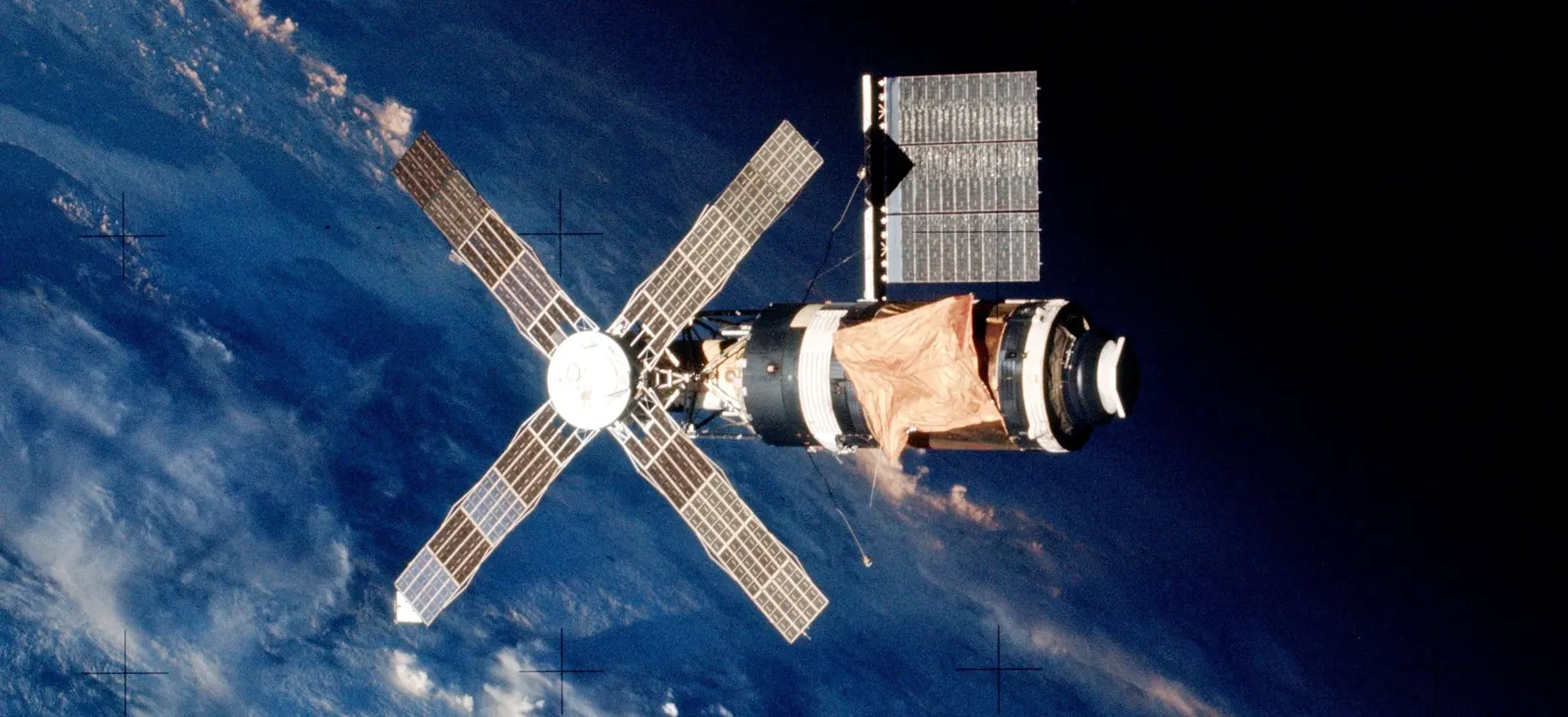
Image: NASA
Skylab 2
Mission Profile
| Launch date | 1973-05-25 |
|---|---|
| Launch site | Kennedy Space Center, Launch Complex 39B |
| Launch vehicle | Saturn IB (SA-206) |
| Spacecraft | Apollo CSM-116 |
| Target | Low Earth Orbit |
| Type | Crewed |
| End date | 1973-06-22 |
| Recovery | USS Ticonderoga, Pacific Ocean |
| Duration | 28 days, 0 hours, 49 minutes |
Overview
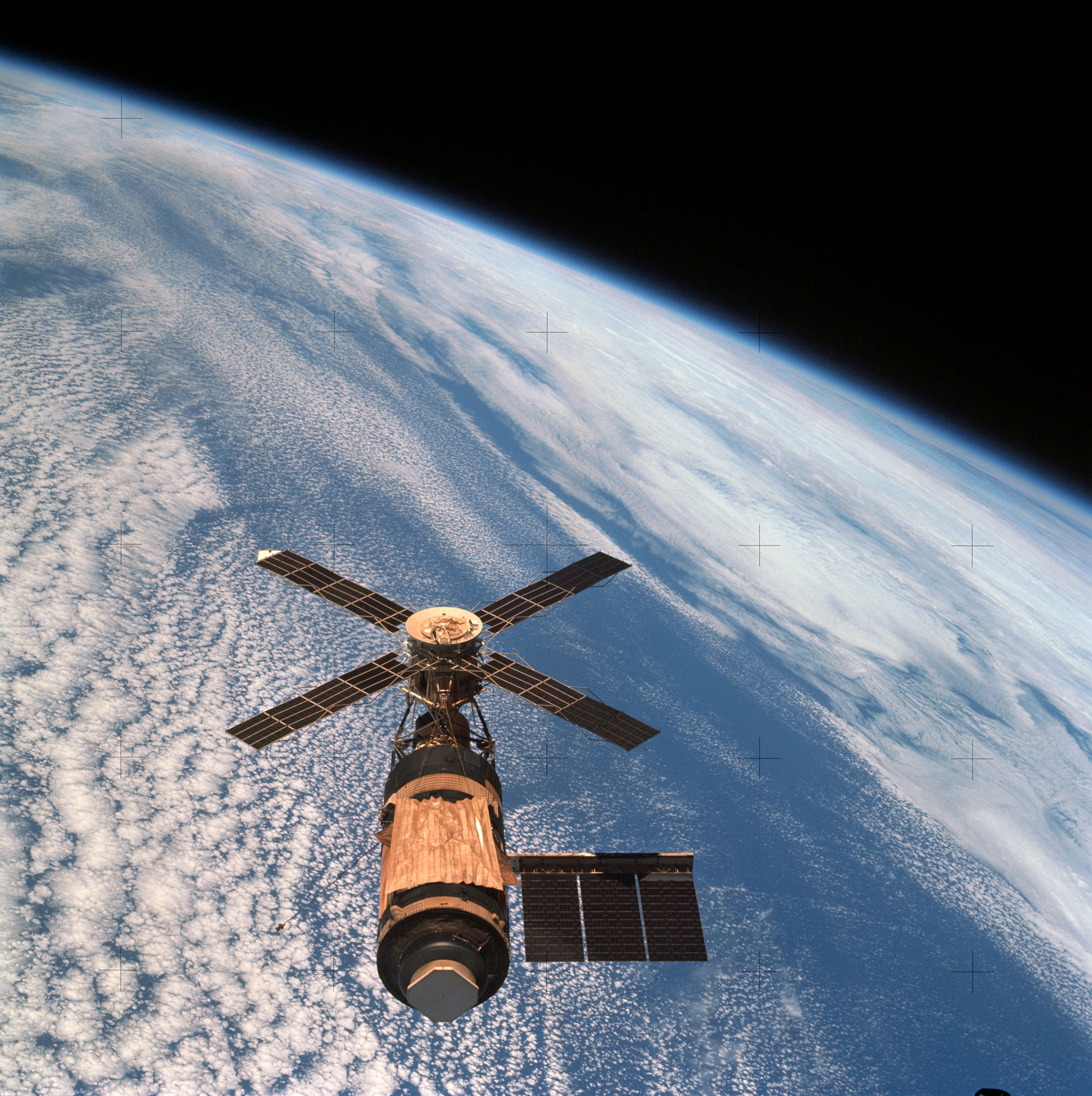
Skylab 2 carried the first crew to America's first space station — and became one of history's great orbital repair jobs. Eleven days earlier, the uncrewed Skylab workshop had lost its micrometeoroid shield and one solar-array wing during launch, leaving the station overheating and starved of power. Pete Conrad, Joseph Kerwin and Paul Weitz launched on a Saturn IB from Kennedy's LC-39B on 25 May 1973; during the fly-around Weitz attempted a stand-up EVA to pry the surviving wing loose with a shepherd's-hook tool, and the crew hard-docked only after repeated failed capture attempts. On 26 May they deployed a parasol sunshade through the workshop's scientific airlock, and internal temperatures began falling to workable levels. On 7 June, Conrad and Kerwin performed a hazardous spacewalk to cut a jammed debris strap, freeing the remaining solar wing and restoring badly needed electrical power. The crew then settled into 28 days of Apollo Telescope Mount solar astronomy, Earth-resources photography and pioneering biomedical research — doubling the previous American duration record set by Gemini 7 and surpassing Soyuz 11's world mark. After 404 orbits and roughly 18.5 million kilometres, they splashed down in the Pacific on 22 June 1973 and were recovered by USS Ticonderoga.
Crew
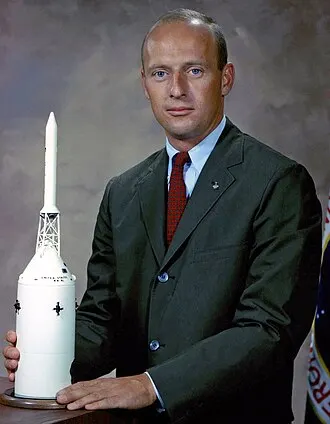
Pete Conrad
Commander
Fourth spaceflight; Apollo 12 moonwalker and Gemini 11 veteran
Joseph P. Kerwin
Science Pilot
First American physician to fly in space
Paul J. Weitz
Pilot
First spaceflight; later commanded STS-6
Key Milestones
1973-05-14
Uncrewed Skylab workshop launches on a Saturn V and is damaged during ascent, losing its meteoroid shield and one solar wing
1973-05-25
Crew launches on Saturn IB SA-206; Weitz attempts a stand-up EVA to free the jammed solar wing during fly-around
1973-05-26
Hard docking achieved after repeated failed capture attempts; parasol sunshade deployed through the scientific airlock, cooling the station
1973-06-07
Conrad and Kerwin's EVA cuts the debris strap and frees the remaining solar-array wing, restoring vital power
1973-06-19
Final EVA retrieves film canisters from the Apollo Telescope Mount
1973-06-22
Splashdown in the Pacific after a record 28 days; crew recovered by USS Ticonderoga
Key Achievements
First crewed mission to an American space station
Saved the Skylab program through the parasol sunshade deployment and a daring EVA that freed the jammed solar-array wing
Set a new world spaceflight endurance record of 28 days, doubling the previous US record
Completed 404 orbits and ~18.5 million km while returning extensive solar and biomedical data
Legacy & Significance
Skylab 2 proved that astronauts could diagnose and repair a crippled spacecraft in orbit — a capability NASA had never demonstrated before. The parasol deployment and solar-wing rescue salvaged a multi-billion-dollar program within weeks of near-total loss, and the techniques of EVA improvisation pioneered by Conrad's crew became the template for later orbital servicing, from Solar Maximum and Hubble repairs to ISS maintenance. Its 28-day flight also opened the era of genuinely long-duration American spaceflight medicine.