
α Centauri C
Proxima Centauri
The Nearest Star · Red dwarf flare star
At a glance
- Distance
- 4.2 ly
- Constellation
- Centaurus
- Type
- M5.5Ve
- Apparent magnitude
- 11.01
- Absolute magnitude
- 15.6
- Mass
- 0.122 M☉
- Radius
- 0.154 R☉
- Luminosity
- 0.002 L☉
- Surface temp
- 2,992 K
- Age
- 4.85 billion yrs
The story
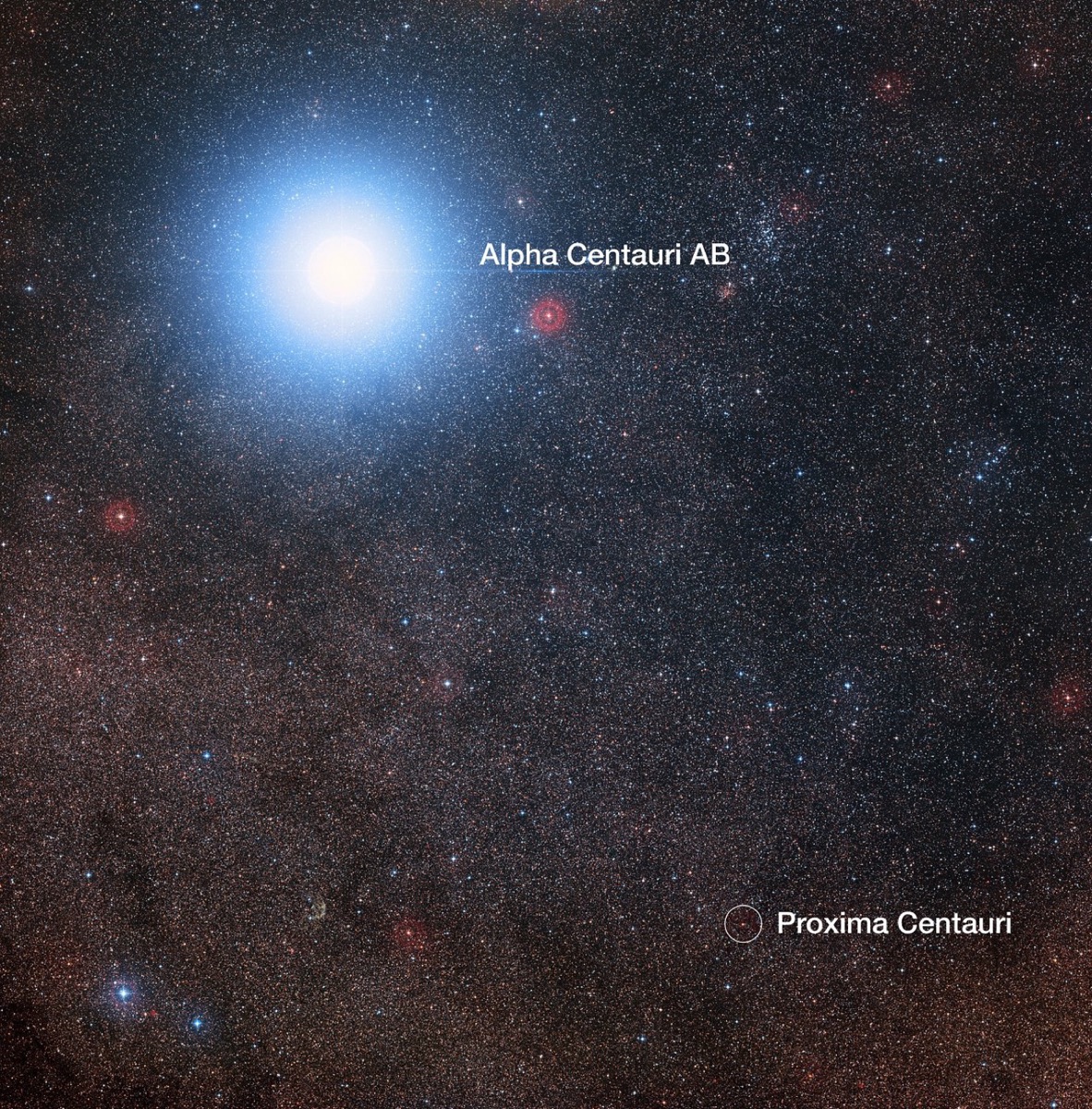
Proxima Centauri holds the title of humanity's nearest stellar neighbour — 4.2 light-years away, or roughly 265,000 AU from the Sun. It is almost certainly a gravitationally bound member of the Alpha Centauri AB binary system, orbiting that pair on an immense 500,000-year path.
Despite its cosmic proximity, Proxima is utterly invisible to the unaided eye, shining at apparent magnitude 11.0. It is an M5.5 red dwarf with only 12% of the Sun's mass, 15% of its diameter, and barely 0.16% of its luminosity — most of that energy pours out as infrared rather than visible light. Like many M dwarfs, it is a violent flare star, unleashing X-ray and UV bursts capable of stripping an unshielded atmosphere in a geological eyeblink.
In 2016 astronomers confirmed Proxima b, a planet of at least 1.06 Earth masses sitting in the habitable zone with an 11.2-day orbit. A sub-Earth candidate, Proxima d (≥0.26 Earth masses, 5.1-day orbit), was announced in 2022. Whether any of these worlds can harbour life remains an open question given the star's flare activity.
Proxima has captivated the public imagination ever since it was identified as the nearest star in 1915 by Robert Innes at the Union Observatory in Johannesburg. It is the primary target of the Breakthrough Starshot laser-sail concept, which aims to cross the 4.2-light-year gulf in roughly 20 years.
Compared to the Sun
Sun
This star · 0.154× radius
It shines about 0.002 times as bright as the Sun.
Its fate
As a low-mass red dwarf, Proxima Centauri will burn hydrogen so frugally that it will remain on the main sequence for roughly four trillion years — more than 300 times the current age of the universe. It will never swell into a red giant; instead it will gradually cool and fade into a cold black dwarf over cosmic timescales.
Find it in the sky
Proxima Centauri is invisible to the naked eye and requires a telescope of at least 8 inches aperture. It lies in Centaurus, near the brilliant naked-eye pair Alpha Centauri A and B. Only visible from latitudes south of about 27° N — best placed in southern-hemisphere autumn skies.
Related stars & reading
Star
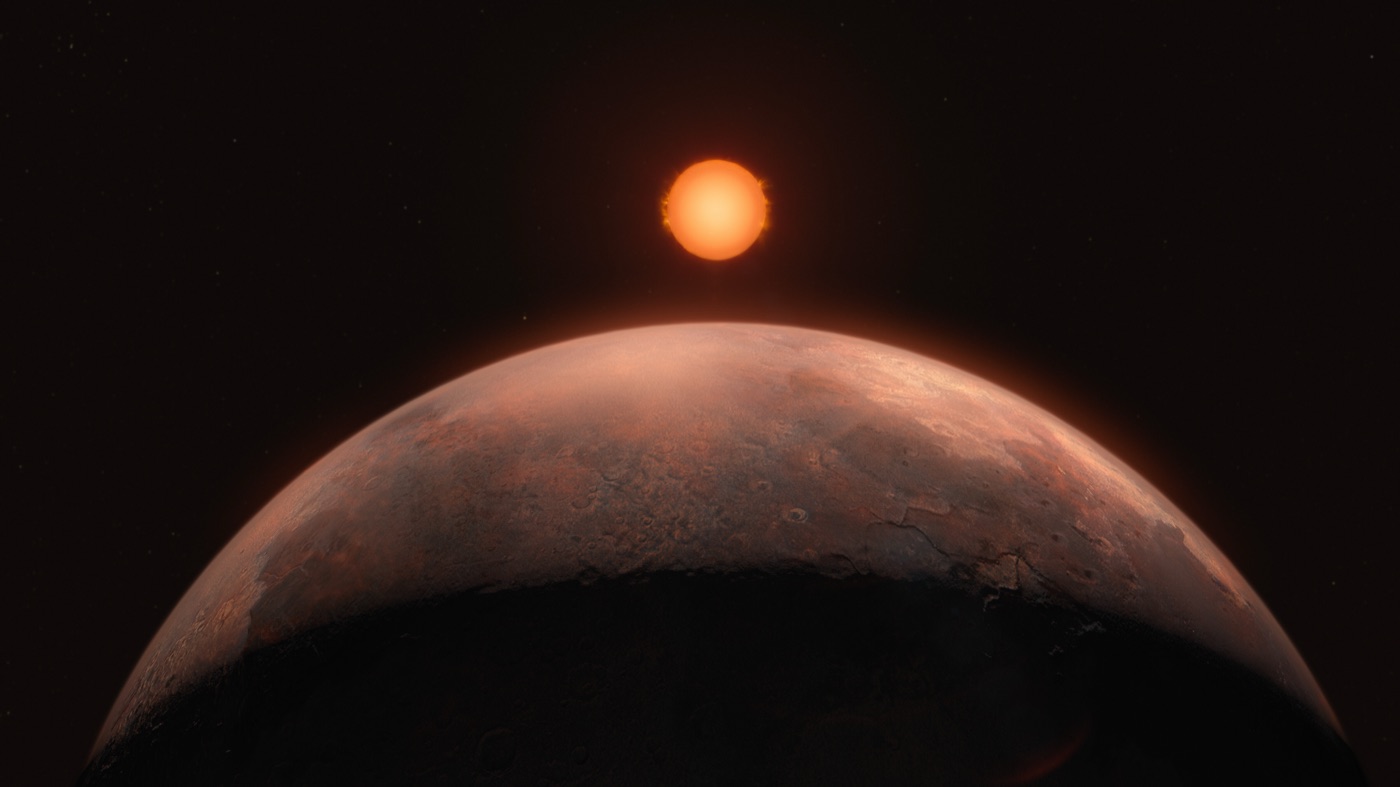
Barnard's Star
Continue your journey
Star
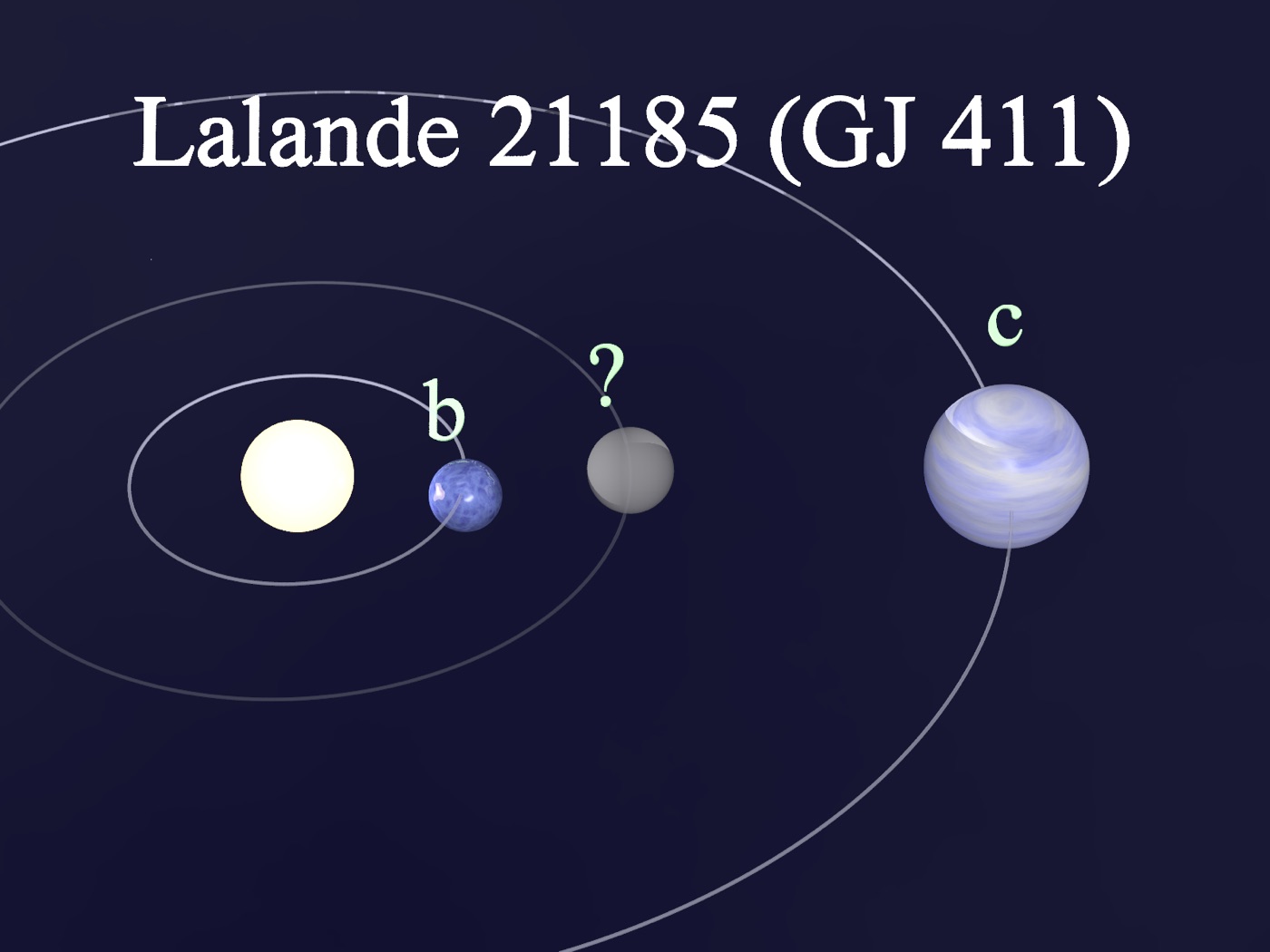
Lalande 21185
Continue your journey
Story
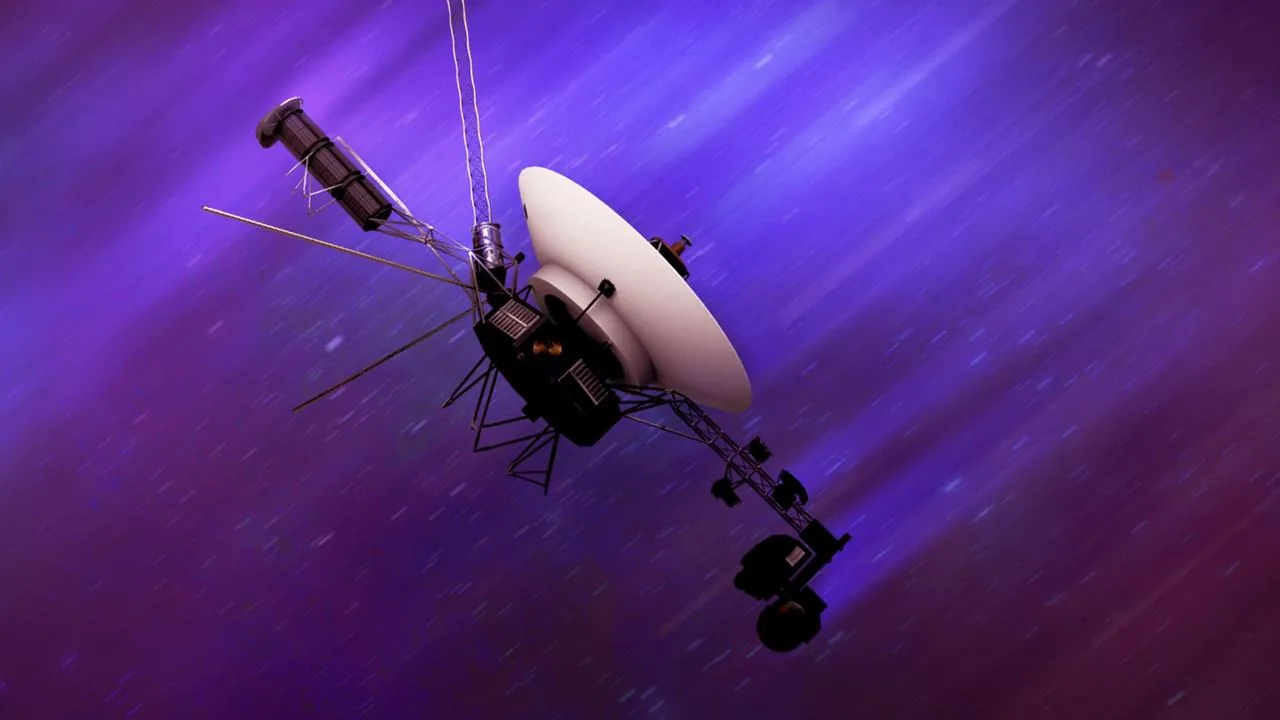
Interstellar Travel: Could We Ever Reach Another Star?
The full story

Story
The Nearest Earth-Like Exoplanets: Habitability Ranked (2026)
The full story
Star
Rigil Kentaurus
Continue your journey
Star
Ross 128
Continue your journey