Ophiuchus
Wolf 1061
The Nearest Three-Planet System · Red dwarf
At a glance
- Distance
- 14 ly
- Constellation
- Ophiuchus
- Type
- M4
- Apparent magnitude
- 10.1
- Absolute magnitude
- 11.87
- Mass
- 0.304 M☉
- Radius
- 0.319 R☉
- Luminosity
- 0.011 L☉
- Surface temp
- 3,307 K
The story
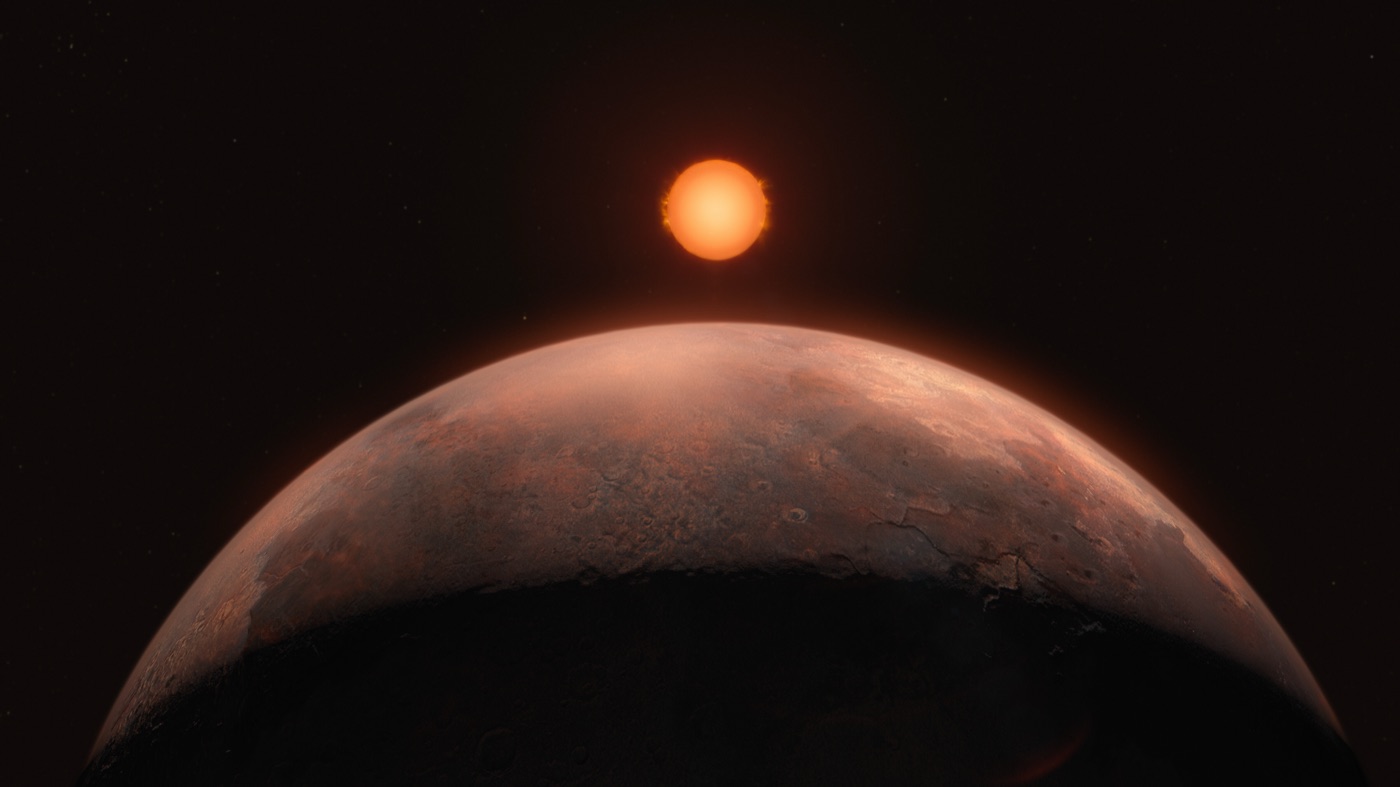
Wolf 1061 is a dim M-class red dwarf in Ophiuchus, first catalogued by astronomer Max Wolf in the early twentieth century. At magnitude 10.1 it sits well below naked-eye visibility, but at just 14 light-years it is one of the Sun's close neighbours — the 36th-closest known stellar system. It is a slow, magnetically quiet old star, probably several billion years in age.
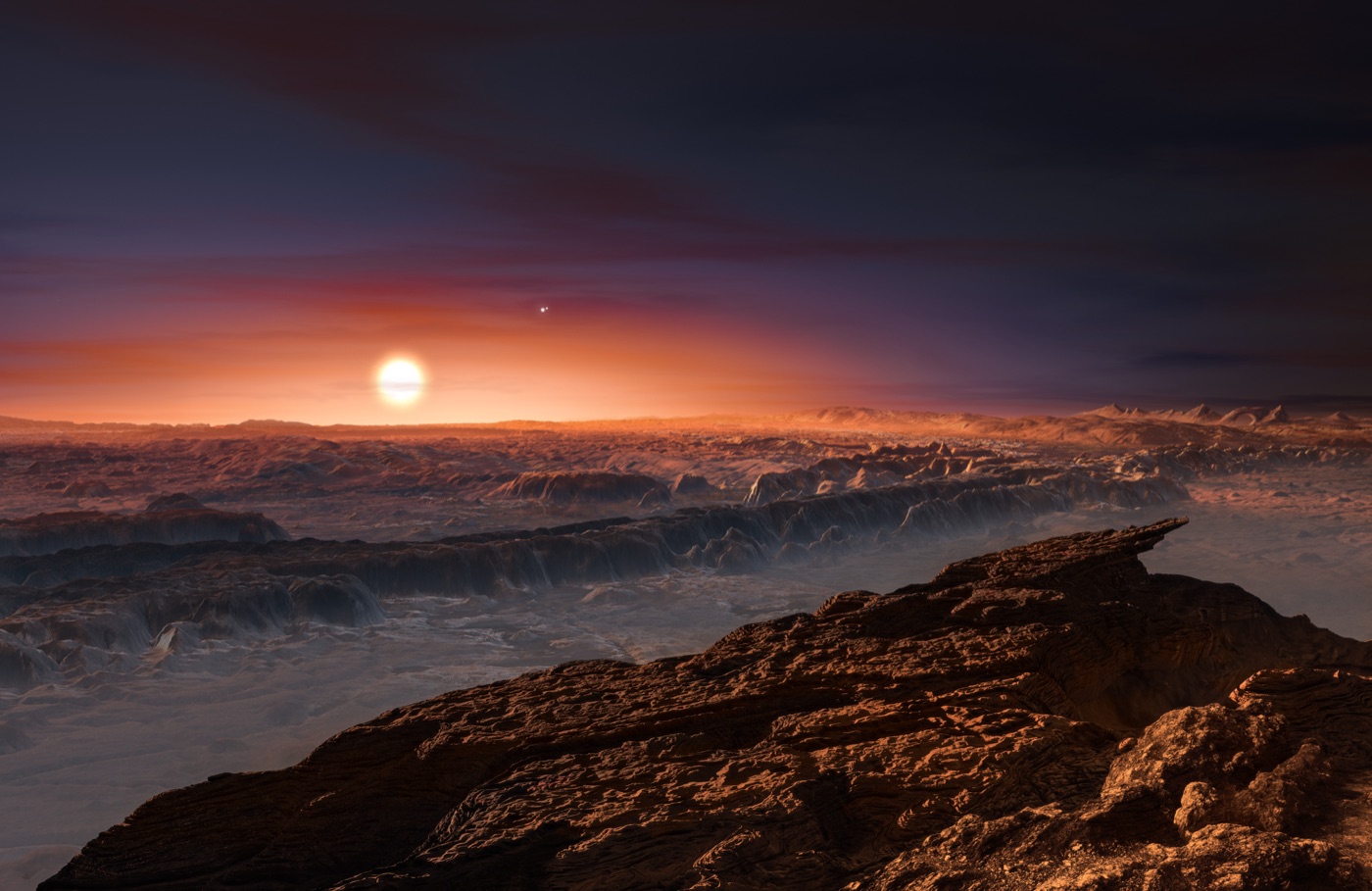
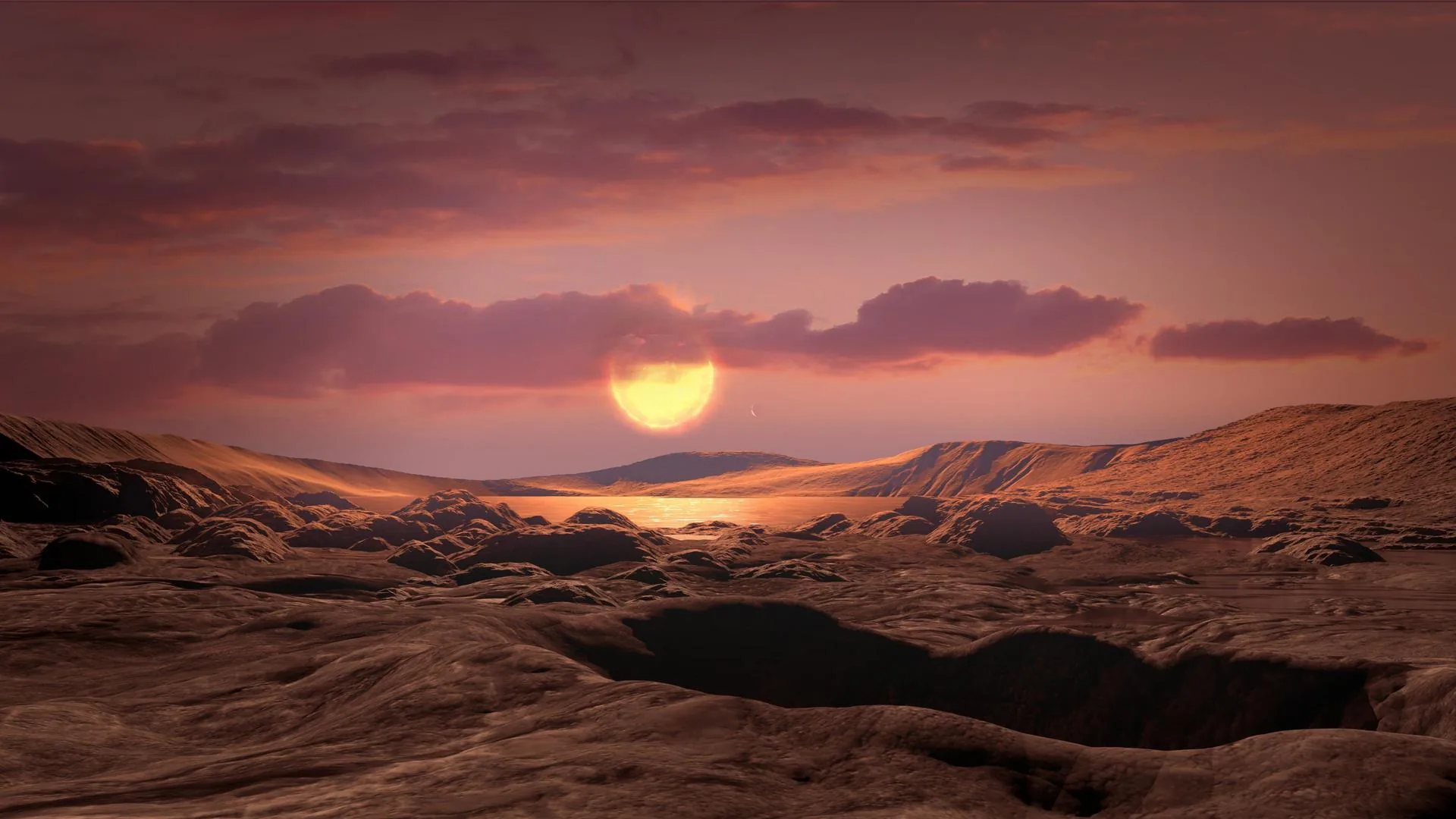
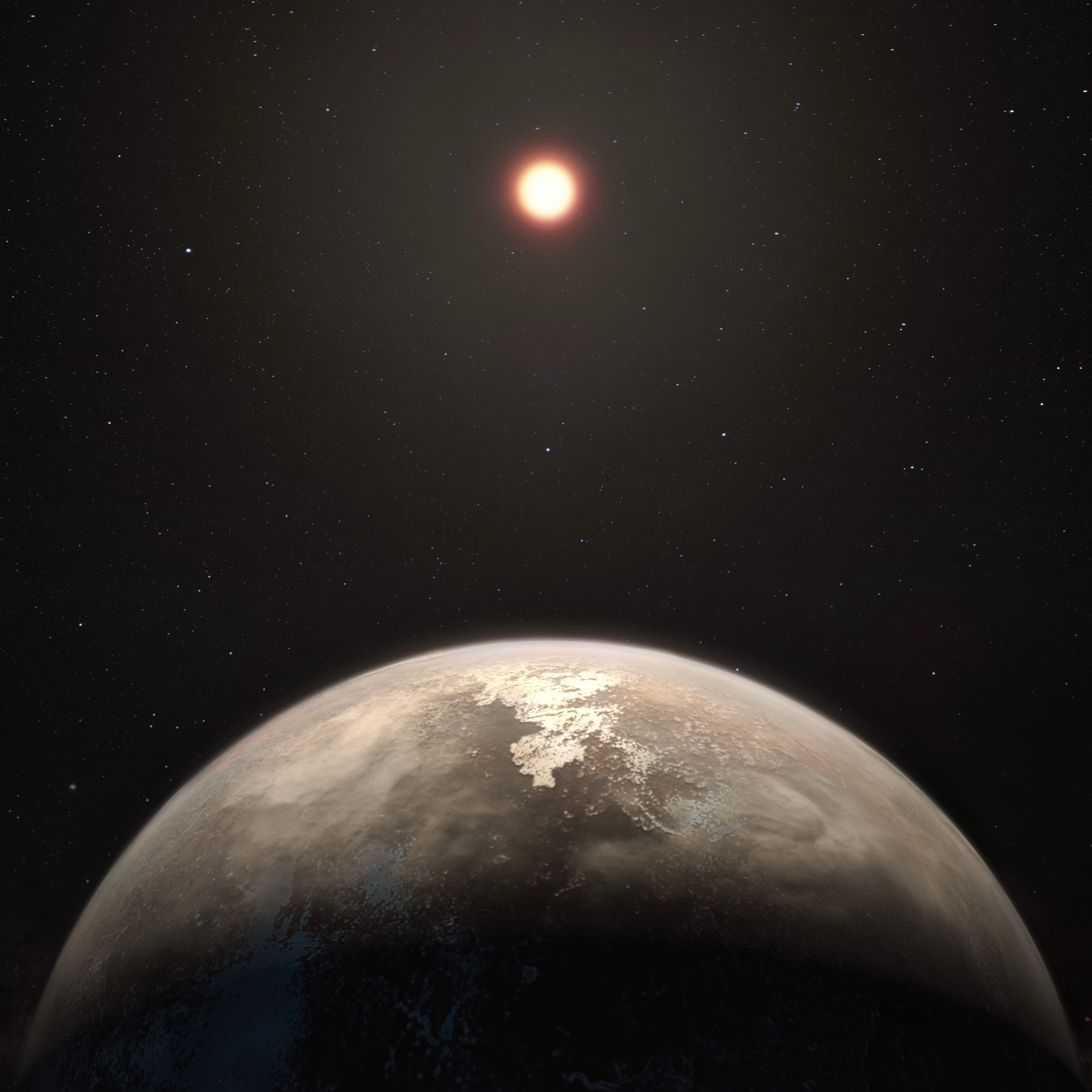
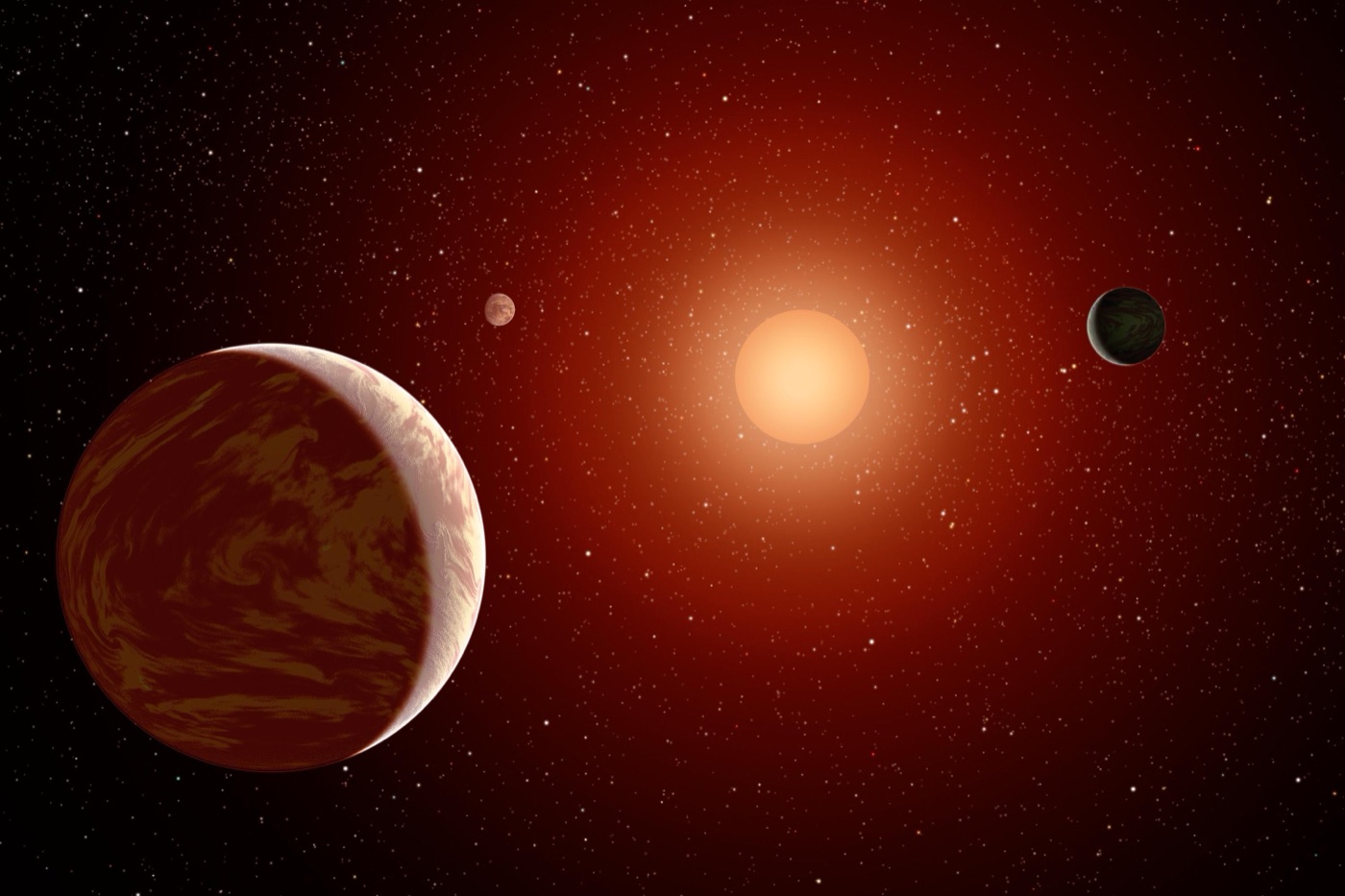
In December 2015 a team from the University of New South Wales announced the discovery of three planets orbiting Wolf 1061, detected with the HARPS spectrograph at ESO's 3.6-metre telescope in Chile. Wolf 1061 b (at least 1.9 Earth masses) orbits inside the habitable zone every 4.9 days. Wolf 1061 c (at least 3.4 Earth masses) sits near the inner edge of the habitable zone with a 17.9-day orbit. Wolf 1061 d (at least 7.7 Earth masses) orbits just beyond the outer edge of the habitable zone in 217 days. Wolf 1061 c in particular attracted attention as one of the closest potentially habitable super-Earths known.
Follow-up studies showed that Wolf 1061 c's orbit varies on timescales of tens of thousands of years, which could modulate its climate similarly to Milankovitch cycles on Earth. Unlike many M-dwarfs, Wolf 1061 appears relatively inactive in ultraviolet, which is promising for atmospheric retention on its planets. At 0.011 solar luminosities, the star's habitable zone hugs it closely — all three planets orbit well within the distance Earth keeps from the Sun.
Compared to the Sun
Sun
This star · 0.319× radius
It shines about 0.011 times as bright as the Sun.
Its fate
Like all low-mass red dwarfs, Wolf 1061 has fuel enough to shine for trillions of years. It will never undergo a red-giant phase; it will gradually fade from a dim red ember to an ever-cooling white dwarf on a timescale that dwarfs the current age of the universe.
Find it in the sky
Wolf 1061 is invisible without optical aid, shining at magnitude 10.1 deep in Ophiuchus. A telescope of at least 6 inches is needed. It lies roughly between the bright stars Sabik (η Ophiuchi) and Yed Prior (δ Ophiuchi), and is best observed during Northern Hemisphere summer when Ophiuchus is high in the south.