International · NASA / ESA / CSAmissionrobotic
December 25, 2021
James Webb Space Telescope releases first science images
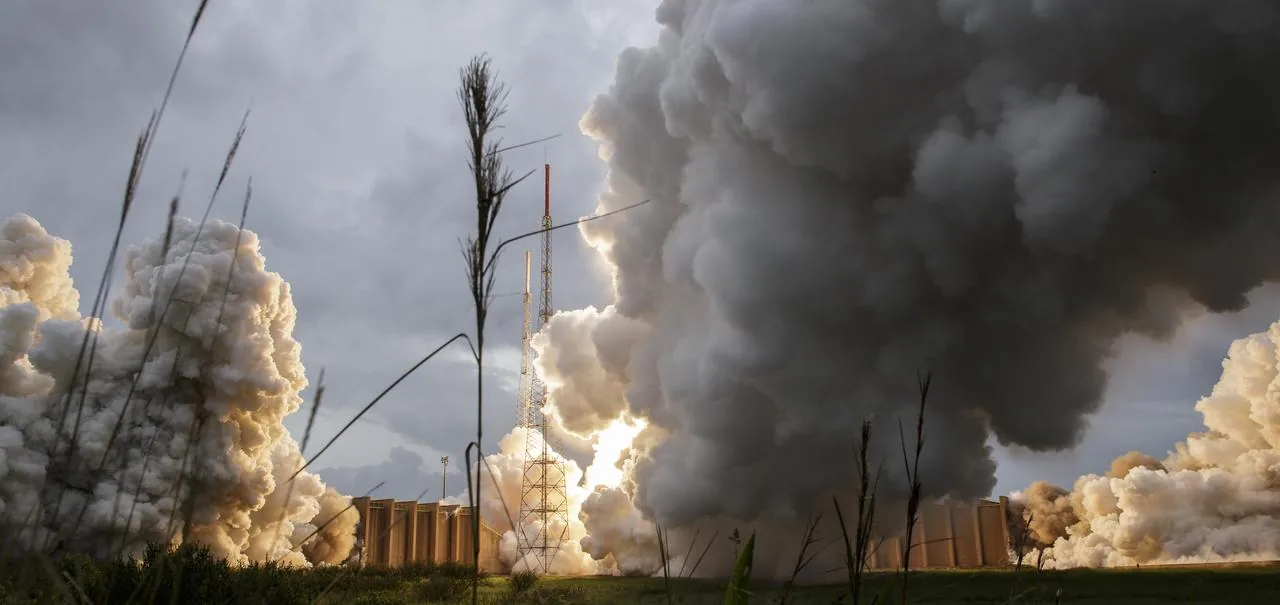
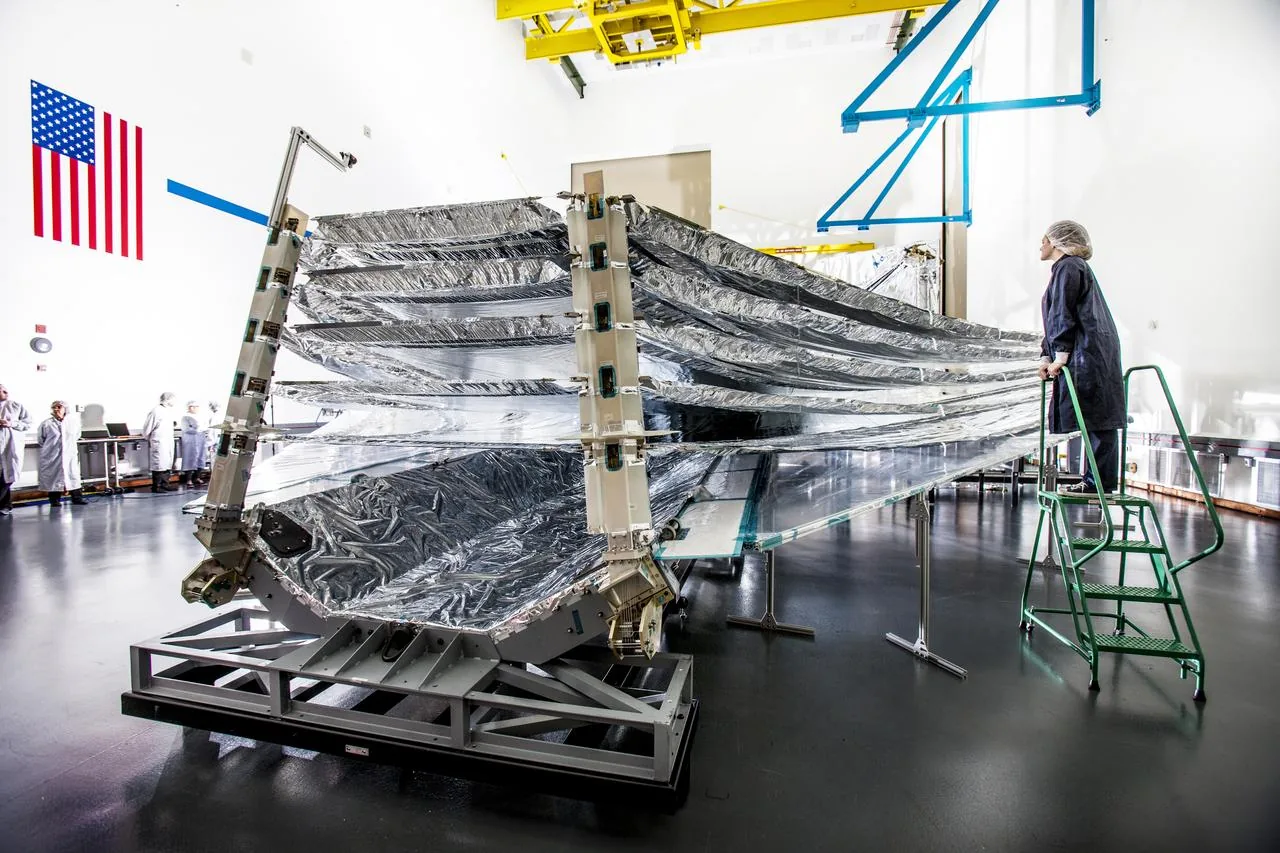
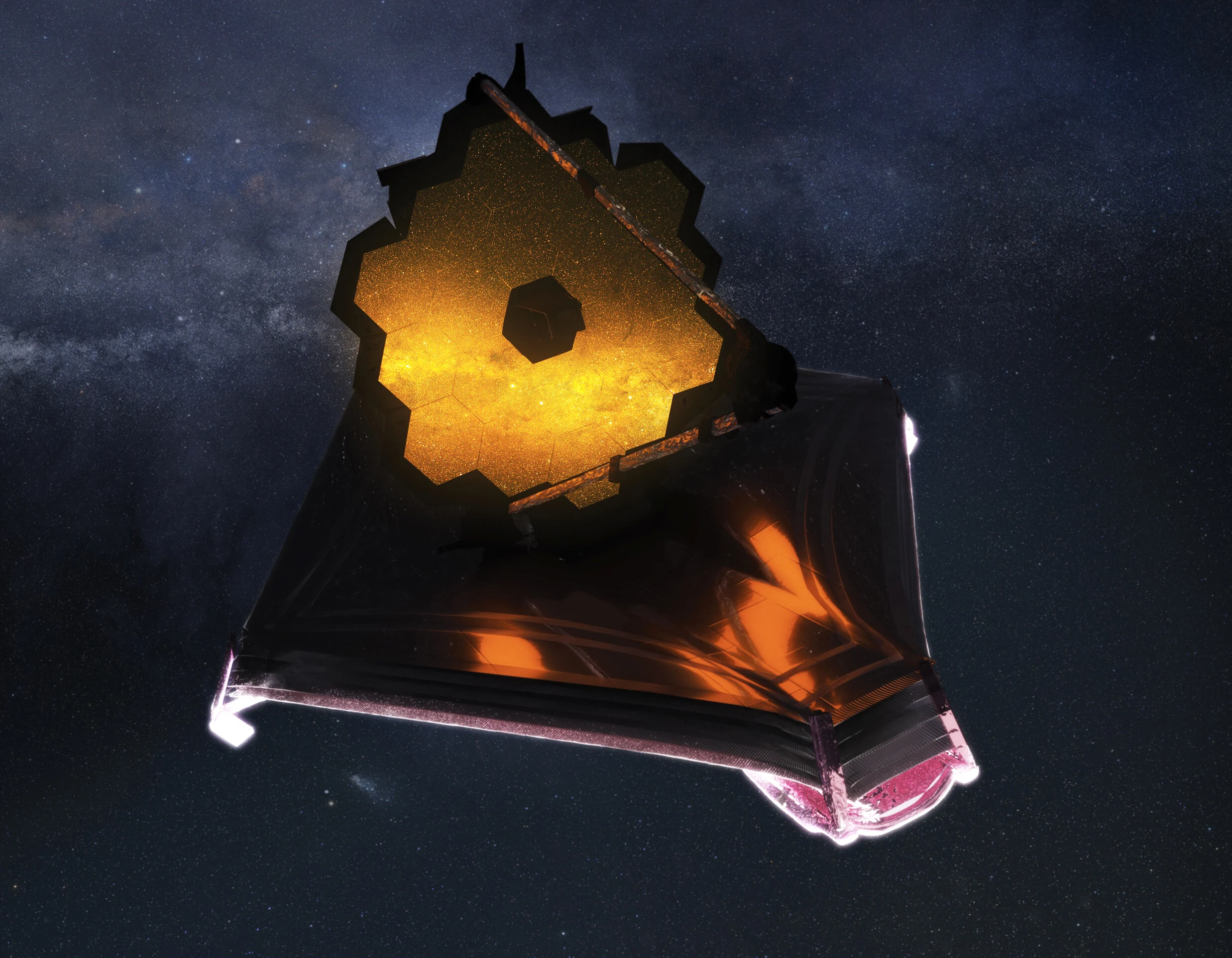
Experience this missionOn Christmas Day 2021, an Ariane 5 rocket launched the James Webb Space Telescope from the Guiana Space Centre at Kourou, French Guiana. Webb is the largest and most complex space observatory ever built: a 6.5-metre primary mirror composed of 18 gold-coated hexagonal segments, a tennis-court-sized sunshield, and four scientific instruments sensitive to infrared light from the first galaxies formed after the Big Bang.
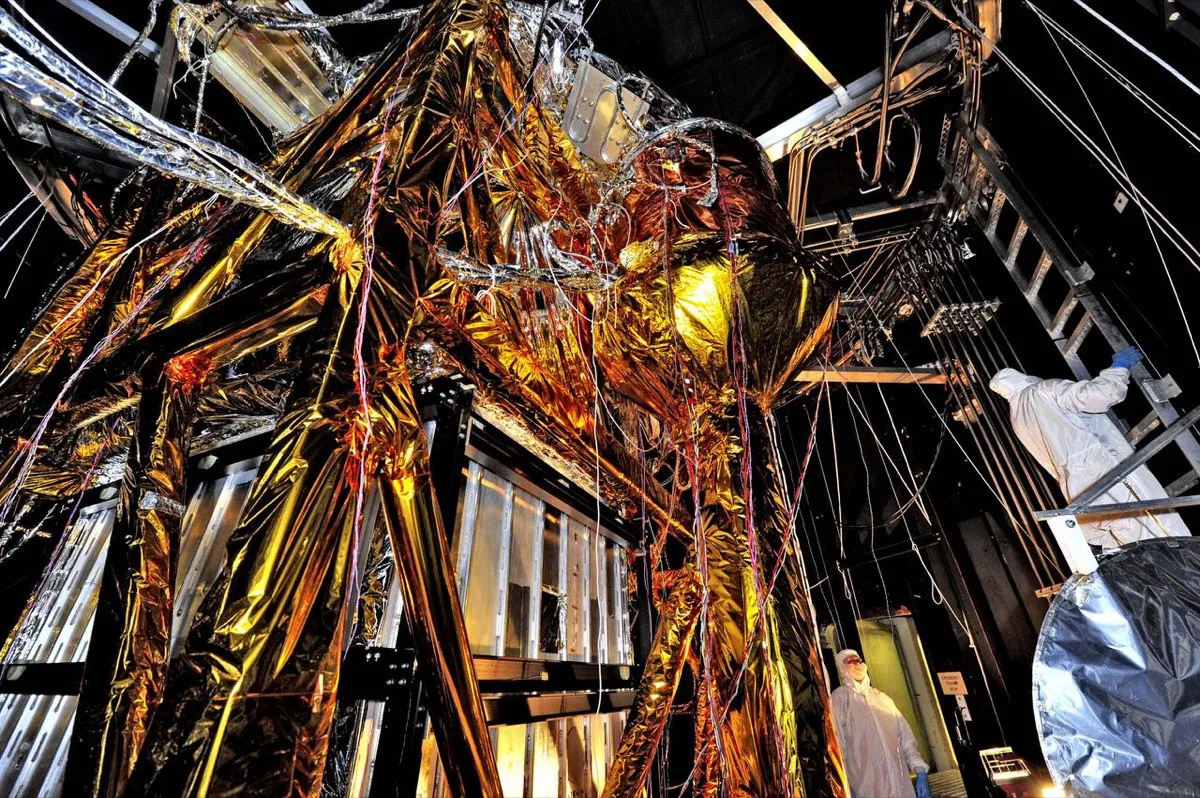
The 30 days following launch were among the most tense in planetary science. Webb had to execute a precise sequence of 344 single-point-failure deployments — unfolding its sunshield in five layers, then the secondary mirror strut and primary mirror segments — all in the cold of space, without any possibility of crew intervention. Every deployment succeeded.
Webb entered its operating orbit around the second Lagrange point (L2), 1.5 million kilometres from Earth in the direction away from the Sun, where its sunshield can simultaneously block heat from the Sun, Earth and Moon. Its operating temperature is −233 °C — close to absolute zero — necessary to detect faint infrared light.
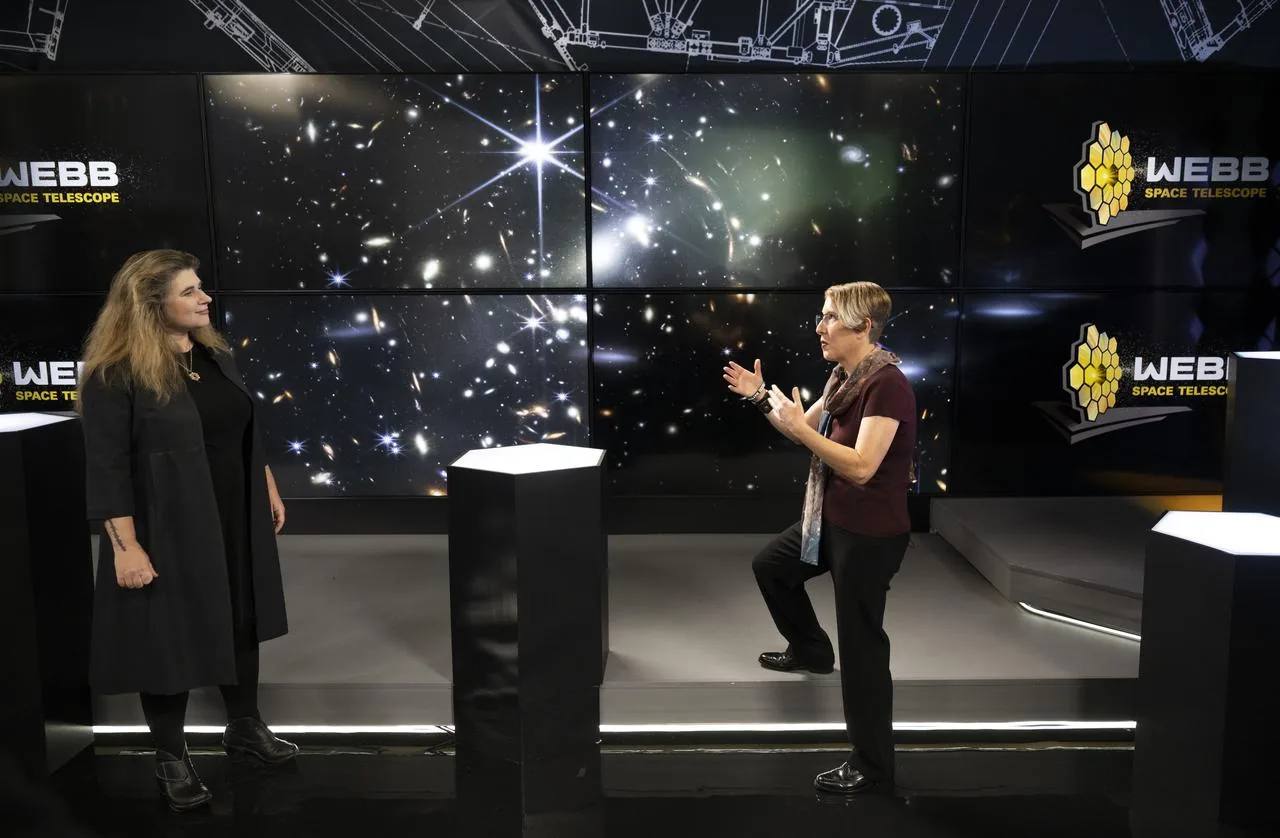
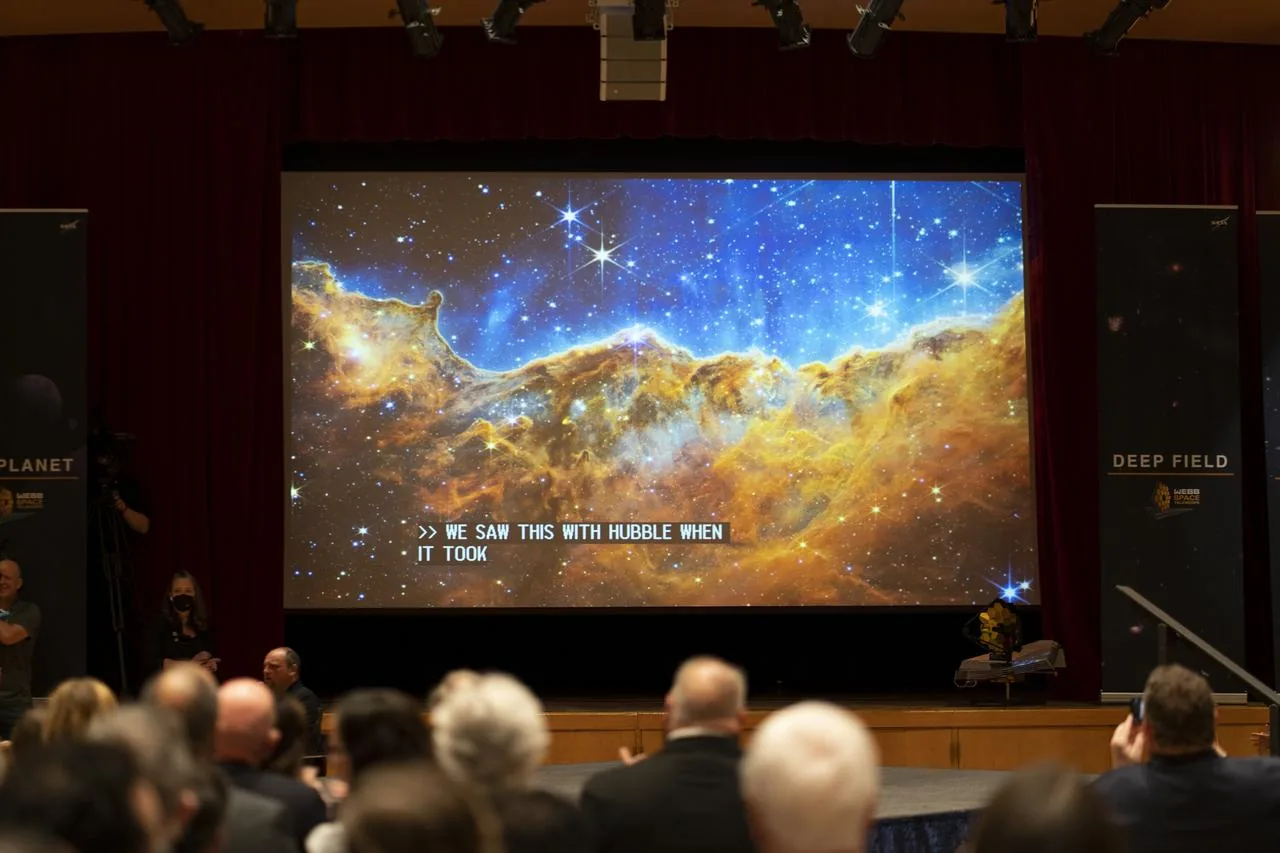
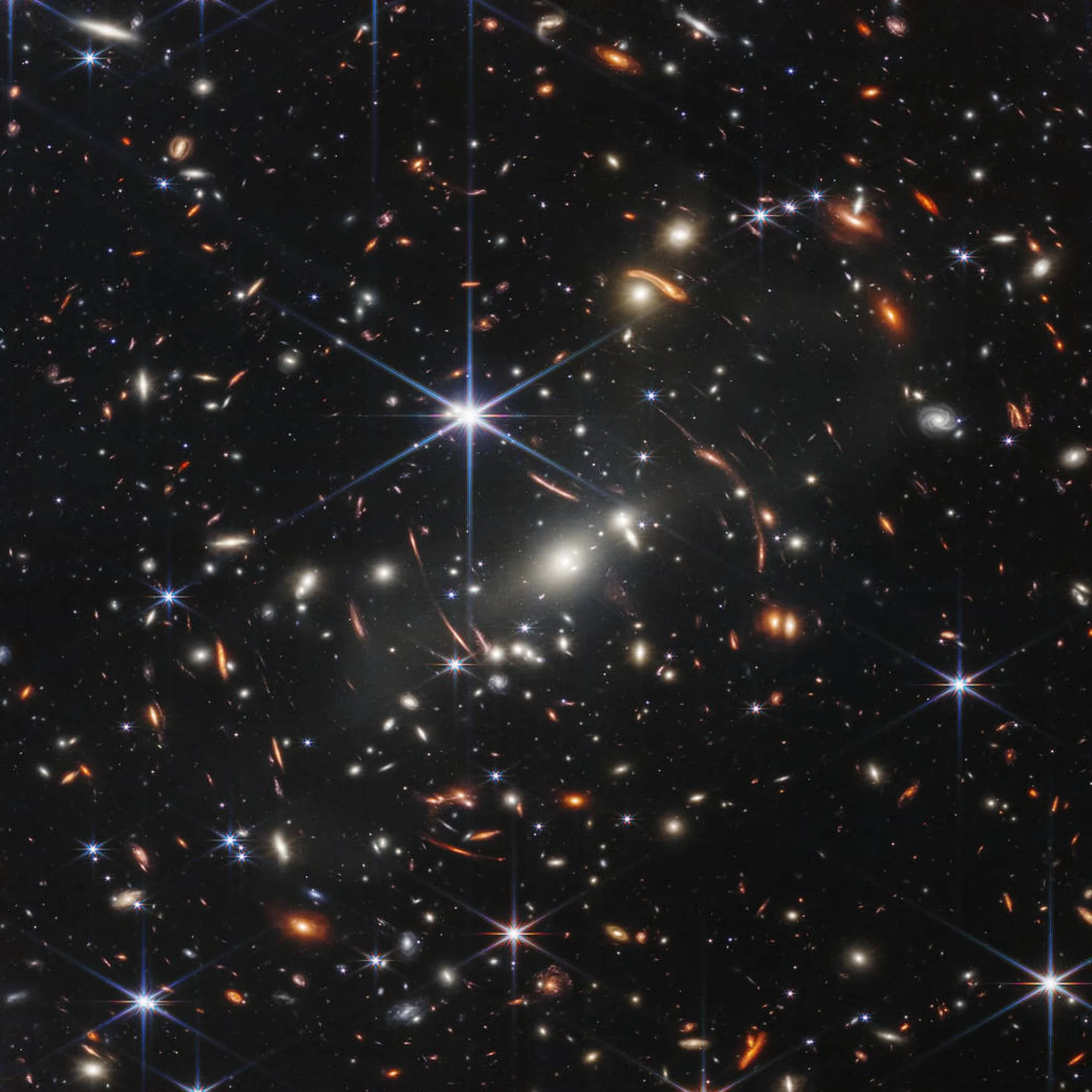
In July 2022, NASA released the first science images: the deepest infrared view of the universe ever captured, showing galaxies as they existed 13 billion years ago; atmospheric spectra of an exoplanet showing carbon dioxide; and the Carina Nebula in unprecedented detail. Webb is expected to operate for at least 20 years.
“Today, we present humanity with a groundbreaking new view of the cosmos from the James Webb Space Telescope — a view the world has never seen before.”
Mission Data
Launch date
25 Dec 2021
Mirror diameter
6.5 m (18 segments)
Orbit
L2, 1.5 million km from Earth
Operating temp
−233 °C
Wavelength range
0.6 – 28 μm (near/mid IR)
Design lifetime
10 yr (fuel for 20+)
Key Facts
JWST's 6.5-metre primary mirror has about 6× the light-collecting area of Hubble's 2.4-metre mirror — and sees in infrared wavelengths invisible to the human eye, allowing it to pierce through dust clouds
Its 344 single-point-failure deployments all had to succeed — if any one failed, the $10 billion telescope would have been lost; all 344 succeeded
JWST orbits 1.5 million km from Earth at the L2 Lagrange point — too far for any Shuttle or crewed spacecraft to service
Its sunshield reduces incident solar heat by a factor of 1 million — from about 110 °C on the sun-facing side to −233 °C on the instrument side
JWST's first deep-field image, released July 2022, showed galaxies as they appeared 13 billion years ago — the earliest views of the universe ever captured
Why It Mattered
JWST is rewriting cosmology in real time — revealing galaxies formed within 300 million years of the Big Bang, detecting carbon dioxide in exoplanet atmospheres, and imaging stellar nurseries with detail no previous telescope could achieve. It has already changed what we thought we knew about how galaxies form.
Photo Gallery
Part of
James Webb Space TelescopeNASA / ESA / CSA / STScI
Official sourceContinue your journey
Experience this mission
Experience
James Webb
Experience this mission
The mission behind this moment
Mission
James Webb Space Telescope
The mission behind this moment

From the same era
Moment
Tianhe — Tiangong space station core module launched
From the same era

From the same era
Moment
Tianwen-1 / Zhurong — first Chinese soft landing on Mars
From the same era

From the same era
Moment
Nuri / KSLV-II — South Korea's first indigenous orbital launch
From the same era

From the same era
Moment
DART impacts Dimorphos — first asteroid deflection test
From the same era
Continue your mission
More tools to explore next