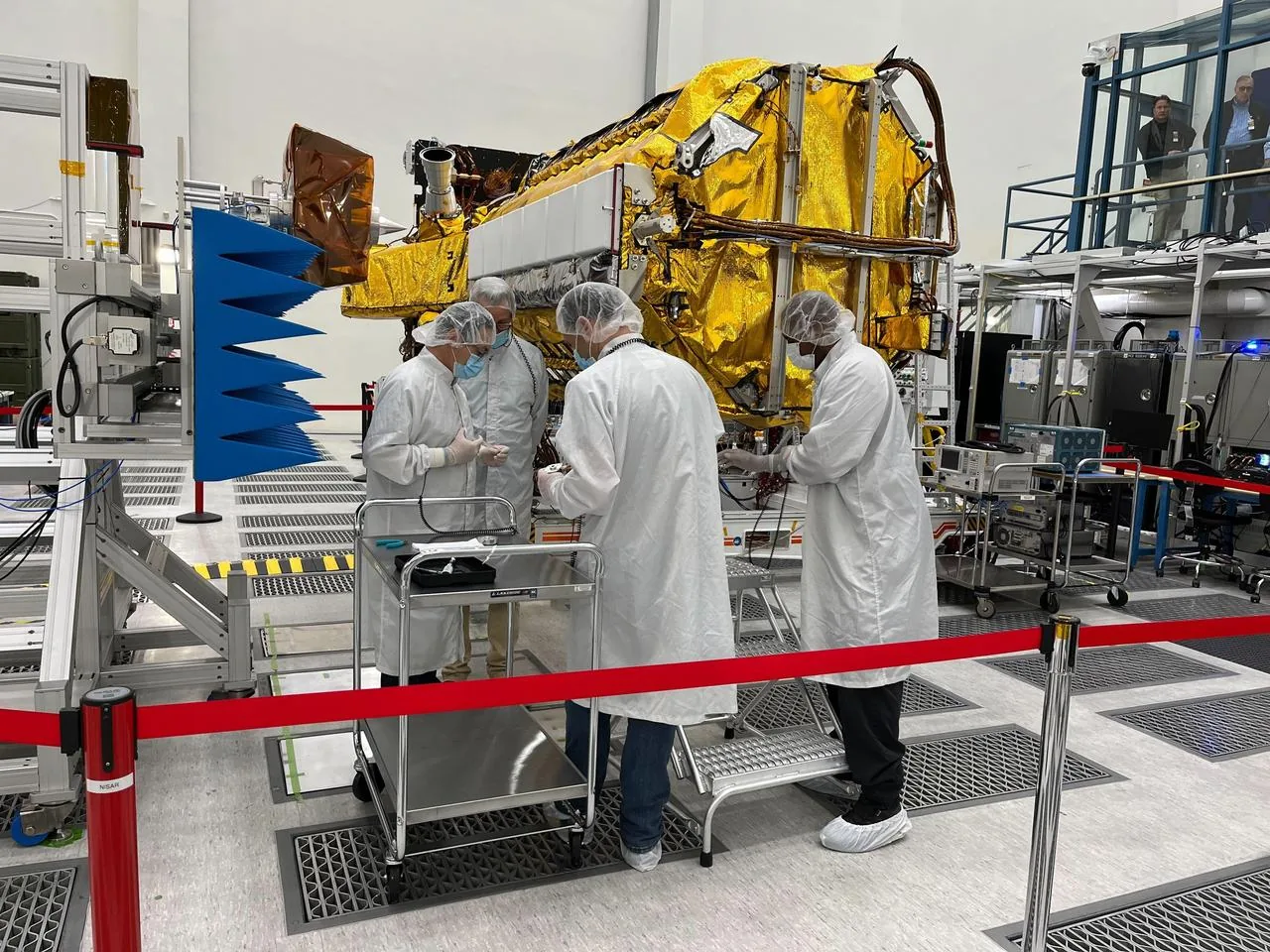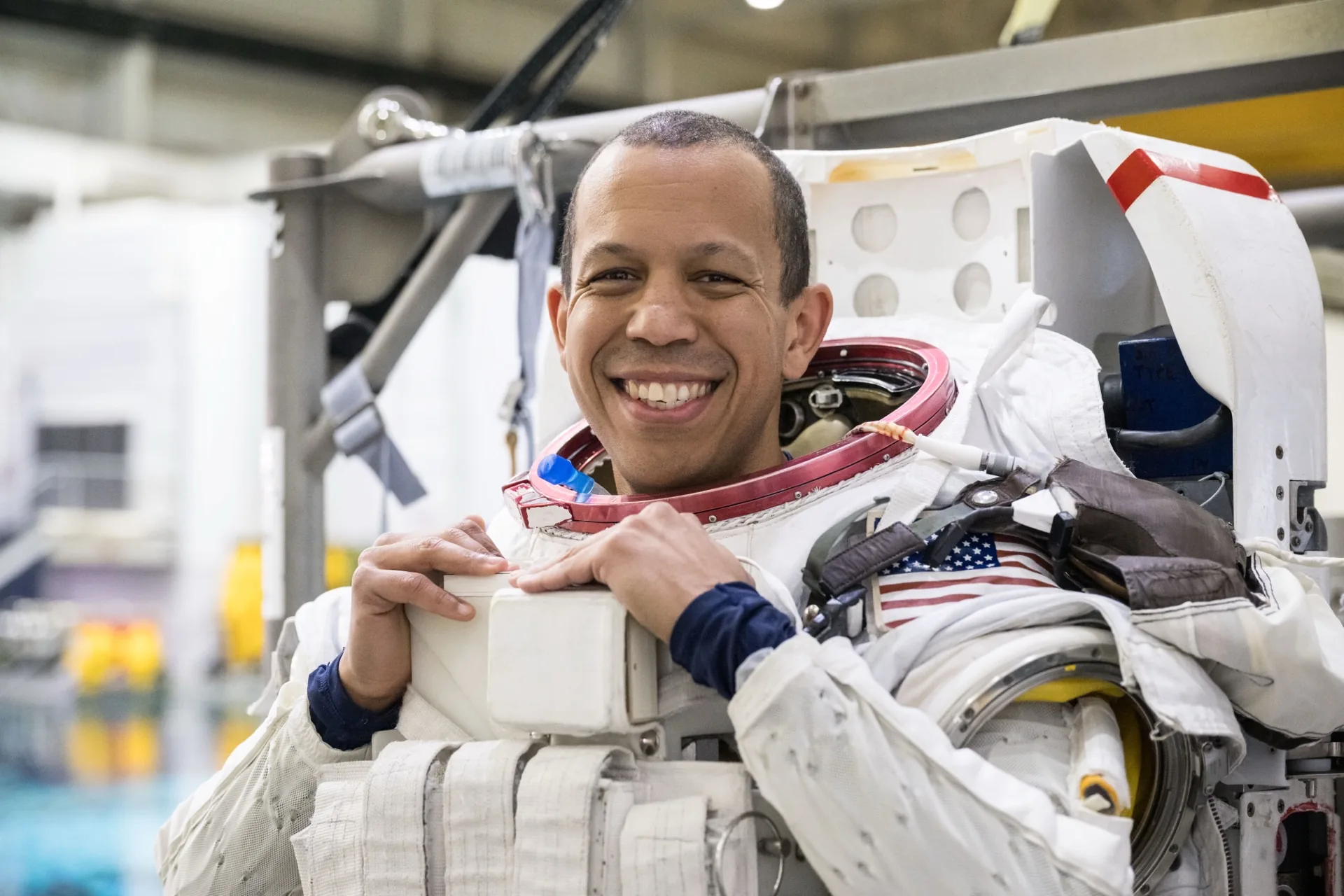
When people hear "rocket scientist," they picture someone scribbling equations on a chalkboard while a Saturn V roars in the background. The reality is both more mundane and more thrilling than that. Aerospace engineers spend a lot of their time in front of computer screens, running simulations, reviewing test data, and arguing over tolerances in design reviews. But they also get to do things like watch a rocket they helped build punch through the atmosphere, or see a rover they designed touch down on another planet. It is one of the few professions where your work literally leaves the planet.
Here is what it actually takes to build a career in aerospace engineering in 2026 -- the education, the specializations, the employers, and the realities of the job that no one tells you in school.
Aerospace & Space Engineering Career Paths (2026)
| Role | Typical Tasks | US Median Salary (2026) | Senior Range | Education Floor | Top Recruiters |
|---|---|---|---|---|---|
| Aerospace Engineer (general) | System design, integration | $105K | $145K-180K | BS Aero/Mech | SpaceX, Lockheed, Boeing, Northrop, NASA |
| Spacecraft Systems Engineer | Cross-discipline integration | $125K | $160K-220K | MS preferred | All primes + JPL, Rocket Lab |
| Propulsion Engineer | Engine/thruster design + test | $115K | $150K-200K | MS Aero/Mech/ChemE | SpaceX, Blue Origin, Rocket Lab, Aerojet, Ursa Major |
| GNC Engineer (Guidance, Navigation & Control) | Trajectory + control law | $130K | $165K-220K | MS/PhD Aero or EE | All primes, Anduril, Astrobotic, Maxar |
| Avionics Engineer | Flight electronics, FPGAs | $115K | $150K-190K | BS EE/CompE | SpaceX, Blue Origin, Raytheon, Lockheed |
| Flight Software Engineer | C/C++/Rust embedded | $135K | $170K-230K | BS CS/EE | SpaceX, Anduril, Blue Origin, Astranis, NASA JPL |
| Astrodynamicist / Mission Designer | Orbit design, optimization | $125K | $160K-210K | MS/PhD Aero | NASA JPL, JHU APL, Aerospace Corp, Rocket Lab |
| Materials & Structures Engineer | Composites, additive mfg | $110K | $145K-185K | BS/MS MatSci/Mech | SpaceX, Blue Origin, Northrop, Boeing |
| Test Engineer (ground/flight) | Build & operate test campaigns | $100K | $135K-175K | BS Aero/Mech | All primes |
| Mission Operations Engineer | Real-time satellite ops | $100K | $130K-170K | BS Aero/CS/Phys | NASA, Lockheed, Northrop, Maxar, Iridium |
| Manufacturing / Production Engineer | Mass-produce satellites/engines | $105K | $140K-180K | BS IE/Mech | SpaceX, Amazon Kuiper, Planet, Astranis |
| Project / Program Manager (technical) | Cost/schedule/scope | $145K | $190K-260K | BS + 8+ yrs exp + PMP | All primes |
| Astronaut (active) | Mission specialist | $152K (NASA GS-13) | up to ~$185K (GS-15) | MS STEM + 2 yr exp | NASA, ESA, JAXA, ISRO, CSA, CNSA |
Salaries from BLS, levels.fyi, Glassdoor, and SpaceCrew composites; SpaceX/Blue Origin compensate heavily in equity beyond base. Non-US scales differ -- Europe ~70% of US, India 20-30%.
The Education Path
Bachelor's Degree (4 years)
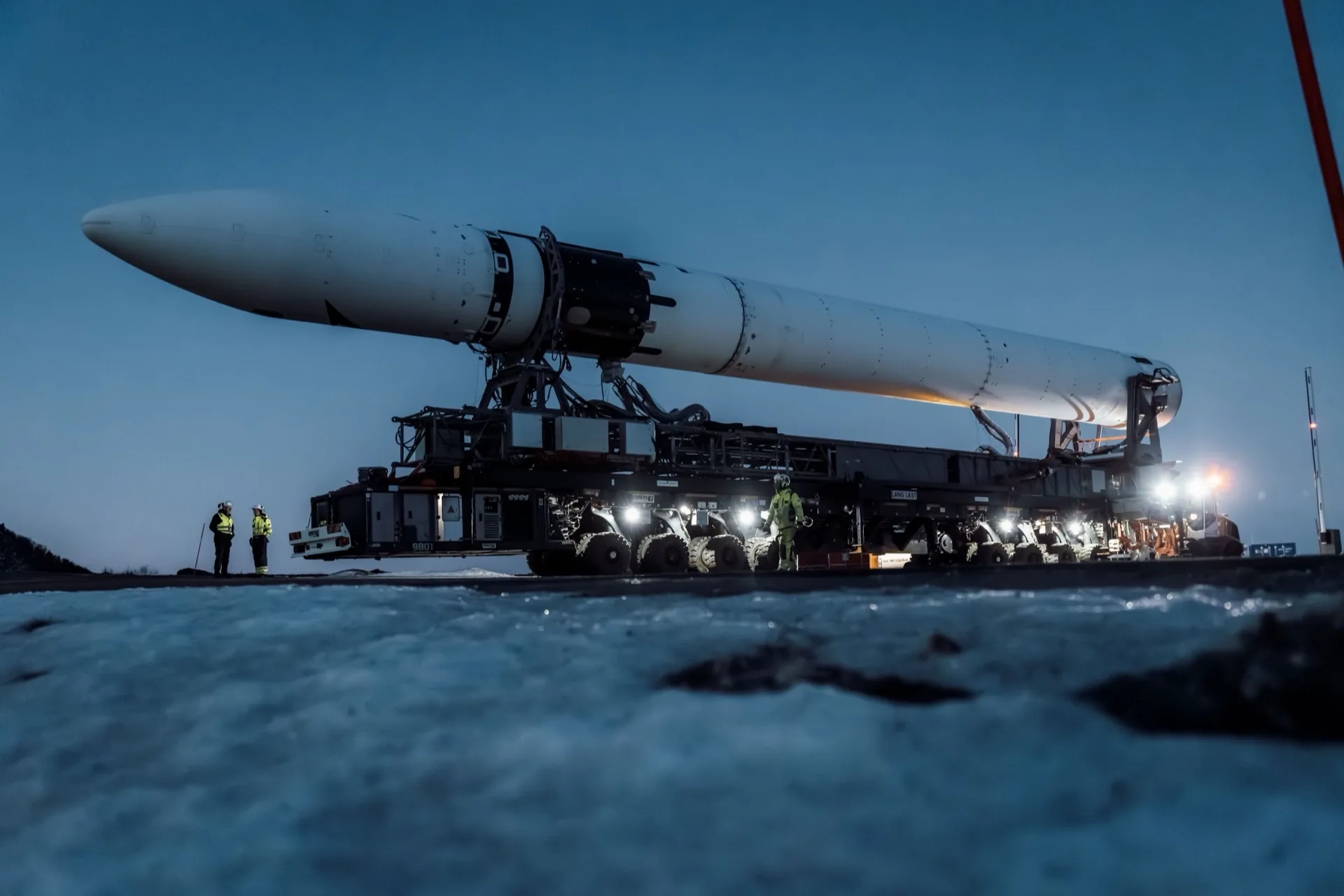
This is your foundation, and it is non-negotiable. A Bachelor of Science in Aerospace Engineering is the most direct route, but degrees in mechanical engineering, electrical engineering, physics, or even computer science can also get you in the door. The core curriculum covers fluid dynamics, thermodynamics, structures and materials, orbital mechanics, control systems, and propulsion fundamentals.
Schools that consistently produce top aerospace engineers include MIT, Georgia Tech, Purdue, the University of Michigan, Caltech, Stanford, and the University of Colorado Boulder. But do not overlook strong programs at schools like Virginia Tech, Texas A&M, the University of Illinois, or Embry-Riddle Aeronautical University. What matters more than the name on your diploma is what you do during those four years: undergraduate research, design competitions (like AIAA Design/Build/Fly or university rocketry clubs), co-op programs, and internships.
Master's Degree (1-2 years)
A master's degree is increasingly expected for advancement in the field, particularly if you want to specialize or lead technical work. About 40% of aerospace engineers in senior technical roles hold a master's or higher. This is where you choose your lane -- propulsion, structures, guidance and navigation, avionics, or another specialization. A thesis-based master's program is especially valuable if you are interested in R&D positions.
Ph.D. (4-6 years)
A doctorate is essential if you want to work on the bleeding edge of research, whether at a national lab, a university, or in a research-heavy role at a company like NASA's Jet Propulsion Laboratory. It is less necessary for production engineering, program management, or most industry positions. Consider a Ph.D. if you love deep research and want to become the world expert in something very specific -- like plasma-assisted combustion instabilities or flexible multibody dynamics for deployable space structures.
The Specializations
Aerospace engineering is not a single discipline. It is a constellation of interconnected specialties, and where you focus determines what your daily work looks like.
Propulsion: You design and test the engines that make spaceflight possible. This could mean working on liquid rocket engines (like the Raptor engines powering SpaceX's Starship), solid rocket motors, ion thrusters for deep space missions, or next-generation nuclear thermal propulsion concepts. Propulsion engineers spend a lot of time on computational fluid dynamics, thermochemistry, and test stand operations. It is loud, intense, and deeply satisfying work.
Structures and Materials: If it has to survive the forces of launch, the vacuum of space, or reentry heating, a structures engineer designed it. This specialization covers stress analysis, composite materials, thermal protection systems, and fatigue life prediction. You might work on heat shields, pressure vessels, deployable solar arrays, or the airframe of a hypersonic vehicle.
Avionics and Electronics: The nervous system of any spacecraft. Avionics engineers design the flight computers, sensors, communication systems, and power distribution architecture that keep spacecraft alive and on course. This field increasingly overlaps with software engineering as spacecraft become more autonomous.
Guidance, Navigation, and Control (GNC): This is the math-heavy specialty that determines how a spacecraft knows where it is and how it gets where it needs to go. GNC engineers develop algorithms for attitude determination, trajectory optimization, autonomous rendezvous and docking, and powered descent guidance (the software that lands rockets on drone ships). If you love linear algebra, Kalman filters, and control theory, this is your home.
Systems Engineering: The integrators. Systems engineers make sure that the propulsion team's engine actually works with the structures team's airframe and the avionics team's flight computer. They manage requirements, interfaces, and the agonizing tradeoffs that define real engineering. This role grows more important as systems become more complex.
Who Is Hiring
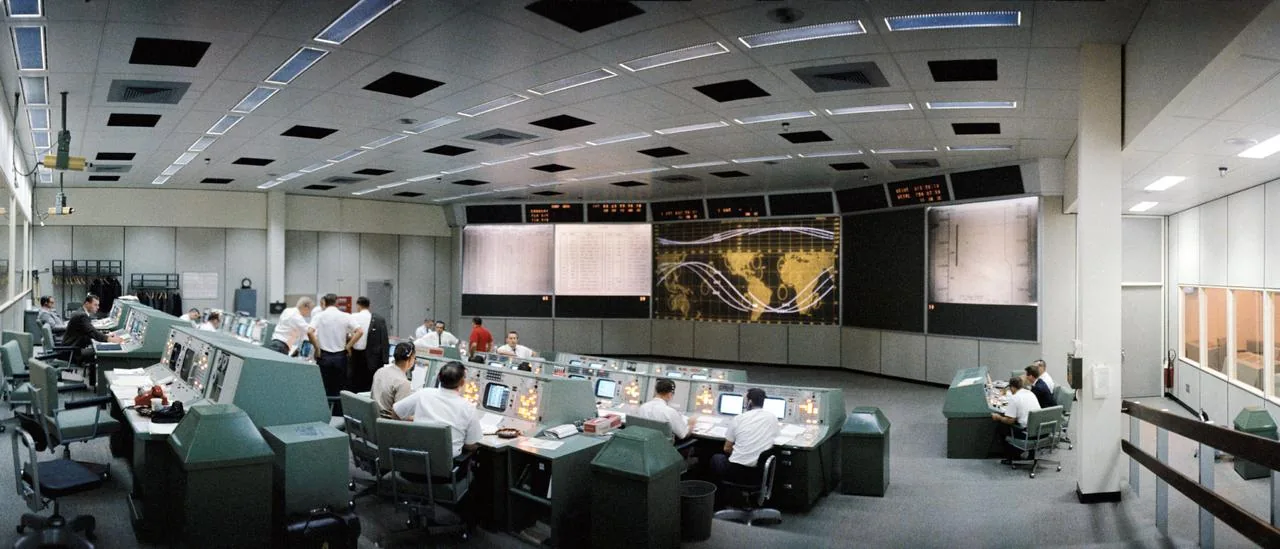
The aerospace job market in 2026 is the strongest it has been in decades, driven by the commercial space boom, increased defense spending, and ambitious government exploration programs. Here are the major players:
SpaceX (Hawthorne, CA; Starbase, TX; Cape Canaveral, FL) -- The pace is relentless, the hours are long, and the culture is intense. But you will learn more in two years at SpaceX than in five years at most other companies. They hire aggressively from top programs and value hands-on experience and problem-solving ability over pedigree. Starting salaries for new graduates typically range from $85K to $105K, with significant equity grants.
NASA (Multiple centers: JSC in Houston, KSC in Florida, JPL in Pasadena, MSFC in Huntsville, and more) -- Government salaries start lower (GS-7 to GS-9 for new graduates, roughly $50K-$70K depending on location), but the benefits are excellent, the job security is real, and you get to work on missions that make history. The Artemis program, Mars Sample Return, and next-generation Earth science missions all need engineers.
Boeing (Multiple locations) -- The largest aerospace company in the world still hires thousands of engineers across defense, commercial aviation, and space systems (including Starliner and the Space Launch System). Salaries for mid-career engineers range from $100K to $140K.
Lockheed Martin (Denver, CO; Sunnyvale, CA; and others) -- The prime contractor for Orion (NASA's deep space crew capsule), plus extensive work on satellites, missile defense, and military aircraft. Strong new graduate programs with structured rotational opportunities.
Rocket Lab (Long Beach, CA; Wallops Island, VA; Auckland, New Zealand) -- A mid-size launch provider that punches well above its weight. Rocket Lab offers a more startup-like culture than the traditional primes, with engineers often wearing multiple hats. They are developing the Neutron medium-lift rocket and have a thriving spacecraft division.
Blue Origin (Kent, WA; Van Horn, TX; Cape Canaveral, FL) -- Jeff Bezos's space company is ramping up hiring for the New Glenn orbital rocket and the Blue Moon lunar lander. The culture is less frenetic than SpaceX but still ambitious.
Other notable employers include Northrop Grumman, L3Harris, Relativity Space, Firefly Aerospace, Aerojet Rocketdyne (now part of L3Harris), and a growing ecosystem of space startups that need engineers who can do everything.
Salary Ranges
Compensation varies significantly by employer, location, experience, and specialization. Here is a realistic breakdown for 2026:
- Entry Level (0-2 years): $75,000 - $105,000
- Mid-Career (3-7 years): $95,000 - $135,000
- Senior Engineer (8-15 years): $120,000 - $160,000
- Principal / Staff Engineer (15+ years): $150,000 - $200,000+
- Engineering Management: $140,000 - $220,000+
These figures represent base salary. At companies like SpaceX, stock options can add significant value. At NASA, the pension system and benefits package close some of the gap with private sector salaries. Location matters enormously -- a salary of $120K in Huntsville, Alabama goes much further than the same number in the San Francisco Bay Area.
A Day in the Life
There is no single "typical" day, but here is what a mid-career propulsion engineer at a launch company might experience:
8:00 AM -- Review overnight test data from a hot-fire engine test. Check chamber pressures, turbopump speeds, and injector performance against predictions.
9:30 AM -- Design review meeting. Present analysis of a proposed injector modification to improve combustion stability. Field tough questions from the chief engineer.
11:00 AM -- Run CFD simulations in ANSYS Fluent to model thermal loading on the nozzle extension. Compare results to empirical correlations.
12:30 PM -- Lunch with colleagues. Argue about whether nuclear thermal propulsion or chemical propulsion is better for Mars transit. Nobody changes their mind.
1:30 PM -- Write a Python script to automate post-processing of test data. The tool your predecessor used was an Excel macro from 2014 and it is time for an upgrade.
3:00 PM -- Walk down to the test bay to inspect hardware after yesterday's test. Take measurements, check for anomalies, talk to the technicians about what they observed.
4:30 PM -- Update test procedures for next week's campaign. Coordinate with the structures team about instrumentation placement.
6:00 PM -- Head home (on a good day). Some weeks, especially approaching a launch or a critical test milestone, the hours stretch significantly longer.
The Skills That Actually Matter
Beyond your degree, here are the tools and skills that employers care about:
- MATLAB/Simulink -- Still the lingua franca of aerospace analysis and controls work
- Python -- Increasingly essential for data analysis, automation, scripting, and rapid prototyping
- CAD software -- SolidWorks, CATIA, NX, or Creo depending on the employer
- FEA tools -- NASTRAN, ABAQUS, or ANSYS for structural analysis
- CFD tools -- ANSYS Fluent, OpenFOAM, or specialized codes for propulsion work
- Version control -- Git is no longer optional, even for hardware engineers
- Communication skills -- The ability to explain complex technical issues clearly, both in writing and in presentations, is what separates good engineers from great ones
Advice From the Field
After talking to dozens of aerospace engineers at all career stages, a few themes emerge consistently:
Get your hands dirty early. Join a rocketry club, build a CubeSat, work on a Formula SAE car. The engineers who get hired fastest are the ones who have actually built and tested hardware, not just analyzed it on paper.
Internships are not optional. They are extended job interviews. Most major aerospace employers convert a significant percentage of their interns to full-time hires. A single good internship can set the trajectory of your entire career.
Be comfortable with failure. Rockets blow up. Tests fail. Designs do not work. The best aerospace engineers are the ones who learn from failure methodically and keep pushing forward. SpaceX famously celebrates its early Falcon 1 failures as essential steps toward success.
Stay broad early, specialize later. The most valuable engineers are T-shaped: broad foundational knowledge across disciplines with deep expertise in one area. Do not over-specialize too early in your education.
The field is changing fast. Additive manufacturing, AI-driven design optimization, reusable launch vehicles, in-space servicing -- the technologies transforming aerospace are creating new roles and making old ones obsolete. Lifelong learning is not a cliche here; it is a survival strategy.
Aerospace engineering is not the easiest career path. The coursework is demanding, the hours can be long, and the stakes are literally life-and-death. But there is something irreplaceable about contributing to humanity's reach beyond this planet. If the idea of bending physics to put things in space makes you feel alive, this is your field. Start building.