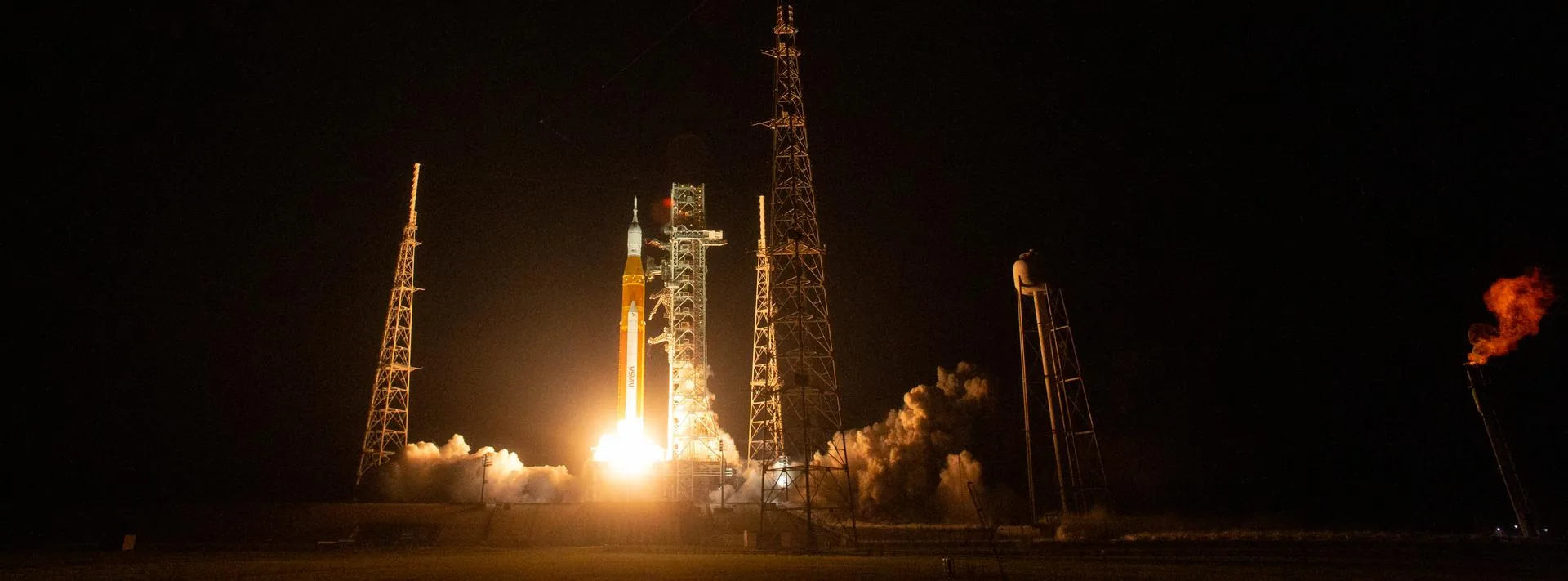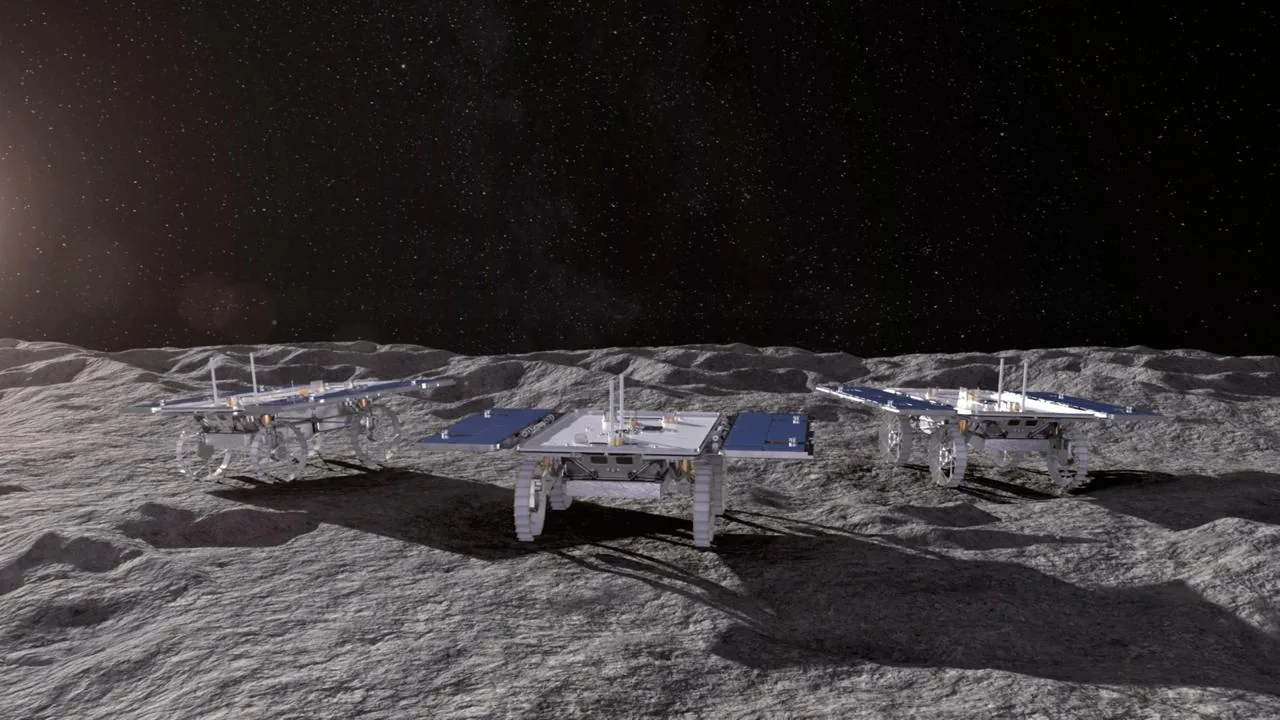
In October 2020, while the world was consumed by a pandemic, eight nations quietly signed a document that could shape humanity's future beyond Earth for generations. The Artemis Accords, named after NASA's ambitious program to return astronauts to the Moon, established a new framework for how countries should behave as they explore and use outer space. Since then, the list of signatories has grown to more than 40 nations, making the Accords one of the most significant developments in space governance since the Cold War.
But what exactly are the Artemis Accords? Why do they matter? And why have some of the world's biggest spacefaring nations refused to sign?
A Brief History: Why the Accords Were Needed
The foundational document of international space law is the 1967 Outer Space Treaty (OST), negotiated during the height of the Space Race between the United States and the Soviet Union. The treaty established some big-picture principles: space is the "province of all mankind," no nation can claim sovereignty over a celestial body, and space should be used for peaceful purposes. It was a remarkable achievement for its era.
But the Outer Space Treaty was written when only two countries could realistically reach space, and when the idea of mining resources on the Moon or Mars was pure science fiction. Nearly six decades later, the landscape has changed dramatically. Dozens of countries have active space programs. Private companies are building rockets, landing on the Moon, and planning asteroid mining ventures. The old treaty simply does not address many of the questions that matter today.
Enter the Artemis Accords. Rather than trying to negotiate a sweeping new international treaty through the United Nations -- a process that can take decades and often produces watered-down results -- NASA took a different approach. Working with the U.S. State Department, the agency drafted a set of principles that countries could voluntarily agree to, creating a coalition of like-minded nations committed to responsible space exploration.
The Core Principles
The Artemis Accords are built around several key principles, each designed to address a real-world challenge of 21st-century space activity.
Peaceful Purposes. All activities under the Accords must be conducted for peaceful purposes. This echoes the Outer Space Treaty but reaffirms the commitment in a modern context where the lines between civilian and military space technology are increasingly blurred.
Transparency. Signatories agree to share information about their space policies and plans openly. This is not just about being good neighbors -- it is a practical safety measure. When multiple countries and companies are operating on the lunar surface, everyone needs to know what everyone else is doing.
Interoperability. This is one of the most forward-thinking provisions. The Accords call for space systems to be designed so they can work together. Think of it like USB ports for spacecraft: if an astronaut from one country is in trouble near another country's lunar base, compatible docking systems and communication protocols could save their life. The International Space Station proved that interoperability works. The Accords aim to extend that philosophy to the Moon and beyond.
Emergency Assistance. Signatories commit to rendering assistance to astronauts in distress. This principle has roots in the 1968 Rescue Agreement, but the Accords update it for an era when emergencies might happen on the lunar surface rather than just in Earth orbit.
Registration of Space Objects. Every object launched into space by a signatory must be properly registered. This sounds bureaucratic, but it is essential for tracking debris, assigning liability, and maintaining order as space gets more crowded.
Release of Scientific Data. Nations agree to share scientific data from their missions publicly. This promotes collaboration and ensures that discoveries on the Moon or Mars benefit all of humanity, not just the nation that made them.
Preserving Heritage. The Accords include provisions for protecting sites of historical significance in space -- think the Apollo 11 landing site on the Moon. As more actors reach the lunar surface, preventing damage to these irreplaceable sites becomes a real concern.
Space Resources. This is arguably the most consequential and controversial principle. The Accords affirm that extracting and using space resources -- water ice from lunar craters, minerals from asteroids -- is consistent with the Outer Space Treaty. This does not mean nations can claim territory, but it does mean they can use what they extract.
Deconfliction of Activities. Signatories agree to coordinate their operations to avoid harmful interference. If two countries plan to operate in the same area of the Moon, they should communicate and establish "safety zones" around their operations.
Orbital Debris. Nations commit to mitigating the creation of space debris and safely disposing of spacecraft at the end of their missions. With low Earth orbit already dangerously cluttered, extending this principle to lunar and deep-space operations is essential.
Who Has Signed -- and Who Has Not
The original eight signatories in October 2020 were the United States, Australia, Canada, Italy, Japan, Luxembourg, the United Kingdom, and the United Arab Emirates. Since then, the list has expanded rapidly. Countries like France, Germany, South Korea, India, Brazil, Nigeria, and many others have joined, bringing the total to more than 40 as of early 2025.
The diversity of signatories is notable. These are not just wealthy Western nations. Countries from every continent and at every stage of space development have signed on, from established space powers like Japan and France to emerging players like Colombia and Rwanda. This broad buy-in gives the Accords considerable international legitimacy.
But two conspicuous absences stand out: China and Russia.
China, which operates the Tiangong space station and has landed rovers on the Moon's far side, has been openly critical of the Accords. Chinese officials have characterized them as a U.S.-led attempt to impose American rules on space, and have questioned whether the resource utilization provisions are consistent with the Outer Space Treaty. China is instead building its own coalition through the International Lunar Research Station (ILRS) program, partnering with Russia and recruiting countries primarily in the developing world.
Russia, once America's partner on the International Space Station, has also declined to sign. Russian space agency officials have dismissed the Accords as too "U.S.-centric" and have allied with China's lunar plans instead. This has effectively created two competing blocs in lunar exploration -- a dynamic that some observers compare to a new space race.
The Accords vs. the Outer Space Treaty

It is important to understand what the Artemis Accords are not. They are not a treaty. They are not legally binding in the way the Outer Space Treaty is. They are a set of principles -- a political commitment rather than a legal obligation. Signatories are expressing their intent to behave a certain way, but there is no enforcement mechanism and no penalties for non-compliance.
That said, the Accords were carefully drafted to be consistent with the Outer Space Treaty and other existing space law. They do not replace the OST; they build on it, providing practical guidance for situations the 1967 treaty never envisioned. In legal terms, the Accords can be thought of as an interpretation of the Outer Space Treaty -- a way of saying, "Here is how we think the old rules should apply to new activities."
Critics, however, argue that this interpretation is self-serving. The provision on space resource utilization, for example, aligns with the 2015 U.S. Commercial Space Launch Competitiveness Act, which granted American citizens the right to own and sell resources extracted from space. Some legal scholars contend that this conflicts with the Outer Space Treaty's principle that space is the "province of all mankind." Supporters counter that using resources is different from claiming territory, and that the treaty never prohibited resource extraction.
Practical Implications: What This Means Going Forward
As NASA's Artemis program ramps up and other nations plan their own lunar missions, the Accords will have real, tangible effects.
For lunar mining, the resource utilization principle provides a framework -- however imperfect -- for companies and nations to extract water ice and other materials from the Moon without running afoul of international norms. Water ice at the lunar south pole could be converted into drinking water, breathable oxygen, and even rocket fuel. Having agreed-upon rules for who can extract these resources, and how, is essential to avoiding conflict.
For base-building, the safety zones and deconfliction provisions matter enormously. Imagine multiple countries and companies operating within a few kilometers of each other at the lunar south pole, the most coveted real estate on the Moon due to its near-constant sunlight and ice deposits. Without coordination, the risks of interference -- or worse, accidents -- are significant.
For the broader space community, the Accords represent a model of governance that could extend to Mars, asteroids, and beyond. They are not perfect, and they will almost certainly need to evolve. But in the absence of a comprehensive new international treaty -- which may not be achievable in today's geopolitical climate -- the Accords offer a practical, flexible framework for moving forward.
The Bottom Line
The Artemis Accords are not the final word on space governance. They are a starting point -- a good-faith effort to establish norms for a new era of exploration. Their greatest strength is their practicality: rather than waiting for a perfect global consensus that may never come, they provide a workable set of principles that nations can adopt today.
Their greatest weakness is the absence of China and Russia, which means the two most significant alternatives to U.S. space leadership are operating outside this framework. Whether the Accords evolve into a truly global standard or remain one side of a divided space community will depend on diplomacy, geopolitics, and the simple reality of who gets to the Moon first -- and what they do when they get there.
One thing is certain: the decisions being made now about how we govern space will echo for centuries. The Artemis Accords are an imperfect but important step toward getting those decisions right.