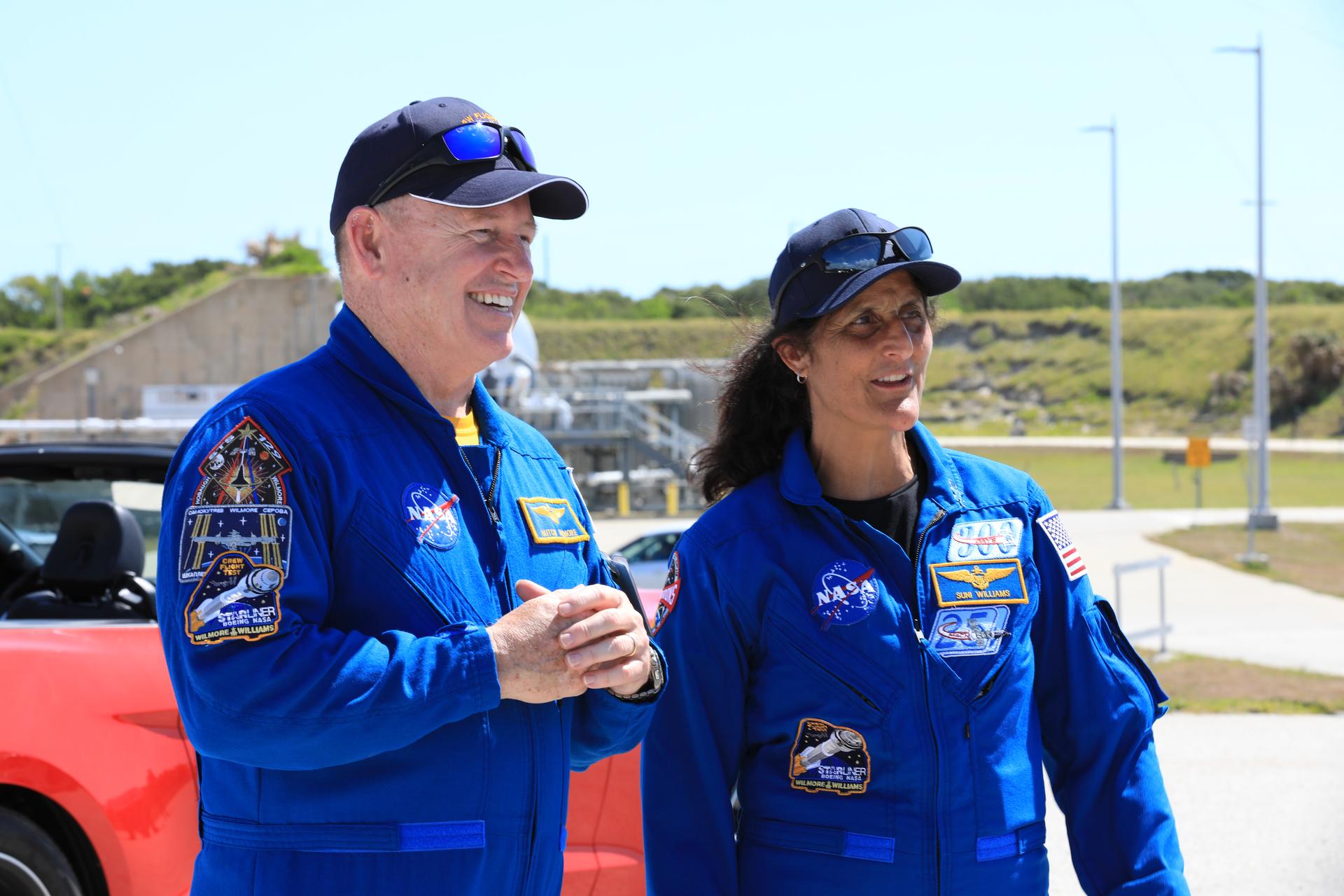
When Boeing's CST-100 Starliner lifted off on June 5, 2024, carrying NASA astronauts Barry "Butch" Wilmore and Sunita "Suni" Williams, it was supposed to be a victory lap — the final test before the spacecraft joined SpaceX's Crew Dragon as a second American ride to orbit. Instead it became one of the most closely watched sagas in modern spaceflight: a planned eight-day mission that stretched past nine months, a capsule that flew home without the crew it launched with, and a program that has cost Boeing billions. Here is what actually happened, why it happened, and where Starliner goes from here.
What Is Boeing's Starliner — and Why NASA Backed Two Spacecraft
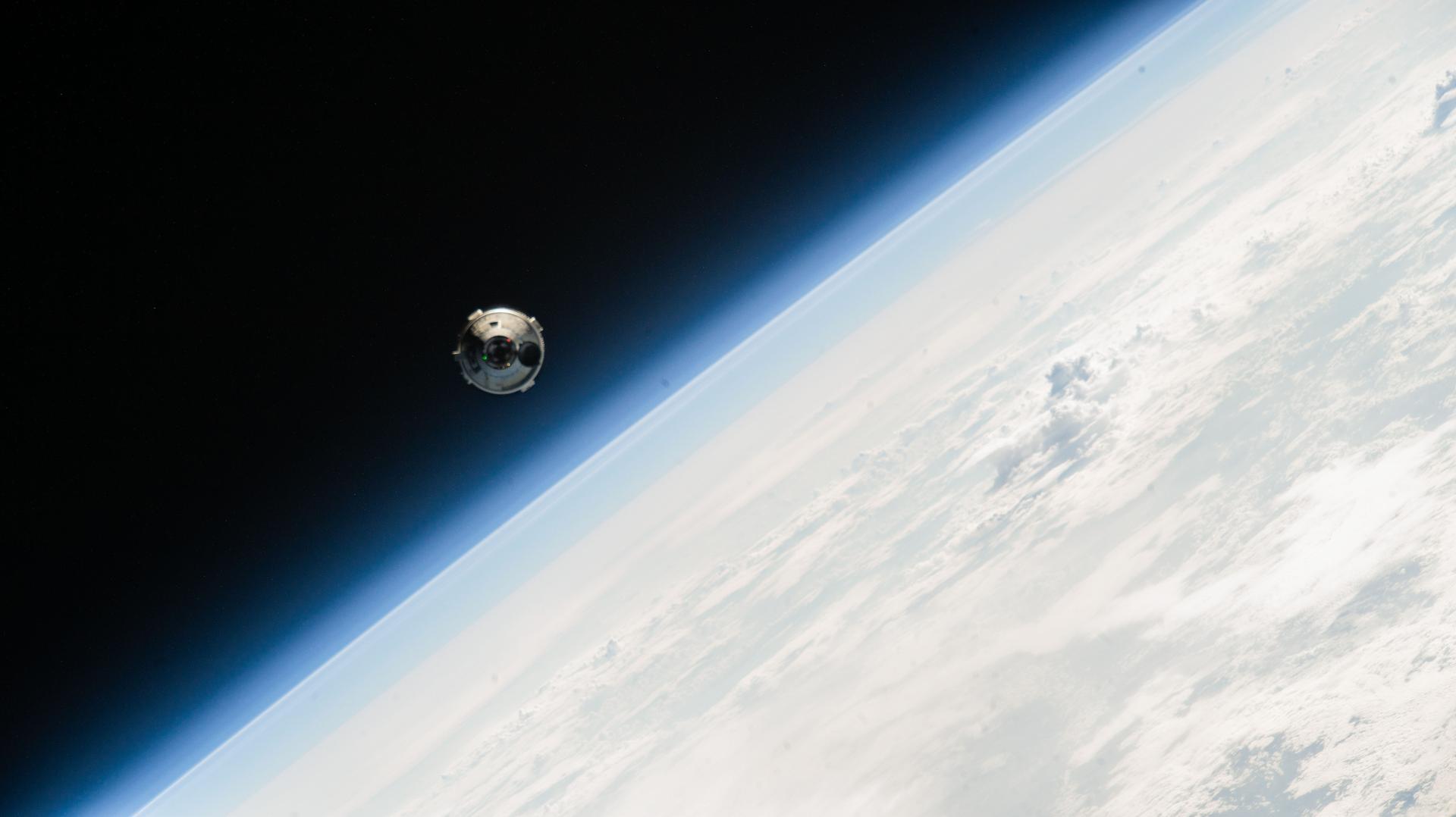
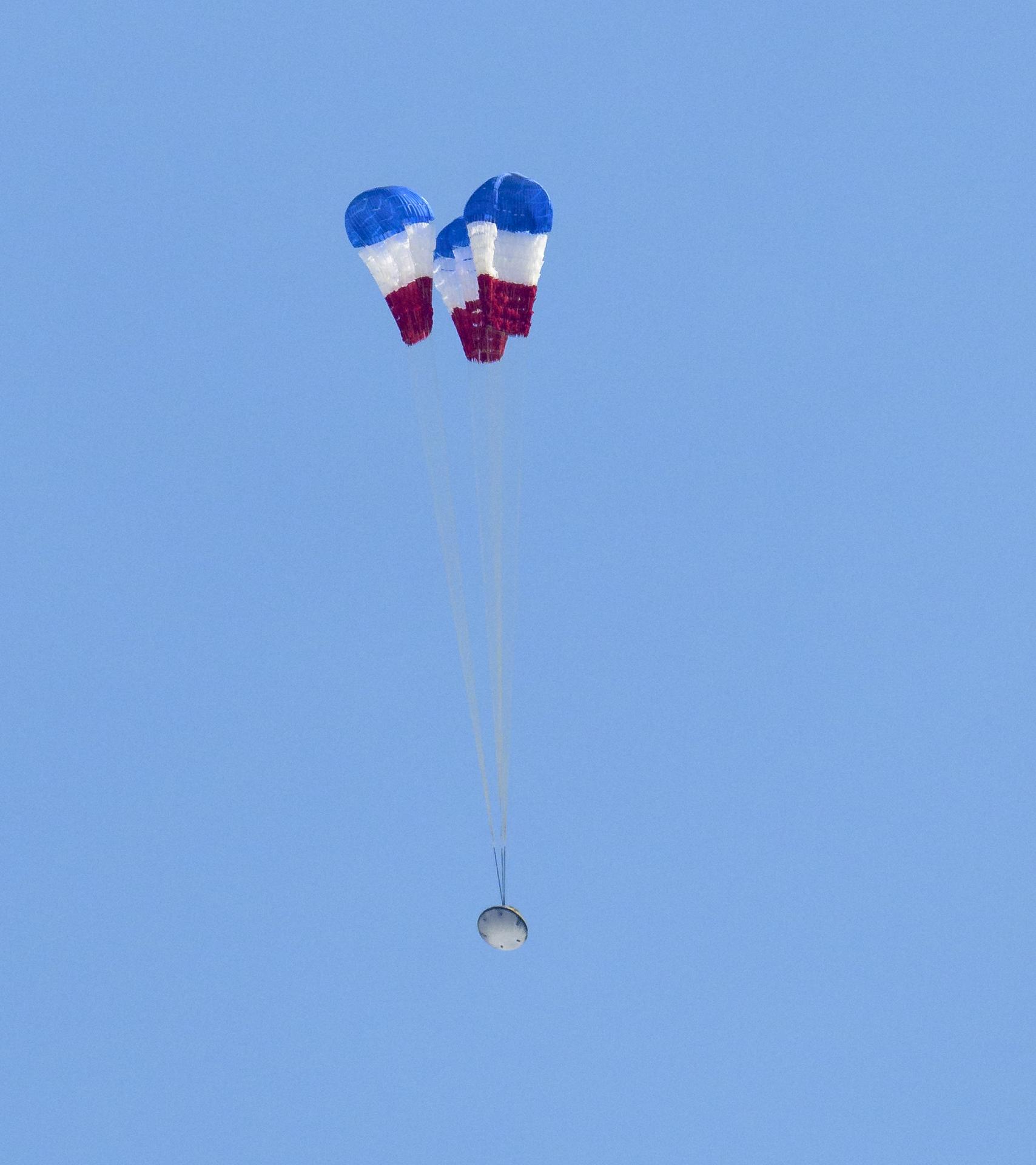
The Starliner is a reusable, gumdrop-shaped crew capsule built by Boeing to ferry astronauts between Earth and the International Space Station. It seats up to seven, launches atop a United Launch Alliance Atlas V rocket, and is designed to touch down on land in the American Southwest under parachutes and cushioning airbags — a contrast to Crew Dragon, which splashes down at sea.
Starliner exists because NASA deliberately wanted two independent providers. After the Space Shuttle retired in 2011, the United States had no way to launch its own astronauts and paid Russia upwards of $80 million per seat aboard the Soyuz. To end that dependence, NASA's Commercial Crew Program awarded fixed-price contracts in 2014 to develop human-rated spacecraft: roughly $4.2 billion to Boeing and $2.6 billion to SpaceX. The logic was redundancy, or "dissimilar" backup — if one vehicle were grounded by a problem, the other could keep flying. SpaceX delivered first, launching astronauts in 2020. Boeing, the more established aerospace name, fell years behind — and the reasons why sit at the heart of this story. For context on how these players fit into the wider market, see our guide to publicly traded space companies.
A Rocky Road to the Launch Pad
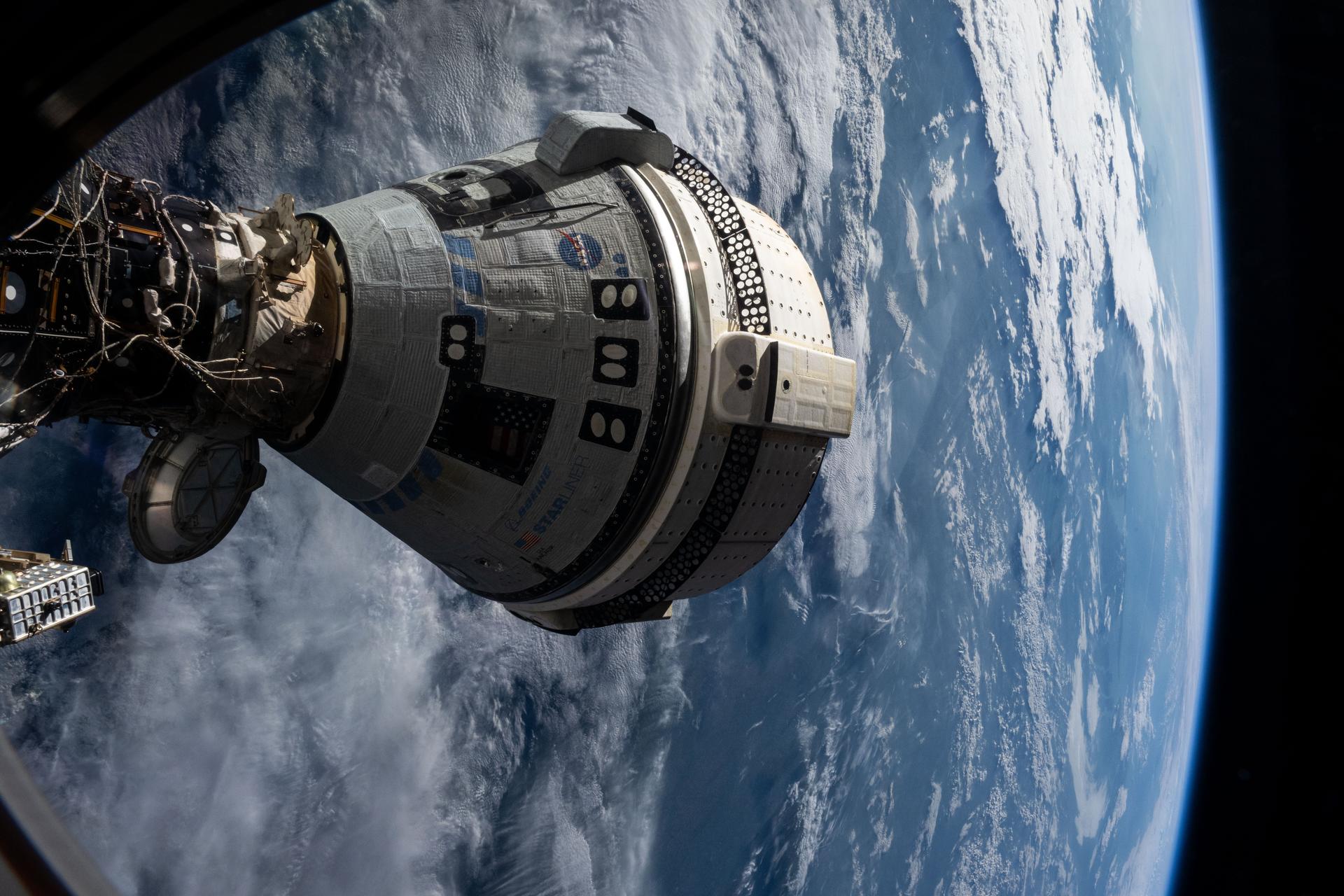
Starliner's troubles did not begin with its crewed flight. Its first uncrewed Orbital Flight Test in December 2019 went wrong within hours: a mission-clock error left the capsule in the wrong orbit, burning too much propellant to safely reach the station. It returned after two days without ever docking. A subsequent review found dozens of software and process issues.
Boeing re-flew the mission — at its own expense — as Orbital Flight Test-2 in May 2022, and this time Starliner reached the ISS and docked successfully, a genuine milestone. But the road stayed bumpy. Engineers later flagged concerns about the flammability of tape used in the wiring harnesses and about the strength of the parachute system's soft links, forcing yet more delays and redesigns. NASA's Office of Inspector General had already warned in earlier audits that Boeing's per-seat price was running well above SpaceX's, even before these later overruns piled up. By the time Wilmore and Williams strapped in for the Crew Flight Test in mid-2024, Starliner was roughly four years behind its original schedule — and every one of those delays had been eating into a fixed-price budget that Boeing, not the taxpayer, was on the hook to cover.
The 2024 Crew Flight Test: Helium Leaks and Failing Thrusters
The Crew Flight Test began well enough. The Atlas V performed cleanly, and Starliner separated and began chasing the station. Then the propulsion problems started. As the capsule closed in on the ISS, five of its 28 reaction-control thrusters — the small jets used for fine maneuvering — dropped offline, and several small helium leaks appeared in the propulsion system. Helium is not a fuel; it pushes propellant to the thrusters. But losing thrust during the delicate final approach was serious enough that flight controllers paused, re-started four of the five thrusters, and only then pressed on to a successful docking on June 6, 2024.
That is where an eight-day mission began to unravel. NASA and Boeing were unwilling to undock and bring the crew home until they understood why the thrusters had misbehaved. Engineers ran an identical thruster hard on a test stand at White Sands, New Mexico, and found a likely culprit: heat. Repeated firing warmed small "doghouse" housings around the thrusters, causing a Teflon seal in the oxidizer valves to swell and choke the flow — degrading thrust in exactly the way seen in flight. The problem was understood, but understood is not the same as trusted.
Why NASA Sent Starliner Home Without Its Crew
Through the summer of 2024, the planned mission stretched from days into months as managers weighed a genuinely hard question: was it safe to put Wilmore and Williams back inside Starliner for the ride home? The thrusters that had failed are needed for the deorbit burn — the maneuver that drops the capsule out of orbit. If they misbehaved again at the wrong moment, the consequences could be severe.
On August 24, 2024, NASA made the call, and it was a striking one. Starliner would return to Earth empty. The decision reflected the agency's post-Columbia safety culture: when engineers cannot fully close out a risk, the conservative choice wins, even at the cost of a partner's flagship program. On September 6, 2024, Starliner undocked autonomously and flew a flawless uncrewed re-entry, landing gently at White Sands. The capsule proved it could come home safely — but by then the crew was staying in orbit, and the headlines had already written themselves.
How Butch Wilmore and Suni Williams Got Home
With Starliner gone, Wilmore and Williams needed another ride, and it came from Boeing's competitor. NASA folded the pair into the station's regular rotation and assigned them return seats on SpaceX's Crew Dragon as part of the Crew-9 mission. To make room, that Dragon had launched in September 2024 with two empty seats reserved for them.
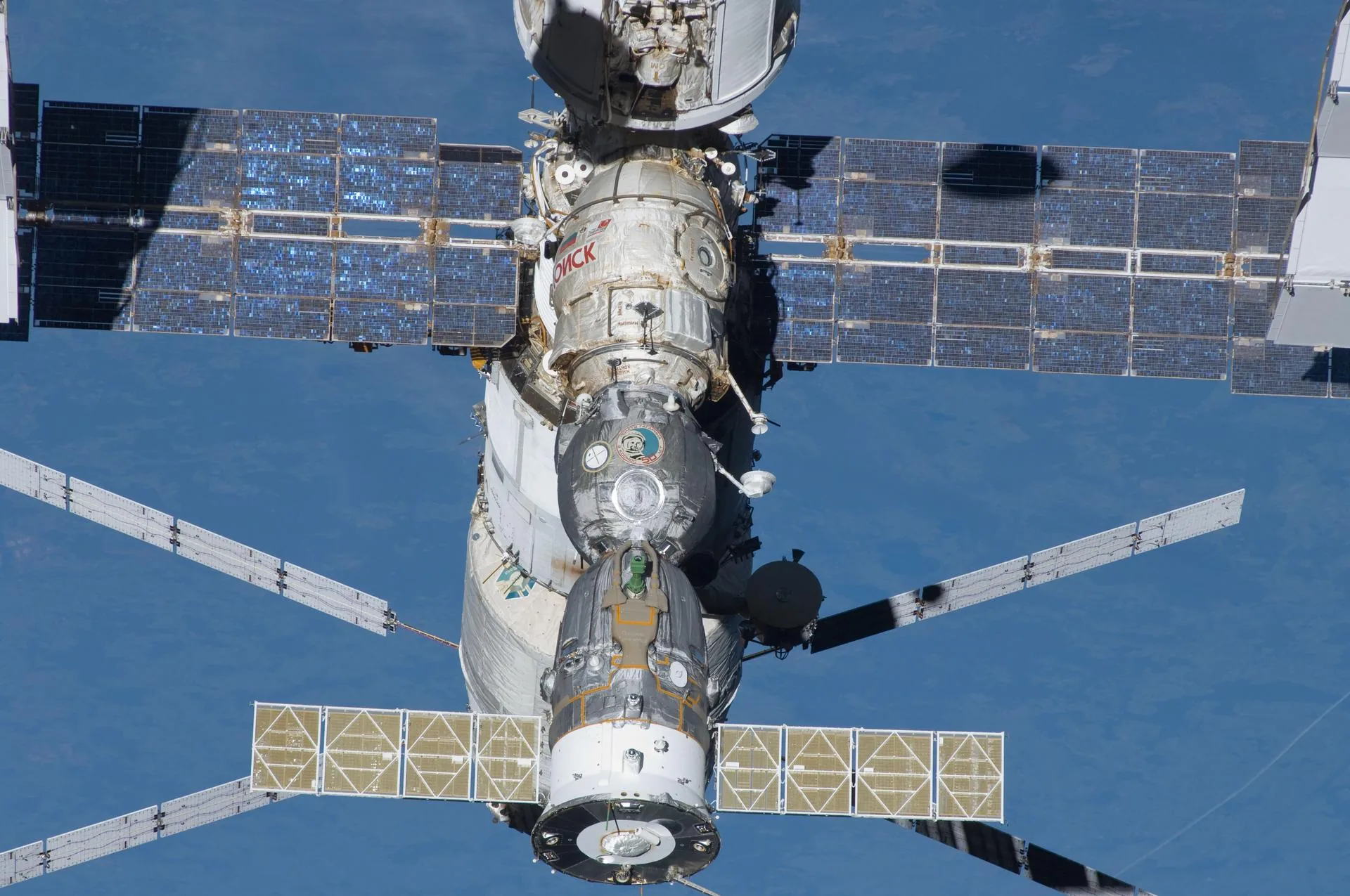
The two veteran astronauts — both former U.S. Navy test pilots who had flown to space before — spent the intervening months as full members of the ISS crew rather than idling. Williams took over as commander of the station in the autumn of 2024 and, together with Wilmore, carried out spacewalks in early 2025, adding hours of experiments and station maintenance to a stay no one had planned. Crew Dragon finally brought them back on March 18, 2025, roughly 286 days after a mission meant to last about eight.
Contrary to much of the popular framing, the pair were never truly "stranded." A Crew Dragon lifeboat was docked the entire time, and NASA could have evacuated them within hours in an emergency. They were, more precisely, kept in orbit far longer than anyone intended while the agency worked the problem — a distinction that matters for understanding what the episode really was, and was not. What made it extraordinary was less the astronauts' safety, which was never seriously in doubt, than the sight of one company's competitor quietly finishing the job its own spacecraft could not.
What's Next: A Cargo-Only Starliner-1 and Boeing's Costly Bet
The saga's financial toll on Boeing has been steep. The company has absorbed well over $2 billion in charges on the fixed-price program — losses it cannot pass to NASA under the contract's terms. Fixed-price development, once championed as a way to shield taxpayers from cost overruns, turned out to punish the contractor that stumbled: every delay, every redesign, every re-flight came straight out of Boeing's own pocket rather than the government's. That has fueled persistent speculation about whether the company — already weathering turmoil across its commercial-aviation and defense units — would stay in the crew business at all, or hand the station's second seat back to NASA.
For now, the answer is yes, but on changed terms. In late 2025, NASA and Boeing modified their agreement: the next flight, Starliner-1, was converted from a four-astronaut crewed mission into a cargo-only flight, targeted for no earlier than April 2026, and the total number of Starliner missions on the books was trimmed from six to four. The idea is to fly the reworked propulsion system — with new thruster seals and improved thermal management to keep the doghouses cool — on an uncrewed cargo run first, proving the fixes in space before any astronauts climb aboard again. The path to certification now runs through commercial resupply, part of the same NASA contracting landscape that funds the station's other cargo haulers.
Why does any of this matter? Because NASA's entire rationale for Starliner — dissimilar redundancy, two independent ways to reach orbit — only pays off if the second vehicle actually flies people. Until Starliner carries a crew again, the United States effectively has a single operational crew system in Crew Dragon, the very single-point dependence the program was created to avoid. Starliner has now proven it can launch, dock, and land; what it must still prove is that it can be trusted to do all three with lives aboard. The cargo flight is Boeing's chance to rebuild that trust — and, after a decade of delays and billions in losses, quite possibly its last, best shot at doing so.