Fifty Years of Silence, Broken by a Scrappy Texas Company
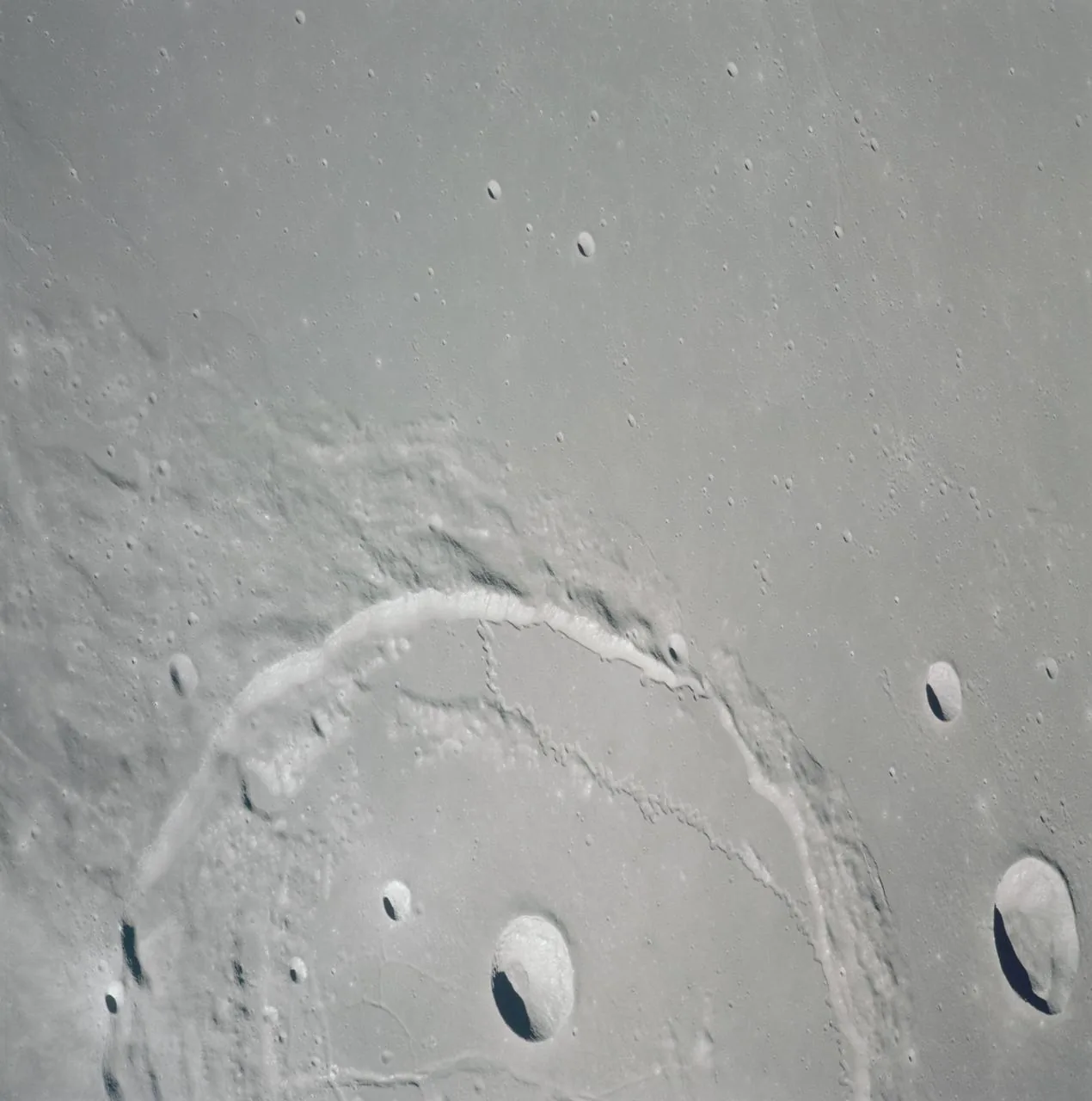
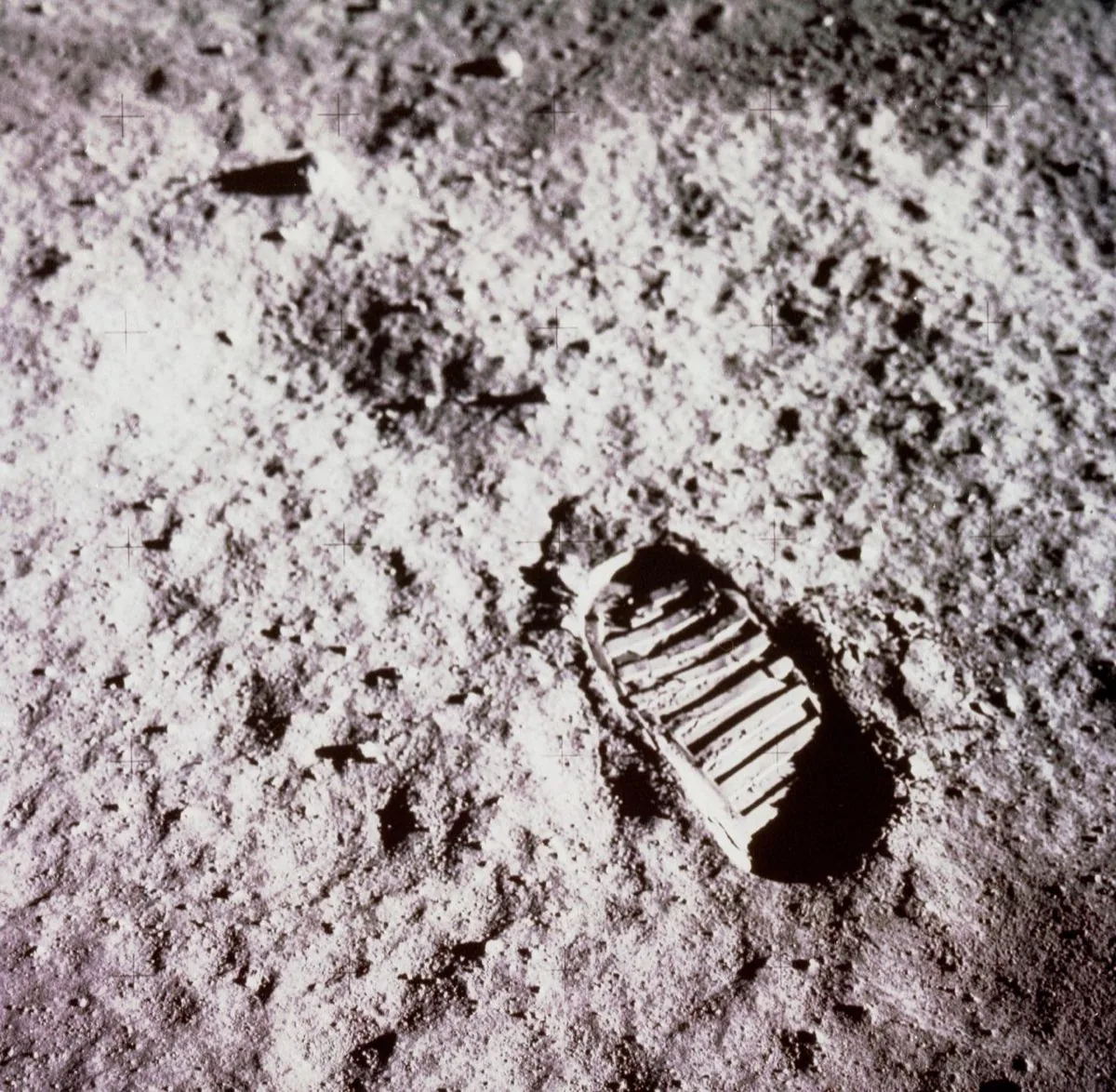
On February 22, 2024, at 6:23 PM Eastern Time, a hexagonal lander named Odysseus touched down near the Malapert A crater in the Moon's south polar region. In that moment, the United States returned to the lunar surface for the first time since Apollo 17's Gene Cernan and Harrison Schmitt departed on December 14, 1972 -- a gap of more than 51 years.
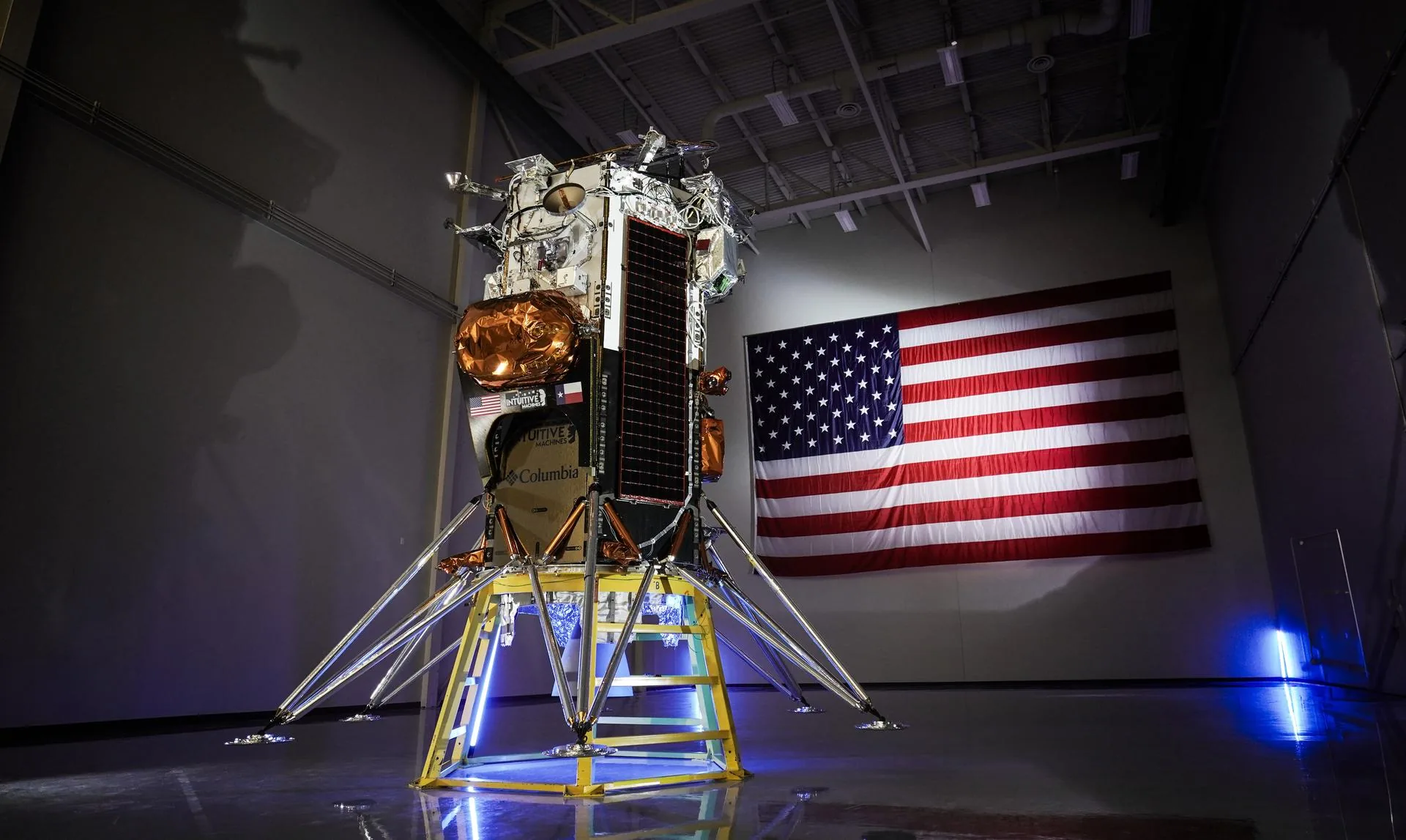
But this was not a government spacecraft built in sprawling NASA centers. Odysseus was built by Intuitive Machines, a Houston-based company founded in 2013, with fewer than 500 employees. The IM-1 mission represented a fundamental shift in how America explores the Moon: through commercial partnerships rather than solely government-led programs. And despite a landing that did not go exactly as planned, the mission was a resounding success that rewrote the playbook for lunar exploration.
The Road to Launch
Intuitive Machines won its first NASA Commercial Lunar Payload Services (CLPS) contract in May 2019, valued at $77 million, to deliver six NASA instruments and technology demonstrations to the lunar surface. The company designed the Nova-C lander -- a roughly 4.3-meter-tall hexagonal vehicle powered by liquid oxygen and liquid methane engines, a propulsion choice that was itself a first for a spacecraft landing on another world.
The path to launch was anything but smooth. Supply chain disruptions, technical challenges with the cryogenic propulsion system, and the general difficulty of building a Moon lander on a commercial budget and timeline caused delays. But on February 15, 2024, Odysseus launched atop a SpaceX Falcon 9 rocket from Kennedy Space Center's Launch Complex 39A -- the same pad that once sent Apollo missions to the Moon.
The transit to the Moon took about seven days. During the cruise phase, Odysseus performed multiple trajectory correction maneuvers and tested its systems. Everything appeared nominal as the lander entered lunar orbit on February 21 and prepared for its descent the following day.
The Descent: Triumph and Trouble
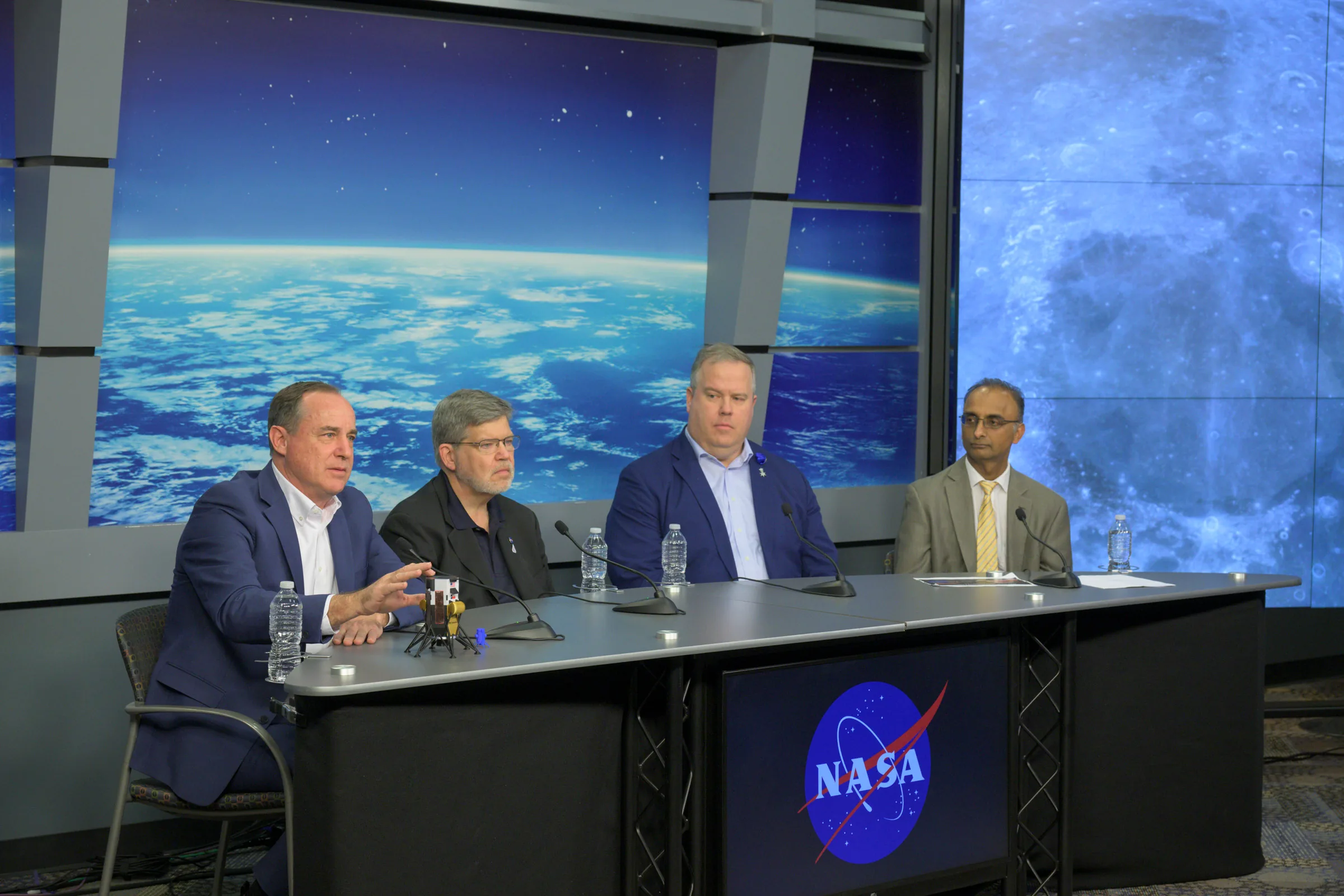
The final descent is where things got interesting -- and where the IM-1 team earned their stripes as problem-solvers under pressure.
During pre-landing preparations, the team discovered that the lander's laser rangefinders -- critical for measuring altitude and velocity during descent -- were not functioning. A safety switch had not been toggled before launch, rendering the onboard Navigation Doppler Lidar (NDL) system inoperative. This was the kind of failure that could have ended the mission entirely.
In a remarkable display of engineering improvisation, the Intuitive Machines team devised a workaround in real time. They patched the navigation system to use data from one of the NASA payloads aboard -- the Navigation Doppler Lidar for Precise Velocity and Range Sensing (NDL) experiment built by NASA Langley Research Center. This instrument, originally intended as a technology demonstration, was repurposed as the primary navigation sensor for landing. The software patch was uploaded to Odysseus while it was in lunar orbit, just hours before the landing attempt.
The descent proceeded, and Odysseus successfully reached the surface. But the landing was not perfect. The lander touched down with a slight lateral velocity, and one of its landing legs caught on the surface, causing Odysseus to tip over onto its side. The spacecraft came to rest at an angle of about 30 degrees from vertical.
Tipped Over but Not Out
A lesser mission might have been declared a failure at that point. Odysseus was on its side. Some of its antennas were pointed away from Earth, degrading communications. Several payloads that were mounted on the now-downward-facing side could not operate as intended.
But Odysseus was far from dead. The lander's solar panels were partially illuminated, providing power. Its communication systems, though impaired, maintained contact with Earth. And critically, several of the NASA payloads and commercial instruments aboard were able to collect data.
The six NASA payloads included the Radio Frequency Mass Gauge, which tested a method for measuring propellant levels in microgravity; the Laser Retroreflector Array, a passive instrument that will serve as a permanent location marker on the Moon for decades; the NDL navigation experiment; a stereo camera system called EagleCam developed by Embry-Riddle Aeronautical University students; the Radio-wave Observations at the Lunar Surface of the Photoelectron Sheath (ROLSES) experiment studying radio astronomy conditions; and the Lunar Node-1 navigation beacon.
Despite the tipped orientation, Odysseus operated on the lunar surface for approximately seven days before its solar panels fell into shadow and the lander lost power on February 29, 2024. NASA declared the mission a success, noting that it achieved the primary objective of delivering payloads to the lunar surface and demonstrating commercial lunar delivery capability.
In a delightful coda, Intuitive Machines briefly reestablished contact with Odysseus on March 23, 2024, after sunlight returned to its solar panels -- though the lander could not be fully revived.
Why IM-1 Matters More Than You Think
It is easy to focus on the sideways landing and call IM-1 a partial success. But that framing misses the bigger picture entirely.
First, consider what Intuitive Machines accomplished. A commercial company, using private-sector engineering and NASA funding of $118 million (the total task order value including additional instruments), built a lander from scratch, launched it on a commercial rocket, navigated to the Moon, solved a critical system failure in real time during the mission, and successfully soft-landed on another world. Only four nations had previously achieved a controlled soft landing on the Moon: the Soviet Union, the United States, China, and India. Intuitive Machines became the first private company to do so.
Second, consider the context. Just a month before Odysseus landed, Astrobotic Technology's Peregrine lander -- another CLPS mission -- suffered a propulsion failure shortly after its January 8, 2024, launch and never reached the Moon. The Japanese ispace company's Hakuto-R Mission 1 lander crashed in April 2023. The Moon is hard. Landing there successfully on your first attempt, even imperfectly, is a genuine achievement.
Third, and most importantly, IM-1 validated the CLPS model. NASA created the Commercial Lunar Payload Services program in 2018 with a radical premise: instead of building its own lunar landers, the agency would purchase delivery services from commercial providers, accepting higher risk in exchange for lower cost and faster cadence. The CLPS contract ceiling is $2.6 billion shared across multiple vendors over a 10-year period. Individual task orders are typically in the range of $70 million to $120 million -- a fraction of what a traditional NASA lunar mission would cost.
What Came Next: IM-2 and Beyond
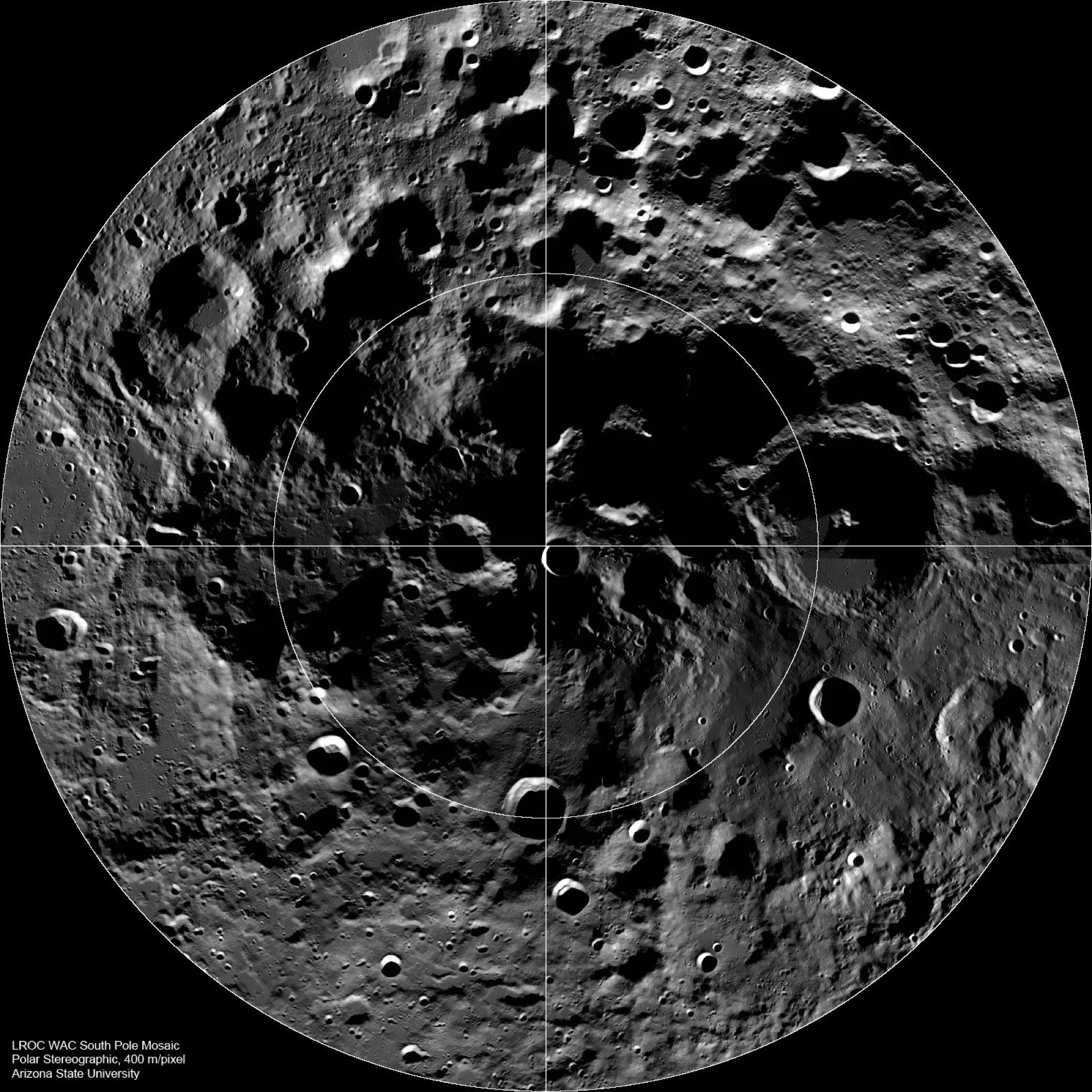
Intuitive Machines did not rest on its laurels. The company's second mission, IM-2, was manifested to deliver NASA's PRIME-1 drill and mass spectrometer to the lunar south pole, targeting a landing near the Shackleton crater rim. This mission aimed to directly search for water ice beneath the surface -- the kind of prospecting that could lay groundwork for future resource utilization.
The company also secured an IM-3 mission contract and was selected to provide communication and navigation relay services for Artemis surface missions through a separate NASA contract worth up to $4.82 billion. Intuitive Machines has grown from a lunar lander startup into a central player in America's return to the Moon.
The Bigger Picture: A New Lunar Economy
Odysseus represents something larger than one mission or one company. It is the proof of concept for an entirely new approach to space exploration -- one where government agencies set objectives and purchase services, while commercial companies innovate, compete, and drive down costs.
The CLPS program has awarded task orders to multiple companies including Astrobotic, Firefly Aerospace, and Draper, in addition to Intuitive Machines. Each mission builds on lessons learned, and each landing -- successful or not -- contributes to a growing body of knowledge about operating on the Moon.
We are witnessing the birth of a lunar economy. Where Apollo was a sprint driven by geopolitical competition, the current era is a marathon aimed at sustained presence. Odysseus, tipped on its side in the lunar regolith near the south pole, is a monument to that transition. It is not perfect. It is not pristine. But it works. And in the unforgiving business of landing on the Moon, working is what counts.
The next time you look up at the Moon, remember: there is a little hexagonal lander up there, built by a company in Houston, lying on its side but very much part of history. And it is just the beginning.