The commercial space industry in 2025 looks almost nothing like it did even five years ago. What was once a field dominated by legacy defense contractors and government agencies has exploded into a vibrant ecosystem of startups, established players, and everything in between. Some of these companies are launching rockets. Others are landing on the Moon. A few are building the space stations that will replace the ISS. And at least one pulled off the first American lunar landing in over fifty years.
Here is your guide to the companies that matter most right now -- the ones actually building hardware, flying missions, and pushing humanity's presence in space forward.
SpaceX: The Undisputed Leader
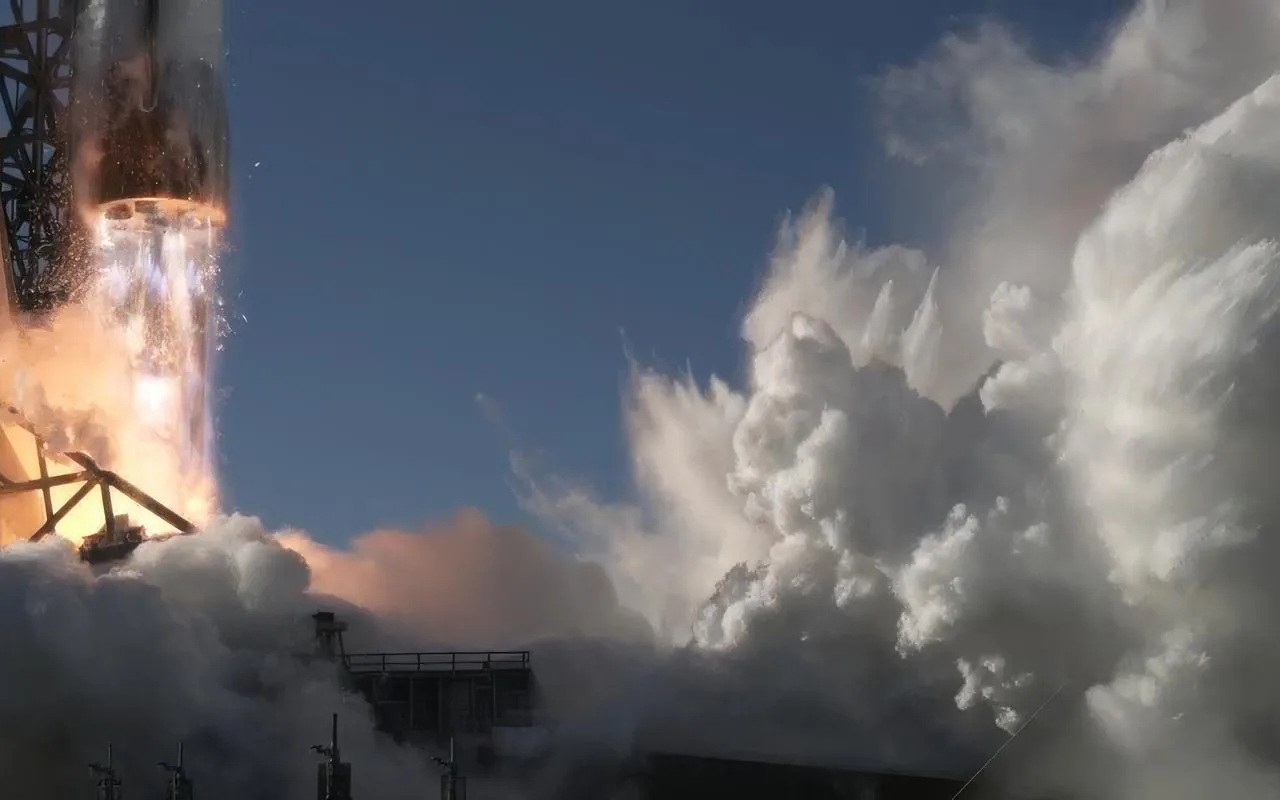
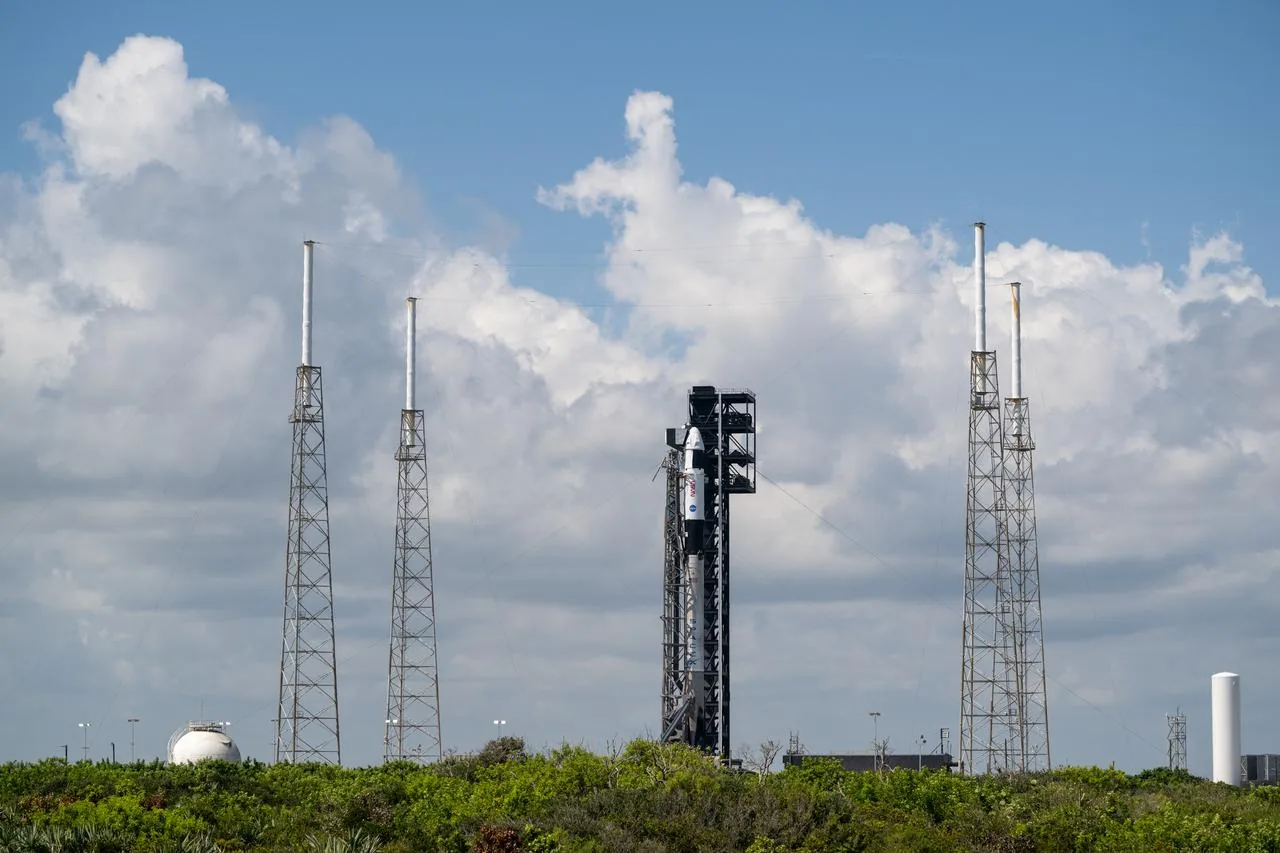
It is impossible to talk about commercial space without starting with SpaceX, and the numbers tell the story. In 2024, SpaceX launched over 130 orbital missions -- more than every other launch provider on Earth combined. The Falcon 9 rocket has become the Model T of space launch: reliable, reusable, and relentless in its flight cadence. First-stage boosters now routinely fly 20 or more times before retirement, a feat that seemed impossible when the company first landed a booster in 2015.
But Falcon 9 is the present. Starship is the future. Throughout 2024, SpaceX conducted multiple test flights of the Starship system from its Starbase facility in Boca Chica, Texas. The October 2024 flight achieved a moment that will live in spaceflight highlight reels forever: the Super Heavy booster returned to the launch site and was caught mid-air by the massive "chopstick" arms of the launch tower. Full, rapid reusability of the world's largest and most powerful rocket is no longer theoretical -- it is being demonstrated.
SpaceX is also building Starship variants for NASA's Artemis lunar landing program, developing the Starlink satellite constellation (now with over 6,000 satellites in orbit providing internet to millions), and continuing to fly astronauts to the ISS on Crew Dragon. The company's dominance is so complete that its biggest risk may be the lack of credible competition.
Blue Origin: Finally Flying Big

For years, Blue Origin was the butt of jokes in space circles -- "old space pretending to be new space," critics would say. The company talked a big game but seemed unable to ship orbital hardware. That narrative changed in January 2025 when New Glenn, Blue Origin's orbital-class heavy-lift rocket, completed its first flight.
The debut was not flawless -- the first-stage booster was lost during its landing attempt -- but the upper stage reached orbit successfully, which was the primary objective. For a first orbital flight, that is a strong result. (SpaceX's Falcon 1 failed three times before achieving orbit.)
New Glenn is a serious vehicle: a 320-foot-tall, two-stage rocket with a reusable first stage and a seven-meter payload fairing that is larger than anything else on the market. Blue Origin has already secured launch contracts with NASA, Amazon's Project Kuiper constellation, and Telesat. The company is also developing the BE-4 engine, which powers both New Glenn and United Launch Alliance's Vulcan Centaur rocket.
Beyond launch, Blue Origin is developing the Blue Moon lunar lander, selected by NASA as the second Human Landing System provider for the Artemis program. And the company is a partner (with Sierra Space) in Orbital Reef, a planned commercial space station. After years of promise, Blue Origin is finally becoming the company Jeff Bezos always said it would be.
Rocket Lab: The Small Launch Giant
Do not let the word "small" fool you. Rocket Lab, founded by New Zealander Peter Beck, has grown from a small satellite launch startup into one of the most capable and diversified space companies in the world. The Electron rocket has become the go-to vehicle for dedicated small satellite launches, with a cadence that few competitors can match.
But Rocket Lab's ambitions go far beyond Electron. The company is developing Neutron, a medium-lift reusable rocket designed to compete with Falcon 9 for constellation deployment and even human spaceflight missions. Neutron features a novel design with a reusable first stage that opens like a jaw to deploy payloads, eliminating the need for a traditional payload fairing.
What truly sets Rocket Lab apart, though, is its vertical integration strategy. The company manufactures its own engines, builds satellite buses and components through its Space Systems division, operates its own launch ranges, and provides mission management services. When NASA needed to send a small spacecraft to the Moon (the CAPSTONE mission) or when the company planned a private Venus mission, Rocket Lab could handle everything in-house. That kind of end-to-end capability is rare and extremely valuable.
Intuitive Machines: America Returns to the Moon
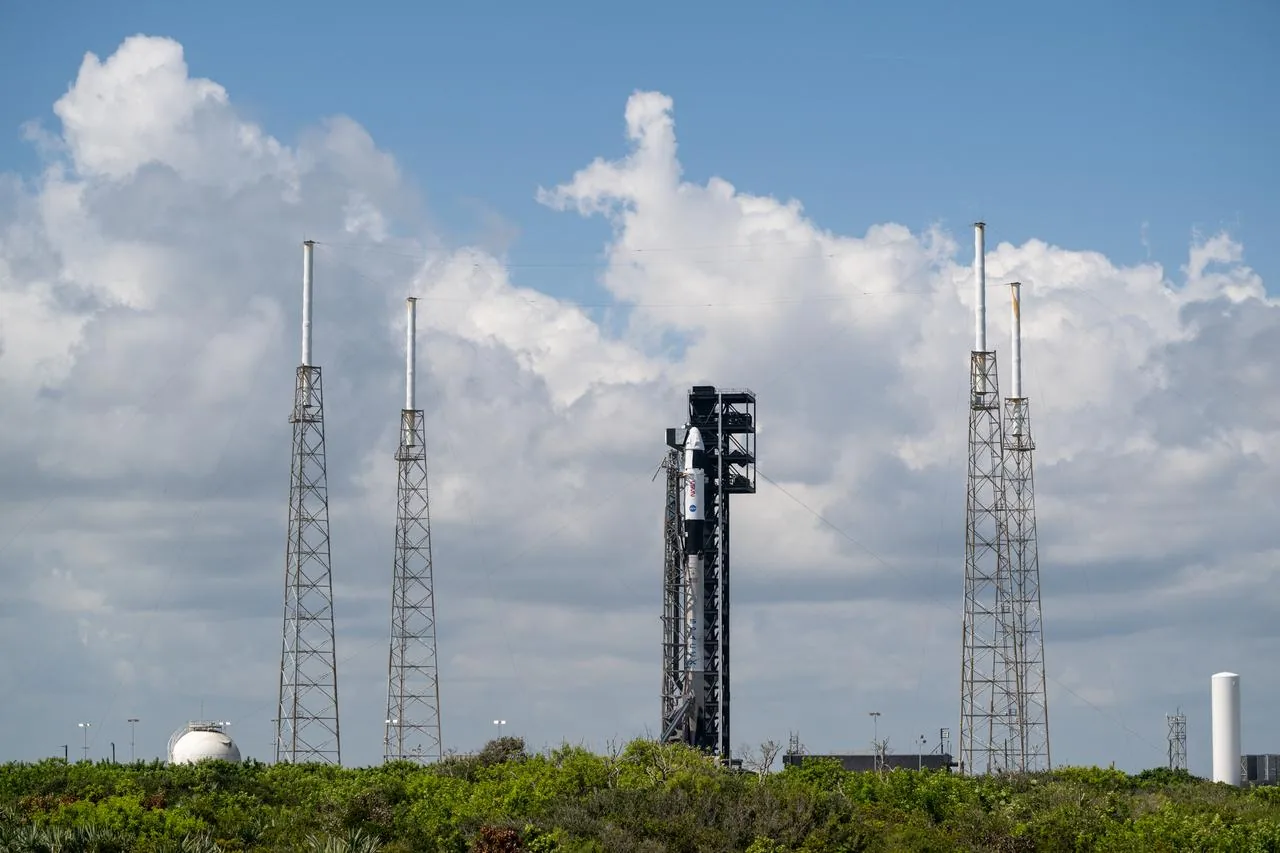
On February 22, 2024, Intuitive Machines' Odysseus lander (the IM-1 mission) touched down near the Malapert A crater in the Moon's south pole region. It was not a perfect landing -- the spacecraft tipped onto its side after catching a foot on the surface -- but it was a landing. The first American spacecraft to reach the lunar surface in over 50 years.
Let that sink in. The last time a U.S.-built vehicle landed on the Moon was Apollo 17 in December 1972. For over half a century, the most powerful spacefaring nation on Earth did not land a single spacecraft on the Moon. Intuitive Machines, a Houston-based company with a few hundred employees, ended that drought.
Despite the tipover, Odysseus operated for about seven days, returning data and images from near the lunar south pole. The mission flew under NASA's Commercial Lunar Payload Services (CLPS) program, which funds private companies to deliver science instruments and technology demonstrations to the Moon. Intuitive Machines has follow-up missions planned, including IM-2 (targeting the south pole with a drill to search for water ice) and IM-3.
This is exactly what CLPS was designed to do: create a commercial lunar delivery service where companies take on the engineering risk and NASA buys the ride. Not every mission will succeed, but the ones that do are building a new American capability on the Moon.
Astrobotic: Learning from Failure
Astrobotic's Peregrine lander, the first CLPS mission to launch, had a much rougher experience. After launching on the inaugural United Launch Alliance Vulcan Centaur rocket on January 8, 2024, Peregrine developed a propulsion system leak shortly after separation. The spacecraft was unable to maintain attitude control and could not attempt a lunar landing. After several days of improvised operations that squeezed out what data they could, Peregrine was directed to burn up in Earth's atmosphere on January 18.
It was a painful loss, both for Astrobotic and for the payload customers who had instruments aboard. But the CLPS program was specifically designed with the understanding that some missions would fail. The commercial approach accepts higher risk on individual missions in exchange for lower costs and faster development cycles. Astrobotic's Griffin lander, a larger vehicle designed to deliver NASA's VIPER rover (before VIPER was cancelled), is still in development. The company will fly again.
Axiom Space: Building Tomorrow's Station
Axiom Space is doing something no private company has done before: building a commercial space station. The company's plan is to attach modules to the International Space Station starting in 2026, then eventually detach them to form a free-flying commercial station in low Earth orbit.
In the meantime, Axiom has been flying private astronaut missions to the ISS. Through Ax-1, Ax-2, and Ax-3, the company has sent crews of private astronauts and international partner astronauts to the station, conducting research and demonstrating that commercial operations on the ISS are viable. Axiom is also developing the next-generation lunar spacesuit (AxEMU) for NASA's Artemis program, winning a contract that could be worth up to $3.5 billion.
Sierra Space: The Dream Chaser Finally Flies
Sierra Space's Dream Chaser spaceplane has been in development for what feels like an eternity, but it is finally approaching its first flight. The winged, reusable vehicle is designed to carry cargo (and eventually crew) to the ISS and future commercial space stations, landing on conventional runways like a small space shuttle.
The first Dream Chaser vehicle, named Tenacity, is contracted for cargo delivery missions to the ISS under NASA's Commercial Resupply Services 2 program. Its first flight has been anticipated for 2024-2025. Having a winged vehicle that can return cargo intact from orbit fills a real gap -- currently, only SpaceX's Crew Dragon can return significant payloads from the ISS.
Relativity Space: Rethinking Manufacturing
Relativity Space took one of the most audacious bets in the industry: 3D-printing entire rockets. The company's first vehicle, Terran 1, flew in March 2023 and reached Max-Q but did not achieve orbit due to an upper stage failure. Rather than iterating on Terran 1, Relativity pivoted entirely to Terran R, a larger, fully reusable rocket designed to compete in the medium-lift market.
Terran R is an ambitious vehicle that aims to combine Relativity's 3D-printing manufacturing expertise with full reusability. The company has secured contracts with OneWeb, Iridium, and other customers. Whether Relativity can execute on this pivot will be one of the most interesting stories to watch over the next few years.
Firefly Aerospace: The Quiet Achiever
Firefly Aerospace has been quietly building a credible launch business with its Alpha rocket, which achieved orbit in late 2022 and has been flying commercial missions since. The company also has a fascinating lunar connection: Firefly is developing the Blue Ghost lunar lander under the CLPS program, with a first mission planned to deliver NASA payloads to the Moon.
Based in Cedar Park, Texas, Firefly has also partnered with Northrop Grumman to develop the Medium Launch Vehicle (MLV), a larger rocket that would fill the gap between small launch vehicles and heavy-lift rockets. It is a company that does not generate as many headlines as SpaceX or Blue Origin but is steadily building real capabilities.
iSpace: Japan's Lunar Startup
Japanese company iSpace is pursuing an ambitious plan to build a lunar transportation business. The company's first mission, HAKUTO-R M1, came agonizingly close to landing on the Moon in April 2023 before crashing during the final descent due to a software error that caused the lander to misjudge its altitude. iSpace has a second mission (M2) planned with an improved lander and a small rover, and the company's long-term vision includes regular cargo delivery to the lunar surface.
The iSpace story illustrates a broader trend: lunar landing is hard, and most first attempts fail. But the companies that persist, learn from their failures, and fly again are the ones that will ultimately build the infrastructure for a sustained human presence on the Moon.
The Big Picture
What I find most remarkable about this moment is the sheer number of companies doing serious work in space. A decade ago, you could count the significant commercial space companies on one hand. Today, there are dozens -- building rockets, landers, space stations, habitats, satellite constellations, and support infrastructure.
Not all of them will survive. Some will run out of funding, fail to deliver on their promises, or be absorbed by larger competitors. That is normal and healthy for a maturing industry. But the overall trend is clear: space exploration is no longer the exclusive domain of governments. It is an industry, with customers, competitors, supply chains, and -- crucially -- revenue.
The missions of 2024 demonstrated this beyond any doubt. A private company landed on the Moon. Another private company conducted the first commercial spacewalk. A startup's rocket caught itself with mechanical arms. These are not incremental steps. They are transformational achievements that are rewriting the rules of what is possible in space.
We are living through the most exciting period in space exploration since the Apollo era. The difference is that this time, it is not just one agency or one country leading the way. It is an entire ecosystem of companies, each bringing their own vision, their own technology, and their own determination to push further. The frontier has never been more open.