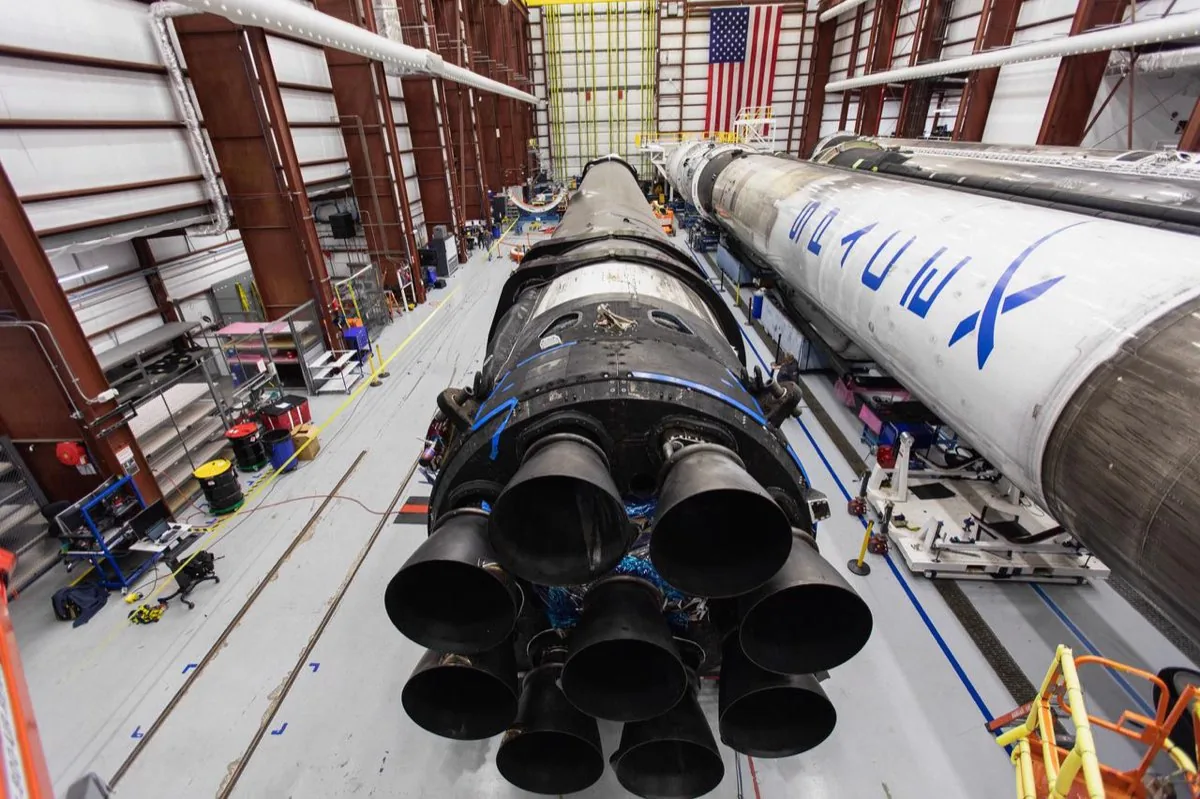
On September 12, 2024, a hatch opened on a SpaceX Dragon capsule orbiting 460 miles above Earth, and Jared Isaacman floated into the void. No space agency had sent him. No government program had trained him. He was a billionaire entrepreneur who had funded the mission himself, wearing a brand-new spacesuit that had never been tested in the vacuum of space, and he was about to become the first private citizen ever to conduct a spacewalk.
It was, by any measure, one of the most audacious moments in the history of human spaceflight. And it worked.
The Polaris Program
To understand Polaris Dawn, you need to understand Jared Isaacman. The founder of Shift4 Payments, Isaacman is an accomplished pilot who set a speed record for a round-the-world flight in a light jet. He funded and commanded the Inspiration4 mission in September 2021, which sent four private citizens into orbit aboard a Dragon capsule for three days -- the first all-civilian orbital mission in history.
But Inspiration4 was just the beginning. Isaacman announced the Polaris program as a series of up to three missions, each pushing the boundaries of what commercial spaceflight could achieve. Polaris Dawn was the first, and it was designed to break records.
The crew was compact and carefully chosen: Isaacman as mission commander, Scott "Kidd" Poteet (a retired Air Force pilot and Isaacman's close friend) as pilot, and two SpaceX engineers -- Sarah Gillis and Anna Menon -- as mission specialists. Gillis and Menon were not just passengers; they were deeply embedded in SpaceX's astronaut training and mission operations programs. Menon, a biomedical engineer, had previously worked at NASA supporting ISS operations.
Higher Than Anyone in Decades

Before the spacewalk even began, Polaris Dawn had already made history. The mission's trajectory carried the crew to an apogee of approximately 1,400 kilometers (870 miles) above Earth -- the highest any humans had traveled since the Apollo program's Gemini 11 mission in 1966. At that altitude, the crew passed through portions of the Van Allen radiation belts, and one of the mission's key scientific objectives was measuring the radiation exposure on both the crew and the spacecraft.
This was not a stunt. Understanding how radiation affects humans and equipment at these altitudes is essential data for future missions beyond low Earth orbit -- to the Moon, to Mars, and beyond. Every reading, every data point collected during those high-altitude passes feeds into the knowledge base that will protect future explorers.
A New Kind of Spacesuit
Perhaps the most consequential achievement of Polaris Dawn was the debut of SpaceX's extravehicular activity (EVA) suit. Until this mission, only two organizations in the world had ever built spacesuits used for spacewalks: NASA and Roscosmos. The Chinese space agency had developed their Feitian suits for their own program, but the club was vanishingly small. SpaceX became only the fourth entity to put a human into the vacuum of space in their own suit design.
The suit itself represented a fundamental rethinking of EVA suit philosophy. Traditional NASA EVA suits -- the Extravehicular Mobility Units (EMUs) used on the ISS -- are essentially miniature spacecraft. They weigh about 275 pounds, take hours to don, and require extensive pre-breathe protocols to avoid decompression sickness. They are marvels of engineering, but they are also enormously complex, expensive, and difficult to maintain.
SpaceX's approach was different. Their EVA suit evolved from the intravehicular (IVA) suits already worn by Dragon crew members during launch and reentry. It features a helmet with a heads-up display (HUD) that provides real-time suit telemetry, advanced thermal management, and a visor system with multiple layers of protection against micrometeoroids and solar radiation. The suit is lighter, more mobile, and designed from the start for eventual mass production.
The trade-off is that the SpaceX suit is not a standalone system in the way NASA's EMU is. During the Polaris Dawn EVA, the entire Dragon cabin was depressurized -- all four crew members were exposed to vacuum, not just the two who exited the vehicle. This means the suit relies on the spacecraft for certain life support functions. But for many commercial applications, that trade-off makes sense, and the suit's design philosophy points toward a future where spacewalks are routine rather than extraordinary.
The Spacewalk Itself
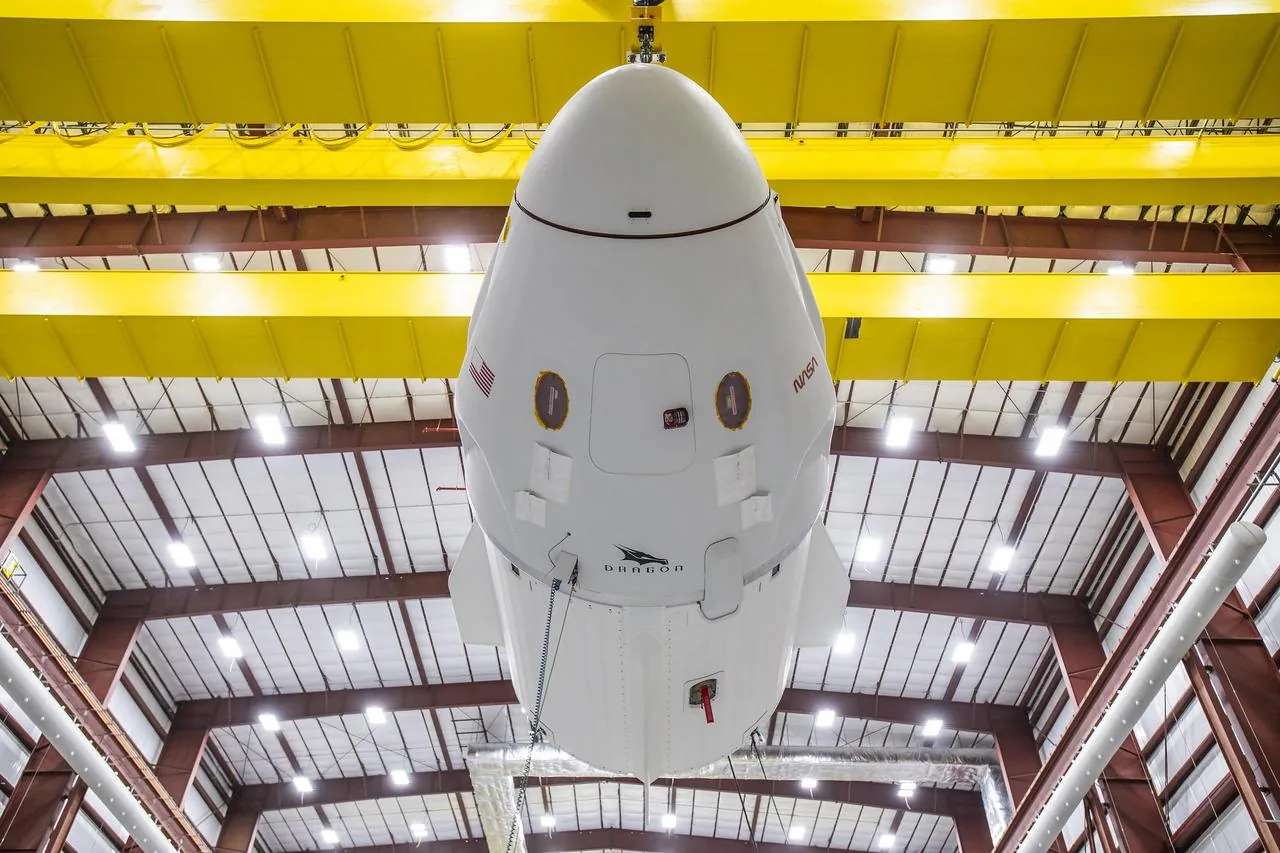
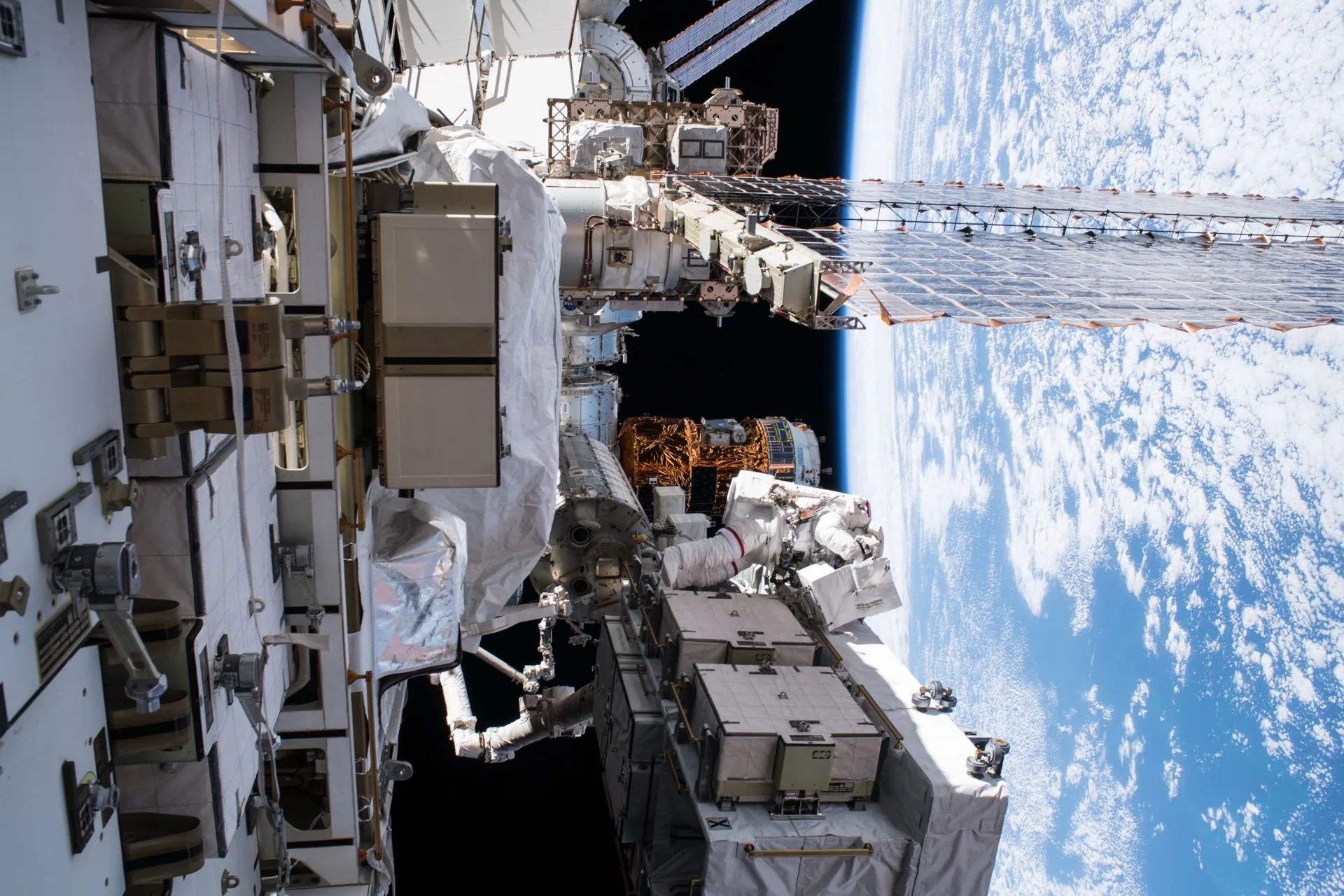
The EVA was carefully choreographed. Isaacman exited first, using a structure SpaceX called "Skywalker" -- a mobility aid mounted at the Dragon's hatch that allowed the spacewalker to move through a series of planned hand and body movements to test the suit's range of motion and thermal performance.
Isaacman spent about ten minutes outside, methodically working through test protocols while the crew and SpaceX mission control monitored every parameter. Then he returned inside, and Sarah Gillis took her turn, becoming one of the first SpaceX employees -- and one of the first women -- to conduct a commercial spacewalk.
The entire EVA lasted roughly two hours from depressurization to repressurization, with actual time outside the vehicle totaling about fifteen to twenty minutes per person. By the standards of ISS spacewalks, which routinely last six to eight hours, it was brief. But as a proof of concept, it was seismic.
Starlink Laser Links from Space
Polaris Dawn carried another first: the crew tested Starlink laser-based communication directly from the Dragon capsule. SpaceX's Starlink constellation uses inter-satellite laser links to route data across its network, and demonstrating that a crewed spacecraft could tap into this network has profound implications.
Traditional space communications rely on NASA's Tracking and Data Relay Satellite System (TDRSS) or ground station networks, both of which have bandwidth limitations and coverage gaps. If future crewed vehicles can communicate via Starlink, it opens the possibility of continuous, high-bandwidth connectivity for astronauts -- essentially broadband internet in orbit. The crew even conducted a video call using the system, a simple demonstration that hinted at a transformative capability.
What It Means for the Future
Polaris Dawn matters far beyond its own mission timeline. It demonstrated that a private company can design, build, and operate spacewalk-capable hardware. It showed that commercial astronauts can perform EVA tasks safely. It proved that SpaceX's iterative, cost-conscious engineering philosophy can be applied to one of the most demanding challenges in human spaceflight.
Consider what this enables. If spacewalks become cheaper and more accessible, then on-orbit servicing of satellites, construction of large space structures, and maintenance of commercial space stations all become more economically viable. The entire architecture of how we operate in space shifts when EVA is no longer a rare, government-exclusive capability.
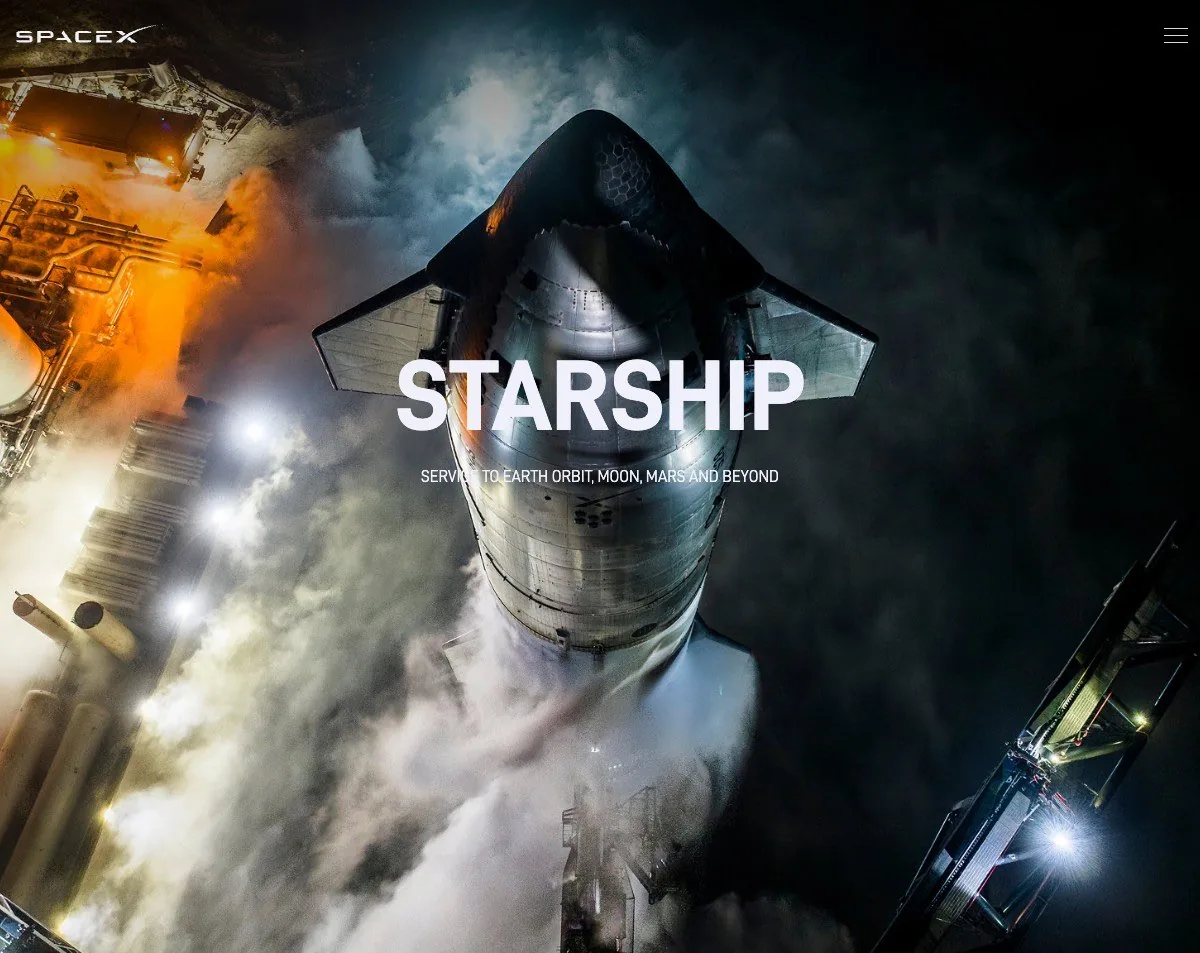
The Polaris program is not finished. Future missions are expected to push even further, potentially involving SpaceX's Starship vehicle. Isaacman has been explicit that the program's ultimate goal is to advance the technologies needed for long-duration human spaceflight, with Mars as the eventual destination.
The Courage to Open the Hatch
There is something deeply human about what happened on September 12, 2024. A person chose to open a door and step into nothing -- into vacuum, into radiation, into the most hostile environment human beings have ever encountered -- not because a government ordered them to, but because they believed it mattered.
Every spacewalk in history has been an act of extraordinary courage, from Alexei Leonov's harrowing first EVA in 1965 to the marathon construction walks that built the ISS. Polaris Dawn added a new chapter to that story, one written not by national space agencies but by private citizens who looked at the boundary of what was possible and decided to push it further.
The hatch is open. The path forward is clear. And the era of commercial spacewalks has begun.