newsJuly 10, 2026
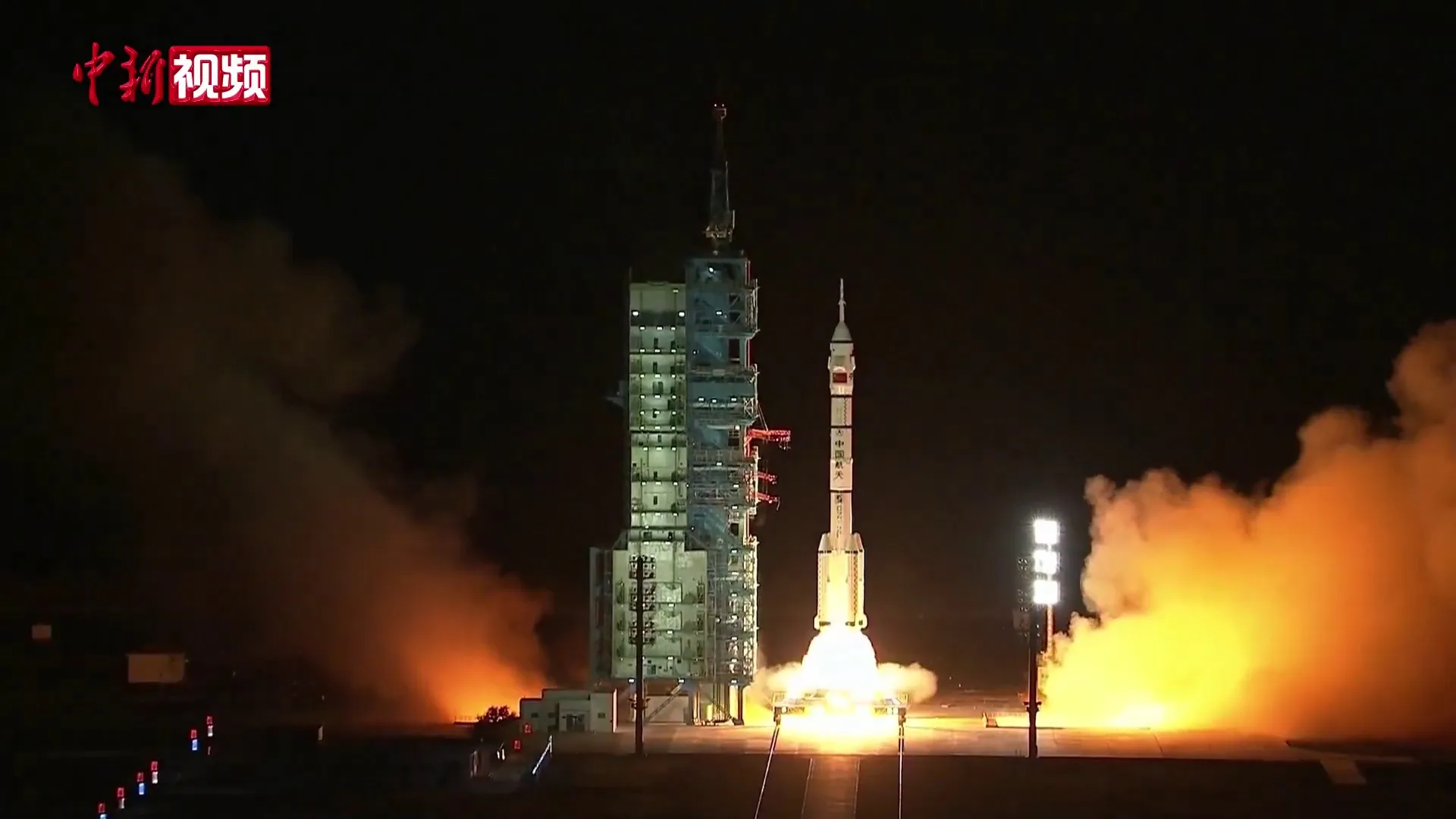
Guowang vs Qianfan: Inside China's Megaconstellation Answer to Starlink
China's answer to Starlink: two vast LEO constellations, Guowang and Qianfan. Inside the deployment, the Long March launch bottleneck, and the orbital stakes.
China's answer to Starlink: two vast LEO constellations, Guowang and Qianfan. Inside the deployment, the Long March launch bottleneck, and the orbital stakes.
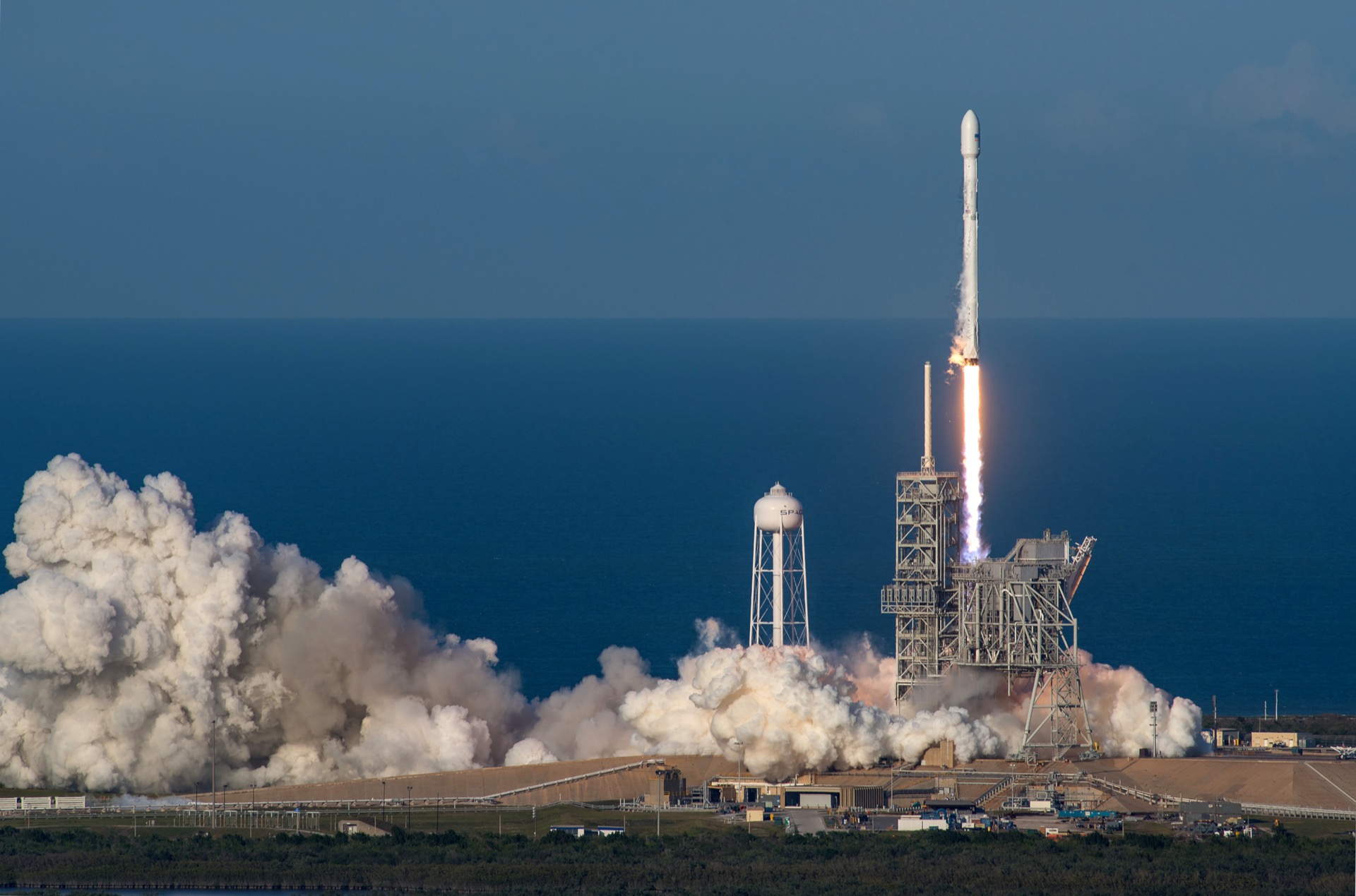
SpaceX's $75 billion Nasdaq debut is the largest IPO in history. Inside the record SPCX listing, the analyst valuation war, and what Elon Musk plans next.
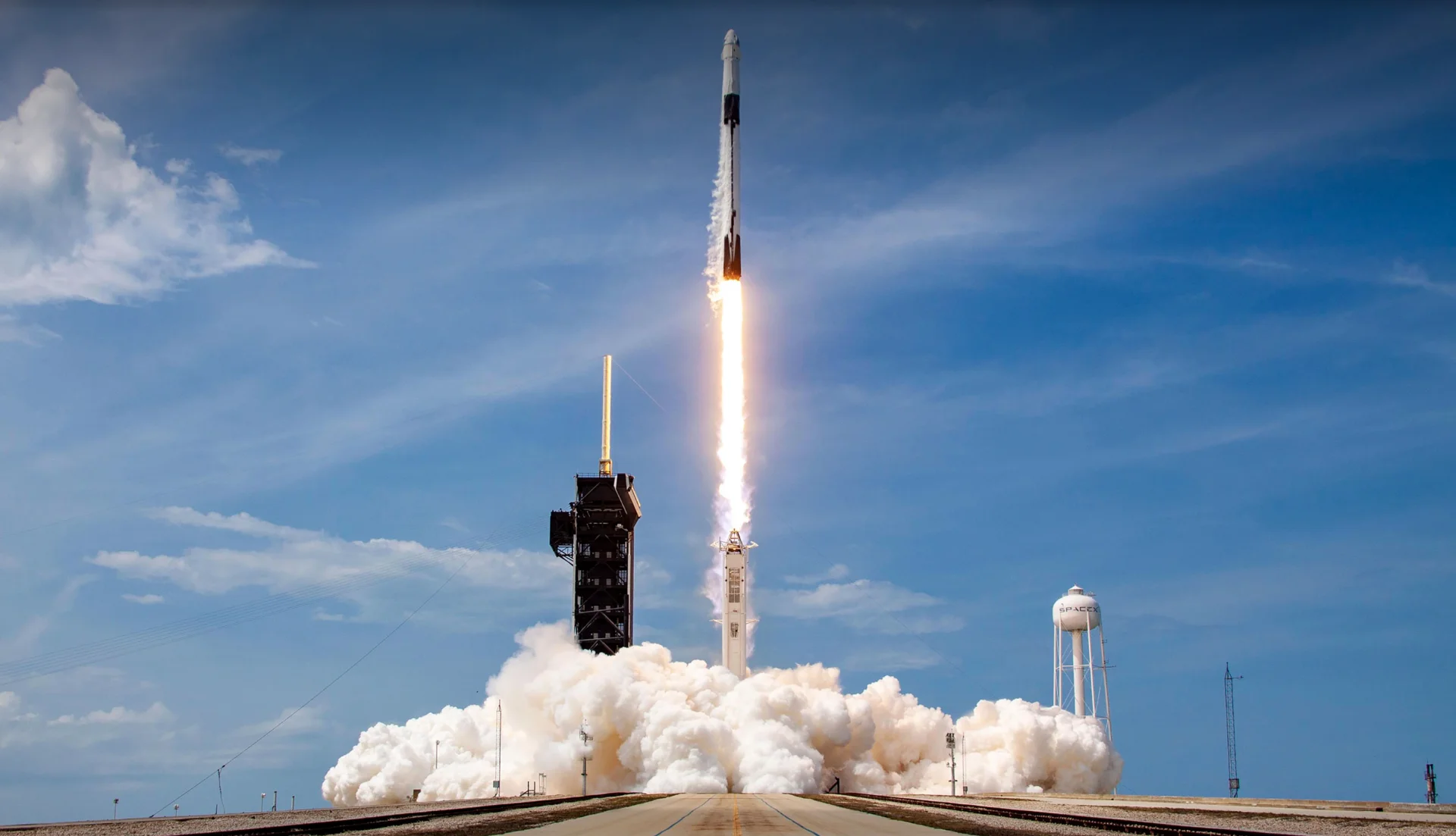
The institutional thesis on SpaceX at $1.75–2.0 trillion. We build the full sum-of-the-parts across Launch Services, Starlink, Starshield, and Dragon, weigh the bull case against the bear case with explicit probability weights, and route to four supporting deep dives — Valuation & Secondary Markets, Starship Economics, Government Contract Risk, and Starlink Unit Economics.
SpaceX trades at ~$1.51T on Forge Global and $1.86T-implied on Hiive as of May 12-13, 2026. Project Apex — the codename for the confidentially filed IPO — targets $1.75-2T. We build the SOTP, walk the comparable multiples, and explain why a $350B Sacra mark and an $800B December tender now coexist with bank desks pitching $2T.
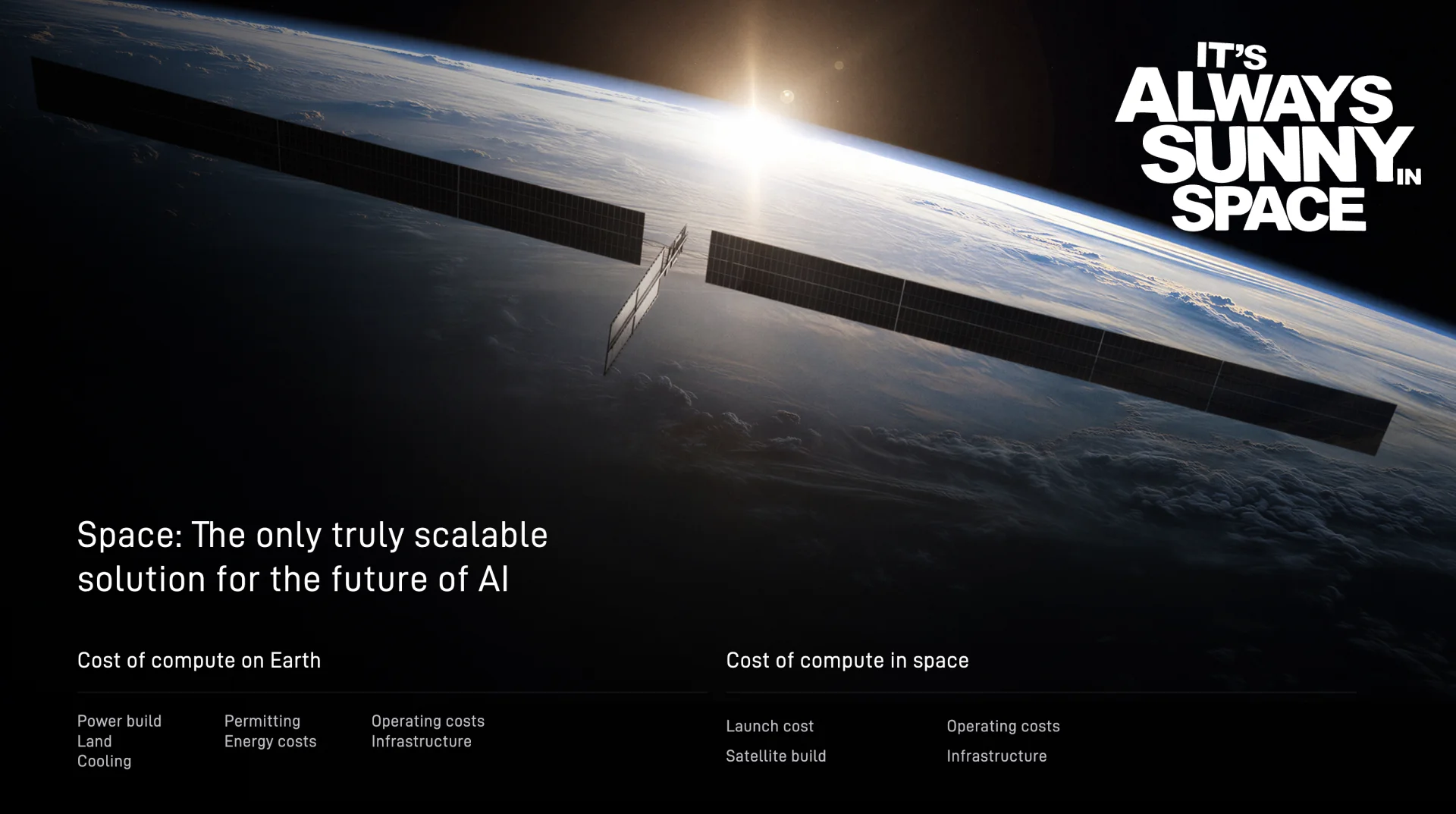
Starlink's 60-70% EBITDA margin is either the most defensible moat in telecom or the most temporary. This is the model behind the number: per-satellite CapEx by generation, ARPU segmented across five customer tiers, $/Mbps math versus fiber and GEO, churn dynamics, Direct-to-Cell take-rate sensitivity, and regional capacity vs demand. The unit economics either survive Amazon Leo and OneWeb pressure or they don't.
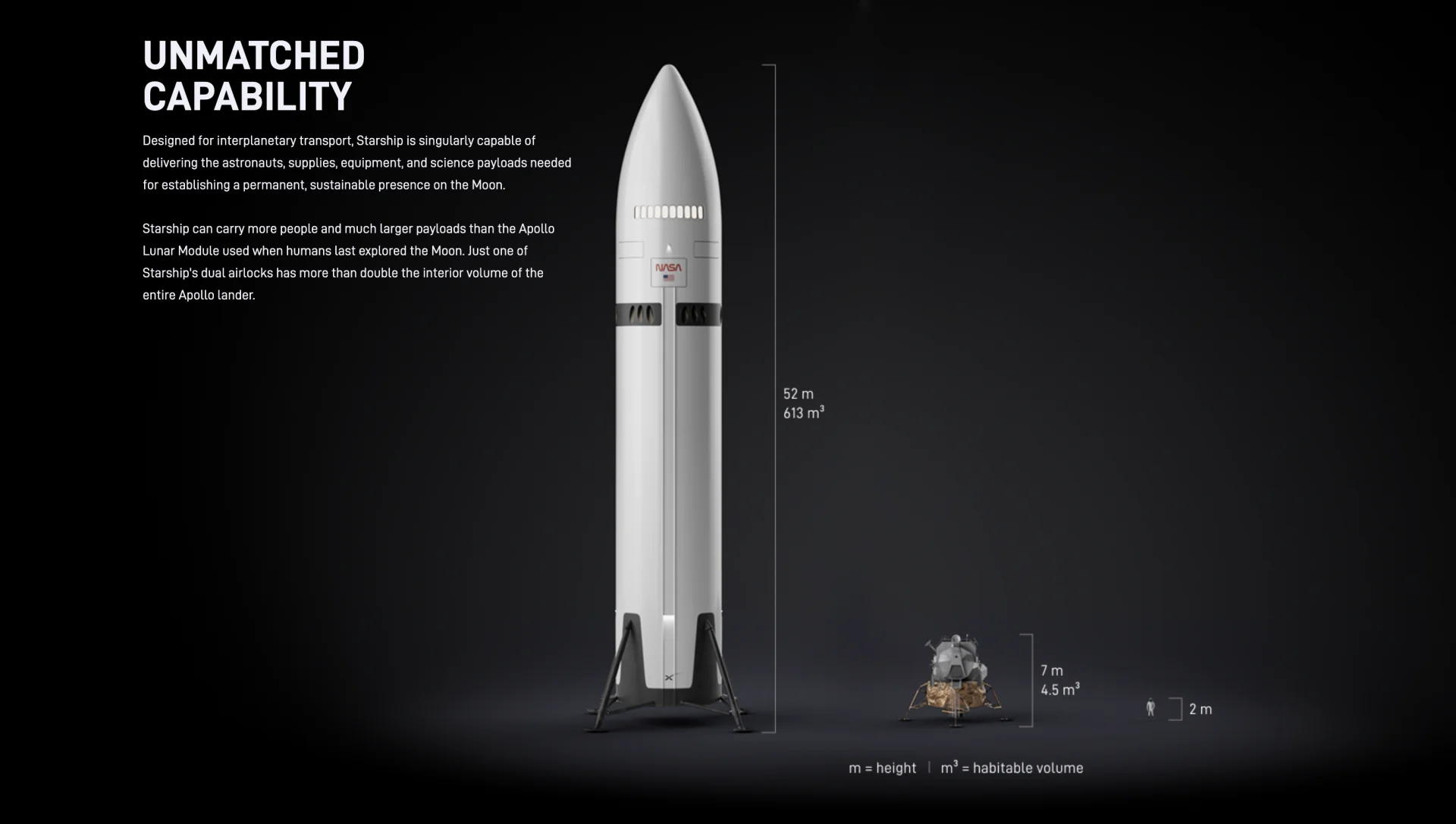
Starship caught its booster mid-air and survived re-entry. Here's what comes next: Starlink launches, Artemis HLS, and the first steps toward Mars.

Four companies are spending $50B+ to blanket Earth with satellite internet. Only one or two will dominate. Here's how each stacks up on technology, financing, customers, and long-term viability.
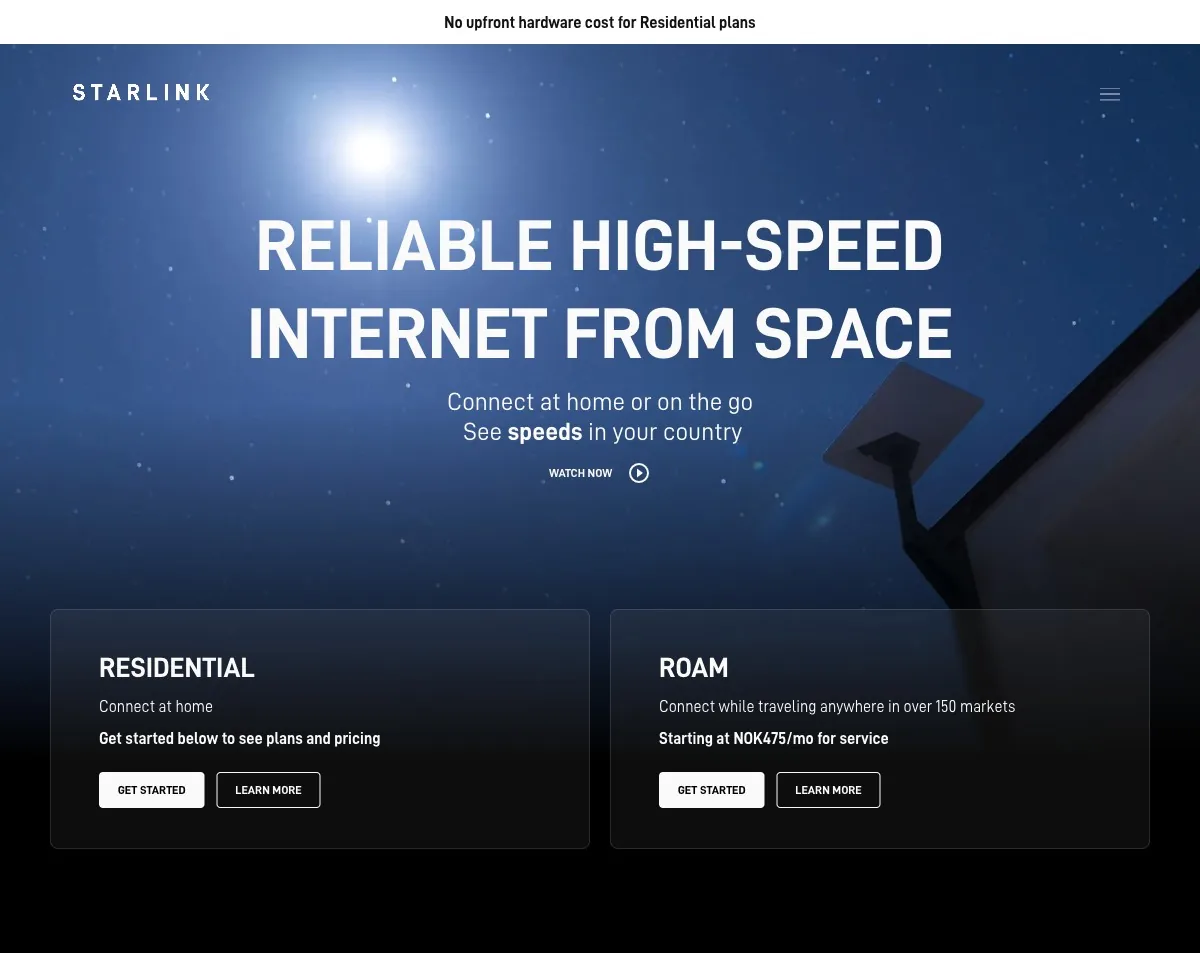
Starlink generates an estimated $10-12 billion annually and may be worth more than the rest of SpaceX combined. Here's a full investor breakdown of subscriber growth, ARPU, competitive moat, and IPO timeline.

Amazon's $11.57B Globalstar acquisition reshapes the direct-to-cell satellite market. Inside the deal, the Apple bonus, and how Amazon Leo stacks up against Starlink and AST SpaceMobile.
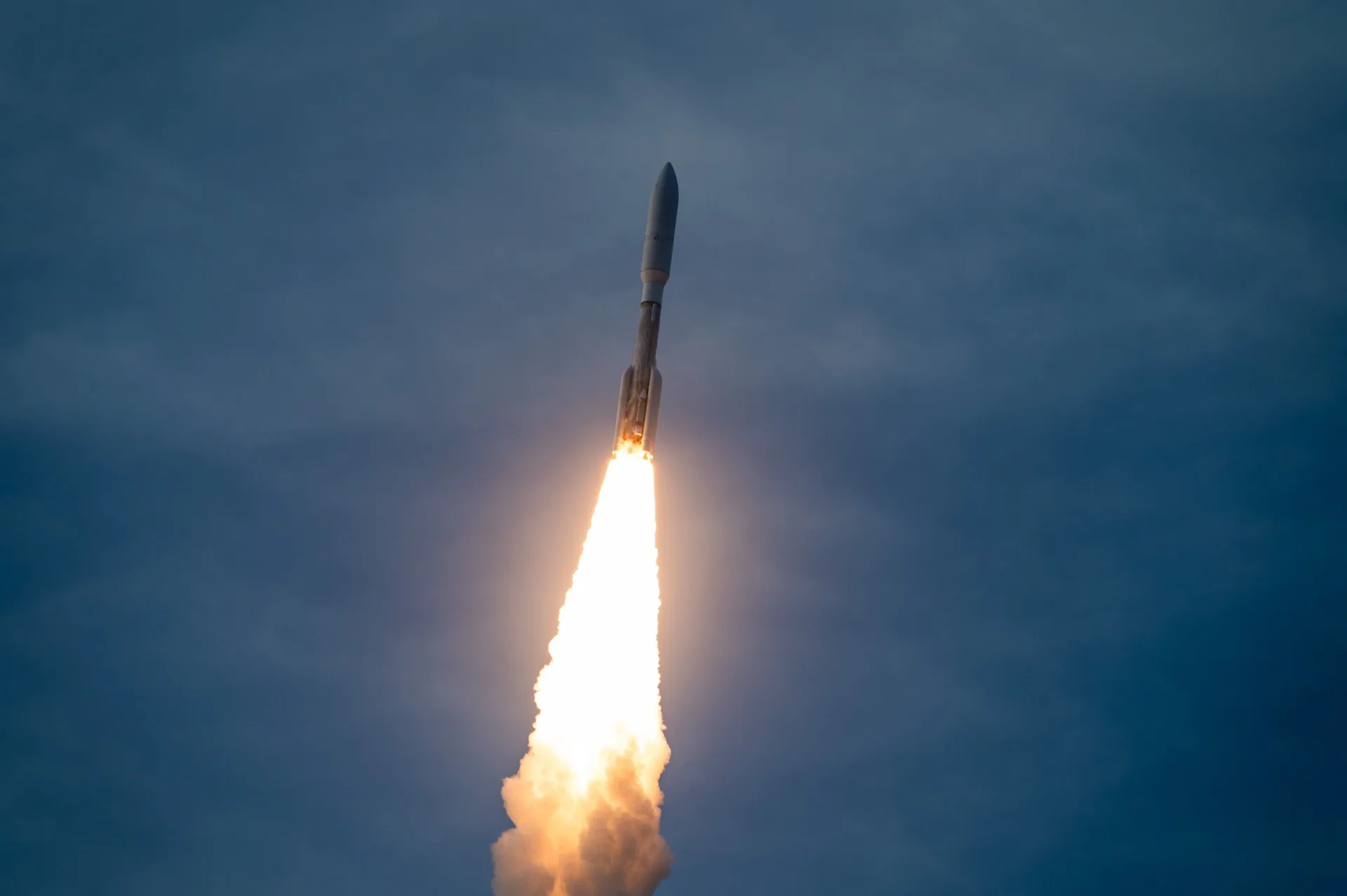
Amazon's $10B Project Kuiper rebrands as Amazon Leo: 241 satellites in orbit, 3,200 committed, an FCC deadline, and a head-on race with Elon Musk's Starlink.
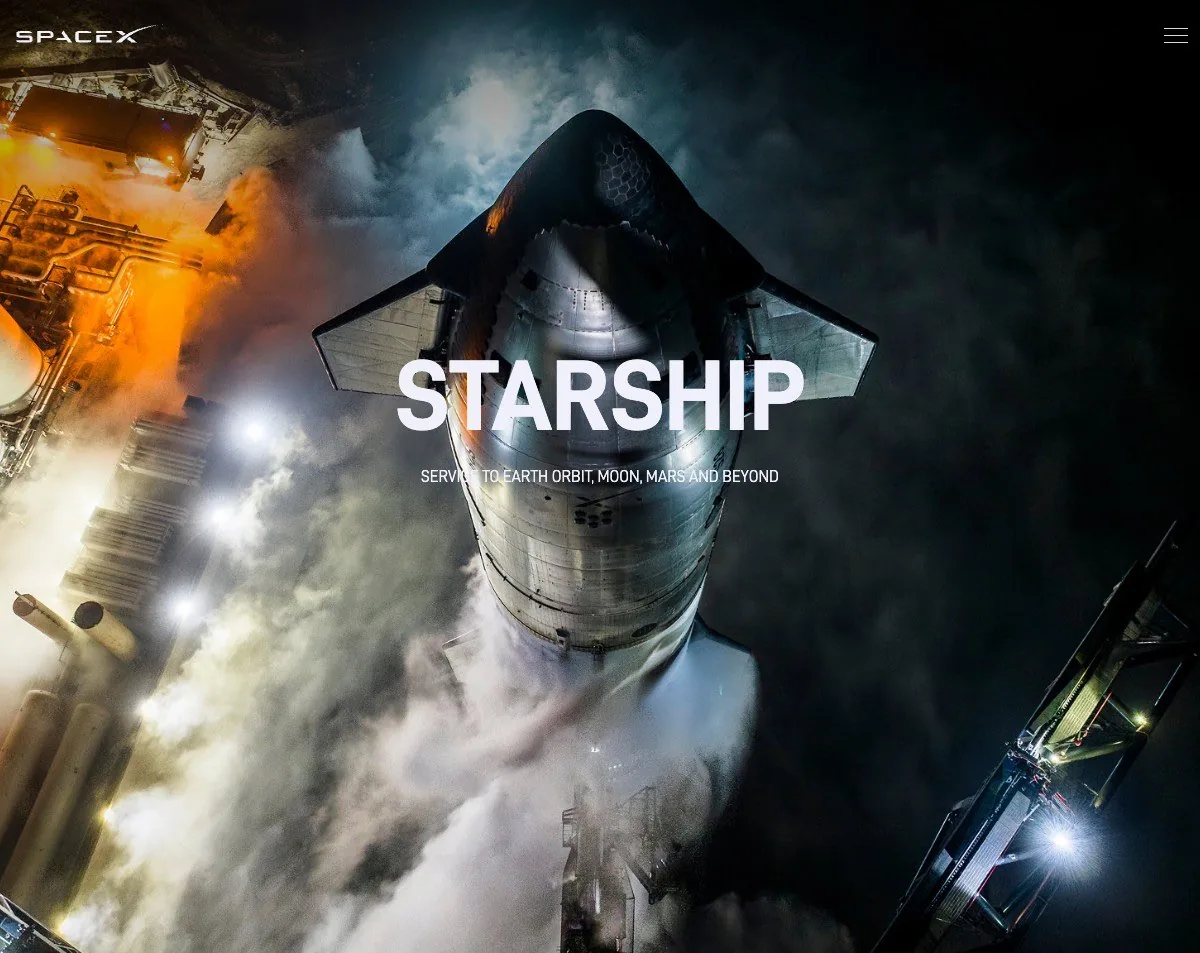
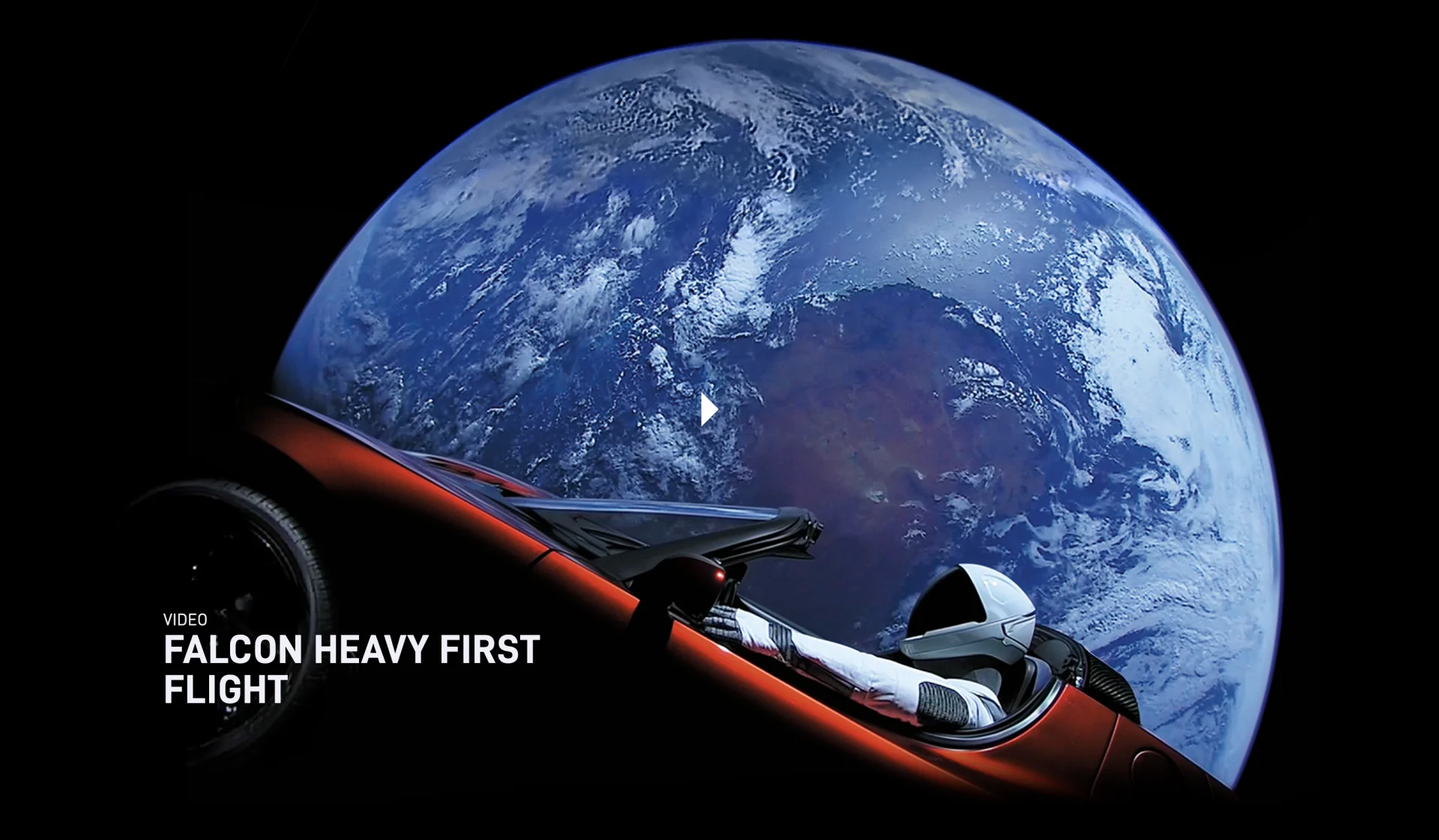
SpaceX today: a ~$1.25 trillion combined valuation post-xAI, 165 launches in 2025, Starship Block 3 incoming, Starlink at 10M+ subscribers, and an IPO on the runway.
Compare the major LEO mega-constellations in 2026: Starlink, Eutelsat OneWeb, Amazon Kuiper, China's Guowang and Qianfan — satellites deployed, altitude, target size, status.
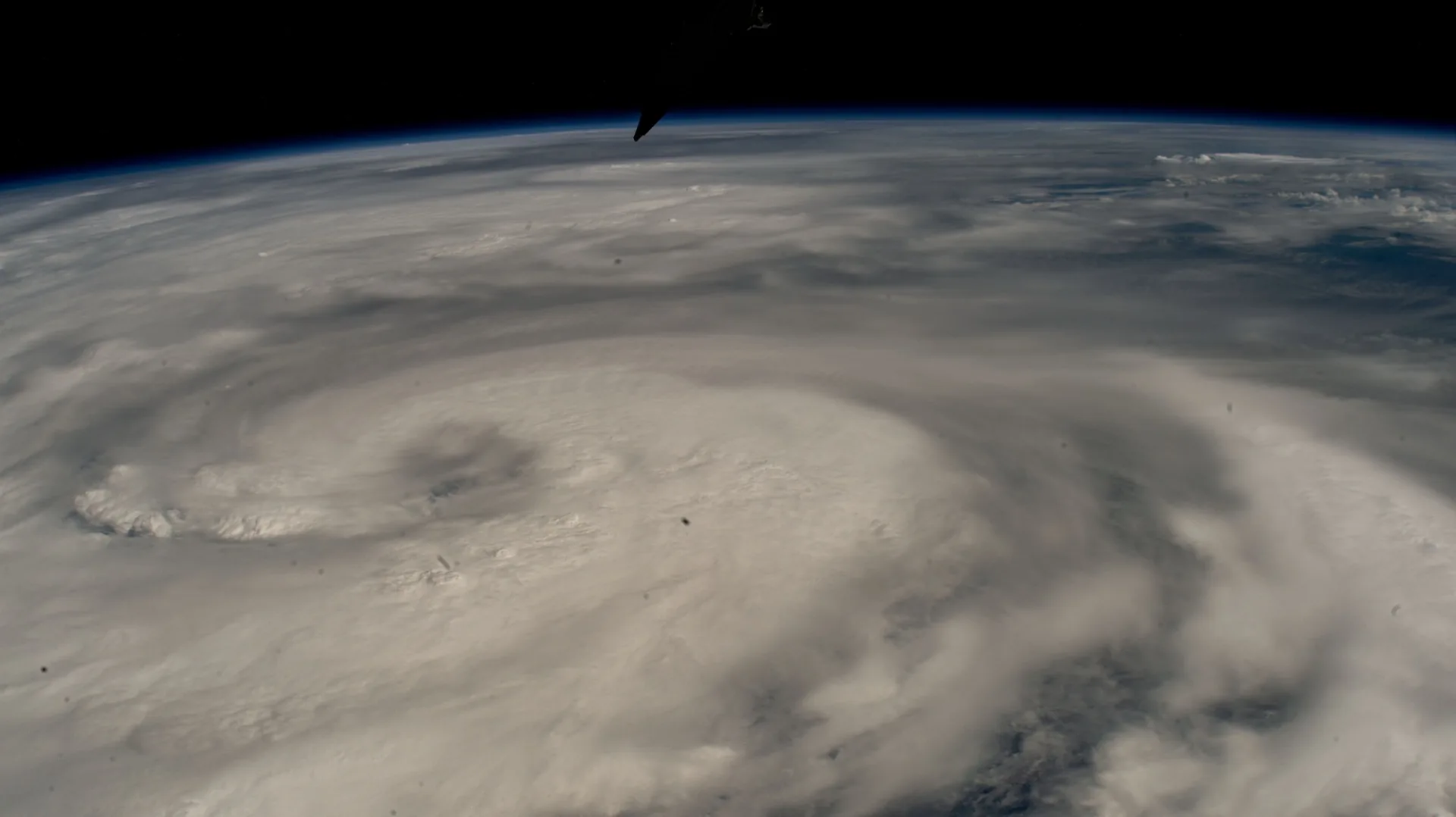
How SAR satellites, the International Disaster Charter, and Starlink reshape emergency response — from the 2023 Turkey earthquake to wildfire and flood
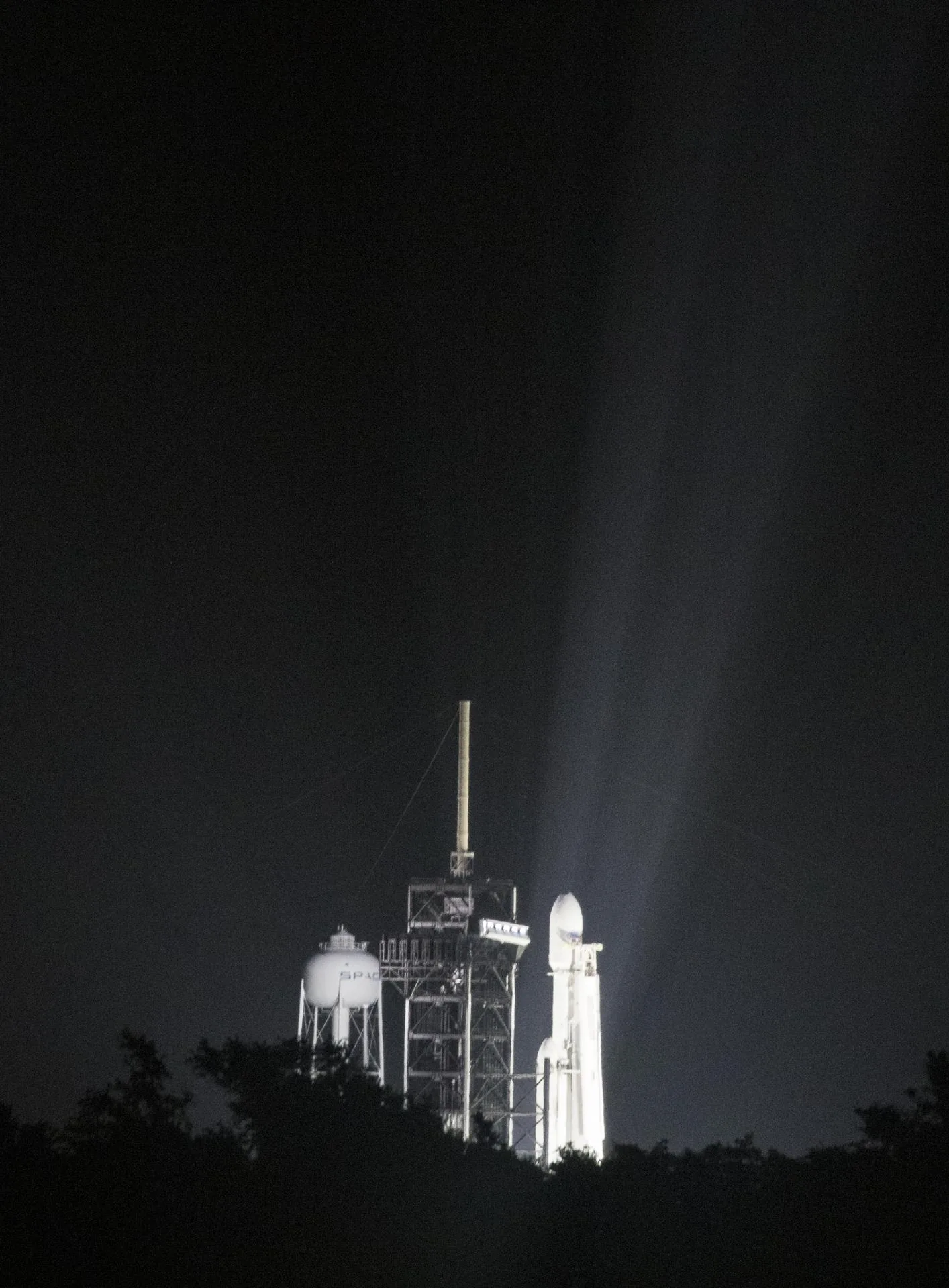
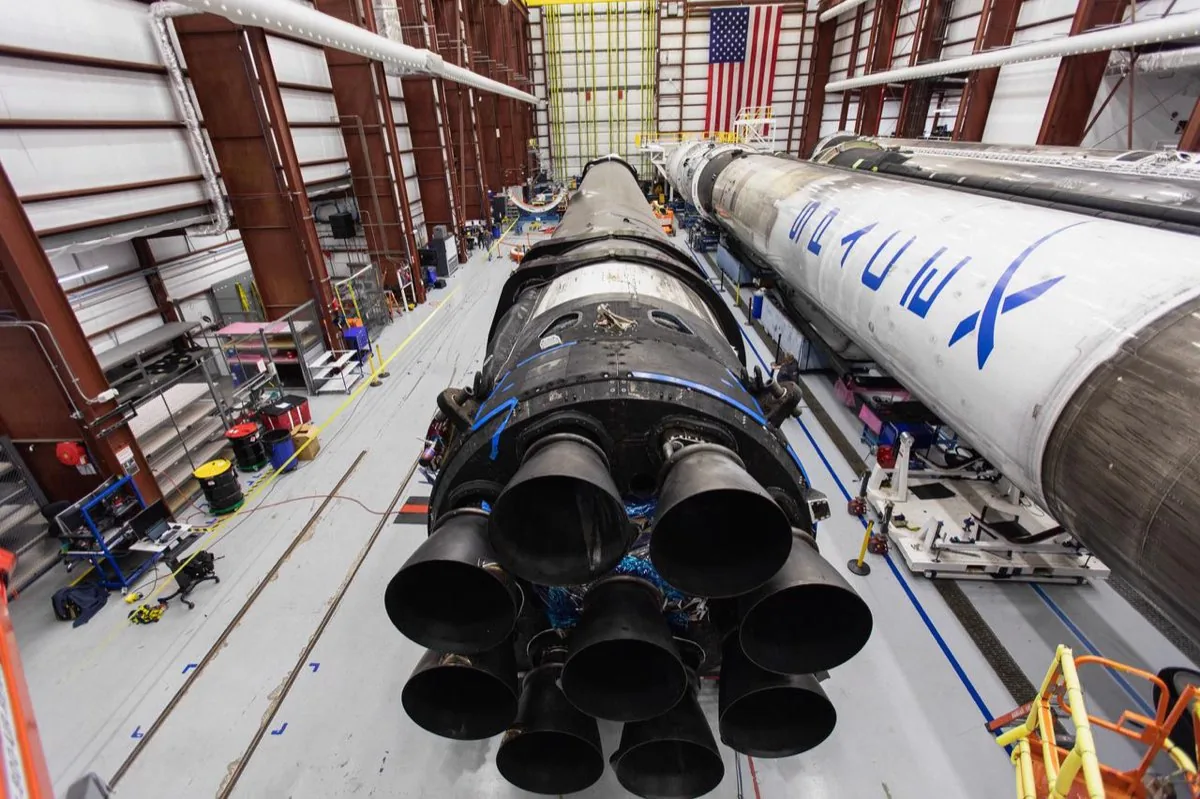
SpaceX has flown 675+ Falcon launches by mid-2026, flew Polaris Dawn, and is testing Starship. How reusable rockets and Starlink reshaped global
Starlink Direct-to-Cell connects unmodified phones to satellites via the T-Mobile partnership, ending dead zones across 500,000 sq miles of the US. How it
When Iridium 33 and Cosmos 2251 collided in 2009, they made 2,000+ debris pieces. Who pays? The 1972 Liability Convention, FCC rules, and the unresolved
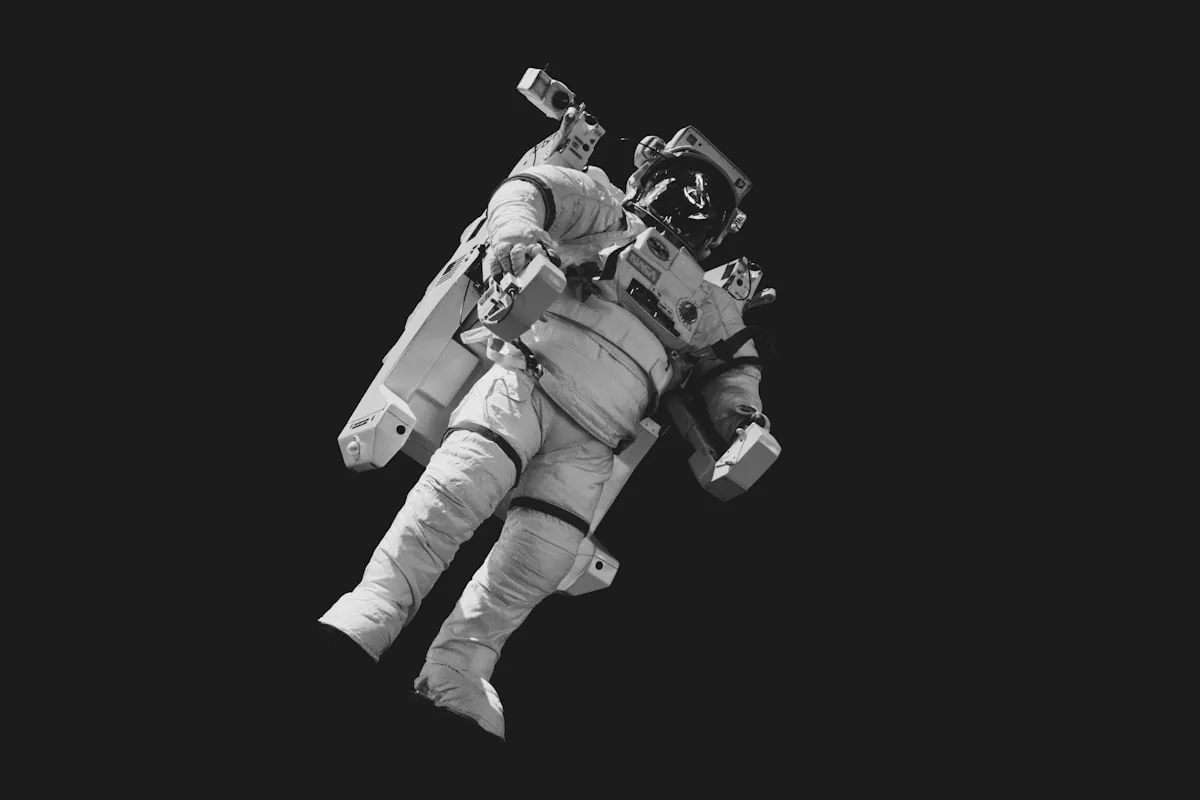
On Sept 12, 2024, Jared Isaacman opened a Dragon hatch 460 miles up — the first private spacewalk. The mission, the new SpaceX EVA suit, and the Polaris