The most transformative companies in the space industry are not on any stock exchange. They are private, venture-backed, and in many cases building technology that did not exist five years ago. From SpaceX's $350 billion juggernaut to scrappy asteroid mining startups operating on seed funding, the private space ecosystem in 2025 spans an extraordinary range of ambition, capital, and risk.
This guide profiles the 15 most valuable and significant private space companies, covering their valuations, products, key milestones, and investor profiles. If you want to understand where the space industry is actually heading, rather than where it has been, this is the list that matters.
1. SpaceX
Valuation: $350 billion+ (as of late 2024 tender offer) | Founded: 2002 | Headquarters: Hawthorne, California What They Build: Falcon 9 and Falcon Heavy launch vehicles, Dragon crew and cargo spacecraft, Starship super heavy-lift launch system, Starlink satellite broadband constellation
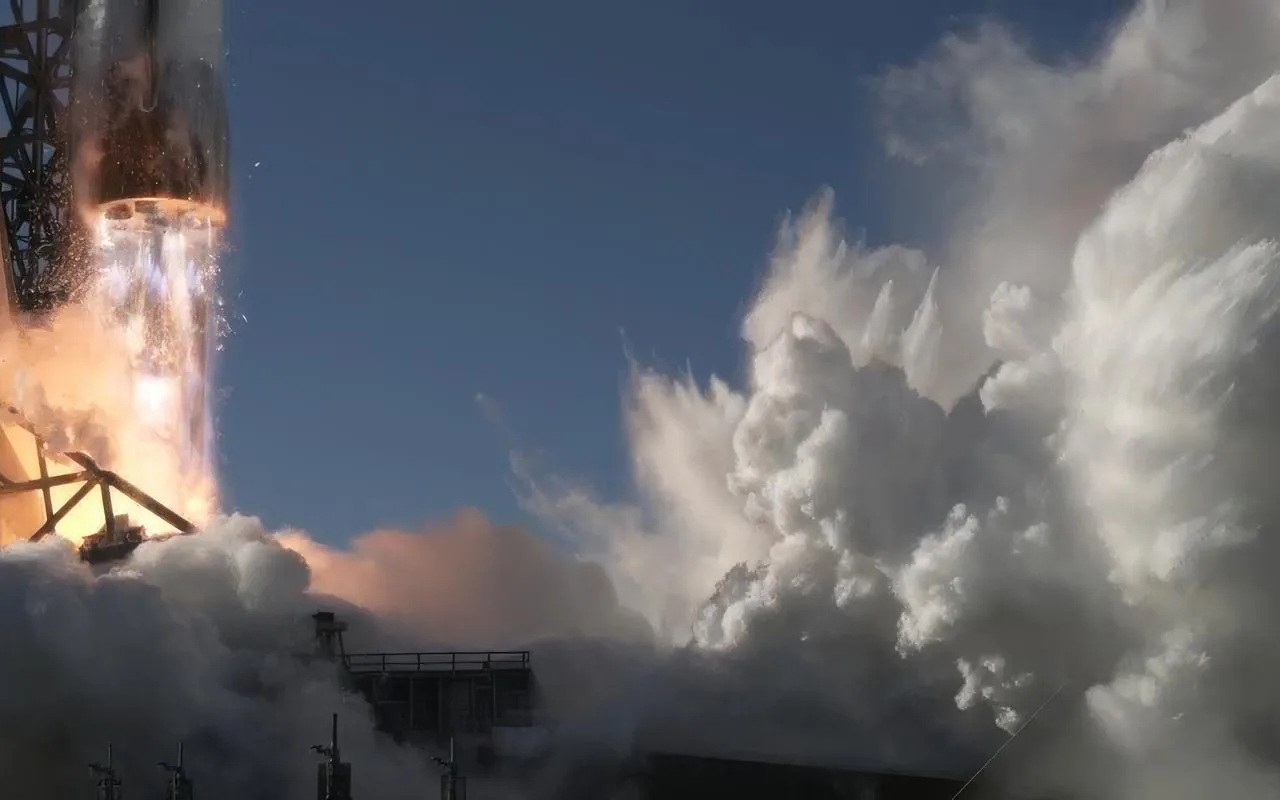
SpaceX is not merely the most valuable private space company. It is the most valuable private company in the world by most measures, surpassing $350 billion in its latest secondary share sale. The company launched over 100 Falcon 9 missions in 2024 alone, capturing roughly 65% of global commercial launch mass to orbit. Starlink has surpassed 4 million subscribers across 75+ countries, generating an estimated $6.6 billion in annual revenue. The Starship program, the fully reusable super heavy-lift vehicle intended for lunar landings and Mars colonization, achieved its first successful booster catch in October 2024.
Key Milestone: Successful Starship booster catch at Starbase (October 2024), demonstrating the feasibility of full reusability for a super heavy-lift vehicle. Investor Profile: Founders Fund, Sequoia Capital, Andreessen Horowitz, Google, Fidelity, T. Rowe Price, sovereign wealth funds. Early employees and investors have seen returns exceeding 1,000x.
2. Relativity Space
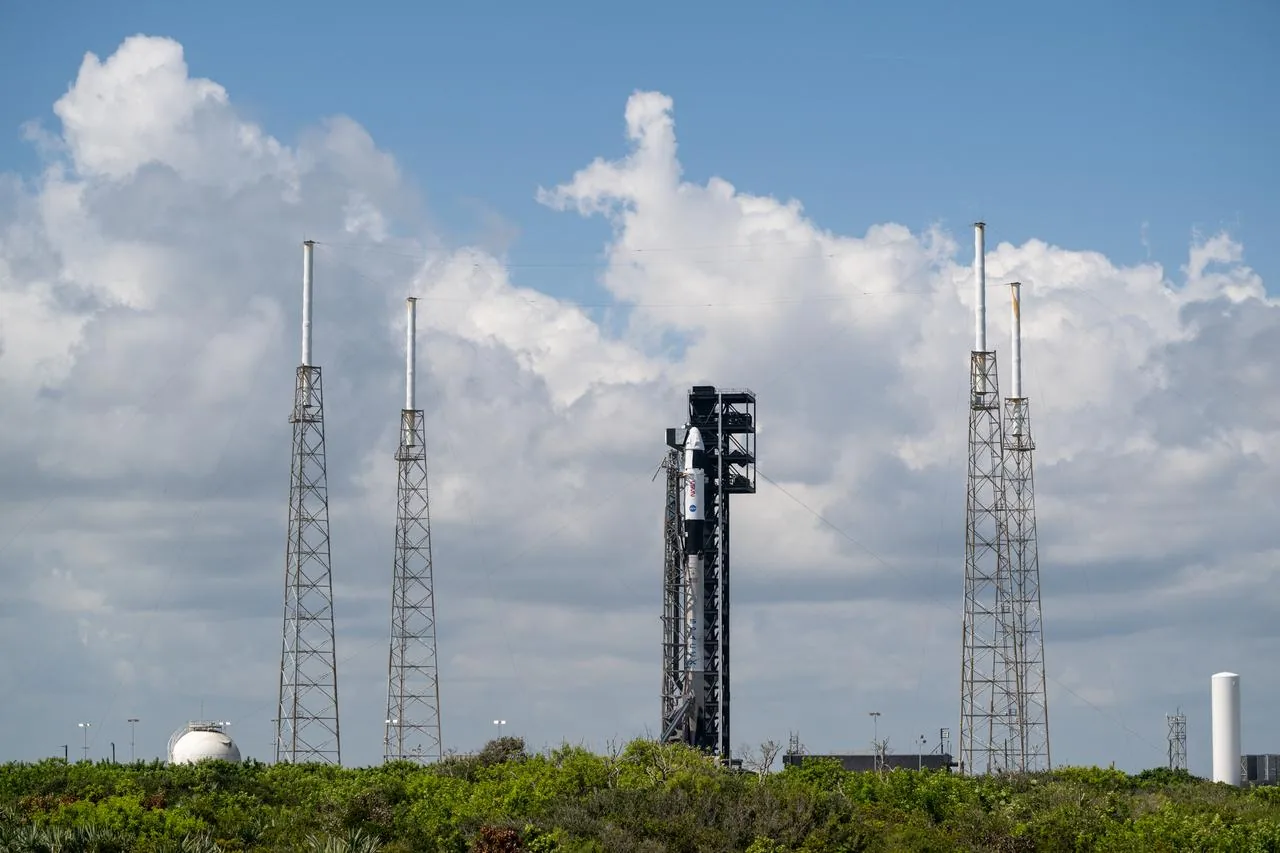
Valuation: ~$4.2 billion (Series E, 2022) | Founded: 2015 | Headquarters: Long Beach, California What They Build: Terran R medium-lift reusable launch vehicle, proprietary Stargate 3D metal printers
Relativity Space made headlines with the world's first launch of a 3D-printed rocket (Terran 1) in March 2023, which successfully completed its first-stage burn but did not reach orbit. The company has since pivoted entirely to the larger, reusable Terran R vehicle, abandoning the small-lift Terran 1. Terran R is designed to carry up to 23,500 kg to LEO and aims to be the most rapidly manufacturable medium-lift rocket in the world, leveraging Relativity's Stargate printers to produce 85%+ of the rocket by mass through additive manufacturing.
Key Milestone: World's first 3D-printed rocket launch (Terran 1, March 2023) and subsequent strategic pivot to Terran R as the sole product. Investor Profile: Tiger Global, Fidelity, Soroban Capital, Baillie Gifford, Playground Global, Mark Cuban, Jared Isaacman. The $4.2B valuation was set during the 2022 growth equity peak and may face adjustment.
3. Axiom Space
Valuation: $3 billion+ (Series C, 2023) | Founded: 2016 | Headquarters: Houston, Texas What They Build: Commercial modules attached to the ISS, standalone Axiom commercial space station, NASA spacesuit (AxEMU) for Artemis lunar missions
Axiom Space is building the first commercial space station, starting with modules that will attach to the ISS before eventually separating into a free-flying station. The company has flown three private astronaut missions to the ISS (Ax-1 through Ax-3) and holds NASA's contract to develop the next-generation spacesuit (AxEMU) for Artemis lunar surface operations. The first Axiom module is targeted for launch to the ISS in 2026.
Key Milestone: Three successful private astronaut missions to the ISS, with Ax-3 carrying the first European and Turkish commercial crew members (January 2024). Investor Profile: C5 Capital, Boryung (South Korean pharmaceutical conglomerate), Aljazira Capital (Saudi Arabia), The Venture Collective. Notable for strong sovereign and strategic investor interest.
4. ABL Space Systems
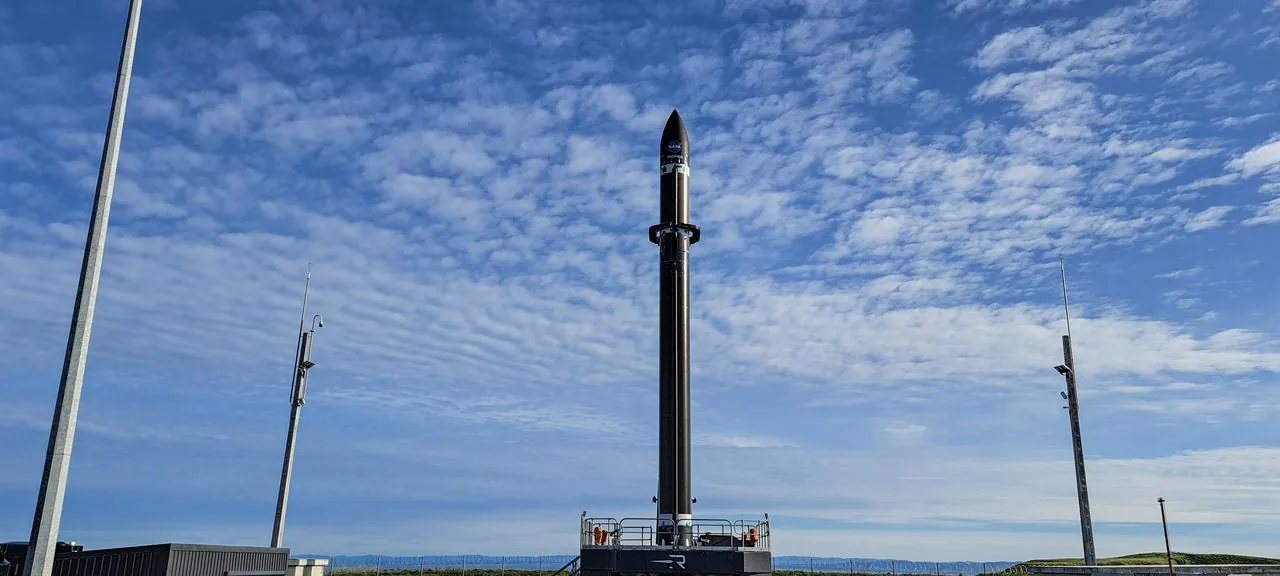
Valuation: $2.4 billion (Series B, 2021) | Founded: 2017 | Headquarters: El Segundo, California What They Build: RS1 small launch vehicle with a deployable, containerized launch system (GS0)
ABL's core differentiator is the GS0 transportable launch system, which packages the entire ground support infrastructure into shipping containers, enabling launches from virtually any suitable flat surface. The RS1 rocket targets 1,350 kg to LEO. However, the company has faced significant delays, with its first orbital attempt in January 2023 ending in a launch pad fire that destroyed the vehicle and pad. The company is working toward a second attempt.
Key Milestone: Secured a $1.7 billion contract with Amazon for Project Kuiper constellation launches (though delivery timelines remain uncertain following the RS1 failure). Investor Profile: Lockheed Martin Ventures, Fidelity, T. Rowe Price, Venrock, iQ Capital Partners. The $2.4B valuation dates from a 2021 peak and faces significant downward pressure given execution delays.
5. Firefly Aerospace
Valuation: ~$1.5 billion (estimated, 2023 funding round) | Founded: 2017 (restructured from earlier entity) | Headquarters: Cedar Park, Texas What They Build: Alpha small launch vehicle, Blue Ghost lunar lander, MLV medium launch vehicle (in development with Northrop Grumman partnership)
Firefly achieved its first successful orbital launch with Alpha in October 2022 and has completed multiple subsequent missions. The company's Blue Ghost lunar lander, selected under NASA's CLPS program, is manifested for a 2025 mission to deliver 10 payloads to the lunar surface. Firefly is also developing the MLV medium-lift vehicle in partnership with Northrop Grumman, targeting Antares replacement.
Key Milestone: First successful Alpha orbital launch (October 2022) and selection for NASA CLPS lunar delivery mission with Blue Ghost. Investor Profile: AE Industrial Partners (majority owner), Novaport Ventures (Ukrainian aerospace group). AE Industrial Partners brings significant aerospace sector expertise and operational support.
6. Vast
Valuation: ~$1.4 billion (reported, 2024) | Founded: 2021 | Headquarters: Long Beach, California What They Build: Haven-1 (first commercial space station module), Haven-2 and larger stations for long-duration habitation
Vast is one of the most ambitious and rapidly funded new space companies, aiming to launch Haven-1 as the world's first commercial space station by 2025-2026. Founded by cryptocurrency billionaire Jed McCaleb, the company has contracted SpaceX to launch Haven-1 on a Falcon 9. Vast's long-term vision includes artificial gravity stations and multi-module habitats for commercial, research, and government use.
Key Milestone: Secured SpaceX Falcon 9 launch contract for Haven-1 and rapid team growth to over 400 employees within three years of founding. Investor Profile: Primarily self-funded by founder Jed McCaleb (co-founder of Ripple and Stellar), with additional participation from undisclosed investors. The single-founder funding model reduces dilution but creates key-person risk.
7. Sierra Space
Valuation: $5.3 billion (reported, 2023) | Founded: 2021 (spun out from Sierra Nevada Corporation) | Headquarters: Louisville, Colorado What They Build: Dream Chaser spaceplane (cargo and crew variants), LIFE inflatable habitat module, in-space manufacturing systems
Sierra Space's Dream Chaser is the only winged orbital vehicle besides the retired Space Shuttle designed to land on a conventional runway. The uncrewed cargo variant (Tenacity) holds a NASA Commercial Resupply Services 2 contract for ISS cargo delivery. The LIFE (Large Integrated Flexible Environment) habitat module has completed multiple burst-pressure tests at NASA, demonstrating it can withstand pressures exceeding safety requirements by significant margins.
Key Milestone: Dream Chaser Tenacity completed environmental testing and was delivered to Kennedy Space Center in 2024, targeting first flight on a ULA Vulcan Centaur. Investor Profile: Coatue Management, Moore Strategic Ventures, General Atlantic, Belgacom (Belgian telecom), AE Industrial Partners. The company has raised over $1.5 billion in total funding.
8. Varda Space Industries
Valuation: $520 million+ (Series B, 2023) | Founded: 2020 | Headquarters: El Segundo, California What They Build: In-space pharmaceutical manufacturing platform using re-entry capsules to return products to Earth
Varda is a pioneer in the emerging field of in-space manufacturing, operating autonomous spacecraft that leverage microgravity to produce pharmaceutical crystals and other materials impossible to create on Earth. The company's W-Series 1 capsule successfully manufactured ritonavir crystals in orbit and returned them to Earth in February 2024, marking the first commercial in-space pharmaceutical manufacturing mission.
Key Milestone: Successful W-Series 1 reentry and recovery with in-orbit manufactured pharmaceuticals (February 2024), proving the commercial viability of space manufacturing. Investor Profile: Khosla Ventures, Caffeinated Capital, Lux Capital, General Catalyst, Founders Fund. Varda also secured a $60 million contract with the U.S. Air Force for hypersonic reentry vehicle testing.
9. Stoke Space
Valuation: $350 million+ (estimated, based on Series B funding) | Founded: 2019 | Headquarters: Kent, Washington What They Build: Nova fully reusable medium-lift launch vehicle with a reusable second stage
Stoke Space is pursuing what most of the industry considers the hardest unsolved problem in launch: a fully reusable second stage. While SpaceX has demonstrated first-stage reusability, no company has recovered and reflown an orbital second stage. Stoke's approach uses a unique heat-shield-free reentry system with regeneratively cooled engines arranged around the base of the second stage, allowing it to reenter engines-first.
Key Milestone: Successful 30-foot vertical hop test of the full-flow second stage prototype in September 2023, demonstrating the differential throttling landing concept. Investor Profile: Breakthrough Energy Ventures (Bill Gates), BOND Capital (Mary Meeker), Industrious Ventures, NFX, Andy Bechtolsheim. The deep-tech investor base reflects the high technical risk and long development timeline.
10. AstroForge
Valuation: Undisclosed (Seed and Series A, estimated $50-100M valuation range) | Founded: 2022 | Headquarters: Huntington Beach, California What They Build: Asteroid mining spacecraft designed to extract and return platinum group metals from near-Earth asteroids
AstroForge is the most advanced asteroid mining company currently operating. The company launched a technology demonstration payload on a SpaceX rideshare mission in April 2023 to test its refining technology in microgravity. A second mission, Odin, launched in 2024 aboard an Intuitive Machines IM-2 ride to attempt a flyby of a near-Earth asteroid.
Key Milestone: First private asteroid mining technology demonstration in orbit (April 2023) and Odin deep-space mission launch. Investor Profile: Initialized Capital, Seven Seven Six (Alexis Ohanian), EarthRise Technologies. Small but credible venture backing for what remains the highest-risk, highest-potential-reward business model in space.
11. Astroscale
Valuation: ~$400 million in total funding raised (Series G+ across multiple rounds) | Founded: 2013 | Headquarters: Tokyo, Japan (with UK and US offices) What They Build: Debris removal and end-of-life satellite servicing spacecraft (ELSA-d, ADRAS-J, COSMIC)
Astroscale is the global leader in orbital debris removal, with the most advanced on-orbit demonstration program of any debris removal company. The ADRAS-J mission in 2024 successfully rendezvoused with and inspected a large piece of space debris (a Japanese H-IIA rocket upper stage), marking the first time a commercial spacecraft approached a piece of uncooperative debris in orbit.
Key Milestone: ADRAS-J successful rendezvous and inspection of space debris (2024), a world first in commercial active debris removal. Investor Profile: INCJ (Japan government-backed fund), Mitsubishi Electric, Taiyo Life Insurance, DNX Ventures, Seraphim Space. Strong Japanese institutional backing with growing international investor interest.
12. Impulse Space
Valuation: $150 million+ (Series A, 2023) | Founded: 2021 | Headquarters: Redondo Beach, California What They Build: Mira orbital transfer vehicles (OTVs) and Helios Mars transit vehicle
Founded by former SpaceX VP of propulsion Tom Mueller, Impulse Space develops last-mile orbital delivery vehicles and is designing the Helios vehicle for Mars cargo delivery. The Mira OTV provides precise orbital insertion for satellites deployed on rideshare missions, filling a critical gap in the launch ecosystem.
Key Milestone: Successful LEO-1 demonstration mission (2023), Mira OTV maiden flight, and growing manifest of commercial customers. Investor Profile: Founders Fund, Peter Thiel, RTX Ventures, Airbus Ventures, Lux Capital. The strong founder pedigree (Tom Mueller designed SpaceX's Merlin and Raptor engines) commands significant investor confidence.
13. Isar Aerospace
Valuation: ~$310 million in total funding raised (Series C, 2024) | Founded: 2018 | Headquarters: Ottobrunn, Germany What They Build: Spectrum small-to-medium launch vehicle targeting 1,000 kg to LEO
Isar Aerospace is Europe's best-funded and most advanced commercial launch startup, developing the Spectrum rocket to address Europe's chronic shortage of sovereign launch capability. The vehicle uses proprietary Aquila engines running on liquid oxygen and kerosene, and the company has secured a launch site at Andoya Spaceport in Norway.
Key Milestone: Completed full-duration hotfire testing of the Spectrum first stage and secured ESA and commercial launch contracts. First orbital launch targeted for 2025. Investor Profile: Porsche SE, Lombard Odier, HV Capital, Earlybird Venture Capital, Airbus Ventures, Bpifrance. Notably strong European industrial and financial backing.
14. LandSpace
Valuation: Undisclosed (estimated $1-2 billion based on funding and market position) | Founded: 2015 | Headquarters: Huzhou, Zhejiang, China What They Build: Zhuque-2 medium-lift launch vehicle (world's first methane-LOX rocket to reach orbit)
LandSpace made history in July 2023 when Zhuque-2 became the first methane-liquid oxygen rocket to reach orbit, beating SpaceX's Starship and ULA's Vulcan Centaur to the milestone. The company is developing a reusable variant of Zhuque-2 and scaling up launch cadence from its facilities in Zhejiang province.
Key Milestone: First-ever successful orbital flight of a methane-fueled rocket (Zhuque-2, July 2023), placing China at the forefront of next-generation propulsion technology. Investor Profile: Chinese state-backed venture funds, Huzhou city government, Green Pine Capital Partners, Legend Capital. Funding reflects China's strategic push to develop commercial launch capabilities.
15. Galactic Energy
Valuation: Undisclosed (estimated $500M-1B based on comparable Chinese launch companies) | Founded: 2018 | Headquarters: Beijing, China What They Build: Ceres-1 solid-fuel small launch vehicle, Pallas-1 medium-lift kerosene-LOX vehicle (in development)
Galactic Energy has become one of China's most reliable commercial launch providers, with the Ceres-1 completing multiple successful orbital missions since its first flight in November 2020. The company is developing the larger, liquid-fueled Pallas-1 to address the growing demand from Chinese constellation operators deploying hundreds of broadband and Earth observation satellites.
Key Milestone: Multiple consecutive successful Ceres-1 missions, establishing one of the best track records among Chinese commercial launch startups. Investor Profile: Legend Star (Lenovo-affiliated), Source Code Capital, IDG Capital, China Growth Capital. Well-capitalized by Chinese tech-focused VCs betting on the growth of China's commercial space sector.
The Venture Capital Landscape
Total venture capital investment in space companies peaked at approximately $17 billion in 2021, driven by SPAC mania and growth equity enthusiasm. By 2024, annual investment had moderated to roughly $8-10 billion, reflecting broader market discipline and a flight toward companies with clearer revenue paths. Several trends define the current landscape:
Concentration at the top. SpaceX alone accounts for a disproportionate share of private space market value. Excluding SpaceX, the entire private space sector is worth roughly $30-40 billion, a fraction of SpaceX's single-company valuation.
Defense and dual-use premium. Companies with defense applications, such as Impulse Space, Varda (reentry vehicles), and Stoke Space, command valuation premiums as government customers provide revenue certainty that commercial-only models cannot match.
The Series A gap. Many space startups that raised seed funding in the 2021-2022 boom are struggling to close Series A rounds in a tighter market. The result is consolidation, down rounds, and a flight to quality that benefits well-run companies but punishes those that over-promised on timelines.
Geographic expansion. The dominance of US-based companies remains overwhelming, but credible ventures in Europe (Isar Aerospace), Japan (Astroscale), and China (LandSpace, Galactic Energy) demonstrate that the private space ecosystem is globalizing.
The private space companies on this list represent the next wave of the space economy. Some will go public, some will be acquired, and inevitably some will fail. But collectively, they are building the infrastructure, vehicles, and services that will define how humanity operates in space for the next several decades.