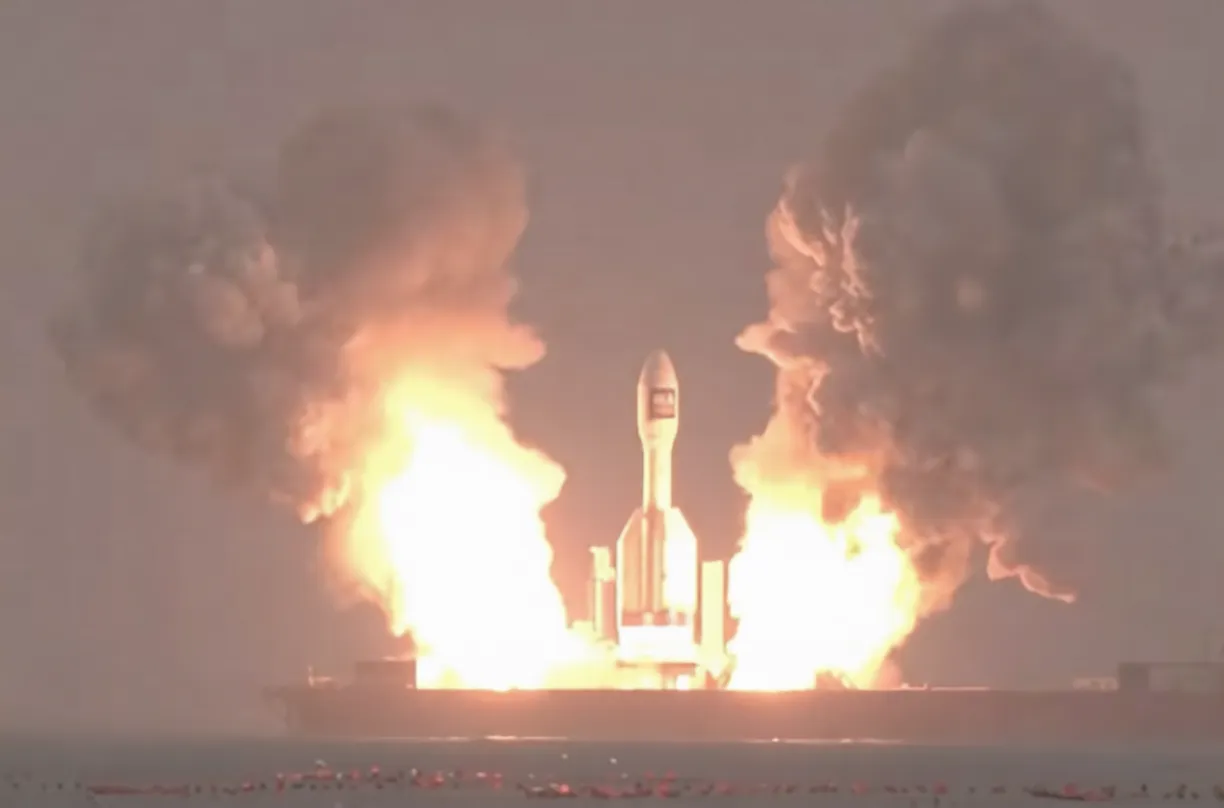
 China News Service · CC BY 4.0 · Wikimedia Commons
Orienspace
Overview
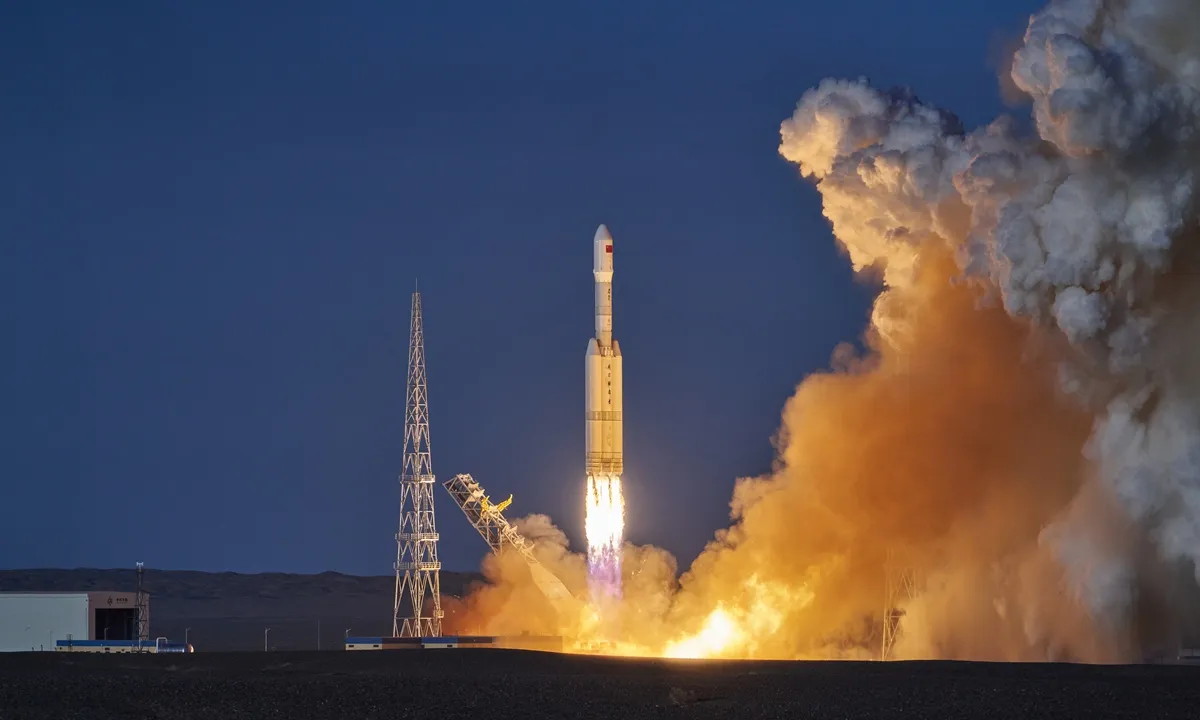
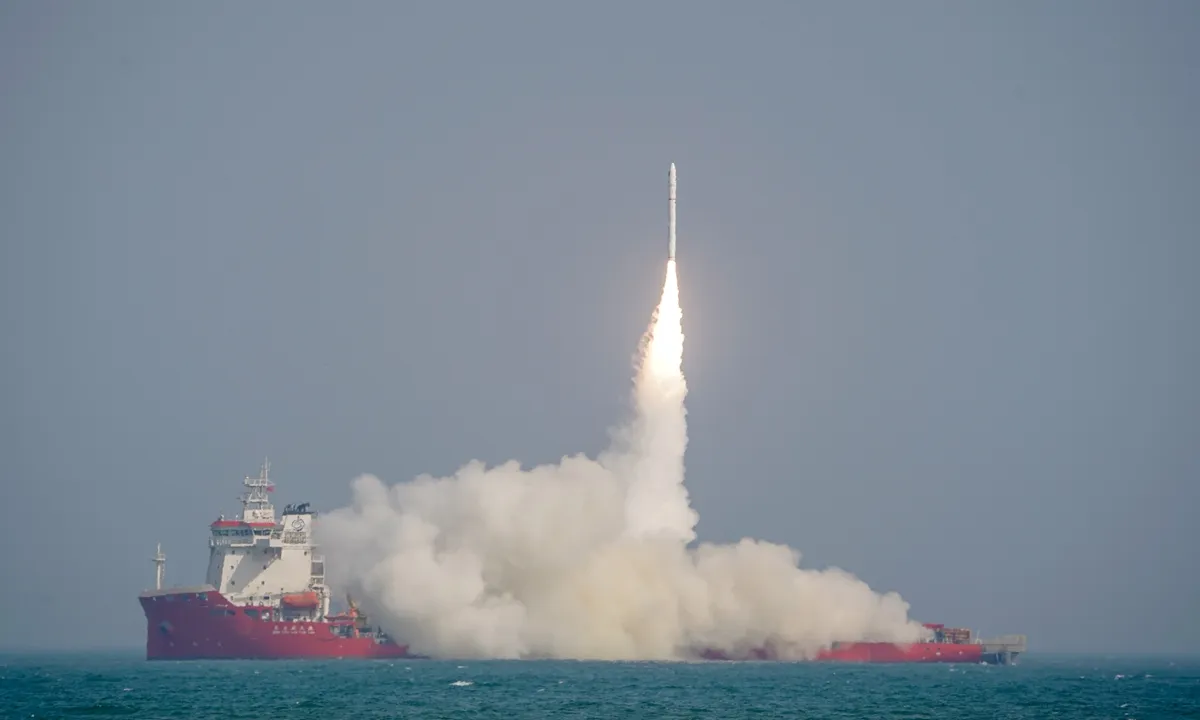
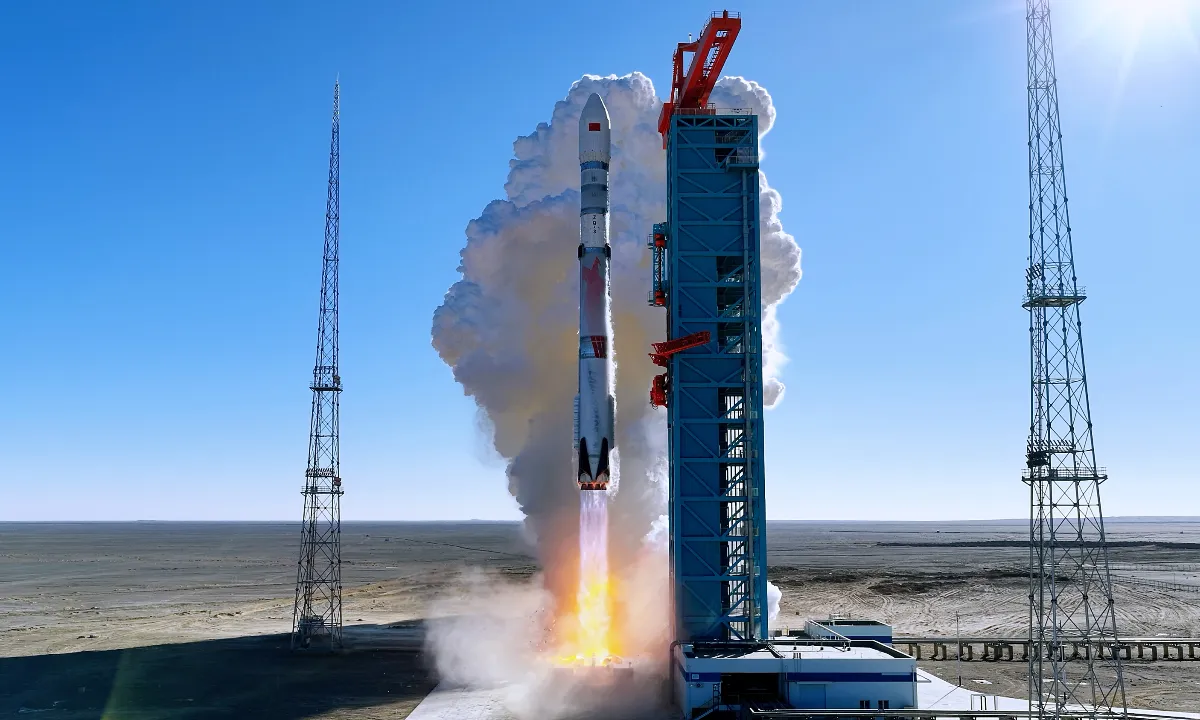
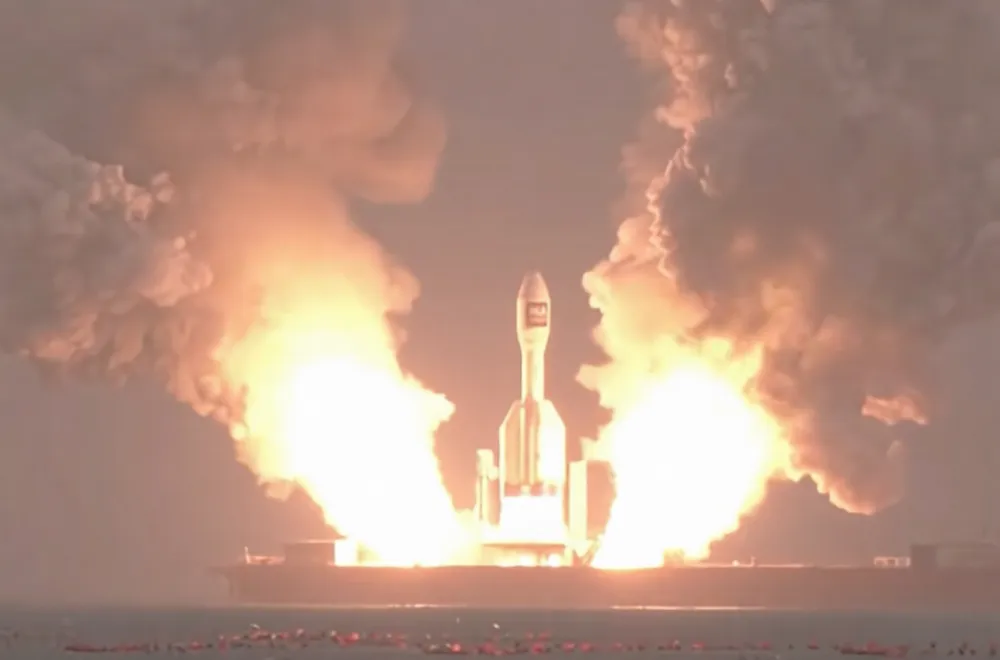
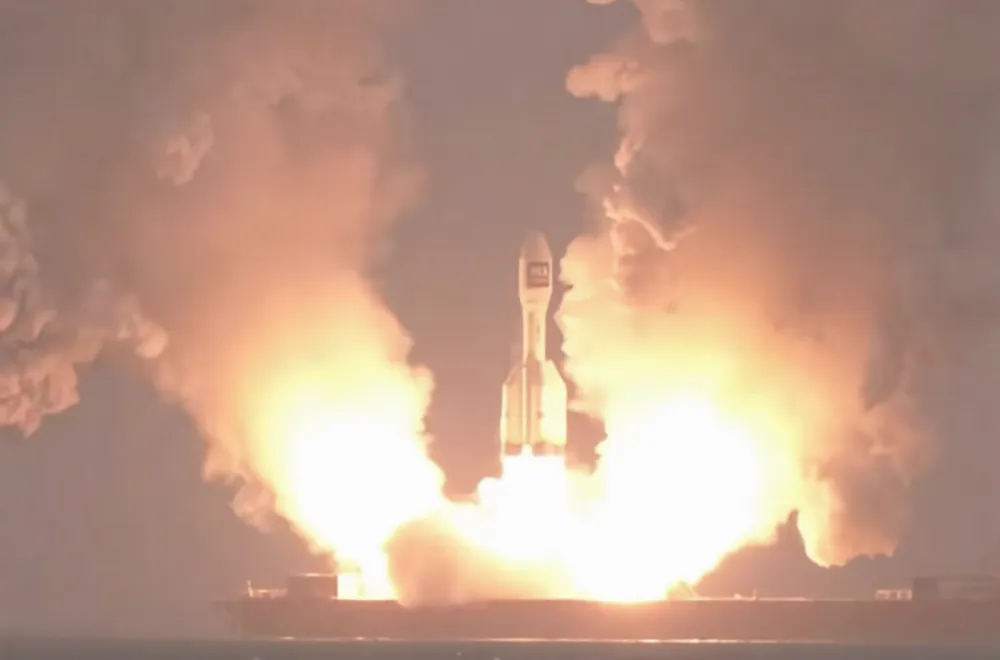
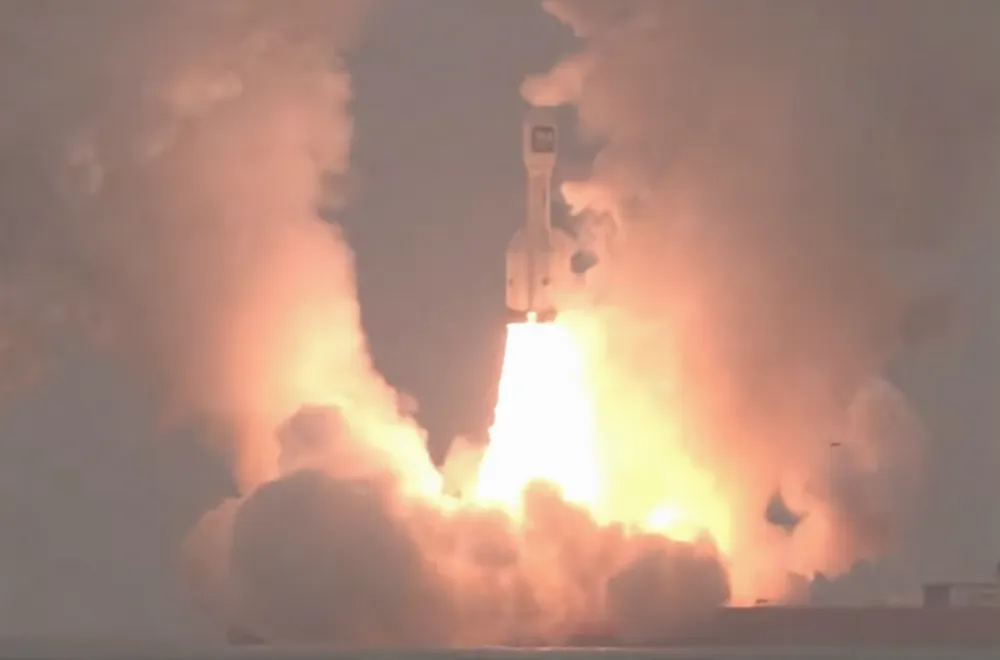
Orienspace is a Chinese commercial launch startup specialised in sea-launched solid-propellant orbital rockets. Its flagship Gravity-1 (Yinli-1 / 引力一号) is a four-booster + core-stage solid vehicle capable of delivering roughly 6,500 kg to a 500-km sun-synchronous orbit — the highest-payload solid-propellant rocket in the world at the time of its January 2024 maiden flight. Sea-launch operations are conducted from a converted barge off the Chinese coast, offering range-safety flexibility and access to lower-latitude trajectories without dependence on land-based pad allocations. Revenue is anchored in Chinese commercial smallsat rideshare and government-aligned constellation deployment contracts. A larger Gravity-2 vehicle with kerolox liquid propulsion and partial reusability is in development.
Moat: Only Chinese private operator with a flying sea-launched orbital rocket — Gravity-1's January 2024 debut delivered three satellites and set the world record for most powerful solid-propellant orbital vehicle. Sea-launch capability gives Orienspace operational flexibility no land-only Chinese private peer can match, and the Yantai/Shandong base location places it close to the active commercial sea-launch ecosystem also used by Galactic Energy's Ceres-1 and Deep Blue's Nebula-1. Founder Yao Song was a co-founder of AI-chip startup DeePhi Tech (acquired by Xilinx in 2018), bringing engineering and venture credibility to the launch program.
Business
Primary customers
- Commercial: Chinese commercial smallsat operators
- Government: Guowang / Qianfan megaconstellation suppliers
- Government: Chinese scientific and university payloads
Sectors
Sea Launch · Solid Propellant Launch · Medium-lift Launch
Gallery
Key Products
- Gravity-1 (Yinli-1)operational
Four-booster + core-stage solid-propellant medium-lift launcher; ~6,500 kg to 500-km SSO; sea-launched from converted barge. Maiden flight 11 January 2024 placed three satellites in orbit — world's most powerful operational solid orbital rocket at debut.
First flight: 2024-01-11
- Gravity-2development
Larger kerolox liquid-propellant launcher in development; designed for partial reusability and significantly higher payload class than Gravity-1. Targets Guowang / Qianfan deployment slots. Maiden flight target not publicly disclosed.
Investor Resources
Primary-source documents — straight from Orienspace's investor relations and SEC filings.
Near-term Catalysts
- 2026
Gravity-1 cadence ramp through 2026
Sustained Gravity-1 flight tempo would establish Orienspace as a reliable Chinese commercial small-medium launch provider and feed into the Guowang/Qianfan deployment backlog.
- 2027
Gravity-2 maiden flight
First flight of the larger kerolox / partially reusable vehicle would put Orienspace in direct competition with LandSpace Zhuque-3 and Space Pioneer Tianlong-3 in the medium-lift reusable segment.
Top Risks
- Sea-launch infrastructure is shared with peers (Galactic Energy, Deep Blue) and depends on weather-windowed barge operations — sustained cadence requires dedicated platform capacity.
- Gravity-2 development is the long-dated bet; without successful reusability the company's competitive position narrows to a solid-rocket niche.
- Domestic competition is intensifying — six+ Chinese private firms target the same Guowang/Qianfan deployment manifest with reusable medium-lift vehicles.
- Limited public financial disclosure relative to LandSpace, iSpace, and Space Pioneer makes investor due diligence harder.
Recent Milestones
- 2024-01-11
Gravity-1 maiden flight from sea platform off Haiyang — three satellites delivered to orbit; world's most powerful operational solid-propellant launcher at the time.
- 2024
Subsequent Gravity-1 sea-launch operations consolidating commercial cadence.
From Management
Recent interviews and talks from Orienspace's leadership — hear the strategy in their own words.
What investors should know
Q1What is Orienspace and what does it do?⌄
Q2Who founded Orienspace and who runs it?⌄
Q3How does Orienspace make money?⌄
Q4Is Orienspace publicly traded or planning an IPO?⌄
Q5How does Orienspace compare to other Chinese private launch firms?⌄
Q6What are the main risks for Orienspace investors?⌄
Peers
Sources & References
Trade Press
- Wikipedia — Orienspace · 2026-05-11