I believe humanity will set foot on Mars within the next two decades. I believe we will eventually build permanent settlements there. And I believe that getting from here to there will be one of the hardest things our species has ever attempted -- not because the physics is impossible, but because Mars is actively trying to kill you in at least half a dozen different ways simultaneously.
The dream of colonizing Mars is intoxicating. The reality is a gauntlet of engineering, biological, and psychological challenges that will push every field of human knowledge to its limits. Let us look at the biggest obstacles standing between us and a future on the Red Planet, and what we are doing to solve them.
Radiation: The Invisible Killer
On Earth, we are shielded from cosmic radiation and solar particle events by two protective layers: our planet's magnetic field and a thick atmosphere. Mars has neither. Its magnetic field vanished roughly 4 billion years ago, and its atmosphere is less than 1% as dense as Earth's.
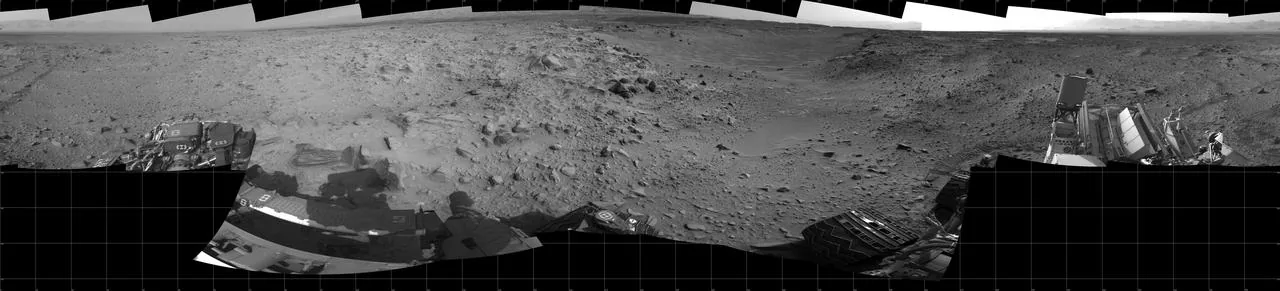
The result is a radiation environment that would slowly destroy an unprotected human body. NASA's Curiosity rover measured the radiation dose on the Martian surface at approximately 0.67 millisieverts per day. That translates to about 245 millisieverts per year -- roughly 20 to 30 times the average annual dose for a person on Earth, and well above the career exposure limits NASA sets for astronauts.
Galactic cosmic rays (GCRs) are the worst offender. These are high-energy particles -- protons, helium nuclei, and heavier ions -- accelerated by distant supernovae. They penetrate conventional spacecraft shielding and can damage DNA, increasing cancer risk and potentially causing cognitive impairment. A 2019 study published in eLife found that mice exposed to chronic low-dose GCR-equivalent radiation showed measurable deficits in learning and memory.
Solutions being explored: Habitat designs that incorporate regolith shielding -- essentially burying habitats under several meters of Martian soil -- could reduce radiation exposure to near-Earth levels. Water, which is an excellent radiation absorber, could be used in the walls of habitats. Some researchers are investigating pharmaceutical countermeasures that could reduce biological damage from radiation exposure. And in the long term, locating habitats in lava tubes -- natural underground tunnels formed by ancient volcanic activity -- could provide near-complete protection.
The Atmosphere: Thin, Cold, and Unbreathable
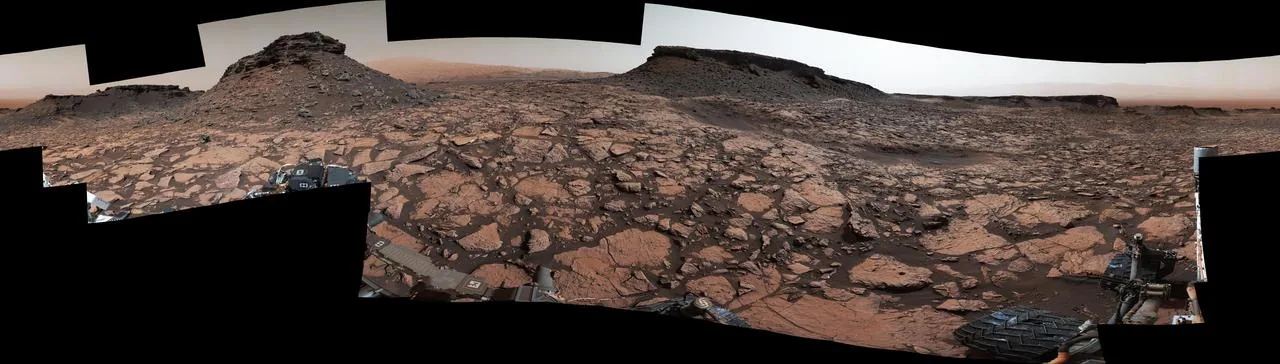
Mars's atmosphere is 96% carbon dioxide, with traces of nitrogen and argon. The surface pressure averages about 610 pascals -- roughly 0.6% of sea-level pressure on Earth. You cannot breathe it. You cannot survive in it without a pressure suit. And it is far too thin to provide meaningful thermal insulation, which is why Martian surface temperatures average around minus 60 degrees Celsius, dipping to minus 130 degrees Celsius at the poles in winter.
Every habitat on Mars must be a pressurized, climate-controlled, hermetically sealed environment. A single breach in the hull -- from micrometeorite impact, material fatigue, or structural failure -- could be fatal within minutes. This means that Mars colonists will live their entire lives indoors, venturing outside only in pressure suits.
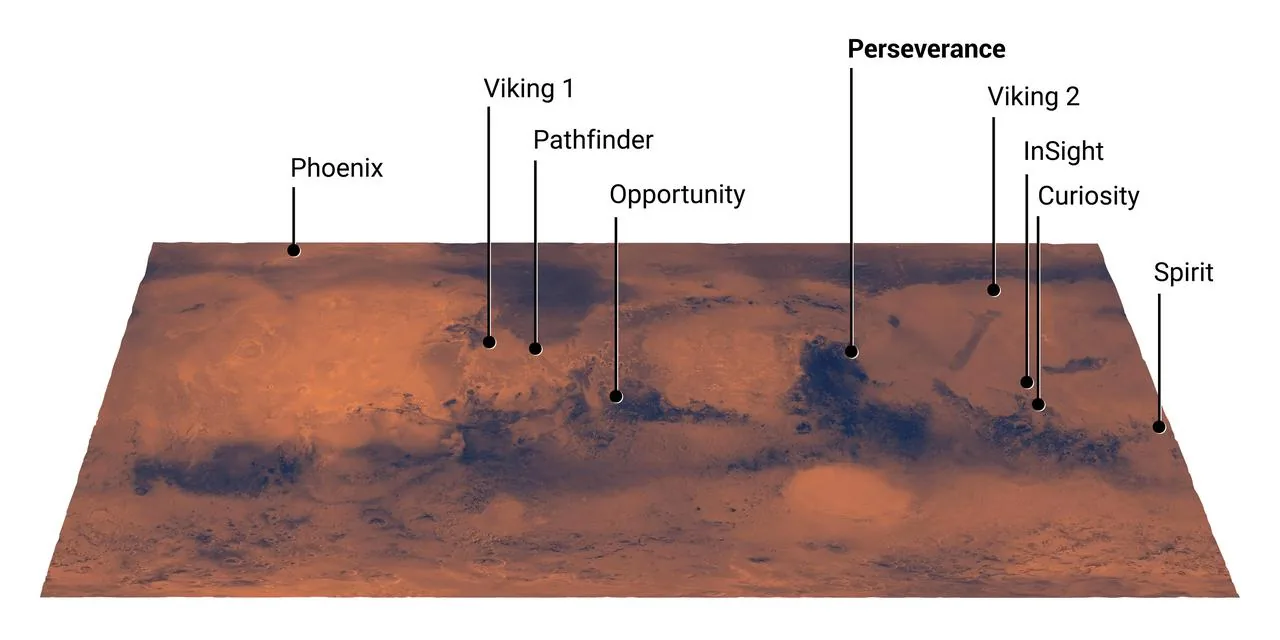
Solutions being explored: Inflatable habitats, like those developed by Sierra Space and tested on the International Space Station, offer lightweight structures that can be transported compactly and expanded on Mars. NASA's Perseverance rover proved with MOXIE that oxygen can be extracted from the Martian CO2 atmosphere, a technology that will be scaled up for human missions. Long-term terraforming proposals -- warming Mars by releasing greenhouse gases to thicken the atmosphere -- remain purely theoretical and would take centuries to millennia, but the physics is not impossible.
Food Production: Farming on an Alien World
You cannot ship food from Earth indefinitely. A crewed Mars mission lasting 2-3 years might rely on pre-positioned supplies, but a permanent settlement must grow its own food. This presents a cascade of challenges.
Martian regolith is not soil. It lacks the organic matter and microbial ecosystems that make Earth soil fertile. Worse, it contains toxic perchlorates -- chlorine-based compounds at concentrations of 0.5 to 1% by weight -- that are harmful to humans and plants. Any agricultural system must either process the regolith to remove perchlorates or bypass native soil entirely.
Solutions being explored: Hydroponic and aeroponic systems, which grow plants in nutrient-rich water or mist without soil, are the most promising near-term approach. NASA's Veggie experiment on the ISS has successfully grown lettuce, radishes, and chili peppers in microgravity. On Mars, with 38% of Earth's gravity, plant growth should be more straightforward, though the effects of reduced gravity on long-term crop yields are still being studied. LED grow lights can substitute for the dimmer Martian sunlight (Mars receives about 43% of the solar energy Earth does), and closed-loop life support systems would recycle water, nutrients, and waste.
Researchers at Wageningen University in the Netherlands have successfully grown crops in simulated Martian regolith after adding organic matter and removing perchlorates, demonstrating that Martian soil could eventually become productive with the right amendments.
Psychological Isolation: The Mental Health Frontier
We tend to focus on the physical challenges of Mars colonization, but the psychological challenges may be equally daunting. Mars colonists would live in small, confined habitats with the same small group of people, millions of kilometers from Earth, with communication delays of 4 to 24 minutes each way. There is no stepping outside for fresh air. There is no emergency evacuation. If something goes wrong with the group dynamics, there is no escape.
Studies from Antarctic research stations, submarine deployments, and the ISS have shown that long-duration isolation can cause depression, interpersonal conflicts, sleep disturbances, and cognitive decline. The Mars-500 experiment, conducted by Russia's Institute of Biomedical Problems from 2010 to 2011, confined six volunteers for 520 days to simulate a Mars mission. Participants experienced disrupted sleep cycles, reduced activity levels, and periods of psychological withdrawal.
Solutions being explored: Crew selection processes will prioritize psychological resilience and interpersonal compatibility alongside technical skills. Habitat design is incorporating lessons from submarine and Antarctic architecture -- private quarters, communal spaces with natural lighting simulations, and access to virtual reality environments for psychological relief. Autonomous psychological support systems, including AI-based counseling tools, are being developed for missions where real-time communication with therapists on Earth is impossible.
Dust Storms and Perchlorates: Mars Is Actively Hostile
Martian dust is not like Earth dust. It is composed of fine-grained iron oxide particles, highly abrasive, electrostatically charged, and pervasive. It gets into everything -- seals, mechanical joints, optical surfaces, lungs. The Apollo astronauts reported that lunar dust was one of the most problematic aspects of their missions, and Martian dust may be worse because of its perchlorate content.
Regional dust storms on Mars are common, and every few years, a global dust storm envelops the entire planet for weeks or months. The 2018 global dust storm is what killed the Opportunity rover by blocking sunlight to its solar panels. For a solar-powered settlement, dust storms represent an existential threat to energy production.
Solutions being explored: Nuclear power systems, such as small modular reactors or enhanced radioisotope thermoelectric generators (RTGs), would provide energy independent of sunlight. SpaceX's approach with Starship envisions using methane-fueled generators as a power source. Habitat airlocks would incorporate dust mitigation systems -- electrostatic precipitators, brush-down protocols, and positive-pressure vestibules -- to keep dust out of living spaces.
Water: The Key to Everything
Water is the single most critical resource for Mars colonization. You need it for drinking, agriculture, oxygen production (via electrolysis), and rocket propellant manufacturing (hydrogen is a component of many propellant combinations). Fortunately, Mars has water -- lots of it.
Orbital radar surveys by NASA's Mars Reconnaissance Orbiter have detected massive subsurface ice deposits at mid-latitudes, some within a meter of the surface. The polar ice caps contain millions of cubic kilometers of water ice. And minerals in the Martian regolith contain chemically bound water that can be released by heating.
Solutions being explored: In-situ resource utilization (ISRU) systems are being designed to extract water from subsurface ice through drilling and heating, or from atmospheric humidity using dehumidification systems. The extracted water would feed into closed-loop life support systems. Landing site selection for human missions will prioritize locations with confirmed accessible water ice -- regions like Arcadia Planitia and Utopia Planitia, where radar data shows extensive shallow ice deposits.
Getting There: Starship and the Cargo Problem
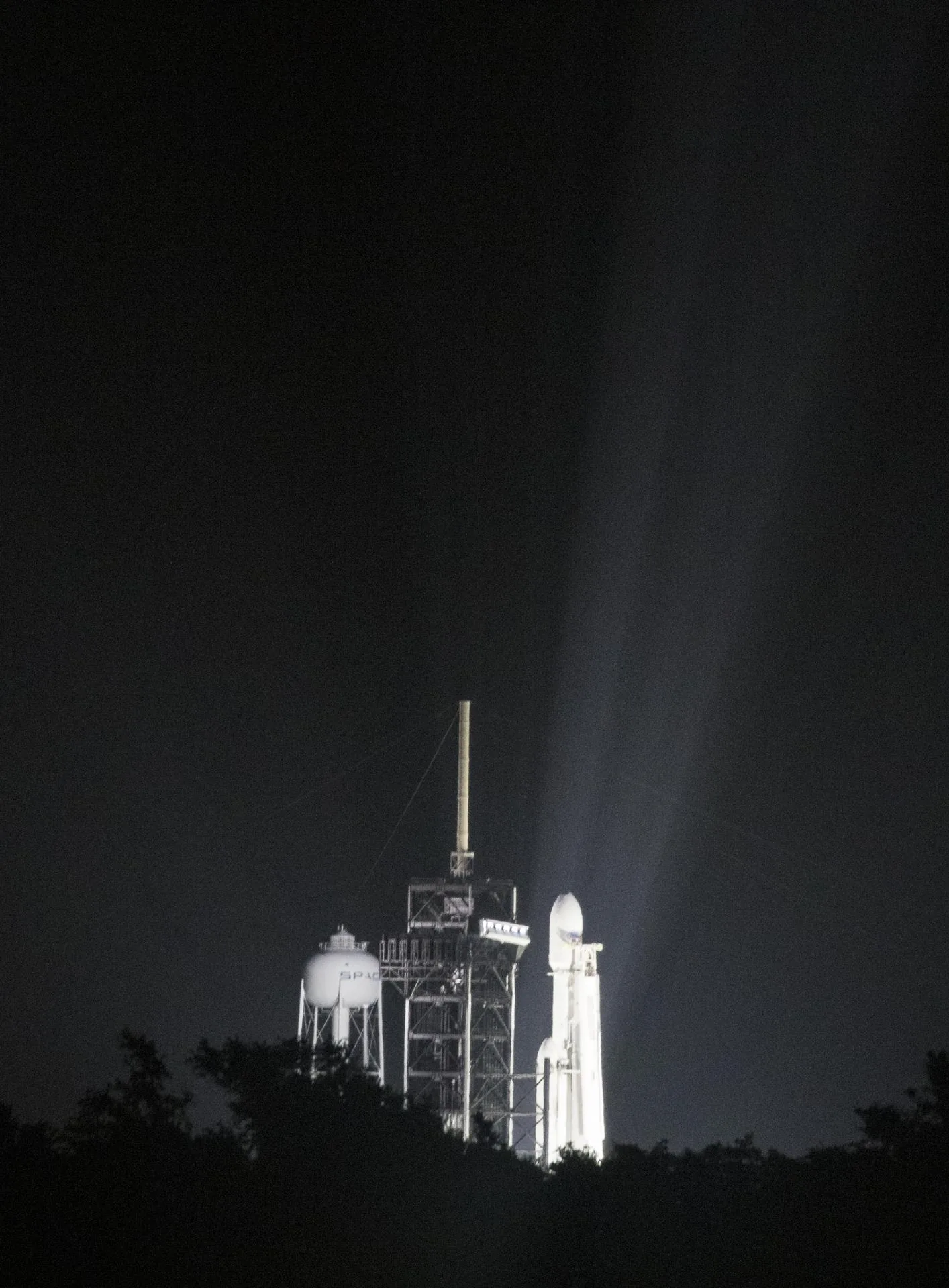
None of these solutions matter if we cannot get enough hardware and supplies to Mars. This is where SpaceX's Starship enters the equation. With a projected payload capacity of over 100 metric tons to the Martian surface, Starship could deliver the heavy equipment -- habitats, reactors, mining systems, food production modules -- that a settlement requires.
SpaceX's long-term vision involves sending multiple uncrewed Starships to Mars during a single launch window (which opens approximately every 26 months), pre-positioning supplies and infrastructure before the first human crew arrives. This cargo-first approach dramatically reduces risk: if the crew arrives to find functioning habitats, power systems, and water extraction equipment already operational, the mission shifts from survival to science.
The challenges of Mars colonization are immense. They are not, however, insurmountable. Every problem on this list has at least one viable engineering solution being actively developed. What is needed now is sustained investment, international cooperation, and the collective will to attempt something truly extraordinary.
Mars will not be colonized because it is easy. It will be colonized because it represents the next step in the human story -- and because there are people alive today who refuse to accept that Earth is the only chapter.