In a space industry increasingly dominated by headlines about mega-rockets and billionaire founders, Rocket Lab has carved out something arguably more impressive: a profitable, reliable, and rapidly growing space company that is punching far above its weight class. Founded by Peter Beck in New Zealand in 2006, Rocket Lab has evolved from a scrappy small-launch startup into a vertically integrated space company that builds rockets, spacecraft, satellite components, and software -- and it is just getting started.
The last couple of years have been transformative. Let's talk about why Rocket Lab deserves far more attention than it typically gets.
Electron: The Little Rocket That Could (and Did, 50 Times)
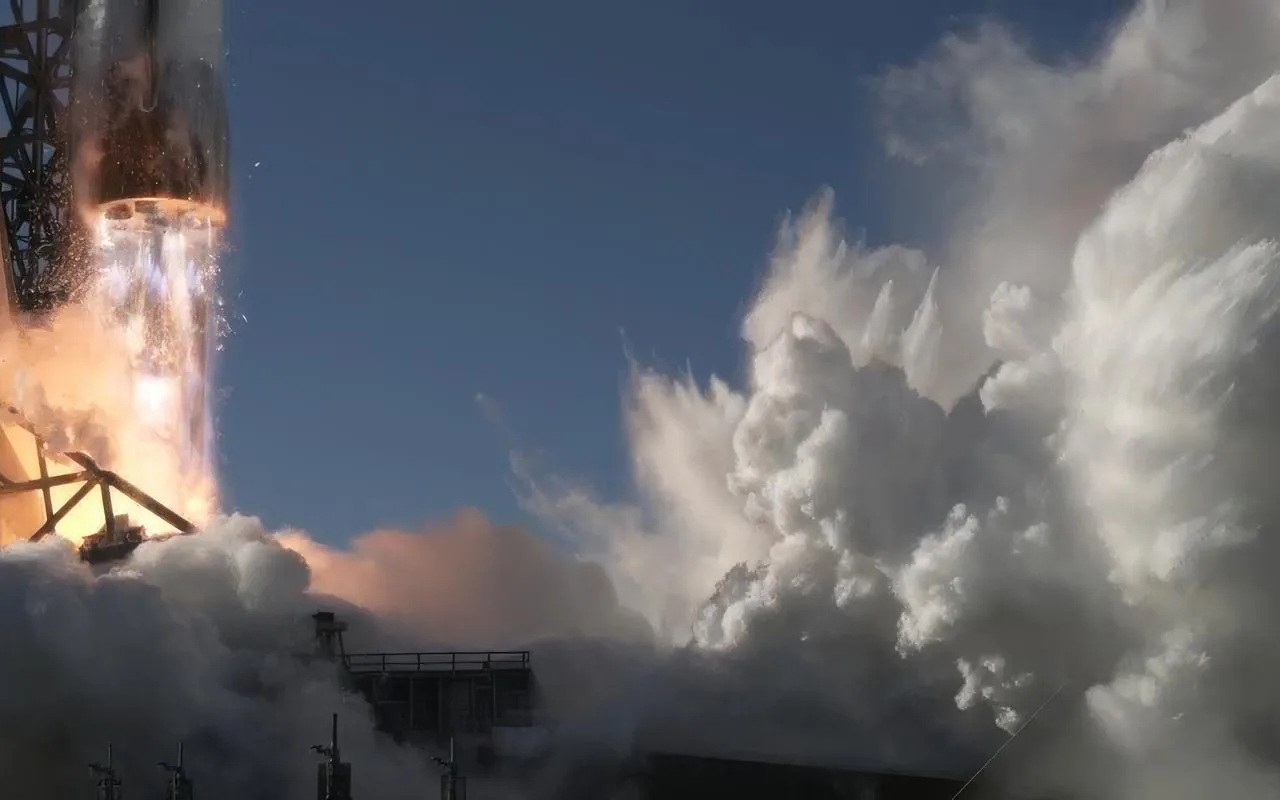
Rocket Lab's Electron rocket reached a remarkable milestone in 2024: its 50th launch. Fifty flights. For a small launch vehicle built by a company that most people outside the space industry have never heard of, that is an extraordinary achievement. Electron has become the second most frequently launched American rocket after SpaceX's Falcon 9, and it has delivered more than 200 satellites to orbit for a diverse roster of customers including NASA, the National Reconnaissance Office (NRO), the US Space Force, DARPA, and a wide array of commercial operators.
What makes Electron special is not just reliability -- it is the combination of reliability, flexibility, and cadence. Rocket Lab has demonstrated turnaround times as short as eight days between missions from the same launch pad. That kind of responsiveness matters enormously for customers who need specific orbits, specific timing, or rapid deployment of replacement satellites. You cannot get that from a rideshare. You need a dedicated small launcher, and Electron is the best in the business.
The rocket itself is an engineering gem. Its nine Rutherford engines use an electric pump-feed cycle -- the first orbital engines to do so -- which simplifies the turbomachinery and allows 3D printing of key components. Rocket Lab has also been working on recovering and reusing Electron first stages by catching them mid-air with a helicopter after reentry, though the primary focus has been on maximizing launch cadence rather than reusability for now.
Each Electron mission is individually tailored. Customers get to choose their orbit, their launch window, and their mission profile. In a world where most small satellite operators are stuck waiting for a rideshare slot on someone else's schedule, that level of control is a genuine competitive advantage.
Neutron: The Medium-Lift Contender
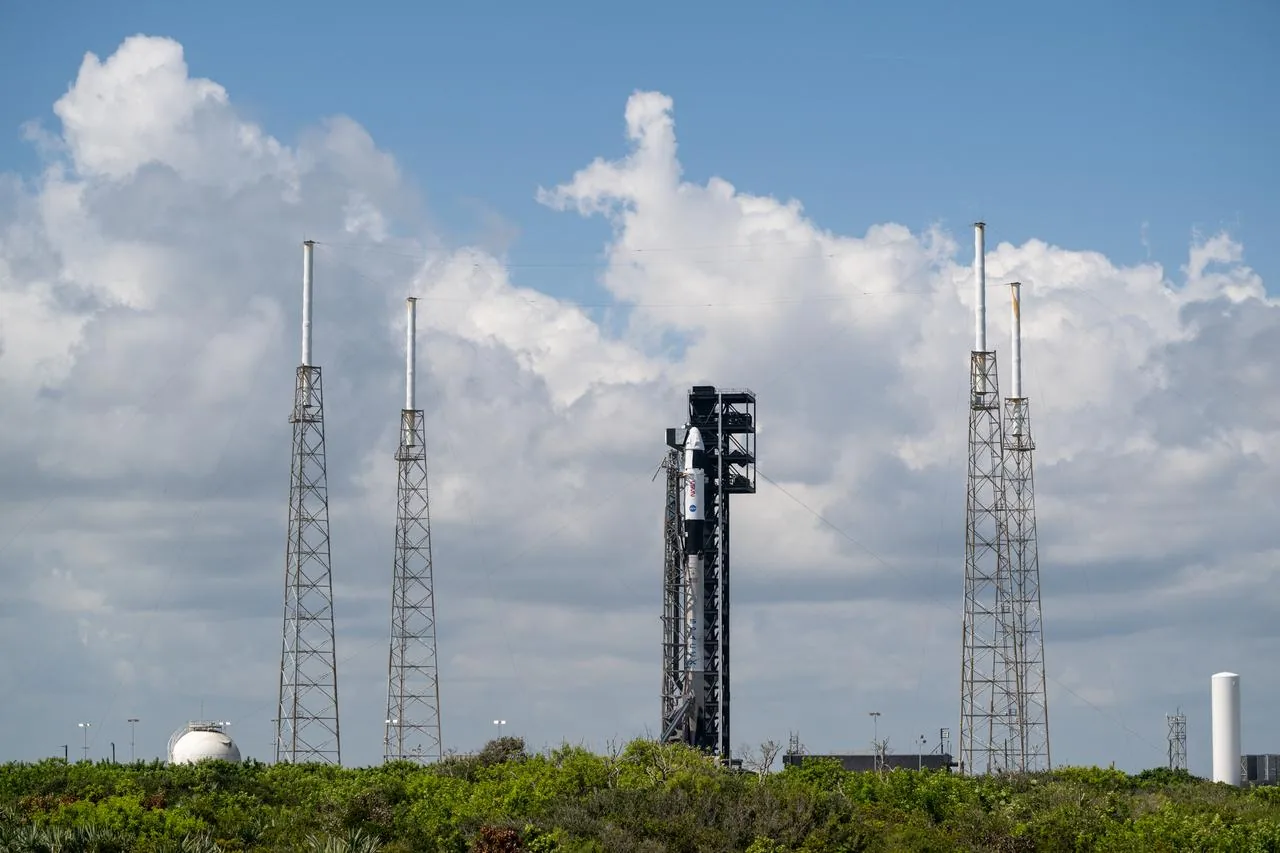
While Electron handles the small-launch market, Rocket Lab is developing Neutron, a medium-lift reusable rocket designed to carry up to 13 tonnes to low Earth orbit. Neutron is aimed squarely at the constellation deployment market, mega-constellation replenishment, cargo resupply missions, and potentially even crewed flights down the road.
Development has been progressing steadily. The rocket will be powered by the new Archimedes engine, a gas-generator cycle engine running on liquid oxygen and methane. In 2024, Rocket Lab completed significant milestones on the Archimedes engine testing program, including successful hot-fire tests at NASA's Stennis Space Center in Mississippi. The engine's design emphasizes reliability, manufacturability, and cost efficiency -- Peter Beck has been vocal about designing Neutron for the business case, not for spec-sheet bragging rights.
Neutron's carbon composite structure is being built at Rocket Lab's Space Structures Complex in Middle River, Maryland, using advanced automated fiber placement techniques. The rocket features a distinctive design with a wide, flat fairing that opens like a "hungry hippo" rather than separating -- the fairing stays attached to the first stage and returns for reuse along with it. It is a clever approach that reduces the number of components that need to be recovered.
When Neutron reaches the pad, it will give Rocket Lab a two-rocket product line that covers everything from small dedicated missions to heavy constellation deployment -- a range that very few companies in the world can match.
HASTE: Hypersonic Testing on Demand
One of Rocket Lab's more intriguing offerings is HASTE (Hypersonic Accelerator Suborbital Test Electron), a modified version of the Electron rocket designed to provide affordable, frequent hypersonic flight testing. HASTE uses the Electron platform to accelerate test payloads to hypersonic speeds, giving defense customers and researchers a responsive, cost-effective way to test hypersonic technologies.
In an era where hypersonic weapons and defense systems are a major focus for the US Department of Defense and its allies, having an affordable, on-demand test platform is incredibly valuable. Traditional hypersonic test flights are expensive and infrequent. HASTE changes that equation by leveraging Electron's existing manufacturing line and launch infrastructure. Rocket Lab has conducted HASTE missions from its Launch Complex 2 at NASA's Wallops Flight Facility in Virginia.
This is a perfect example of how Rocket Lab extracts maximum value from its existing technology. The same basic rocket that puts small satellites in orbit can, with modifications, serve the hypersonic test market. That kind of platform versatility is rare and speaks to the strength of the underlying engineering.
More Than a Rocket Company
Here is what many people miss about Rocket Lab: it is not just a launch provider. Through a series of strategic acquisitions over the past several years, the company has built a comprehensive space systems business that designs, manufactures, and operates satellites and satellite components.
The acquisition strategy has been deliberate and effective:
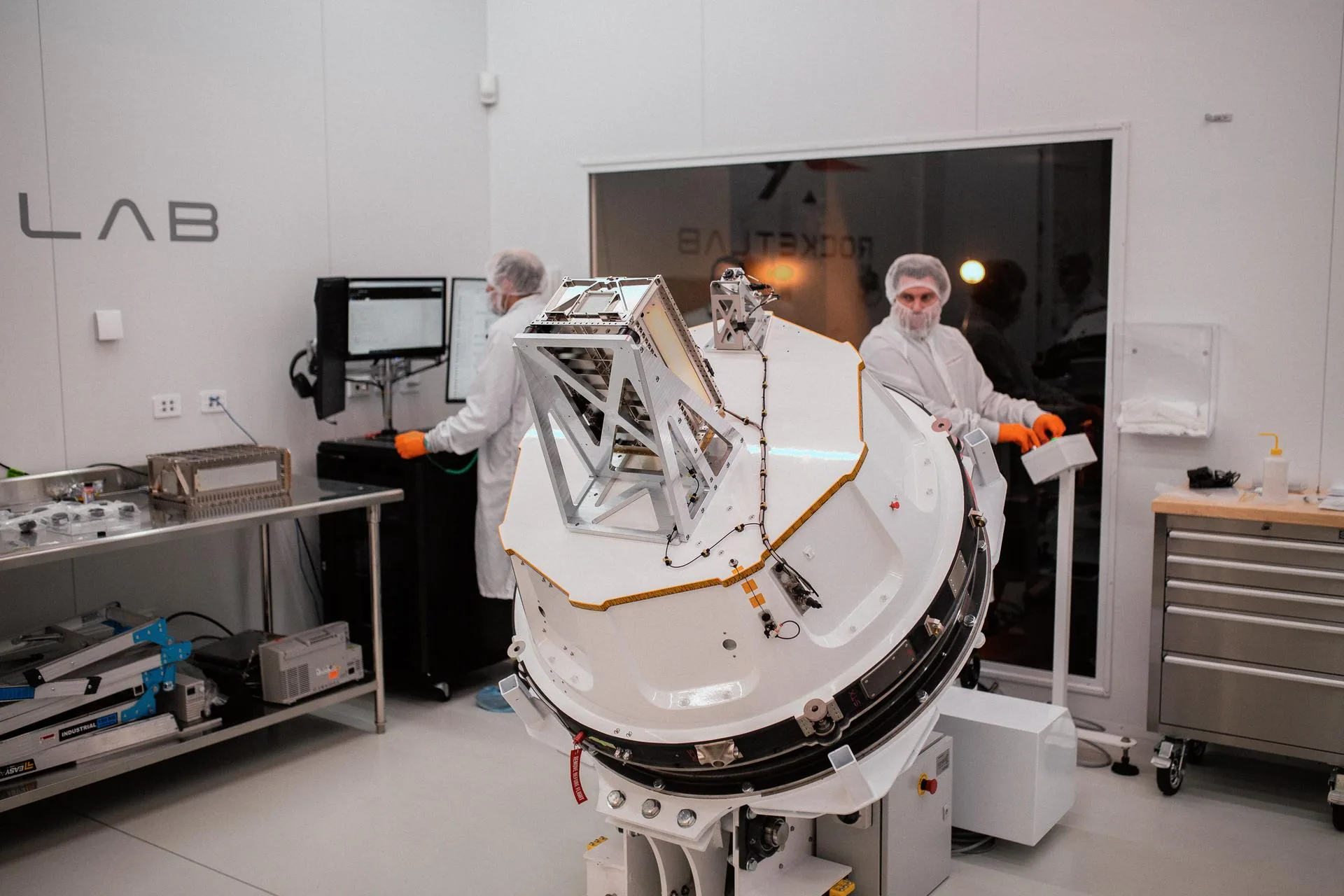
- SolAero Technologies (Albuquerque, New Mexico): High-efficiency space solar cells that power over 1,000 spacecraft currently in orbit, including NASA's James Webb Space Telescope and Mars Ingenuity helicopter.
- Planetary Systems Corporation (Maryland): Satellite separation systems used on hundreds of missions.
- Sinclair Interplanetary (Toronto, Canada): Reaction wheels and star trackers -- the precision attitude control components that keep satellites pointing where they need to point.
- Advanced Solutions Inc. (Littleton, Colorado): Flight software and mission simulation tools with over 150 cumulative years of in-space operation.
Add to this the carbon composite manufacturing capability acquired from SailGP Technologies in Warkworth, New Zealand (October 2023), and the Engine Development Center opened in Long Beach in the former Virgin Orbit facility (also October 2023), and you start to see the full picture. Rocket Lab can build the rocket, build the satellite, build the solar panels, build the reaction wheels, write the flight software, and operate the mission. That vertical integration is a strategic moat that most competitors simply cannot match.
The company's spacecraft platforms -- including Pioneer and Lightning -- are being used for increasingly complex missions. Rocket Lab built and operated the CAPSTONE spacecraft that tested the lunar orbit planned for NASA's Gateway station, and it is building spacecraft for NASA's ESCAPADE mission to Mars. These are not trivial missions. They are deep-space, high-reliability assignments that speak to the trust the customer community places in Rocket Lab's engineering.
The Business of Space
Peter Beck has always been clear about something: Rocket Lab is building a business, not just rockets. The company went public via SPAC in 2021 and has been steadily growing revenue, expanding margins, and building a backlog that stretches years into the future. The space systems segment -- spacecraft and components -- now represents a significant and growing portion of revenue, diversifying the company beyond launch services.
This matters because the space industry has a long history of brilliant engineering companies that could not make the economics work. Rocket Lab is proving that you can be technically excellent and commercially sustainable. That combination is what gives the company longevity.
Why Rocket Lab Matters
In a space industry that loves superlatives -- the biggest rocket, the most ambitious plan, the boldest vision -- Rocket Lab's story is different. It is a story about execution. About showing up, launching reliably, delivering satellites on time, and building capability step by step. It is about understanding that access to space is not just about the spectacular; it is about the dependable.
Fifty Electron launches. Over 200 satellites deployed. Solar cells on the James Webb Space Telescope. A spacecraft orbiting the Moon. Hypersonic test flights for national defense. And a medium-lift reusable rocket in development that could reshape the constellation market.
Peter Beck started this company in a garage in New Zealand. Today, Rocket Lab operates launch sites in two countries, manufacturing facilities across four countries, and has a customer list that includes the most demanding space organizations on Earth.
For those of us who believe that the democratization of space access is one of the most important trends of our time, Rocket Lab is not just participating in that trend. It is driving it. And the best is yet to come.