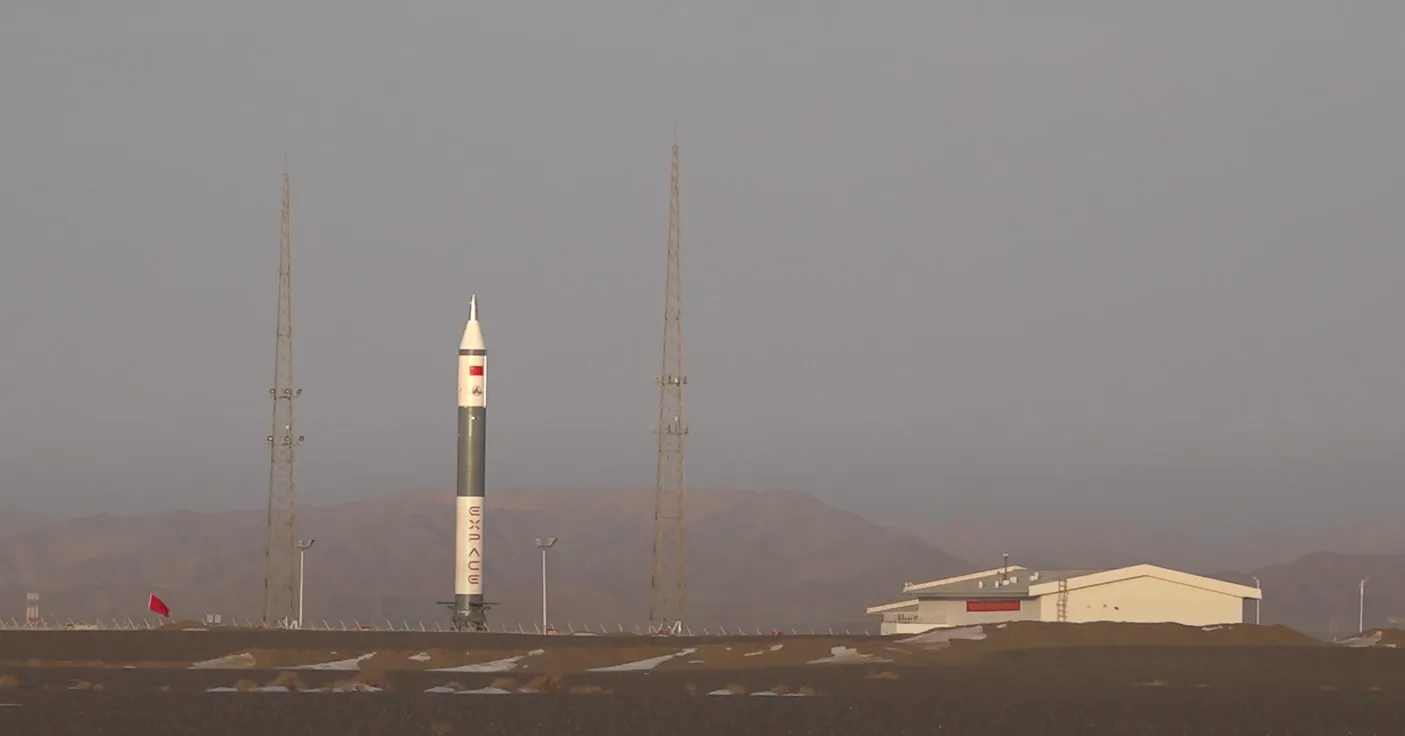
 China News Service · CC BY 4.0 · Wikimedia Commons
ExPace (Expace Technology / CASIC Rocket Technology)
Overview
Wholly-owned commercial launch arm of state-owned CASIC (China Aerospace Science & Industry Corporation, the country's primary missile and defense contractor), operating from a 68.8 sq-km dedicated industrial base in Wuhan. Sells solid-fueled 'quick-reaction' launch services priced below CASC Long March: Kuaizhou-1A (200–300 kg to SSO) is the workhorse for Chinese smallsat operators, while Kuaizhou-11 (~1.0–1.5 t to LEO) addresses medium payloads. Customer base spans Chinese commercial smallsat operators, military quick-response payloads, and increasingly Belt-and-Road export missions. CASIC's 2025 five-year plan adds a reusable solid-liquid Kuaizhou-21/31 family and a reusable commercial spaceplane to the long-term roadmap.
Moat: Sole CASIC commercial launch arm with 30+ Kuaizhou-1A flights and ~90% success rate as of late 2025 — the most-flown Chinese commercial launcher by mission count. Vertically integrated solid motor production (CASIC Fourth Academy heritage from DF-21 / DF-26 missile families), dedicated 68.8 sq-km Wuhan industrial base, and direct access to CASIC parent military launch demand insulate ExPace from the cash-burn pressures facing Chinese private launch peers. Lower per-mission pricing than CASC Long March on small payloads.
Business
Primary customers
- Commercial: Chinese commercial smallsat operators (Tianqi, Yunyao, Geely Geespace, Traffic VDES)
- Commercial: Belt-and-Road / Pakistan SUPARCO export customers
- Defense: PLA Strategic Support Force / military quick-reaction payloads
- Government: CASIC parent state programs
Sectors
Launch Services · Solid Rockets · State-owned commercial space
Gallery
Last Funding Round
Key Products
- Kuaizhou-1A (KZ-1A)operational
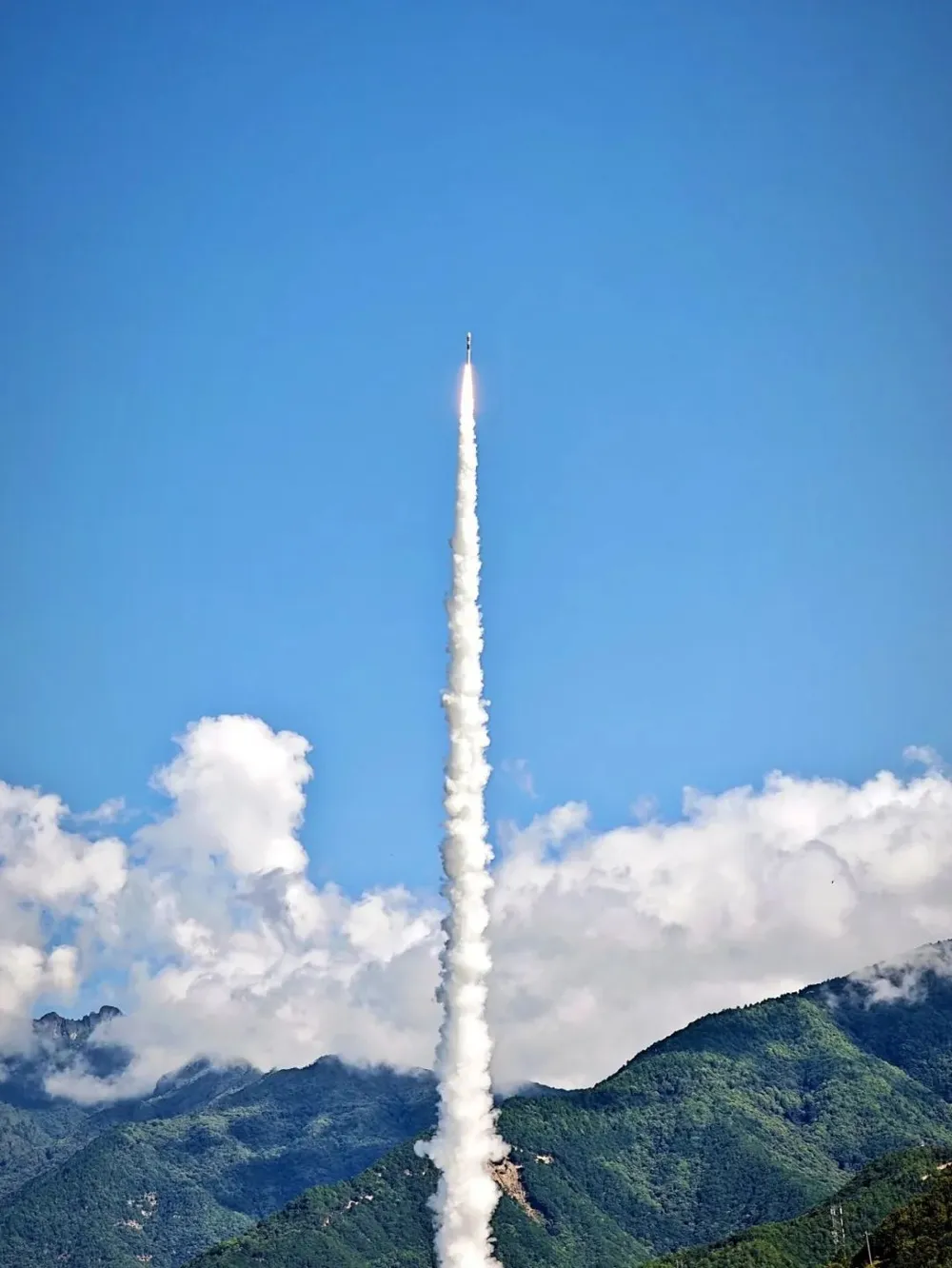
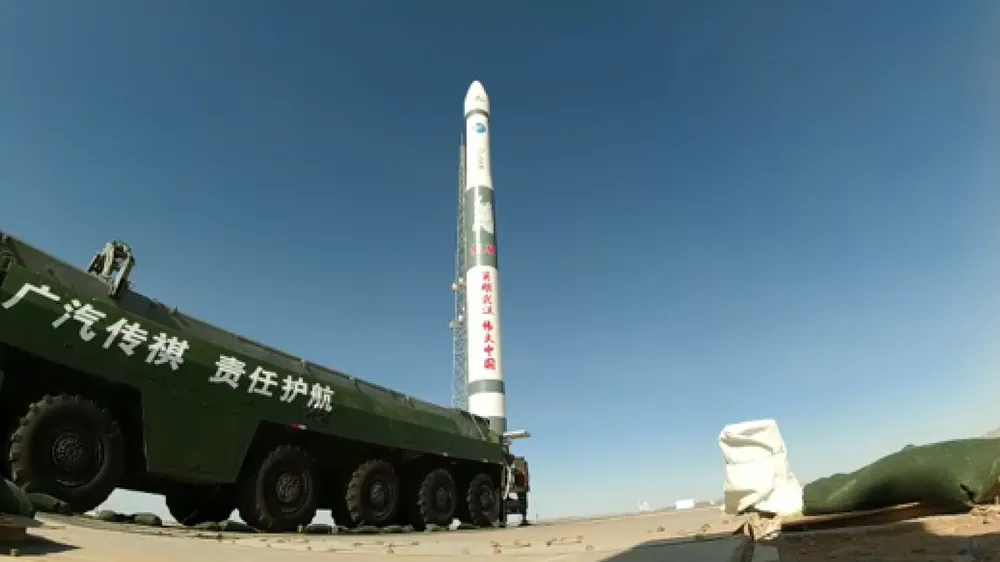
Solid-fueled three-stage small launcher (~200–300 kg to SSO) with liquid 4th-stage upper; 30+ flights since 2017, ~90% success rate; workhorse Chinese smallsat launcher
First flight: 2017-01-09
- Kuaizhou-1A Prooperational
Upgraded KZ-1A variant first flown July 2025 carrying Pakistan's PRSC-EO2 remote-sensing satellite — the 30th Kuaizhou-1A mission
First flight: 2024-12-04
- Kuaizhou-11 (KZ-11)operational
Solid medium-lift launcher (~1.0–1.5 t to LEO); failed maiden Jul 2020, returned to flight successfully Dec 2022; multiple operational flights through 2026
First flight: 2020-07-10
- Kuaizhou-21 / Kuaizhou-31 (planned)development
Heavy-lift solid-liquid hybrid vehicles announced under CASIC's 2025 five-year plan; targeting late-decade introduction
- CASIC reusable commercial spaceplane (announced)development
Reusable spaceplane program disclosed under the 2025 CASIC five-year plan; conceptual phase
Government Contracts
| Agency | Program | Amount | Year | Source |
|---|---|---|---|---|
| China State Council / CASIC parent program funding | Kuaizhou family operational launch services (state and military payloads) | Undisclosed (consolidated within CASIC defense contracts) | Recurring |
Investor Resources
Primary-source documents — straight from ExPace (Expace Technology / CASIC Rocket Technology)'s investor relations and SEC filings.
Near-term Catalysts
- Throughout 2026
Kuaizhou-1A cadence ramp toward 8–10 launches/year for commercial smallsats
Sustains ExPace's lead as the most-flown Chinese commercial launcher by mission count
- 2026–2027
Kuaizhou-11 commercial cadence expansion
Closes the medium-lift gap before liquid private rivals (Hyperbola-3, Tianlong-3, Zhuque-3) hit full cadence
- 2027–2028
Kuaizhou-21 / Kuaizhou-31 critical-design milestones
Heavier solid-liquid vehicles broaden ExPace's addressable manifest
- Late-decade
CASIC reusable spaceplane prototype hop tests (announced)
First state-owned response to Chinese private reusables (LandSpace Zhuque-3, iSpace Hyperbola-3)
Top Risks
- No reusability today — strategic gap versus Chinese private rivals (LandSpace, iSpace, Space Pioneer, Deep Blue Aerospace, CAS Space) is widening
- Kuaizhou-11 has only one historical failure but limited flight heritage; another anomaly would dent the medium-lift business
- CASIC parent control limits commercial agility and pricing flexibility versus VC-backed private peers
- US export-control regime (ITAR/EAR) and CASIC's defense designation eliminate Western satellite customer access
- State-budget priorities can override commercial-customer manifest in any geopolitical crisis
Recent Milestones
- 2017-01-09
Kuaizhou-1A maiden flight successfully delivered three smallsats to orbit
- 2020-07
Kuaizhou-11 maiden flight failed shortly after launch
- 2022-06-14
Closed CNY 1.59B (~$237M) Series B led by GP Capital and China Aerospace Investment Holdings
- 2022-12
Kuaizhou-11 returned to flight successfully after the 2020 maiden-flight failure
- 2024-05
Kuaizhou-11 Y2 successfully launched four satellites to sun-synchronous orbit
- 2025-07-31
Kuaizhou-1A Pro launched Pakistan's PRSC-EO2 remote-sensing satellite — the 30th Kuaizhou-1A mission
- 2025
CASIC publicly outlined a five-year plan covering Kuaizhou upgrades and a reusable commercial spaceplane
- 2025-12
Kuaizhou-1A successfully orbited two Traffic VDES satellites, demonstrating continued tempo
- 2026-03
Kuaizhou-11 fifth commercial flight placed eight payloads in orbit, demonstrating recovery of medium-lift cadence
From Management
Recent interviews and talks from ExPace (Expace Technology / CASIC Rocket Technology)'s leadership — hear the strategy in their own words.
What investors should know
Q1What does ExPace do?⌄
Q2What is the key technology behind the Kuaizhou family?⌄
Q3How is ExPace funded?⌄
Q4What is ExPace's commercial path?⌄
Q5What geopolitical or export-control risks does ExPace face?⌄
Q6What near-term catalysts should investors watch?⌄
Q7How does ExPace compare to its peers?⌄
Peers
Sources & References
Trade Press
- SpaceNews — Chinese commercial launch firm Expace raises $237 million · 2022-06-15(archived)
- SpaceNews — China's CASIC reveals five-year plan for reusable spaceplane · 2025-09-01(archived)
- Xinhua — Kuaizhou rocket commercial industrialization · 2024-04-23(archived)
- China-in-Space — Pakistani satellite soars from Xichang (Kuaizhou-1A Flight-30) · 2025-07-31(archived)
- SpaceNews — China debuts modified solid rocket with remote sensing satellite launch · 2025-08-01(archived)
- Xinhua — Kuaizhou launch coverage · 2025-12-05(archived)
- Wikipedia — Kuaizhou · 2026-04-01(archived)
Explore More
Where ExPace (Expace Technology / CASIC Rocket Technology) takes you next
Who builds it
Galactic Energy
Who builds it
Who builds it
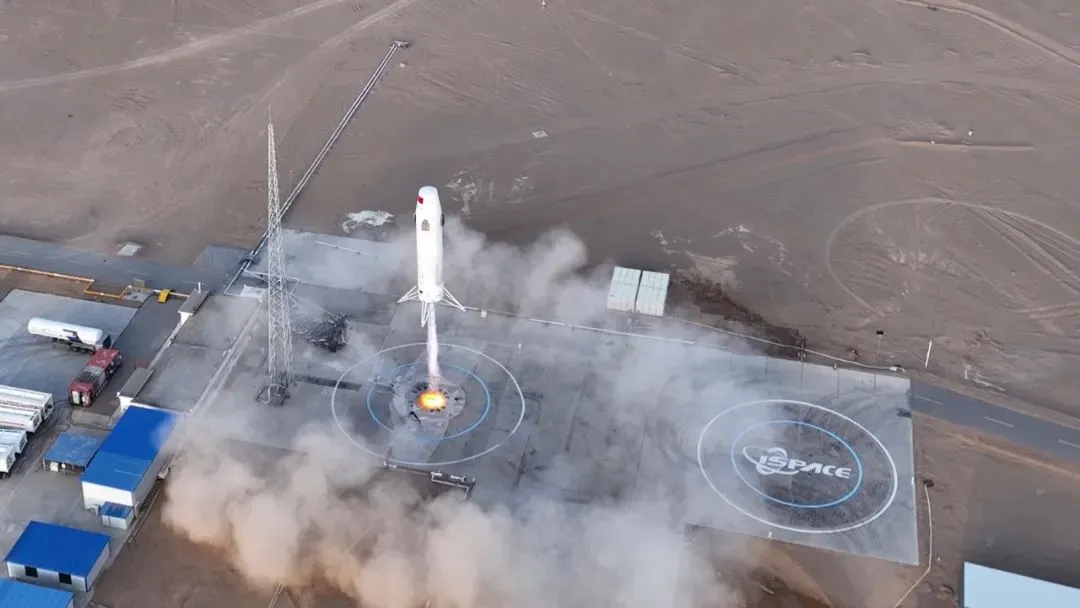
iSpace (Beijing Interstellar Glory Space Technology)
Who builds it
Who builds it
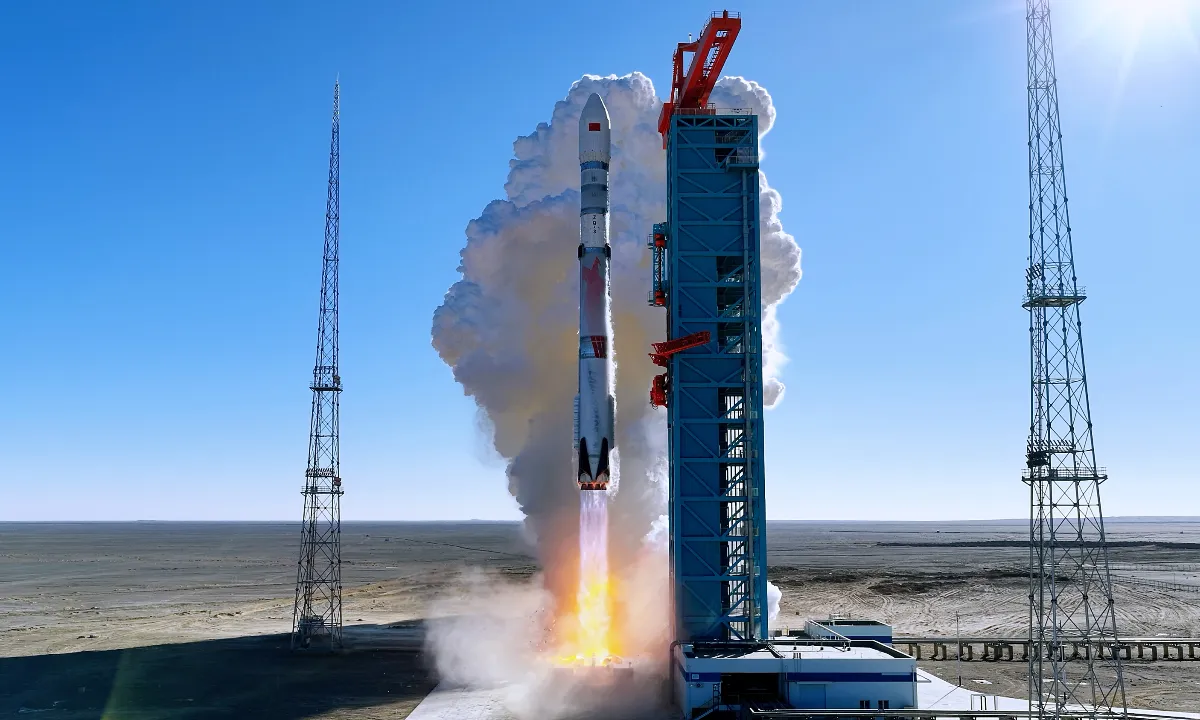
LandSpace
Who builds it
A comparable company
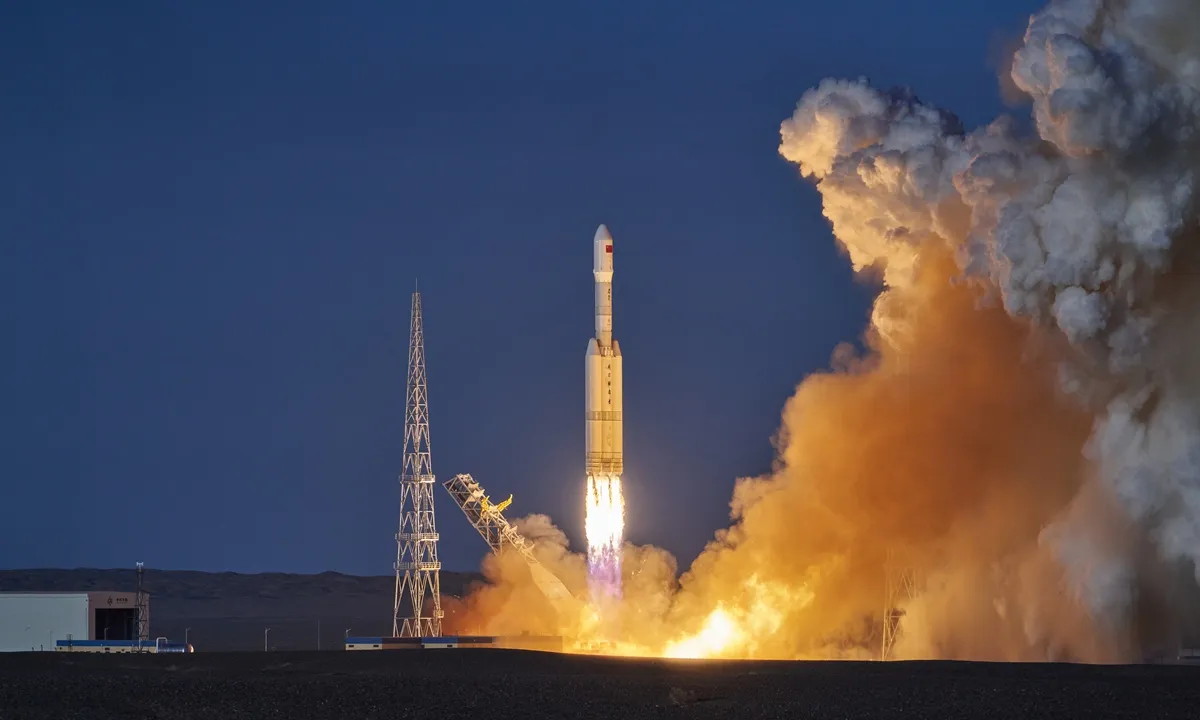
CAS Space (Zhongke Aerospace Exploration / Zhongkexing)
A comparable company
GalaxySpace (Yinhe Hangtian)
A comparable company
A comparable company
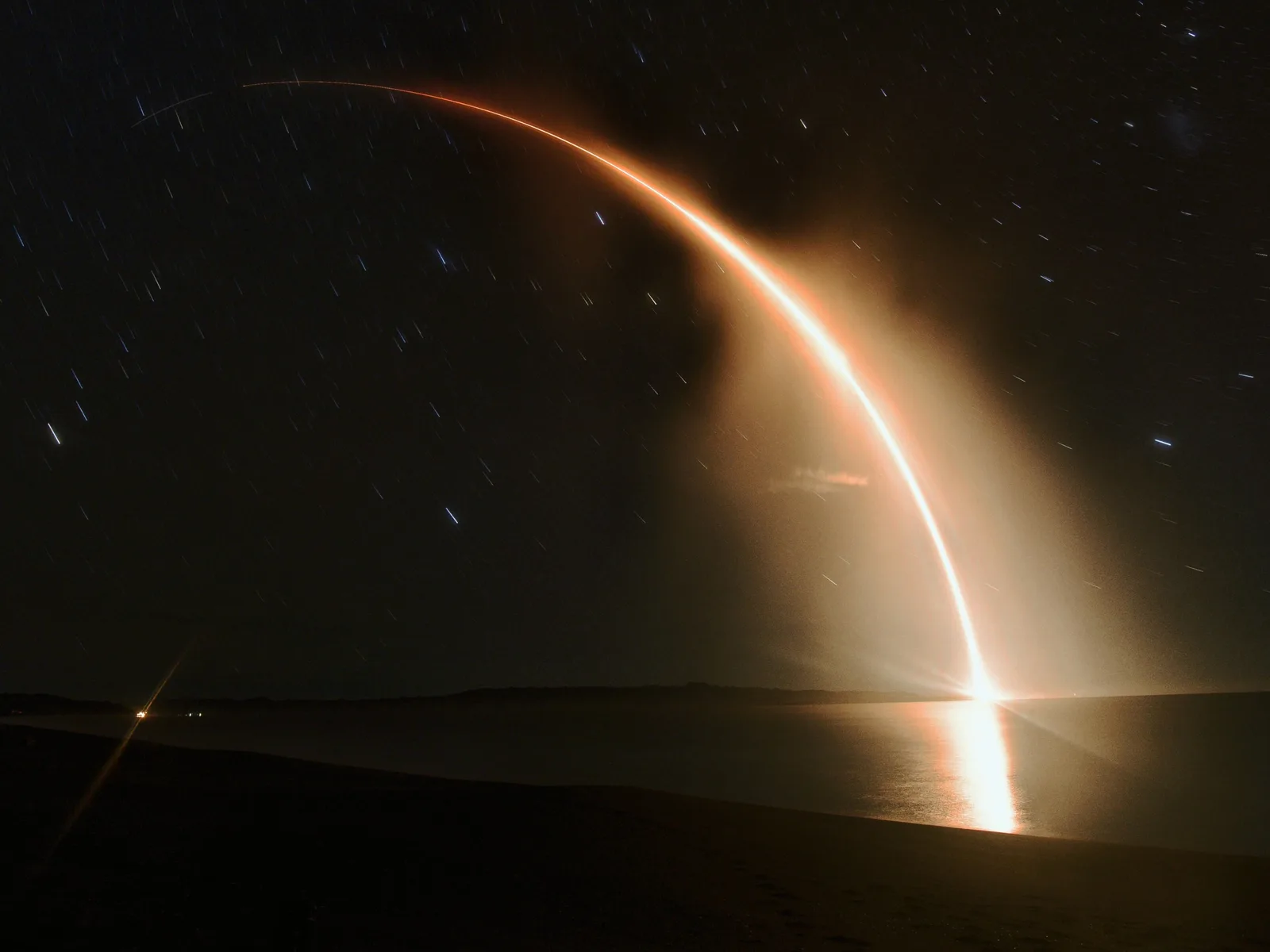
Rocket Lab
A comparable company