SPACEODYSSEYHUB · ENGINEERING CAMPUS
Build
This is not a museum. Nine facilities are on this campus, and every machine in them gets assembled by hand — yours. Snap the parts together in the real order, fly what you built, then break it — because every part answers one question: why does it exist, and what dies without it?
FACILITIES ONLINE 9
FLIGHT COMPONENTS 108
ENGINEERING LESSONS 324
FAILURE SCENARIOS 89
PRIMARY SOURCES 101
WELCOME, ENGINEER — CAMPUS INDUCTION
Today’s assignment: assemble the rocket.
Rocket Factory · completes your Flight Vehicle Integration certification.
CERTIFICATIONS 0/9
Next: reach orbit
- 01 Reach orbit
- 02 Work in orbit
- 03 Live in orbit
- 04 Step outside
- 05 Leave Earth orbit
- 06 Land on another world
- 07 Drive another world
- 08 Stay
- 09 See beyond
BAY 01 · ROCKETS
Rocket Factory
Assemble a Falcon 9 or Saturn V, then fly it to orbit.
STEP 01 — Reach orbit · earns Flight Vehicle Integration
Assemble the rocket ▸BAY 02 · SATELLITES
Mission Integration Facility
Everything is a budget: power, heat, and where it points.
STEP 02 — Work in orbit · earns Payload Systems
Integrate the payload ▸BAY 03 · SPACE STATIONS
Orbital Assembly Hangar
Build the ISS in orbit — one module at a time, in the real order.
STEP 03 — Live in orbit · earns Orbital Assembly
Dock the first module ▸BAY 04 · SPACE SUITS
EVA Systems Laboratory
A one-person spacecraft you wear.
STEP 04 — Step outside · earns EVA Systems
Suit up ▸BAY 05 · LUNAR GATEWAY
Gateway Assembly Complex
An outpost around the Moon — the staging point for the surface.
STEP 05 — Leave Earth orbit · earns Deep Space Outposts
Assemble the outpost ▸BAY 06 · LUNAR LANDERS
Lunar Descent Facility
Two spacecraft in one — land on the Moon, then fly back up.
STEP 06 — Land on another world · earns Descent & Landing
Begin the descent ▸BAY 07 · ROVERS
Mars Mobility Lab
It drives itself — Earth is twenty light-minutes away.
STEP 07 — Drive another world · earns Surface Mobility
Build the rover ▸BAY 08 · MARS HABITATS
Surface Systems Laboratory
Everything you need to survive Mars — much of it made there.
STEP 08 — Stay · earns Surface Systems
Construct the habitat ▸BAY 09 · SPACE TELESCOPES
Deep Space Optics Laboratory
Too big to launch, so it folds. Then it unfolds in the dark.
STEP 09 — See beyond · earns Deep Space Optics
Unfold the mirror ▸THE TWIN HANGAR
The flight hardware.
Behind the assembly bays sits the hangar: full digital twins of the real vehicles — explode them, x-ray them, recolour them by material, and cut the systems that keep them alive.
ISS — the real station
NASA's own CAD model in three modes: Realistic, Engineering, and inside the Cupola.
Enter the bay ▸Perseverance
Separate the wheels, mast, arm and MMRTG — then cut the heaters at Martian nightfall.
Enter the bay ▸James Webb
18 gold segments and the five-layer sunshield, unfolded in the real deployment order.
Enter the bay ▸Landsat 9
Bus, sun-tracking wing and both cameras — cut the cryocooler and watch it go blind.
Enter the bay ▸THE FLEETS
Every craft that got there.
Not one vehicle — all of them. Every rover, lander and orbiter humanity has sent to Mars and the Moon, standing side by side to true scale on the surface, then flying its real orbit overhead.
THE SURFACE YARDS
Then take the keys.
A machine you assembled is still just a model until you drive it somewhere that would kill you. Two proving grounds, built from real terrain — with the rest of the fleet parked around you.
The Mars Yard
Drive Perseverance across Jezero-like terrain. Curiosity is parked on the rise, Ingenuity flies its figure-eight overhead, and ten titanium sample tubes wait at the depot.
The Moon Yard
Drive NASA's pressurised rover past the lander, the habitat and the mining robot — under a black sky, with Earth hanging motionless overhead.
Where the campus connects
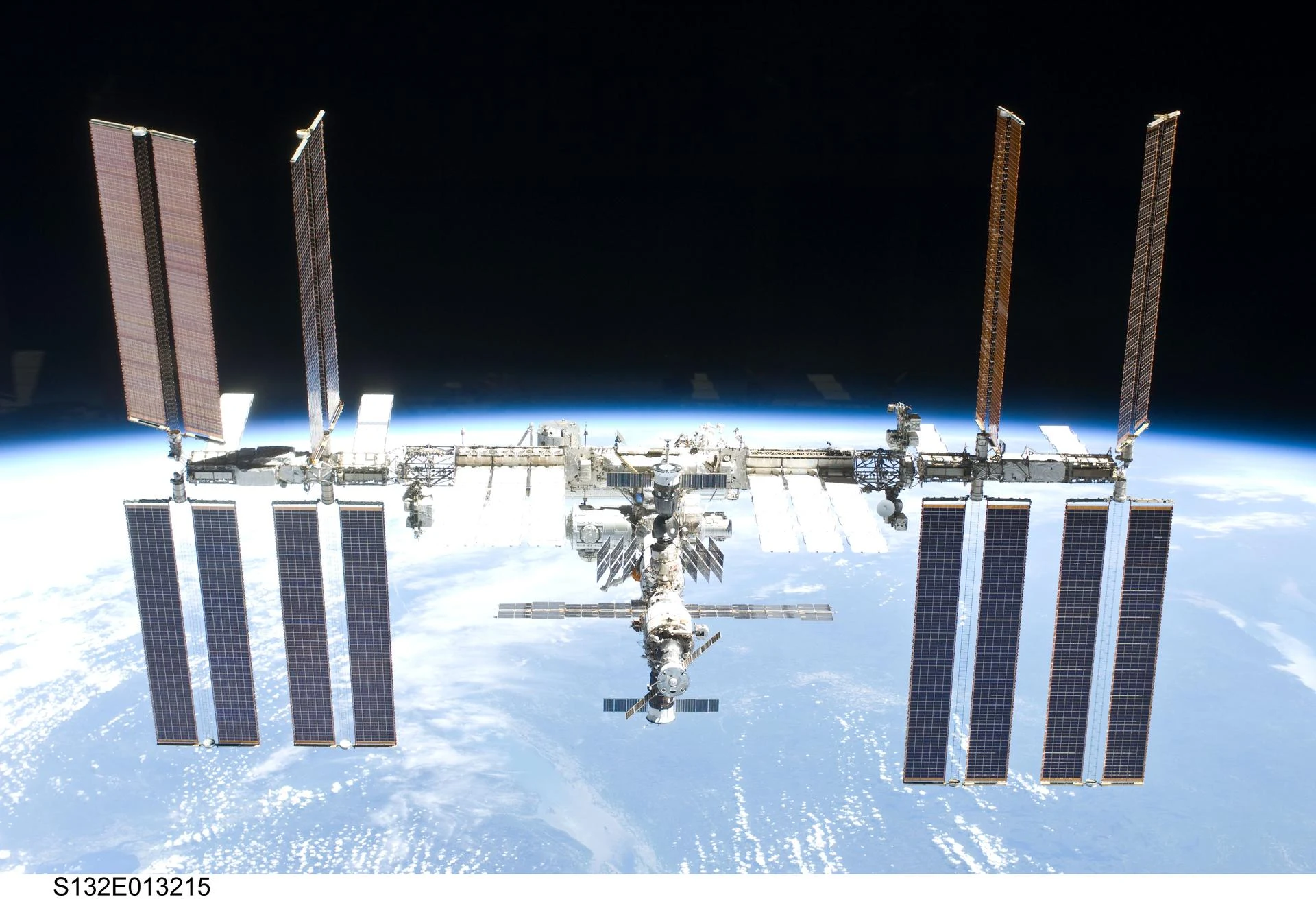
Meet the real machine
Spacecraft
International Space Station
Meet the real machine
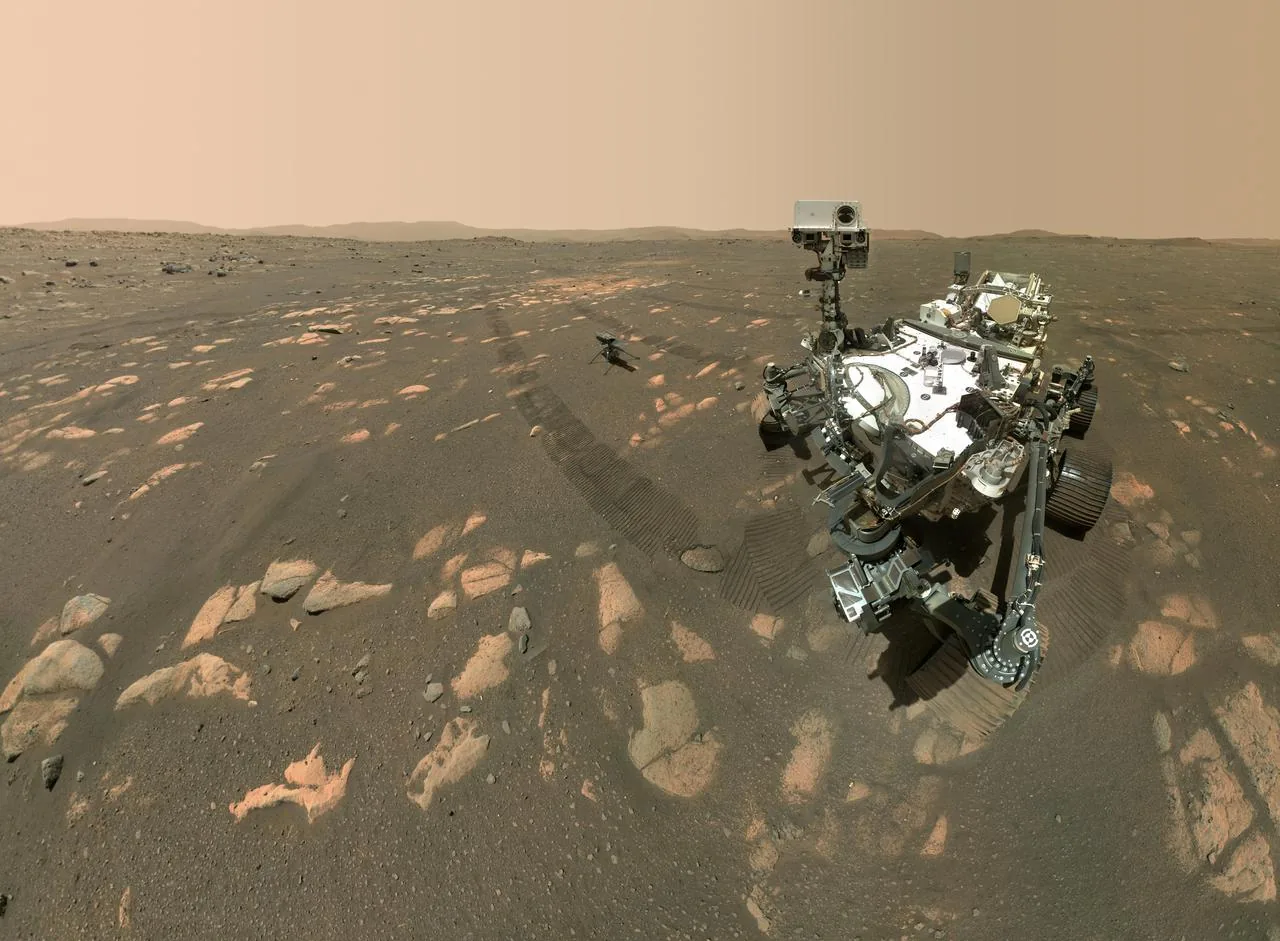
The real mission
Mission
Perseverance (Mars 2020)
The real mission
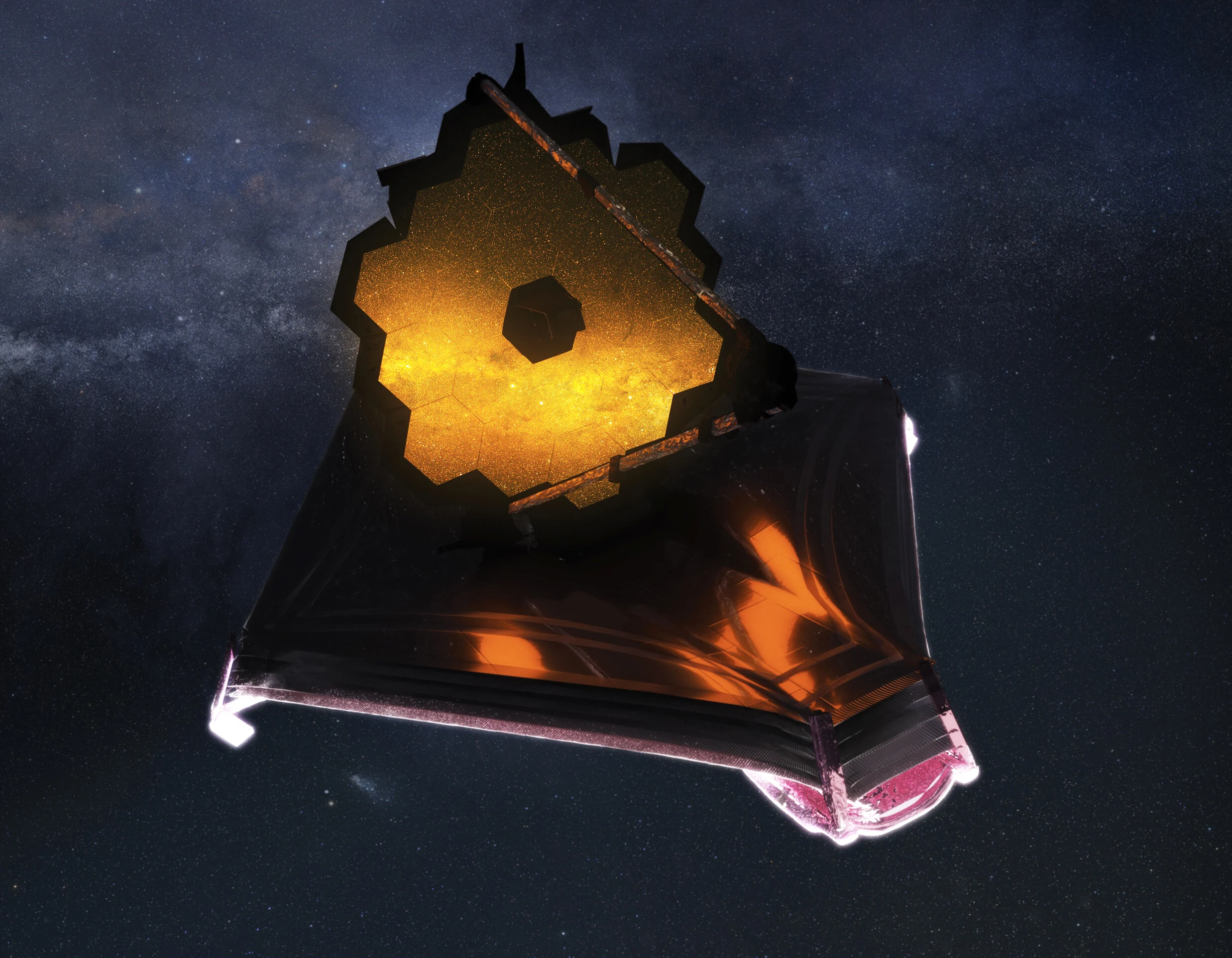
Meet the real machine
Spacecraft
James Webb Space Telescope
Meet the real machine
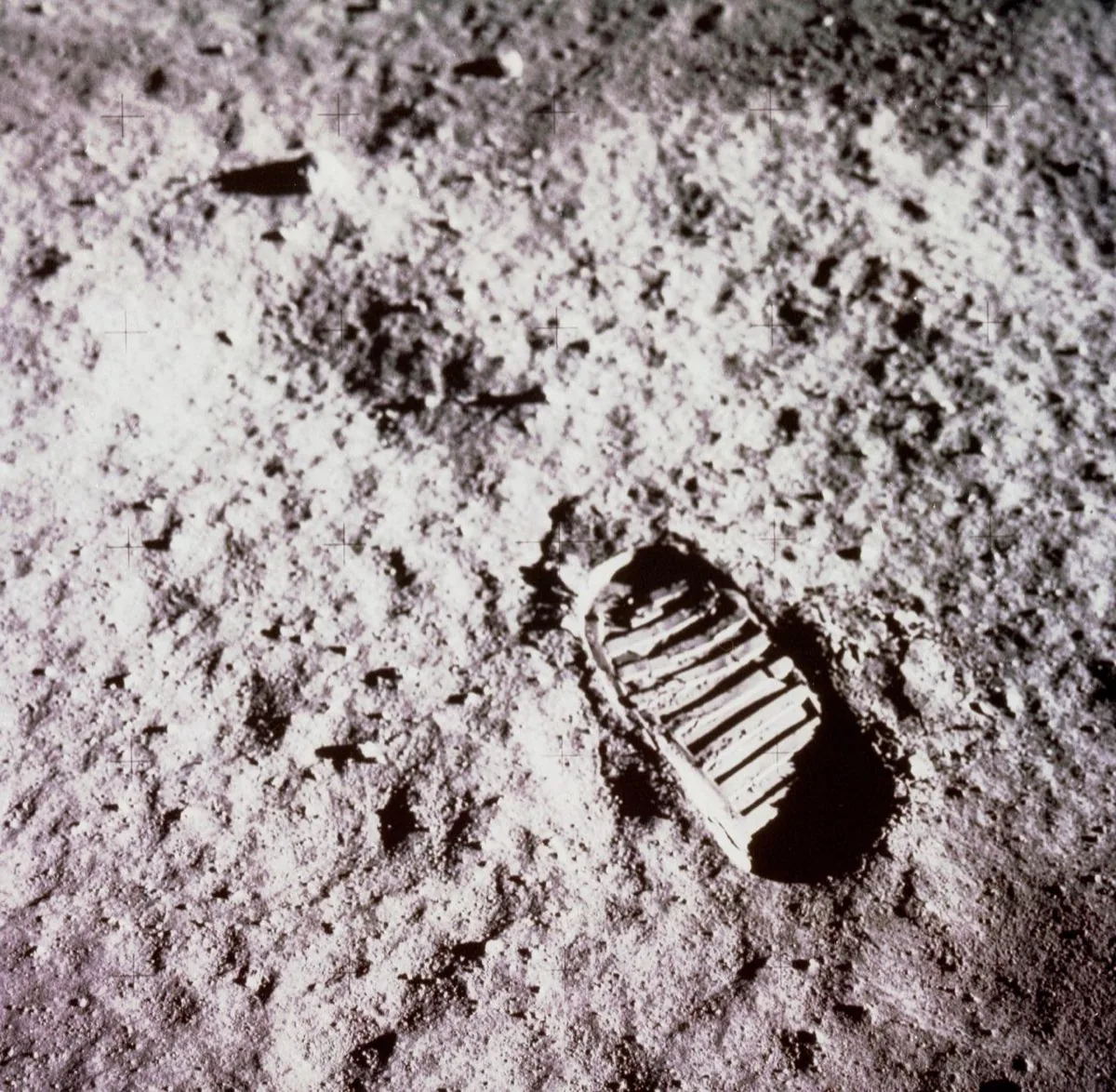
Fly the real mission
Experience
Apollo 11
Fly the real mission
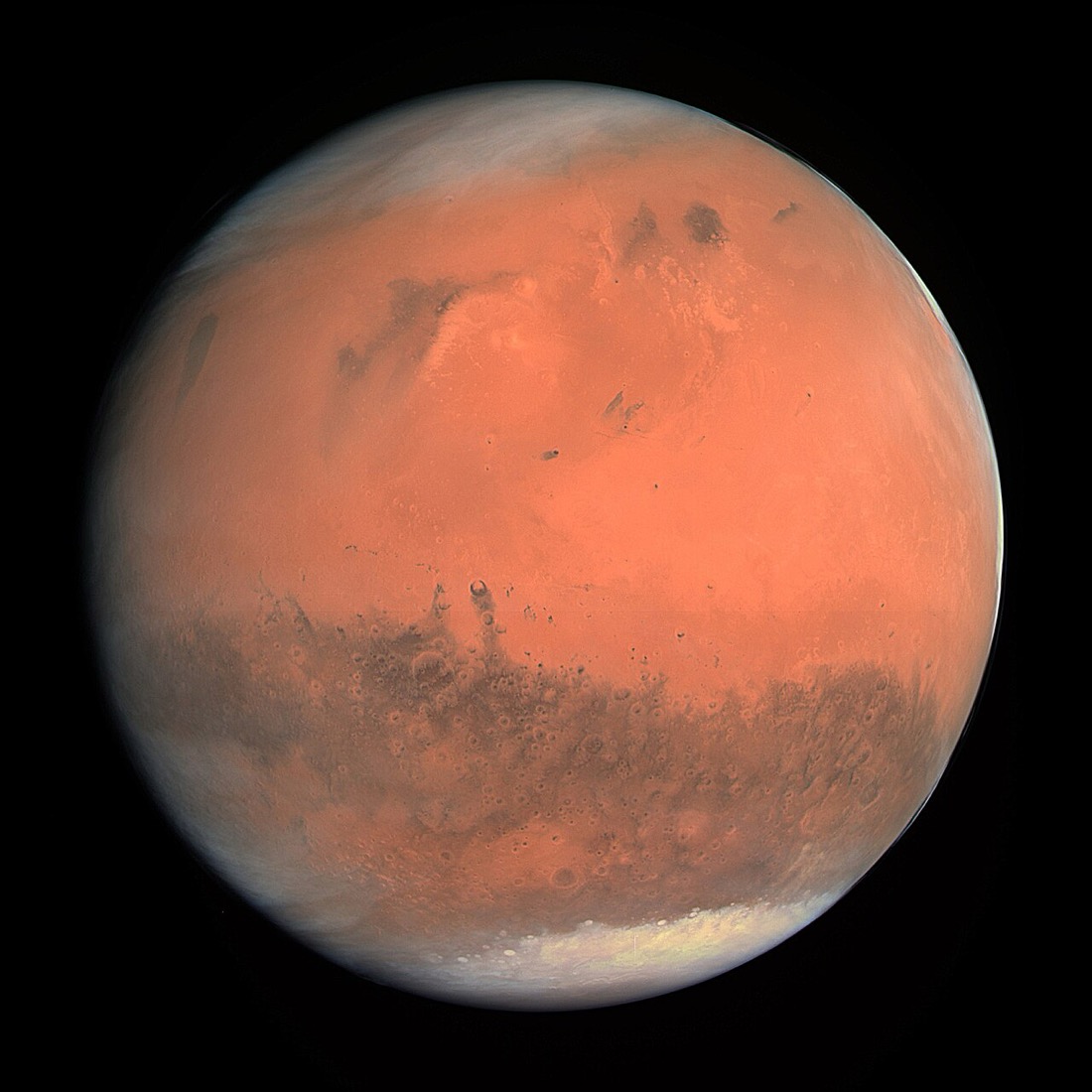
Where it operates
World
Mars
Where it operates
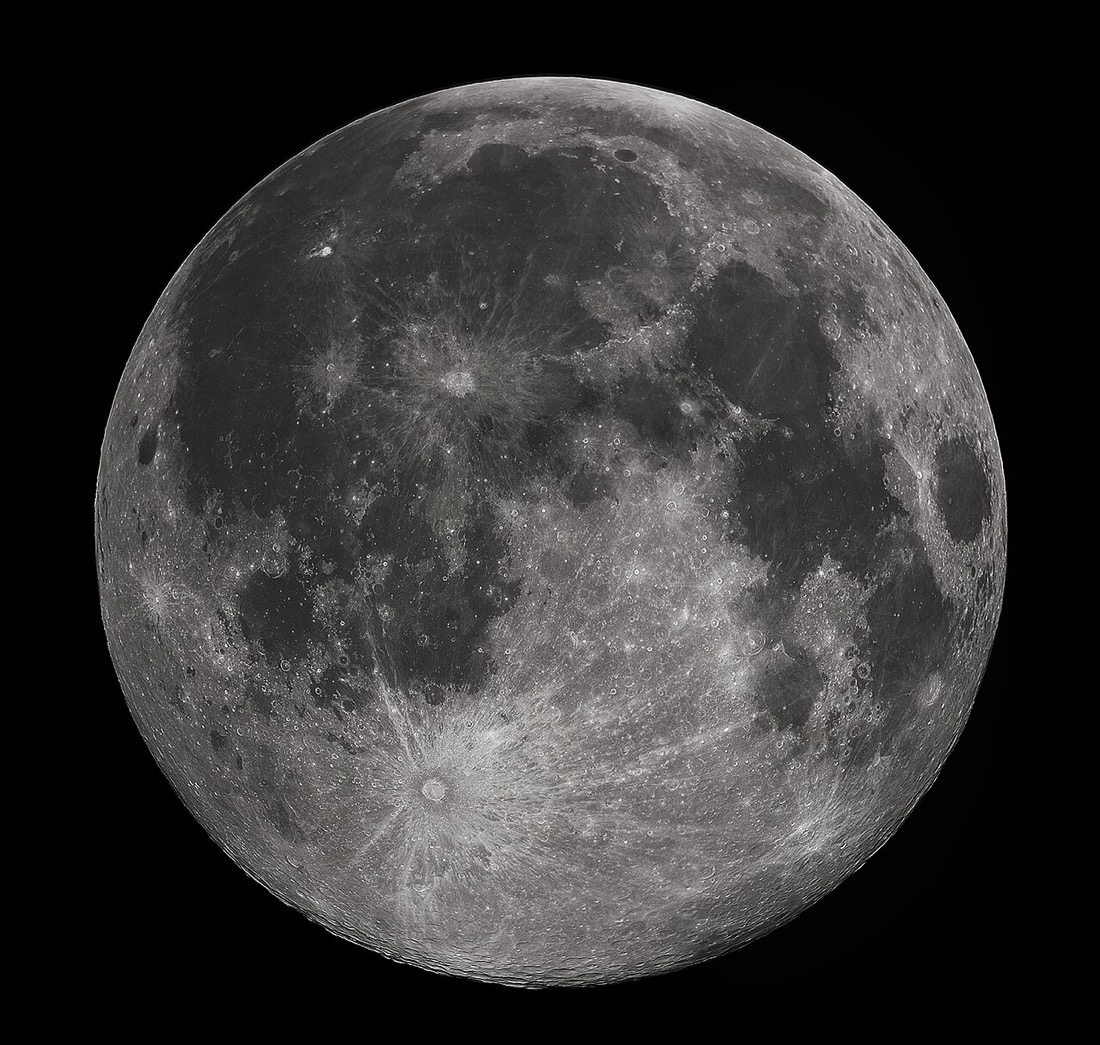
Where it operates
World
The Moon
Where it operates