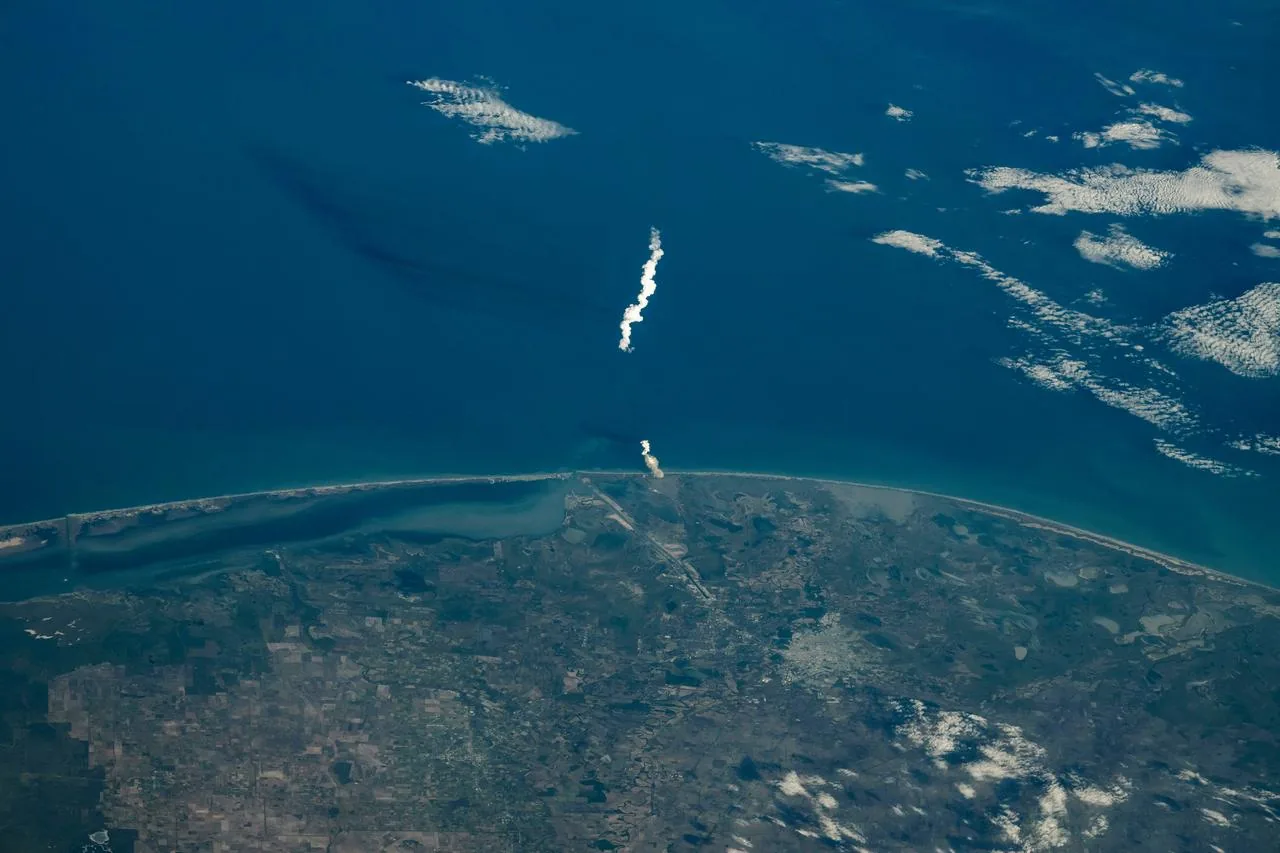
If there is one number that defines the trajectory of the space economy, it is the cost per kilogram to low Earth orbit. In the Space Shuttle era, putting a kilogram of payload into LEO cost roughly $54,000 (in 2020 dollars). Today, SpaceX's Falcon 9 does it for approximately $2,700 — and the numbers continue to fall as Starship matures and a new generation of partially reusable rockets (Vulcan, New Glenn, Neutron) settles into operational service.
But cost-per-kilogram is just the headline. The real economics of getting to space are more nuanced, shaped by factors like schedule availability, orbit selection, reliability track records, reusability, and whether you need a dedicated ride or are willing to share. Below is the operational landscape as of mid-2026, with list prices, payload classes, and the reusability factor that drives them.
The Current Launch Cost Landscape
SpaceX Falcon 9: The Benchmark
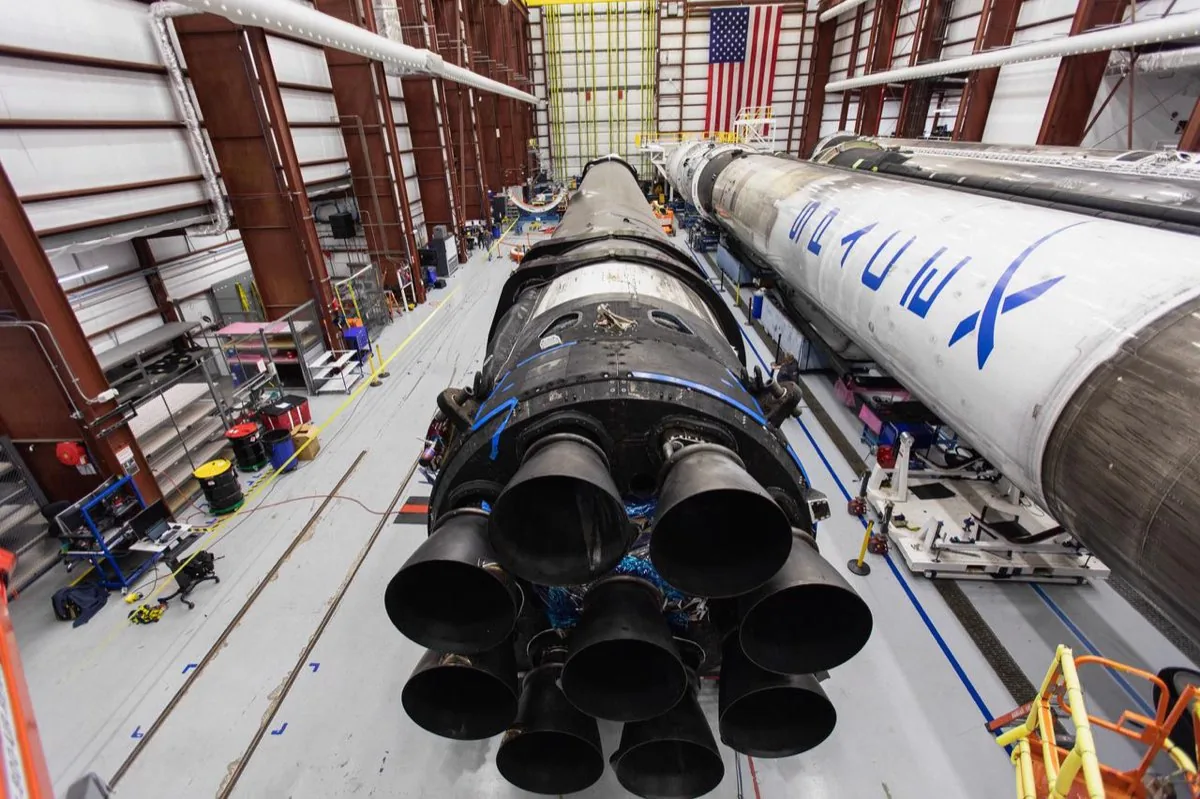
The Falcon 9 is the workhorse of the modern space age. With more than 500 successful missions logged by Q1 2026, a reusable first stage that has flown 27+ times on its highest-flown booster, and a cadence regularly hitting three launches per week, it has set the standard against which every other launch vehicle is measured.
- Payload to LEO: ~22,800 kg (expended); ~17,500 kg with droneship recovery
- Published price: ~$70 million (list); rideshare and fleet pricing well below
- Estimated cost per kg to LEO: ~$2,700–3,000 (dedicated)
- Reliability: >99% success rate
- Reusability: First stage routinely reused; fairings recovered and reflown; second stage expendable
The key to Falcon 9's economics is reusability. By recovering and reflying the first stage booster, SpaceX has dramatically reduced the marginal cost of each launch. The exact internal cost per launch is not public, but estimates suggest SpaceX's marginal cost to fly a reused booster may be as low as $15–20 million, with the remainder of the published price representing margin and second-stage costs.
For the space industry, Falcon 9's pricing and reliability have become the gravity well that everything else orbits around.
SpaceX Falcon Heavy: More Muscle, Lower Unit Cost
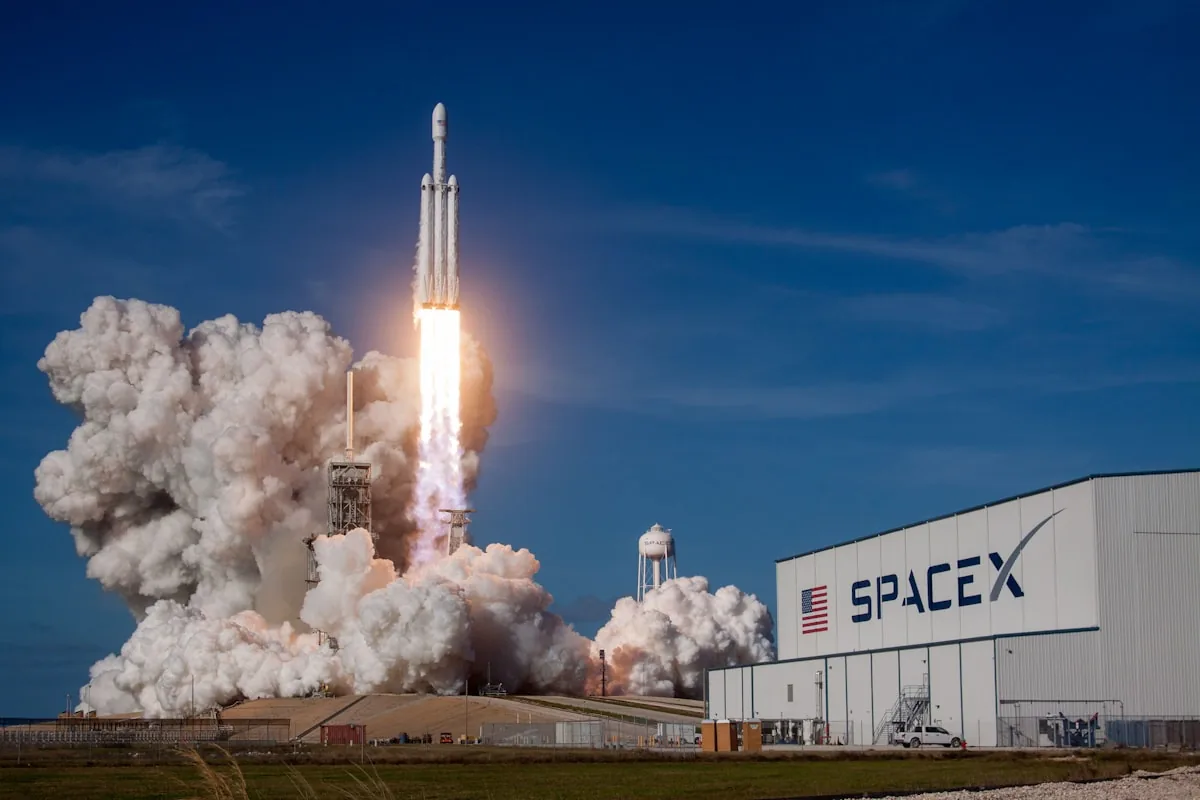
The Falcon Heavy, essentially three Falcon 9 first stages bolted together, offers substantially more payload capacity at an attractive cost per kilogram.
- Payload to LEO: ~63,800 kg (expended); ~26,700 kg with side-booster recovery
- Payload to GTO: ~26,700 kg (expended core)
- Published price: ~$90–100 million (reusable configuration); up to ~$150M for fully expendable national security missions
- Estimated cost per kg to LEO: ~$1,500
- Reliability: 100% success rate across its operational record through mid-2026
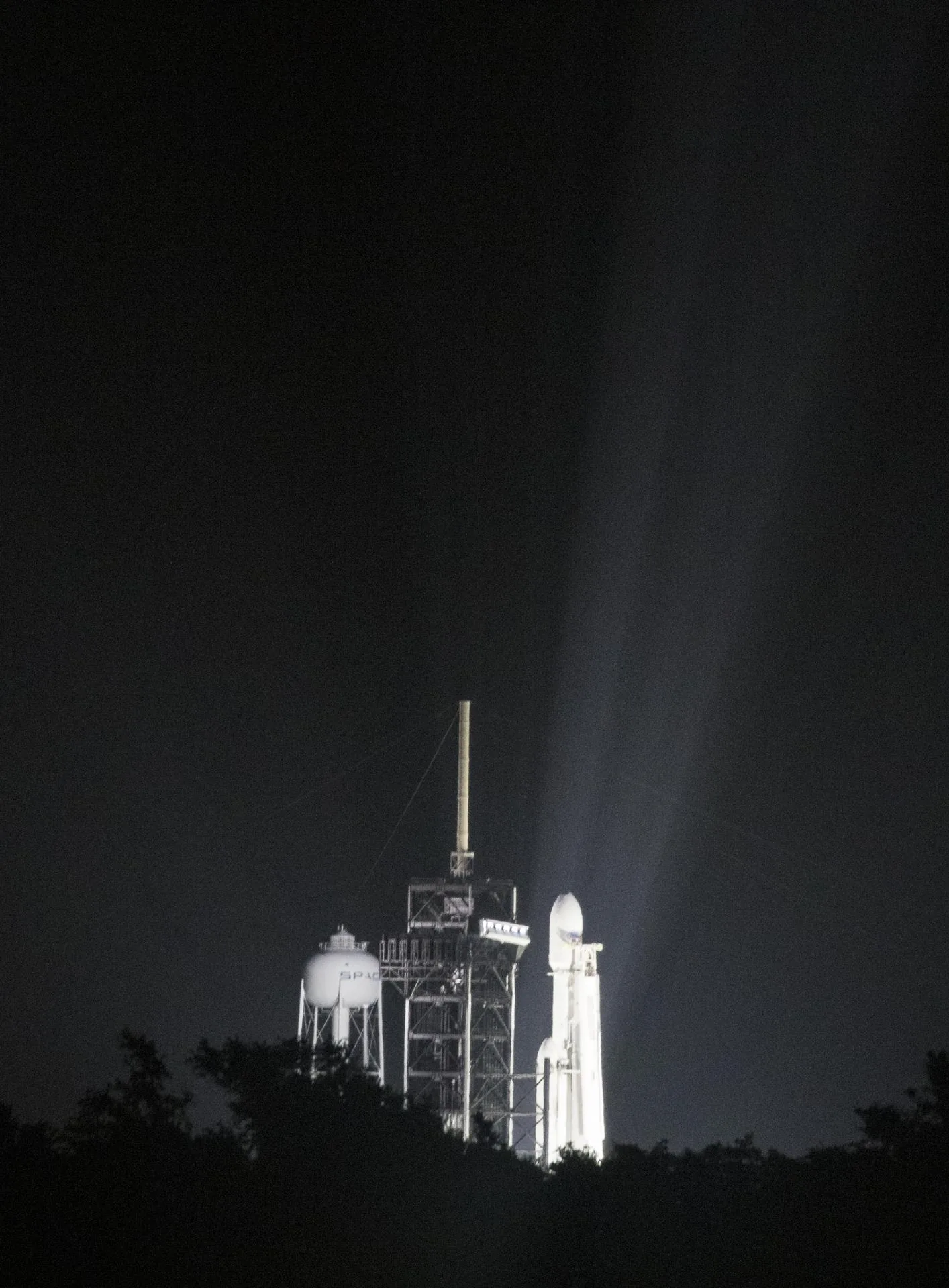
Falcon Heavy is particularly valuable for heavy GEO missions, lunar Gateway logistics (it is launching the PPE+HALO co-manifested stack), and national security payloads that require direct insertion into high-energy orbits. Its cost advantage over competitors for these missions is substantial.
SpaceX Starship: The Potential Game-Changer
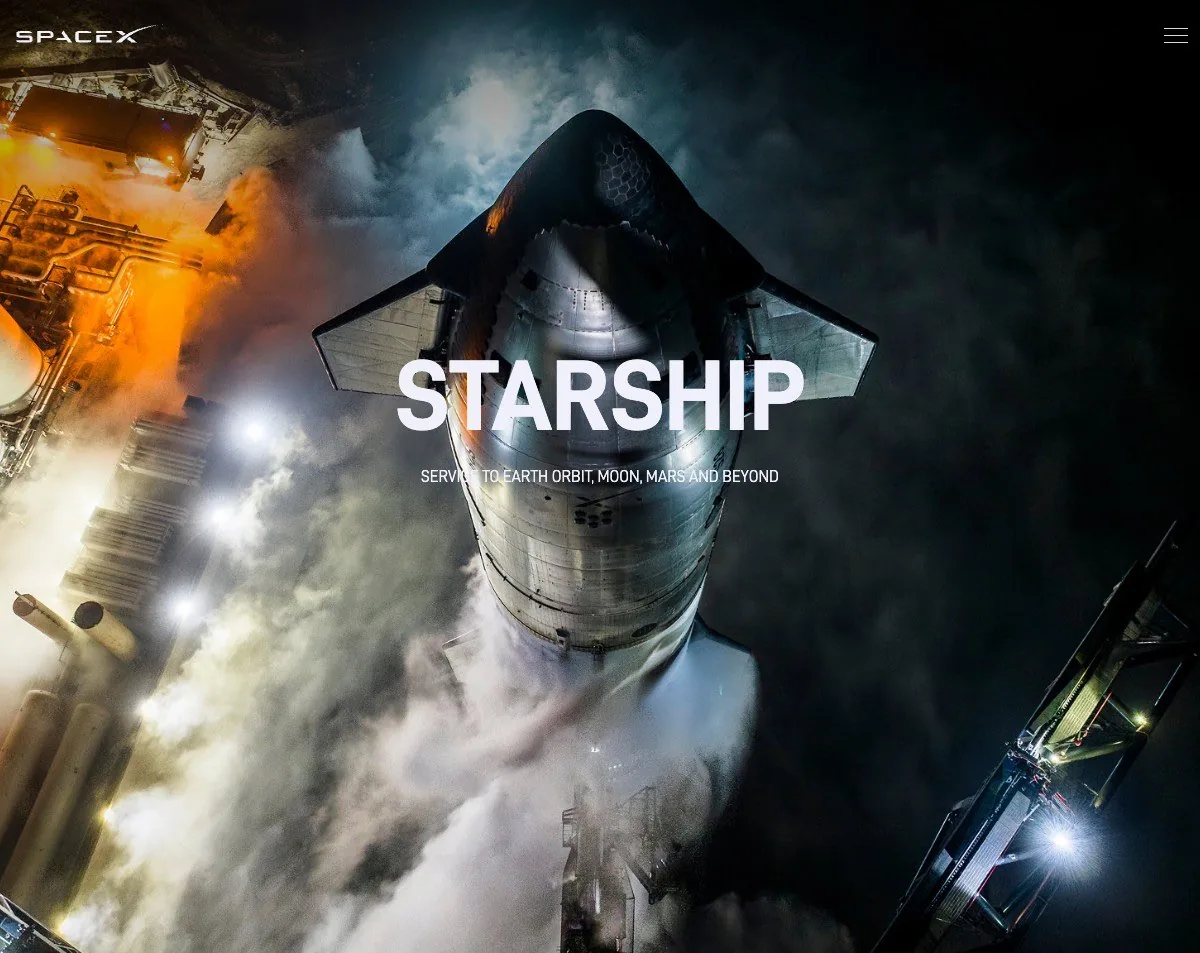
Starship, SpaceX's fully reusable super-heavy-lift vehicle, has progressed from atmospheric and suborbital testing into orbital reuse trials and HLS-relevant in-space propellant transfer demonstrations. It still represents the most ambitious attempt to fundamentally alter launch economics.
- Payload to LEO: ~100–150+ tonnes (fully reusable target)
- Projected cost per kg to LEO: Musk has stated long-term goals of $10–20/kg; independent analysts estimate early operational costs in the $100–500/kg range, declining with cadence
- Status (mid-2026): Multiple integrated flight tests with successful Super Heavy chopstick catches; Starship upper-stage reuse and rapid turnaround still being demonstrated; HLS variant in development for Artemis III lunar landing
If Starship achieves even a fraction of its cost targets, the implications are staggering. At $100/kg to LEO, you could launch a kilogram of payload for the price of a nice dinner. At $10/kg, the mass constraints that have shaped satellite design for 60 years would essentially disappear.
Projections, however, are not reality. The vehicle still needs to demonstrate reliable recovery of both stages on rapid turnaround, consistent operational cadence, and full payload deployment from the upper stage. The journey from test flight to routine commercial service will take years and billions in additional development spending.
Rocket Lab Electron: Small but Mighty
Rocket Lab's Electron occupies a fundamentally different market position. It is a small-lift vehicle designed to give small satellite operators dedicated access to specific orbits on their schedule.
- Payload to LEO: ~300 kg
- Published price: ~$8 million (list)
- Estimated cost per kg to LEO: ~$28,000
- Reliability: 90%+ success rate over 60+ missions
The cost per kilogram looks unfavorable compared to Falcon 9, but that comparison misses the point. Electron customers are paying for dedicated orbits, specific timing, and the certainty that their 150 kg satellite is not riding along with someone else's 4,000 kg payload to whatever orbit the primary customer needs. For small satellite operators, particularly those serving defense and intelligence customers who need specific orbital planes, this premium is entirely justified.
Rocket Lab Neutron: Medium-Lift, Reusable, Maiden Flight Window
Neutron is Rocket Lab's bid to compete in the medium-lift class against Falcon 9. The vehicle is designed for first-stage reusability with a captive fairing concept, with maiden launch targeted in the late-2025 / early-2026 window from Wallops.
- Payload to LEO: ~13,000 kg (expendable); ~8,000 kg (reusable)
- Published price target: ~$50–55 million per launch
- Estimated cost per kg to LEO: ~$6,000–7,000 (reusable mode)
- Status (mid-2026): Maiden launch campaign in progress; first stage and Archimedes engines have completed qualification; readers should consult Rocket Lab's latest investor update for confirmation that Flight 1 has occurred
- Reusability: First stage designed for return to launch site; second stage expendable
Neutron's commercial proposition is to offer the second-best medium-lift price in the world after Falcon 9, while serving customers — especially U.S. national security — who increasingly want supplier diversification away from a single launch provider.
ULA Vulcan Centaur: The U.S. Heavy-Lift Replacement for Atlas V/Delta IV
Vulcan Centaur is United Launch Alliance's BE-4-powered medium-to-heavy lift rocket. Since its January 2024 debut it has logged four-plus flights, earned U.S. Space Force certification, and is now actively competing with Falcon 9 for National Security Space Launch (NSSL) Phase 3 task orders alongside Amazon Kuiper deployments.
- Payload to LEO: ~27,200 kg (heaviest configuration with 6 SRBs)
- Payload to GTO: ~14,400 kg
- Payload to TLI: ~12,100 kg
- Published price: ~$110 million list (varies widely by configuration and customer mix)
- Estimated cost per kg to LEO: ~$5,000–8,000 (depending on configuration)
- Reliability: Operational; multiple national security and Kuiper missions completed since 2024
- Reusability: Expendable booster; planned SMART engine recovery has been deprioritized
Vulcan exists primarily because the U.S. needs a sovereign heavy-lift capability for national security space missions. It cannot match Falcon 9 on price, but it offers a direct-to-GEO Centaur upper stage and a long-running NSSL track record inherited from ULA — and the Space Force is intentionally splitting NSSL Phase 3 awards between Vulcan and Falcon to preserve assured access.
Blue Origin New Glenn: Heavy-Lift Reusable, Now Flying Commercially
New Glenn flew its maiden orbital mission in January 2025 and followed with the NASA ESCAPADE Mars-bound mission and additional commercial flights through 2025 and 2026. It is the only currently operating heavy-lift rocket besides Falcon Heavy with a reusable first stage.
- Payload to LEO: ~45,000 kg
- Payload to GTO: ~13,600 kg
- Published price: estimated $70–100 million (commercial pricing not fully public)
- Estimated cost per kg to LEO: ~$2,000–2,500 (target, once cadence ramps)
- Status (mid-2026): Multiple flights completed since January 2025; cadence ramping into Project Kuiper deployment manifest and NSSL Phase 3 missions
- Reusability: First stage designed for downrange droneship recovery; reuse demonstrated on early flights
New Glenn's economics depend on cadence. If Blue Origin can fly it 8–12 times per year and reuse boosters routinely, it becomes the most credible Falcon 9 alternative for LEO mega-constellations.
Ariane 6: Europe's Next Generation
The European Space Agency's Ariane 6 conducted its inaugural flight in July 2024 and has since reached routine cadence with multiple flights through 2025 and into 2026. It is Europe's answer to the reusable rocket revolution — though it is not itself reusable.
- Payload to LEO: ~21,650 kg (Ariane 64 configuration)
- Target price: ~$80–85 million (Ariane 62); higher for Ariane 64
- Estimated cost per kg to LEO: ~$8,000–10,000
- Status (mid-2026): Fully operational; flying institutional European missions and Galileo, plus Kuiper deployments under Arianespace's commercial manifest
Ariane 6 is more expensive per kilogram than Falcon 9, and it does not feature first-stage reusability. Its value proposition rests on guaranteed European access to space (strategic autonomy), the ability to serve institutional European customers, and dual-launch capability for GEO missions.
Ariane 6 faces a difficult competitive position against SpaceX on pure economics, but European policy considerations — the desire to maintain independent launch capability — provide a protected customer base that sustains the program.
ISRO PSLV: India's Reliable Workhorse
India's Polar Satellite Launch Vehicle has been one of the most cost-effective and reliable launch vehicles globally, though its payload capacity is modest.
- Payload to LEO: ~1,750 kg
- Estimated launch cost: ~$25-30 million
- Estimated cost per kg to LEO: ~$15,000
- Reliability: 95%+ over 50+ missions
PSLV's low cost reflects India's structural advantages in labor and engineering costs, and it has attracted commercial customers seeking affordable access for small and medium satellites. ISRO's newer vehicles, including the LVM3, offer greater payload capacity at competitive prices.
China's Long March Series
China's Long March family of rockets covers the full spectrum from small to heavy lift.
- Long March 2D: ~3,500 kg to LEO, estimated ~$8,000–10,000/kg
- Long March 5: ~25,000 kg to LEO, estimated ~$5,000–8,000/kg
- Long March 8 / 8A: ~7,500–8,000 kg to SSO; the primary workhorse for Guowang and Qianfan mega-constellation deployment
- Status (mid-2026): Operational across the entire Long March family with continued cadence growth (China launched 60+ orbital missions in 2024, a higher figure in 2025, and is on pace to break that record again in 2026)
Chinese launch costs are difficult to estimate precisely because pricing is not fully transparent and government subsidies blur the line between commercial and institutional economics. However, China is aggressively developing reusable launch vehicles, and its commercial space sector is growing rapidly, with companies like LandSpace (Zhuque-3), iSpace, Galactic Energy, and Space Pioneer testing reusable methalox vehicles.
Soyuz: The Vanishing Workhorse
Russia's Soyuz family — once the backbone of global LEO crew and cargo lift — has been largely cut off from Western customers since 2022 sanctions. The vehicles still fly to ISS for Roscosmos crew rotation and to Russian satellite missions.
- Payload to LEO: ~7,000–8,000 kg (Soyuz-2.1b)
- Estimated launch cost: ~$48–80 million (institutional Roscosmos pricing — not commercially marketable to most Western customers)
- Estimated cost per kg to LEO: ~$10,000+
- Status (mid-2026): Soyuz-2.1b continues to fly for Roscosmos crew rotation, Progress cargo, and Russian state payloads; effectively absent from the Western commercial market
Comparison Table: List Prices and $/kg
| Vehicle | Provider | Status (May 2026) | Payload to LEO | $/kg LEO | Payload to GTO | $/kg GTO | Payload to TLI | Reusability |
|---|---|---|---|---|---|---|---|---|
| Falcon 9 (reusable) | SpaceX | Operational; >500 flights by Q1 2026 | ~17,500 kg | ~$2,700–3,000 | ~5,500 kg | ~$12,000 | ~4,000 kg (with kick stage) | First stage + fairings |
| Falcon Heavy (reusable side cores) | SpaceX | Operational | ~26,700 kg | ~$1,500 | ~8,000 kg | ~$12,000 | ~16,800 kg | Side cores reused, center expended |
| Vulcan Centaur VC6 | ULA | Operational; 4+ flights since Jan 2024 | ~27,200 kg | ~$5,000–8,000 | ~14,400 kg | ~$8,000 | ~12,100 kg | Expendable |
| New Glenn | Blue Origin | Operational; multiple flights since Jan 2025 | ~45,000 kg | ~$2,000–2,500 (target) | ~13,600 kg | ~$5,000–7,000 | ~7,000 kg (est.) | First stage |
| Neutron | Rocket Lab | Maiden launch window (late 2025 / early 2026) | ~13,000 kg (exp) / ~8,000 kg (reuse) | ~$6,000–7,000 | ~1,500 kg | n/a primary | n/a | First stage |
| Electron | Rocket Lab | Operational | ~300 kg | ~$28,000 | n/a | n/a | n/a | Captured/refurb (limited) |
| Ariane 64 | ArianeGroup | Operational; inaugural Ariane 6 flight Jul 2024 | ~21,650 kg | ~$8,000–10,000 | ~11,500 kg | ~$15,000 | ~8,600 kg | Expendable |
| Long March 5 | CASC | Operational | ~25,000 kg | ~$5,000–8,000 | ~14,000 kg | ~$8,000 | ~8,200 kg | Expendable |
| Soyuz-2.1b | Roscosmos | Operational (Russian state only) | ~7,000 kg | ~$10,000+ | ~3,000 kg (Fregat) | ~$20,000+ | n/a | Expendable |
| Starship | SpaceX | Test phase; integrated flights ongoing | 100,000–150,000+ kg (target) | $100–500 (early) → $10–20 (long-term) | tbd | tbd | 100,000+ kg (refueled) | Fully reusable |
GTO and TLI numbers are approximate and depend heavily on configuration (kick stages, expendable vs. recoverable mode, dual-manifesting). Treat them as ballpark figures for planning, not contract numbers.
Why Cost-Per-Kilogram Is Not the Whole Story
Raw cost per kilogram is the most commonly cited metric for comparing launch vehicles, but it can be misleading. Several other factors profoundly affect the true cost and value of a launch.
Schedule and availability. The cheapest launch in the world is worthless if you cannot get a slot for two years. Falcon 9's three-launches-per-week cadence means relatively short wait times. Vulcan, Ariane 6, and New Glenn — though all now operational and flying paying customers — still have tighter manifest availability while their production lines and pad turnaround procedures continue ramping.
Orbit selection. Different missions require different orbits. A launch vehicle optimized for LEO may be inefficient for GEO transfers or high-inclination orbits. Dedicated small launchers like Electron can reach specific orbital planes that rideshare options cannot.
Reliability. A 5% failure rate on a $200 million satellite effectively adds $10 million to the expected cost of launch (the probability-weighted loss). Reliability premiums are rational and significant.
Integration and operations. The sticker price of a launch does not include the cost of integration, testing, transportation, and mission management, which can add millions to the total mission cost.
Rideshare vs. dedicated. SpaceX's Transporter and Bandwagon rideshare missions offer astonishingly low prices — as little as $5,000–6,000 per kilogram for small satellites. But rideshare means you go where and when the primary payload goes. For many customers, this is fine. For those needing specific orbits or timing, it is not.
Reusability factor. The dominant economic story of the past decade has been first-stage reusability. Falcon 9 reuse has driven the marginal cost per launch to a fraction of expendable vehicle pricing. New Glenn and Neutron are betting their economics on the same model. Vulcan, Ariane 6, and Long March (today's mainstream variants) are expendable — and at large scale that gap shows up in $/kg.
The Historical Trend: 10x and Counting
Looking at the historical data, the trend is unmistakable. Launch costs have fallen by roughly an order of magnitude every 20-25 years:
- 1981 (Space Shuttle): ~$54,000/kg to LEO
- 2000 (Delta IV, Atlas V era): ~$10,000–20,000/kg
- 2015 (Early Falcon 9): ~$4,000–5,000/kg
- 2026 (Mature Falcon 9): ~$2,700/kg
- 2026+ (New Glenn at cadence): target ~$2,000–2,500/kg
- 2030s (Starship, if successful): Potentially $100–500/kg, with a long-term target of $10–20/kg
Each step down in cost has unlocked new applications. When launch costs fell below $10,000/kg, small satellite constellations became viable. When they fell below $5,000/kg, mega-constellations like Starlink became economically feasible. If Starship pushes costs below $500/kg, applications we can barely imagine today -- orbital manufacturing, space tourism at scale, massive space stations -- become possible.
This is why launch costs matter far beyond the launch industry itself. They are the gateway price for the entire space economy. Every dollar removed from the cost of reaching orbit cascades through every space business, making previously impossible business plans suddenly viable.
The space economy is, at its foundation, an access-cost story. And in 2026 — with Falcon 9 past its 500th flight, Vulcan and New Glenn both operational, Ariane 6 in routine service, and Neutron and Starship both knocking on the door of regular operations — that story is more exciting than it has ever been.
This article is not financial advice. Investment in space-related companies involves significant risk. All cost figures are estimates based on publicly available information and may not reflect actual contracted prices. Consult a qualified financial professional before making investment decisions.