On March 24, 2026, NASA quietly ended one of the most ambitious international space projects of the decade. The Lunar Gateway — a planned space station orbiting the Moon that was supposed to serve as humanity's first outpost beyond low Earth orbit — was paused "in its current form," effectively cancelling more than a decade of planning and billions of dollars in international investment.
In its place, NASA Administrator Jared Isaacman announced a $20 billion pivot toward building a permanent base on the lunar surface, to be developed between 2029 and 2036. The decision reshapes the entire Artemis program architecture and leaves international partners scrambling to figure out what happens to their contributions.
Here is a comprehensive look at what the Gateway was, why it was cancelled, what happens to the hardware already built, and what comes next.
What Was the Lunar Gateway?
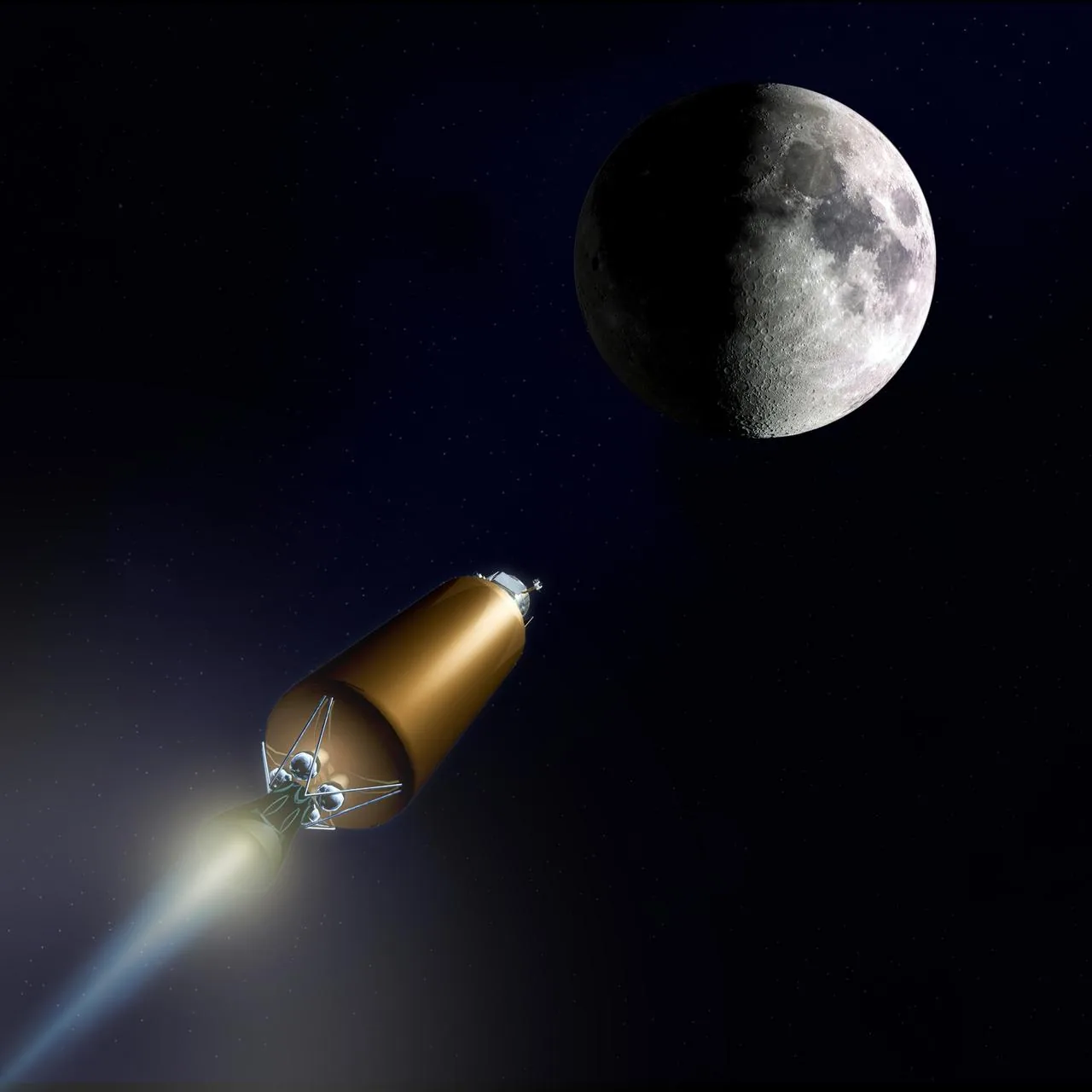
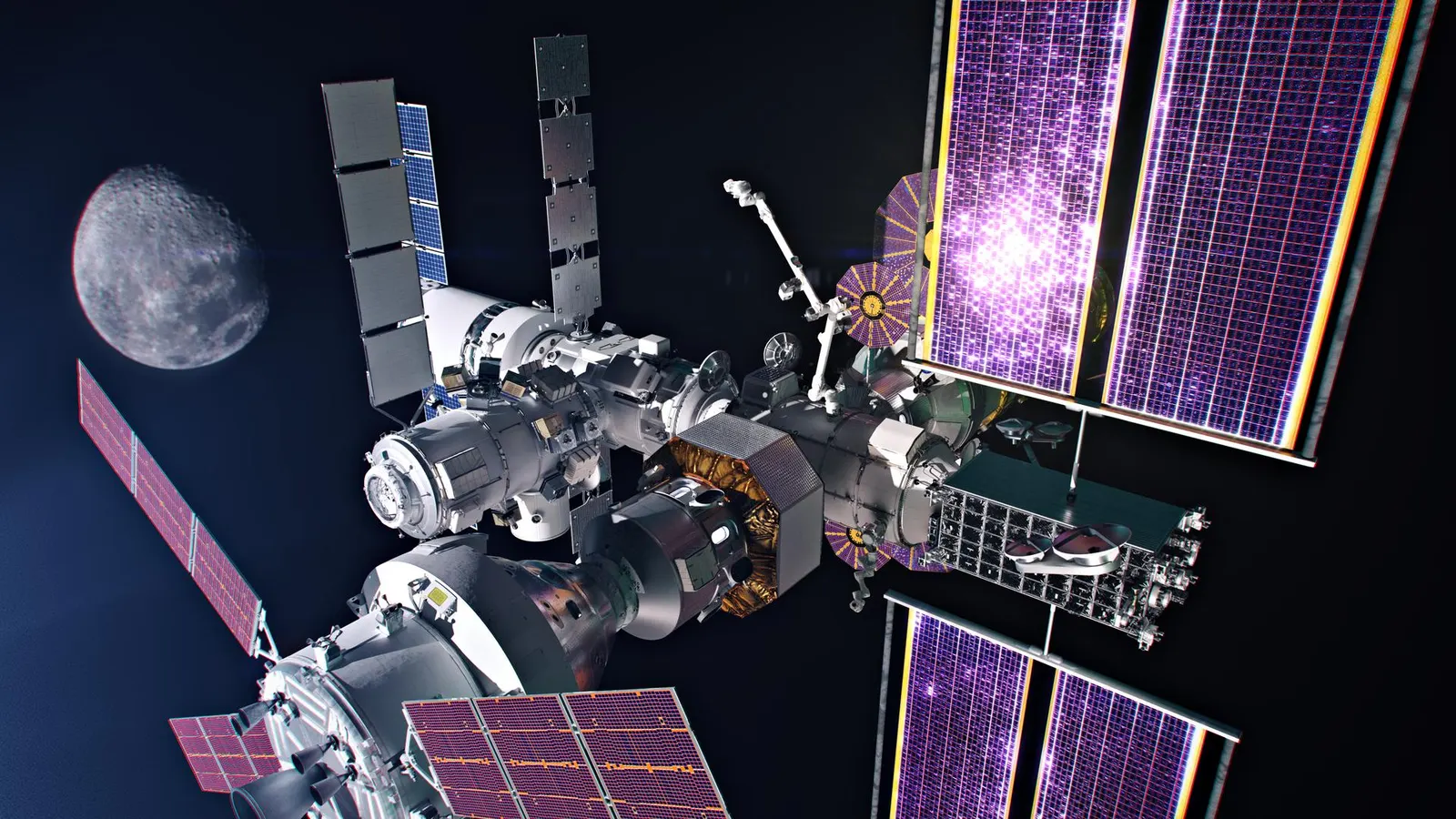
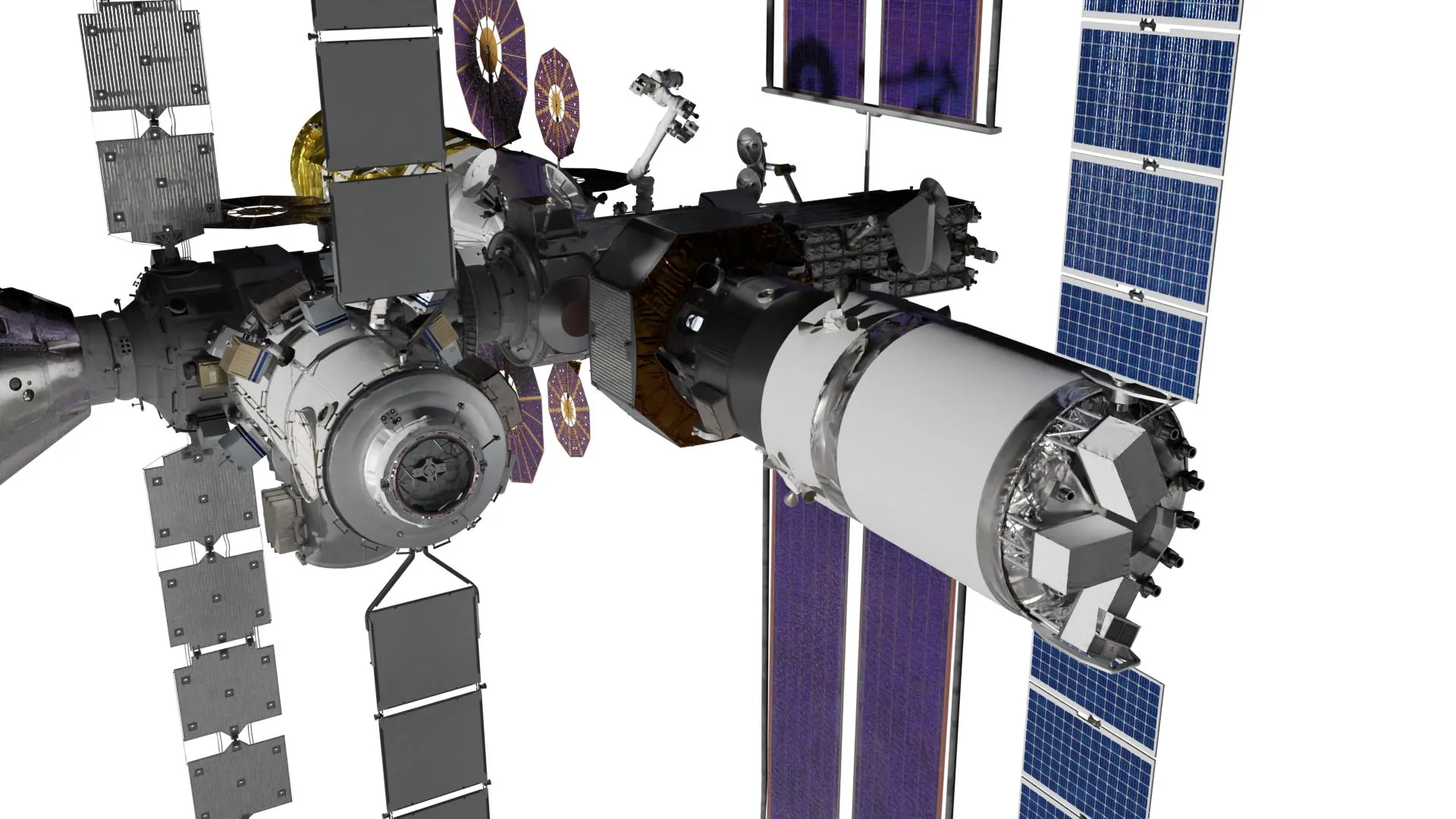
The Lunar Gateway was designed to be a small, modular space station orbiting the Moon in a near-rectilinear halo orbit (NRHO) — a highly elliptical path that would bring it as close as 1,500 kilometers to the lunar surface at its nearest point and as far as 70,000 kilometers at its farthest. This unique orbit was chosen because it requires minimal fuel to maintain and provides excellent coverage of the lunar south pole, where NASA plans to land astronauts.
Unlike the International Space Station, which is permanently crewed, the Gateway was designed for intermittent occupancy. Crews of four astronauts would visit for approximately 30 days at a time during Artemis lunar missions, using the station as a staging point before descending to the Moon's surface aboard landers like SpaceX's Starship Human Landing System or Blue Origin's Blue Moon.
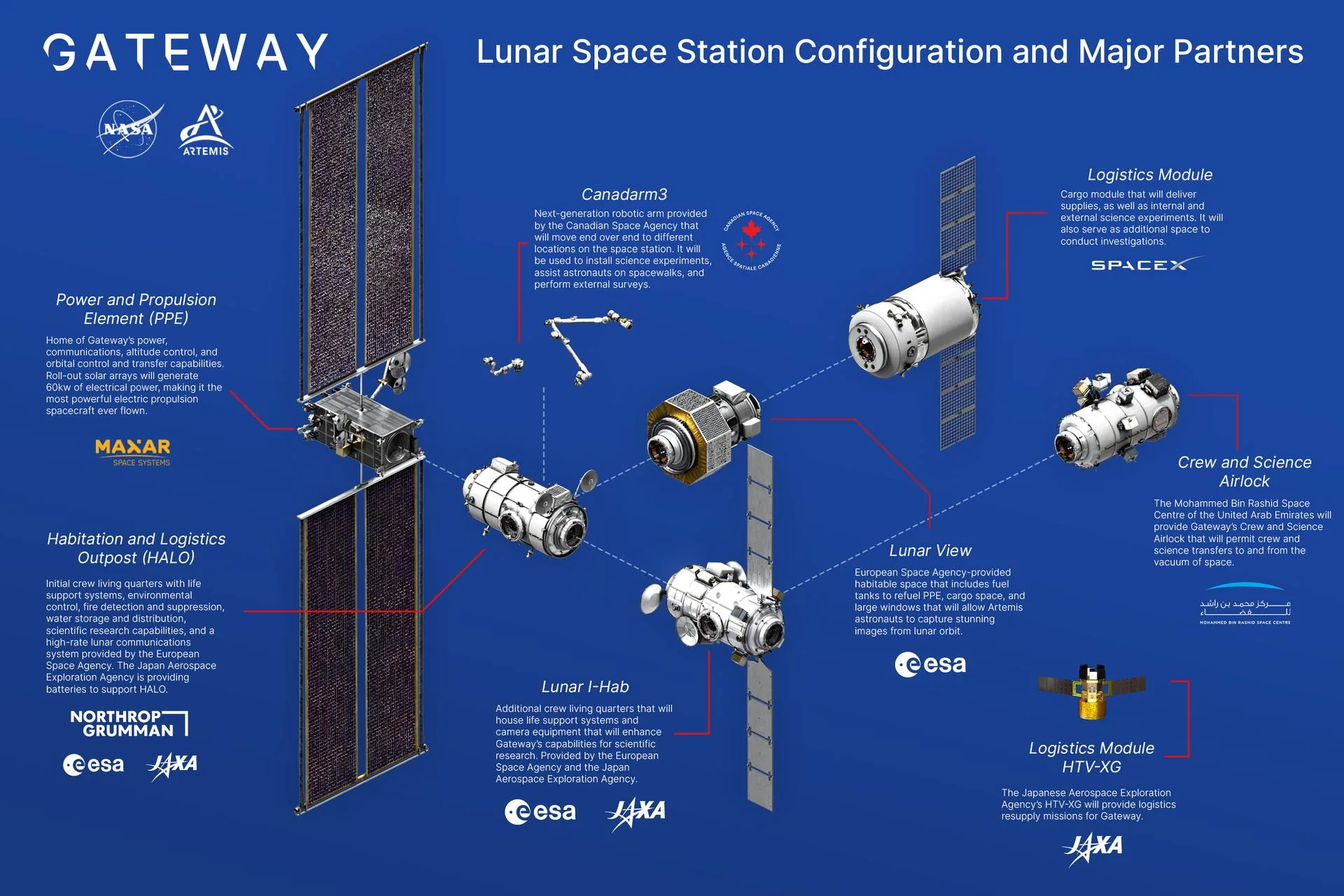
The station was planned to include several modules contributed by NASA and international partners:
- PPE (Power and Propulsion Element): Built by Maxar Space Systems, a solar electric propulsion module providing 60 kilowatts of power and propulsion to maintain the station's orbit
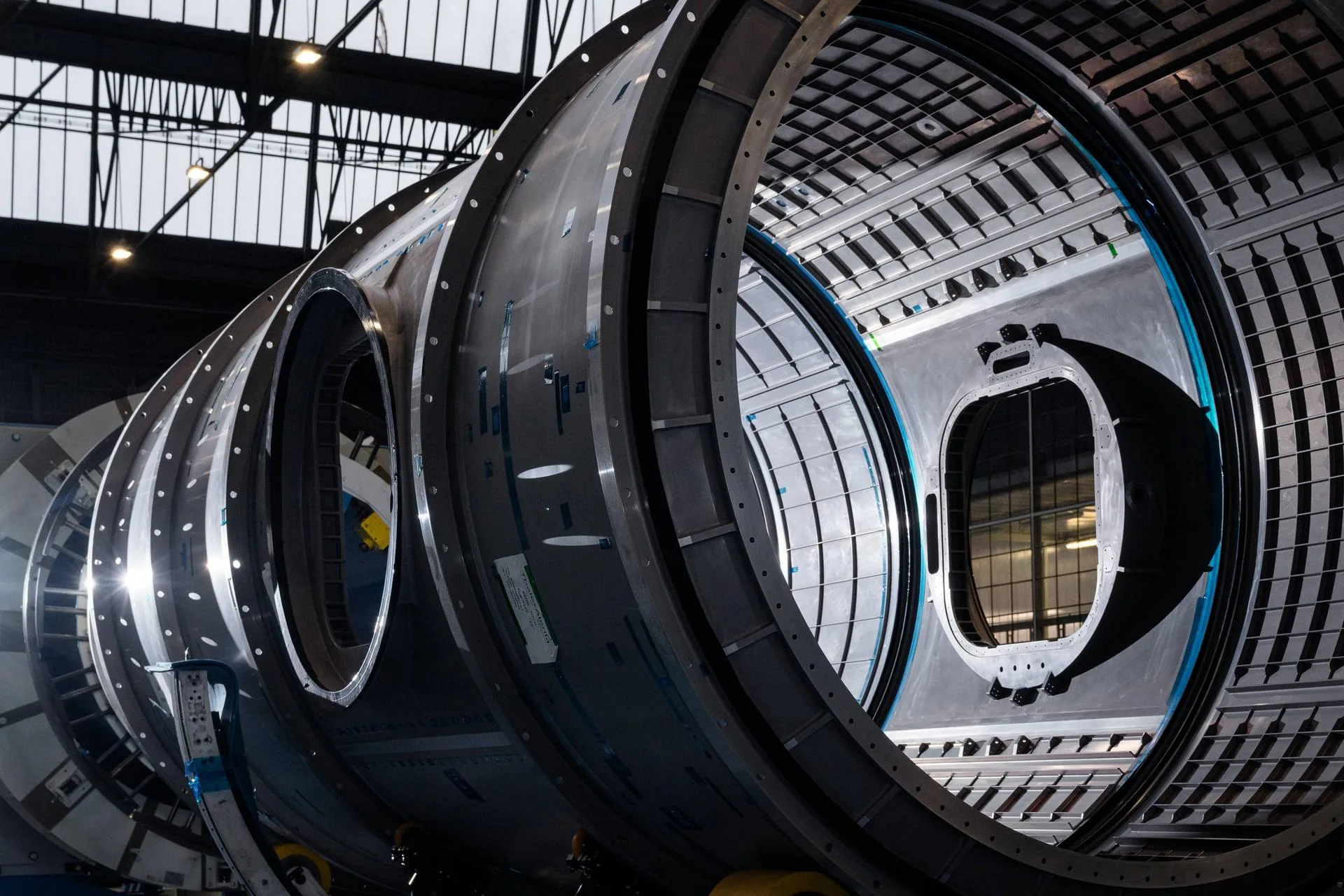
- HALO (Habitation and Logistics Outpost): Built by Northrop Grumman with Thales Alenia Space, the initial pressurized living and working module
- Lunar I-HAB: An ESA and JAXA collaboration providing additional habitation space
- Lunar View (formerly ESPRIT): ESA's refueling and communications module
- Lunar Link: ESA's communication relay system between Gateway and lunar surface assets
- Canadarm3: Canada's contribution — a next-generation robotic arm system for autonomous maintenance and assembly
- Crew and Science Airlock: Built by the UAE's Mohammed bin Rashid Space Centre for spacewalks and payload deployment
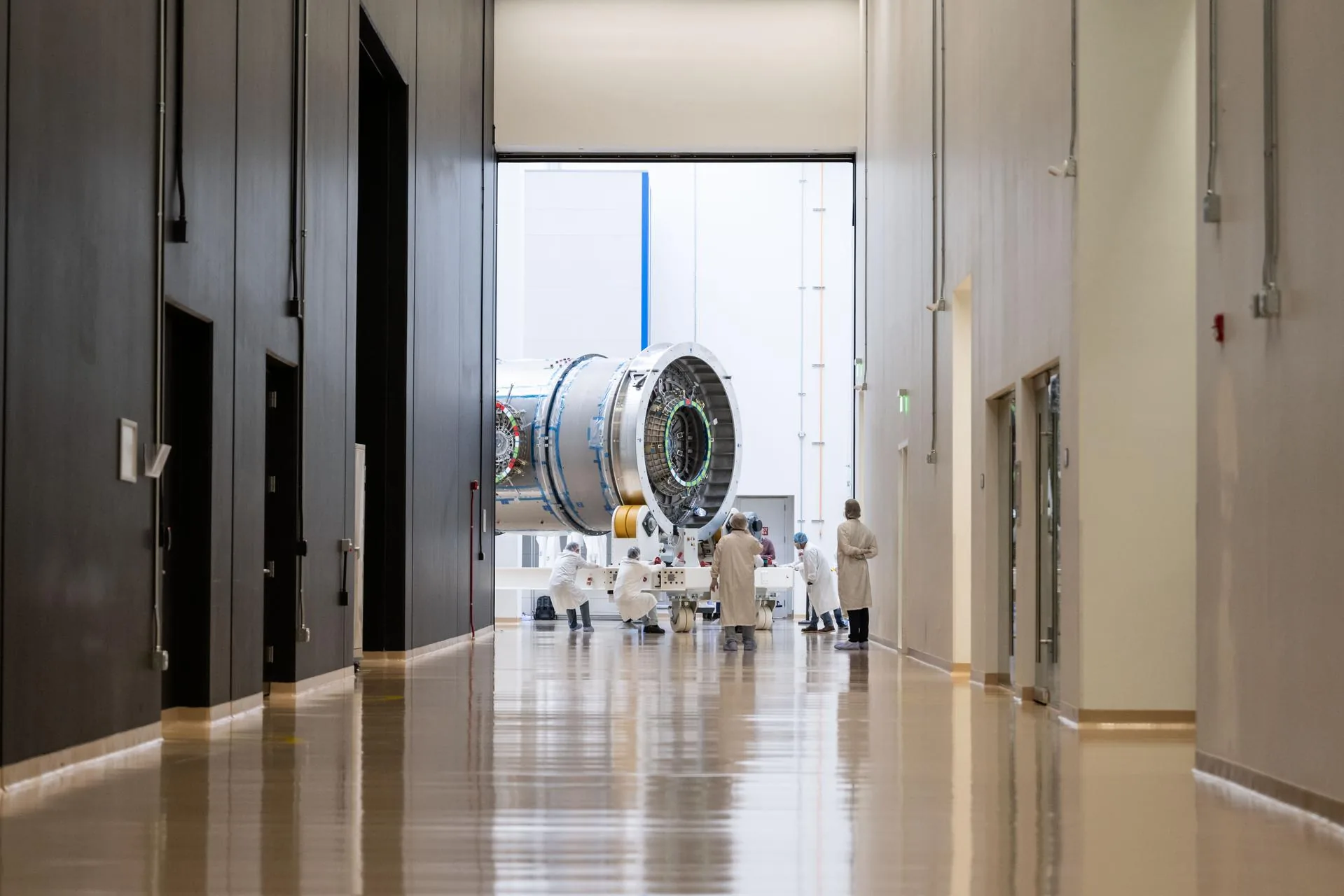
The PPE and HALO were the most advanced, scheduled to launch together on a SpaceX Falcon Heavy no later than December 2027. The HALO module had already been fabricated in Turin, Italy by Thales Alenia Space and shipped to Northrop Grumman's facility in Gilbert, Arizona for final outfitting.
Why NASA Cancelled Gateway
The cancellation was driven by a combination of political, financial, and strategic factors.
Cost escalation was a primary concern. The Gateway program had faced repeated cost overruns and schedule delays. A 2024 Government Accountability Office report flagged mass growth issues, noting that the station's components were trending heavier than designed, which could reduce performance. The Trump administration's fiscal year 2026 budget proposal explicitly cited escalating costs as a reason to end the program.
Competition with China accelerated the timeline pressure. China's ambitious lunar program — including plans for a crewed Moon landing by 2030 and construction of the International Lunar Research Station (ILRS) — has created urgency in Washington to demonstrate American leadership on the Moon. Administrator Isaacman framed the pivot as necessary to "hone the agency's workforce, simplify program architecture, increase launch cadence, and compete with China's lunar ambitions."
Commercial alternatives undermined the Gateway's value proposition. When Gateway was originally conceived in the early 2010s, it was seen as essential infrastructure for lunar surface missions. But advancements in commercial capabilities — particularly SpaceX's Starship, which can dock directly with Orion in lunar orbit — made the station less operationally necessary. For Artemis III, NASA's first crewed lunar landing mission, Starship HLS will dock directly with Orion without needing a Gateway waypoint.
Strategic simplification was the overarching justification. Rather than building both an orbital station and a surface base, NASA chose to focus resources on the surface base alone — arguing that a permanent presence on the Moon itself is more scientifically valuable and strategically meaningful than a waypoint station in orbit.

What Happens to the Hardware?

Billions of dollars worth of hardware is already in various stages of completion. NASA has signaled it intends to repurpose as much as possible.
The PPE (Power and Propulsion Element) will get perhaps the most dramatic second life. NASA announced plans to repurpose it as part of "Space Reactor-1 Freedom," a proposed spacecraft that would become the first nuclear fission-powered interplanetary mission. The PPE's solar electric propulsion capabilities would be combined with nuclear electric propulsion technology for a deep space demonstration — potentially a far more groundbreaking mission than its original role powering a lunar station.
The HALO module is in the most uncertain position. Already fabricated and undergoing outfitting in Arizona, HALO represents hundreds of millions of dollars in completed hardware. NASA has implied it may be repurposed for the lunar surface base or other programs, but no specific plan has been announced. The module was designed for a microgravity environment, so adapting it for surface use would require significant modifications.
Canadarm3, Canada's next-generation robotic arm, may have the smoothest transition. MDA Space, the prime contractor, has indicated the technology will be used both commercially and likely on the lunar surface. The robotic arm capabilities are inherently flexible — useful for orbital station assembly, surface base construction, or commercial space stations in low Earth orbit.
ESA's modules — Lunar I-HAB, Lunar View, and Lunar Link — face the most uncertain future. ESA Director General Josef Aschbacher announced the agency would present a plan to the ESA Council in June 2026, evaluating whether to continue the modules in modified form, redirect them for other purposes, or reallocate funding. Thales Alenia Space, the prime contractor for all three, has invested years of development work that may not easily transfer to other programs.
JAXA's I-HAB contributions are similarly in limbo. Japan had invested significant resources in habitation technology for the Gateway, and the cancellation leaves JAXA searching for alternative venues to deploy its hardware and expertise.
The UAE's airlock module was in earlier development stages, so the financial impact is less severe, but the cancellation eliminates what would have been the UAE's highest-profile human spaceflight contribution.
The $20 Billion Lunar Surface Base
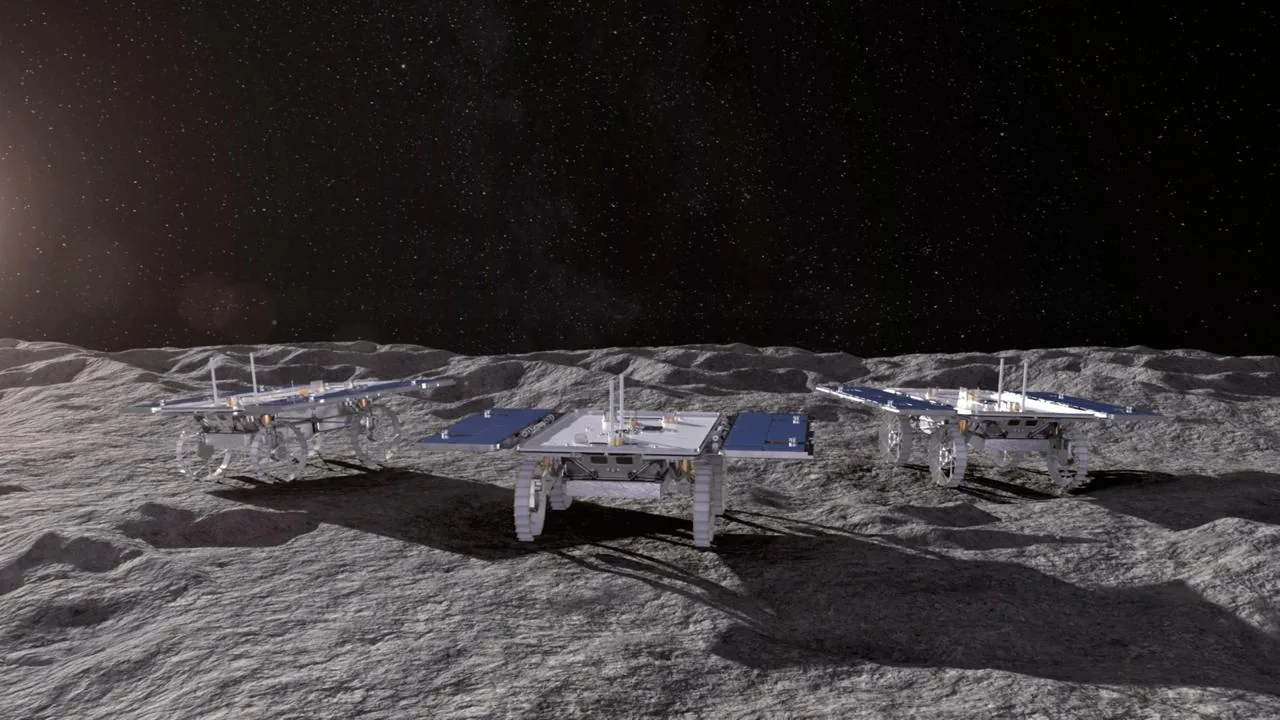
In place of Gateway, NASA announced a phased approach to building a permanent lunar base — the most ambitious surface infrastructure project since the Apollo program.
The plan calls for $20 billion in investment over seven years (2029–2036), with construction beginning after several Artemis landing missions establish operational experience on the surface. Key elements include:
- Pressurized habitation modules for extended crew stays of weeks to months
- Surface power systems including nuclear fission reactors (building on NASA's Kilopower technology)
- In-situ resource utilization (ISRU) facilities to extract water ice from permanently shadowed craters at the lunar south pole
- Surface mobility systems including pressurized rovers for long-distance exploration
- Communication infrastructure connecting the base to Earth and orbital assets
The revised Artemis timeline maintains a once-a-year lunar landing cadence, with Artemis III targeted for 2027 and Artemis IV for 2028. The Gateway was originally planned to debut as a crew transfer point for Artemis IV, but without it, future missions will use direct-docking architecture between Orion and the lander, similar to Artemis III.
International Fallout
The cancellation has strained relationships with NASA's closest partners at a critical moment for international space cooperation.
Europe is "left holding the bag," as one industry analysis put it. ESA invested heavily in Gateway modules as its primary contribution to the Artemis program — and as the basis for guaranteeing European astronaut seats on lunar missions. Without Gateway, Europe's role in Artemis becomes unclear. The June 2026 ESA Council meeting will be pivotal in determining whether Europe redirects its contributions to the lunar base, pursues independent lunar capabilities, or deepens cooperation with China's ILRS program.
Canada faces a particular challenge. The Canadian Space Agency's Canadarm3 was its ticket to lunar participation — a continuation of Canada's storied robotics heritage from the Space Shuttle and ISS eras. While MDA Space has expressed confidence the technology can be repurposed, losing the Gateway platform means Canada must negotiate a new role in the Artemis architecture from a weaker position.
Japan had seen Gateway as a cornerstone of its human spaceflight ambitions beyond low Earth orbit. JAXA's I-HAB contributions were intended to earn Japanese astronaut flights to lunar orbit. Japan is now in discussions with NASA about how to participate meaningfully in the surface base program.
The broader concern is what the cancellation signals about the reliability of NASA as an international partner. The ISS partnership thrived for decades precisely because all parties honored long-term commitments. If NASA can cancel a major international program unilaterally — after partners have invested billions — it may make future international cooperation more difficult to negotiate.
Why It Matters
The Gateway cancellation is more than a program management decision. It represents a fundamental shift in how NASA approaches lunar exploration — from a cautious, incremental strategy of building orbital infrastructure first to an aggressive, surface-first approach driven by geopolitical competition with China.
The decision has clear logic. A permanent lunar base is more scientifically productive than an intermittently occupied orbital station. It enables direct access to lunar resources, extended surface exploration, and a visible demonstration of sustained human presence. In the race with China, a base on the Moon is a more powerful symbol than a small station orbiting above it.
But the risks are equally clear. The Gateway provided a simpler, more modular path to establishing a cislunar presence. A surface base is vastly more complex, expensive, and technically challenging. And the cancellation disrupts international partnerships at exactly the moment when broad coalitions are most needed to sustain decades-long exploration programs.
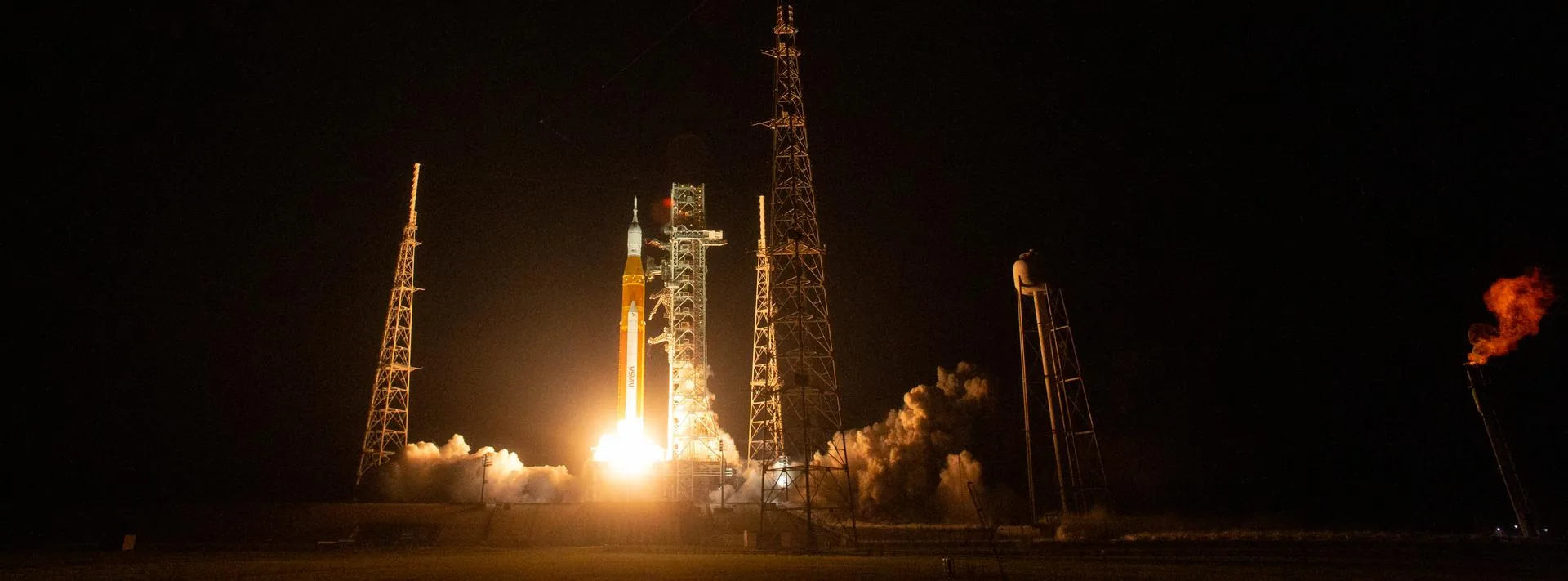
The coming months will be telling. ESA's June decision, NASA's detailed base architecture, and the success or failure of Artemis II (scheduled for April 1, 2026) will all shape whether the Gateway cancellation is remembered as a bold strategic pivot — or a costly disruption to humanity's return to the Moon.