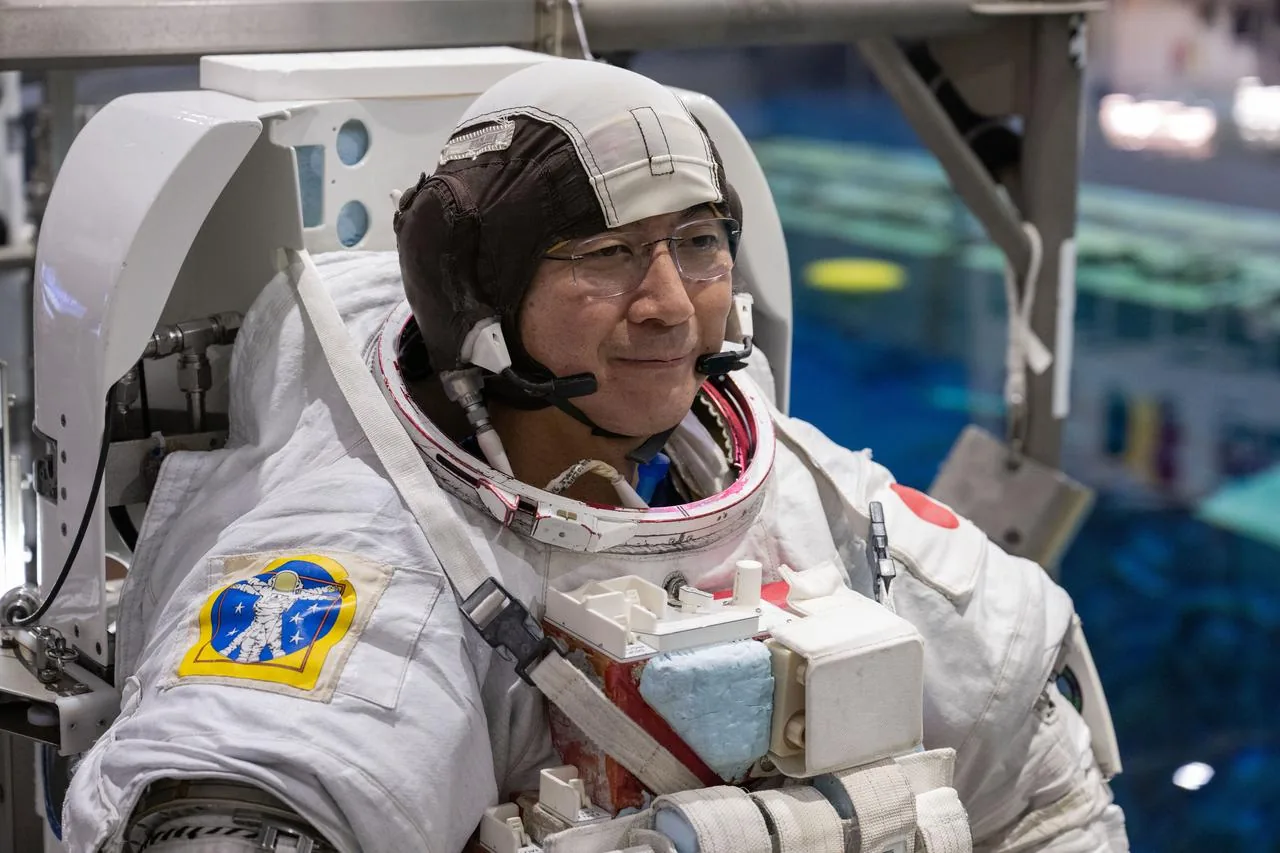
Japan's private space boom: ispace's Moon landers, Astroscale's debris cleanup tech, Synspective's SAR sats, and the startups making Japan Asia's commercial space hub.
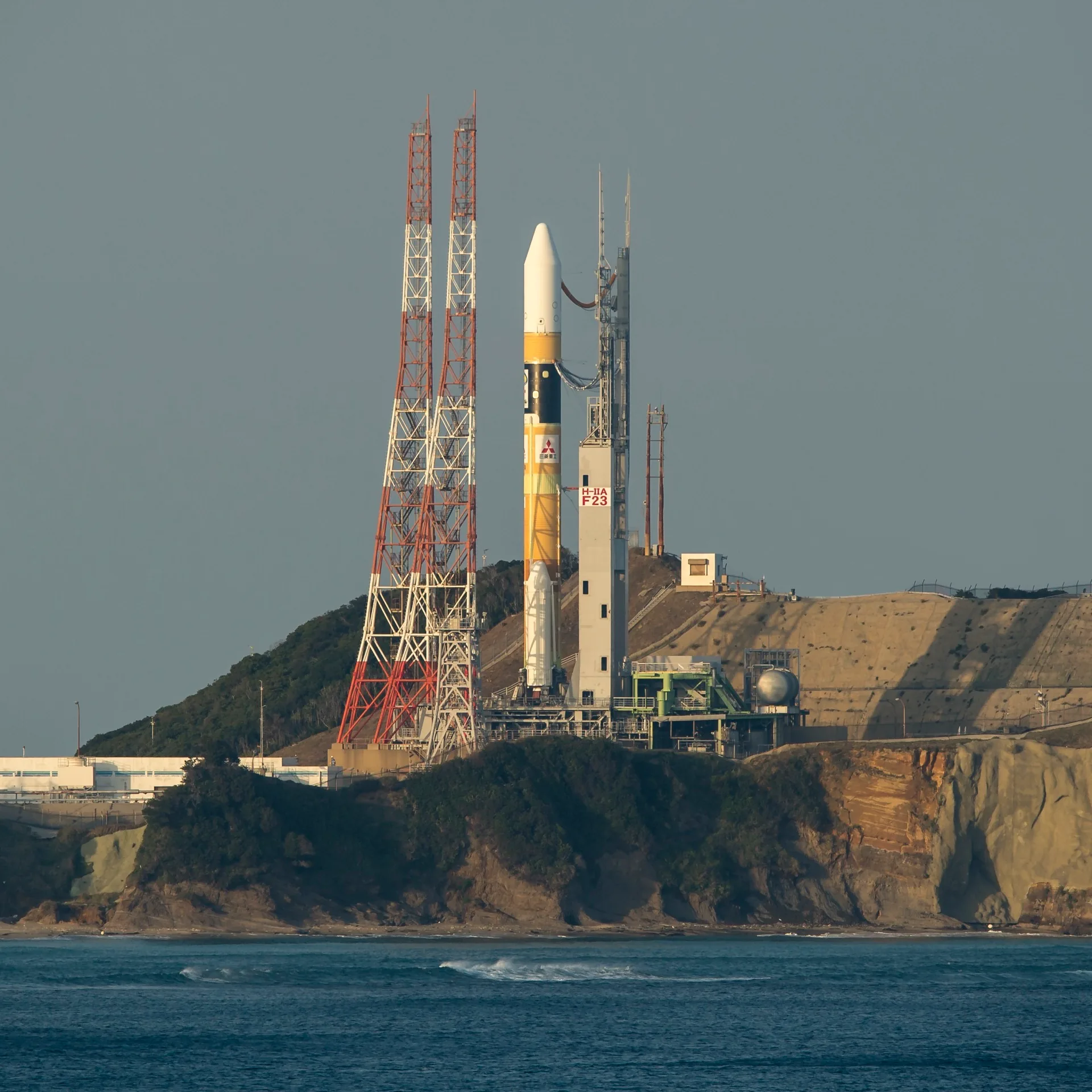
Japan launched its first satellite in 1970, pioneered asteroid sample return with Hayabusa, nailed a 55-meter precision Moon landing, and built H3 for the commercial era.
Governments worldwide spend over $100 billion annually on space. NASA, ESA, CNSA, JAXA, and ISRO each take a radically different approach. Here's the full breakdown of who spends what, and which programs create the most commercial opportunity.
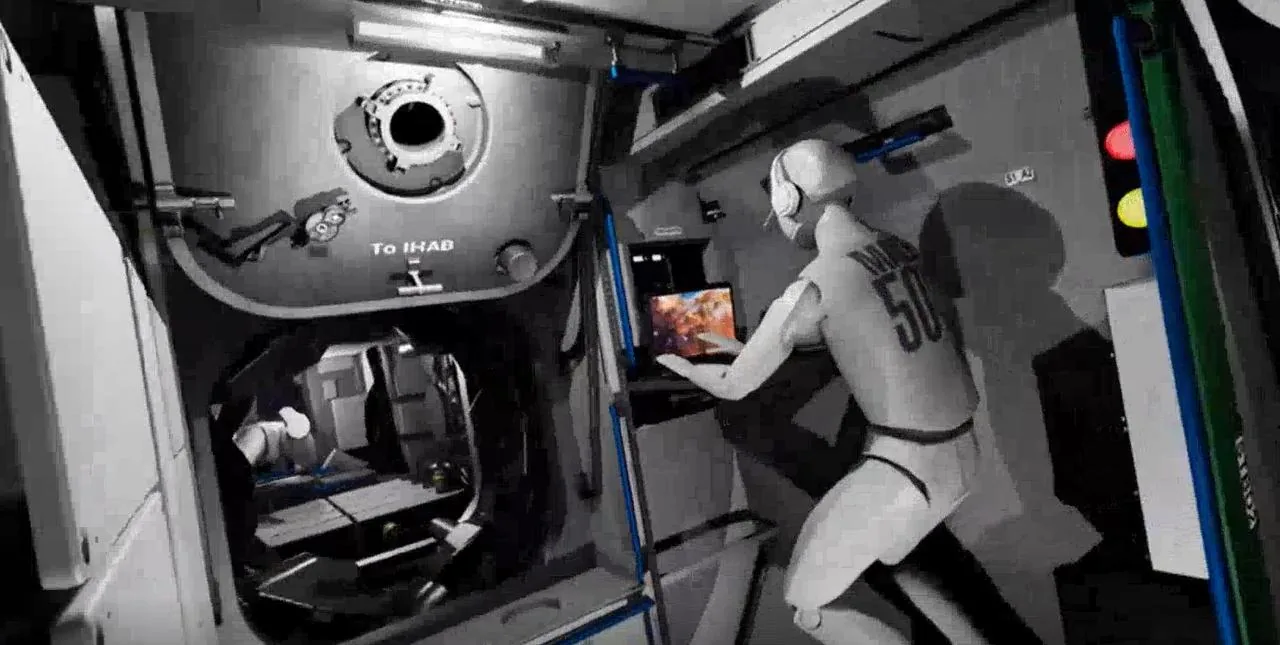
NASA paused the Lunar Gateway in March 2026, pivoting $20B to a surface base. What happens to built hardware, ESA-JAXA-CSA partners, and the Artemis roadmap now.
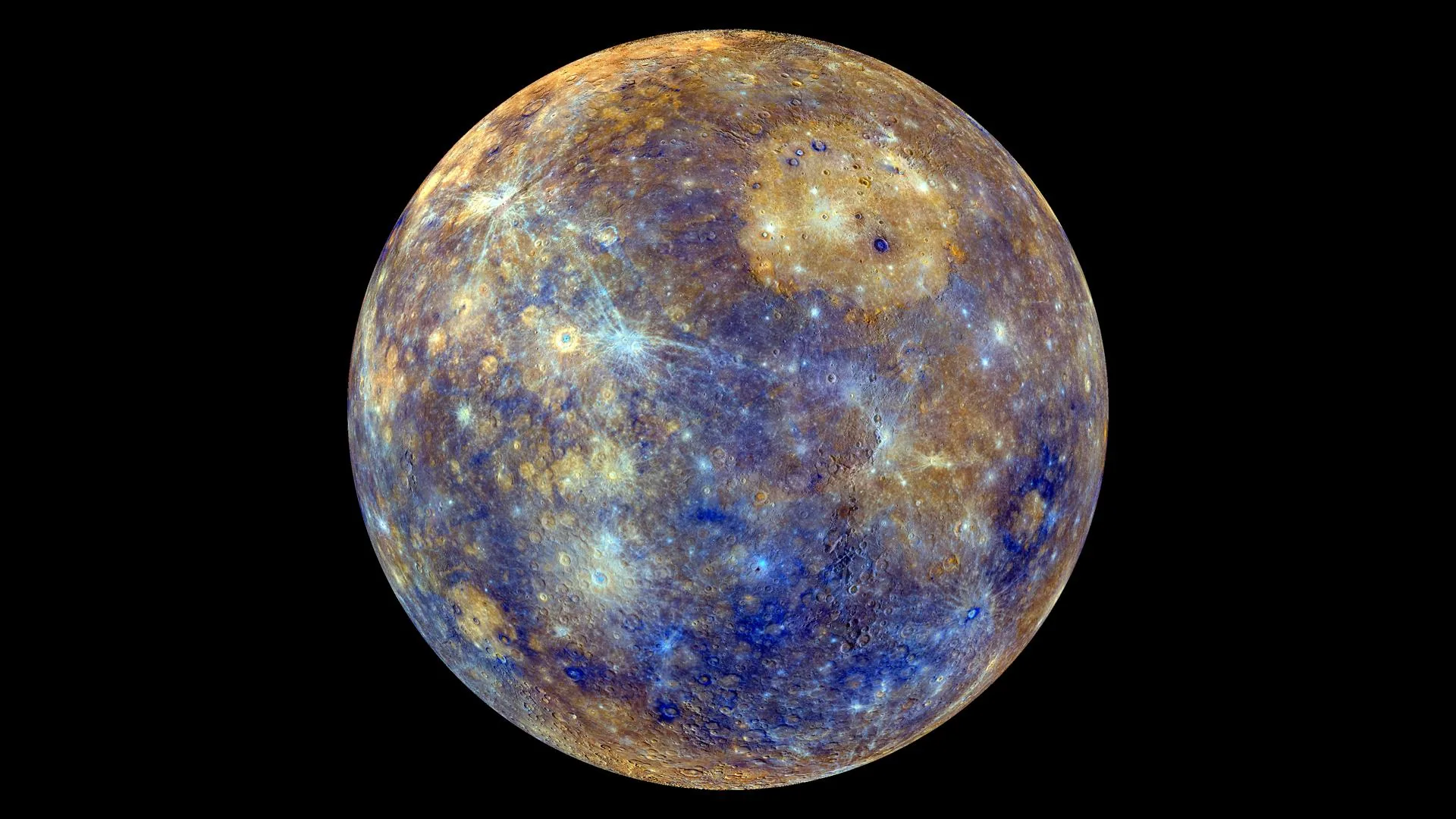
BepiColombo reaches Mercury orbit in late 2026 after 7 years and 6 flybys. Why Mercury is so hard to reach, what MESSENGER found, and what ESA-JAXA aim to uncover.
Mitsubishi Heavy Industries space arm: prime contractor for the H-IIA, H-IIB, and new H3 rocket, with Tanegashima launches, HTV cargo, and Japan's national launch backbone.
The Lunar Gateway: a mini space station in near-rectilinear halo orbit around the Moon. PPE, HALO, international modules, Artemis role, and the 6.5-day orbit explained.
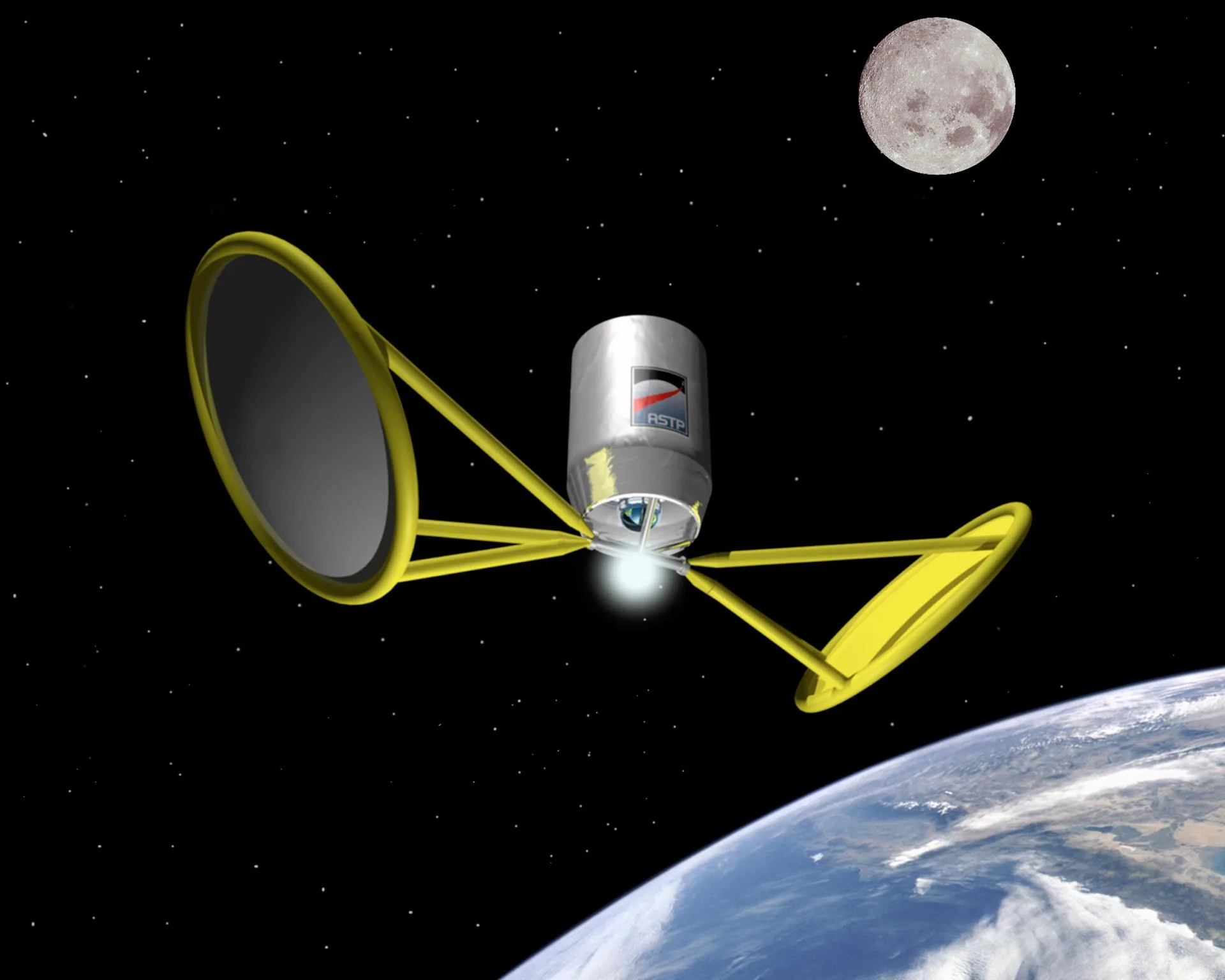
Space-based solar power beams 24/7 clean energy to Earth via microwaves. Caltech SSPD-1 proved it in orbit; ESA Solaris and JAXA aim for gigawatt stations by 2035.
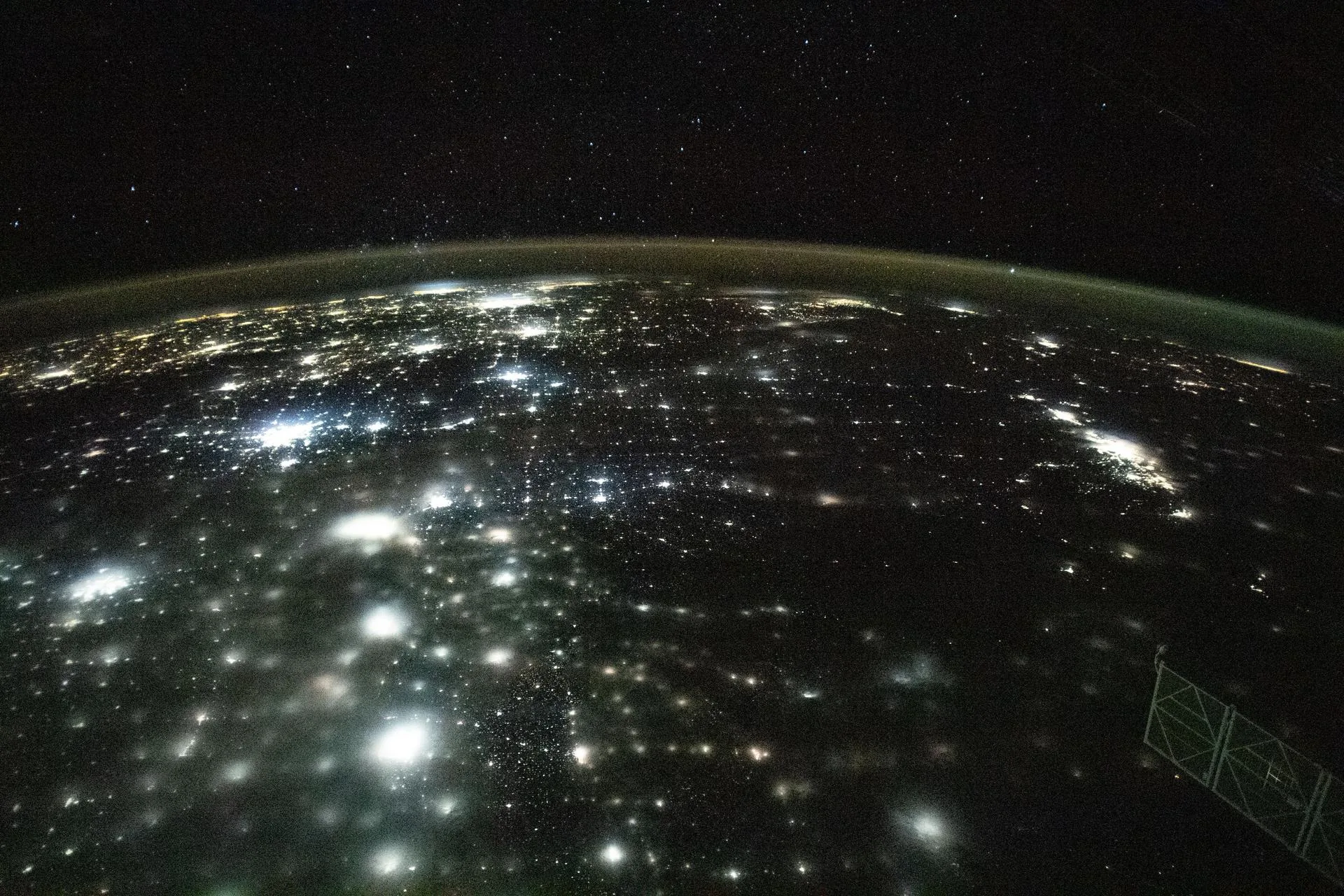
80+ countries operate satellites and 40+ have space agencies in 2025. A country-by-country map of space companies, budgets, missions, and Artemis Accords signatories.
Japan's SLIM 'Moon Sniper' touched down 55 meters from its target in Shioli crater, then flipped. Inside the pinpoint landing tech and what went sideways.